Running Watches
Coros Pace Pro Review: A Lightweight AMOLED Running Watch That Outlasts the Competition
Coros' first AMOLED sports watch combines long battery life, dual-band GPS and offline maps, and it goes toe to toe with the Garmin Forerunner 265, Polar Vantage M3, Suunto Race S and more.
Introduction
The mid-range AMOLED sports watch market has never been stronger. Coros has joined the party with the Pace Pro, its first watch with an AMOLED display, and it arrives swinging: dual-band GPS, offline color maps, a faster processor and the kind of battery life that has long been Coros’ calling card.
It costs £349 or $349, sits above the entry-level Pace 3, and goes up against some genuinely excellent rivals including the Garmin Forerunner 265, Polar Vantage M3, Suunto Race S and Apple Watch Series 10. Here is how they stack up.
What We Look For
For watches in this class, the things that matter most are screen quality, GPS and heart rate accuracy, battery life, navigation support and how pleasant the software is to live with day to day. The Pace Pro was tested over close to a month of heavy run training, including marathon workouts, a twisty city 10K and side-by-side comparisons with chest straps and rival watches.
Coros Pace Pro: The Headline Pick
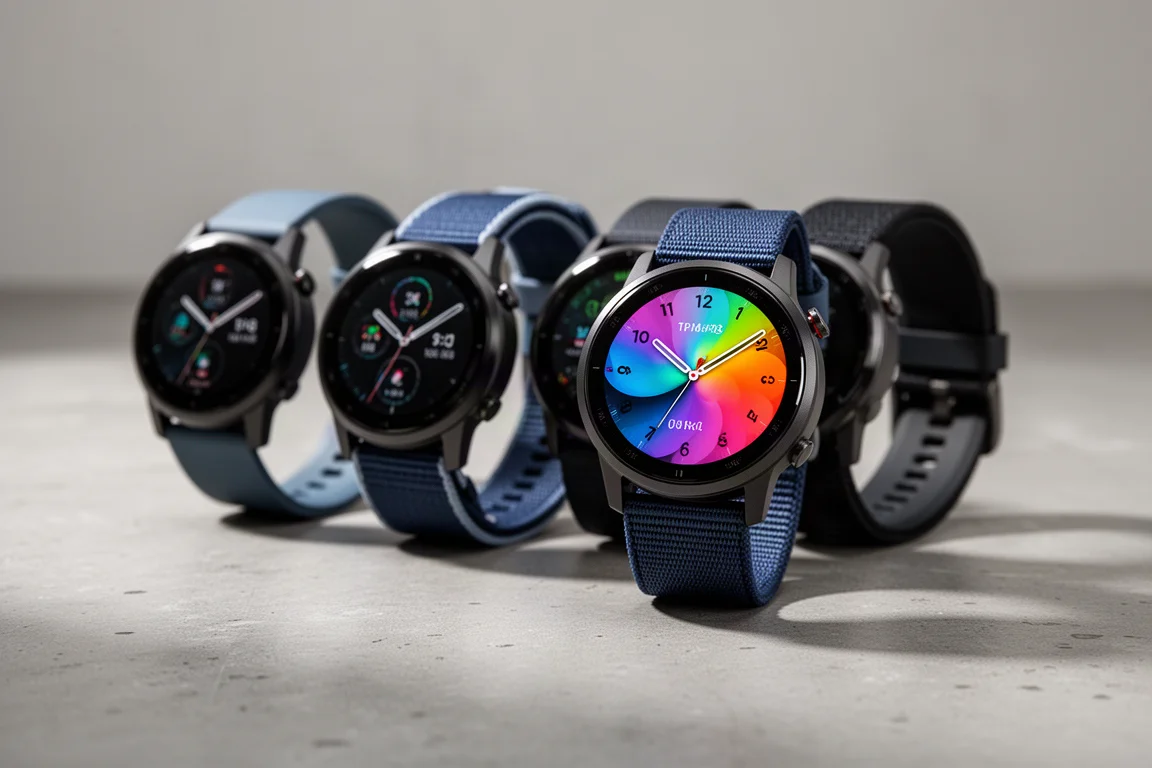
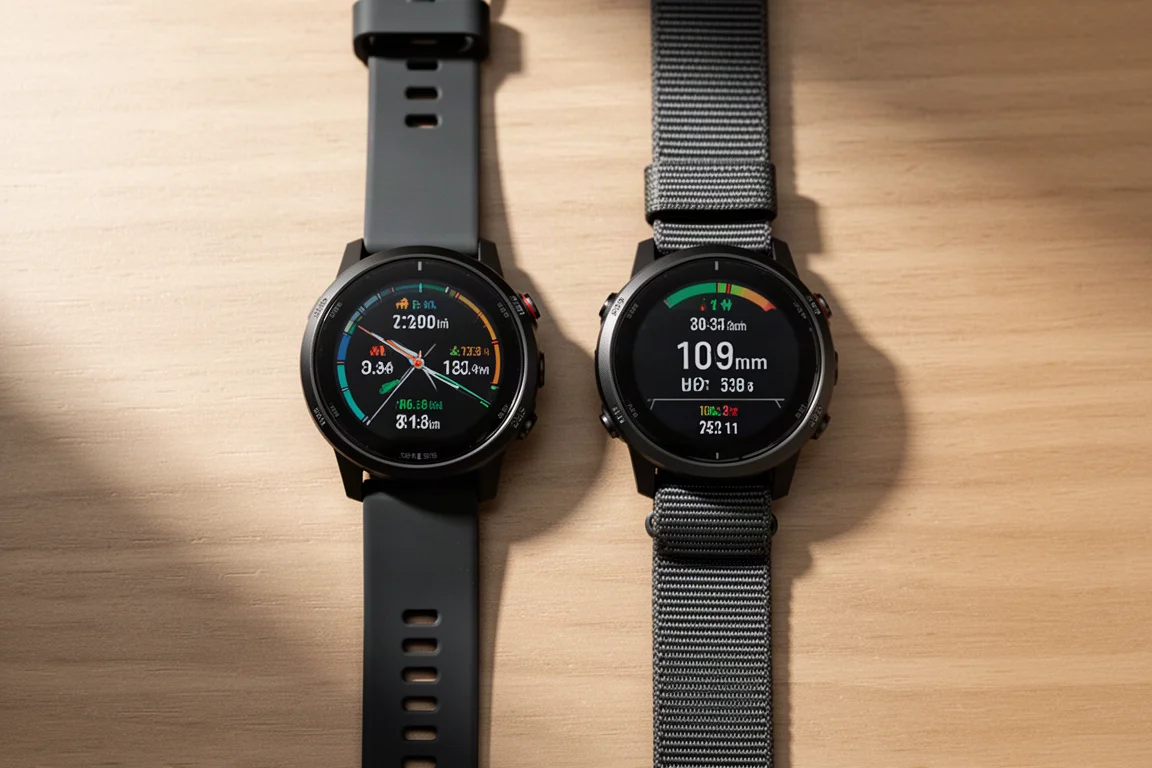
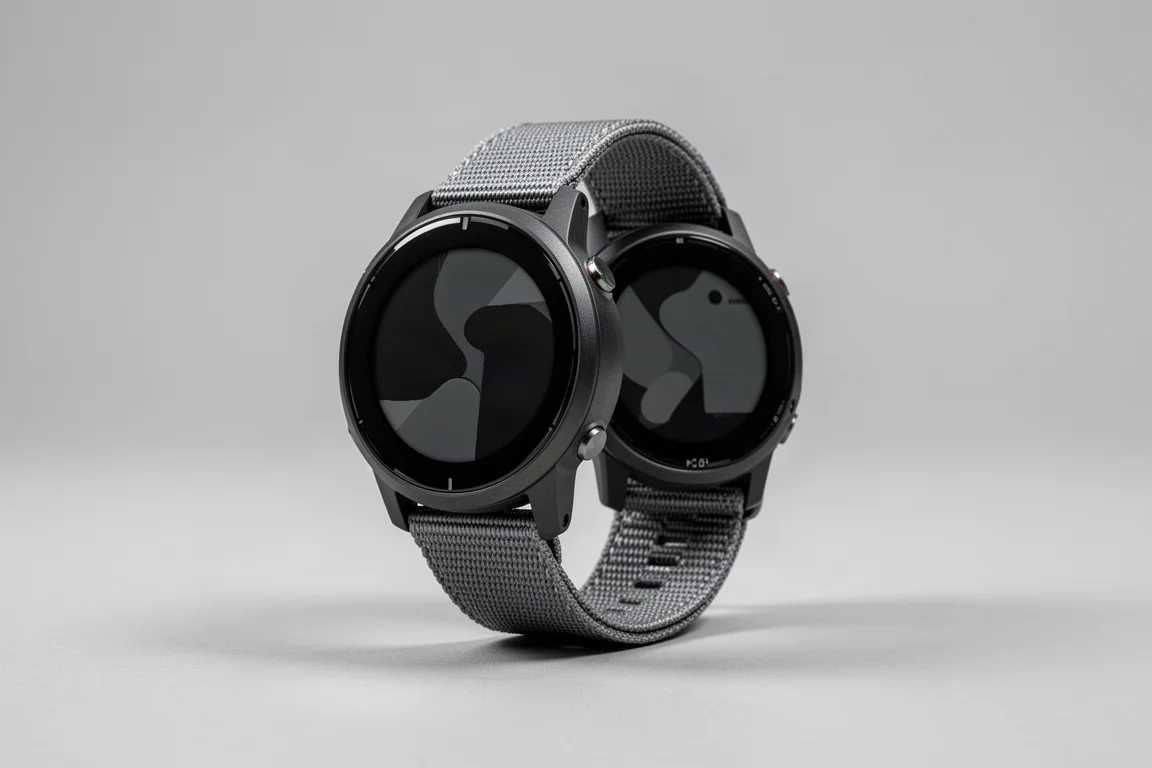
The Pace Pro keeps the lightweight spirit of the Pace 3 but adds a bigger 46mm case that is just 14mm thick. It weighs 37g with the nylon band or 49g with the silicone band, so despite being larger than the Pace 3 it never feels bulky on the wrist. It comes in black, gray and blue, and matching nylon bands cost £29 or $29 if you want to upgrade.
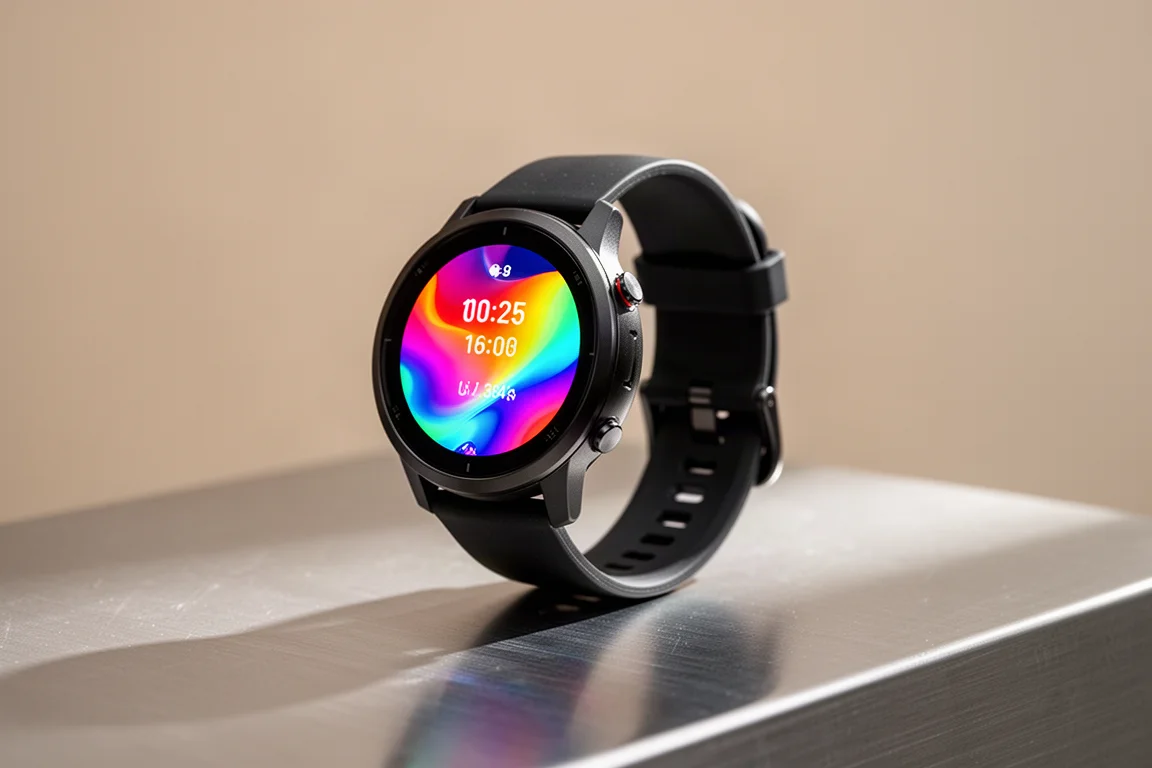
The headline feature is the 1.3-inch AMOLED display with 1,500 nits of brightness. It is bright, colorful and easy to read in all conditions, with rich blacks and crisp data. Under the hood there is a new stainless steel digital crown capable of ECG measurements, dual-band GPS with an improved chipset, the same heart rate sensor as other Coros watches but positioned to sit more snugly against the wrist, plus an altimeter, pulse oximeter and 32GB of storage for offline maps and music files.
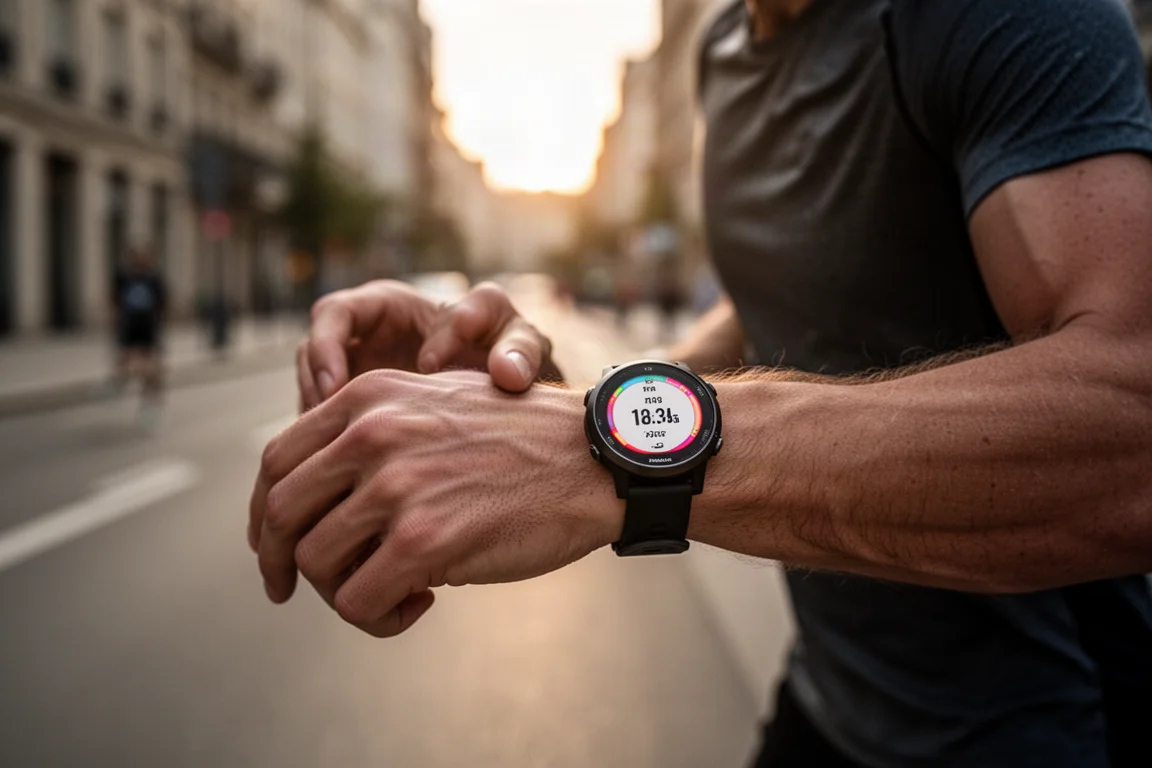
Battery life is where it truly stands out. Coros lists 20 days of general use, or 6 days with the always-on screen, along with 31 hours of dual-band GPS and 38 hours of all-systems GPS. In real testing, five to six days of use with daily runs and the always-on screen enabled was achievable, which beats most mid-range AMOLED rivals on day-to-day staying power.
The downsides are worth knowing. Optical heart rate is standard for the category, with occasional spikes during hard intervals, so a chest strap is still the best option for serious sessions. The charging system uses a small USB-C adapter that is easy to lose, the music feature is limited to drag-and-drop files, and the smartwatch experience lacks payments and a full app ecosystem. Training analysis is usable but not always intuitive, and watch face customization is limited compared with Garmin.
Display, Performance and Everyday Use
The new processor is claimed to be twice as fast as the Pace 3, and it shows. Menus, map zooming and general navigation feel snappy and smooth, arguably slicker than some more expensive watches. The touchscreen is responsive and offers subtle haptic feedback.
GPS performance was solid throughout testing, with overall distances matching or beating dual-band rivals. Zooming into individual tracks does reveal occasional corner-cutting wobbles, but that is true of essentially every GPS watch at this level. Race predictions were among the most accurate of any watch brand tested.
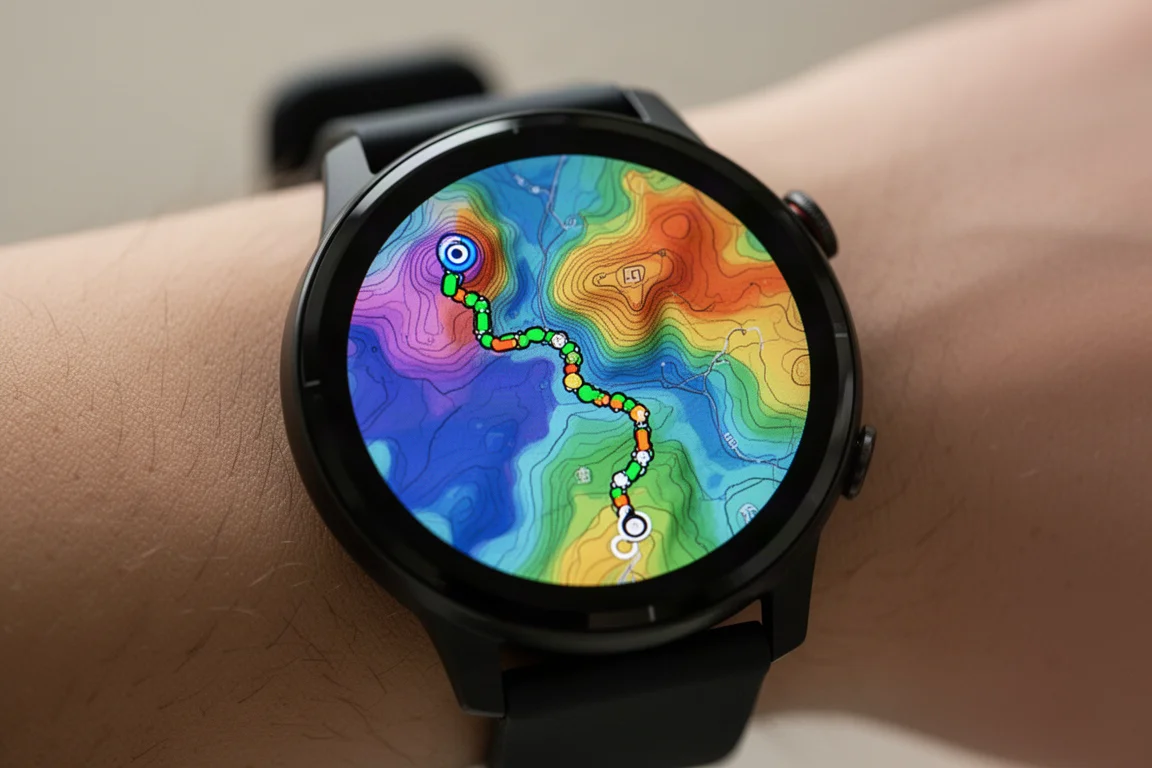
One clever extra is Extend mode, which beams the watch screen to a smartphone for a larger view of maps and data. The color topographic maps download quickly through the app, and turn-by-turn navigation with off-course alerts works well, though the climb-focused data features offered by Polar and Garmin are missing here.
Garmin Forerunner 265
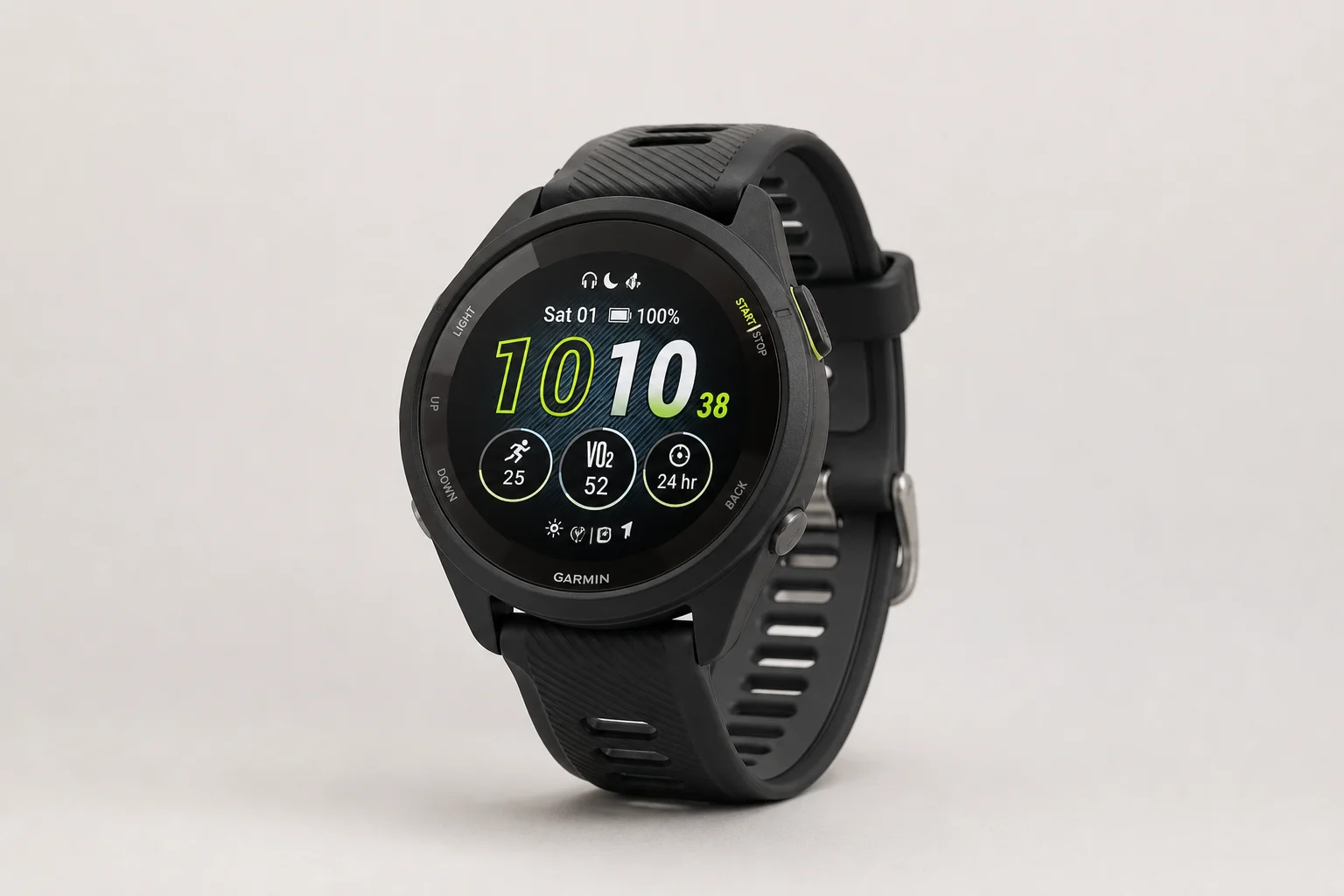
The Forerunner 265 has long been the benchmark in this price bracket, and it still wins on design polish, training analysis, smart features and customization. Its always-on screen shows more data and offers far richer watch face options. Coros counters with considerably better battery life, built-in maps that Garmin does not offer at this price, and a lower price at Garmin’s full retail. If you find the 265 at full price, the Pace Pro is the stronger value; at equal pricing, long-time Garmin users may still lean Garmin, though the Pace Pro is nearly as satisfying to use.
Polar Vantage M3
The Vantage M3 is a capable watch but was the least favorite of this group in direct testing. It sits thick on the wrist, the interface feels fiddly and dated with limited customization, and run screens cap out at four data fields. The Pace Pro was preferred for feel, usability, GPS accuracy and notably better heart rate tracking. Polar loyalists will find plenty to like, but Coros has the edge here.
View more details for Polar Vantage M3
Suunto Race S
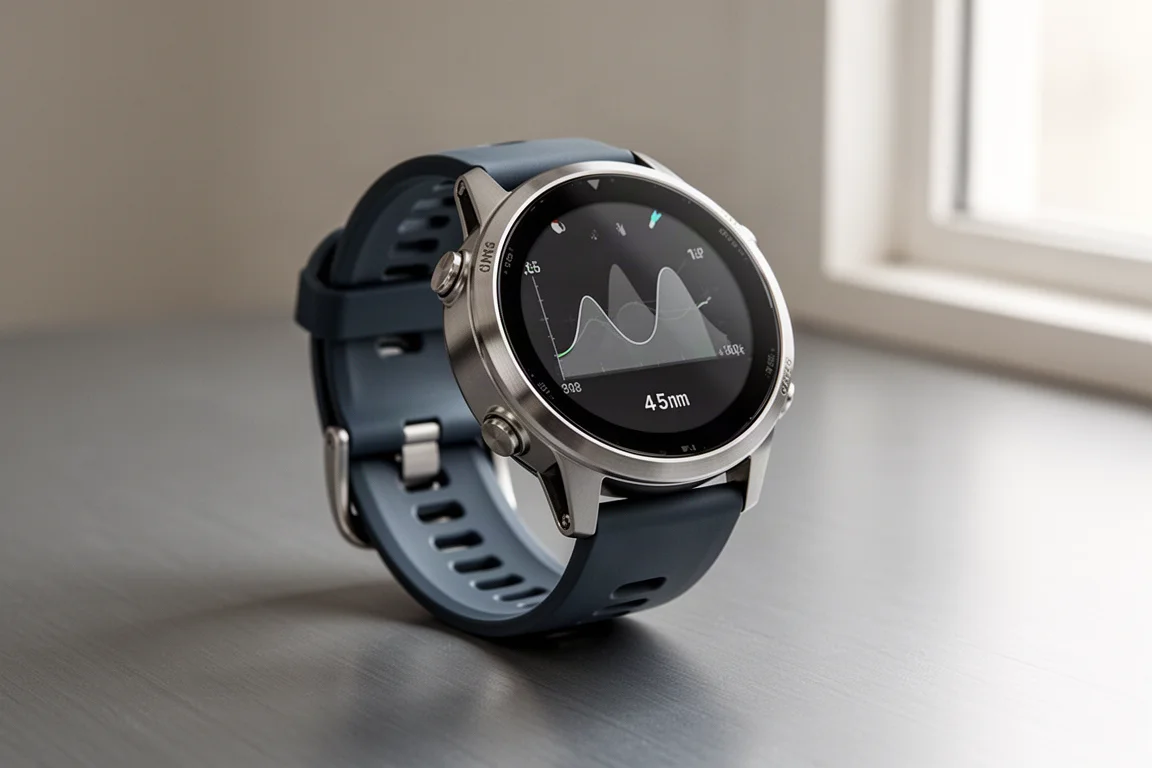
The Race S is great value and slightly cheaper in the UK, with a hardier, more premium-feeling design thanks to better materials. If you love its look, it is a very easy recommendation. That said, the Pace Pro wins on the lighter, thinner all-plastic build, a less fiddly interface for maps, workouts and general navigation, and stronger wrist-based heart rate in testing.
Apple Watch Series 10
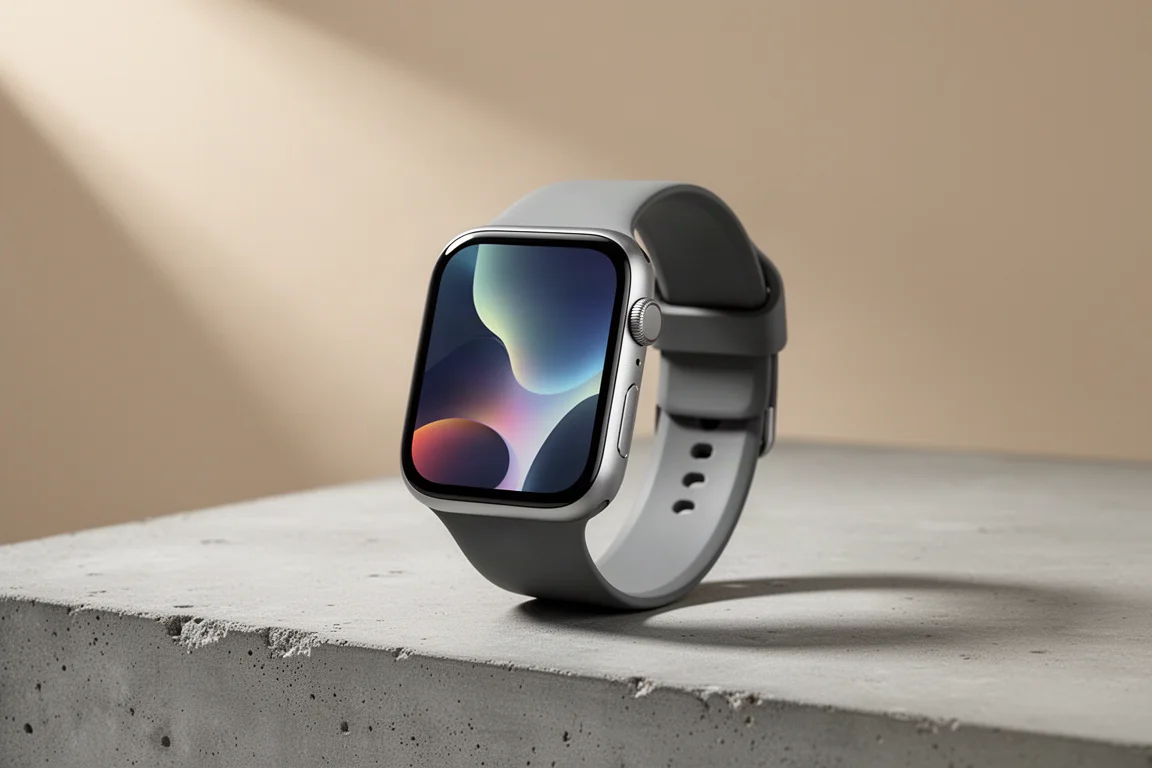
If you want a smarter watch, the Series 10 is the obvious pick. It has a nicer design, a huge suite of smart features and it is a pretty good run tracker. The Pace Pro is simply the better sports watch, though: physical buttons for laps, dual-band GPS that proved more accurate, and dramatically longer battery life. They serve different purposes, and both are good at their own jobs.
Coros Pace 3: The Value Alternative
The Pace 3 remains one of the best value sports watches available, offering excellent accuracy in a small, lightweight, fun-to-wear design. What the extra money buys on the Pace Pro is mainly the AMOLED screen, full mapping support instead of breadcrumb navigation, and a faster processor. If you are not fussed about the AMOLED display or maps, the Pace 3 is still a really accurate and very good sports watch, and newcomers who don’t care about those features should save their money. If you already own a Pace 3 and are not bothered about the screen or maps, the upgrade is hard to justify, though owners of older Coros Apex watches may find it worthwhile.
Which Watch Should You Buy?
For most runners who want a capable AMOLED sports watch with excellent battery life and real navigation, the Coros Pace Pro is the pick of this group. It lacks some of the smarts and finesse of the Garmin ecosystem, but the strong screen, accurate dual-band GPS and outstanding staying power make it excellent value at £349 or $349.

Garmin buyers should wait for a sale on the Forerunner 265, design-first buyers should look hard at the Suunto Race S, Polar loyalists may want to try before they buy, and anyone who values lifestyle smarts over run tracking depth should consider the Apple Watch Series 10. And if budget comes first, the Pace 3 remains a genuinely great watch.
Conclusion
The Coros Pace Pro is a strong debut AMOLED sports watch that goes toe to toe with the best mid-range rivals. It trades some premium materials and smartwatch depth for a lighter build, longer battery life and included maps, and for runners that trade-off is an easy one to accept. The good outweighs the bad by a clear margin, and it is a very easy watch to recommend.
Further reading
Related Reviews
Running Watches
Coros Pace 3 Running Watch Review: Why Software Matters More Than Specs
The Coros Pace 3 prioritizes runner-focused design and intelligent software over expensive hardware. Here's why it outperforms watches that cost twice as much.
Running Watches
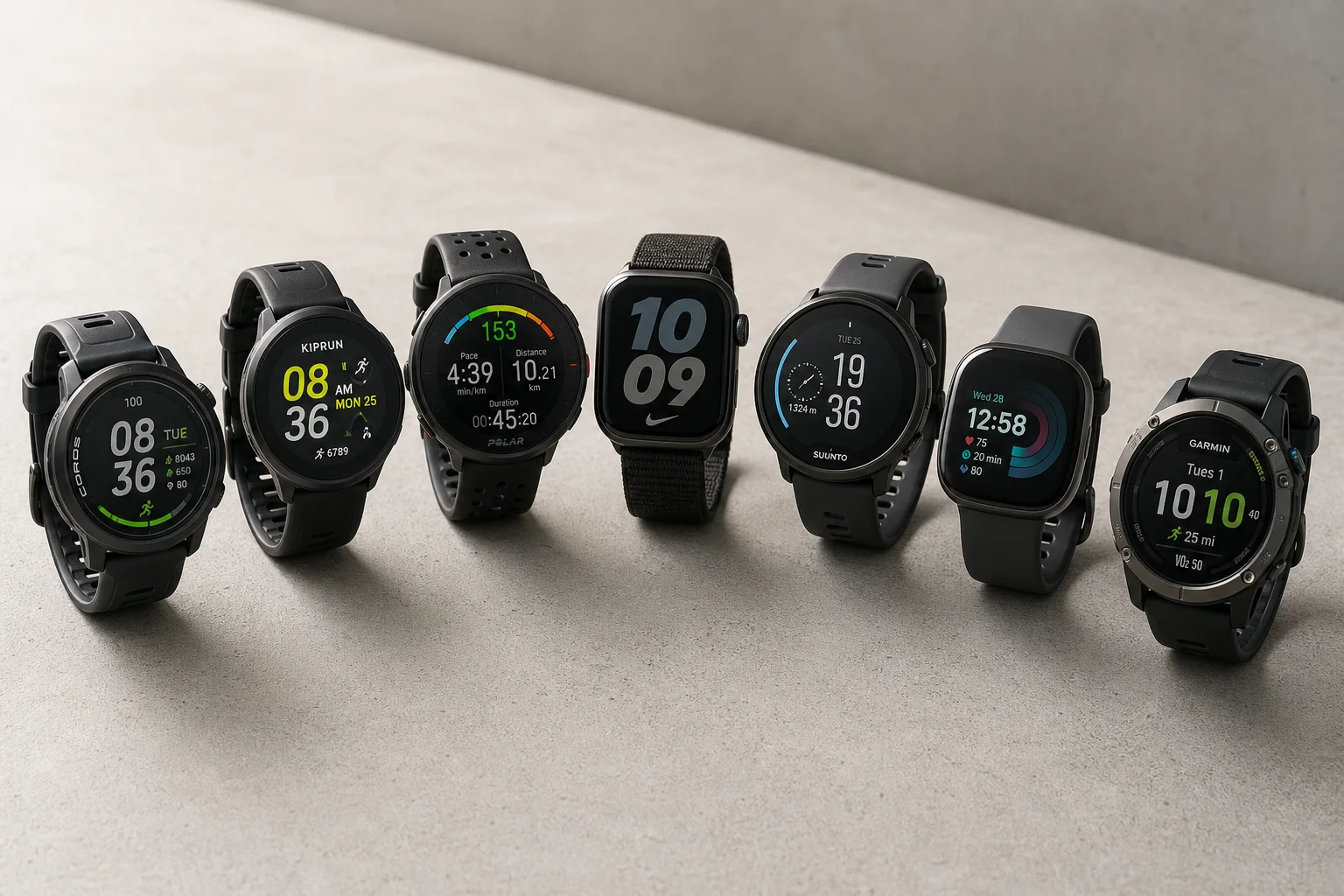
GPS Running Watch Accuracy Test: Seven Watches Compared Across Urban, Trail, and Race Conditions
We tested seven popular running watches from major brands in three different environments to find out which delivers the most accurate GPS tracking for distance and pace.
Running Watches
Garmin Forerunner 70 Review: Garmin's Cheapest Forerunner Is More Capable Than You'd Expect
The new entry-level Forerunner 70 brings an AMOLED screen, a fresh interface, and real training analysis for £219/$249, with a few trade-offs to weigh before buying.