Running Watches
Coros Pace 4 vs Garmin Forerunner 265: Which Running Watch Makes More Sense?
Two capable AMOLED running watches go head to head on design, GPS and heart rate accuracy, training analysis, battery life, and smartwatch features.
Introduction
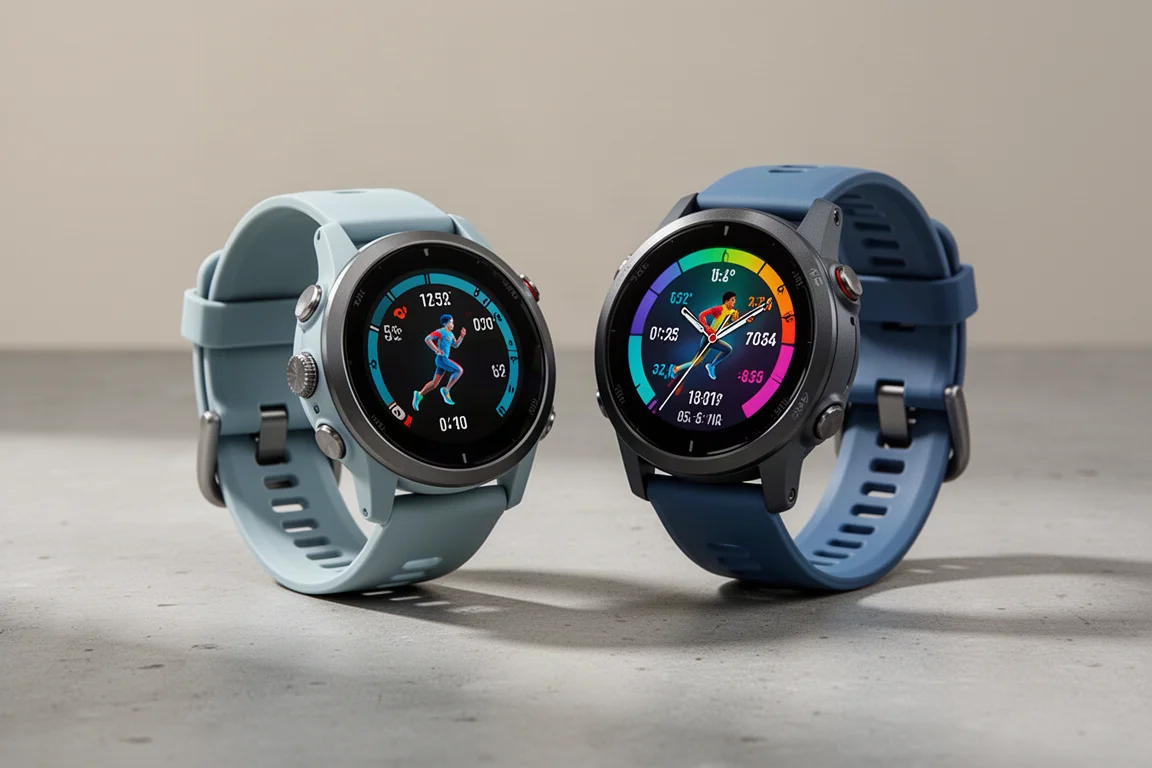
The Coros Pace 4 arrived as a clear challenge to Garmin’s mid-range running watches, and the Garmin Forerunner 265 is the model many runners will weigh it against. Both are small, lightweight, plastic-cased sports watches with bright AMOLED displays, and both have now been worn through everyday training and racing. This comparison focuses on what it is actually like to live with each one: how they feel on the wrist, how reliably they track, what their training insights deliver, and which everyday conveniences matter most.
Design and Wearability
Both watches sit firmly in the compact, lightweight, disappearing-on-the-wrist bracket, and both are easy to wear around the clock. The Coros Pace 4 is impressively light, though the Garmin Forerunner 265 feels a touch more solid and slightly more premium as a mid-range offering. A key advantage for Garmin is the choice of two case sizes: the smaller 265S is similar in stature to the single-size Pace 4, while the larger 46mm 265 adds a bigger screen that helps with mid-run stat visibility. Straps on both are standard, comfortable sports fare and are removable.
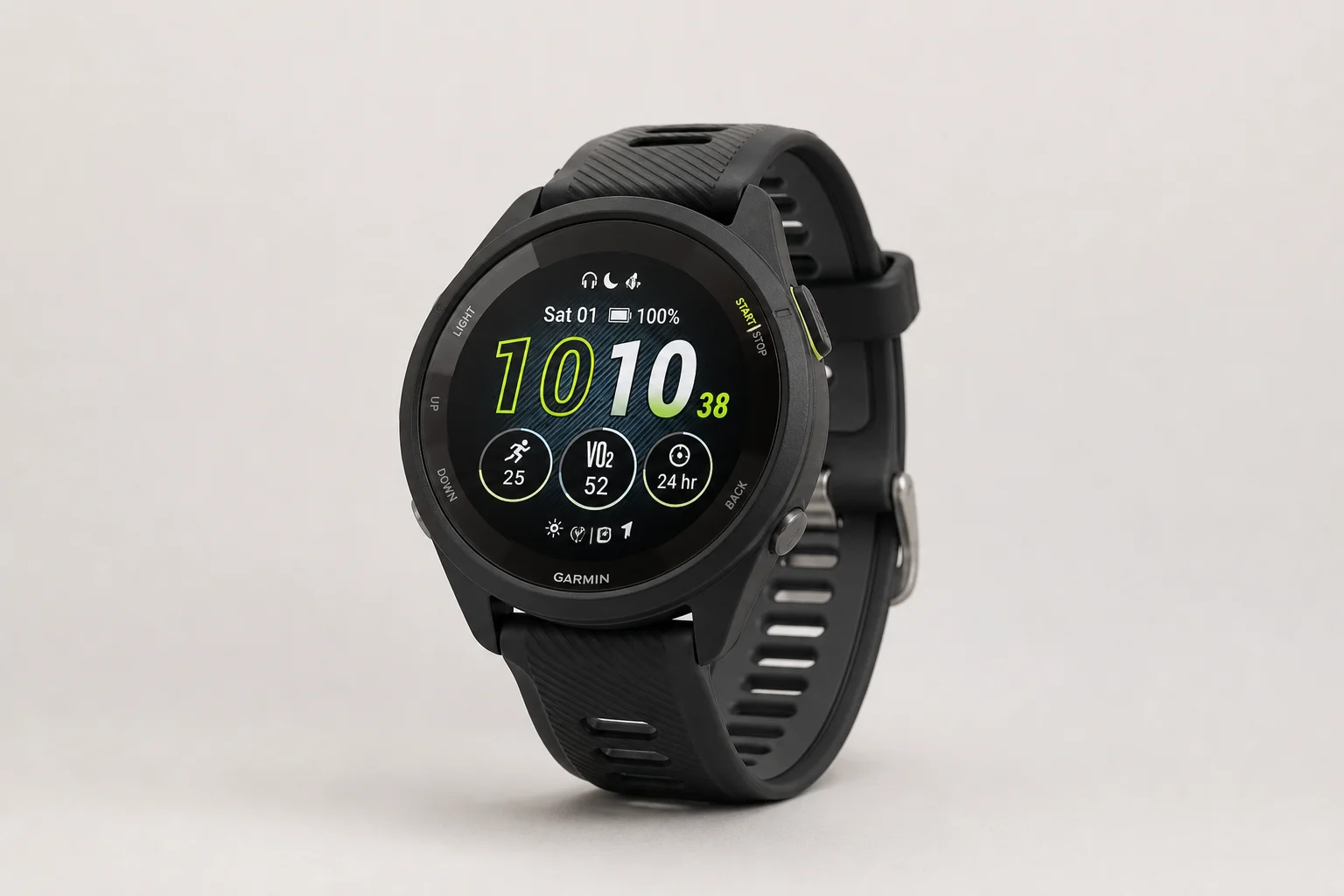
Controls differ in a way that will matter to some buyers. The Forerunner 265 uses five physical buttons, which many runners prefer on the move, while the Pace 4 relies on a digital crown plus buttons. The crown is fine once you get used to it, but it can be easy to trigger accidentally during long runs unless you enable the button lock. Garmin’s touchscreen also feels a little smoother and more responsive, and the display on the 265 reads as slightly more vibrant and punchy outdoors.
GPS and Heart Rate Accuracy
Both watches offer multi-band (dual-band) GPS, and both deliver tracking that is good enough in real-world use. Tracks on both can meander a bit on twisty, built-up city courses, but overall distance tends to come out level pegging, or with only a tiny margin of difference. In one tester’s experience, the Pace 4 proved slightly more reliable on GPS across mixed racing and city runs, though that could partly be random variation, and the Forerunner 265 was arguably better in some instances.
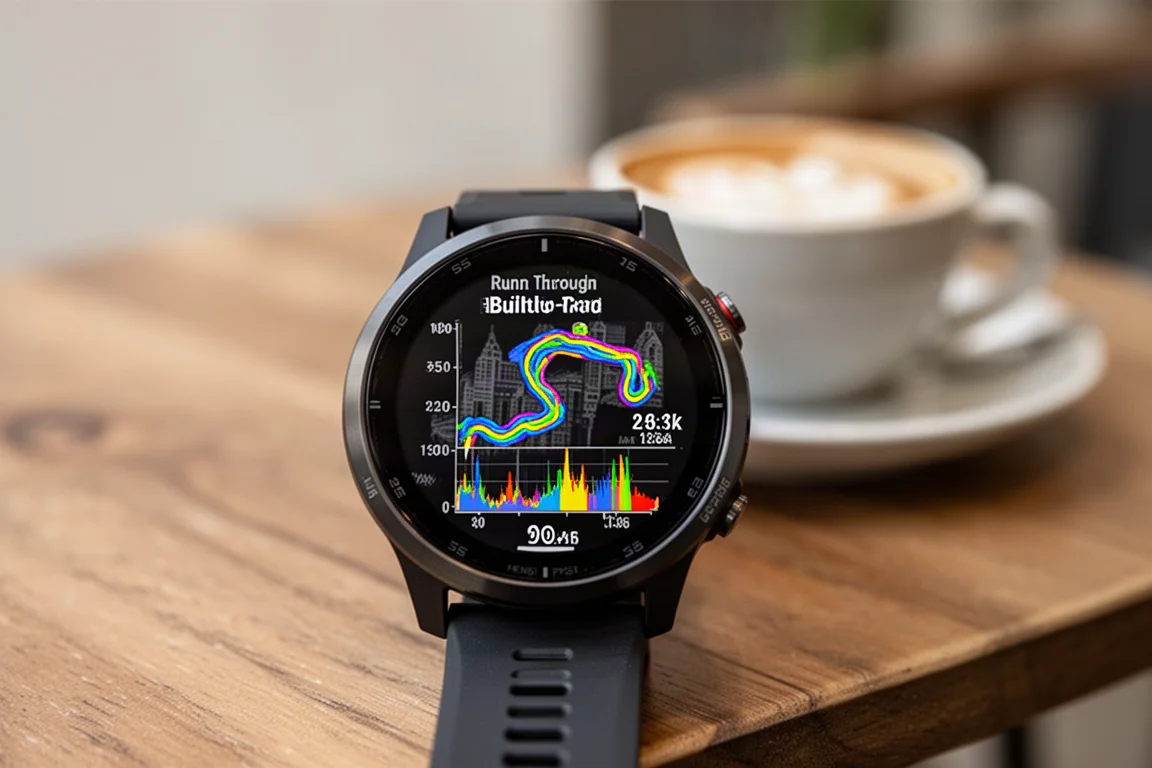
Heart rate tracking is also strong on both optical sensors, and both pair easily with external chest straps, including Polar and Garmin monitors. Neither produces errors for an entire run; when a reading goes rogue, it tends to correct itself fairly quickly. From side-by-side runs compared against a chest strap, the Garmin showed slightly fewer heart rate errors overall, while the Pace 4 has clearly improved over earlier Pace models. For serious sessions, a chest strap remains worthwhile with either watch.
Training Features and Analysis
Both watches support interval workouts created on the watch or off it, and both sync training plans you can follow from the wrist. Garmin’s coach plans are a little more beginner-friendly, but Coros plans are very good too. On the analysis side, the Forerunner 265 offers the broader package: training load, training status, recovery guidance, and the standout training readiness score, a one-stop summary rolled into a single easy-to-understand number. Garmin also presents data more effectively on the watch and in the Garmin Connect app, which offers more depth than the Coros app.
The Pace 4 is not short on advanced insights, though. It offers virtual pacer, marathon training plans, fitness benchmarking, VO2 Max and lactate threshold estimates, and its recovery insights were found to be somewhat more reliable in testing. It also shows heart rate variability so you can see when you are outside your baseline. For the keenest runners, there is enough here to train for and race a marathon and beyond, even if the overall presentation trails Garmin’s.
Battery Life
This is where the Pace 4 pulls ahead. With the always-on display, daily running, and a heavy training load, the Pace 4 reliably lasted about five days, while the Forerunner 265 managed closer to four to five days, often nearer four. In max accuracy GPS modes, an hour’s run cost the 265 around 5% of battery on average, versus roughly 2 to 3% for the Pace 4. Both AMOLED watches will get most people through a week of training if you use raise-to-wake, but Coros holds its charge better between sessions and drains less during GPS use.

The gap widens for single long activities. The Forerunner 265 will not quite stretch to a 24-hour 100-miler, while the Pace 4 will, which makes it the safer pick for ultras and big endurance days. Coros also supplies a handy portable keychain-style charger that is easy to carry as a backup, a small touch Garmin does not match with its standard cable.
Smartwatch Features
Garmin has long been ahead of Coros here, both in the number of features and how well they are executed. The Forerunner 265 offers richer notifications, offline music support including Spotify, music controls, NFC payments through Garmin Pay in supported regions, morning reports, and deeper watch face customization that lets you show the stats and weather you care about. Coros is more restrictive with watch faces and you can receive notifications but generally not act on them.
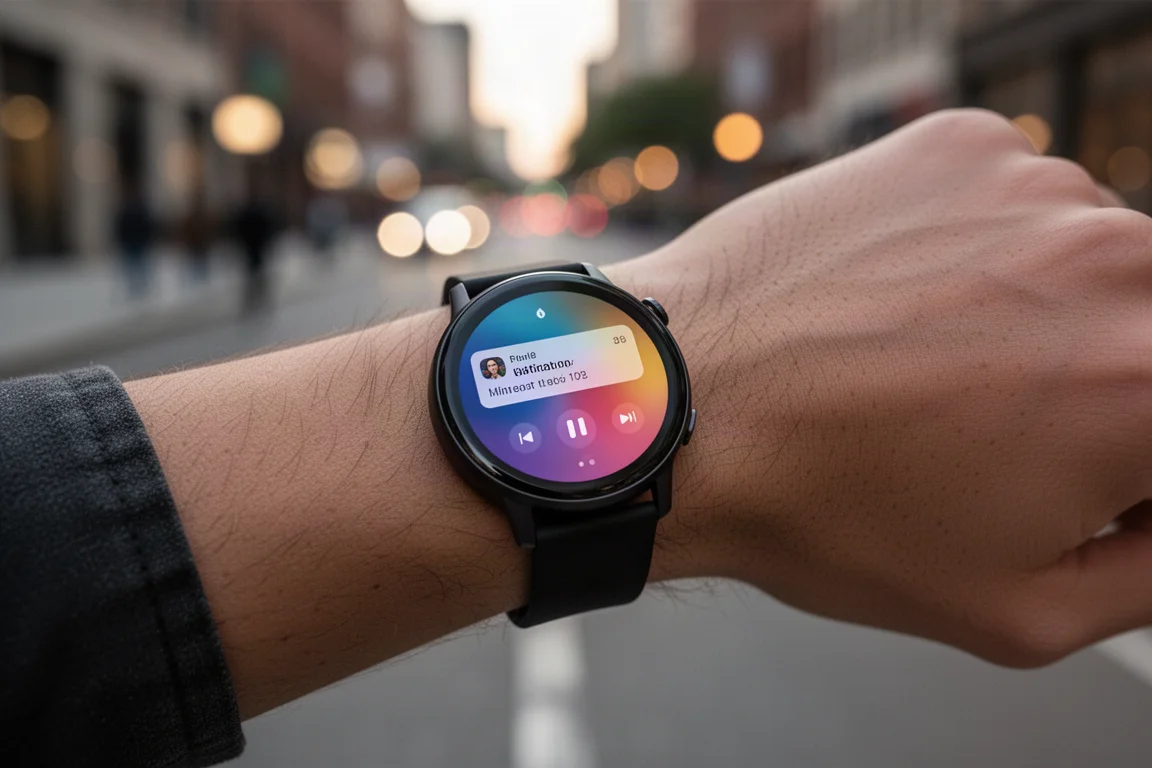
The Pace 4 does have one clever trick of its own: a built-in microphone for recording post-run voice notes, which it transcribes for you. It is a genuinely useful training log tool, though it is a niche extra. If offline music, NFC payments, and a fuller smartwatch experience matter to you, the Garmin is clearly the better watch. If you mostly carry your phone anyway, those gaps are easier to live with.
Which Should You Buy?
At list price, the Pace 4 is the easier recommendation: it is newer, generally cheaper, offers excellent battery life, accurate tracking, and everything most runners actually need in a simple, easy-to-use package. Coros is also consistent about updating its watches with extra functionality. The Forerunner 265 is the more comprehensive all-rounder with better build, a broader set of training and health tools, and stronger smartwatch features, but it is an older model approaching the end of its support cycle and carries a higher list price.
The deciding factor is often price in practice. Because the 265 is older, it is frequently discounted to much nearer the price of the Pace 4. If you can find the two at similar prices, prefer the Garmin ecosystem, want offline music and payments, or value the fuller health tracking including stress, Body Battery, sleep and nap tracking and morning reports, the 265 justifies itself. If battery life, value, and long single-activity endurance are your priorities, the Pace 4 is the sweeter spot.
Conclusion
These are two of the best running watches currently available, and both perform solidly as training companions. For all-round firepower across cross-training, daily use, and smartwatch smarts, the Forerunner 265 has the edge, but the Coros Pace 4 wins on battery life and value, and for many runners that combination will be the more satisfying pick.
Further reading
Related Reviews
Running Watches
Coros Pace 3 Running Watch Review: Why Software Matters More Than Specs
The Coros Pace 3 prioritizes runner-focused design and intelligent software over expensive hardware. Here's why it outperforms watches that cost twice as much.
Running Watches
GPS Running Watch Accuracy Test: Seven Watches Compared Across Urban, Trail, and Race Conditions
We tested seven popular running watches from major brands in three different environments to find out which delivers the most accurate GPS tracking for distance and pace.
Running Watches
Garmin Forerunner 70 Review: Garmin's Cheapest Forerunner Is More Capable Than You'd Expect
The new entry-level Forerunner 70 brings an AMOLED screen, a fresh interface, and real training analysis for £219/$249, with a few trade-offs to weigh before buying.