Running Watches
Coros Pace 4 vs Garmin Forerunner 170: Which Entry-Level Running Watch Should You Buy?
Two of the best affordable running watches go head to head on price, battery life, GPS accuracy and smart features to help you pick the right one.
Introduction
The Coros Pace 4 and the Garmin Forerunner 170 are two of the best entry-level running watches you can buy right now. Both are affordable, lightweight and genuinely capable enough to cover the needs of runners at almost any level, from casual fitness joggers to people training for a marathon or beyond. The question is not whether either watch is good, because both are, but which one fits the way you actually run and live with a watch day to day. After extended side-by-side testing, the differences come down to a handful of clear factors: price, battery life, GPS technology, smart features and how each package presents your training data.
Design and Wearability
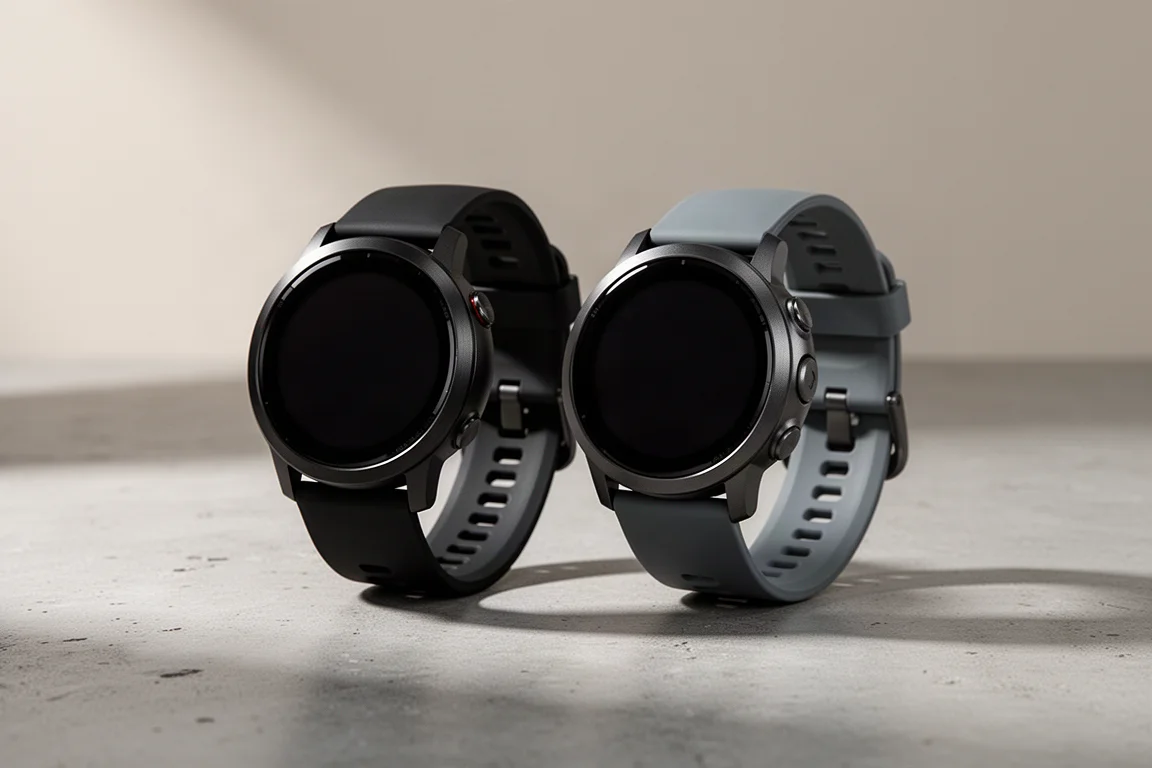
In terms of size and weight, the two watches are very close. Both are small, lightweight watches with mostly plastic cases, similar-feeling removable silicone straps, and a 1.2-inch glass AMOLED touchscreen. Both are comfortable enough to wear 24/7, including for sleep tracking, and both look good on the wrist.
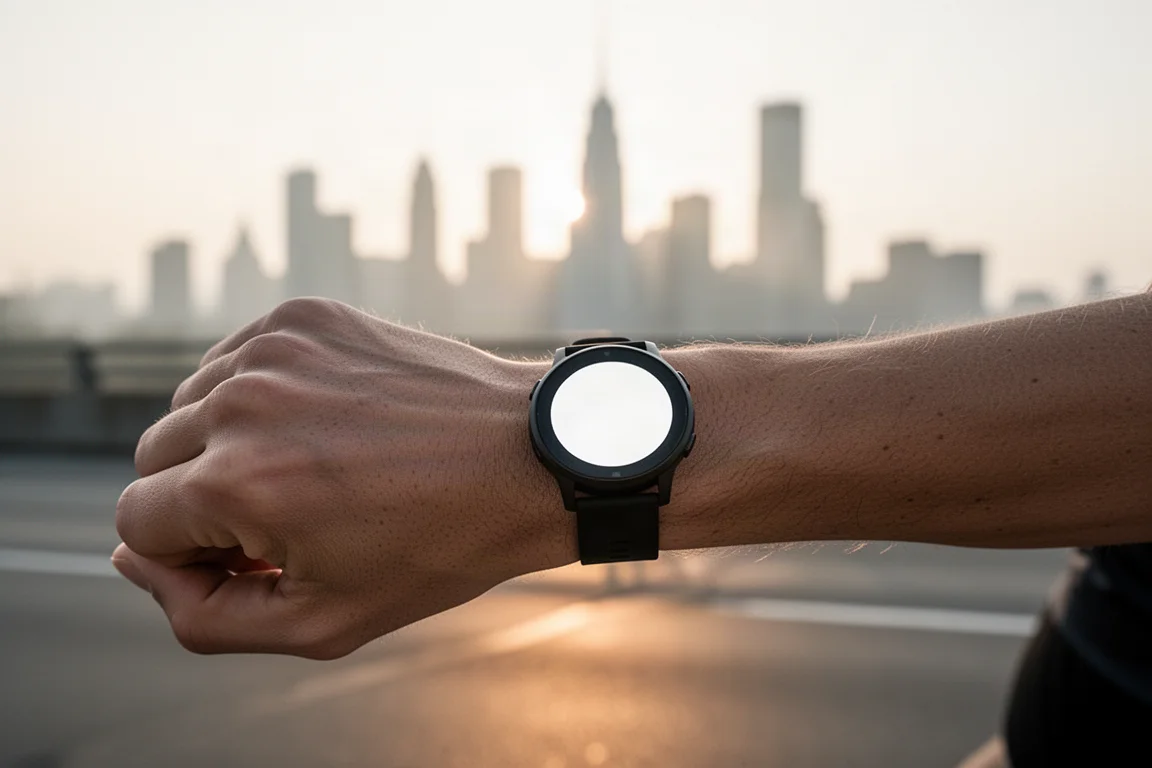
The control layouts differ. Garmin uses a classic five-button design, while Coros goes with three buttons, one of which is a digital dial. If you dislike crown or dial controls, the Garmin’s setup will suit you better; the dial on the Coros can be triggered accidentally, so much so that some testers lock the buttons while running. The aluminum bezel option on the Pace 4 is a nice touch, but it does not drastically change how the watch feels or looks.
On the display front, both have moved to vibrant AMOLED screens, but the Garmin’s panel feels slightly brighter and more punchy in sunny conditions, and its touchscreen integration feels a bit slicker overall.
GPS and Heart Rate Accuracy
This is where the spec sheets diverge. The Coros Pace 4 offers multi-band (dual-band) GPS, while the Garmin’s most accurate mode is all systems GPS. On paper, multi-band is the superior technology, and it is unusual to get it at this price. In real-world testing, however, the difference was small: both watches delivered excellent GPS accuracy, matched expected distances closely, and handled built-up city courses well. The Coros did slightly better on twisty urban routes, so inner-city runners under tall buildings may appreciate the extra reassurance.

Heart rate accuracy from the optical sensors was competent on both, with the usual caveats. Steady-pace runs produced good readings, but the Pace 4 could take a few minutes at the start of runs to lock onto the correct heart rate, reading slightly high before settling. Direct comparisons slightly favoured the Garmin here. If you care about precise heart rate data, particularly for interval sessions, pairing a chest strap to either watch remains the best advice. Both support external sensors, including cycling power meters; Garmin does so via Bluetooth and ANT+, while Coros is Bluetooth only.
Training Features and Data Presentation
Both watches offer a solid suite of training analysis: training load, VO2 max estimates, race predictions, lactate threshold estimates and pace zones. The Pace 4 also includes virtual pacer and marathon training plans, and its estimates proved accurate and reliable in testing. There is more than enough here to train for a marathon and beyond.
The Garmin goes a step further. The Forerunner 170 adds a training readiness score out of 100 that gives a quick read on how prepared your body is for training, plus a broader health package including body battery, stress, sleep and nap tracking, and morning and evening reports. Garmin presents its data better both on the watch and in the more mature Garmin Connect app, and its software is generally more beginner-friendly and easier to follow.
The Pace 4 does hold a couple of unique cards. It is a full multisport watch with a built-in triathlon mode, which Garmin reserves for its pricier models. It also has a built-in microphone, letting you record post-run voice notes that are transcribed automatically, handy for keeping a training log, and issue voice commands.
Smart Features
The Forerunner 170 is the more complete smartwatch. It offers more customizable watch faces and widgets, including things like stocks and sports scores, plus NFC contactless payments, which the Pace 4 lacks. Both watches store music, but in different ways: the Coros supports drag-and-drop MP3 files only, while the Garmin links to streaming services like Spotify and transfers playlists for offline playback, which feels far more current.
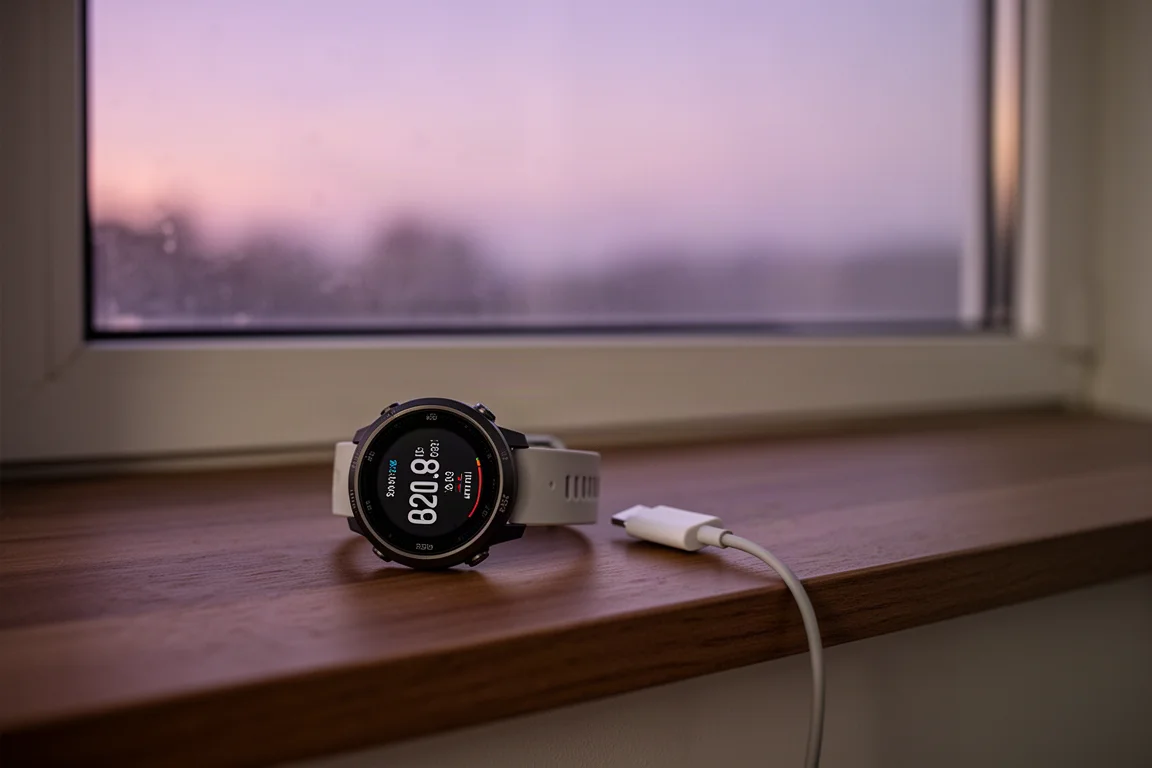
Garmin also has the edge on interface polish and app experience overall. If a better blend of smartwatch and running watch matters to you, the Forerunner 170 delivers it, at a price.
Battery Life
Battery life is the clearest win for the Coros. The Pace 4 lasts up to 19 days in watch mode with the screen set to raise to wake, about 6 days with the always-on display, and offers 24 hours of multi-band GPS tracking. The Forerunner 170 manages up to 10 days in watch mode, around 4 days with the always-on display, and 14 hours of all systems GPS.
In everyday testing the gap showed clearly. With the screen always on and daily running, the Pace 4 reliably delivered over 5 days per charge, while the Forerunner 170 managed around 3.5 days. A 1-hour run burned roughly 6% on the Garmin versus 3 to 4% on the Coros. For ultra runners, the Pace 4’s staying power in long single activities, even in multi-band mode, makes it the obvious choice.
Pricing
The Coros Pace 4 is the cheaper watch at £229 or $249 for the standard model, with an aluminum bezel version at £249 or $279. The Forerunner 170 comes in two versions: £259 or $299 without music storage, and £299 or $349 for the music model. That price gap reinforces the Coros’s value case, since you get the core tracking features for less.
Buying Advice: Which One Should You Pick?
Both watches tick the essential boxes for almost any runner, and you genuinely cannot go far wrong with either. Slice it by priority. If battery life and value are top of your list, the Pace 4 wins. It is cheaper, lasts dramatically longer, includes triathlon mode and multi-band GPS, and its voice-note feature is a genuinely useful extra.
If offline music from streaming services, contactless payments and a broader range of smartwatch and health tools matter to you, the Forerunner 170 is worth the upgrade. It also offers the slicker interface, the more approachable software for beginners, and richer data presentation.

For long-distance runners, especially those racing ultras, the Garmin’s thirstier battery is a real limitation, and that tilts the overall recommendation toward the Coros Pace 4 as the smarter buy for most runners. If you can forgo music and payments entirely, Garmin’s cheaper Forerunner 70 is also worth a look as a value alternative in the same range.
Conclusion
These are two of the best running watches available at this price point, each complete enough to serve beginners and serious runners alike. The Coros Pace 4 wins on price, battery life and multisport capability, while the Garmin Forerunner 170 counters with smarter features, better data presentation and a more polished experience. Choose the Pace 4 for the essentials done extremely well and exceptional endurance; choose the Garmin if you want a running watch that doubles as a fuller smartwatch.
Product link
View more details for Coros Pace 4
This product is mentioned in the review. Check the specifications, options, and compatibility before buying.
View more details for Coros Pace 4Further reading
Related Reviews
Running Watches
Coros Pace 3 Running Watch Review: Why Software Matters More Than Specs
The Coros Pace 3 prioritizes runner-focused design and intelligent software over expensive hardware. Here's why it outperforms watches that cost twice as much.
Running Watches
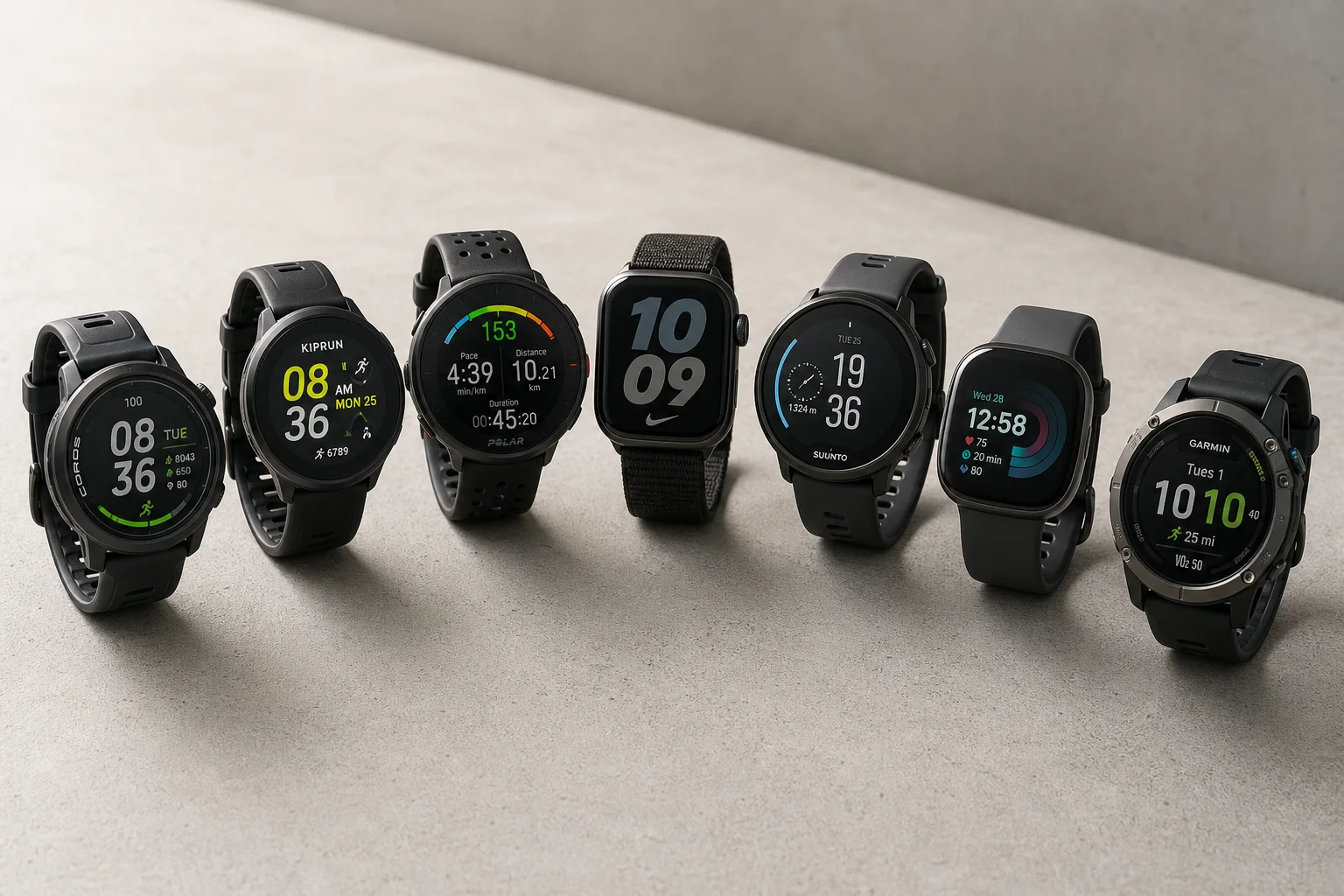
GPS Running Watch Accuracy Test: Seven Watches Compared Across Urban, Trail, and Race Conditions
We tested seven popular running watches from major brands in three different environments to find out which delivers the most accurate GPS tracking for distance and pace.
Running Watches
Garmin Forerunner 70 Review: Garmin's Cheapest Forerunner Is More Capable Than You'd Expect
The new entry-level Forerunner 70 brings an AMOLED screen, a fresh interface, and real training analysis for £219/$249, with a few trade-offs to weigh before buying.