Running Watches
Coros Pace 3 vs Pace Pro vs Pace 4: Which Budget Running Watch Should You Buy?
The full Coros Pace lineup compared: prices, screens, maps, battery life, and the small differences that actually matter when choosing between the Pace 3, Pace Pro, and Pace 4.
Introduction
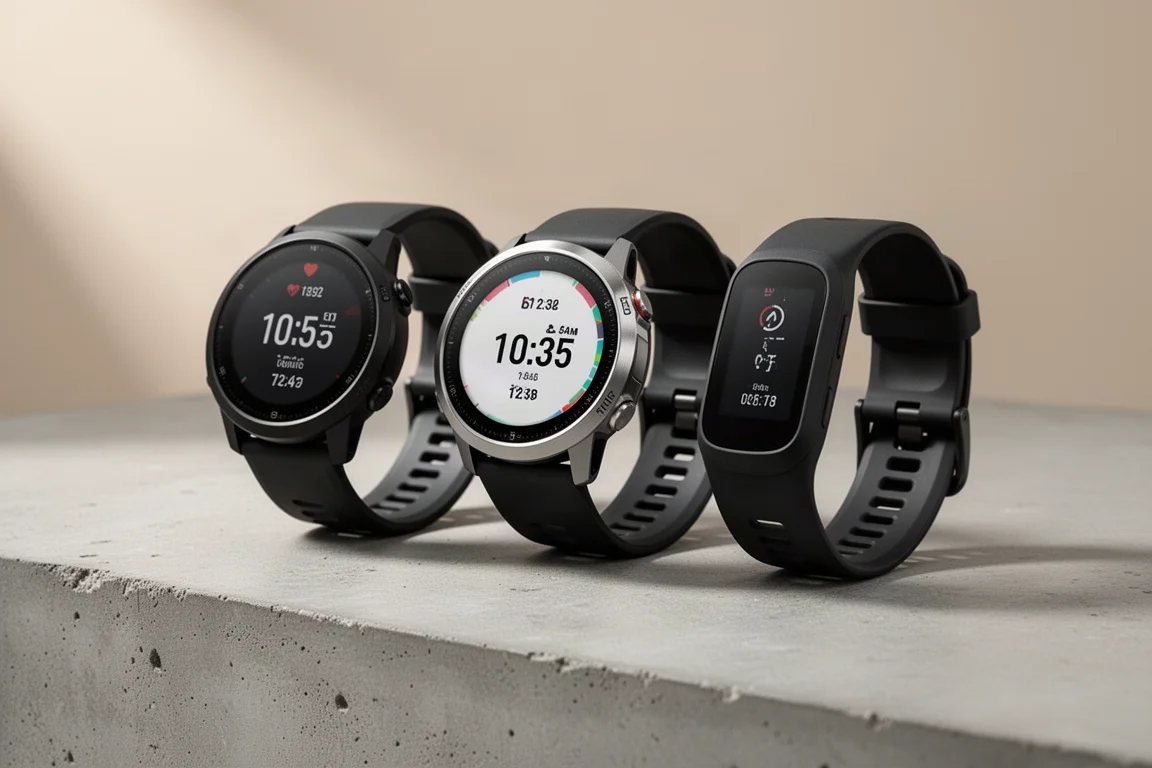
Coros currently sells three watches in its Pace series: the Pace 3, the Pace Pro, and the newest Pace 4. All three share very similar sports tracking and training analysis, so the decision mostly comes down to price, screen, and a few standout features like on-board maps. After the Pace 3 and Pace Pro were both reduced recently, there are genuinely good reasons to consider any of the three. This comparison breaks down where they differ and who each watch suits best.
The Lineup at a Glance
The Pace 3 is the cheapest of the three at £199 or $199. The Pace Pro is the most expensive at £299, and the Pace 4 sits in between at £229 or $249. The Pace 4 is the newest addition and will be the main Pace watch going forward, with the Pace 3 and Pace Pro expected to slowly phase out of the lineup. Because both older models have been discounted, they remain worthwhile picks rather than awkward leftovers.
All three use lightweight plastic cases and a digital dial, and all three carry the same waterproof rating of 5 ATM, the same core sensor set including a barometer, and dual-band GPS. Charging differs slightly: the Pace 3 uses a proprietary cable, while the Pace 4 and Pace Pro include a small keychain adapter that works with any USB-C cable.
Display: AMOLED vs MIP
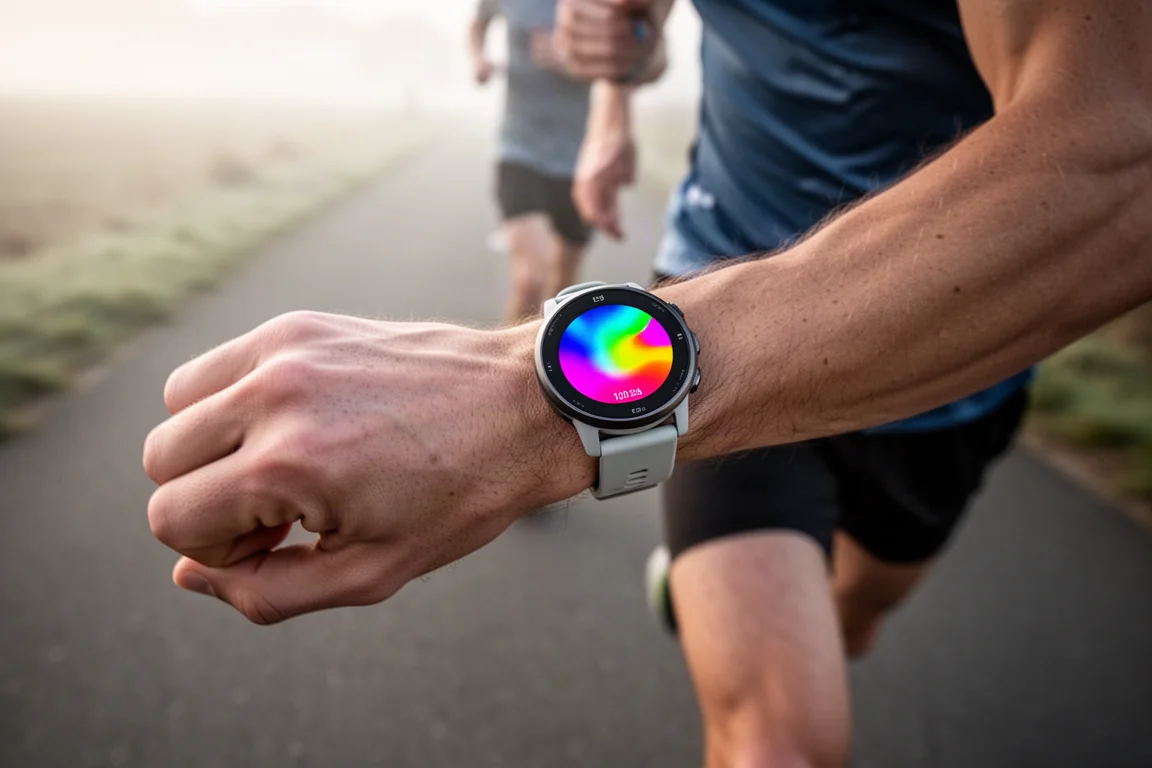
The biggest everyday difference is the screen. The Pace Pro and Pace 4 both use AMOLED displays, while the Pace 3 uses a memory-in-pixel (MIP) panel. The AMOLED screens are brighter and give a more smartwatch-like feel, and importantly they stay brighter than the MIP display even in always-on mode and in direct sunlight. The MIP screen is not bad, but on these watches the AMOLED is a straight upgrade rather than a trade-off.
The Pace Pro has a slightly larger 1.3-inch screen compared to the 1.2-inch displays on the Pace 3 and Pace 4, and it is a little bigger and heavier overall, though all three are extremely lightweight watches. In practice, visibility and readability during runs felt equal across all three, and the size difference was not a deciding factor.
GPS and Heart Rate Accuracy
Picking between these three on GPS and heart rate is essentially a wash. All three use dual-band GPS, and tested side by side on the same runs, the tracks lined up almost exactly, even in challenging forest conditions. The Pace 4 has a slightly newer heart rate sensor, but no meaningful accuracy improvement was noticed. Across all three, steady-state heart rate tracked well against a chest strap, with occasional spikes during hard intervals, which is standard for optical sensors. None of them stood out as better or worse in this regard.
Maps and Navigation
This is where the Pace Pro separates itself. It is the only one of the three with full color on-board maps, while the Pace 3 and Pace 4 rely on breadcrumb navigation with a back-to-start function. Breadcrumb navigation works fine, but following unfamiliar routes is noticeably easier with actual maps in the background. For anyone who travels, explores new trails, or navigates unfamiliar routes regularly, the maps are the single biggest reason to step up to the Pace Pro.

The extra storage reflects this too: the Pace Pro has 32 GB of storage versus 4 GB on the Pace 3 and Pace 4.
Battery Life
On paper, the newer Pace 4 and Pace Pro offer more GPS battery life thanks to improved battery technology, even with their AMOLED screens. The Pace 3’s MIP display yields more battery in always-on mode, but in real-world use with the screen always on and daily running, all three ended up fairly similar, landing around four to five days with good battery life for their small size.
The difference that matters most is for single long activities. For ultra distances, one of the watches offers around 31 hours, enough to cover 100 miles on a single charge, which makes the Pace Pro, with its maps and battery combo, the natural ultra pick. If you only care about longevity for one long stint, the Pace 4 also leads here.
The Action Button and Small Extras
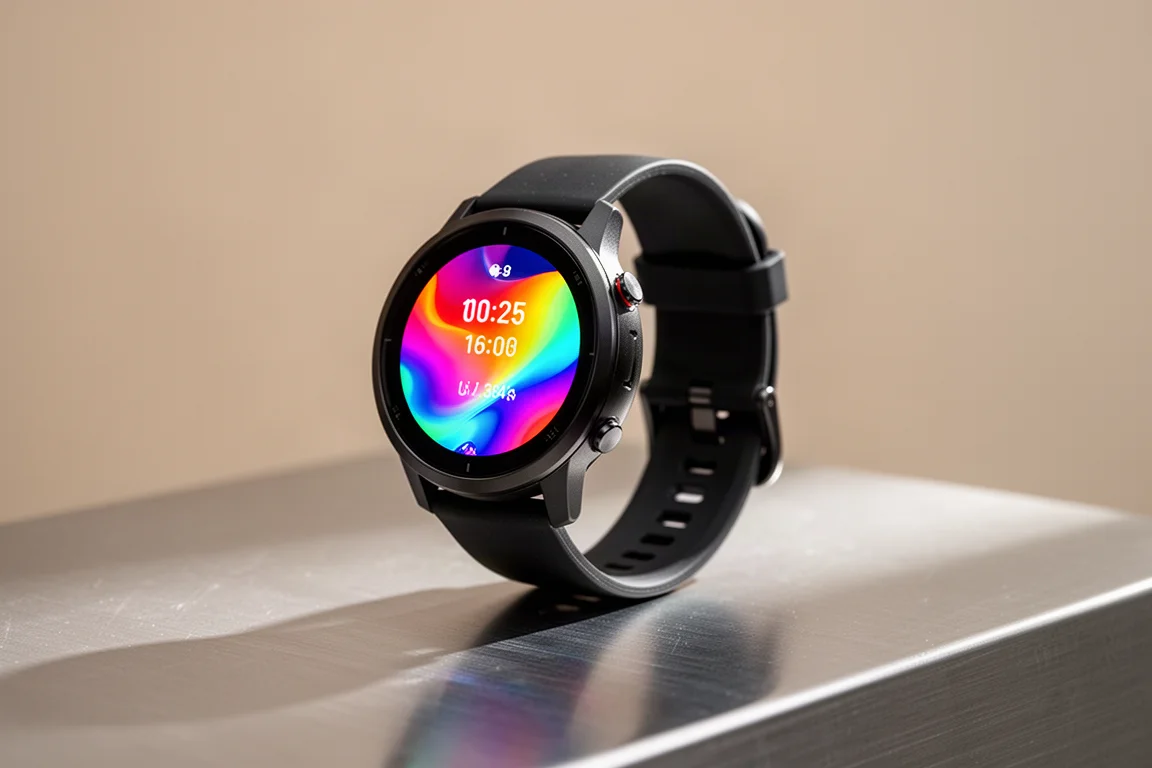
The Pace 4 adds Coros’ new action button, a shortcut control that lets you quickly swap between your navigation screen, music controls, and stats during an activity. It is a minor feature, but a genuinely handy one, especially for jumping between the map and your stats mid-run. The Pace 3 and Pace Pro do not have it.
The Pace 4 also has a built-in microphone for voice notes or logging a training note after a workout, useful for adventure logs. The Pace Pro, meanwhile, is the only model with ECG measurement capability, a nice-to-have if you like benchmarking health metrics or doing HRV-style checks. None of these extras are likely to decide a purchase on their own, but they are worth knowing about.

Which One Should You Buy?
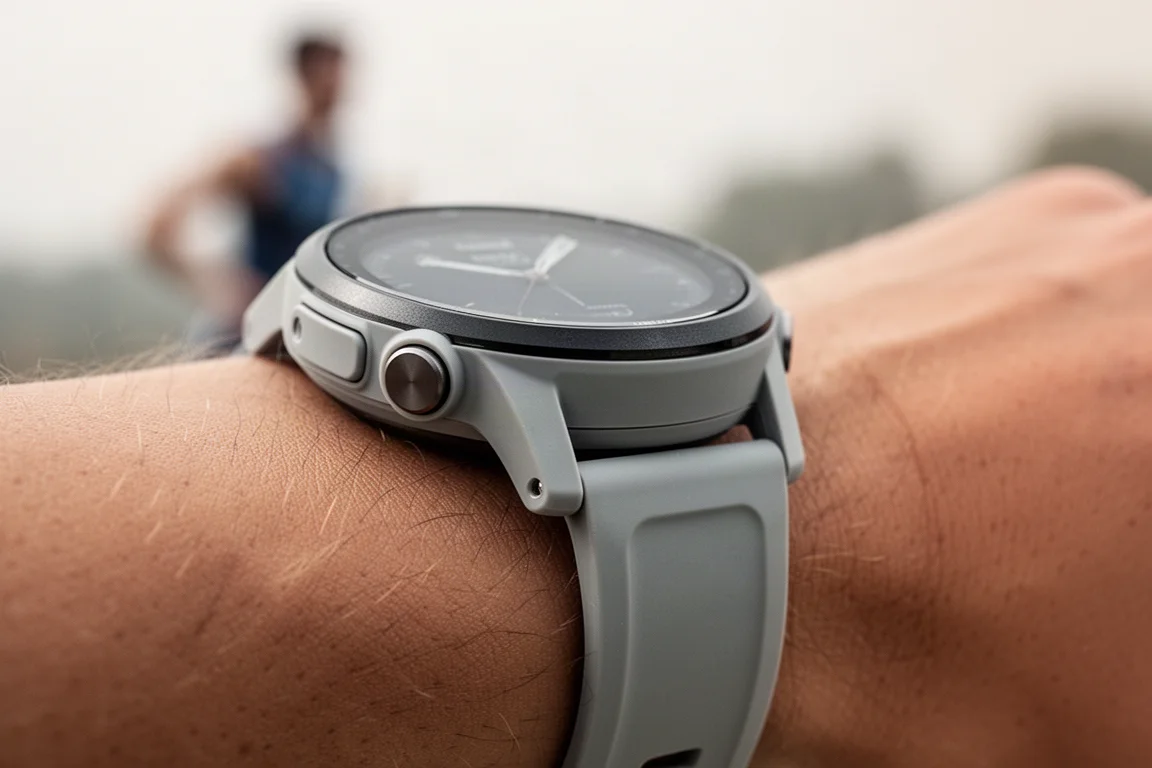
If budget is the priority, the Pace 3 is a perfectly good, competent watch. It covers all the running basics, is light and comfortable, and performs just as well on the key metrics, with the MIP screen being the main compromise. At the reduced price it represents good value.
For most runners, though, the Pace 4 is the standout pick. It has the AMOLED screen, the action button, strong GPS battery life, a slim and comfortable design, and fantastic value for money at £229 or $249. The jump in price over the Pace 3 is small, particularly in the US.
The Pace Pro makes sense if maps genuinely matter to you, or if you want peace of mind for future travel and exploration, plus the larger screen and the best battery for ultra-distance efforts. If you rarely need maps, the Pace 4 covers nearly everything the Pro does for less.
Conclusion
There is no bad choice in the Coros Pace lineup. The Pace 3 is the value option, the Pace 4 is the well-rounded default for most runners, and the Pace Pro earns its premium with on-board maps, extra storage, and the largest screen. Match the watch to how you actually run, and you will not go wrong with any of the three.
Further reading
Related Reviews
Running Watches
Coros Pace 3 Running Watch Review: Why Software Matters More Than Specs
The Coros Pace 3 prioritizes runner-focused design and intelligent software over expensive hardware. Here's why it outperforms watches that cost twice as much.
Running Watches
GPS Running Watch Accuracy Test: Seven Watches Compared Across Urban, Trail, and Race Conditions
We tested seven popular running watches from major brands in three different environments to find out which delivers the most accurate GPS tracking for distance and pace.
Running Watches
Garmin Forerunner 70 Review: Garmin's Cheapest Forerunner Is More Capable Than You'd Expect
The new entry-level Forerunner 70 brings an AMOLED screen, a fresh interface, and real training analysis for £219/$249, with a few trade-offs to weigh before buying.