Running Watches
Coros Pace 3 vs Coros Pace Pro: Which One Should You Buy?
Two of the best watches in the Coros range compared on screen, battery, maps, and accuracy to help you pick the right one.
Introduction
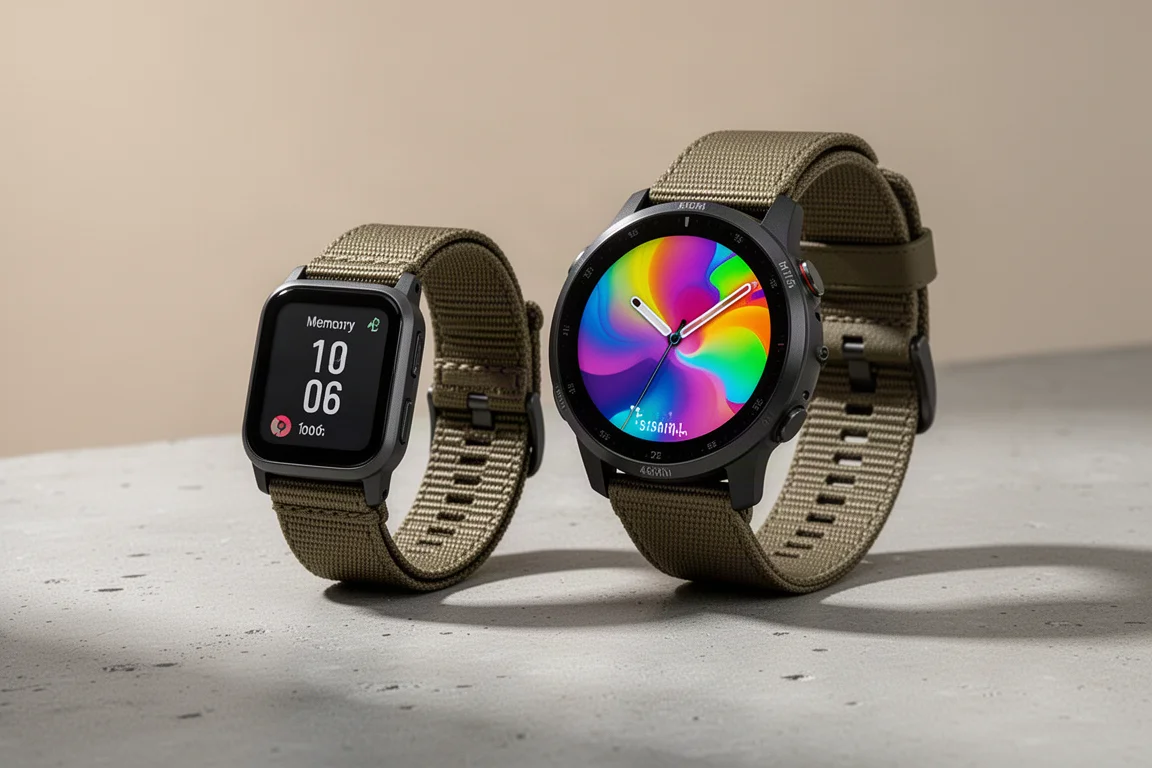
The Coros Pace 3 and Coros Pace Pro are, in our view, the two best watches in Coros’s lineup. Both are lightweight, genuinely capable sports watches that deliver many of the features you normally get on larger and more expensive devices, in a comfortable package. The Pace 3 stands out as one of the top picks for beginners and budget-conscious runners, while the Pace Pro is Coros’s first AMOLED sports watch and competes with devices like the Garmin Forerunner 265.
Coros tends to carry a very similar feature set across its entire range, so sports tracking and training analysis feel alike on both watches. The differences that matter come down to screen, size, mapping, storage, and battery behavior. After wearing both watches side by side, here is how they stack up.
Price and Design
The Pace 3 is significantly cheaper at £219/$229, while the Pace Pro sits at £349/$349. The Pace Pro is also the bigger watch, with a 46mm, slightly thicker case, and it weighs 37g with the nylon band compared to the Pace 3’s 30g. Both use plastic cases with glass screens, so they stay very light and wearable around the clock.
Despite the size difference on paper, the Pace Pro does not feel dramatically bigger on the wrist. Its thickness reads as similar in practice, and the extra size is really a benefit because it houses that larger screen. On the Pace Pro, the back button is slightly bigger and the digital dial is steel, which enables ECG measurements, whereas the Pace 3 uses a plastic dial. Both watches share the same 5 ATM water resistance and a similar sensor setup, including a barometric altimeter and pulse oximeter.
Display and Everyday Experience
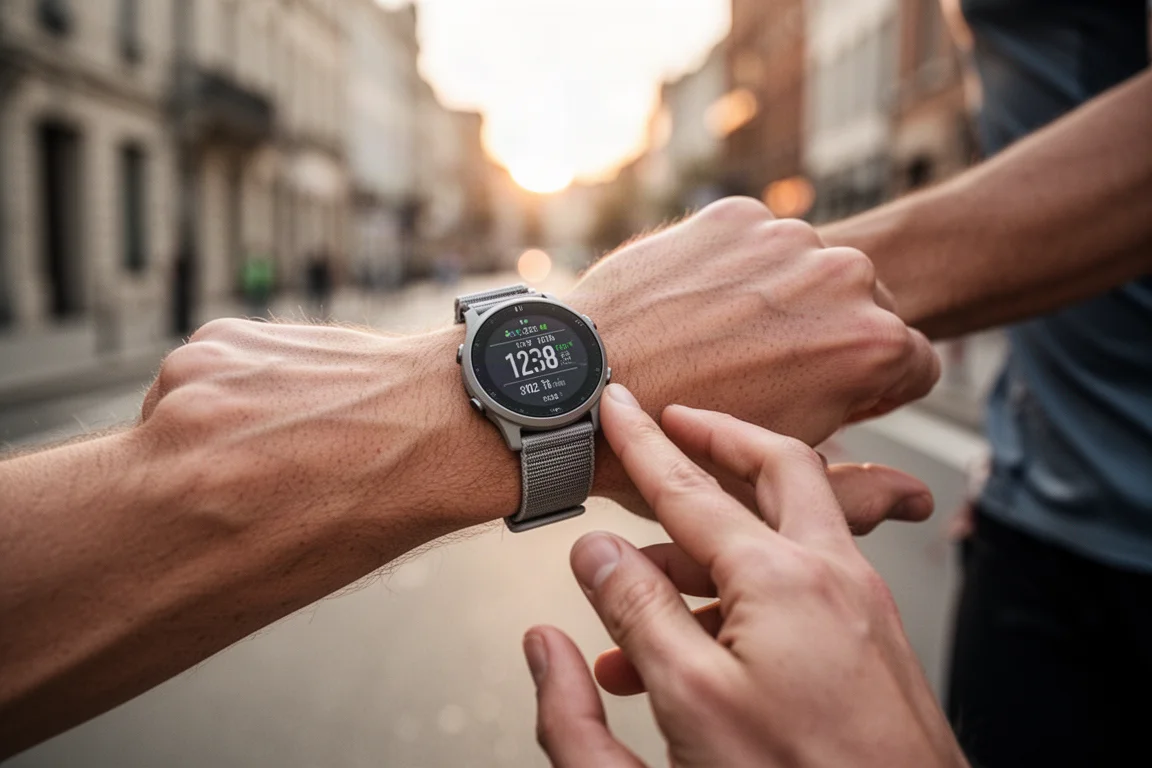
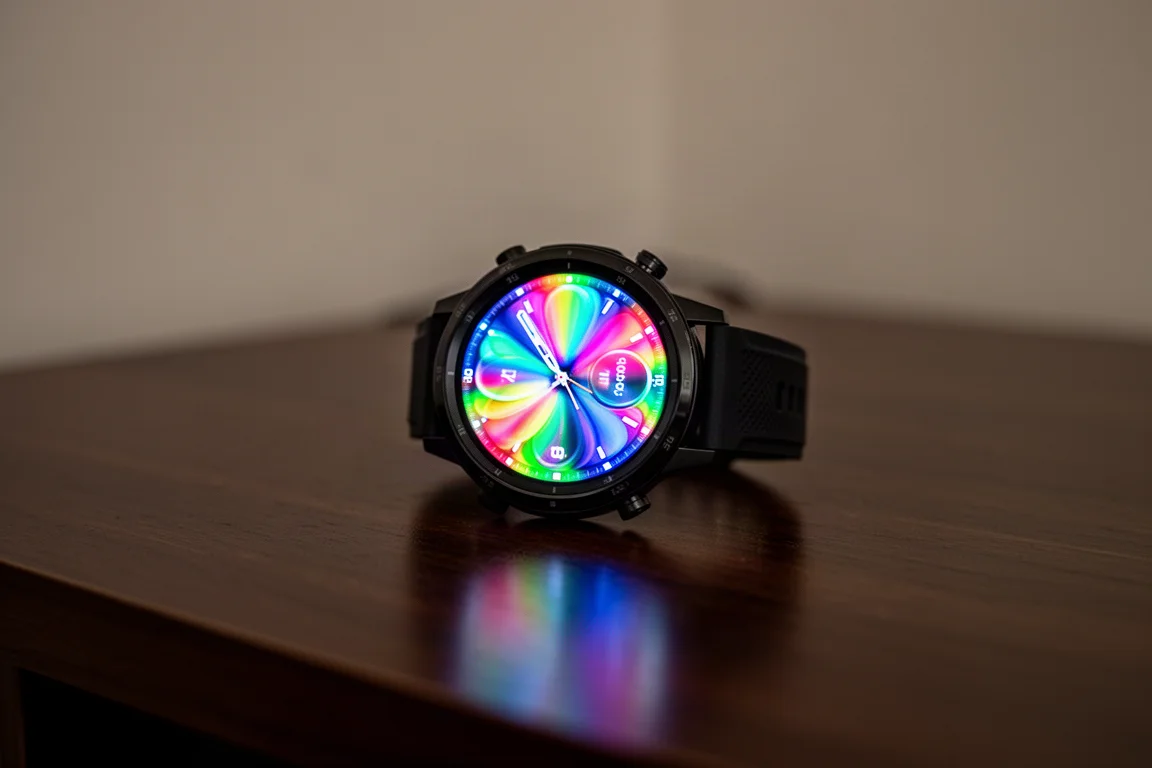
The single biggest reason to consider the Pace Pro is the display. It uses a 1.3-inch AMOLED panel, while the Pace 3 has a 1.2-inch memory-in-pixel screen. The Coros memory-in-pixel displays are not the brightest, and the Pace 3 is no exception. It is clear enough to read without being a problem, but the Pace Pro’s screen is far brighter, more engaging, and easier to use both during runs and off the wrist.
That brighter color display also makes the smartwatch features, which are largely the same on both watches, something you actually want to use day to day. If you have never used an AMOLED sports watch, you will not miss it on the Pace 3, and that is not a bad choice. But if you try the two side by side, going back to the memory-in-pixel screen is harder than it sounds.

GPS Accuracy and Heart Rate
Across testing, GPS accuracy has been very close. The Pace Pro’s faster processor makes menus and maps feel snappier, and some testing has suggested marginally better GPS precision, but the Pace 3 is also very accurate. If anything, the Pace 3 can run slightly more generous on timed intervals on loop courses, by a couple of seconds per rep. Neither watch is a clear winner here.
Optical heart rate tracking is good on both, performing well on easy and steady runs, especially in warm conditions, and struggling more during hard intervals and in cold weather. As with most optical sensors, pairing an external chest strap is the reliable option for serious training on either watch. There is no meaningful difference between the two in this area.
Mapping and Storage
This is where the watches genuinely diverge. The Pace 3 offers breadcrumb navigation with a simple line and pointer, which is enough to get you places on familiar streets or basic routes. The Pace Pro adds full offline maps, which change the experience completely in unfamiliar places, such as navigating the complicated streets of a foreign city, or for trail runners who regularly head onto unmarked routes.
Storage follows the same pattern: 32GB on the Pace Pro versus 4GB on the Pace 3, giving far more room for maps and music. Both watches support music storage, though only as simple drag-and-drop files rather than streaming services. If you do not own local music files, the extra storage matters mainly for maps.
Battery Life
On paper, the Pace 3 lasts longer in watch mode, listed at up to 15 days, while the Pace Pro manages around 6 days with the always-on display or up to 20 days using raise to wake. In real side-by-side use, the gap is smaller than the numbers suggest. With daily running and heavy use with the screen always on, the Pace Pro reached roughly 23% remaining after five days versus about 34% on the Pace 3.
During workouts, the situation flips. The Pace Pro delivers up to 31 hours in dual-frequency GPS mode, dropping to 24 hours with the always-on screen, while the Pace 3 offers around 15 hours of dual-frequency GPS. The more you train, the closer the two watches get, and enabling raise to wake on the Pace Pro can push its everyday battery life past the Pace 3.
Which One Should You Buy?
If you want the bright AMOLED screen, offline maps, and snappier software, the Pace Pro is worth the extra money. It is easily the best Coros watch if you are after a capable sports watch with a killer display, strong AMOLED battery life, and better navigation, and the faster processor and extra storage add a measure of future-proofing for software updates. If you already own a Pace 3 and are not bothered about the screen and maps, there is no compelling reason to upgrade, even for the added ECG and the small battery edge.
If you are new to sports watches and the screen and maps are not priorities, save the money and go for the Pace 3. It remains an excellent value watch that delivers where it counts: very good dual-frequency GPS, solid core run tracking, and comfortable all-day wear. For a workout-only watch you take off afterwards, the Pace 3 does the job at a much lower price. For those who do want the full AMOLED experience as an all-day watch, the Pace Pro justifies the jump.
Conclusion
Both watches are excellent and hard to go wrong with. The Pace 3 is the value pick that still nails the essentials, while the Pace Pro earns its premium with the display, offline maps, and longer workout battery life. Choose based on how much those upgrades matter to how you actually run.
Product link
View more details for Coros Pace 3
This product is mentioned in the review. Check the specifications, options, and compatibility before buying.
View more details for Coros Pace 3Further reading
Related Reviews
Running Watches
Coros Pace 3 Running Watch Review: Why Software Matters More Than Specs
The Coros Pace 3 prioritizes runner-focused design and intelligent software over expensive hardware. Here's why it outperforms watches that cost twice as much.
Running Watches
GPS Running Watch Accuracy Test: Seven Watches Compared Across Urban, Trail, and Race Conditions
We tested seven popular running watches from major brands in three different environments to find out which delivers the most accurate GPS tracking for distance and pace.
Running Watches
Garmin Forerunner 70 Review: Garmin's Cheapest Forerunner Is More Capable Than You'd Expect
The new entry-level Forerunner 70 brings an AMOLED screen, a fresh interface, and real training analysis for £219/$249, with a few trade-offs to weigh before buying.