Running Watches
COROS Pace 3 vs Garmin Forerunner 265: Which Running Watch Should You Buy?
Two mid-range running watches with very different strengths: the affordable, long-lasting COROS Pace 3 and the more premium, AMOLED-equipped Garmin Forerunner 265.
Introduction
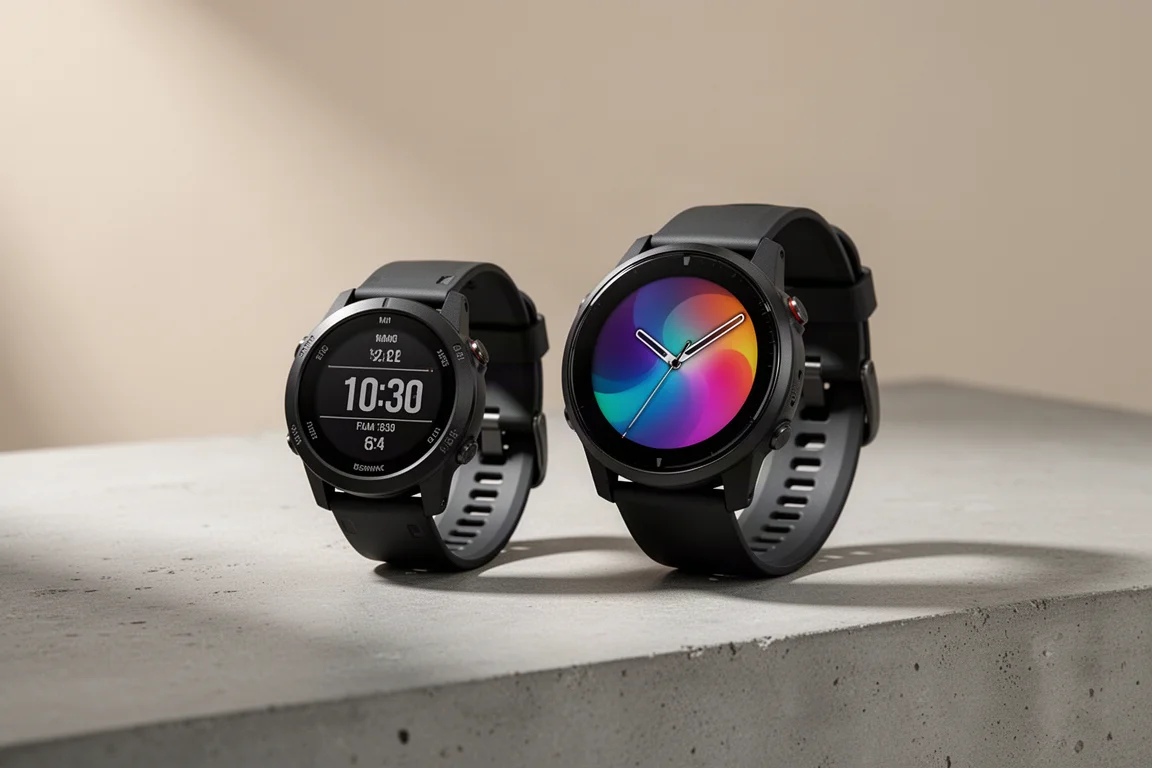
The COROS Pace 3 and Garmin Forerunner 265 are two of the most compelling mid-range running watches right now, but they sit at different ends of that category. Both are small, lightweight watches aimed at runners who take their training seriously, yet they make very different trade-offs in display quality, smartwatch features, price and battery life.
This comparison focuses on the key differences that actually matter when choosing between them: design, run tracking, training analysis, smartwatch support and battery life. If you know which of those you value most, the decision becomes much easier.
Design and Display
Both watches are small and lightweight, and both deliver if a compact size is what you are after. The Garmin Forerunner 265 comes in two versions, the 265 and the smaller-cased 265s, so you can pick a case size that suits your wrist. The COROS Pace 3 is only available in one case size.
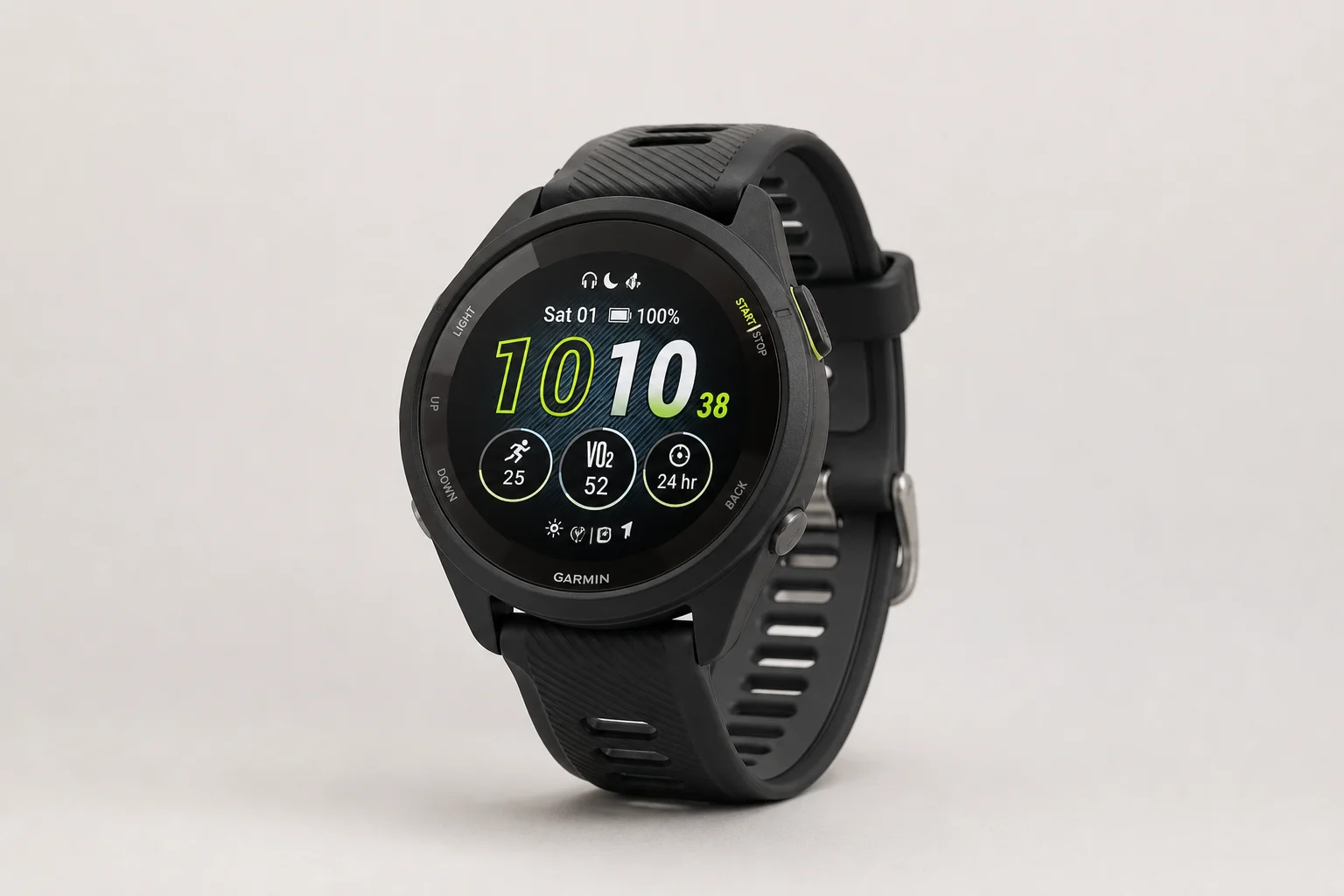
Materials are broadly similar: polymer cases and removable straps on both watches. The real divergence is the screen. The Forerunner 265 uses a vibrant AMOLED display with touchscreen support working out of the box, which makes it feel more like a smartwatch. The Pace 3 uses a more traditional LCD always-on display, with touchscreen functionality that you need to enable yourself. It works, but the experience is not quite as slick as on the Garmin.

If you want that colorful, smartwatch-like screen, the Forerunner 265 is the clear choice. If you prefer a classic sports watch display that favors visibility and battery efficiency, the Pace 3 holds its own.
Price: Where Each Watch Sits
Both watches sit in the mid-range category, but at opposite ends of it. The COROS Pace 3 has jumped up in price compared to the Pace 2, yet it remains the more affordable option of the two. The Garmin Forerunner 265 is the more expensive watch, with the AMOLED display being the main factor pushing its price up.
The feature sets are generally similar, so much of the price gap comes down to that display technology and the broader smartwatch experience rather than a big difference in core running features.
Run Tracking and Training Analysis
The good news is that the core running experience is very similar across both watches. Both offer dual-frequency GPS for more accurate tracking, and both deliver very good wrist-based heart rate monitoring with the option to pair external heart rate sensors.
Navigation support is matched too: both watches offer breadcrumb navigation and let you upload routes through their respective companion apps, though neither offers full onboard mapping. Training and analysis features are available on both as well.
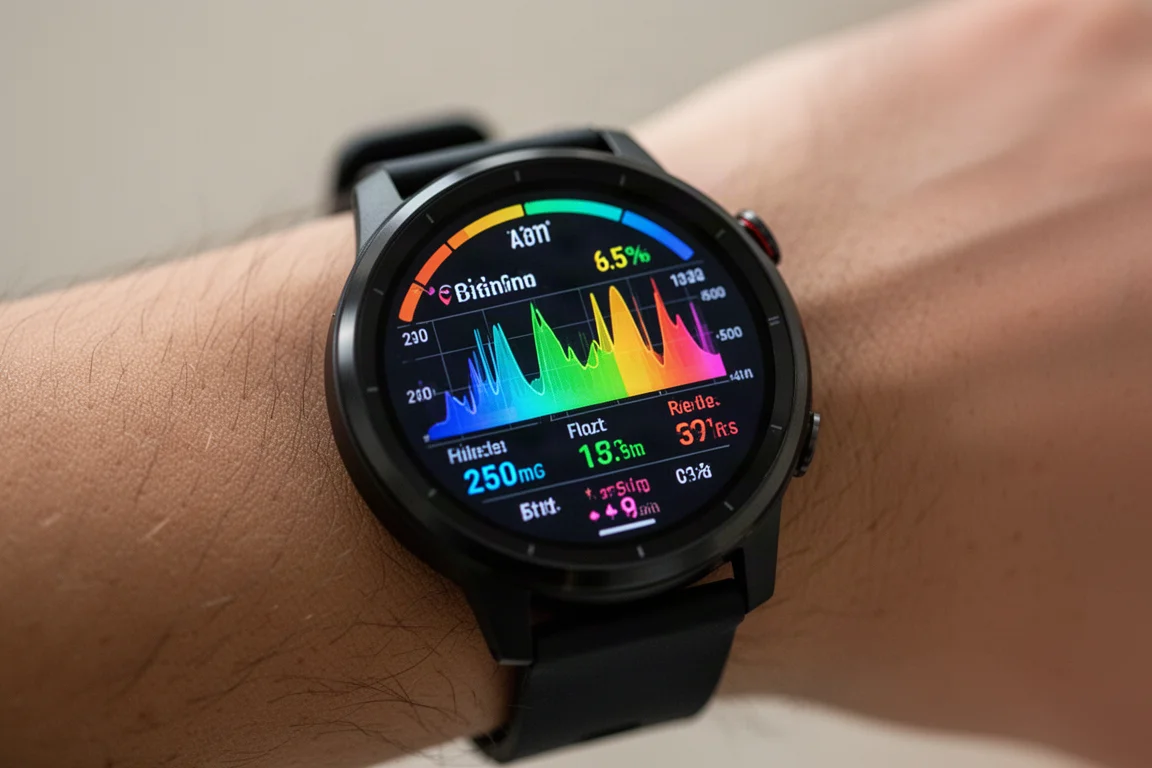
Where they differ is execution. Garmin’s approach to training analysis feels a little more intuitive and easier to understand. Features like training readiness and daily suggested workouts, which offer active recommendations on what you should be doing, are better executed on the Forerunner 265. COROS delivers a similar level of analysis, but you may need to put in a bit more work to get to grips with the data. That said, COROS’s ecosystem is improving, and the raw tracking quality is very close between the two.
Smartwatch Experience
Both watches work with Android and iOS, with a consistent experience across platforms, and both show notifications and include a music player. Beyond that, the Garmin pulls clearly ahead.

On the Forerunner 265 you can respond quickly to notifications, which is not possible on the Pace 3. Garmin also has an app store, while COROS does not. For music, the Garmin supports storing music from streaming services such as Spotify, whereas the Pace 3 is limited to dragging and dropping your own music from a computer.
If a slicker smartwatch experience matters to you, the Forerunner 265 is the stronger pick. The Pace 3 covers the basics, but it is a more stripped-back proposition.
Battery Life
If the watch that lasts longest between charges is your priority, the COROS Pace 3 edges it. Both watches can handle a week’s worth of training, but the differences show in everyday use.
Because the Forerunner 265 uses an AMOLED display, leaving it in always-on mode hits battery life significantly and you will get less than a week. If you enable raise-to-wake instead, it can go beyond a week, though in practice it is likely to max out around a week for most people. The Pace 3 promises more days in smartwatch daily-use mode, and in standby it drains far less because it is not constantly running a demanding display.
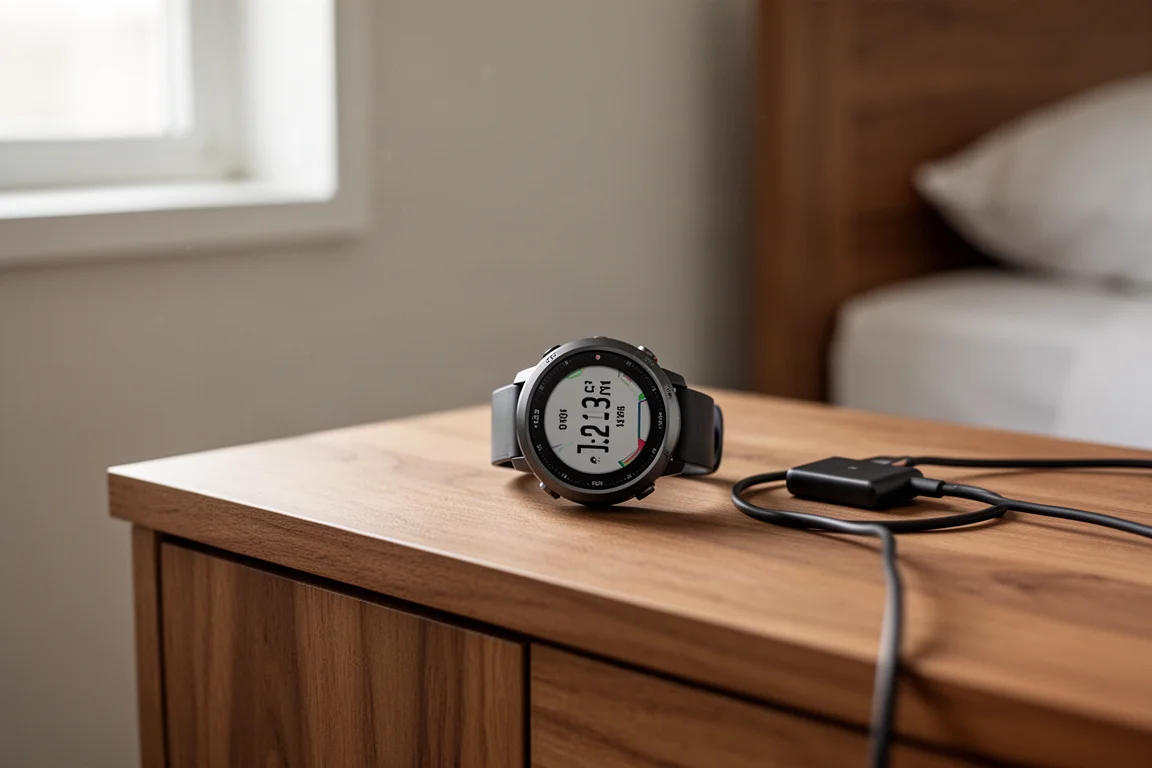
Keep in mind that using dual-frequency GPS mode drains the battery faster on both watches, so heavy tracking sessions will take their toll either way. But for everyday longevity, the Pace 3’s lack of a power-hungry always-on AMOLED display gives it the advantage.
Buying Advice: Which One Should You Choose?
If you want an AMOLED display, the Garmin Forerunner 265 is the watch to go for. If you also want the better smartwatch experience, with notification replies, an app store and streaming music support, the 265 again makes the most sense.
If you want the best value for money, stronger battery life, and an otherwise very similar core run tracking experience, the COROS Pace 3 is the smarter buy. Despite sitting in different price categories, the feature sets are remarkably close, so the decision really comes down to what you value most: display and smartwatch polish, or price and battery longevity.
Conclusion
The Garmin Forerunner 265 is the premium-feeling pick with a vibrant AMOLED screen and the richer smartwatch experience, while the COROS Pace 3 delivers nearly all of the same core running features for less money and lasts longer between charges. Decide whether you want a watch that doubles as a lifestyle smartwatch or a focused, efficient training partner, and the right choice becomes obvious.
Further reading
Related Reviews
Running Watches
Coros Pace 3 Running Watch Review: Why Software Matters More Than Specs
The Coros Pace 3 prioritizes runner-focused design and intelligent software over expensive hardware. Here's why it outperforms watches that cost twice as much.
Running Watches
GPS Running Watch Accuracy Test: Seven Watches Compared Across Urban, Trail, and Race Conditions
We tested seven popular running watches from major brands in three different environments to find out which delivers the most accurate GPS tracking for distance and pace.
Running Watches
Garmin Forerunner 70 Review: Garmin's Cheapest Forerunner Is More Capable Than You'd Expect
The new entry-level Forerunner 70 brings an AMOLED screen, a fresh interface, and real training analysis for £219/$249, with a few trade-offs to weigh before buying.