Running Watches
Coros Pace 3 vs the Best Running Watches: Five Options Compared
The Coros Pace 3 is a $230 dual-band GPS running watch with serious appeal. We compare it with the Pace 2, Apple Watch SE, Polar Pacer Pro, and Garmin Forerunner 255 Music to find the right fit.
Introduction
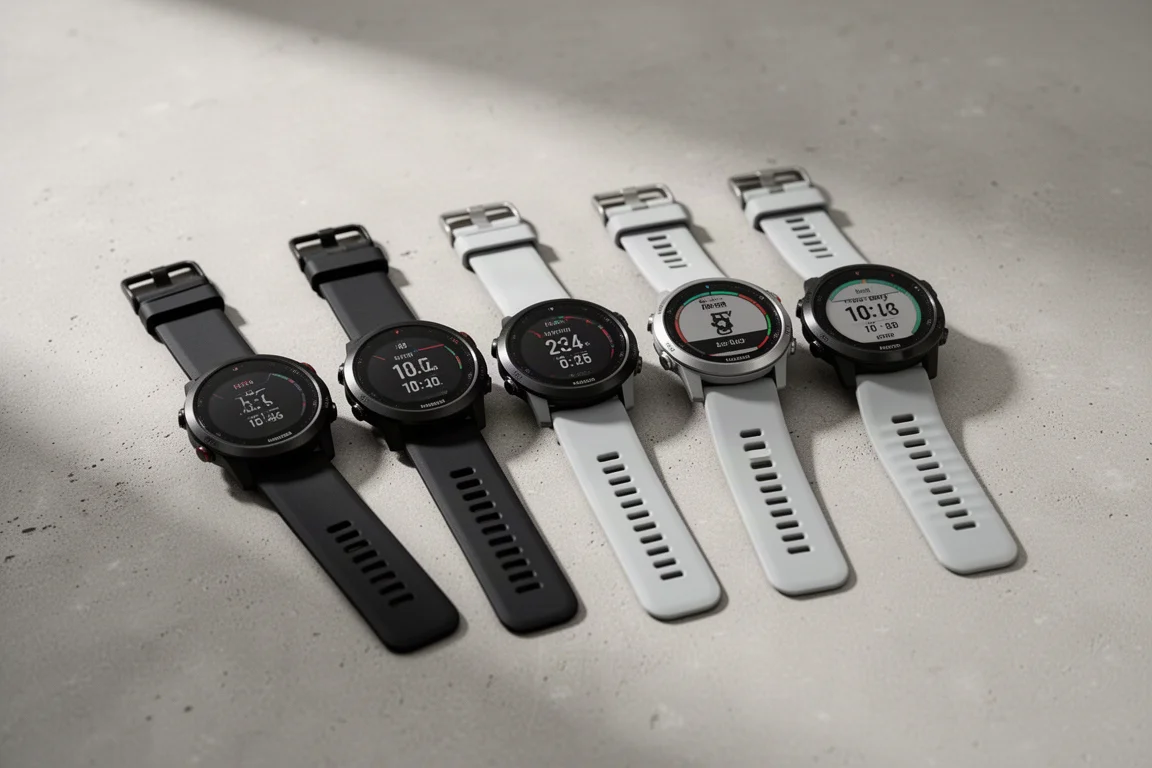
The Coros Pace 3 is a genuinely impressive proposition: dual-band GPS, a lightweight body, long battery life, and a $230 price that undercuts most of the competition. It raises an obvious question. Are you getting more than what you paid for, or are there sacrifices that are not worth the savings? To answer that, this comparison puts it up against four watches that cover very different approaches to running: the cheaper Coros Pace 2, the Apple Watch SE, the Polar Pacer Pro, and the Garmin Forerunner 255 Music.
Why the Coros Pace 3 Stands Out
A lot of what makes the Pace 3 great carries over from the previous Pace 2. It is super lightweight, has great battery life, and includes breadcrumb navigation that makes it easy to set up a route, send it to the watch, and follow it whether you are exploring a new city or a new trail. There is a structured workout mode that executes intervals for you without hammering the lap button, an excellent track mode that keeps the watch very accurate on a 400 meter oval, an altimeter for vertical gain on trail runs, and a training hub that is great for slicing and dicing your data after the run.
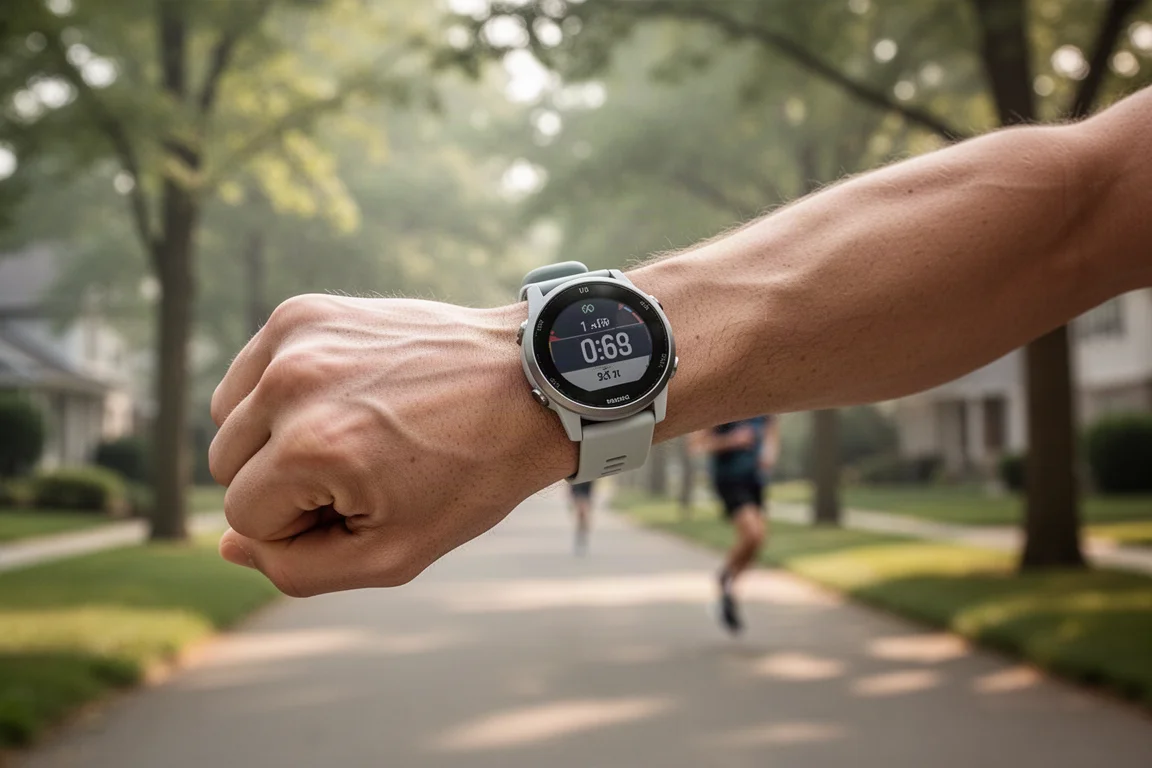
The big new upgrade is dual-band GPS. The Pace 2 already offered all five major satellite systems and selected automatically, but the Pace 3 can use two satellite systems simultaneously, which improves accuracy in places consumer GPS traditionally struggles: dense tree cover and urban areas with tall buildings. There is also a brighter screen, a bigger battery to power it all, and louder beeps and buzzes so you notice workout cues and trail turn alerts. One honest note on battery: even with the bigger cell, real-world life evens out because dual-band GPS is an energy hog. It is still a really great battery life watch, just not obviously longer-lasting.
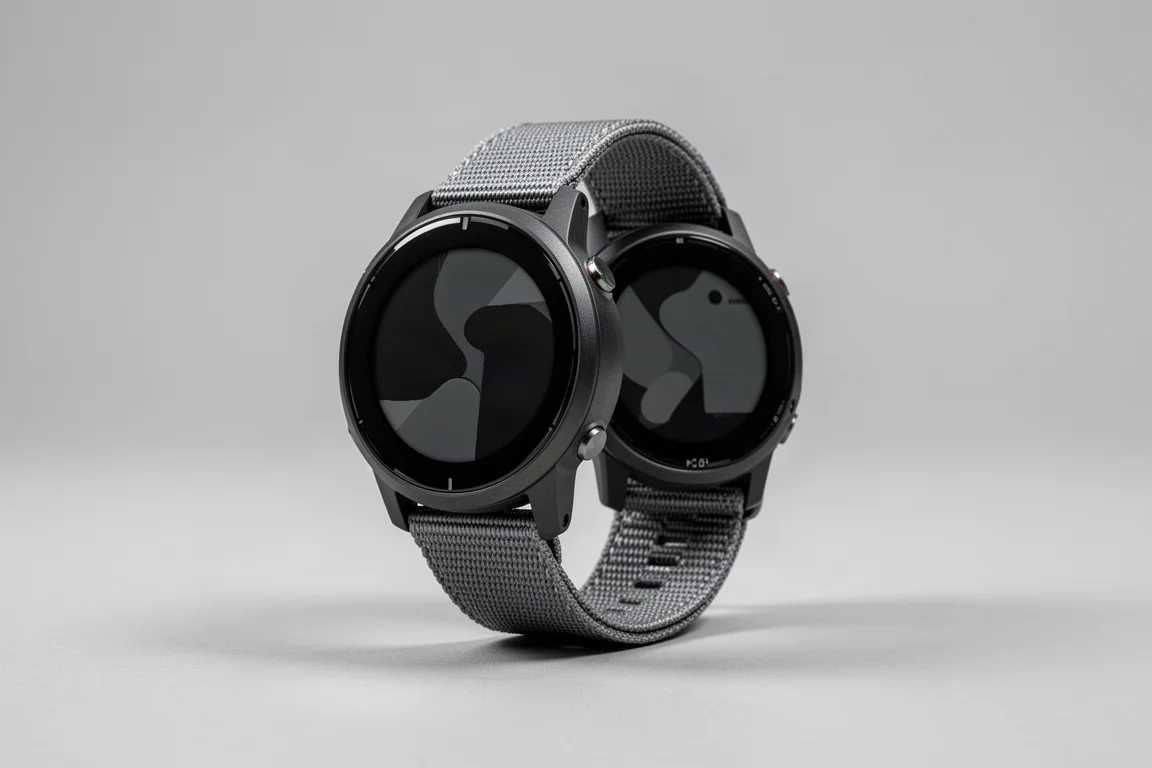
The one significant flaw carried over from the Pace 2, and which exists across the whole Coros lineup, is pace delay. The pace shown on the watch during a run lags significantly, roughly 20 seconds behind what you are actually doing, based on anecdotal testing: after 15 to 20 seconds of strides, it takes about 20 seconds for the slowed pace to fully register. A comparable Garmin dual-band watch reflects the change in about 10 seconds, so the Pace 3 feels roughly 10 seconds behind. For training guided by effort or power this rarely matters, and post-run data appears corrected. It becomes a problem mainly when racing, and Coros’s only official fix is a $100 add-on foot pod whose primary purpose is minimizing that lag, which is a little frustrating.
Coros Pace 2
The Pace 2 is no longer sold on Coros’s own website but remains available from third-party retailers at around $180. For $50 less, it still offers the lightweight body, great battery life, navigation, structured workouts, track mode, and training hub that made it such an excellent watch. If you live somewhere like the suburbs and do not always need the extra precision of dual-band GPS, and you want to stay under the $200 mark, it is a compelling option. For most people, though, the recommendation is to spend the extra money and get the dual-band accuracy of the Pace 3.

Apple Watch SE
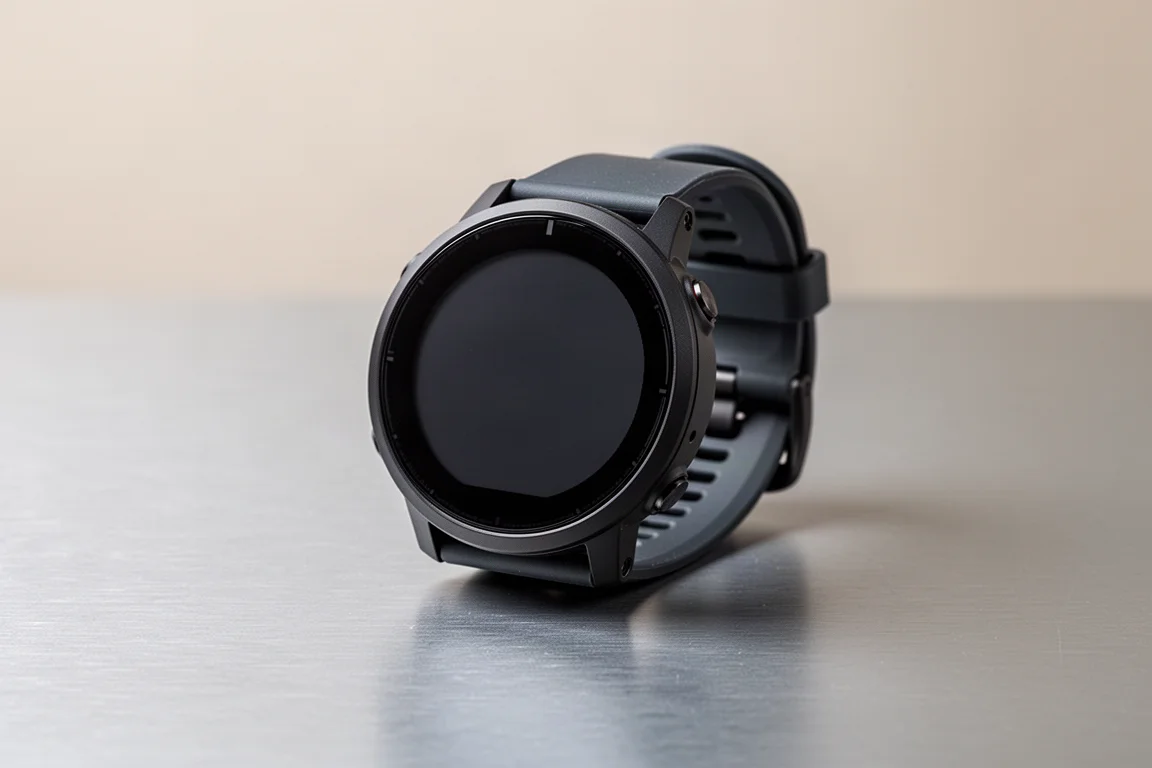
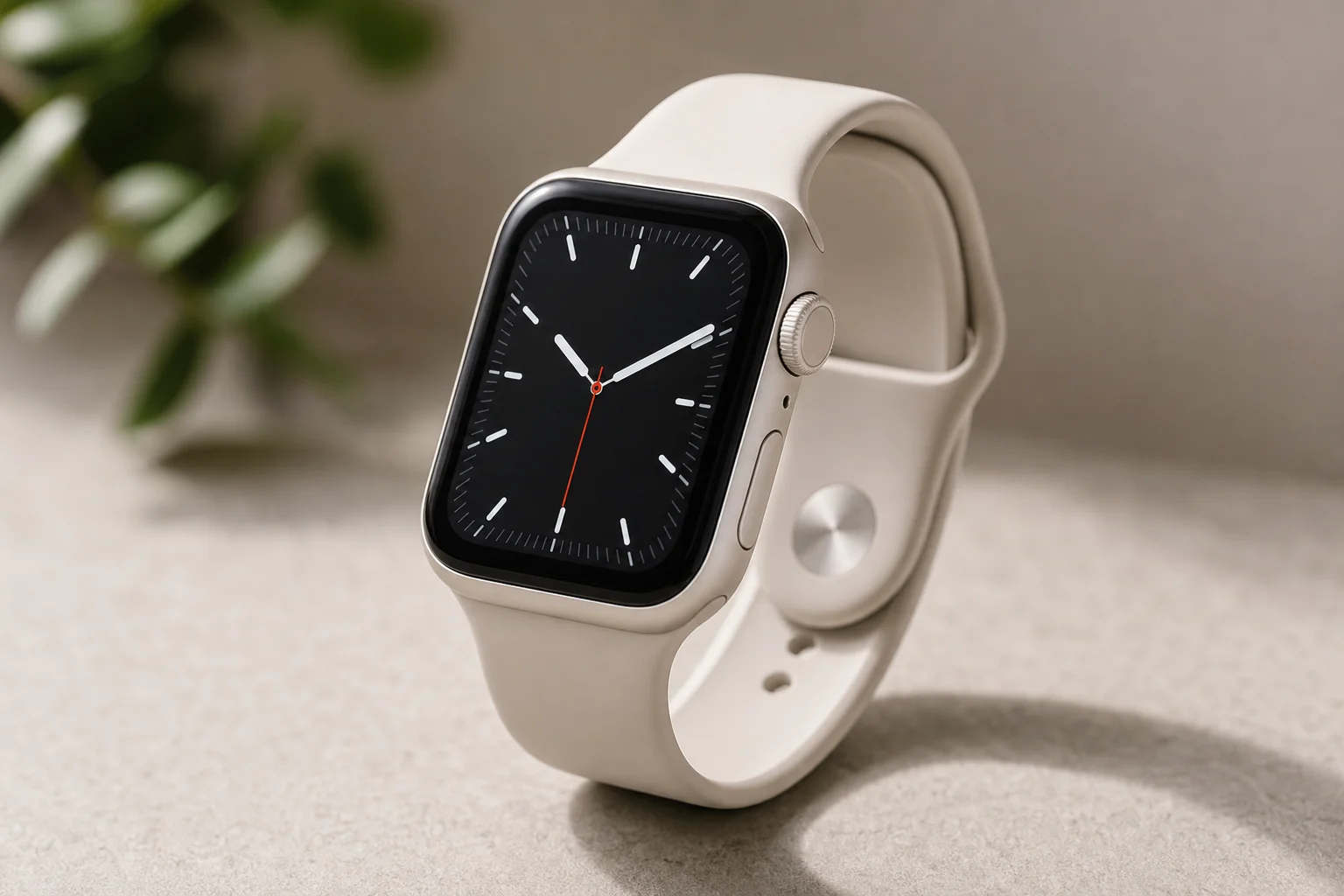
The Apple Watch SE costs the same $230 as the Pace 3, and it is a watch many runners wear daily. As a pure running watch, it is not ideal. It does not have dual-band GPS, so accuracy suffers in difficult GPS conditions, and the default workout app leaves a lot to be desired, though a third-party running app fixes much of that. The bigger deal breaker is cold weather: in genuine winter running temperatures it can simply die on you mid-run, even freshly charged to 100 percent. Battery life will get you through most runs, but anything longer than about four hours pushes it.
Where the Apple Watch SE shines is everything else. If you do not like running with a phone, it handles calls, texts, and emergencies, and it is great for streaming music, podcasts, and audiobooks. If you do a little running but mainly want a great smartwatch, it may genuinely be the better choice at this price.
Polar Pacer Pro
The Polar Pacer Pro comes in at an extra $100 over the Pace 3, around $330. Its GPS is accurate, but it is single-band rather than dual-band, and its recovery metrics are the reason Polar keeps earning loyalty: they are really excellent and reliably presented, the benchmark other watches get measured against. Still, without dual-band GPS, that extra $100 feels hard to justify, and the Coros Pace 3 wins the head-to-head on value.
Garmin Forerunner 255 Music
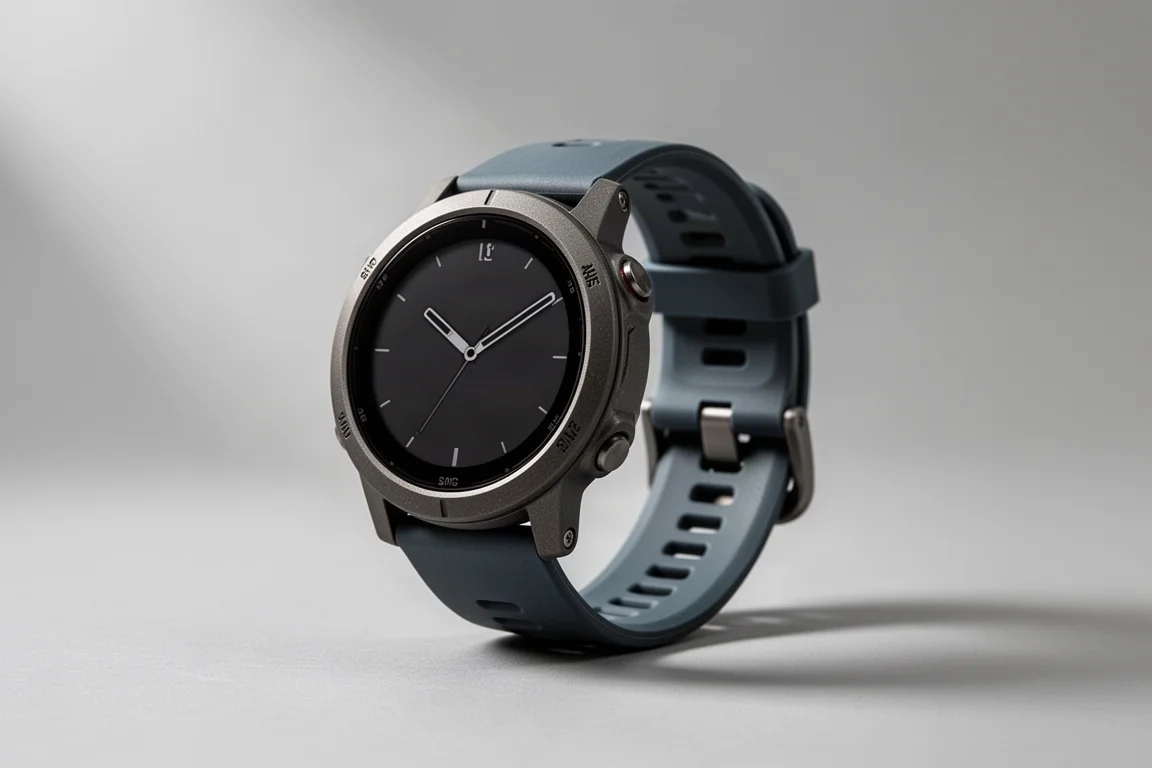
This is where the decision gets genuinely difficult. The Garmin Forerunner 255 Music also has dual-band GPS, so you get that same higher level of accuracy in most situations. It is a bigger watch with more buttons, and more buttons on a small screen matter when you are soaked with sweat, wearing gloves in freezing cold, or running in rain. It is the watch some reviewers would personally rather wear.
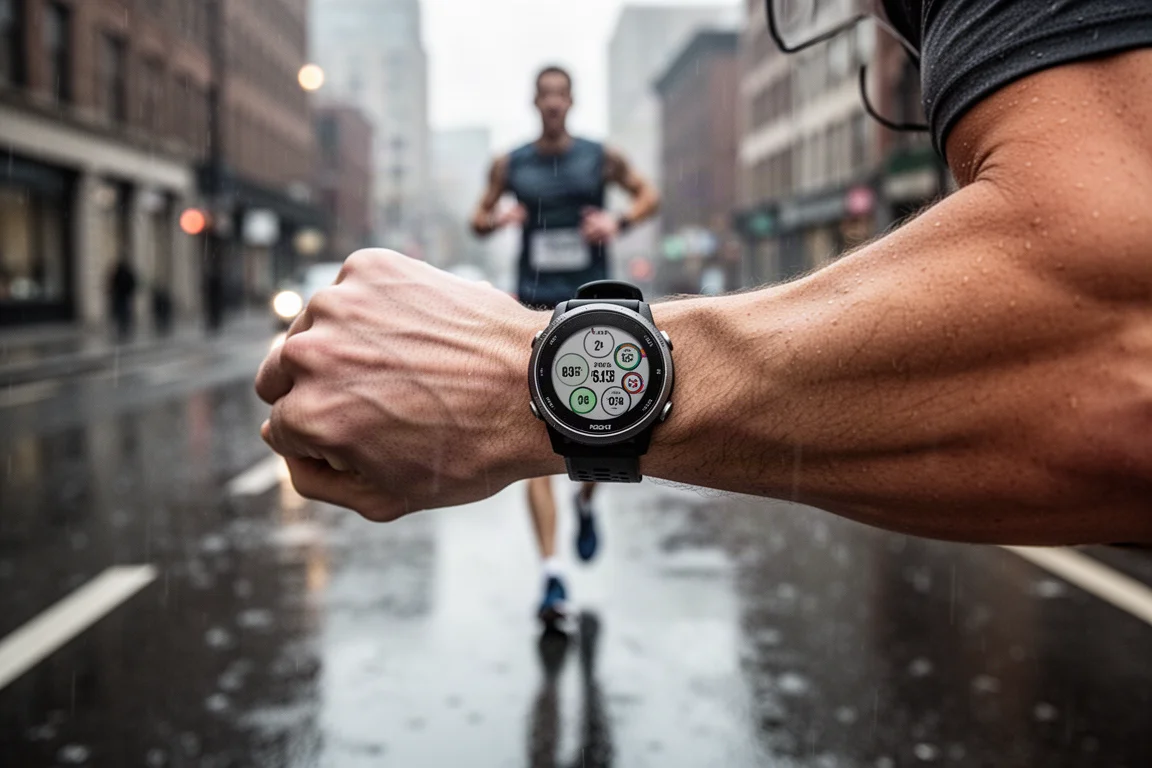
At $400 for the Music version, it is nearly double the Pace 3. The non-music Forerunner 255 saves $50 at $350, which makes sense since these GPS watches do not offer streaming, so the music storage sees limited use. At $350 it is still the more expensive watch, but for serious runners who value accuracy and hardware usability, it earns its price.
Buying Advice
If you want the best value in a dedicated running watch, the Coros Pace 3 is the easy answer: dual-band GPS, a bright screen, strong battery life, and a full training toolkit at $230. If your budget is tight and you do not run in dense tree cover or urban canyons, the Pace 2 at around $180 is a smart compromise. If you mainly want a smartwatch that can also track runs and you do not face cold winters, the Apple Watch SE at the same $230 makes sense. If recovery metrics are your priority, the Polar Pacer Pro delivers the best of them, though its single-band GPS makes the price premium questionable. And if you want the most accurate, most comfortable-to-operate hardware and can spend $350 to $400, the Garmin Forerunner 255 Music is the pick.
Conclusion
The Coros Pace 3 delivers on so many levels that it is an easy recommendation for beginners and seasoned runners alike, with the notable caveat of pace delay during racing. Match the alternatives to your actual needs, and every one of these five watches can be the right call depending on how and where you run.
Further reading
Related Reviews
Running Watches
Coros Pace 3 Running Watch Review: Why Software Matters More Than Specs
The Coros Pace 3 prioritizes runner-focused design and intelligent software over expensive hardware. Here's why it outperforms watches that cost twice as much.
Running Watches
GPS Running Watch Accuracy Test: Seven Watches Compared Across Urban, Trail, and Race Conditions
We tested seven popular running watches from major brands in three different environments to find out which delivers the most accurate GPS tracking for distance and pace.
Running Watches
Garmin Forerunner 70 Review: Garmin's Cheapest Forerunner Is More Capable Than You'd Expect
The new entry-level Forerunner 70 brings an AMOLED screen, a fresh interface, and real training analysis for £219/$249, with a few trade-offs to weigh before buying.