Sports Watches
Coros Pace 3 Review: The Budget Sports Watch That Punches Above Its Price
A lightweight sports watch with multiband GPS, excellent battery life, and a few trade-offs worth knowing about before you buy.
Introduction
The Coros Pace 3 sits in an interesting spot. It is one of the best budget sports watches available, and in some ways it is also the strongest watch Coros makes. Over several months of testing across swimming, cycling, running, hiking, and more, it consistently held up against marketing claims that often prove optimistic on other watches.
Coros has not raised the price of the Pace series since it was first introduced nearly six years ago. The Pace 3 lands at $229, only a small step up from the previous generation’s $199, yet it packs in a new slate of hardware: multiband dual-frequency GPS, a new optical heart rate sensor, blood oxygen monitoring, a touchscreen, and music storage.
Who This Product Is For
The Pace 3 is aimed at people who want a do-everything sports watch without paying premium prices. It handles running, cycling, swimming, hiking, and triathlon profiles with deep customization of data pages and fields, and it syncs to the major platforms like Strava and TrainingPeaks.
As a general budget sports watch, it is a genuinely good deal. As a pure running watch, there is slightly more polish available from competitors at just a bit higher price points, around $250. The trade-off there is that those alternatives do not come close on battery life or GPS accuracy.

Battery Life That Outperforms Its Own Charts
Multiband dual-frequency GPS is the headline feature, and it is considered the gold standard for GPS accuracy. The obvious cost is battery drain, and Coros publishes battery charts for each GPS mode. In testing, those charts turned out to be conservative.
On a twelve-and-a-half-hour mountain hike with navigation enabled and GPS set to its highest multiband setting, the watch used about 66% of its battery. Coros’s own figures suggested that should have consumed close to 90%. Across many other activities over months of use, real-world battery burn consistently beat the published numbers, which is a rare and welcome outcome.
Daily Tracking and the Coros App
Daily activity tracking covers the essentials: steps, floors, calories, workout time, sleep with stages and phases, elevation, sunrise and sunset, plus pressure and temperature. Sleep timing accuracy was generally good, with occasional hiccups where a brief early-morning wake-up around 6:00 to 7:30 was interpreted as the end of the night, even if sleep resumed afterward.
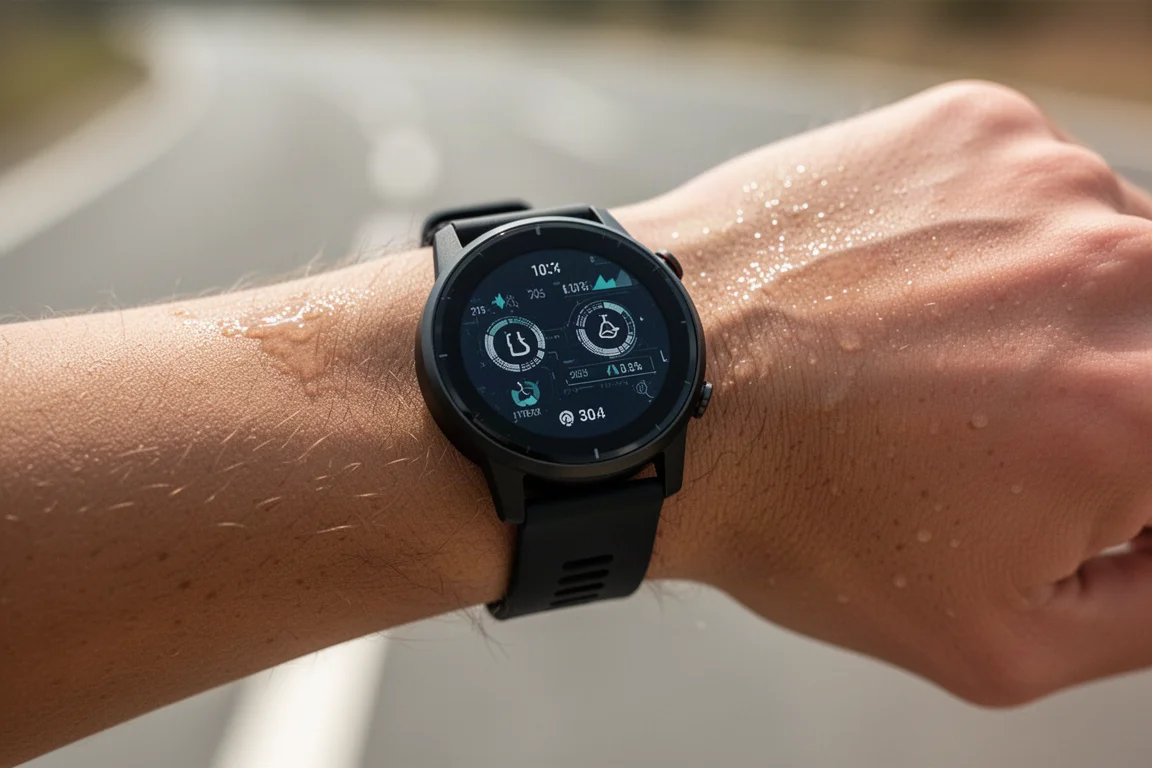
The new optical heart rate sensor takes a battery-saving approach: it turns on briefly for a reading rather than running continuously. That means the watch face sometimes shows zero beats per minute even when worn, and heart rate lock can take a while at the start of a workout. The new sensor also enables blood oxygen monitoring with a certified medical-grade SpO2 sensor, which performed accurately in testing as long as the hand stays still.
HRV tracking was added shortly after launch and is rolling out in public beta with nighttime readings. Early impressions are promising, though not yet fully refined. The Coros app itself is deliberately no-frills: the core stats are all there, but it lacks the depth and polish found in apps from Garmin, Polar, Suunto, Fitbit, or Apple.
Training Metrics: The Weak Spot
This is where the Pace 3 stumbles. Race predictor times often did not align with reality. A predicted 5K of 22:08 looked implausible when the fastest 5K segment within an easy 30K long run came in slower than that, which suggests the estimate understates actual capability compared with similar estimates from Garmin, Suunto, and Polar that tracked much closer to expected performance.
Trending load is displayed as a weekly reset rather than a trailing seven-day window, which makes it far less useful than how competitors implement it. Recovery estimates and intensity trends similarly feel like borrowed concepts without fully consistent underpinnings. None of this breaks the watch, but if training-load analytics matter to you, competing watches in this price range handle it better.
Customizable Data Pages
Where the Pace 3 genuinely shines is data customization. Each sport profile supports up to six data pages, and each page can hold up to eight data fields. For comparison, a $600 competitor with a larger, newer display allows only four fields per screen. There are plenty of fields to choose from, though there is no third-party integration for developer-made data fields.
One downgrade from the Pace 2: ANT+ sensor support has been dropped. Almost all sensors made in the last eight to ten years are dual ANT+ and Bluetooth, so most runners will not notice, but anyone with an ANT+ cycling power meter should be aware. Music playback offers 4 GB of storage for MP3-style transfers from a computer, played through Bluetooth headphones. Streaming services like Spotify or Apple Music are not supported and are unlikely to arrive.
Navigation: Basic, With Room to Grow
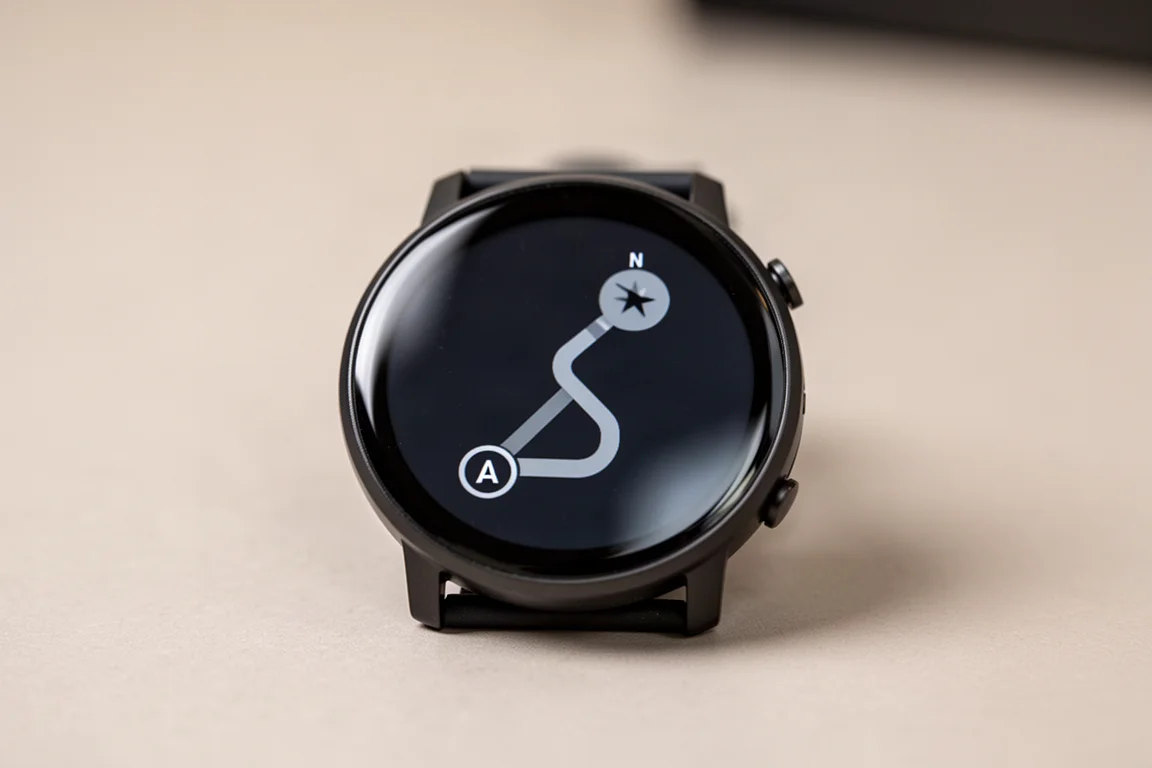
Navigation is breadcrumb-style only, with no full maps. Routes sync from Strava Routes or Komoot into the Coros app, though syncing can be sluggish and require several refreshes. On the watch you choose direction, map orientation, and deviation alerts.
By default there are no turn alerts, only an off-course warning once you are roughly 50 meters astray. Coros has opened a public beta for turn-by-turn navigation, which adds turn arrows about 200 meters before a turn. In testing, some turn prompts were missing entirely, distances to turns were not shown, and turn banners disappeared within a couple of seconds. For occasional navigation it is fine; if you lean heavily on it, look elsewhere for now.
GPS and Heart Rate Accuracy
Multiband GPS delivered excellent results. Easy forest and trail runs were nailed across the board. City runs through overpasses and a stretch of 20 to 30-story buildings produced near-perfect tracks. A nearly 60 km mountain hike with cliffs matched tracks from considerably more expensive watches from Suunto and Garmin. The one rough outing was an open-water swim, where the track wandered noticeably. Overall it clearly outperforms the Vertix 2, Apex 2, and Apex 2 Pro, particularly on switchbacks.
The new heart rate sensor is a mixed bag. Indoor trainer workouts and interval sessions were solid, as was an 18x800m track workout except for brief drops near the end. Outdoor cycling was solid for two-thirds of the ride before descending scrambled it. But one 30K run saw the sensor essentially lose the signal entirely for four miles during intervals, which is a real weakness in an otherwise strong package.

Overall Buying Advice
At $229, the Pace 3 delivers nearly everything a budget sports watch buyer needs: class-leading battery life, exceptional multiband GPS, solid sensor support, and deep workout customization. The compromises are softer training metrics, a heart rate sensor that can drop out on hard runs, and no-frills software polish.
If you are purely a runner and value polish and richer training analytics, competitors around $250 are worth a look. If battery life and GPS accuracy top your list, this watch is very hard to beat at the price.
Conclusion
The Coros Pace 3 does what its marketing promises, and in the case of battery life, exceeds it. It is a very solid watch with no major problems, and it earns its place as one of the best value propositions in sports watches today.
Product link
View more details for Coros Pace 3
This product is mentioned in the review. Check the specifications, options, and compatibility before buying.
View more details for Coros Pace 3Further reading
Related Reviews
Sports Watches
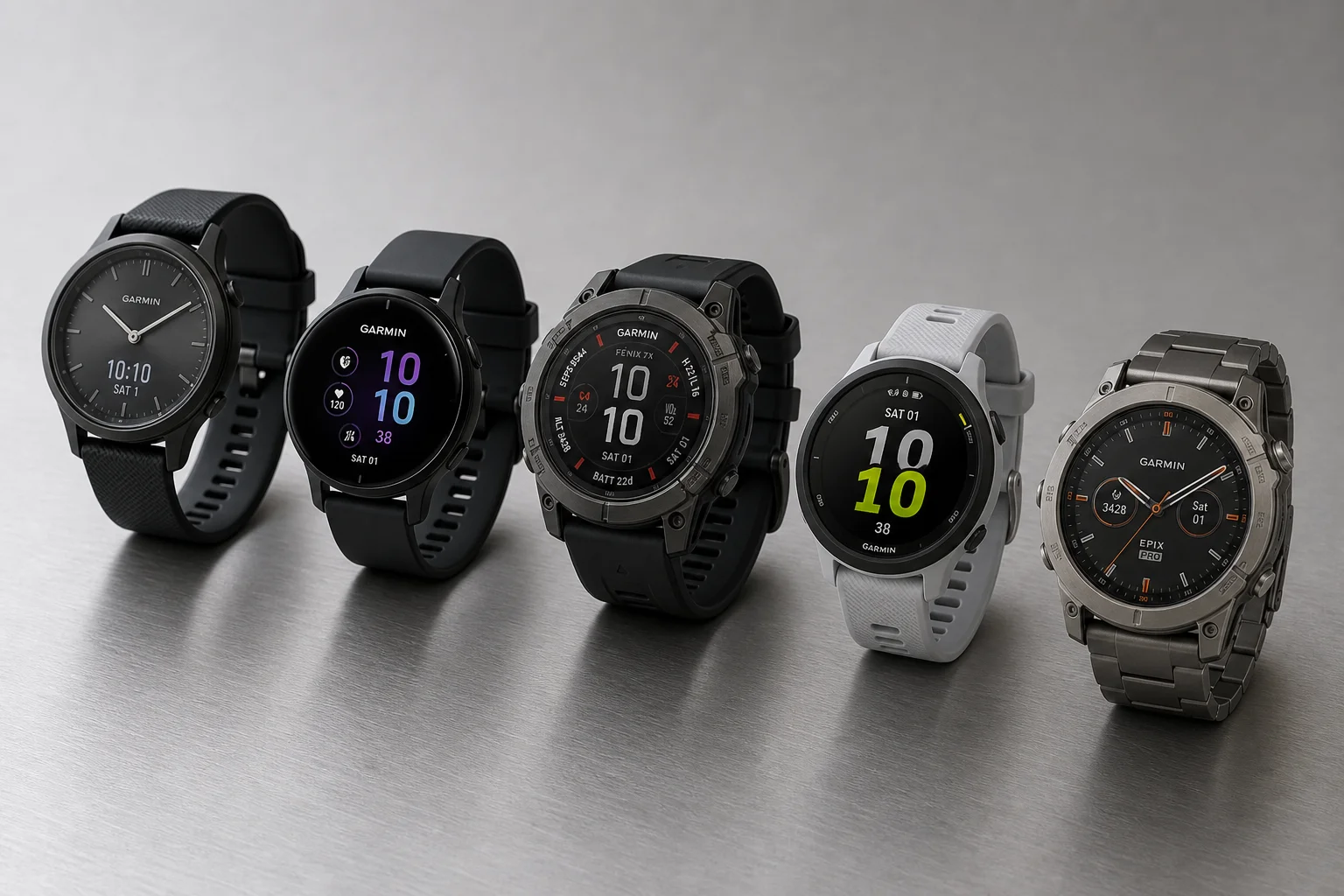
Garmin Sports Watch Guide: Finding the Right Model for Your Fitness Level
A comprehensive overview of Garmin's sports watch lineup, from casual fitness trackers to advanced multisport devices, helping you choose the right model for your needs and budget.
Sports Watches
Coros Pace Pro Review: A Complete Overhaul That Finally Feels Premium
Coros rebuilt the Pace Pro from the ground up with an AMOLED display, onboard maps, and a new heart rate sensor. Here is how it all holds up in real use.
Sports Watches
Polar Vantage M3 Review: The Sweet Spot in Polar's New Watch Lineup
A closer look at the Polar Vantage M3, which brings an AMOLED display, dual-frequency GPS, offline maps and the same software platform as Polar's flagship watches at a friendlier price.