Running Watches
Coros Pace 2 Review: A Featherweight GPS Running Watch That Gets the Basics Right
The Coros Pace 2 packs long battery life, accurate GPS tracking, and wrist-based power into a 29 g watch, and skips the extras most runners never use.
Introduction
The Coros Pace 2 has one clear goal: pack in all of the features a runner needs and none that they don’t. The question is whether Coros cut out too much along the way. After spending real running time with it, the short answer is that it cuts the right things, and at $200 it is very hard for other watches to compete on accuracy, battery life, and ease of use.
This is a watch built around running. It is not trying to do everything, and that focus shows in both its strengths and its gaps.
Who This Product Is For
If you have been running with your phone or an Apple Watch and you are thinking about your first dedicated running watch, the Pace 2 is a great place to start. At $200 it gives you all the features you are probably used to using, and then some. It is not a beginner-only watch either: experienced runners will appreciate the lightness and the set-it-and-forget-it dependability.
As long as you do not need maps or music on your wrist, this is a device that is genuinely hard not to recommend to just about anyone.
Specs and Design
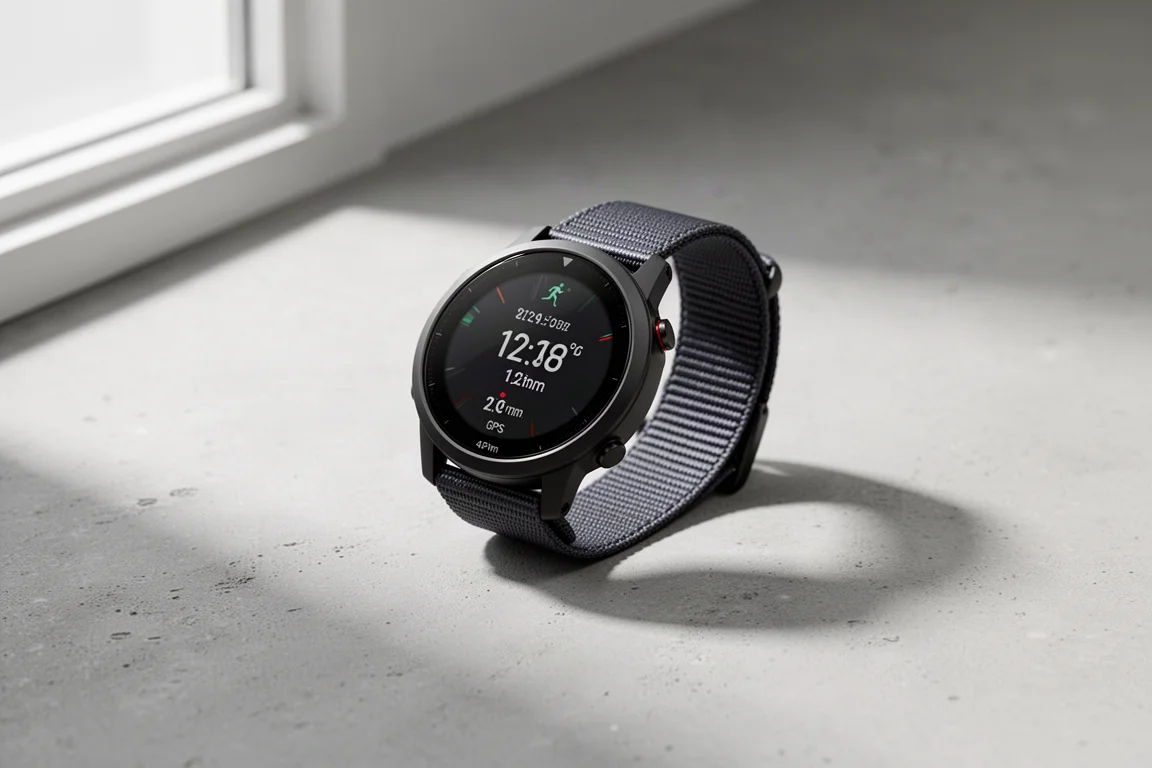
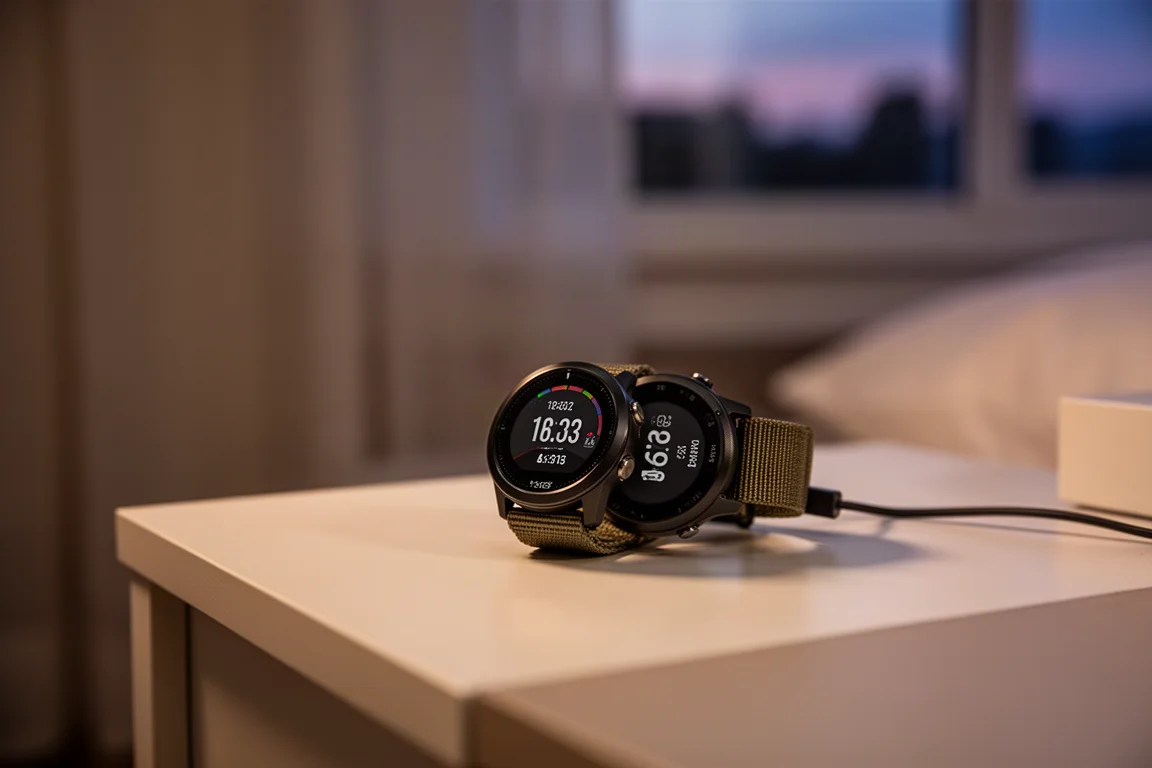
The Pace 2 measures 42 mm across and 11.7 mm deep, with a 1.2 inch 240 x 240 memory LCD display protected by Corning Gorilla Glass. The plastic case keeps the weight down to a featherweight 29 g including the optional nylon band (a silicone band is also available).
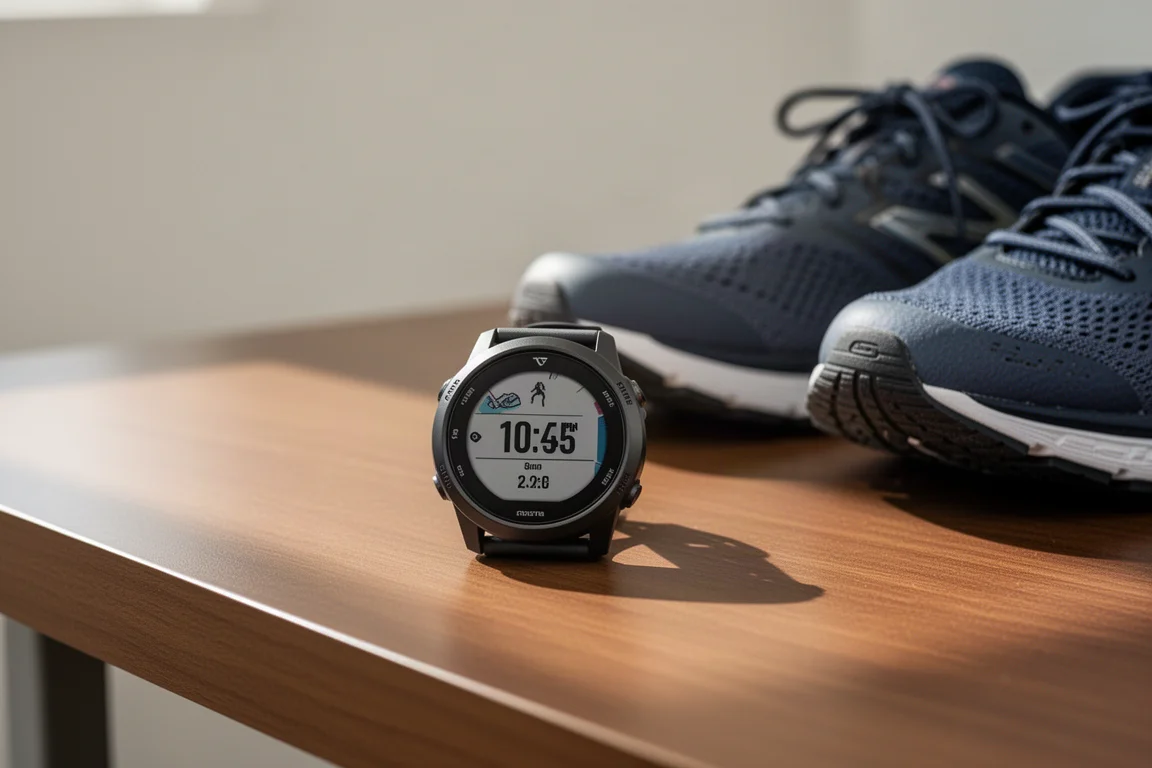
Connectivity covers ANT+ and Bluetooth, so you can pair the sensors and devices you need. GPS support is broad: GPS, GLONASS, Galileo, QZSS, and BeiDou are all available, though it is a single-frequency radio and you can only use one satellite system at a time. Interestingly, you choose four out of the five, with the decision coming down to GLONASS or BeiDou depending on where you are in the world.
Interaction is handled by two controls: a rolling click wheel and a back button, the latter doubling as a long-press shortcut to additional menus.
Battery Life
Coros claims 30 hours of GPS tracking on a single charge, or 20 days of regular use without GPS. In real-world mixed use, an eight-day stretch between charges with over 10 hours of GPS running activity was easily achievable.
Sensors on board include an optical heart rate monitor, accelerometer, thermometer, gyroscope, and compass.
Run Tracking: Accurate Where It Counts
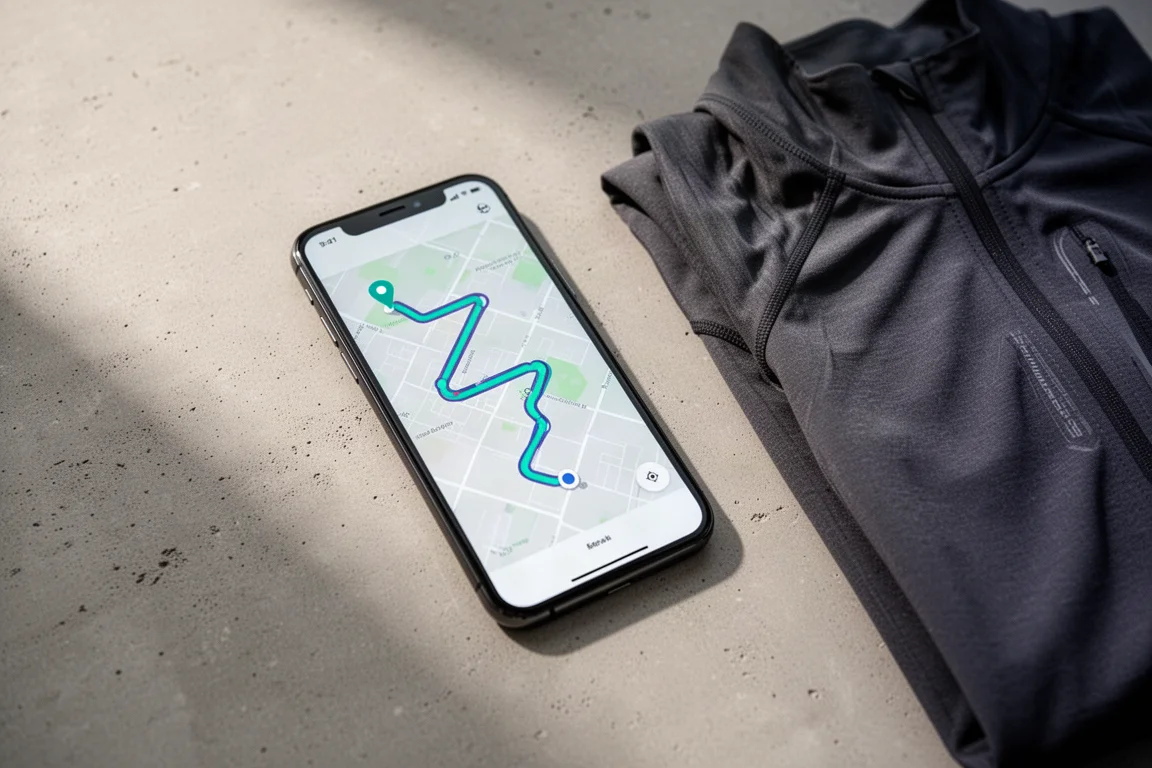
GPS tracing is a strong point. The route sketch on the map does a really good job, and when reviewing distances and paces afterwards, the data holds up well.
There is one quirk to know about. Real-time pace on the wrist is a bit laggy when you make sudden changes, such as coming around a sharp turn or heading up or down a hill. Wrist-based power readings, which require no separate foot pod, behave the same way. At a constant effort, the readings are accurate; on quick pace changes, they take a moment to catch up. Importantly, the post-run data is correct, so this is a time lag rather than an accuracy problem.
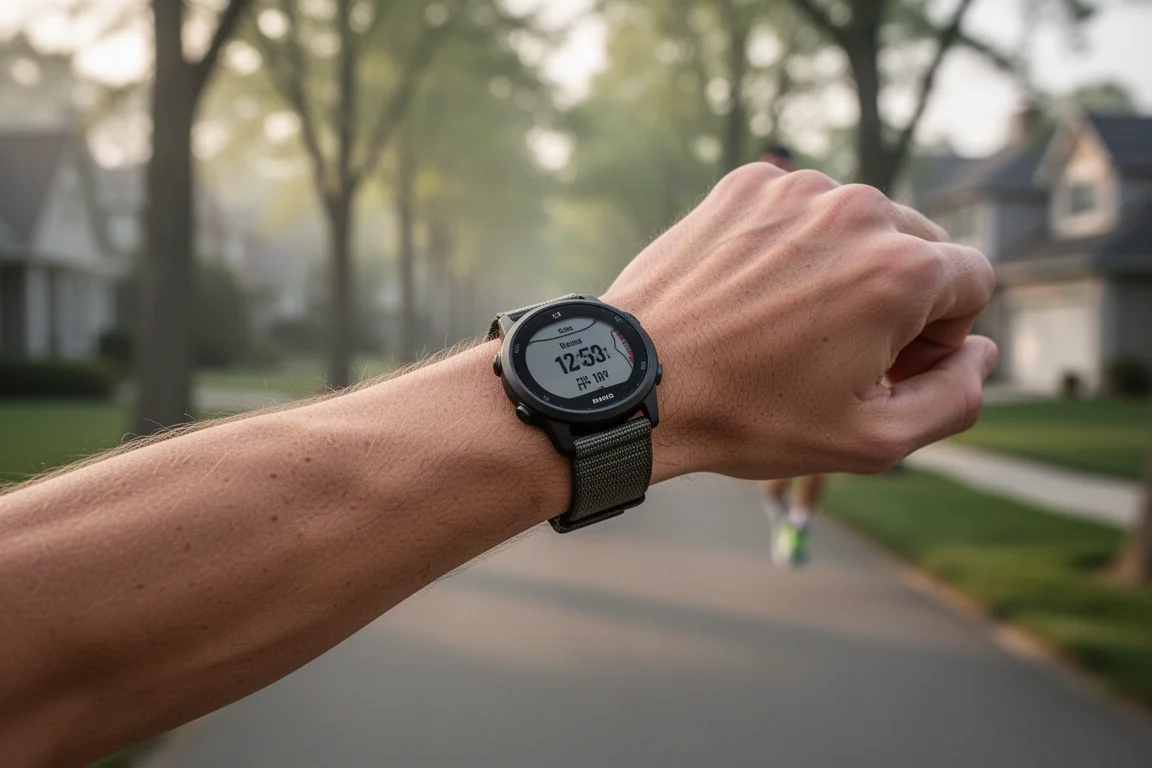
The light weight pays off here. Heavier watches tend to slide down the wrist and introduce error into optical heart rate readings. With the Pace 2 cinched into the right position, heart rate readings were excellent enough that an external chest strap or armband was unnecessary, which means one less device and one less battery to keep charged.
Workouts and Track Mode
Setting up workouts is simple and can be done on the phone or a laptop, then synced to the watch. Units of measure can be mixed and matched, so you can build a workout with a 2-mile warm-up, kilometer repeats, and 200 m jogs. Combined with accurate GPS, that makes structured sessions easy to just start and follow.
Track Mode is a standout for track sessions. Commercial GPS watches generally struggle with the tight turns of a 400 m track, so Track Mode tells the watch you are on a track and pegs the trace accordingly, producing a clean tracing and accurate results.
Day-to-day living with the watch is pleasant too. The nylon bands can take a while to dry when sweaty, but quick-release pins make swapping bands easy. Two genuinely useful extras: Find My Watch in the app makes the watch beep so you can locate it, and from the watch you can send a beep to a misplaced phone. Sleep tracking covers light, deep, and REM sleep stages.
Things to Consider Before Buying
The two gaps worth weighing before buying are sleep data depth and navigation. Sleep tracking stops at sleep stages; there is no heart rate, respiration rate, or heart rate variability data overnight that could guide your training decisions the next day, which feels like a missed opportunity at this price.
The bigger omission is the lack of mapping or navigation. If you like to set up routes when traveling, or you are still learning the roads in a new area, other watches handle that better here. If you can live without maps and without music, neither gap should stop you.
Buying Advice
At $200, the value case is simple: you are not paying for extras you may never use, just for a dependable GPS running watch with excellent battery life, solid accuracy, and a nearly unnoticeable 29 g on the wrist. Buy it if you want a reliable trainer for everyday running and structured workouts. Look elsewhere if route navigation or on-wrist music is a must-have.
Conclusion
The Coros Pace 2 proves that a running watch does not need to do everything to be excellent. It tracks runs accurately, lasts days between charges, weighs almost nothing, and keeps the feature set focused on what runners actually use. For most runners, it is one of the best value options you can put on your wrist.
Product link
View more details for Coros Pace 2
This product is mentioned in the review. Check the specifications, options, and compatibility before buying.
View more details for Coros Pace 2Further reading
Related Reviews
Running Watches
Coros Pace 3 Running Watch Review: Why Software Matters More Than Specs
The Coros Pace 3 prioritizes runner-focused design and intelligent software over expensive hardware. Here's why it outperforms watches that cost twice as much.
Running Watches
GPS Running Watch Accuracy Test: Seven Watches Compared Across Urban, Trail, and Race Conditions
We tested seven popular running watches from major brands in three different environments to find out which delivers the most accurate GPS tracking for distance and pace.
Running Watches
Garmin Forerunner 70 Review: Garmin's Cheapest Forerunner Is More Capable Than You'd Expect
The new entry-level Forerunner 70 brings an AMOLED screen, a fresh interface, and real training analysis for £219/$249, with a few trade-offs to weigh before buying.