GPS Watches
COROS GPS Watch Roundup: Pace 2, Apex Pro and Vertix Compared
Three COROS sports watches with excellent battery life, frequent software updates and genuinely simple route loading. Here is which one fits your kind of training.
Introduction
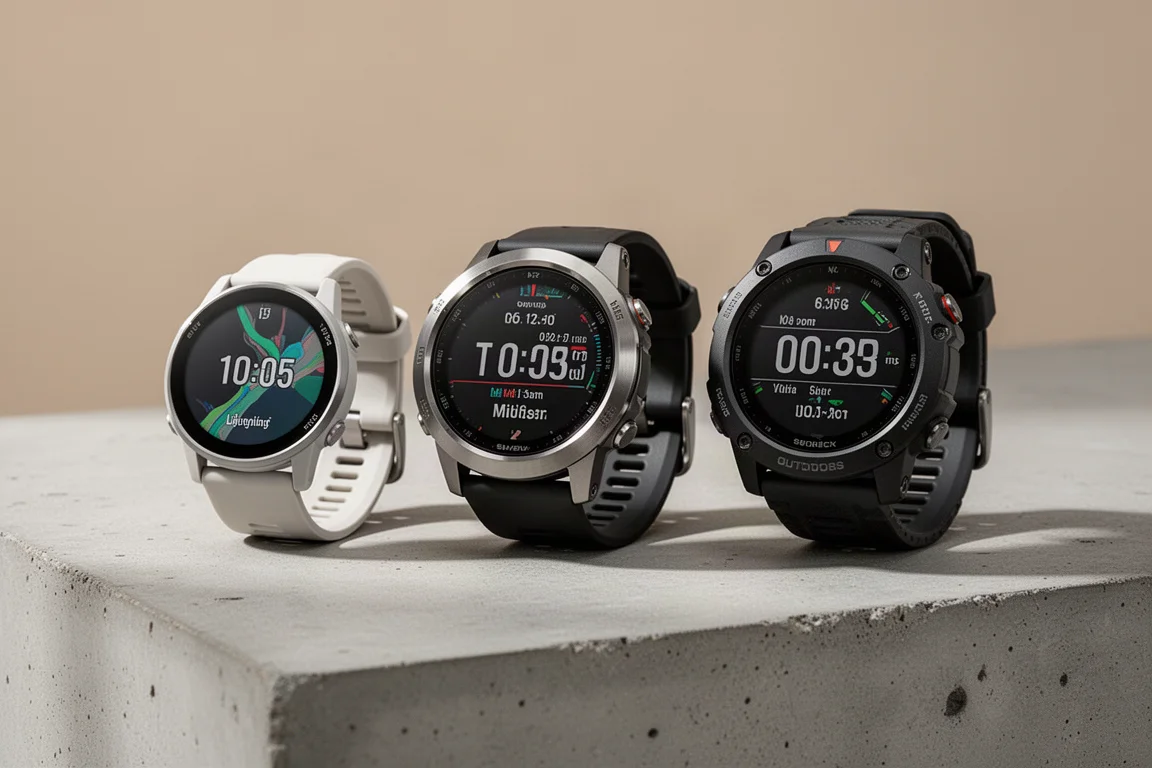
COROS has quietly built one of the most likeable lineups in sports watches. In this roundup we look at three of them: the lightweight Pace 2, the mid-sized Apex Pro, and the rugged Vertix. All three share the same core software experience, and all three are aimed at slightly different athletes.
Why COROS Keeps Improving After Purchase
One of the most consistently praised things about COROS is how the watches change over time. The hardware you buy is genuinely good, but the software keeps evolving: regular updates bring new watch faces, new features and quality-of-life improvements long after the purchase. The comparison that comes up repeatedly is that using a COROS feels a bit like owning a Tesla: when an update lands, you wake up to new features rather than waiting for the next model year.
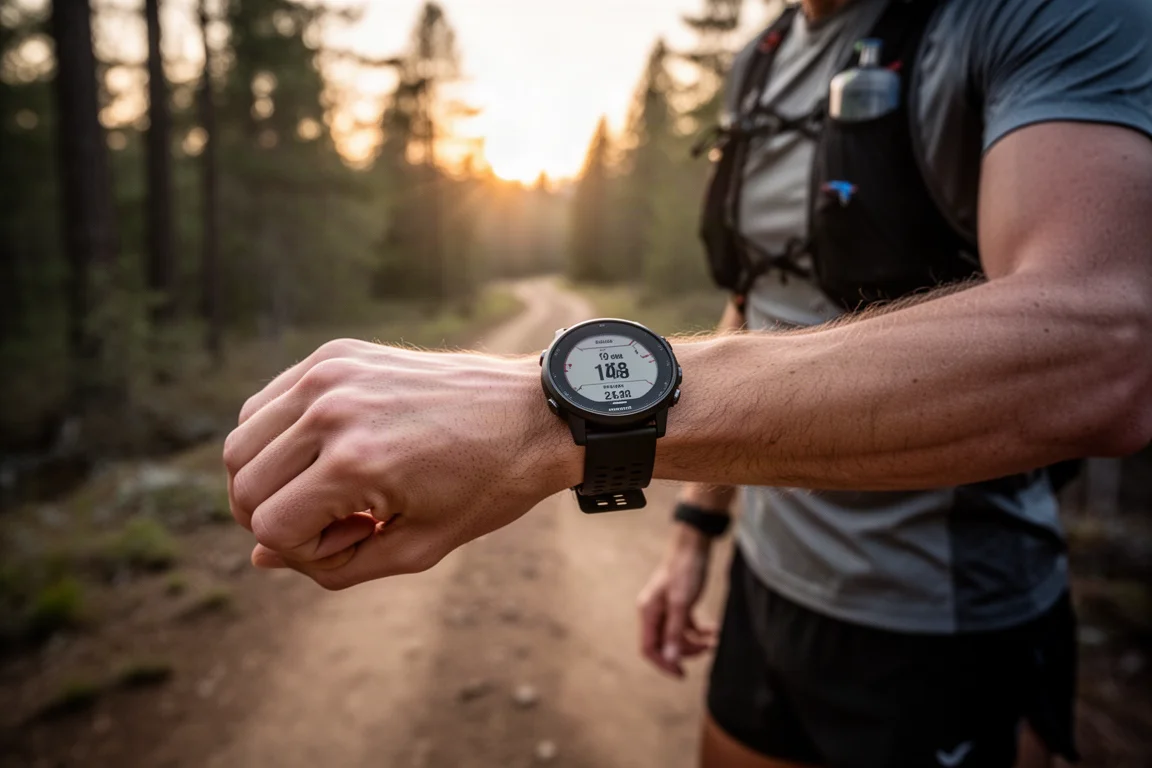
That update cadence matters for value. Instead of feeling outdated when a newer watch is announced, a COROS owner tends to feel like the watch got better.
Route Loading Without the Hassle
If you have ever fumbled with GPX conversions and cable-connected file transfers before a trail run, this is where COROS shines. Loading a route is genuinely simple: the watch connects automatically when you open the phone app, and it just asks if you want to transfer.
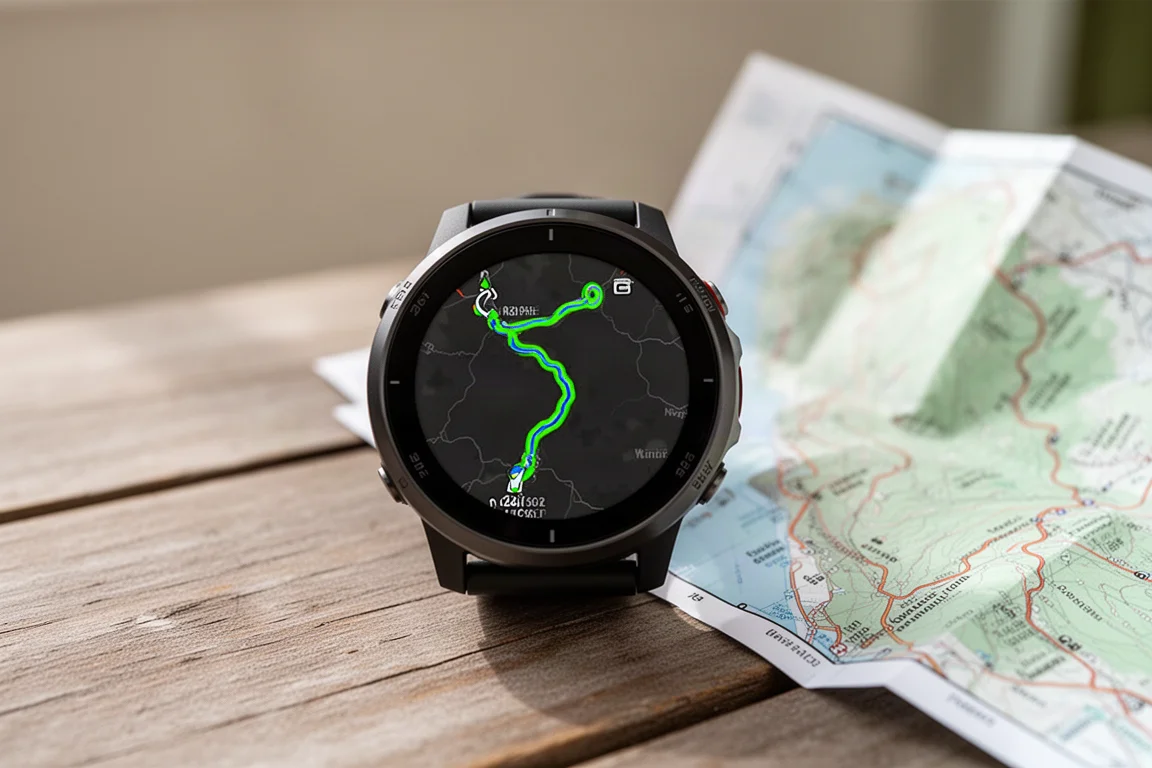
The practical upside is real. You can grab a route someone else has run from Strava, or download a GPX file from AllTrails for a family hike and send it straight to the watch. The whole process takes about 30 seconds, and the navigation simply works once it is on the wrist. For anyone heading into unfamiliar terrain, this alone can justify the purchase.
Battery Life That Changes Your Routine
Charging habits are the most obvious dividing line between these three watches. The Pace 2 sits at the lighter end: expect to charge it roughly once a week. The Apex Pro stretches to about two weeks per charge, and the Vertix goes dramatically further. One long-distance runner reported charging the Vertix only three or four times over two months while running 52 miles every day in standard GPS mode, and described the battery sitting near 100 percent at the end of a day.
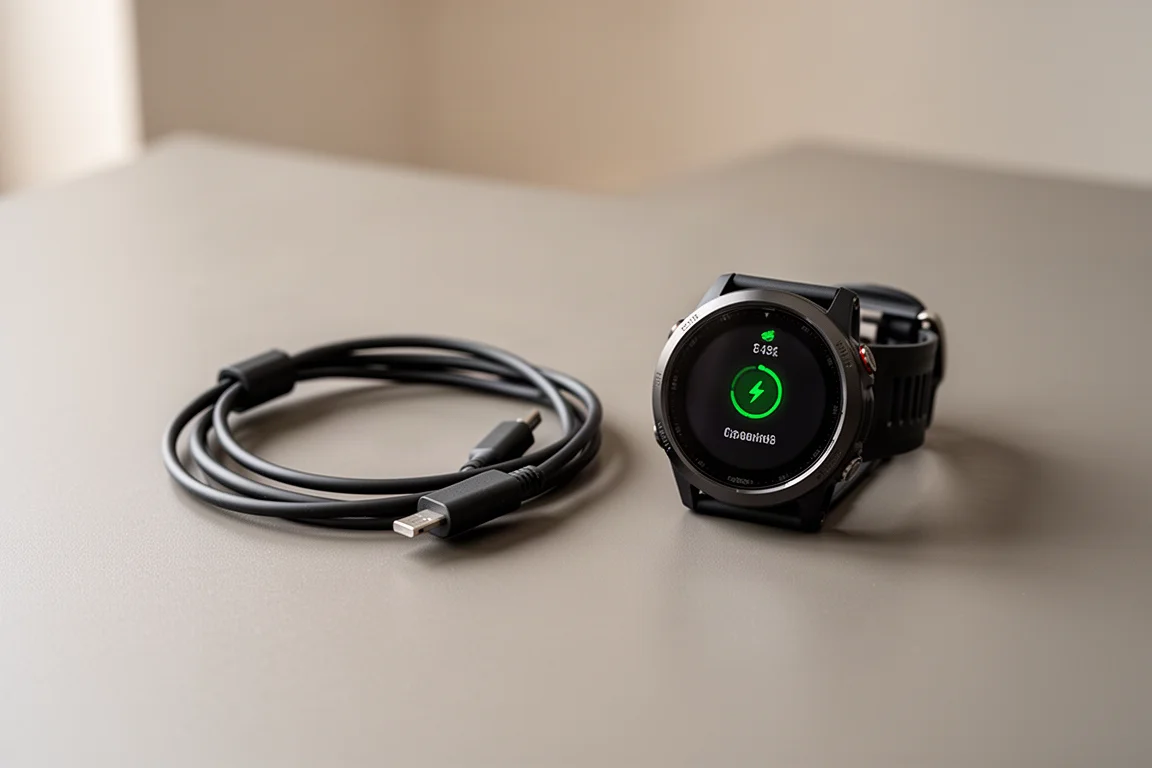
The practical effect is easy to underestimate: with the Vertix, many owners simply lose track of where the charger is, because they so rarely need it.
Everyday Features That Earn Their Place
Beyond headline specs, small features get daily use. Find My Phone is the standout example: hold one button and the watch pings your phone with a sound, which is surprisingly useful when the phone is in a jacket pocket or lost in the house. It works even when the phone is otherwise unreachable.
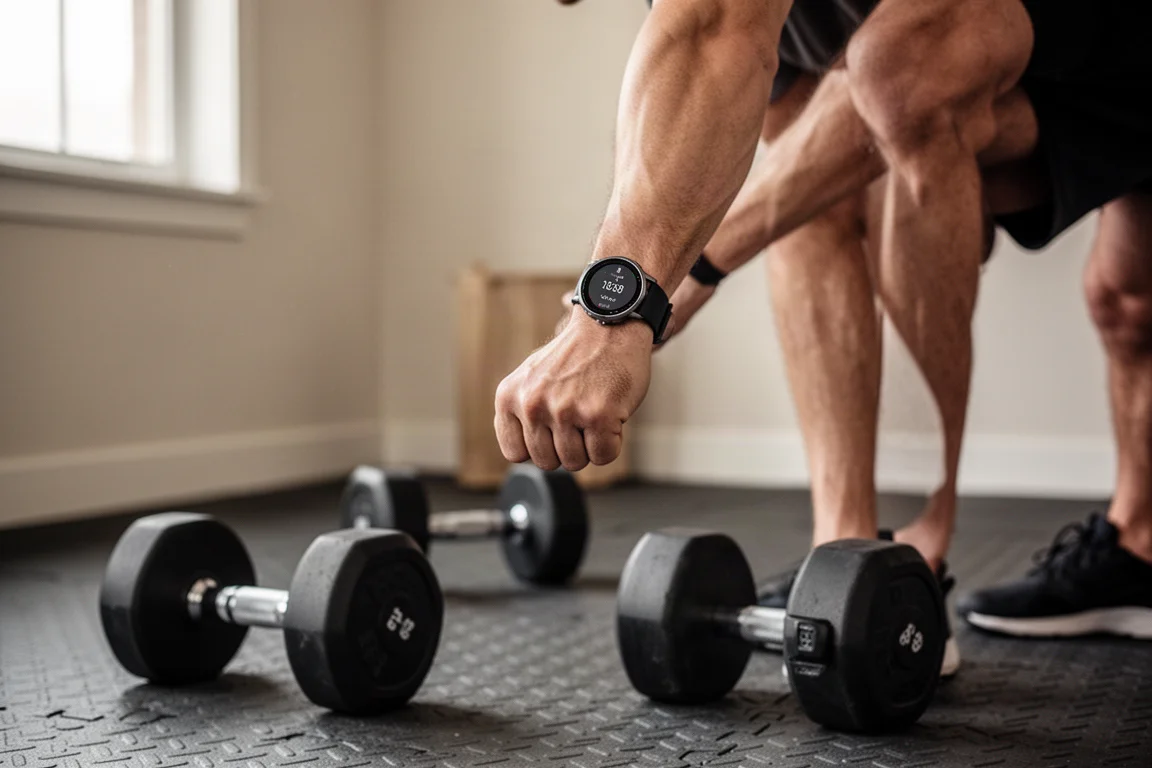
The watches also handle strength training simply and sensibly. Pick whole body or a specific workout, hit start, and the watch tracks time spent working, calories and heart rate without getting in the way. It is not trying to be a full coaching platform, just a reliable record of the session.
COROS Pace 2: The Lightweight Runner’s Pick
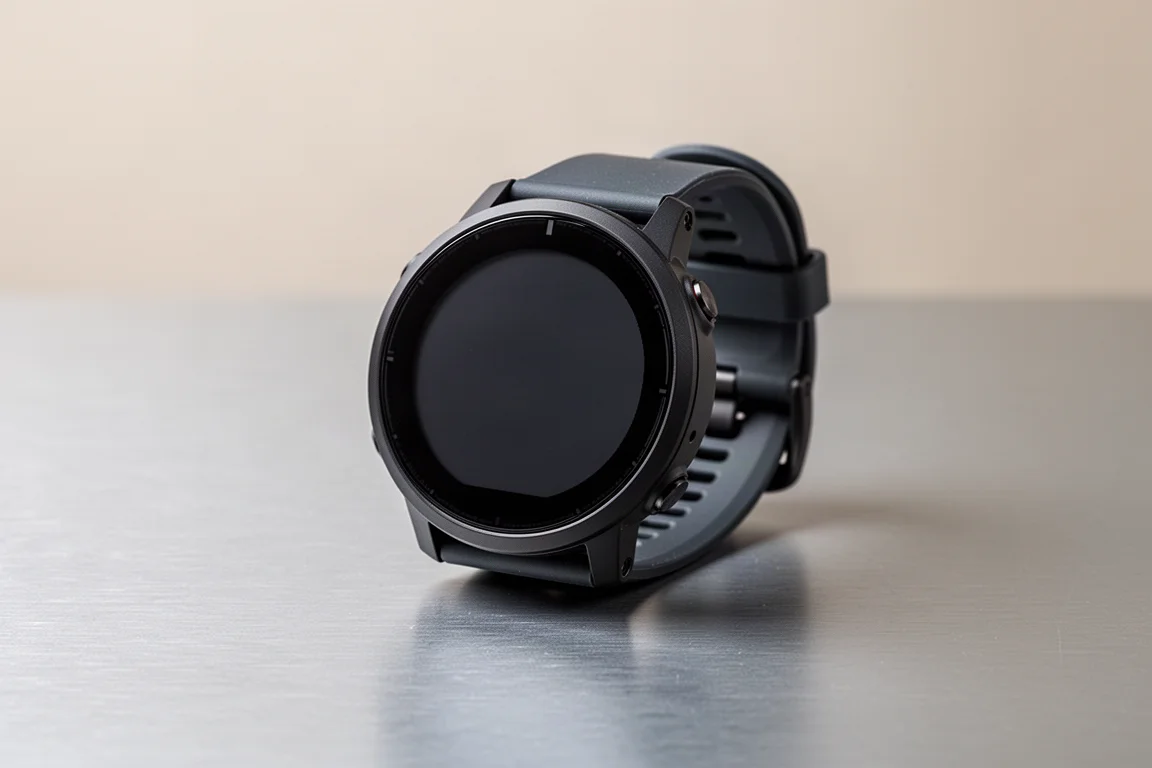
The Pace 2 is the watch for people who prioritize weight and comfort. Compared to the Vertix it is far less of a tank, and that lightness is exactly why many runners prefer it. The trade-off is battery: around a week between charges rather than weeks. For daily runners who train mostly on roads and tracks and want to forget they are wearing a watch, it is the most natural fit in the lineup.
COROS Apex Pro: The Balanced All-Rounder
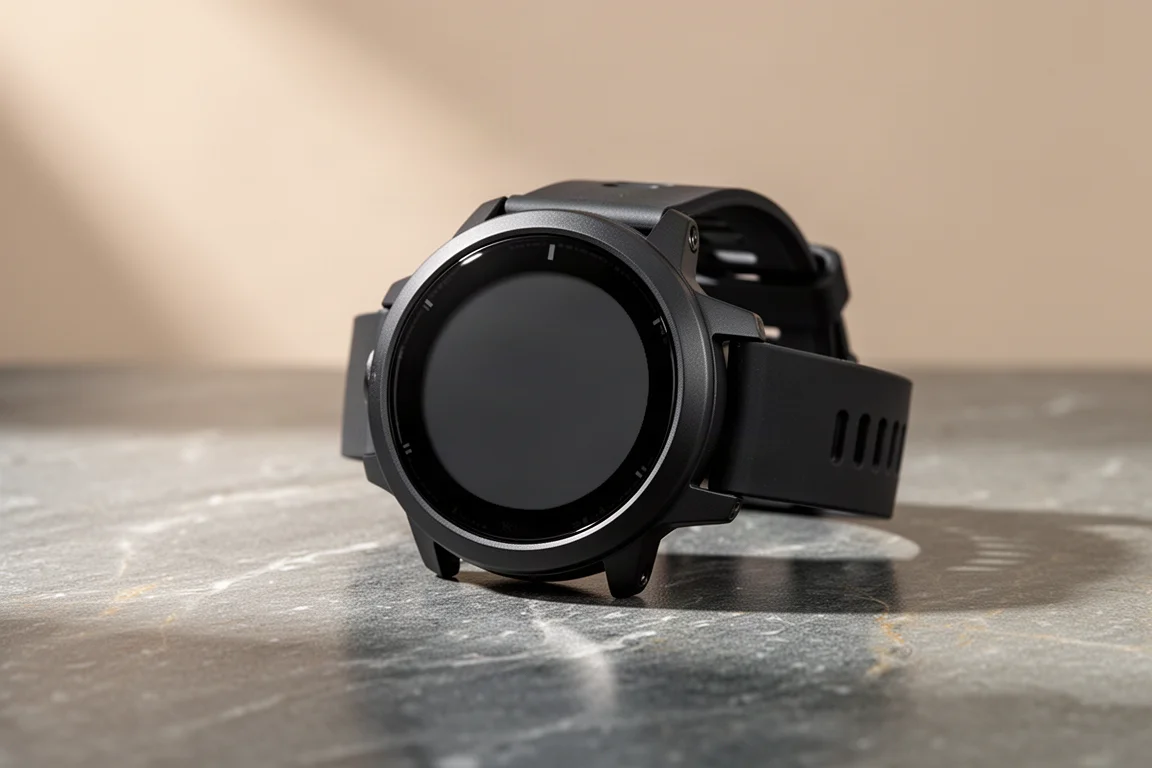
The Apex Pro occupies the sweet spot: a serious multisport build with battery life that stretches to roughly two weeks in real use, even with daily training. It carries the same excellent software experience as the rest of the lineup, including quick route transfers and regular updates. If you want more endurance between charges than the Pace 2 without stepping up to the bulky Vertix, this is the watch that fits.
COROS Vertix: Battery Life in a Different League
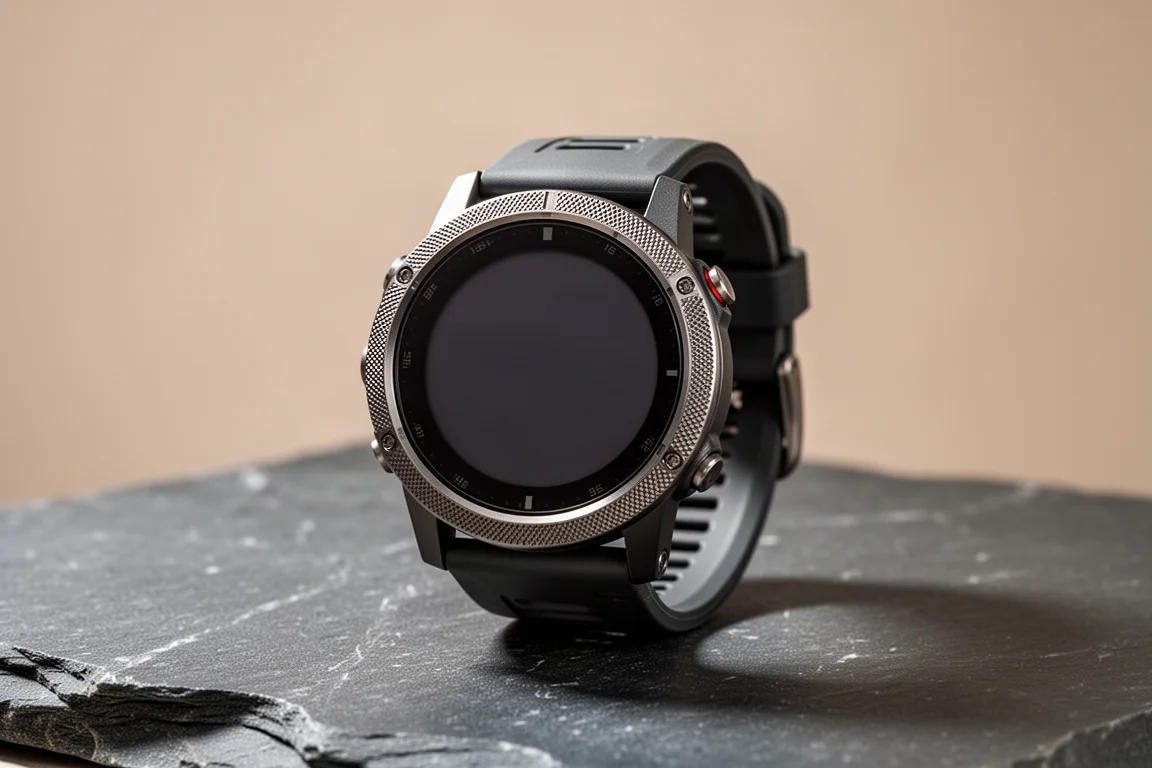
The Vertix is the tank of the family, and that is the point. Its battery life borders on absurd for normal athletes: think roughly a month between charges for typical use, and multi-week stretches even under extreme daily running loads in standard GPS mode. It is more watch on the wrist than the Pace 2, so it will not suit everyone, but for ultra runners, hikers and anyone who wants to charge as rarely as possible, nothing else in this comparison comes close.
Which One Should You Buy?
The decision mostly comes down to size and battery priorities. Choose the Pace 2 if a light, comfortable watch matters most and weekly charging is fine. Choose the Apex Pro if you want two-week battery life and a more substantial multisport build. Choose the Vertix if extreme battery life and ruggedness outweigh any weight penalty, for example for ultras or extended trips.
All three share the same strengths: frequent software updates that keep improving the watch, genuinely effortless route loading from Strava or AllTrails, and small daily-use features like Find My Phone. Whichever tier you pick, the software experience is the same, which makes choosing largely about battery and build.
Conclusion
COROS’s lineup covers a remarkably wide range without changing the fundamentals. The Pace 2 wins on lightness, the Vertix wins on battery life, and the Apex Pro balances the two. Combined with a software experience that keeps getting better after purchase, any of the three is an easy recommendation for runners and outdoor athletes.
Further reading
Related Reviews
GPS Watches
Garmin Fenix 6S Pro Review: A Compact Multi-Sport GPS Watch
A long-term look at the 42mm Garmin Fenix 6S Pro, covering mapping, training metrics, battery life, and what to weigh before buying.
GPS Watches
Garmin Instinct 2 Solar Review: Weeks of Battery for Runners, Riders, and Hikers
A practical look at the Garmin Instinct 2 Solar, covering solar charging, multi-week battery life, training metrics, and GPS performance across running, cycling, and hiking.
GPS Watches
Suunto 9 Peak Pro Review: A Light, Long-Lasting GPS Watch After 12 Months
A compact multisport GPS watch with exceptional battery life, accurate breadcrumb navigation, and a deliberately simple interface. Here is where it shines and where it falls short.