Running Watches
Coros Apex Pro vs Garmin Forerunner 245: A Runner's Real-World Comparison
Two very different GPS running watches compared on weight, usability, heart rate accuracy, battery life, and training data.
Introduction
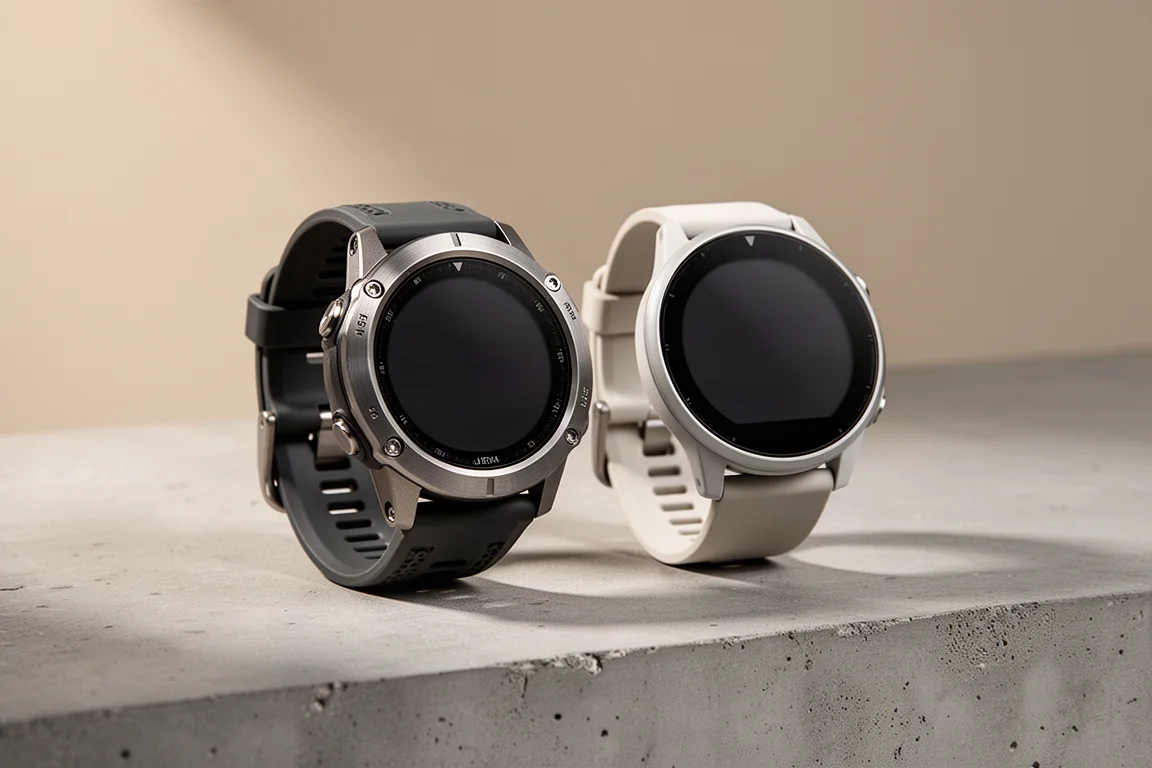
Some running watches chase raw data, others keep things simple. The Coros Apex Pro and the Garmin Forerunner 245 sit in very different categories, but comparing them side by side reveals what kind of runner each watch is really for. This comparison focuses on real-world use: how the watches feel on the wrist, how easy they are to live with, and how trustworthy the feedback they generate actually is.
First Impressions: Weight and Build
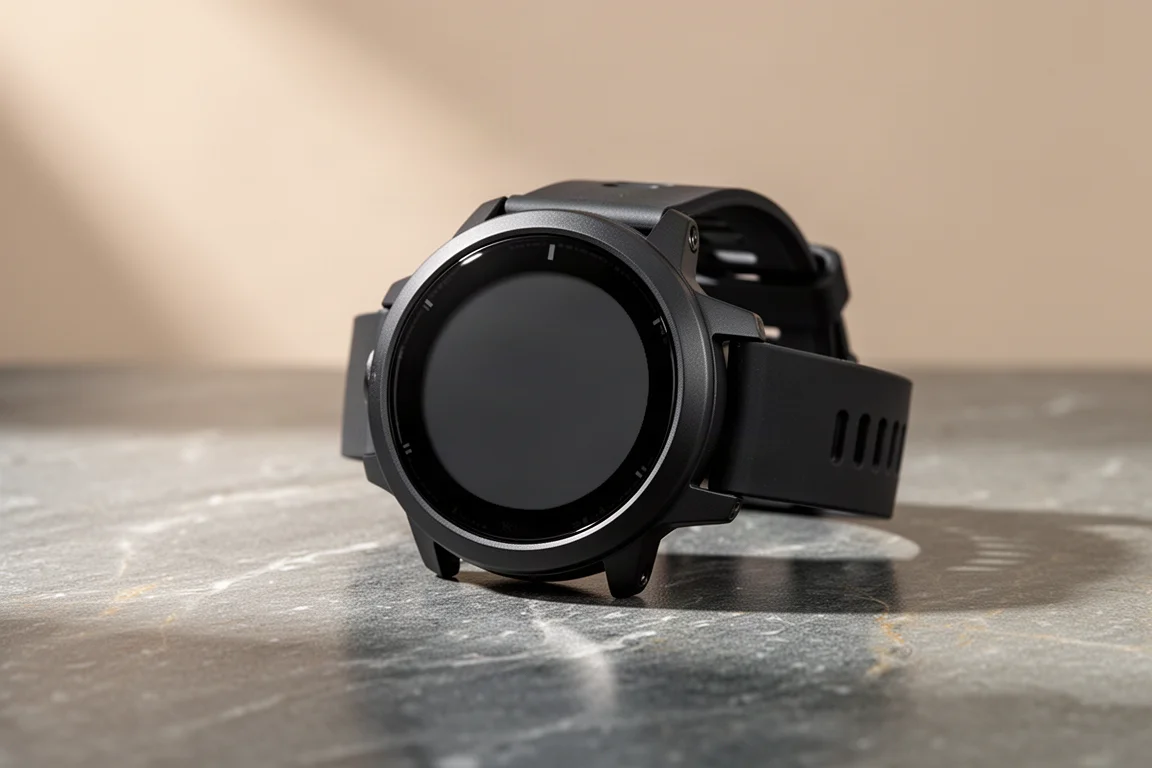
The most immediate difference is weight. The Garmin Forerunner 245 is a noticeably lighter watch, and during the first few days with the Apex Pro, that difference was clearly felt. That said, someone coming to the Apex Pro fresh would likely adapt without issue. The Apex Pro uses a heavier-duty metal construction with a more protective, more durable screen, and it has shrugged off drops, falls, and knocks without any scratching.
The silicone band on the Apex Pro was one of the weak points. Its double-strap construction made it hard to dial in a comfortable fit: the watch would either slide around or sit too tight. The nylon band option with velcro may solve that, and it would also reduce the overall weight.
Controls and On-Wrist Usability
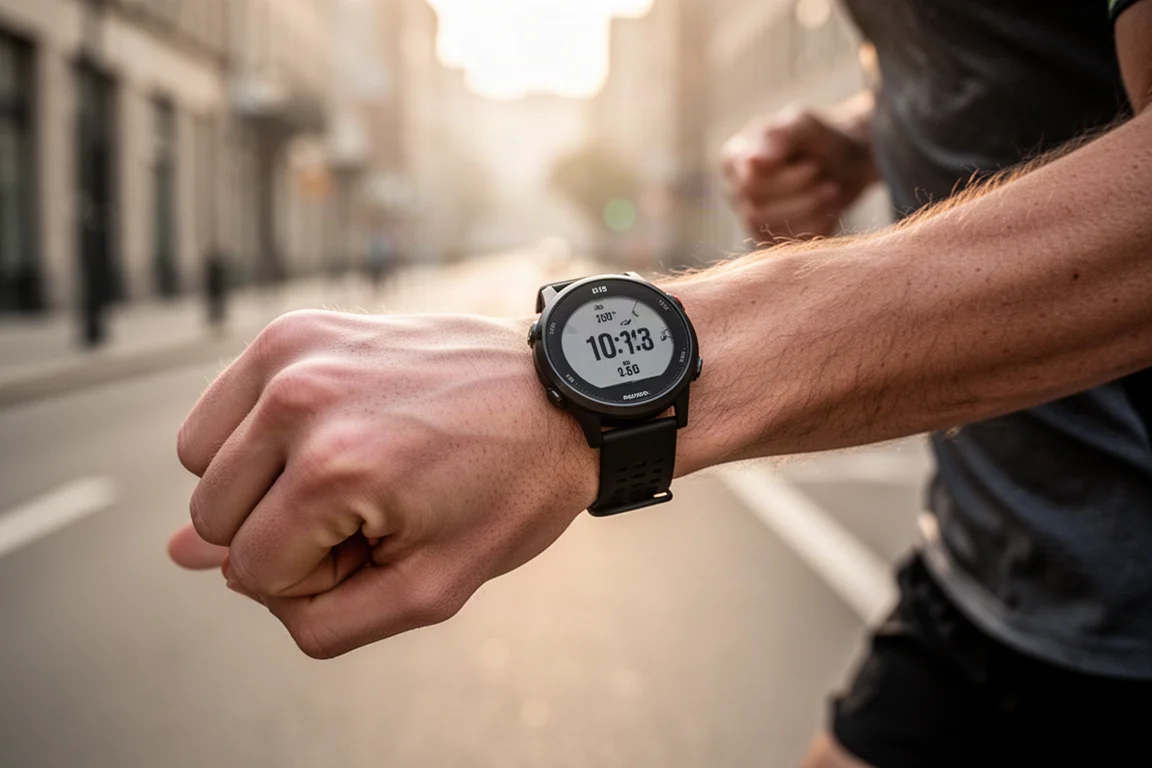
The Apex Pro relies on a roll bar dial on the side of the case for scrolling through home screens and menus. It takes some adjustment. When a run locks, you have to roll all the way through the dial before you can pause or stop, a foolproofing measure that prevents accidental stops but can be slow to get used to. The dial is not always perfectly sensitive either: it occasionally lags if you are not rolling quickly enough or if your hand slips.
The 245 keeps things simpler with conventional buttons. Neither approach is perfect, but the Apex Pro’s dial is the feature more likely to need a learning period.
Heart Rate Accuracy and the Companion Apps
The biggest measurable difference between the two came during workouts. The Forerunner 245 read roughly 10 beats per minute higher than the Apex Pro. Compared against a chest strap, the Apex Pro was significantly more accurate. Not perfect, but clearly closer than the 245.
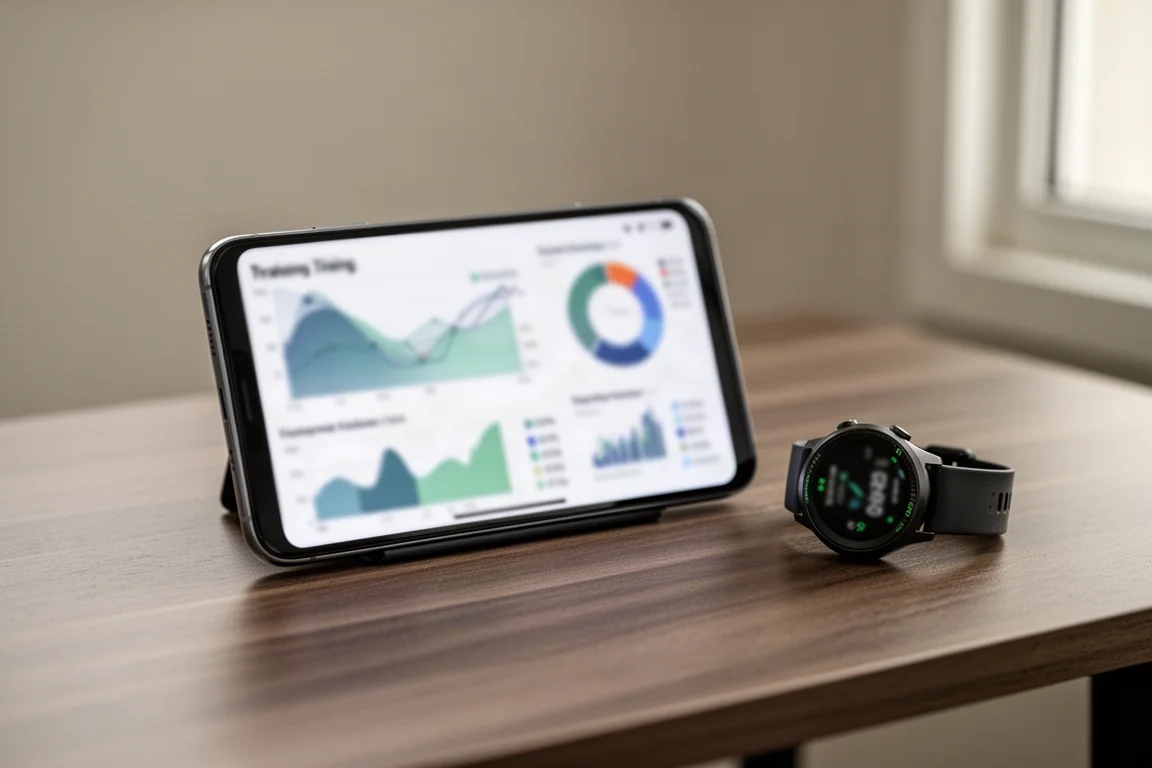
On the software side, the Coros app proved cleaner looking and easier to navigate, getting to the wanted statistics faster than the Garmin Connect app, which is fine but less polished.
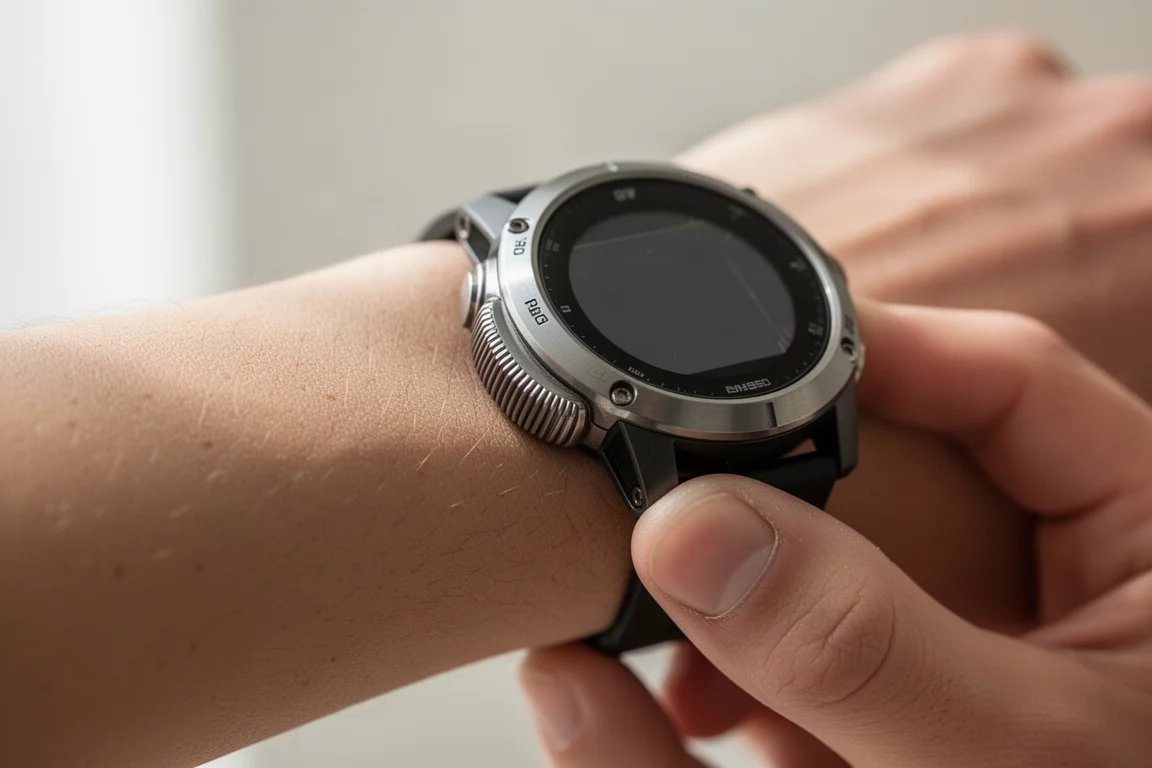
The Apex Pro is aimed at runners who want all of the data: training status, fatigue levels, running performance scores after every run, recovery recommendations, and race predictions. The 245 stays more basic, offering splits and heart rate before getting out of the way.
Training Data: How Much Should You Trust It?
Both Coros and Garmin use algorithms that turn gathered data into training guidance: training status, fatigue, a performance number after every run, and recovery time in days. Both watches also generate race predictors.
The honest takeaway is that this data deserves a large grain of salt. The watch cannot account for your mental state, stress, family or work demands, or emerging pain. It only knows heart rate, sleep, and the metrics you enter. One runner’s experience is telling: an easy run was scored as merely “fair,” which was discouraging and pushed harder running that was not warranted. Wearing the watch 24/7 helps, since sleep and activity tracking feed the algorithms, but even then both watches occasionally misread stillness in bed as sleep.
The race predictions from both watches also skewed optimistic. After a marathon just under 3:30, the Apex Pro predicted 3:20, which is a stretch but not impossible. The Forerunner predicted 3:08, which was not realistic. Both watches also predicted a 5K of around 20:35 despite a recent 19:30 tempo 5K. The Apex Pro was more accurate, likely because it gathers more data, but neither was fully reliable.
Battery Life
Here the Apex Pro is in a different league. It went three to four weeks without a charge while running three times a week and being worn all day at work. Coros claims 30 days of regular use and 40 hours in GPS mode, versus roughly 24 hours in GPS mode for the Forerunner 245. For anyone tired of frequent charging, that gap alone is a strong argument.
Garmin Forerunner 245: The Simpler Daily Companion
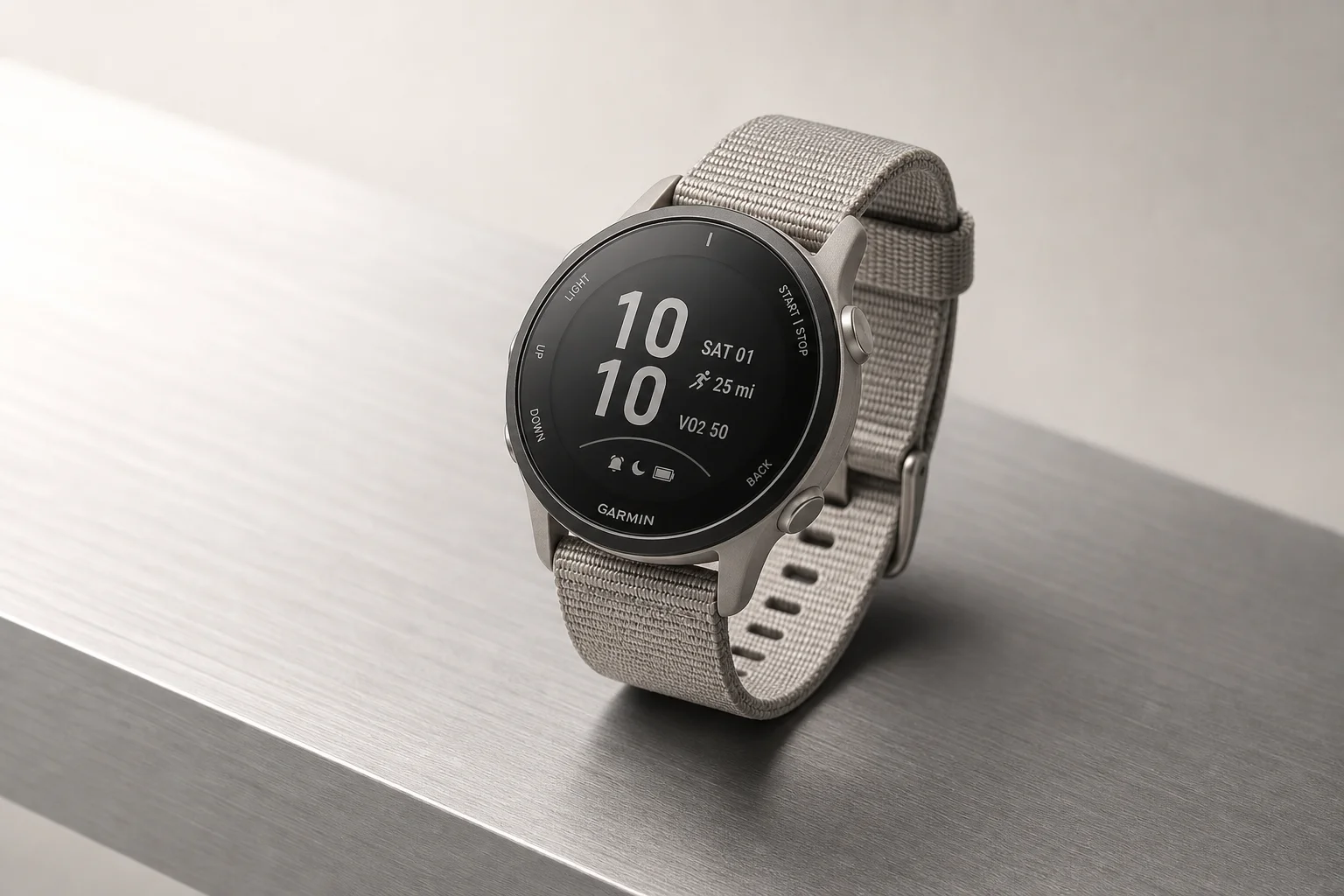
The Forerunner 245 fits every need for workouts, daily running, and workplace use without drowning you in metrics. Its lighter weight makes it comfortable around the clock, and its straightforward data set can be a benefit in itself. For runners who get in their own head about performance scores and end up pushing harder than they should, a simpler watch can actually protect the enjoyment of running.
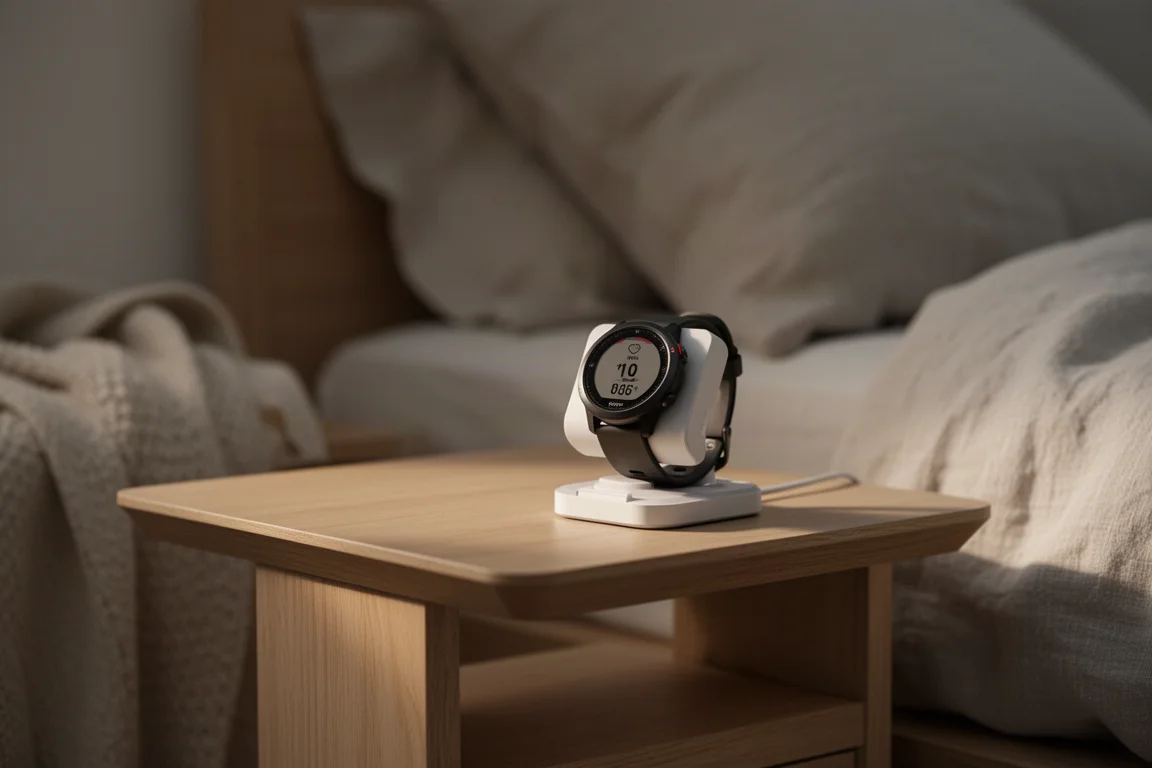
Its weaker heart rate readings and shorter battery life are real trade-offs, but if you do not need deep training analytics, they may not matter much day to day.
Buying Advice
The Apex Pro suits data-driven runners who want deep training metrics, more accurate optical heart rate readings, and battery life measured in weeks rather than days. Just be prepared to adapt to the roll-bar dial and the silicone band fit.
The Forerunner 245 suits runners who want a light, simple, dependable watch for workouts and daily wear, and who prefer not to be steered by algorithms. Its battery and heart rate accuracy are weaker, but for basic needs it covers everything.
Conclusion
These two watches serve very different runners. The Apex Pro rewards those who want every data point, better heart rate accuracy, and exceptional battery life, while the Forerunner 245 remains a light, reliable choice for runners who want the essentials without algorithm-driven pressure. Whichever way you lean, treat any watch’s training feedback as a helpful signal rather than the final word, and let your own body have the last say.
Further reading
Related Reviews
Running Watches
Coros Pace 3 Running Watch Review: Why Software Matters More Than Specs
The Coros Pace 3 prioritizes runner-focused design and intelligent software over expensive hardware. Here's why it outperforms watches that cost twice as much.
Running Watches
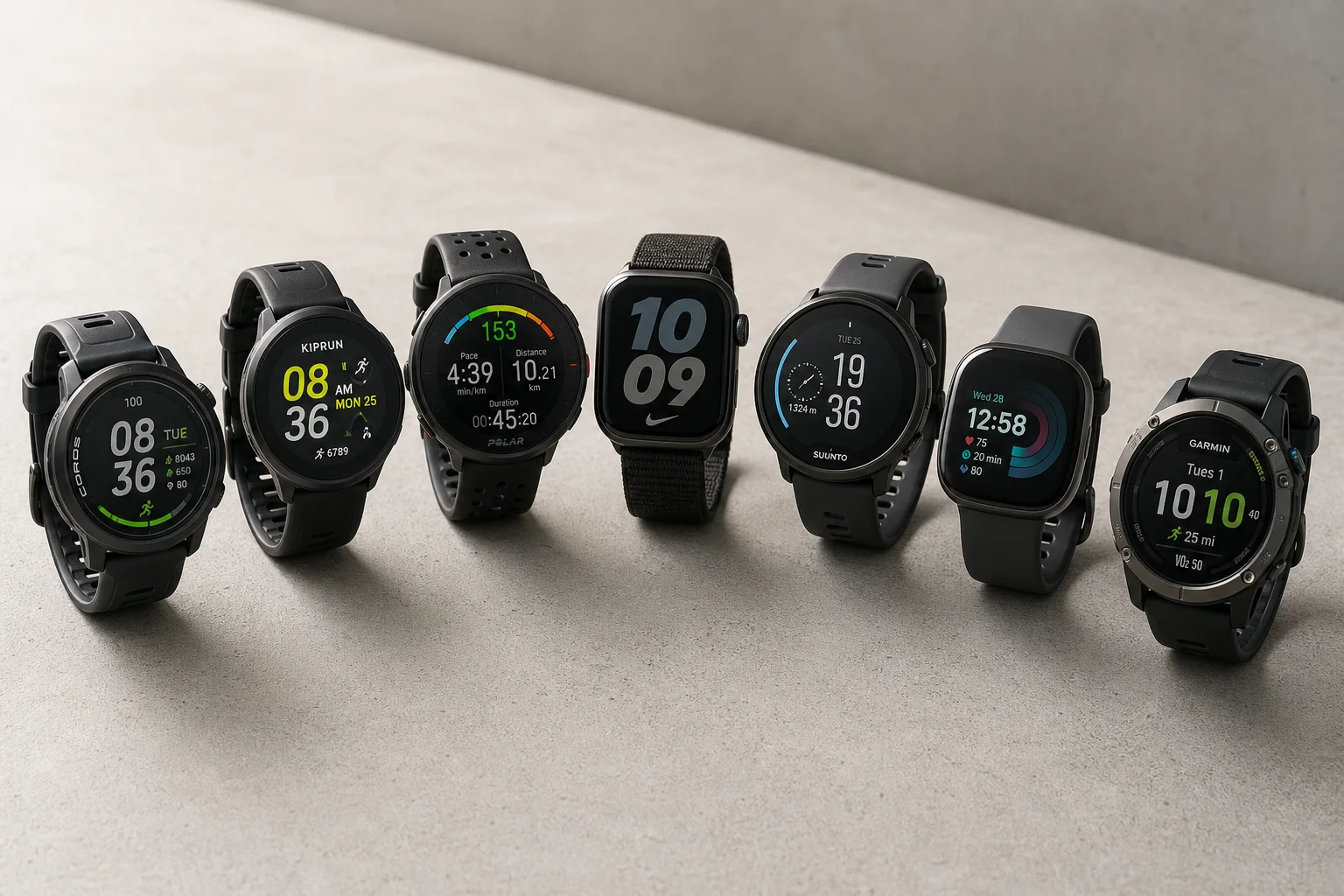
GPS Running Watch Accuracy Test: Seven Watches Compared Across Urban, Trail, and Race Conditions
We tested seven popular running watches from major brands in three different environments to find out which delivers the most accurate GPS tracking for distance and pace.
Running Watches
Garmin Forerunner 70 Review: Garmin's Cheapest Forerunner Is More Capable Than You'd Expect
The new entry-level Forerunner 70 brings an AMOLED screen, a fresh interface, and real training analysis for £219/$249, with a few trade-offs to weigh before buying.