Running Watches
Coros Apex Pro 2 vs Apex 2: Which Lightweight GPS Running Watch Suits You?
Two compact, featherweight GPS watches with standout battery life. We break down the differences in size, dual-frequency GPS, navigation, and price to help you choose.
Introduction
The GPS running watch market is more competitive than ever, with brands fighting for that small strip of wrist real estate with the latest shiny tech. GPS watch innovation has gone through the roof in recent years, and it feels like a long way from the bulky, brick-like units runners used to wear.
Coros is a relative newcomer to this space, and its latest pair, the Apex Pro 2 and the slightly smaller Apex 2, have been thoroughly tested over several months of running. Both are impressive updates, and while a lot of features carry over between the two units, there are some meaningful differences worth understanding before you pick one.
First Impressions: Same Look, Big Upgrades
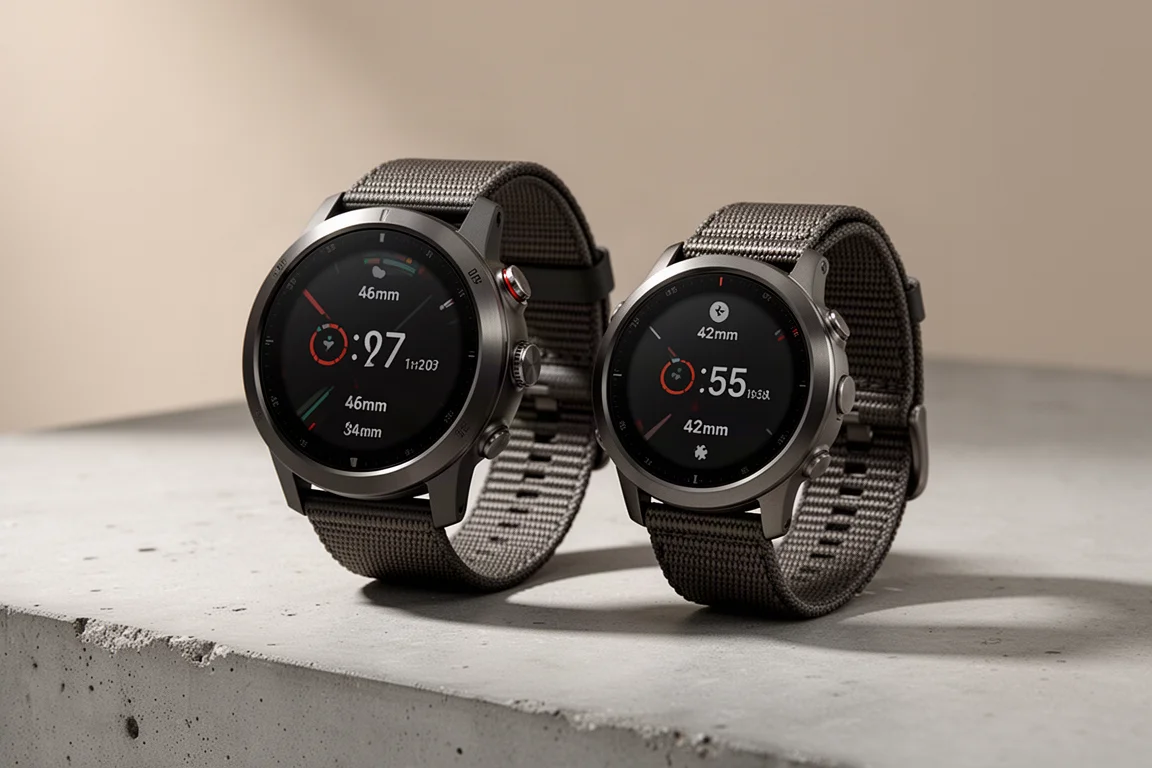
Visually, the Apex Pro 2 and Apex 2 are very similar watches. Both keep the sapphire glass screen and grade 5 titanium alloy bezel that protects the internals, but the Pro 2 now adds a PVD coating on the bezel for twice the scratch resistance of the previous version.
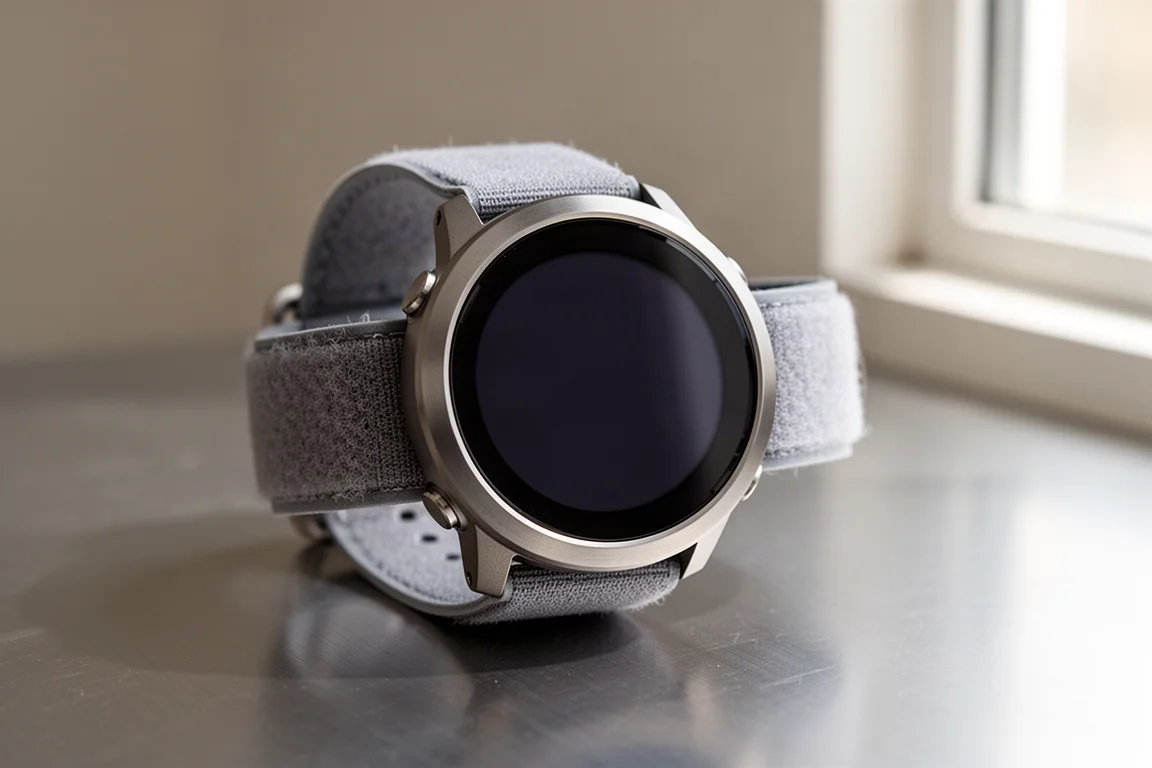
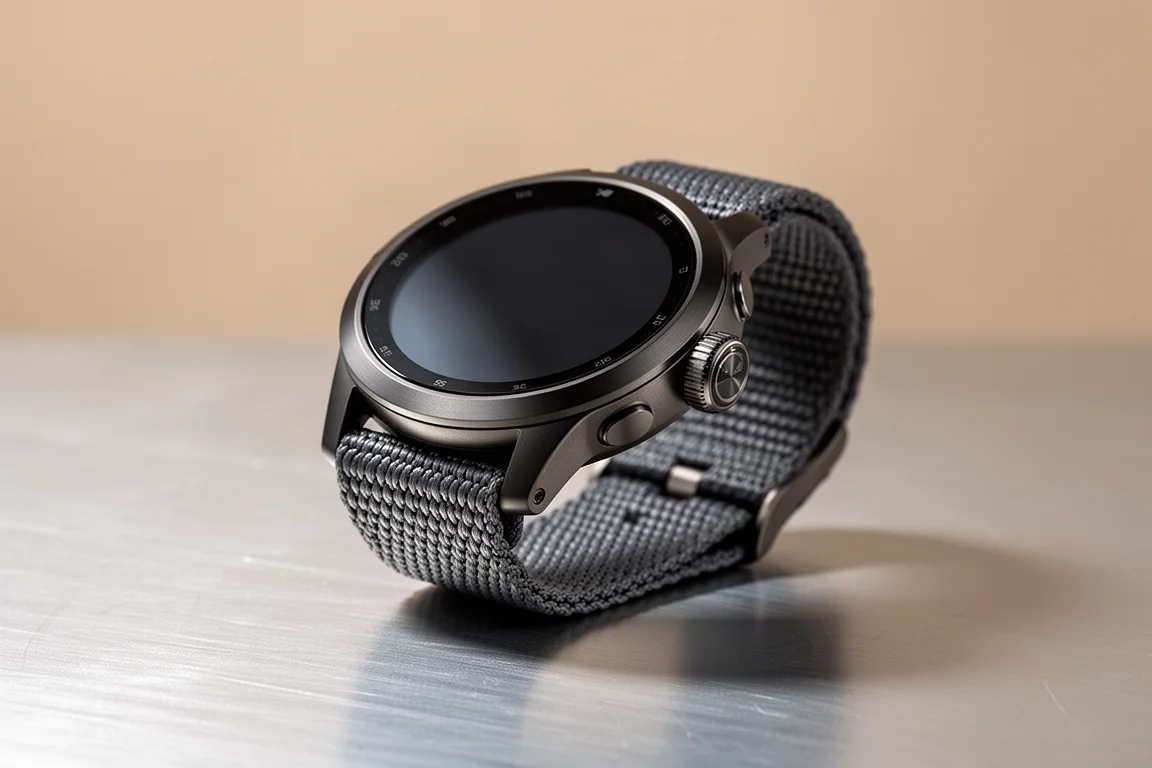
Construction is largely titanium alloy, which keeps the Apex Pro 2 extremely light at just 52 grams. On the wrist, you can barely tell you are wearing it. Both watches also come with a newly designed nylon strap that is softer and more pliable than the older version, sitting nicely on the wrist and making it hard to go back to a traditional silicone band.

Battery Life That Changes How You Charge
Battery life is what Coros has become really well known for, and the Apex Pro 2 takes it further. The previous Apex Pro offered 45 hours of battery on full GPS; the new unit bumps that up by around 80 percent to a remarkable 75 hours. Charging is quick too, going from zero to full in under two hours.
The Apex 2 has also been improved, delivering an impressive 45 hours of full GPS battery life in a very compact case. In real-world use, that translates to barely needing the charger at all. One long navigation run of 53 miles with full GPS and navigation active used only about 20 percent of the battery, leaving 80 percent in reserve.
GPS Accuracy and Navigation
The Apex Pro 2 gets a significant GPS upgrade: a 50 percent higher-performing antenna, an all-satellite GNSS chipset receiving signals from the five major satellite systems, and dual-frequency positioning. Dual frequency genuinely helps track accurately when running through dense woodland or the middle of a busy city. It is one of the major differences between the two watches, as the smaller Apex 2 does not have it.
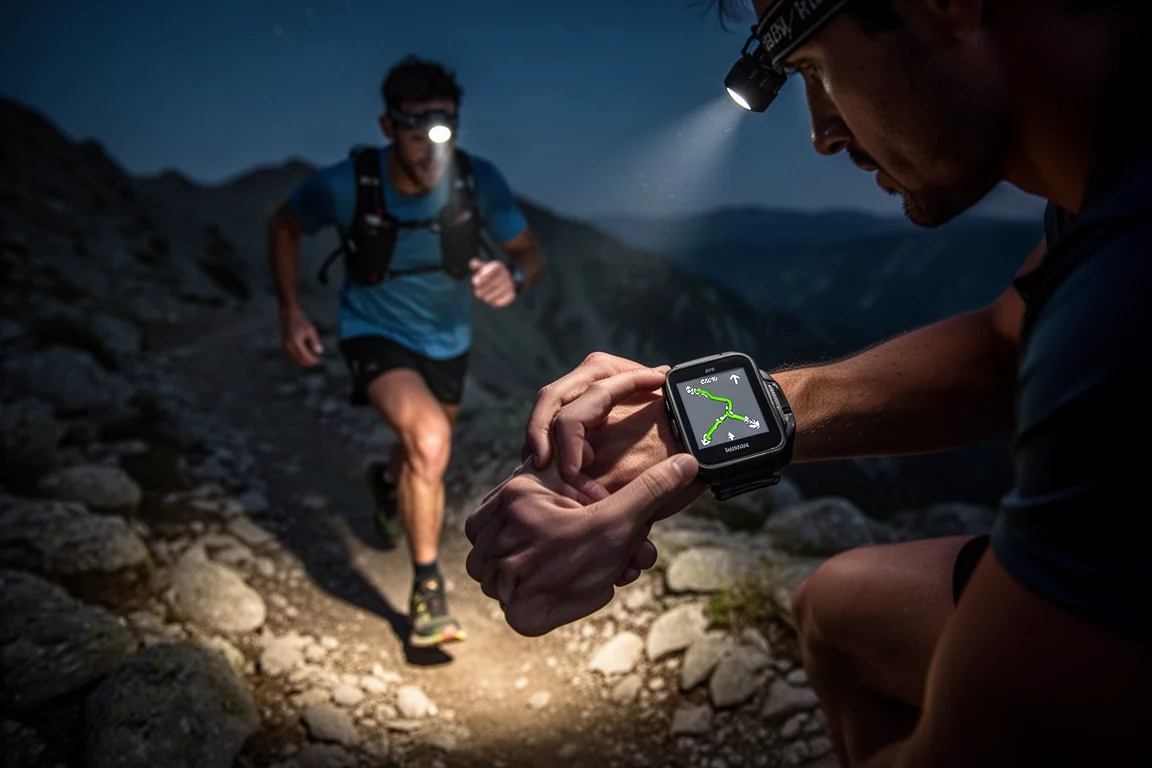
Navigation has been enhanced with free global offline landscape and topo maps, and you can access critical navigation information in remote locations. The digital dial on the side makes zooming in and out of maps easy, or you can drag through them on the touchscreen. Getting a GPX file onto the watch, which used to feel like a chore, is now genuinely simple: load the route into the Coros app, sync, and you are ready to run.
Everyday Features That Matter
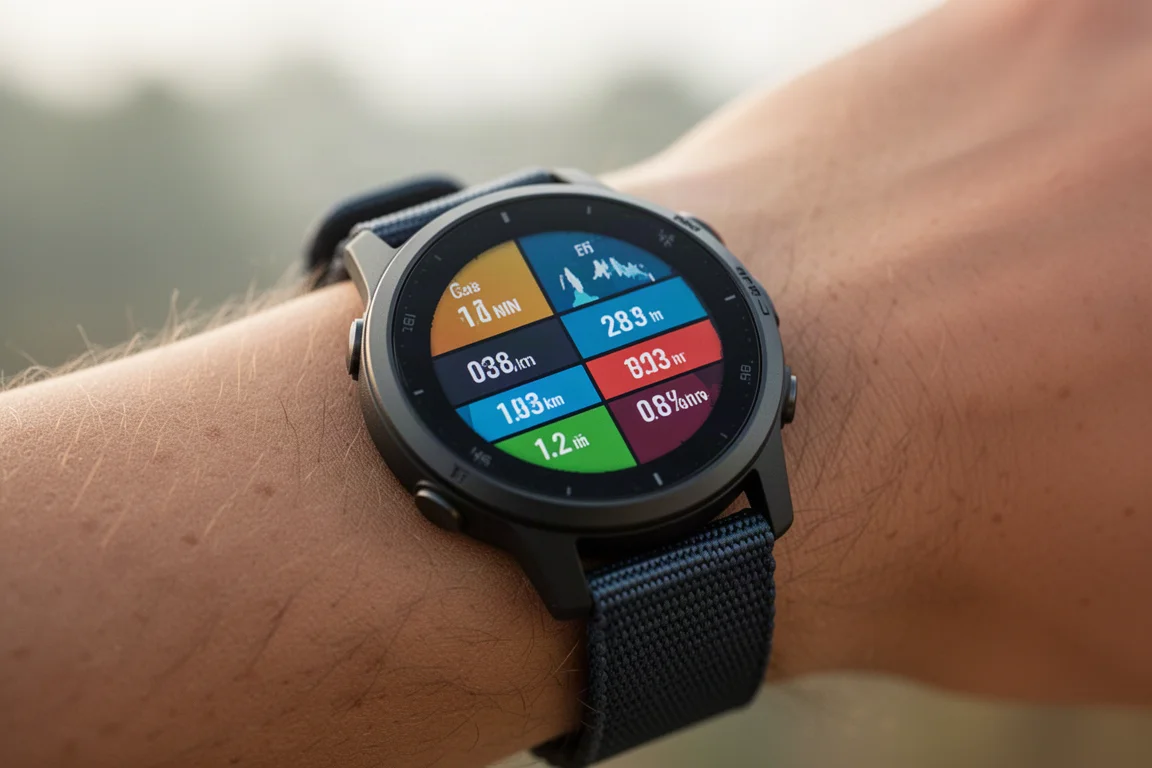
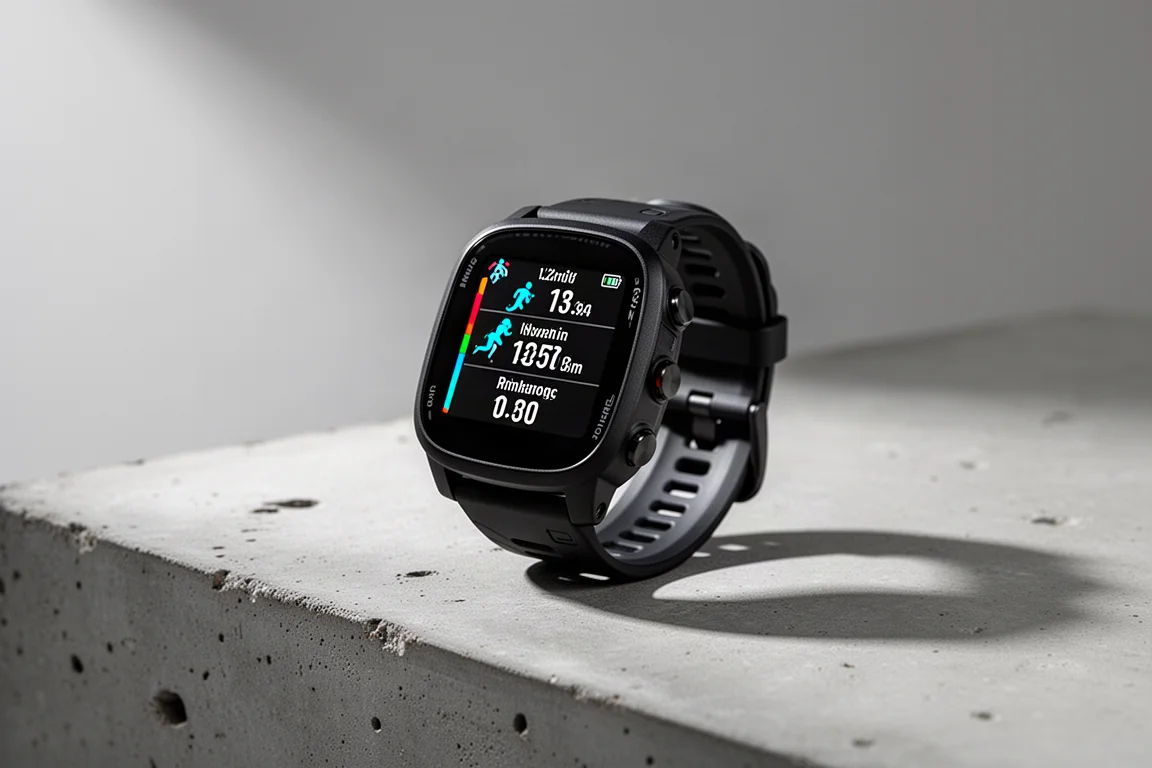
The watch interface is straightforward. Scrolling the side digital dial from the home screen opens your data fields, showing things like calories burned, exercise duration, steps, and floors, all presented in a colorful, easy-to-absorb layout. The top bezel button activates the light for night training, and holding the bottom button opens the menu.
That menu includes the usual stopwatch, alarm, and music over Bluetooth headphones, plus some less common extras: camera control for a GoPro or Insta360, a compass, an HRV test, and a pulse oximeter that is handy for high-altitude sports. For off-grid trips there are nutrition alarms, storm alerts, sun movements, and a night mode.
The heart rate sensor is all new: a next-generation 5 LED system with four photo detectors in a customized layout, protected by a scratch-resistant cover. It has proven to be one of the most accurate wrist-based heart rate sensors around and a clear improvement on the previous generation.
Press the digital dial and you get an enormous menu of sports: running, indoor running, trail running, a dedicated track feature, hiking, walking, indoor and outdoor biking, pool and open water swimming, plus more obscure options like speed surfing, windsurfing, white water and flat water, and even jump rope. Training history lets you dig into max heart rate, distance, elevation, calories, cadence, time splits, and heart rate zones. You can configure six pages with eight data fields on each page, an enormous amount of information for a compact watch.
Where the Apex 2 Fits In
Most of the buttons, functions, and features carry over to the Apex 2, including the digital dial, the same button layout, music, camera mode, Wi-Fi sync, find phone, broadcast HR, the pulse oximeter, HRV test, and full map navigation.
The biggest difference is size. The Apex 2 comes in at 42mm versus 46mm for the Apex Pro 2, giving the larger watch a bigger screen that is easier to read while running at speed. Battery life differs too: 75 hours of full GPS on the Pro 2 versus 45 hours on the Apex 2.
Then there is price. The Apex 2 retails for £399 in the UK, while the Apex Pro 2 is £499. That £100 saving is significant when so many features cross over, and if you do not need the longer battery life, bigger screen, or dual-frequency GPS, the Apex 2 is a very good deal.
Should You Upgrade from the Original Apex Pro?
If you are still wearing an original Apex or Apex Pro, the updates here are substantial: system changes, sensor upgrades, better battery life, and improved navigation. It is a case where an already very good GPS running watch has been made even better, and the upgrade is easy to recommend.
The Apex Pro 2 suits runners who want strong navigation, very long battery life, and a lightweight watch that is not a big, chunky unit. It is comfortable, sits low on the wrist, and packs in everything from casual parkrun Saturdays to demanding mountain races like UTMB.
Conclusion
Both watches deliver remarkable battery life, an accurate new heart rate sensor, easy GPX route loading, and a bright, simple companion app. Choose the Apex Pro 2 for the bigger screen, dual-frequency GPS, and 75 hours of full GPS battery. Choose the Apex 2 to save £100 and get a more compact case while keeping most of the same feature set. Either way, both are excellent, lightweight GPS running watches that are hard to fault.
Further reading
Related Reviews
Running Watches
Coros Pace 3 Running Watch Review: Why Software Matters More Than Specs
The Coros Pace 3 prioritizes runner-focused design and intelligent software over expensive hardware. Here's why it outperforms watches that cost twice as much.
Running Watches
GPS Running Watch Accuracy Test: Seven Watches Compared Across Urban, Trail, and Race Conditions
We tested seven popular running watches from major brands in three different environments to find out which delivers the most accurate GPS tracking for distance and pace.
Running Watches
Garmin Forerunner 70 Review: Garmin's Cheapest Forerunner Is More Capable Than You'd Expect
The new entry-level Forerunner 70 brings an AMOLED screen, a fresh interface, and real training analysis for £219/$249, with a few trade-offs to weigh before buying.