Running Watches
Coros Apex 2 Review: A Solid Middleweight With Big Battery Life
After a week of running with the Coros Apex 2, our look at its GPS, heart rate, navigation, and battery performance, and whether it earns its price over the Pace 2.
Introduction
The Coros Apex 2 sits in the middle of Coros’s watch lineup, between the Pace 2 at the cheaper end and the Apex 2 Pro and Vertix 2 above it. It replaces the original Apex, which will not receive the newer firmware features that Coros is rolling out across the Pace 2 and Vertix 2. That makes the Apex 2 the model that keeps you on the current feature path.
It arrives in a single 43 millimeter case size, priced at 419 pounds in the UK and 399 dollars in the US, roughly the same territory as the Garmin Forerunner 745 and the Polar Vantage V2. After a week of running with it, this is our view on what works well, what needs refinement, and who it actually makes sense for.
Design and Daily Use
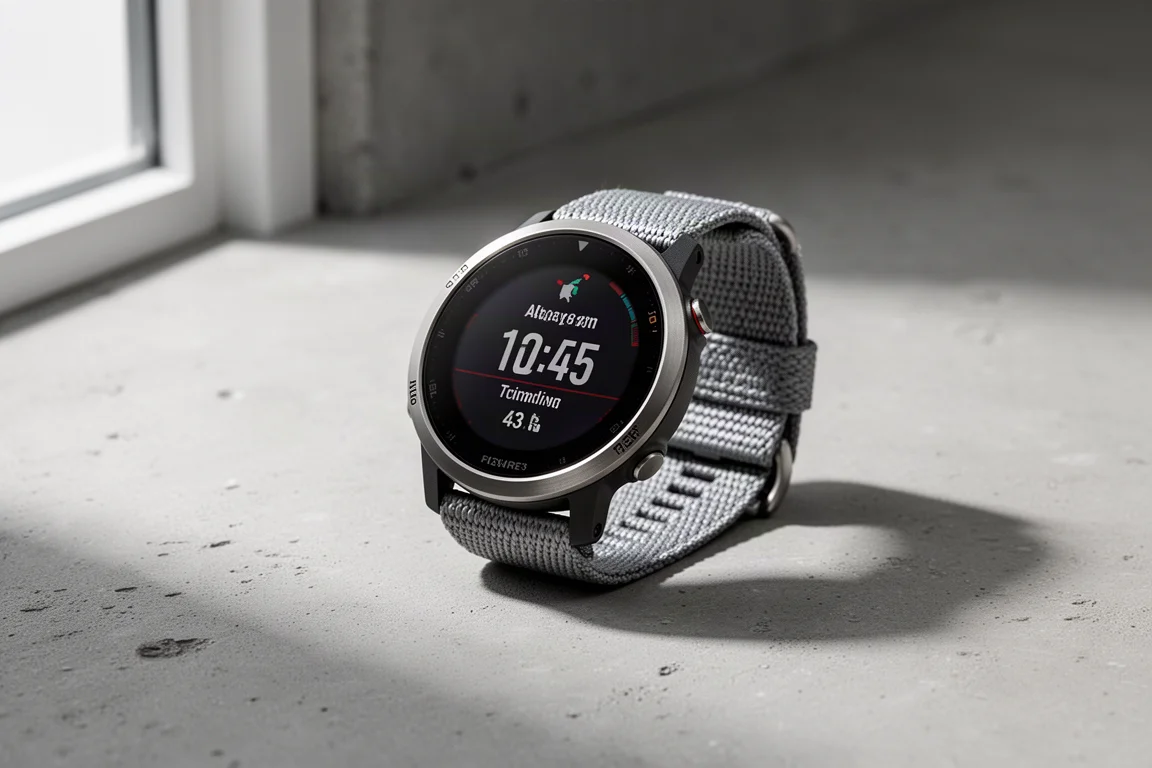
The Apex 2 comes with a 1.2 inch, 240 by 240 resolution always-on LCD that is built for good visibility in bright outdoor light. In practice, brightness was functional and readable in most conditions without being spectacular. There is sapphire glass, a new titanium cover, and a grade five titanium bezel with PVD coating for extra protection. Three buttons include the signature twisting crown, and touchscreen support arrives via a software update at launch.
Coros has swapped the original Apex’s silicone band for a nylon strap with a quick-release system. The single-side pull adjustment is genuinely easier to tighten than two-sided designs, though the fabric feels a touch scratchier than some rivals. On the wrist, the Apex 2 feels a lot like a Pace 2 with a metal case: compact, light, and well built, if perhaps less visually distinctive than the original Apex.
GPS Accuracy
The big hardware change is an all-systems GNSS chipset, replacing the single-frequency setup on the original Apex, alongside a revised antenna design. Unlike the Apex 2 Pro, there is no dual-frequency mode here, so this is not the absolute accuracy tier.
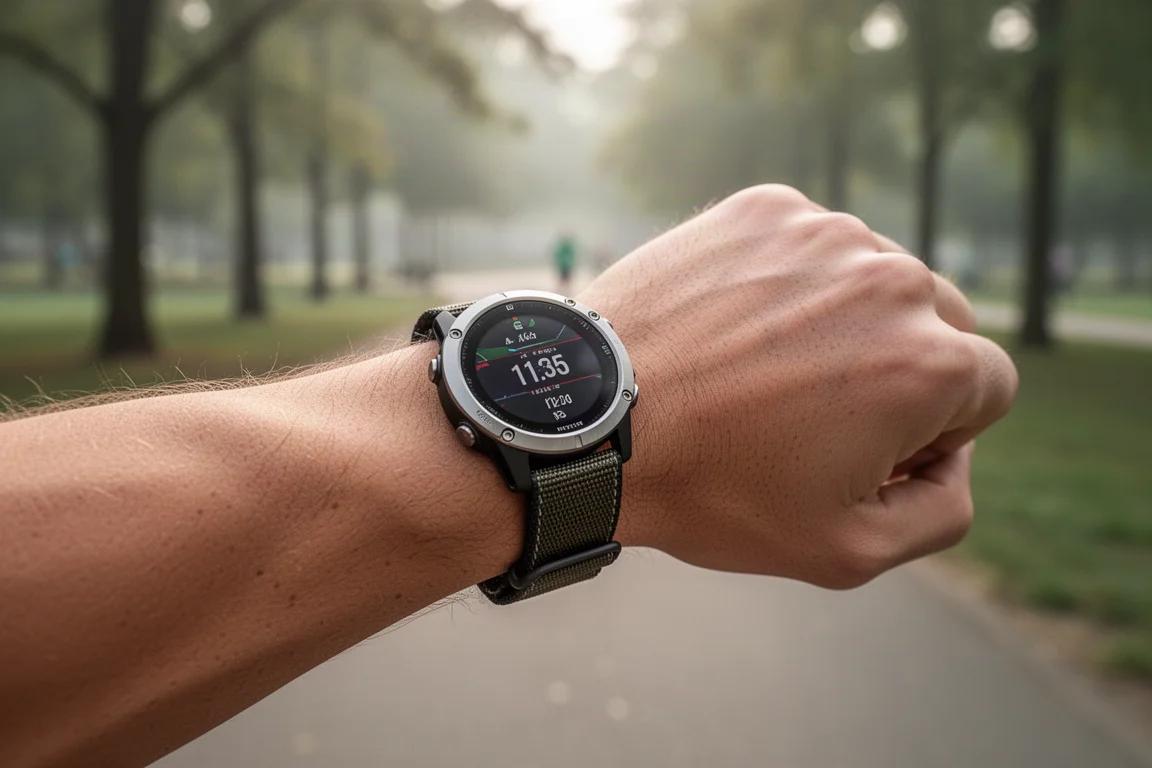
Over four or five runs compared against other watches, results were good rather than fantastic. Distance tracking was generally there and thereabouts against a multiband comparison watch, and a track session produced solid route tracking, though pacing was occasionally slightly off. Next to the Apex 2 Pro and other high-end watches, the Apex 2 tended to read slightly shorter distances, but always within a normal GPS margin, and it outperformed the Vertix 2 on a familiar park loop.
Coros is also promoting Effort Pace, its grade-adjusted-pace-style metric intended to reflect how well you will run in different environments, with humidity, altitude, and temperature considerations promised later. Running power remains available if you still want it.

Heart Rate and HRV
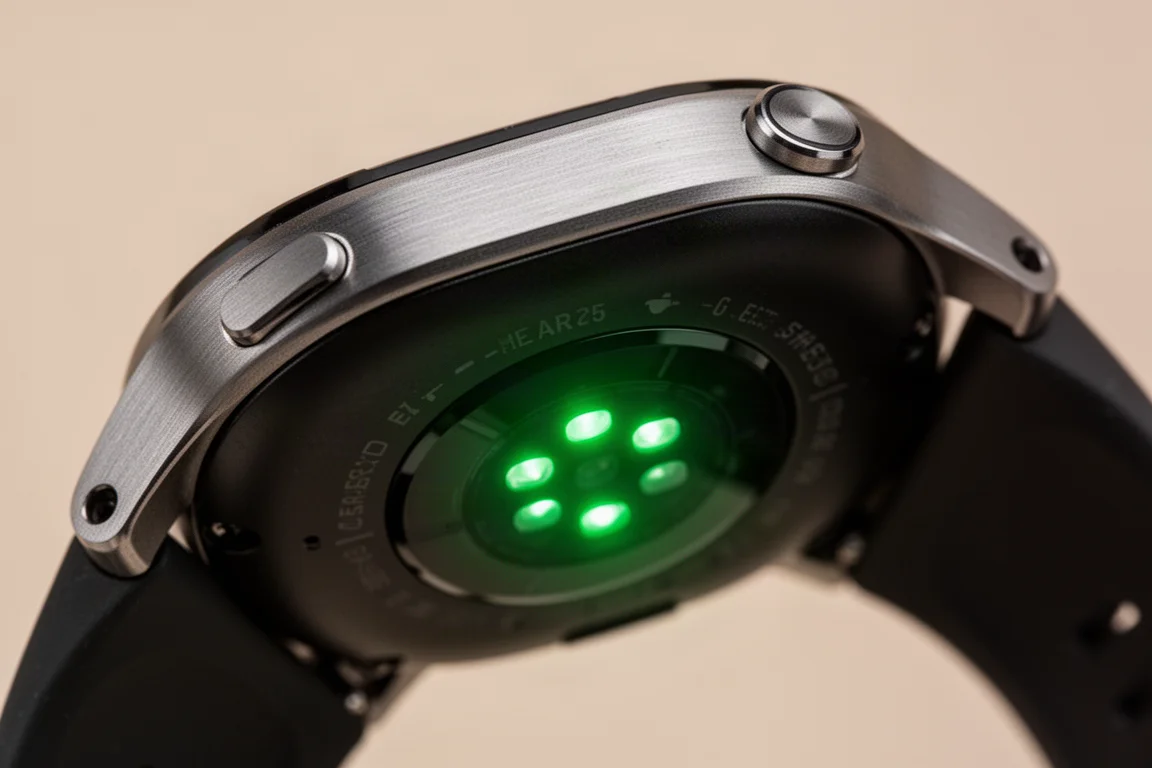
Optical heart rate performance was mixed. Against a chest strap, average readings were often bang on and max values sometimes matched, but on harder efforts, particularly a track session, average and max heart rate did not line up with the strap data. The sensor sometimes took time to settle and occasionally spiked high or dropped low mid-workout. On steady-paced runs, it was generally fine.
New to the Apex 2 is heart rate variability, taken continuously throughout the day, plus a manual ECG test via the crown and ECG sensor. Notably, the Apex 2’s HRV readings disagreed noticeably with the Apex 2 Pro worn simultaneously, and the Pro tracked trends against a reference app more closely. This needs more testing before drawing firm conclusions.
One real omission: Bluetooth only for external sensors. There is no ANT+ connectivity, which limits accessory pairing choices. If you govern training by heart rate, pairing a chest strap is the safer bet, especially for intervals.
Navigation and Mapping
Offline maps are the headline addition over the original Apex and a key reason to pick the Apex 2 over the Pace 2. You get topographic and landscape maps downloaded from the Coros website onto the watch via a computer, usable together in hybrid mode. The transfer process is somewhat awkward and slow, and map detail feels thin compared with top-tier Garmin mapping.
Route import, on the other hand, works very well. Importing a GPX file and syncing it to the watch is quick and painless, and breadcrumb-style chevron guidance helps you follow the line. But turn-by-turn navigation requires a third-party app rather than native support, off-route detection was slow to trigger, sometimes taking 100 meters or more, and map resolution made even simple routes hard to follow on the screen. The navigation tools are nice to have rather than a genuine selling point at this stage.
Smartwatch Features and Music
Notifications work much as on other Coros watches, scrolled via the twisting crown and, once the update lands, the touchscreen. Music is an 8GB onboard storage, drag-and-drop affair: connect to a computer, transfer MP3 files, and pair Bluetooth earphones. The transfer is slow even for small libraries, but once files are on the watch, pairing was quick and touch-based music controls, including volume and track skipping, work nicely while running.
Coros is working on offline streaming support with unnamed services, which would make the music feature considerably more useful if and when it arrives.
Battery Life
Battery is where the Apex 2 impresses. Full GPS battery life is 45 hours, up from the original Apex, though daily-use life drops to 17 days from 24 or 30 days on the older models. Coros claims Ultimax GPS performance will cut drain by 50 percent in full GPS mode.
In testing, a 30 to 40 minute run in all-systems GPS mode cost around 4 percent, a one hour 25 minute run about 8 percent, and a one hour run in standard GPS mode roughly 3 percent. Overnight drain was about 1 percent, and a full day with notifications, sleep tracking, and continuous heart rate ran around 3 to 4 percent. That easily covers a week of training with GPS sessions mixed in, and battery life was one of the watch’s most convincing strengths.
How It Compares
Against the Garmin Forerunner 745 at a similar price, the 745 offers less battery life and no offline maps, but its software, including Garmin Coach, suggested workouts, and recovery advice, feels more beginner friendly. Against the Polar Vantage V2, full GPS battery life is similar, but the Apex 2 lasts longer day to day and adds offline maps the Polar lacks, while Polar counters with strong training programs like FitSpark.
If you can stretch the budget, Coros’s own higher-end models offer more refined navigation and very good battery life. Within this price bracket, though, the Apex 2 competes credibly on battery and offline mapping, and Coros’s track record of improving watches through updates works in its favor.
Conclusion
The Coros Apex 2 is a watch we like but do not quite love. It is compact, well built, and handles the basics well, with genuinely enticing battery life and solid GPS. Optical heart rate was less convincing on hard efforts, navigation needs refinement, and music transfer is slow. The honest question is whether the extras over the cheaper Pace 2, mostly battery, materials, maps that are still a work in progress, and extra sensors, justify the price gap. If battery life and offline maps matter to you, they might. Otherwise, the Pace 2 remains a very hard act to beat, and rivals like the Garmin Forerunner 255 offer a lot for less. As a standalone running watch, though, the Apex 2 is a reliable, pleasant companion that should serve a week of training comfortably.
Product link
View more details for Coros Apex 2
This product is mentioned in the review. Check the specifications, options, and compatibility before buying.
View more details for Coros Apex 2Further reading
Related Reviews
Running Watches
Coros Pace 3 Running Watch Review: Why Software Matters More Than Specs
The Coros Pace 3 prioritizes runner-focused design and intelligent software over expensive hardware. Here's why it outperforms watches that cost twice as much.
Running Watches
GPS Running Watch Accuracy Test: Seven Watches Compared Across Urban, Trail, and Race Conditions
We tested seven popular running watches from major brands in three different environments to find out which delivers the most accurate GPS tracking for distance and pace.
Running Watches
Garmin Forerunner 70 Review: Garmin's Cheapest Forerunner Is More Capable Than You'd Expect
The new entry-level Forerunner 70 brings an AMOLED screen, a fresh interface, and real training analysis for £219/$249, with a few trade-offs to weigh before buying.