Running Watches
Coros Apex 2 Pro Review: Big Battery, Big Screen, and Tough Competition
The Apex 2 Pro is a well-built, long-lasting GPS sports watch, but it faces a serious challenge at the same price. Here is how it compares to the Apex 2.
Introduction
The Apex 2 Pro is Coros’s newest do-it-all sports watch, aimed at everything from general training up to ultra marathons, trail running and fairly advanced running analysis. Priced at $499 (£499), it arrives with a bigger screen, a titanium bezel and longer battery life than the previous Apex Pro.
But it is not launching in isolation. The smaller Apex 2 shares most of the same new features at a lower price, and both watches land in a market where the competition at this price point is fierce. After a week of daily running with the Apex 2 Pro, here is how the pair shapes up.
Design and Build
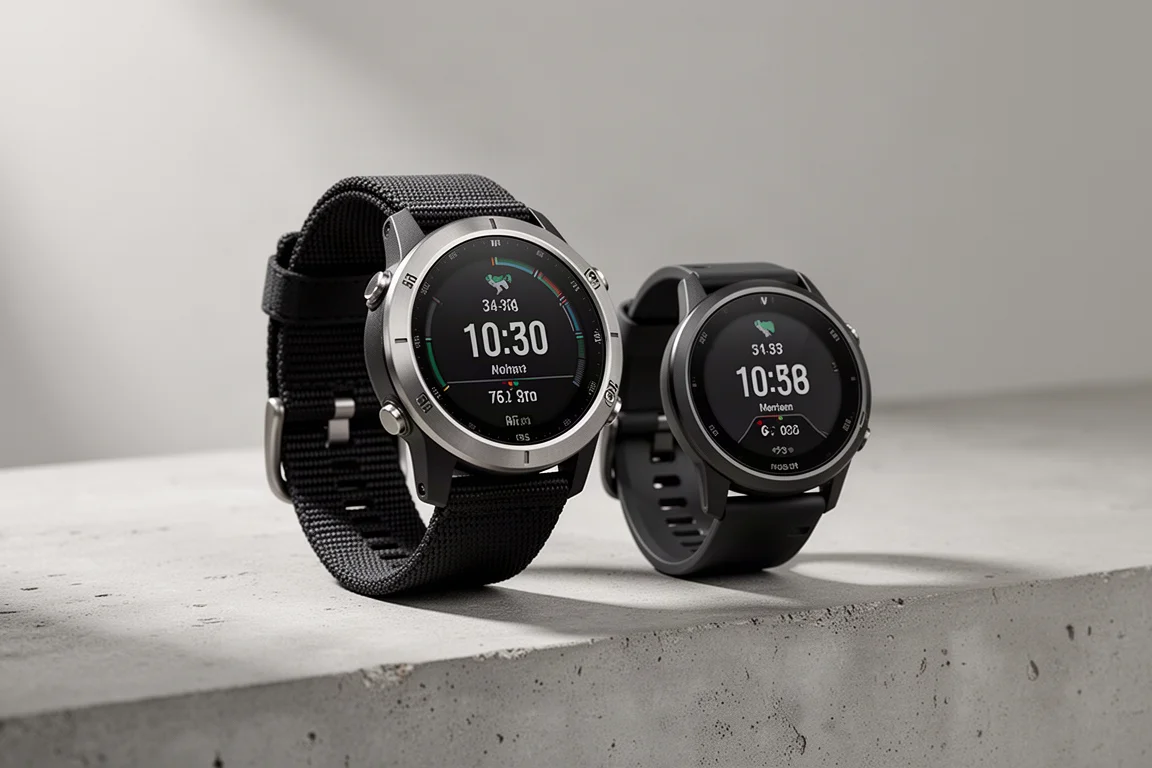
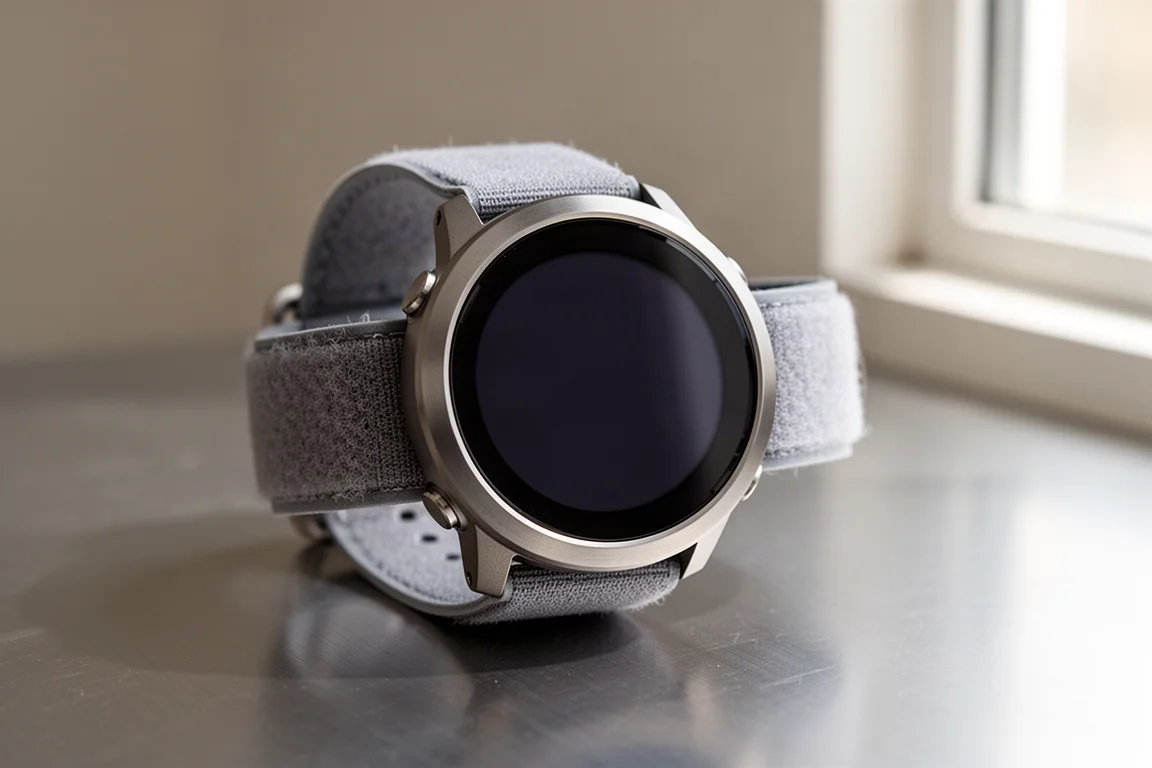
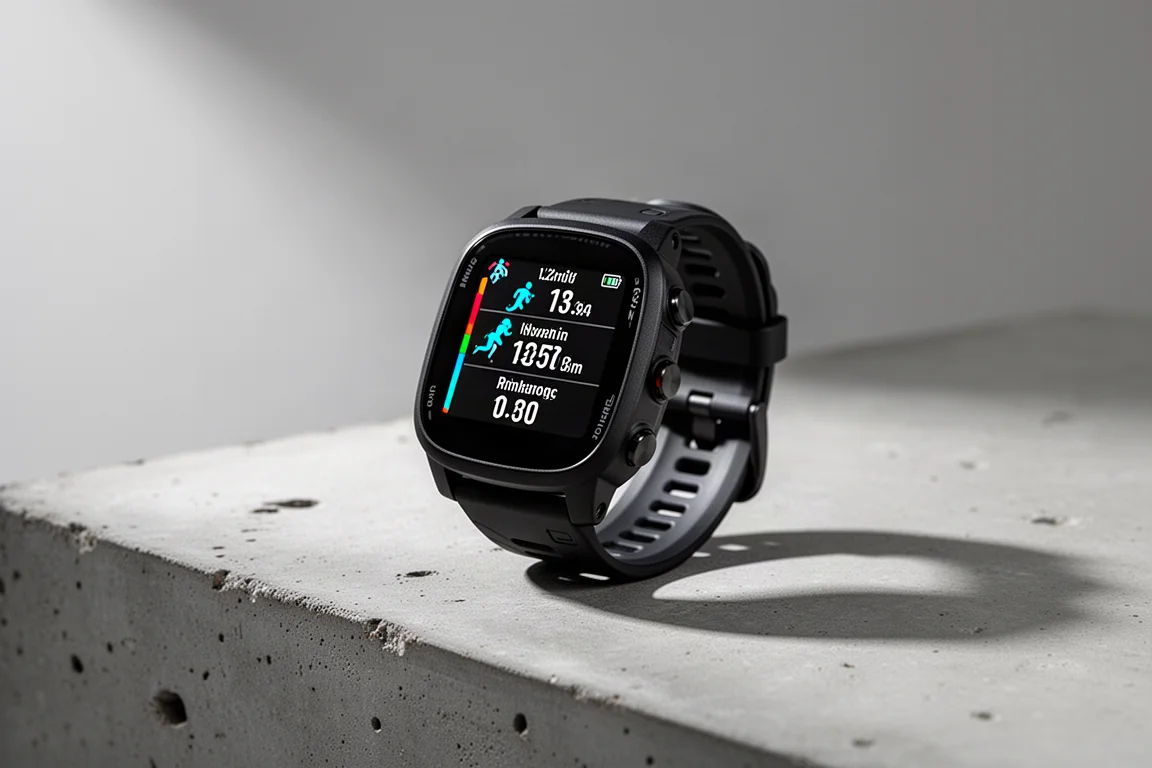
The Apex 2 Pro weighs 53 grams and looks the part, with a titanium bezel that Coros says is twice as scratch resistant as before. The design borrows cues from the more expensive Vertix and Fenix ranges, and it compares well against rivals, since the Garmin Forerunner 955 at the same price is an all-plastic build. The standard sapphire glass and a new nylon quick-release band round out a genuinely premium feel.
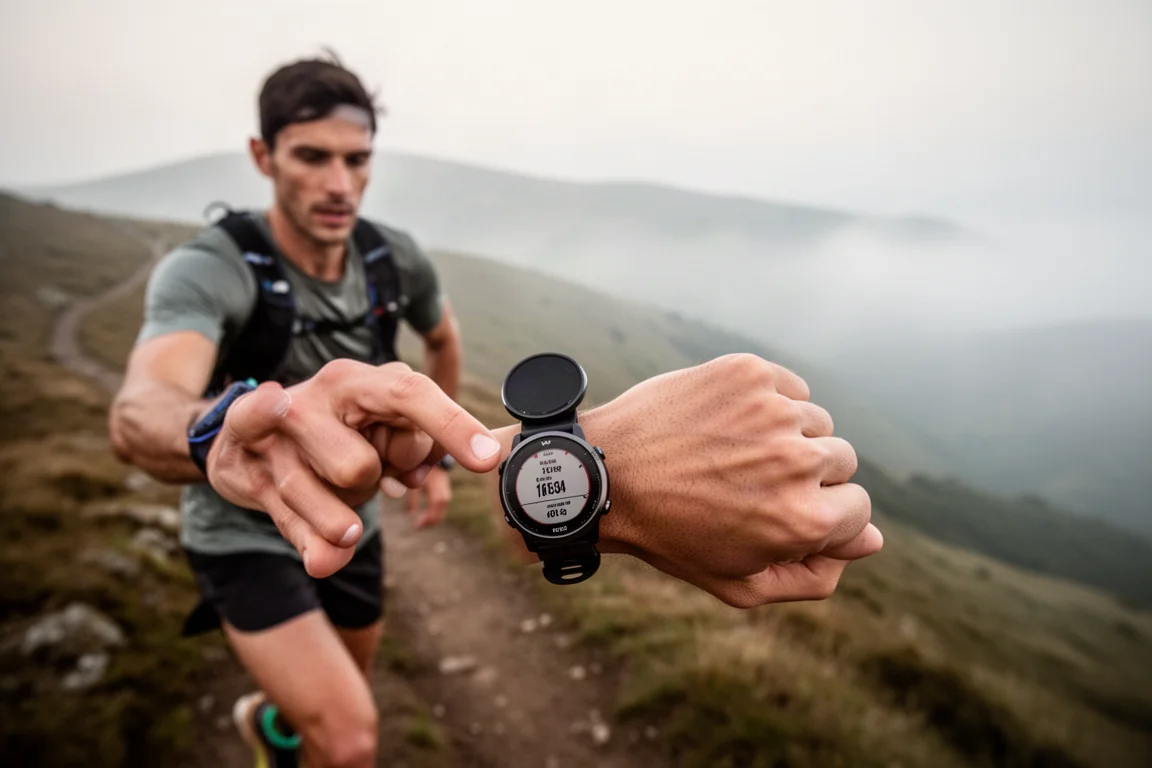
It is a chunky watch that sits out from the wrist, and that will divide opinion. The smaller Apex 2 weighs just 42 grams and wears more sleekly, which some will clearly prefer. The digital dial takes a little getting used to, especially if you return to it after using other watches, though the tweaked button design does make it easier to operate with gloves.
Both watches come with a new redesigned optical heart rate sensor with wear detection, HRV support including an electrocardiogram sensor, a redesigned GPS antenna, Wi-Fi, dual-mode Bluetooth 5.0, and a blood oxygen sensor for altitude monitoring. The 1.3-inch always-on memory LCD on the Pro, with 260 x 260 pixels, is noticeably larger than the 1.2-inch, 240-pixel screens on the Apex 2 and the older Apex Pro, without changing the physical size of the watch. Side by side, the difference is clear and it genuinely helps when packing six data fields onto a single screen.
GPS Accuracy
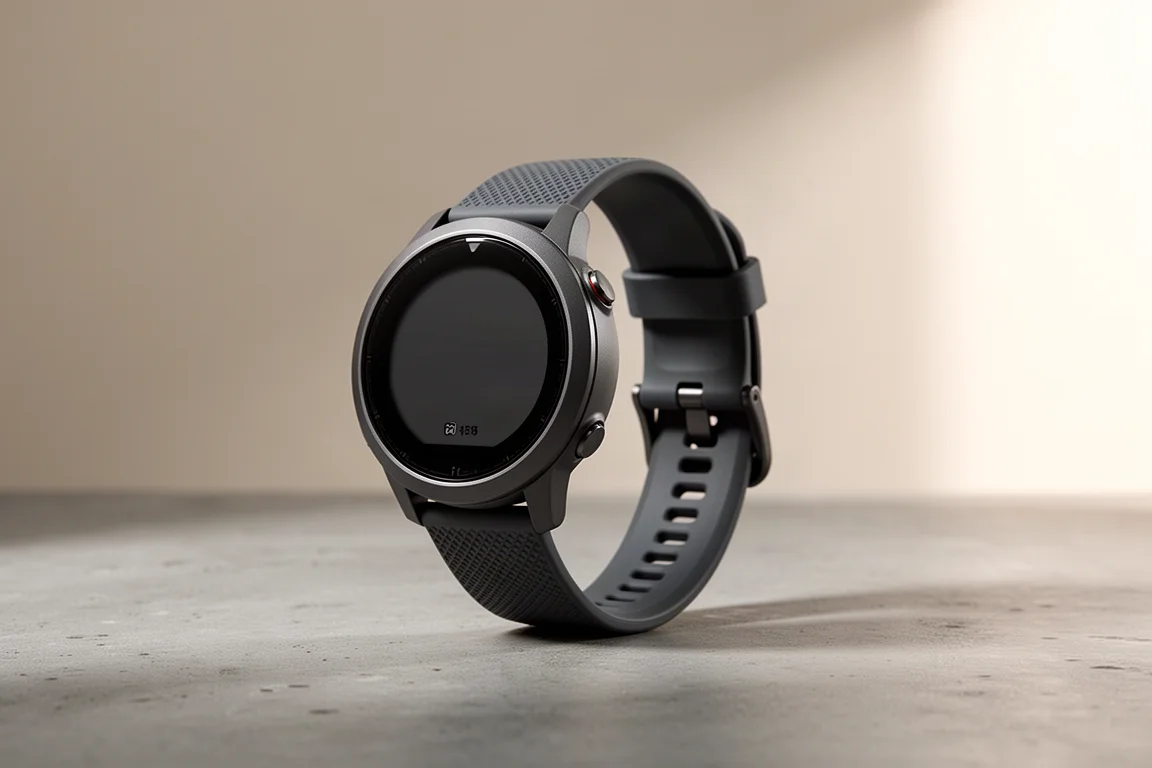
For the Apex 2 Pro, the headline upgrade is an all-systems dual-frequency GNSS chipset that Coros positions primarily for climbing, where signals bounce off steep walls. On the road and trail, though, it did not clearly outperform the Apex 2 running in standard all-systems mode in testing. Dual-frequency mode produced fewer of the realistic trail wobbles but also cut corners on known loops and dropped measured distance, whereas the Apex 2 in all-systems mode tracked those same loops more faithfully.
On a flat 10K race along the coast, away from tall buildings, the Apex 2 Pro was essentially spot on, finishing only about 70 metres over distance on a properly measured out-and-back course. In built-up areas, live pace became unreliable at times, apparently due to GPS signal, before recalibrating.
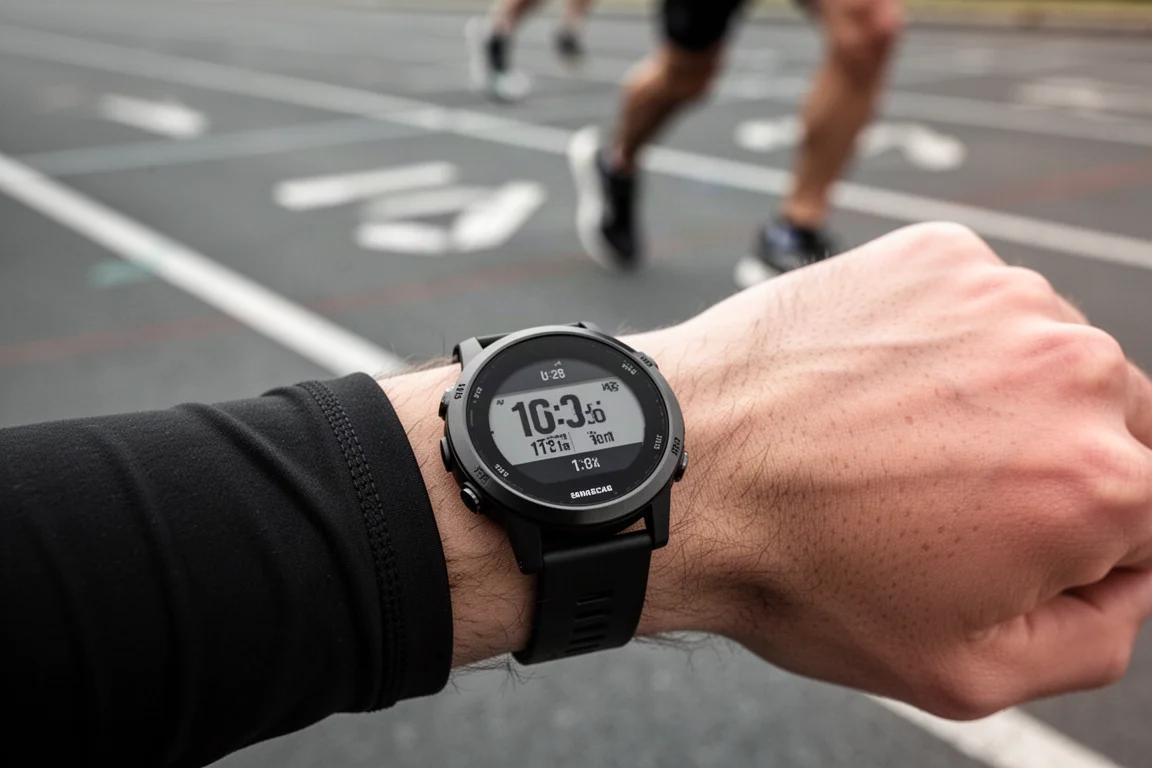
The practical takeaway: GPS is solid and matches most of the market, but unless you are a climber, the dual-frequency mode is not a compelling reason to pick the Pro, and it is kinder to battery life to stick with all-systems mode anyway.
Heart Rate Accuracy
The new optical heart rate sensor is a genuine strength. Testing against a chest strap on a semi-interval session showed it tracking nearly beat for beat, and it caught most short strides and spikes, with only an occasional dropout. For a watch of this size and weight, that is an impressive result, and it comfortably outperformed a much larger comparison watch.

For general training runs, most runners would be happy to trust it as a guide. If you plan to dig into Coros’s EvoLab training analysis, a chest strap is still the safer choice, and note that pairing is Bluetooth only now, as ANT+ support has been dropped from the Apex range.
Navigation and Maps
The Apex 2 Pro carries global offline landscape and topographic maps, a big step up from the fiddly, slow-loading add-on maps the original Apex Pro received. Loading is much faster and the maps are clearer to read than before. You also get elevation profiles for routes, checkpoint support and deviation alerts.
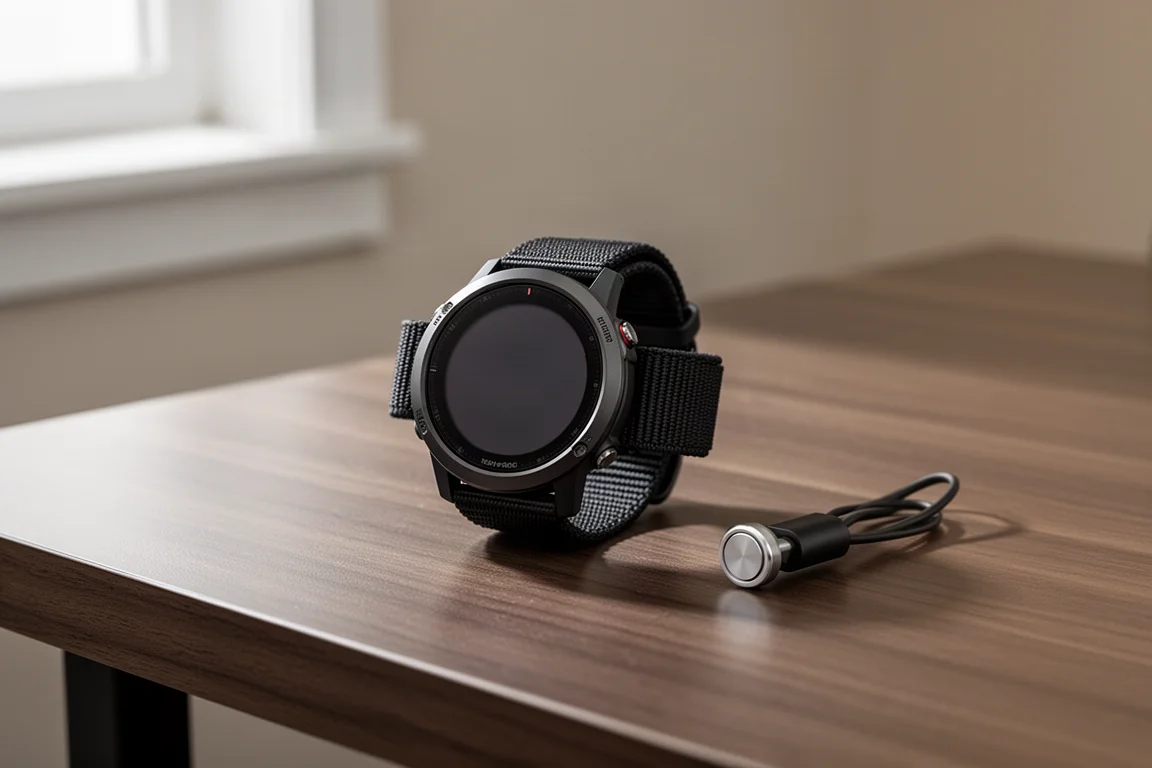
That said, it is still breadcrumb navigation: you lay your route over the map and get an alert if you stray, but no turn-by-turn directions. Maps only appear when you have loaded a route, so you cannot simply browse a map during an ordinary run. For trail forks in the forest, the added context is genuinely useful. In cities, where street-level detail matters, it is not specific enough to compete with Garmin’s mapping, and it falls short of the overall Garmin experience.
Battery Life
This is where Coros continues to shine. The Apex 2 Pro is rated for 75 hours in standard full GPS mode, 45 hours in all-systems mode, 25 hours in dual-frequency all-systems mode, and 30 days of smartwatch use. The Apex 2 offers 45 hours standard, 28 hours all-systems, and 17 days in daily use, with no dual-frequency mode available.
Real-world results back the claims up. After nearly a week of daily 45-minute runs, the watch barely dropped, partly because it only samples heart rate every 10 seconds outside workouts. Another tester went from 85 percent to 45 percent over five or six days of daily running, gym sessions and heavy feature tinkering. Either way, two weeks of intense training is realistic.
View more details for Coros Apex 2 Pro
Apex 2 vs Apex 2 Pro: Which Should You Buy?
Both watches share the new heart rate sensor, redesigned GPS antenna, HRV support, titanium bezel, offline maps and the nylon band. The Pro adds dual-frequency GNSS, the larger 1.3-inch screen, a multi-pitch climbing activity mode and 32GB of onboard storage, plus substantially longer battery life across every mode.
If you mostly run on roads and mixed trails and do not need the extra screen space or extreme battery numbers, the Apex 2 is the smarter buy. It is lighter, sleeker, still offers 45 hours of standard GPS, and it even offers more watch faces at launch. Choose the Pro if you climb regularly against steep walls, want the biggest screen and storage, or simply want the longest battery life money can buy at this level.
Buying Advice
The honest caveat is price. At $499 (£499), the Apex 2 Pro lands directly against the Garmin Forerunner 955, which many consider the best power-for-pound sports watch on the market. Garmin’s mapping, music streaming, and an integrated training readiness system that measures HRV overnight are simply more developed, and Garmin’s interface surfaces all of that information effortlessly, while Coros gives you the data but leaves you to work out why it matters.
There is another way to look at it, though. If you want a simpler watch that is great looking, rugged, and lasts weeks, with just the essentials done well for long trail days, the Apex 2 Pro is a strong candidate. And if a titanium-bezel watch from a major brand is what you are after, this is among the cheapest new options available. If you can find a deal on the previous Apex Pro, sorting out its maps could still be an option too, as its core experience has not changed dramatically day to day.
Conclusion
The Apex 2 Pro is a genuinely good sports watch: beautifully built, comfortable, accurate on the wrist, and almost unmatched on battery life. Its dual-frequency GPS and new maps are welcome, but neither is a decisive upgrade for most runners, and at the same price the Garmin Forerunner 955 still does more. For those who value simplicity, materials and endurance, the Apex 2 Pro earns its place; for nearly everyone else, the smaller Apex 2 delivers most of the experience for less.
Further reading
Related Reviews
Running Watches
Coros Pace 3 Running Watch Review: Why Software Matters More Than Specs
The Coros Pace 3 prioritizes runner-focused design and intelligent software over expensive hardware. Here's why it outperforms watches that cost twice as much.
Running Watches
GPS Running Watch Accuracy Test: Seven Watches Compared Across Urban, Trail, and Race Conditions
We tested seven popular running watches from major brands in three different environments to find out which delivers the most accurate GPS tracking for distance and pace.
Running Watches
Garmin Forerunner 70 Review: Garmin's Cheapest Forerunner Is More Capable Than You'd Expect
The new entry-level Forerunner 70 brings an AMOLED screen, a fresh interface, and real training analysis for £219/$249, with a few trade-offs to weigh before buying.