Camping Gear
Coolest Camping Gear: Seven Standout Pieces Worth Packing
Seven camping upgrades that change how you cook, organize, sleep, and light your camp, plus the practical trade-offs worth knowing before you buy.
Introduction
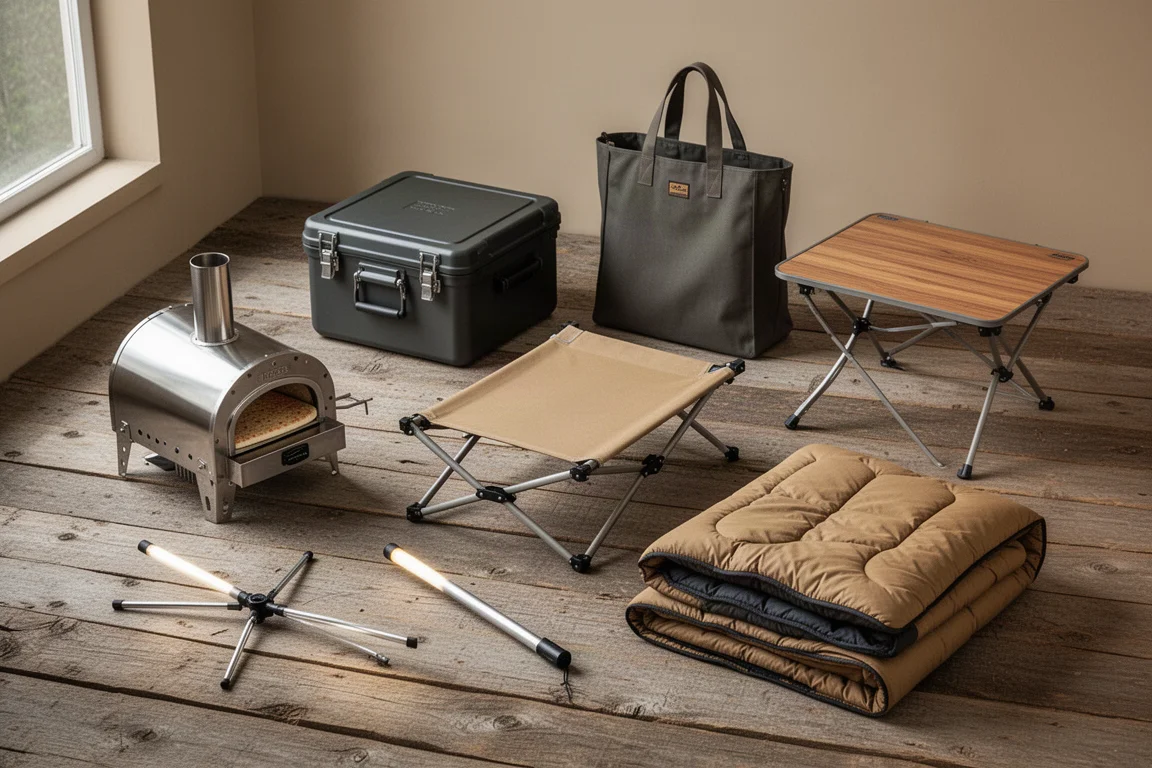
Camping gear tends to fall into two groups: the essentials you replace every few seasons, and the pieces that quietly change how a trip actually feels. The seven items below sit firmly in the second group. Between them they cover cooking, organization, furniture, sleep, and lighting, and each one solves a specific problem rather than adding bulk for its own sake.
A few of them are unusual enough that they take some getting used to. Others are refinements of familiar gear. What they share is a clear reason to exist in a packed vehicle or a tent, and a set of trade-offs worth understanding before you commit.
Ooni Koda 12: A Different Kind of Camp Cooking
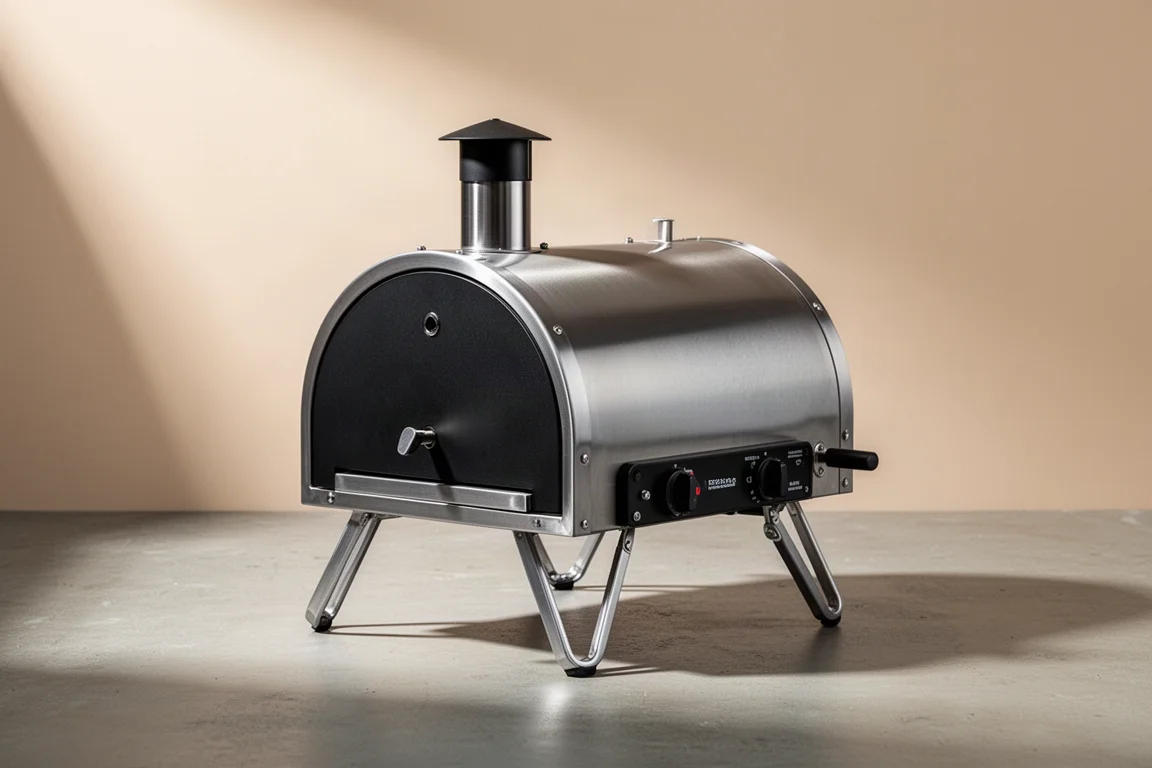
The Ooni Koda 12 is a 12-inch propane-fueled pizza oven that turns camp dinner into something closer to a backyard pizza night. Running on propane makes it far more convenient to start and control than a wood-fired setup, and the heat builds quickly enough to cook a pizza in about the time it takes to set the table.
Pizza is the headline, but it is not the whole story. The oven also handles steaks and vegetables, and a range of optional accessories extends what you can cook in it. That flexibility matters at a campsite, where one appliance covering several meals is far easier to justify than a single-purpose gadget.
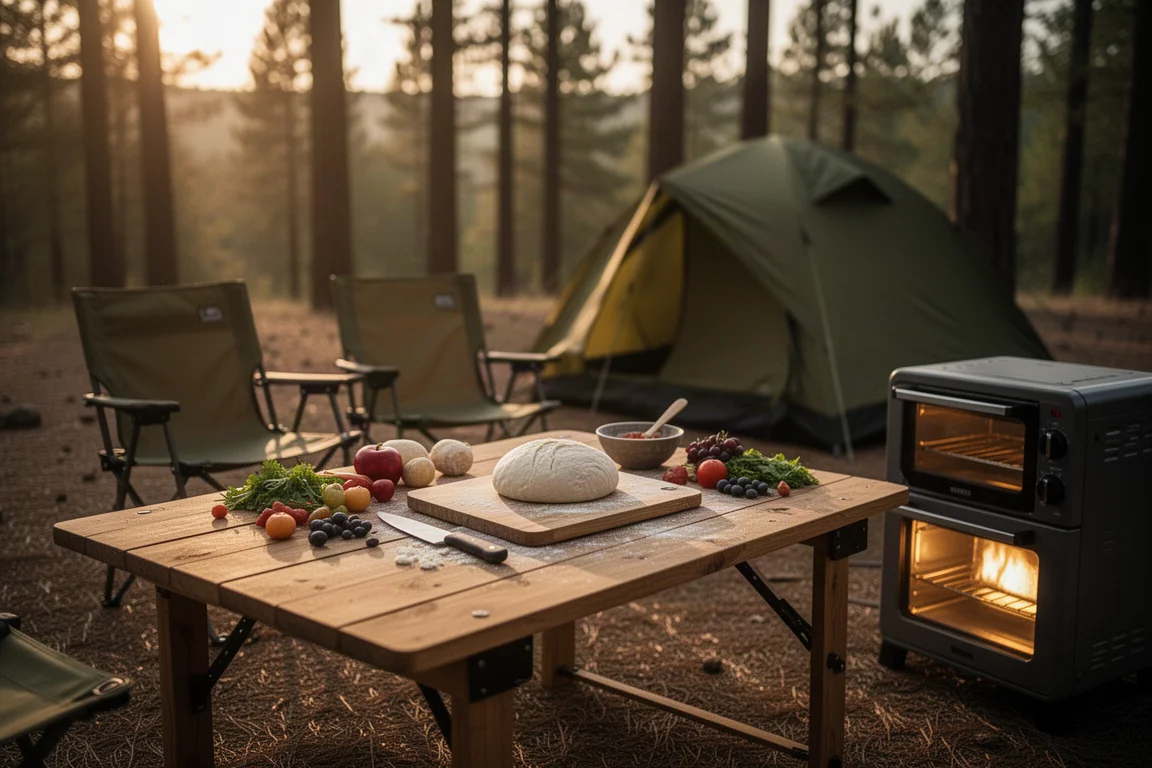
There is a learning curve. Heat management takes practice, and it is worth dialing in your technique at home before relying on the oven for a hungry group at camp. Once the timing clicks, it delivers a cooking experience that is genuinely different from anything a standard camp stove can offer.
Gregory Alpaca 50L Camp Box: Gear Organization That Holds Up
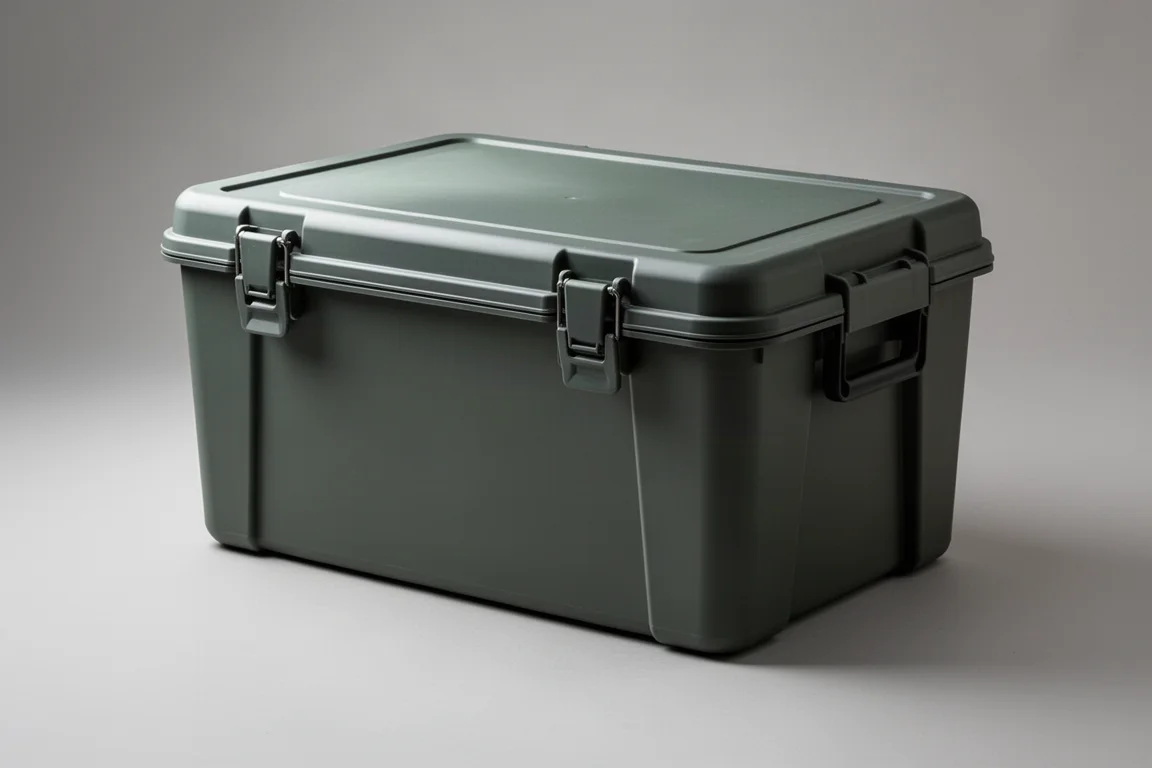
A clear plastic bin will hold your gear. The Gregory Alpaca 50L Camp Box is built around the parts a cheap bin gets wrong: the closure, the seal, and the way the lid behaves when you need to reach inside.
Two strong latches hold the lid down and double as hinges, so the box opens like a chest instead of leaving you with a loose lid to set aside. A gasket runs the full way around the lid, creating a seal against air, water, and dirt. That is the difference between gear that arrives clean and gear that arrives covered in dust. The rear latches release completely when you want the lid off and full access to everything inside.
At 50 litres it fits neatly in the back of a car and swallows a substantial amount of kit. The build is sturdy, and the materials feel like they will survive being stacked, dragged, and loaded repeatedly. It costs more than a budget bin, and for many campers that extra spend is the entire point.
Nemo Double Haul Tote: One Bag, Two Ways to Carry
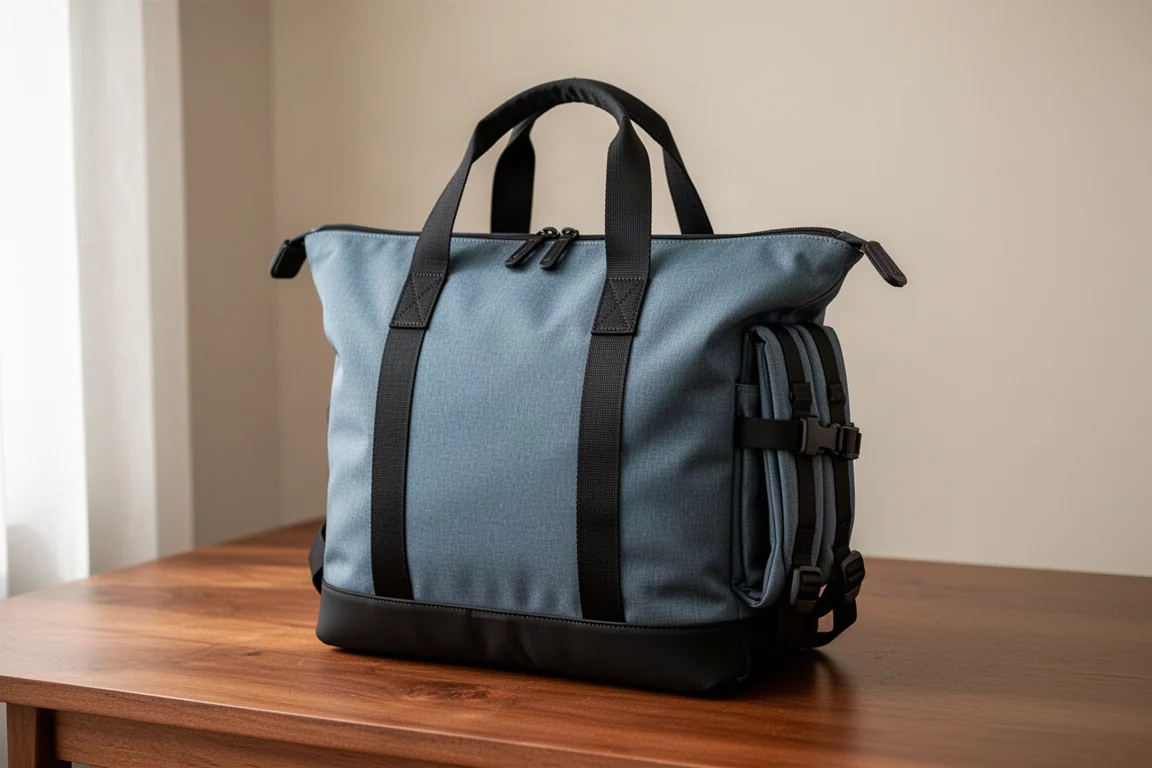
The Nemo Double Haul Tote is a versatile gear bag that converts between a tote and a backpack. The shoulder handles let you sling it over one shoulder, and the backpack straps unclip when you want a proper two-shoulder carry through an airport or across a campsite. When the backpack straps are not in use, they tuck away cleanly.
The bag zips fully closed and uses a range of snaps and loops to keep everything in place. It also stands up on its own, which sounds like a small detail until you are packing inside a tent and need a bag that stays open while you load it.
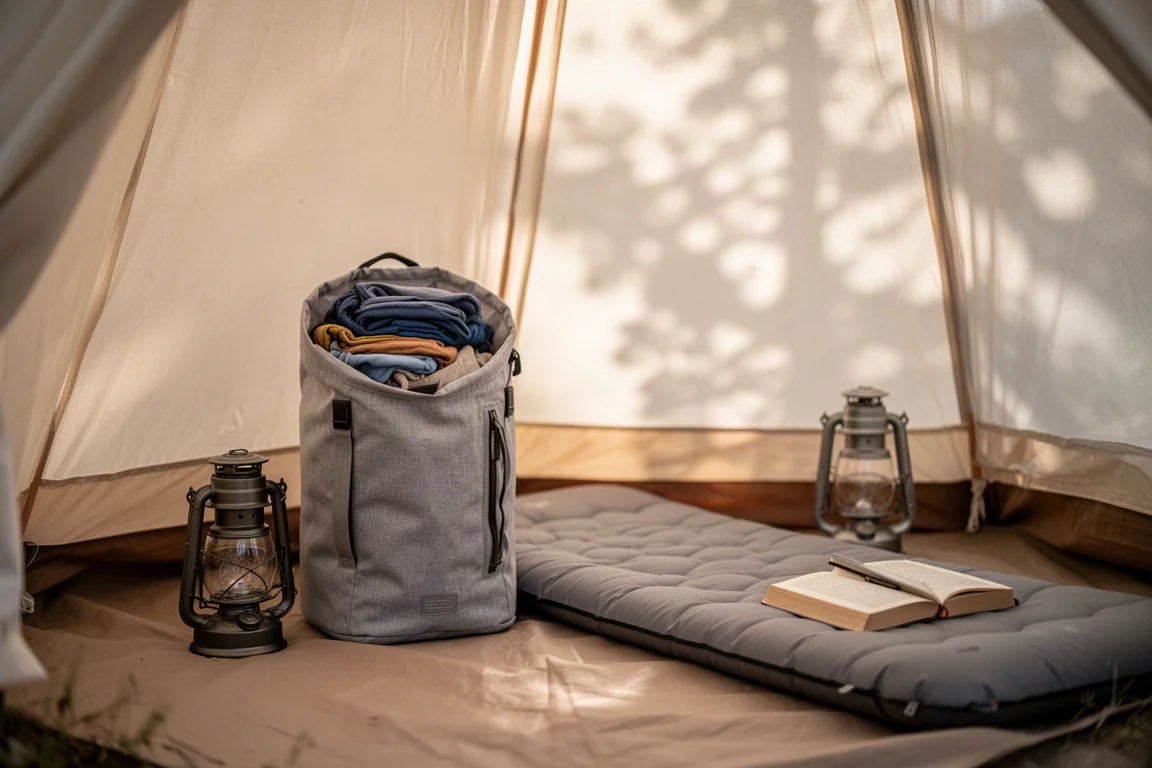
Used as a clothing bag, it works particularly well. Everything for the trip lives in one place, the bag sits next to a cot or sleeping pad inside the tent, and you never have to dig through a duffel to find a clean shirt.
NatureHike Adjustable Camp Table: Flexible Dining Space
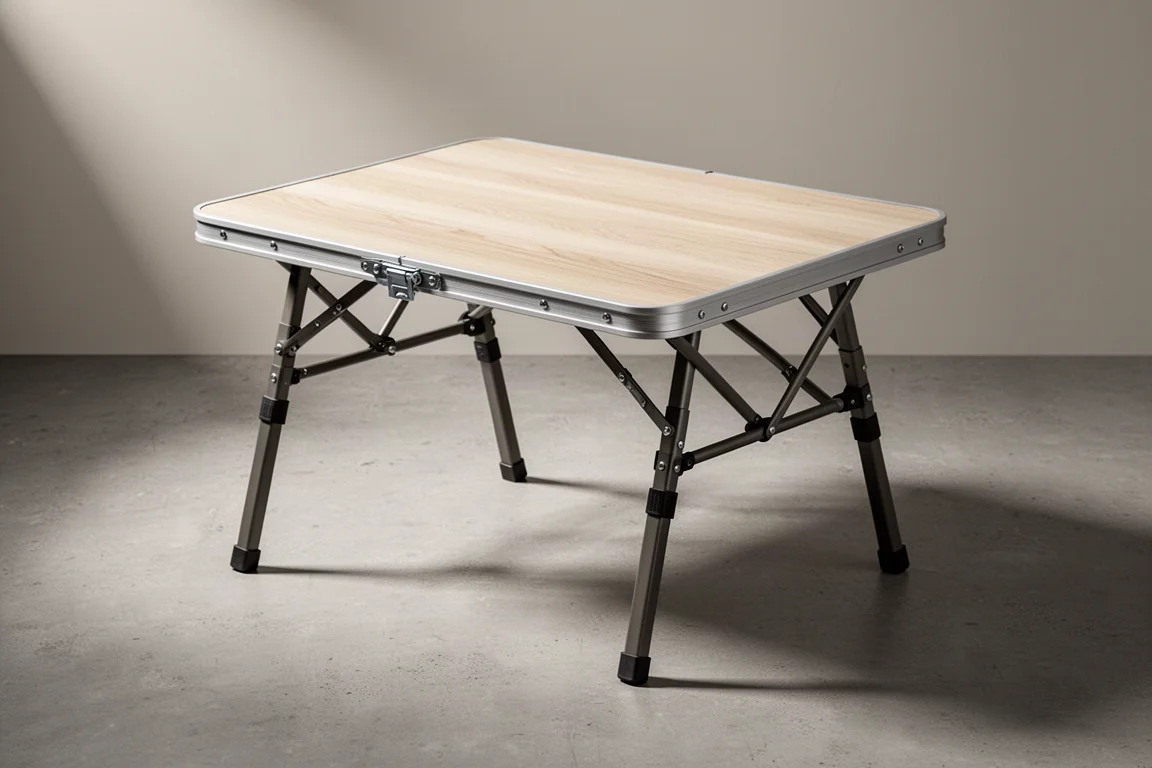
Families outgrow tables. The NatureHike camp table is aimed squarely at that problem: a larger surface that can serve as a kids’ dining table, a food prep station, or a side table next to a main camp table.
Its most useful feature is the height adjustment. Latches release the legs across a wide, continuous range of positions rather than the one or two steps typical of push-pin designs. That makes it easy to level the table on uneven ground without propping a leg up on a rock, and it lets you drop the surface low for seated use or raise it for standing work.
The top is an aluminium surface with a wood-look print. It feels sturdy and strong under load, and the overall build quality holds up to regular use.
NatureHike Camping Cot: Sleeping Off the Ground
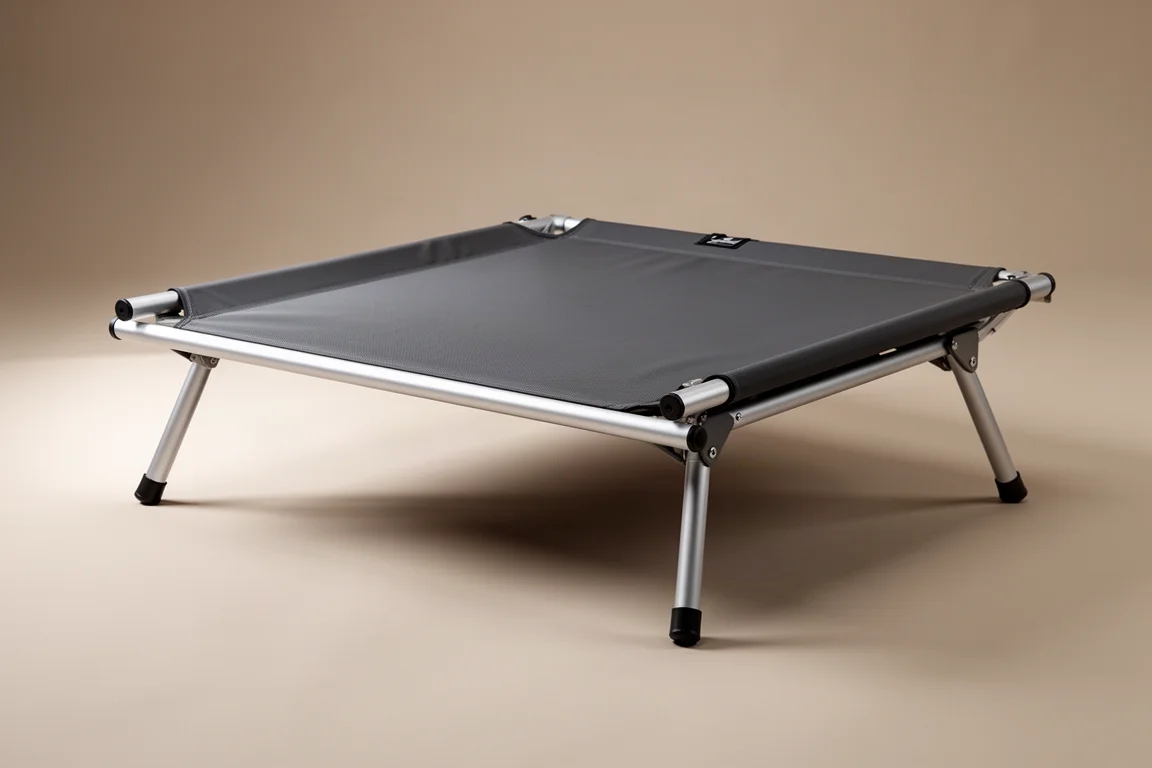
Cots can look like unnecessary weight until you sleep on one. The NatureHike camping cot raises you off the ground while still letting you use a sleeping pad for insulation, so you keep the warmth you need without the discomfort of sleeping directly on the floor of a tent.
The height is adjustable. With the legs removed, the cot sits low to the ground. With the legs fitted, it lifts you higher, which suits a tent with generous standing height. A cot also creates storage space underneath, and that is one of the most practical benefits of all. Clothing bags and other gear move out of the living area and into the space beneath you.
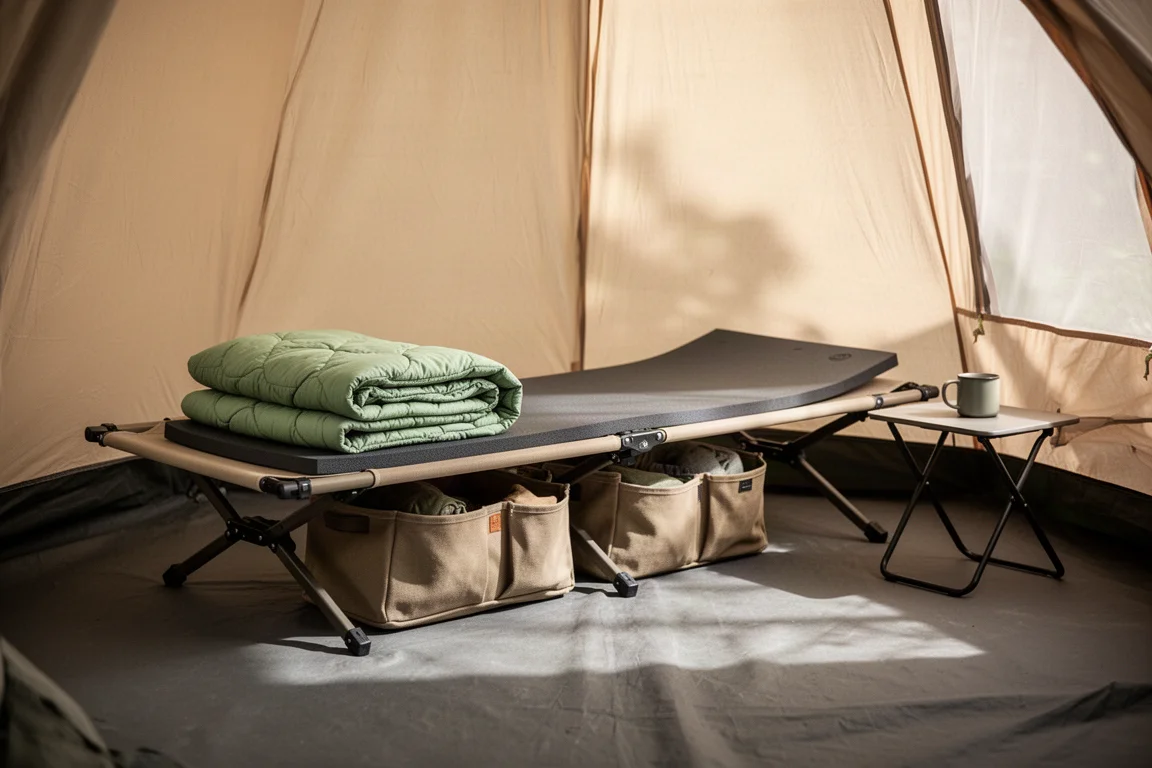
The build quality and design are solid, the size is standard, and the packed size is small enough not to dominate your load. At least one other colour option is available, and the price point makes the comfort upgrade easier to justify. Taller sleepers should check the dimensions carefully, since this is not a long version.
ZenBivy Zip Trek Bed: A Bed-Like Sleep System
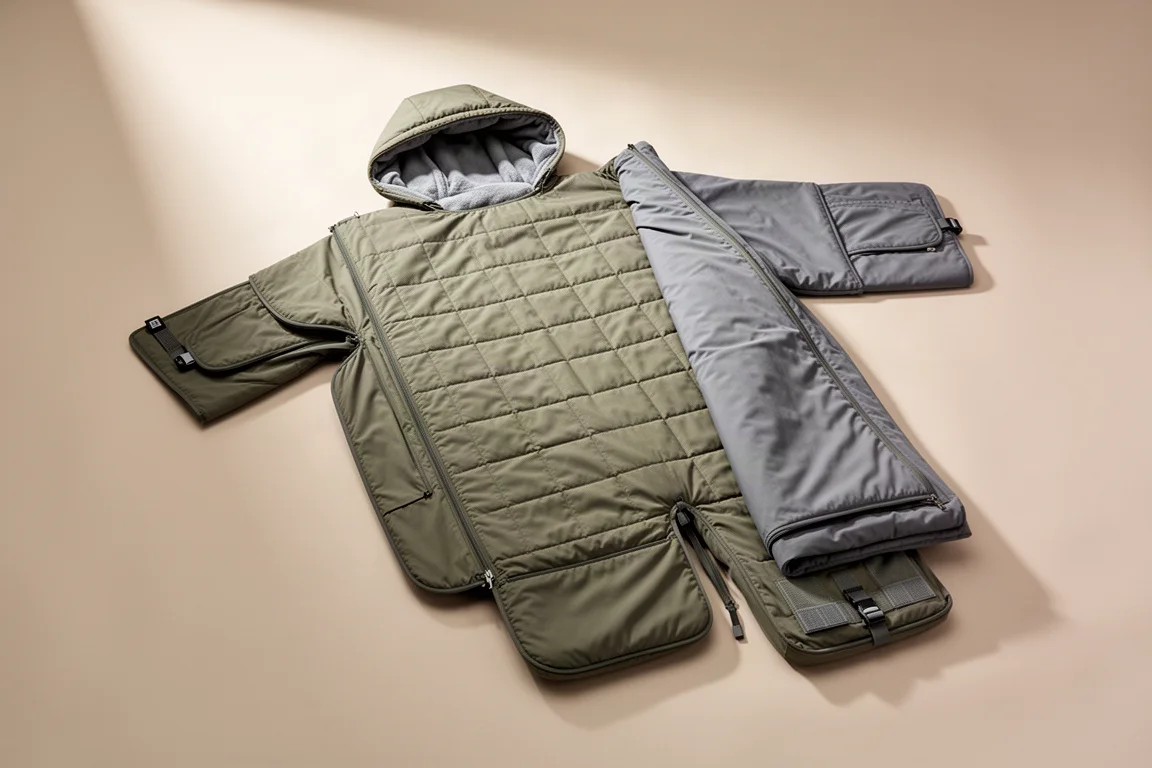
The ZenBivy Zip Trek Bed is a quilt attached to a full-length sheet, and the goal is a sleep experience that feels closer to a bed than a sleeping bag while still packing down small. It is the newest version of the ZenBivy bed and replaces the original.
Two fabrics do the work. A nylon outer fabric and the side wings eliminate drafts, so you stay warm without fighting the bag all night. A soft pongee fabric covers the hood, the sheet, and the inside of the quilt, and it feels smooth against the skin.
The 25-degree version is the one shown here, and a 10-degree version is also available. The foot box uses a clip and loop system: leave it open and draped to the side on warmer nights, or clip it closed when temperatures drop. The hood is large enough to take a camp pillow or a pillow from home, which keeps it from sliding off the back of the sleeping pad. There is more room to move than a traditional mummy bag allows, and getting in and out is easier. A Zip Overland variant swaps the nylon for a full pongee build, which adds weight and bulk.
Boge RV Telescoping Camp Light: Bright Where You Need It
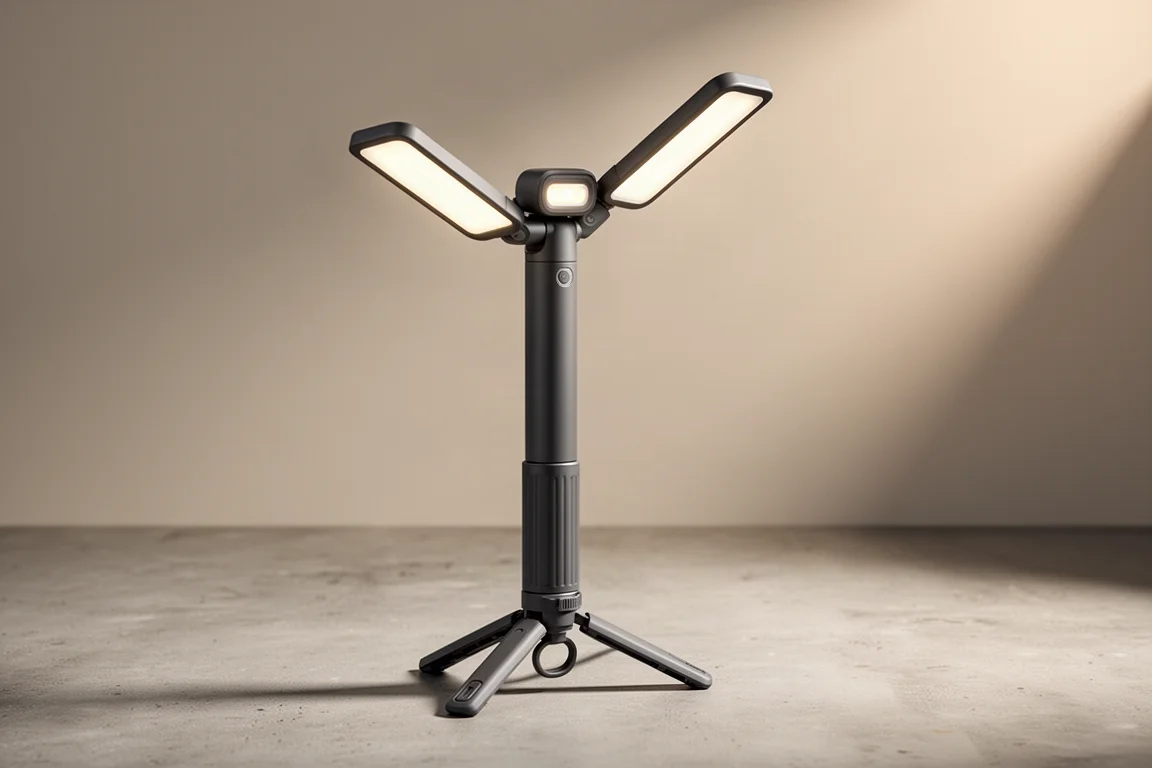
Good lighting extends the evening. The Boge RV telescoping camp light packs into a compact zippered case and expands into a tall standing light with three swivelling arms that can be aimed in almost any direction.
It runs at three brightness levels: 900, 1,800, and 3,000 lumens at maximum output, and it offers both a warmer yellowish tone and a cooler white. Slide-out feet keep it stable, reflectors improve visibility around camp, and a hanging loop lets you suspend it. Three stakes are included for windy nights. There is a light on the very top as well, useful in a pinch as a flashlight, and USB-C charging keeps the power side simple.
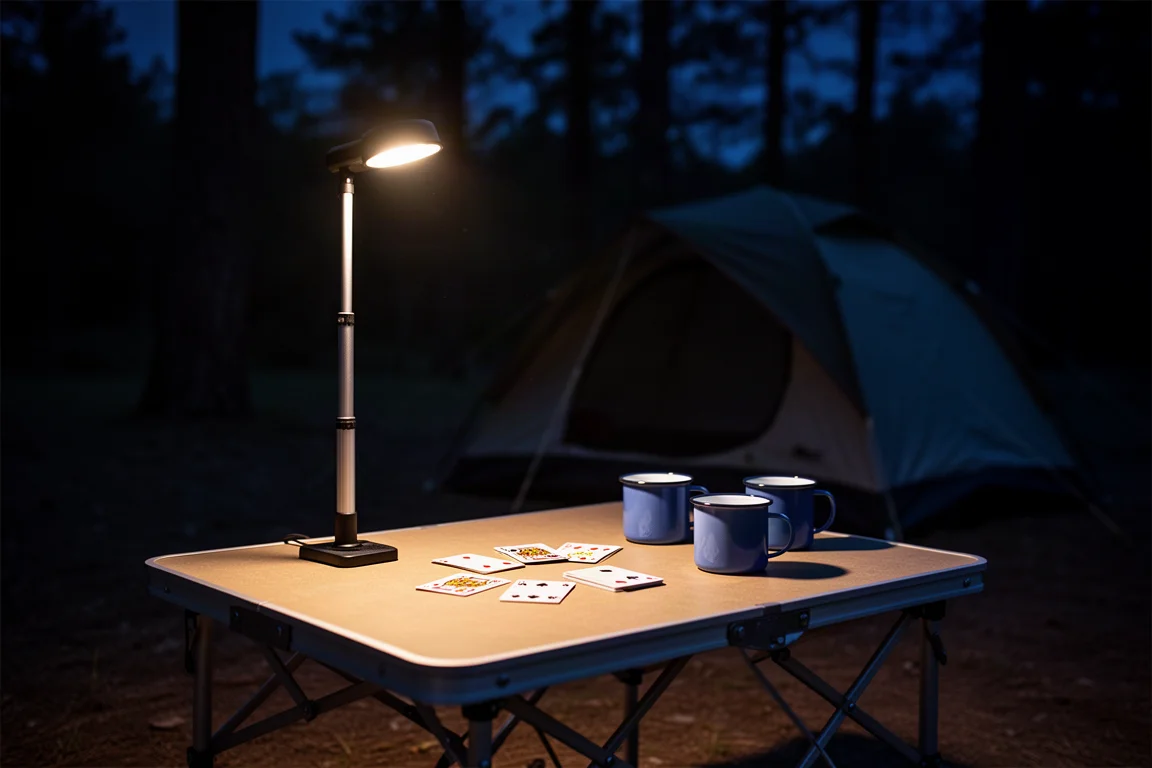
Raised to full height on a table, it covers a large area, which makes cooking after dark and evening card games far more pleasant. The price sits at the higher end for a camp light, and the compact packed size is what makes that easier to accept.
Buying Advice
Where you spend first depends on what frustrates you most on a trip. If packing and unpacking is the chore, start with organization: a sealed box for general gear and a convertible tote for clothing will change how quickly camp comes together and how easily it comes apart. If you wake up stiff, the money is better spent on sleep, and the cot and the quilt-based sleep system address that from different angles. One lifts you off the ground and creates storage underneath; the other replaces the constriction of a mummy bag with something closer to a bed at home.
Cooking is the most personal category. The pizza oven is the most unusual piece here and the one with the steepest learning curve, so it suits campers who enjoy the process as much as the result. A larger, height-adjustable table supports that kind of cooking and works just as well as a kids’ dining table. Lighting is the simplest upgrade to justify, because it extends every evening you spend outside.
None of these items is essential. Each one removes a specific irritation, and the ones worth buying are the ones that match the irritation you actually have.
Conclusion
The best camping gear is the gear you notice less over time, because it quietly removes friction from the trip. A sealed box, a bag that carries two ways, a table that levels itself on rough ground, a cot that gets you off the floor, a sleep system that feels like a bed, a light that turns a dark campsite into a usable room, and an oven that makes dinner an event. Pick the one that solves your biggest annoyance first, then build from there.
Further reading
Related Reviews
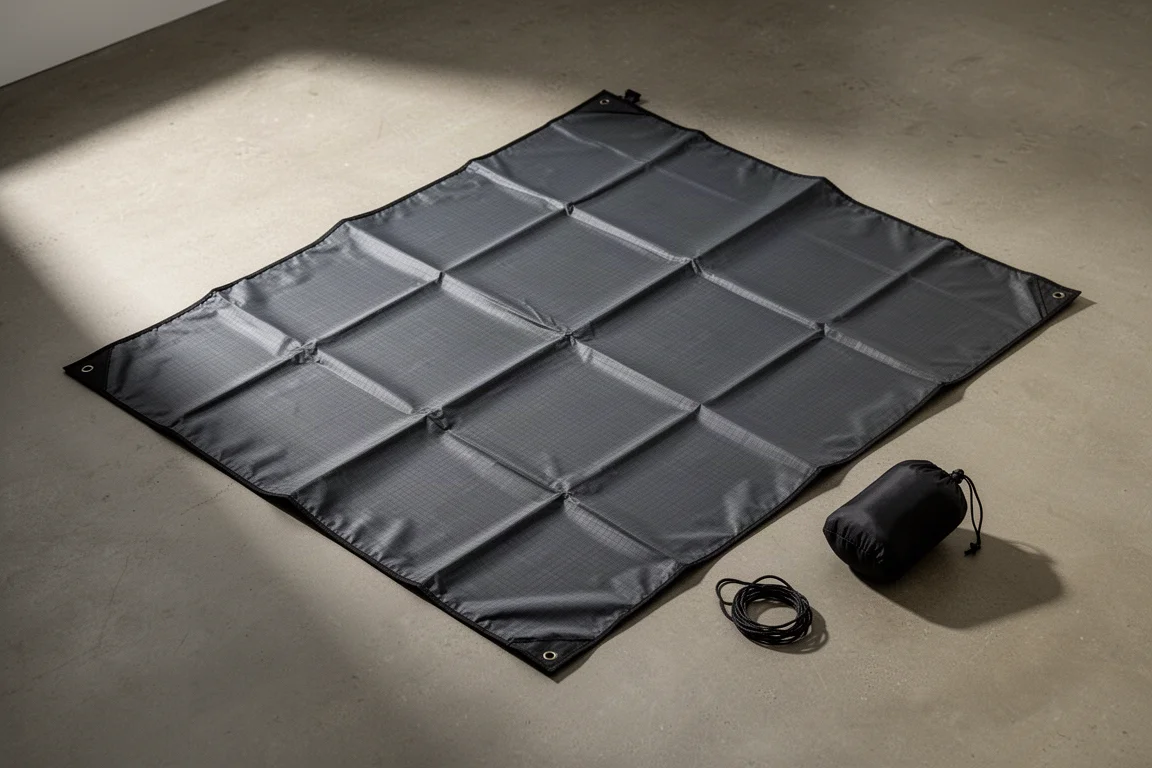
Camping Gear
3FUL Ultralight Ground Sheet Review: A Two-Person Footprint Worth Packing
A 6.7 oz two-person ground sheet in ripstop silnylon, priced around $30. Here is what it protects, what it does not do, and who should pack it.
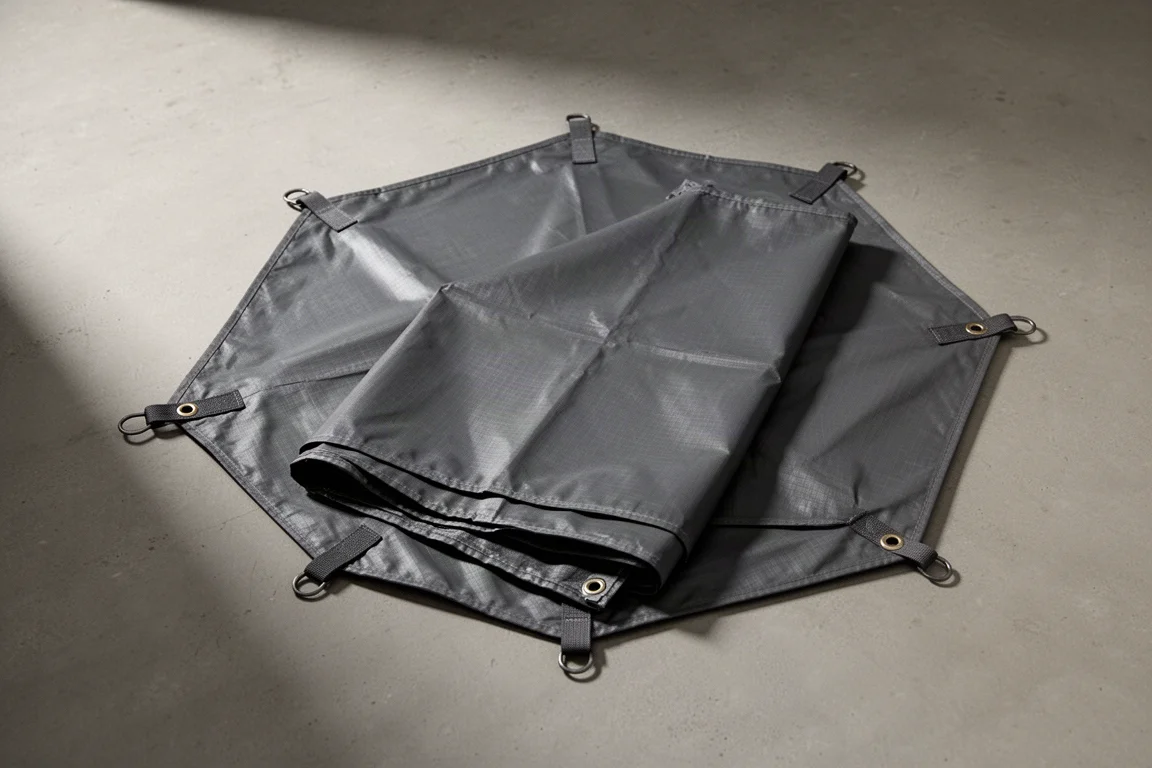
Camping Gear
Backcountry Light Dual-Function Tarp and Floor Review: A Footprint First
A dual-purpose tent floor and tarp that keeps falling rain off you, but cannot block wind. Here is where it works and where it does not.
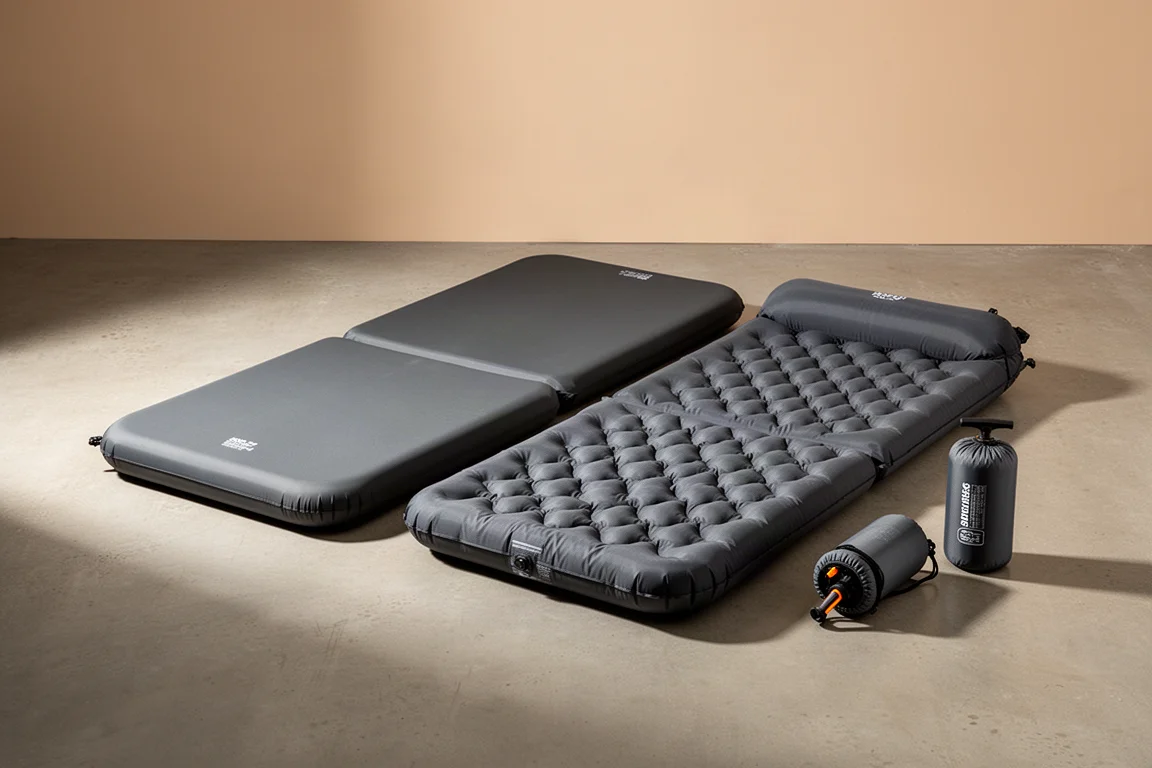
Camping Gear
Best 2-Person Camping Mattresses for Couples: 10 Options Compared
A practical comparison of ten two-person camping mattresses, covering self-inflating pads, air pads and air mattresses for couples.