Outdoor Gear
Cool Sunblade Hat Review: A Wide-Brim Sun Hat Built for Desert Days
A field-tested look at the Cool Sunblade sun hat: rotatable 3-inch and 4-inch brims, mesh ventilation, a 4.7-ounce build, and the sizing and storage trade-offs to know before buying.
Introduction
A wide brim only helps if it stays where you put it. The Cool Sunblade is built around that idea: two brim lengths on a single hat, a shape that holds its form in wind, and enough ventilation to wear through a hot day without overheating.
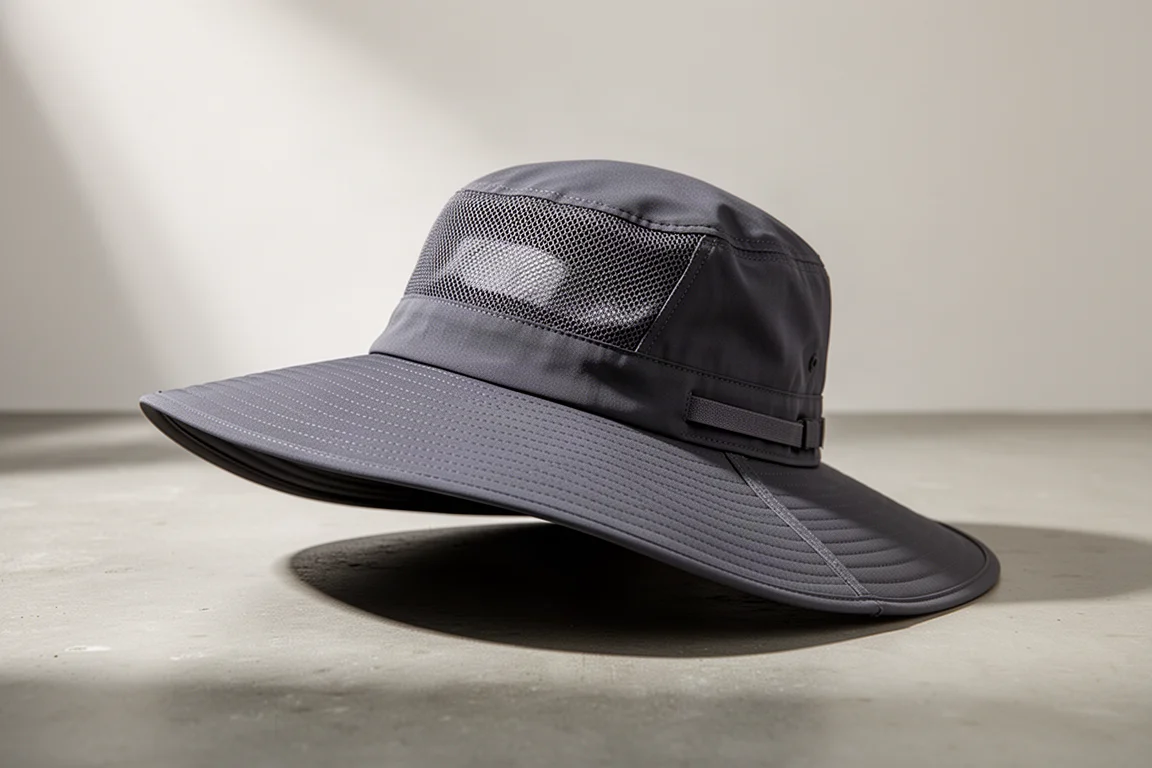
The hat comes in two versions. The mesh version uses open mesh panels for ventilation, while the second version uses the same solid material all the way around for maximum sun coverage. Both are made from a nylon and polyester blend, weigh 4.7 ounces, and are offered in three colors: carbon, sand dune, and dark forest. The price is $50.
The brim layout is the defining feature. A shorter 3-inch brim sits on one side and a longer 4-inch brim on the other, with 2-inch brims along the sides, so the hat can be rotated to move coverage to wherever the sun actually is.

Across roughly three months of desert hiking and backpacking, the hat held up well. The stitching stayed intact, the brims kept their stiffness, and the fabric handled repeated hand washing without complaint. It is a straightforward piece of gear that does one job properly.
Who This Hat Is For
For hikers and backpackers heading into exposed terrain, this hat solves the main problem with sun protection: coverage that moves with the sun. Rotating the longer brim to the back shields the neck on long climbs, and rotating it forward covers the face when the sun sits low in the sky.
It also suits anyone who wants a hat that stays stable in wind. The chin strap is removable and fully adjustable, and the hat is designed to hold up in winds up to 40 mph, with stronger gusts manageable as long as the strap is secured.
The low profile plays well with sunglasses too. Rather than pressing against the arms of the frames and pushing them up the face, the hat sits clear of them, which matters over a long day in bright light. Riders of open terrain, beach walkers, and anyone who spends hours in direct sun will find the same benefits.
Worth noting for anyone with limited hair coverage or very fair skin: the mesh version trades some coverage for airflow, while the solid version lets no light through the fabric at all. That choice is the single most important one to make before ordering.
Main Strengths
Comfort, Fit, and Everyday Wear
At 4.7 ounces, the Sunblade largely disappears on the head after a few minutes. The interior band doubles as a sweatband, and the nylon and polyester fabric is moisture wicking and designed to feel cool against the skin.
The mesh version breathes exceptionally well. In desert heat around 85 degrees, with the ground radiating warmth, airflow through the mesh panels kept things comfortable, and the stiff brims never bent out of shape or flipped up.
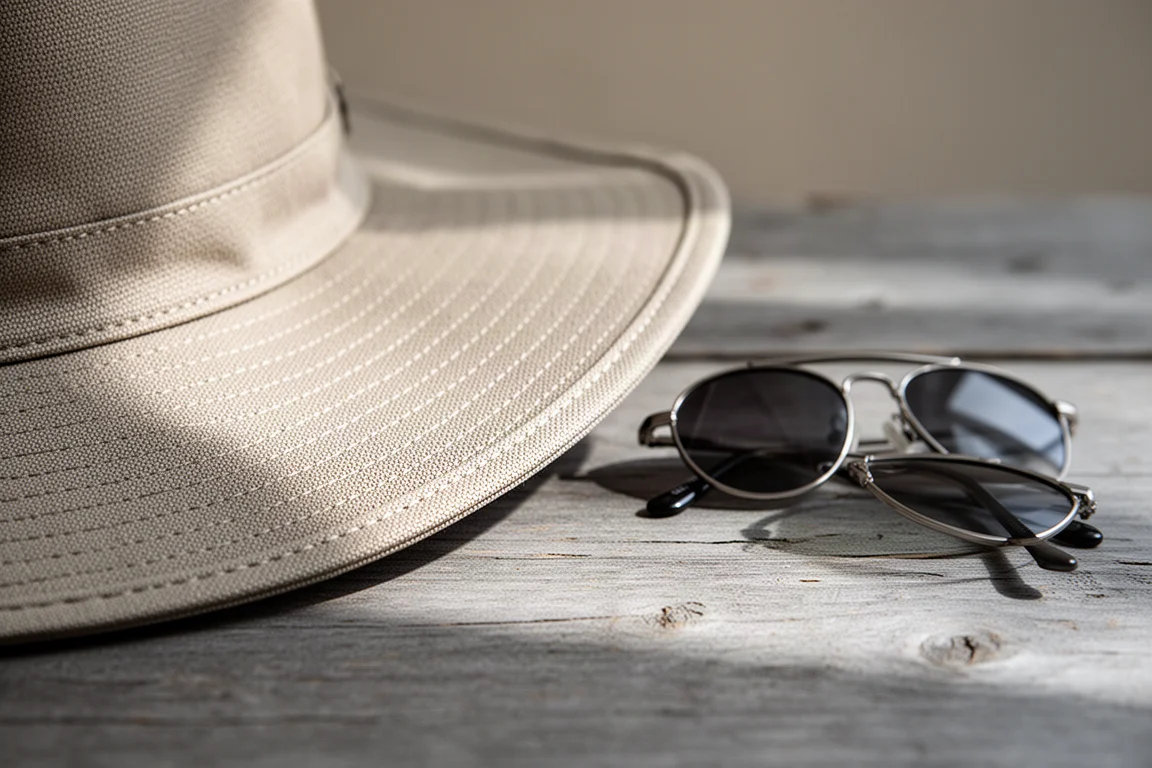
That low profile is a genuine advantage with sunglasses. Some wide-brim hats press on the arms of the frames and lift them off the face; this one sits clear, so the glasses stay where they belong. Looks are subjective, but the shape is clean and understated, and it reads as outdoor gear rather than costume.
Wind Performance and Ventilation
The hat is rated for winds up to 40 mph, and in practice it handled gusts close to 50 mph without the brims folding or flipping, provided the chin strap was secured and the head was kept level. The shape does the work here: wind passes over the crown rather than catching underneath it.
The one caveat is that lifting the head into the wind gives it something to grab, and the hat can be pulled back. That is a matter of how it is worn rather than a flaw in the design, and the chin strap is the answer.
Ventilation and wind resistance work together rather than against each other. Air moving through the mesh cools the head while the brims hold their angle, which is why the hat performs well in the exact conditions that make most sun hats uncomfortable.
Things to Consider Before Buying
Backpack Interference and Storage
With a backpack on, the long brims can catch the top of the pack when looking up. Whether the 3-inch or the 4-inch brim faces forward, a quick upward glance tends to bump the pack and nudge the hat. On steep climbs where you need to look up often, that becomes noticeable.
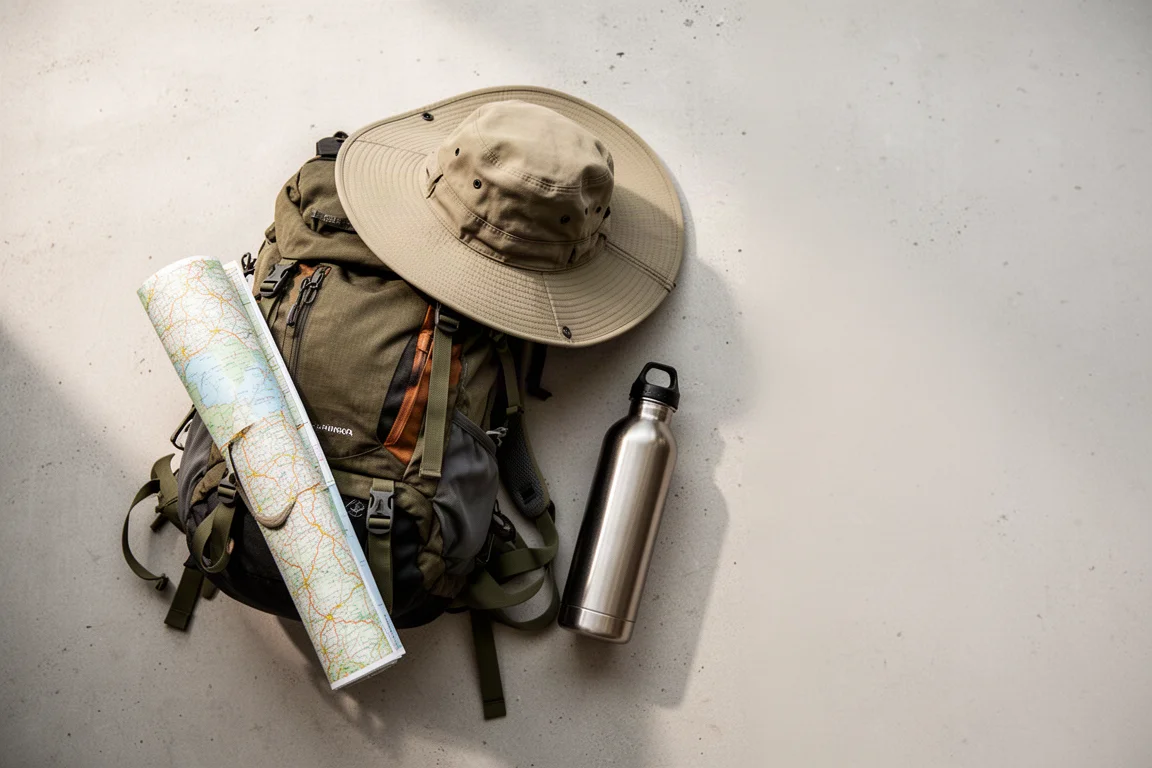
Storage is the bigger trade-off. Because the brims are stiff, the hat is not meant to be folded or crushed. It can be laid flat, but packing it into luggage risks a permanent crease. For travel, it is best carried flat or in hand rather than stowed.
The upside of that stiffness is shape retention. The brims do not sag, deform, or lose their angle with use, which is a common failure point on softer sun hats.
Sizing and Fit
The hat is non-adjustable, so sizing matters more than usual. Two sizes are available: small to medium fits heads measuring 22.4 inches in circumference, and large to extra-large fits heads measuring 23.2 inches around. The chin strap is fully adjustable, but the crown itself is fixed.
That makes trying the hat on before buying the sensible approach, particularly for anyone between sizes or unsure of their head circumference. A hat that fits correctly is comfortable for hours; one that does not is a constant annoyance. As with sunglasses, a hat is a fit-first purchase.
Buying Advice
At $50, the Sunblade sits in a reasonable place for a purpose-built sun hat that has held up through a full season of hard use. The deciding factor is the brim system. If you want coverage that can be repositioned as the sun moves across the sky, that flexibility is the main reason to choose this hat over a fixed-brim alternative.
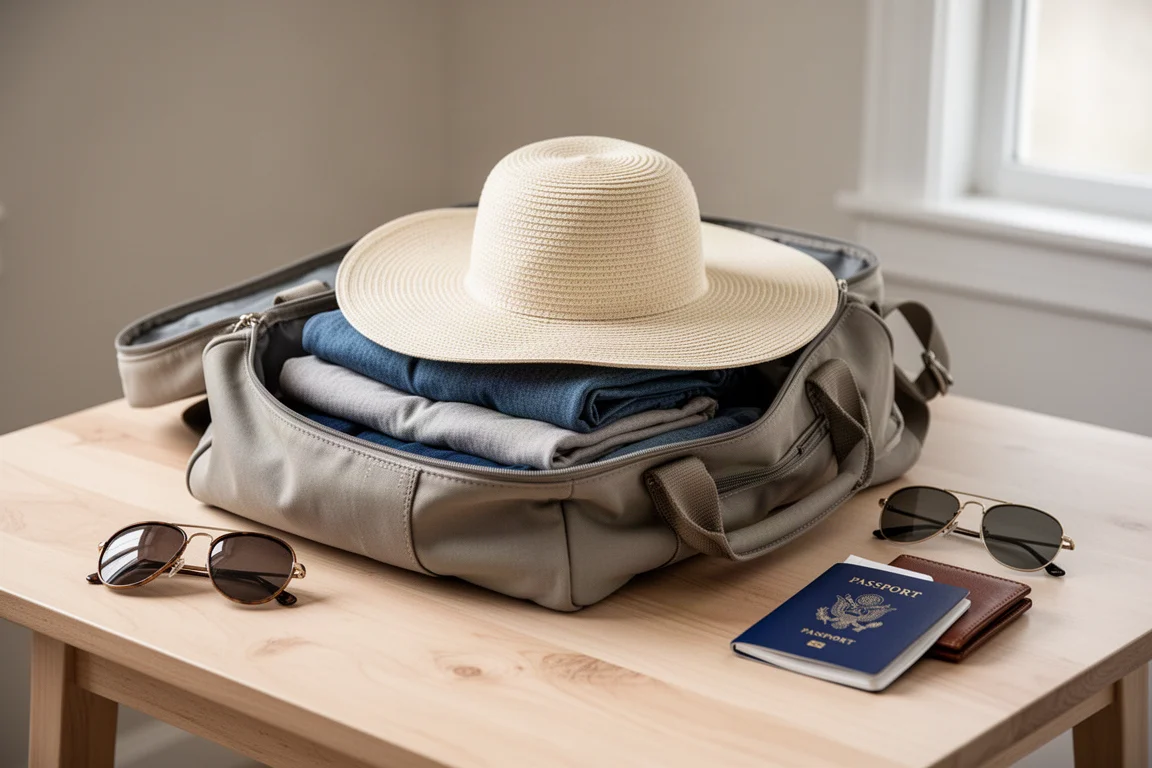
Choose the mesh version if ventilation matters most, and the solid version if you want maximum coverage with no light coming through the fabric. Carbon, sand dune, and dark forest cover both neutral and earthy tastes. If your trips involve long, steep climbs with a heavy pack, weigh how much time you spend looking up against how much you spend looking ahead. For open desert, exposed ridgelines, and long days of direct sun, the trade-offs land firmly in the hat’s favor.
Conclusion
The Cool Sunblade is a well-executed sun hat: lightweight, ventilated, stable in wind, and comfortable enough to forget you are wearing it. Its limitations are real and specific. The stiff brims cannot be packed, and the fixed sizing means it should be tried on first. Neither undermines what the hat does well. For desert hiking, backpacking, and any long day in strong sun, it earns a confident recommendation.
Product link
View more details for Cool Sunblade Hat
This product is mentioned in the review. Check the specifications, options, and compatibility before buying.
View more details for Cool Sunblade HatFurther reading
Related Reviews
Outdoor Gear
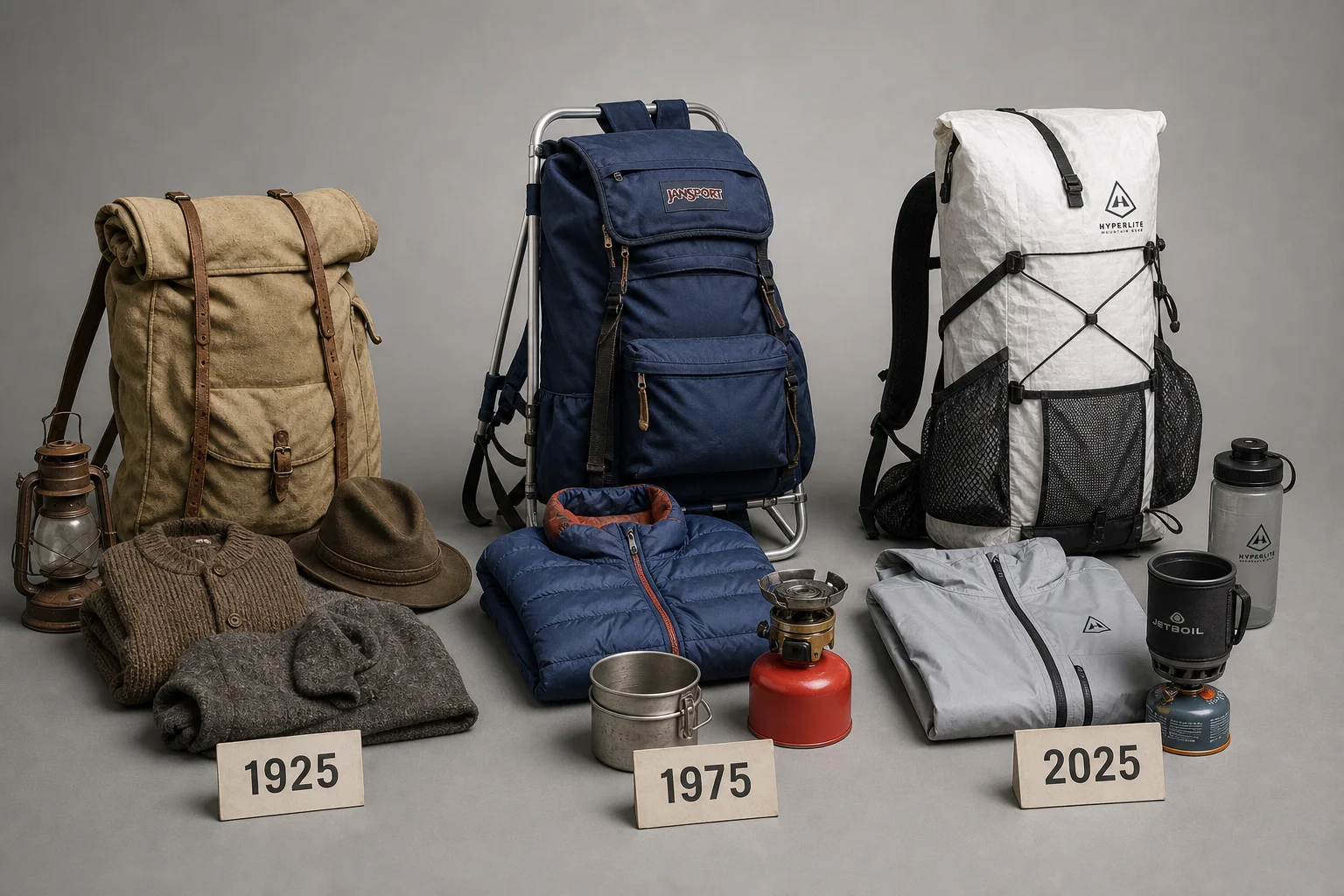
Backpacking Gear Evolution: 100 Years of Technology Compared
We tested backpacking gear from 1925, 1975, and 2025 across a three-day hike in Yosemite. Here's how technology has transformed comfort, weight, and the outdoor experience.
Outdoor Gear
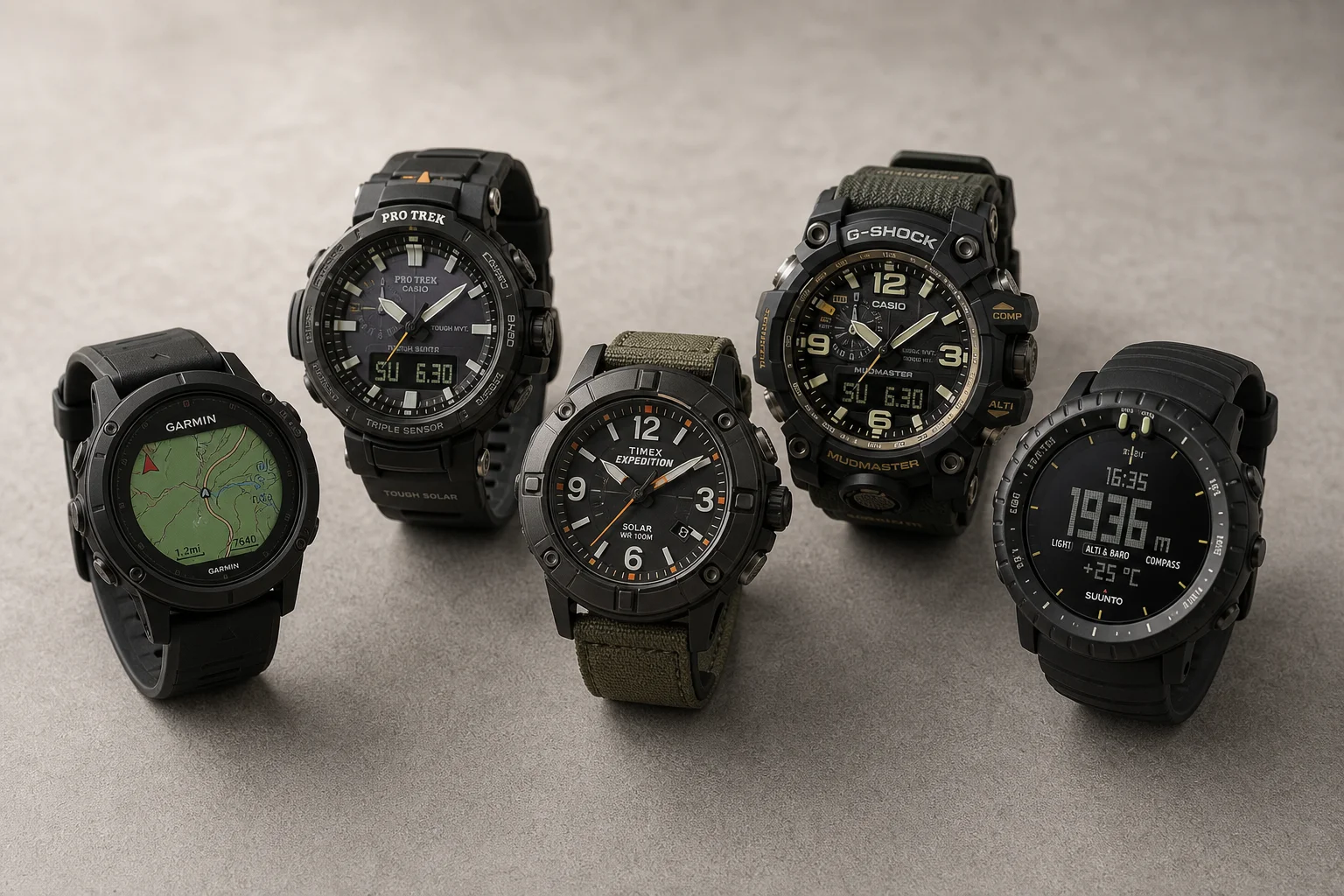
Best Affordable Hiking Watches: Five Rugged Options for Outdoor Adventures
Five durable hiking watches that balance ruggedness, functionality, and value for outdoor enthusiasts who need reliable GPS tracking and weather resistance.
Outdoor Gear
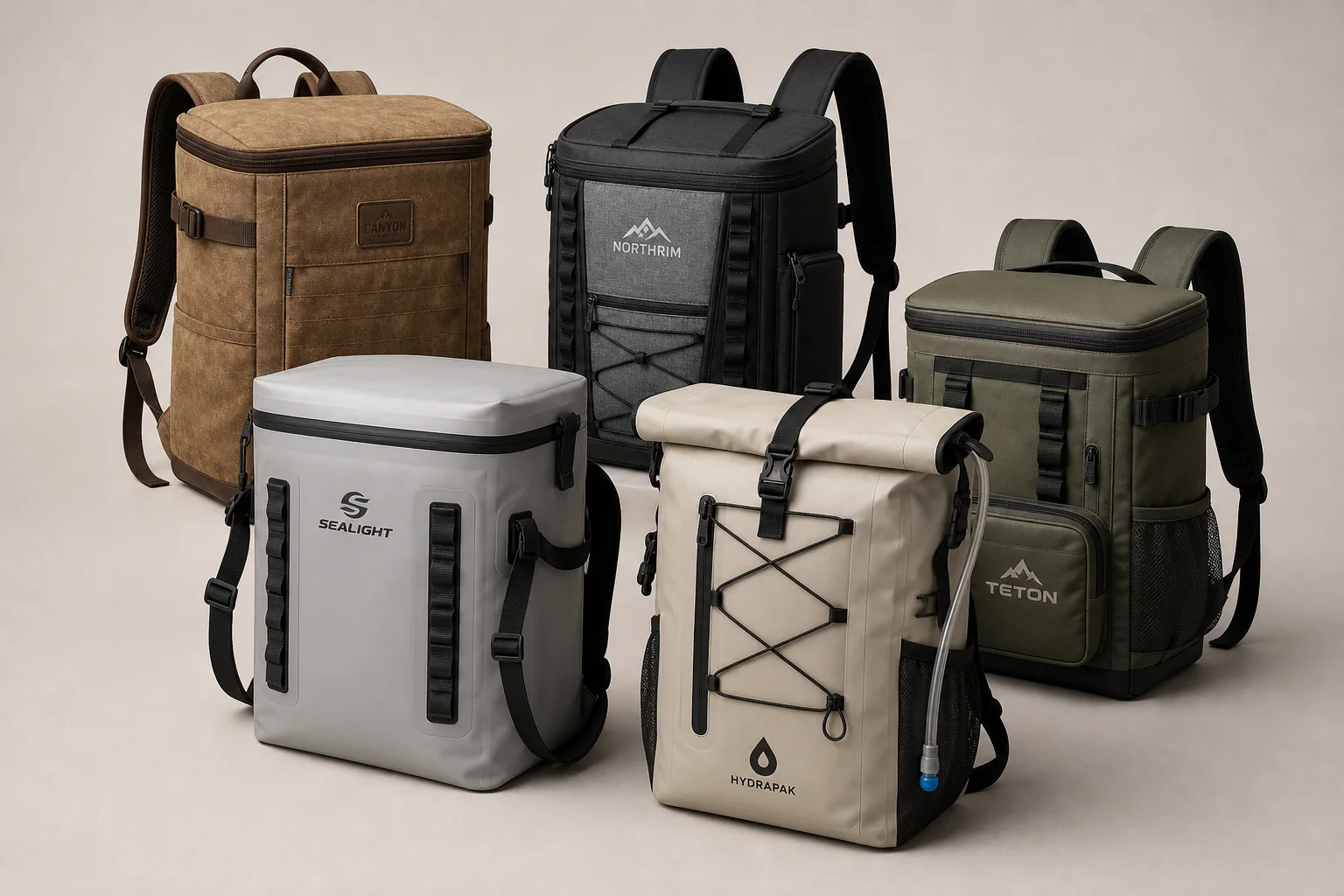
Best Backpack Coolers 2026: Five Practical Options for Outdoor Adventures
Five backpack coolers with distinct cooling capabilities, storage features, and design trade-offs to help you choose the right one for your outdoor needs.