Cookware
11 Popular Pans and the Marketing Claims You Should Read Twice
From nonstick longevity claims to 5-ply labels and all-in-one pans, we look at how cookware marketing stretches the truth across 11 popular brands.
Introduction
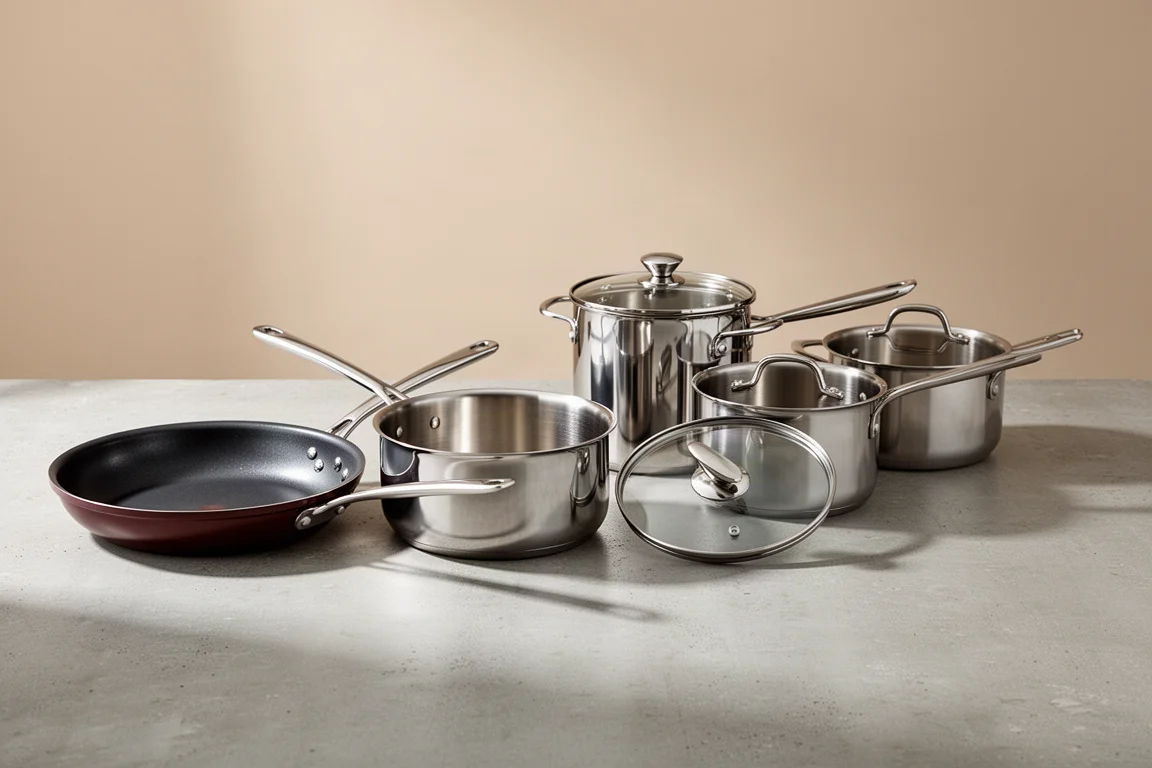
Cookware marketing is full of bold claims: coatings that last ten times longer, pans guaranteed for life, five-ply construction, ten functions in one pot. Some of these claims are technically true. Many are technically true in a way that leaves out the details that matter. This guide walks through the most common marketing tactics in the cookware industry, using popular products as real examples, so you can shop with a clearer picture of what you are actually buying.
Nonstick Longevity Claims Are Hard to Verify
Some nonstick brands advertise coatings that last 250% longer, 10x longer, or even 70 times longer than the competition. While some of these numbers may be backed by actual testing, the claims are big and bold, while information about testing methods and results is vague, limited, or missing entirely. If a coating truly performed that much better, you would expect the full details to be front and center.
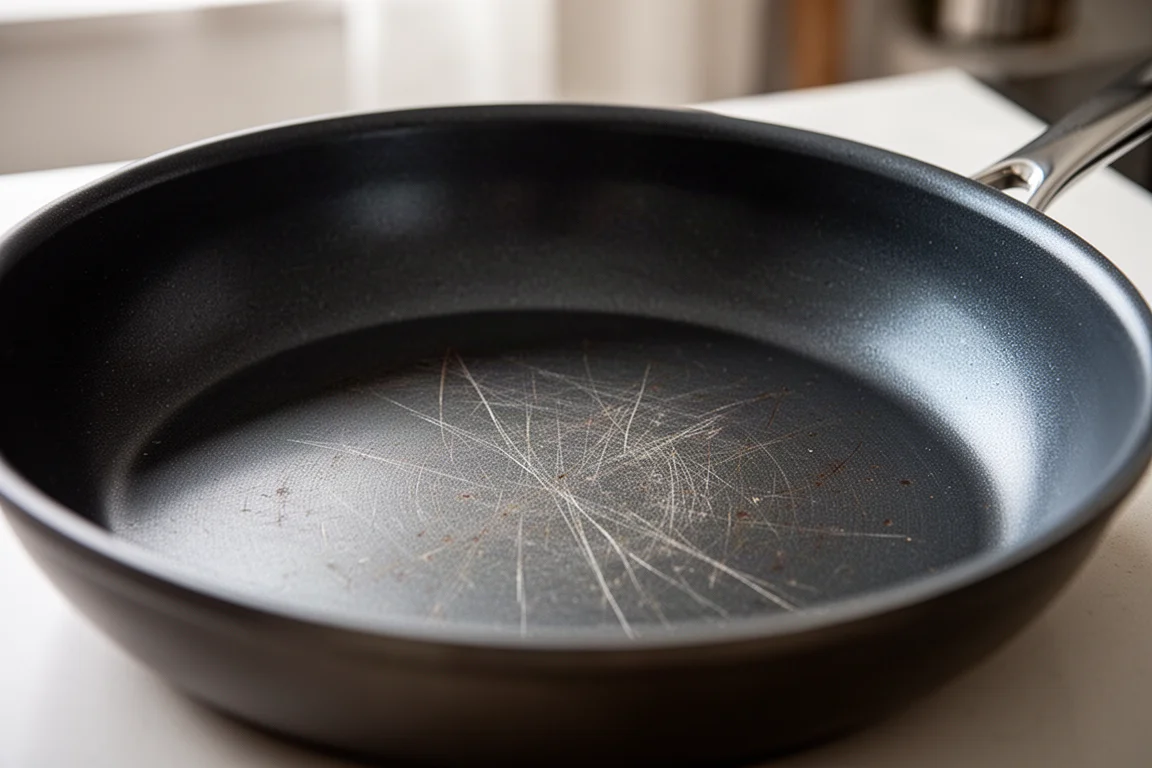
The reality is that all nonstick coatings wear down over time. From experience testing dozens of cookware brands, how you use and care for a pan plays a much bigger role in its longevity than the specific coating. Treat these claims with a grain of salt, and always read the fine print.
Blue Diamond Pan
The makers of the Blue Diamond pan claim its coating lasts ten times longer. The fine print says the claim is based on a technical report from CSA Group in 2018, but no other information or link to the report is provided, and searching for the report number turns up nothing. The claim may be grounded in real testing, but there is nothing available to substantiate it publicly.
Misen Nonstick Pan
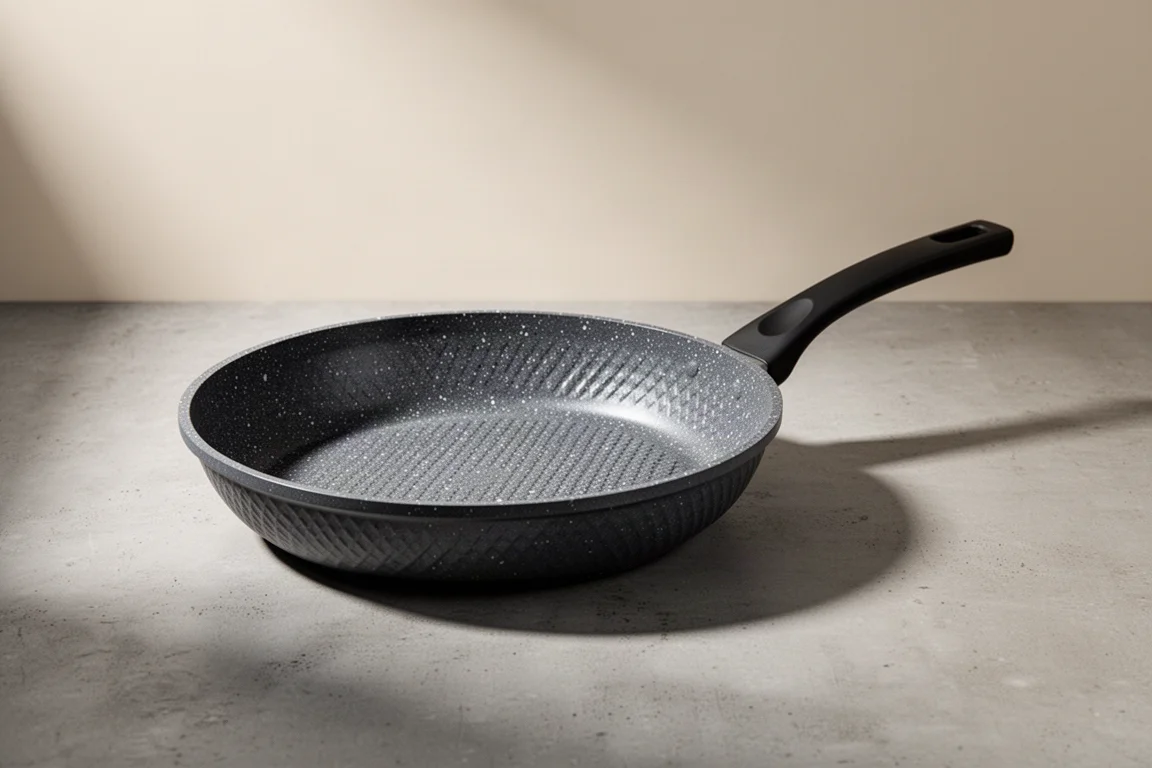
Misen claims its nonstick coating lasts 250% longer. The company determined this by shaking metal balls on the surface to simulate heavy kitchen use, then comparing the coating condition to other nonstick pans. That test offers some insight, but real-world factors that are hard to simulate, like heat, oils, cleaning methods, and contact with sharp utensils, also play a major role in how long a nonstick pan lasts.
Lifetime Warranties Have Fine Print
Cookware brands love phrases like “Guaranteed for Life” or “Lifetime Warranty.” Read the fine print, though, and almost all of these warranties cover only defects in materials and craftsmanship. They do not cover normal wear and tear or issues from improper use, such as scratches, warping, or discoloration. Each brand also defines proper care differently. In most cases, the only thing truly guaranteed is that the pots and pans will arrive without known issues. If a pan warps, dents, loses its coating, or breaks a handle, there is often no recourse.
Demeyere Atlantis Pan
Most brands attach handles with secure rivets, but some, like Demeyere and Farberware, weld handles for a seamless, easier-to-clean cooking surface. Demeyere describes its welded handles as “Ultra-secure” and has demonstrated their strength with an employee jumping on a pan. In practice, welded handles are not always as secure as claimed: after about three months of use, the handle on a Demeyere Atlantis pan loosened and then snapped off completely when the pan was lifted. That is not a reason to avoid welded handles entirely, but it is a risk worth knowing about, and “ultra-secure” is not always accurate.
The Ply Count Myth: 3-Ply vs 5-Ply
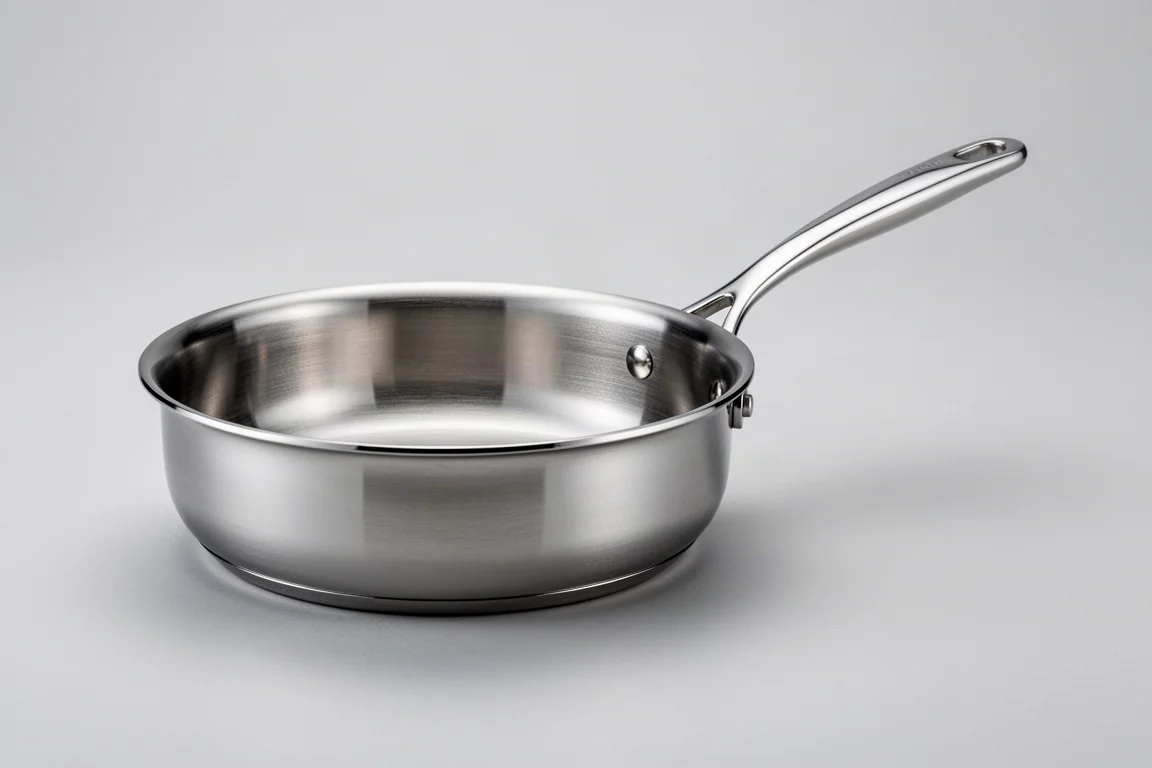
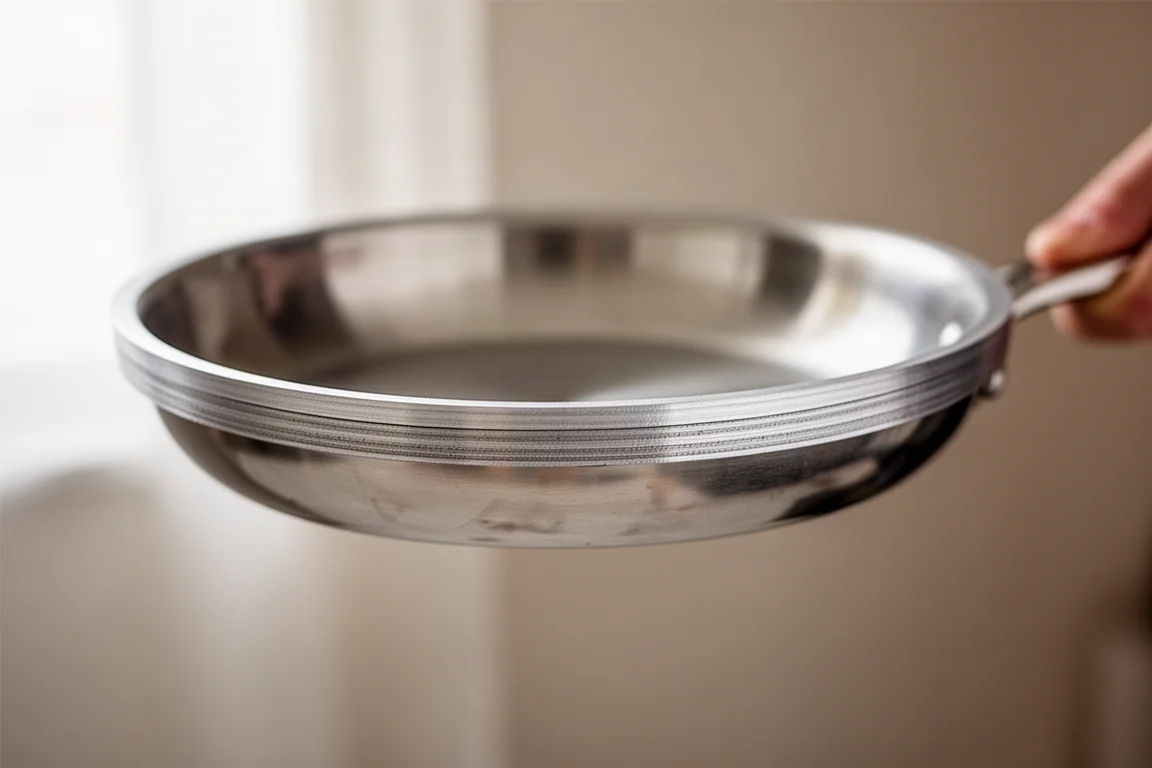
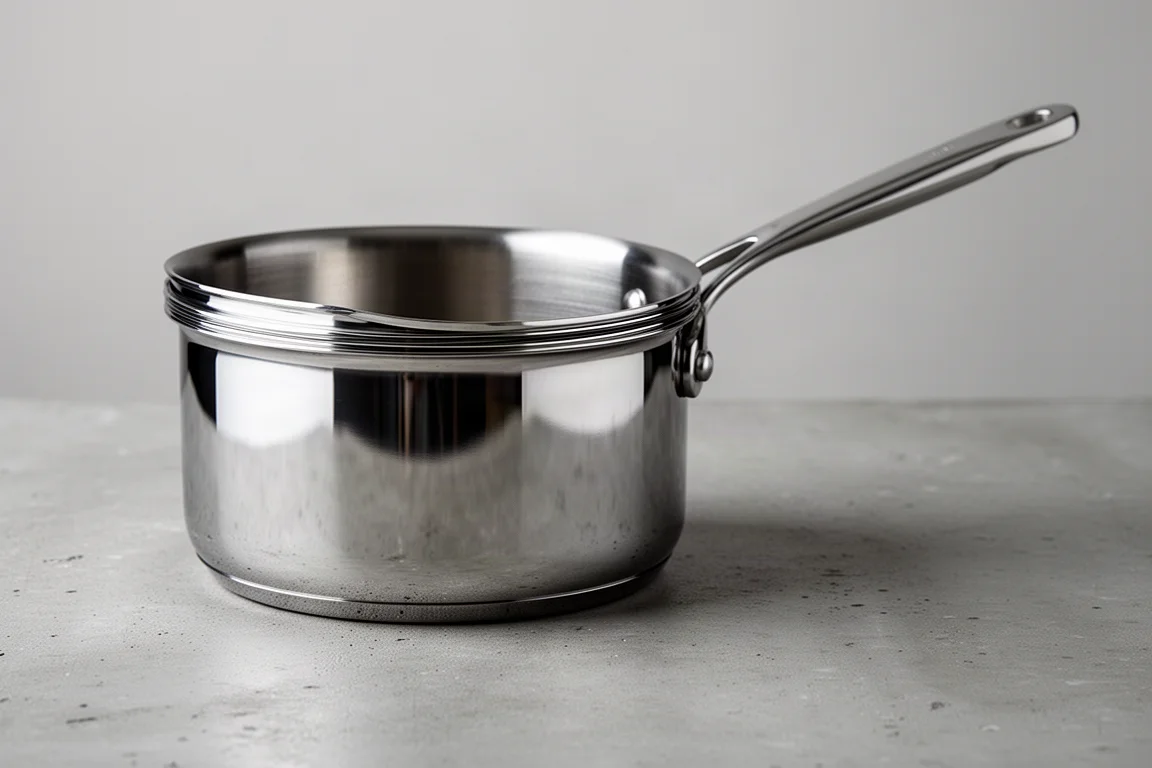
Stainless steel pans are marketed as 3-ply or 5-ply, referring to the number of bonded metal layers. Some brands emphasize having more plies, implying that 5-ply pans are superior. In most cases, though, the core construction is actually the same. Standard 3-ply cookware has two outer stainless steel layers around an aluminum core, and that core is technically made up of three sheets: a thick aluminum alloy sandwiched between two very thin pure aluminum sheets used for bonding. Some brands count those barely visible bonding layers and market the same construction as 5-ply.
All-Clad 3-Ply Cookware
All-Clad advertises its pans as 3-ply. This is the straightforward description: two stainless layers, one aluminum core. It performs similarly to pans with identical materials and thickness sold under a 5-ply label.
Made In 5-Ply Cookware
Made In advertises its pans as 5-ply, which sounds more impressive on a spec sheet. In reality, pans with the same composition and thickness perform similarly regardless of whether the marketing counts the thin bonding sheets as separate layers. The label difference matters less than the actual materials.
Cookware Sets: Fewer Pieces Than You Think
Cookware sets promise savings and convenience, and buying a set can indeed cost less than individual pieces. But most sets include unnecessary sizes, extra lids, and pans you will never use. Some brands even add slow-selling pieces to sets to manage inventory.
The piece counting is another catch. Most people assume a 5-piece set contains five distinct pots and pans, but brands commonly count lids, utensils, and accessories. A typical “5-piece” set is usually just three pans and two lids. Before buying any pre-configured set, inspect the actual pan selection rather than the total item count.
Made in the USA Claims Are Often Partial
Many shoppers prefer American-made cookware, and brands that manufacture domestically highlight it prominently. But in some cases, the cookware is not 100% made in the USA, and the details are buried in website fine print or FAQs.
Heritage Steel Cookware
Heritage Steel forms and assembles its finished products in its Tennessee factory, but the bonded stainless steel sheets are imported from South Korea, and the handles are made in China. The company is not lying about this, but the full picture is easy to miss unless you dig into the details.
Metal Utensil Safe Claims
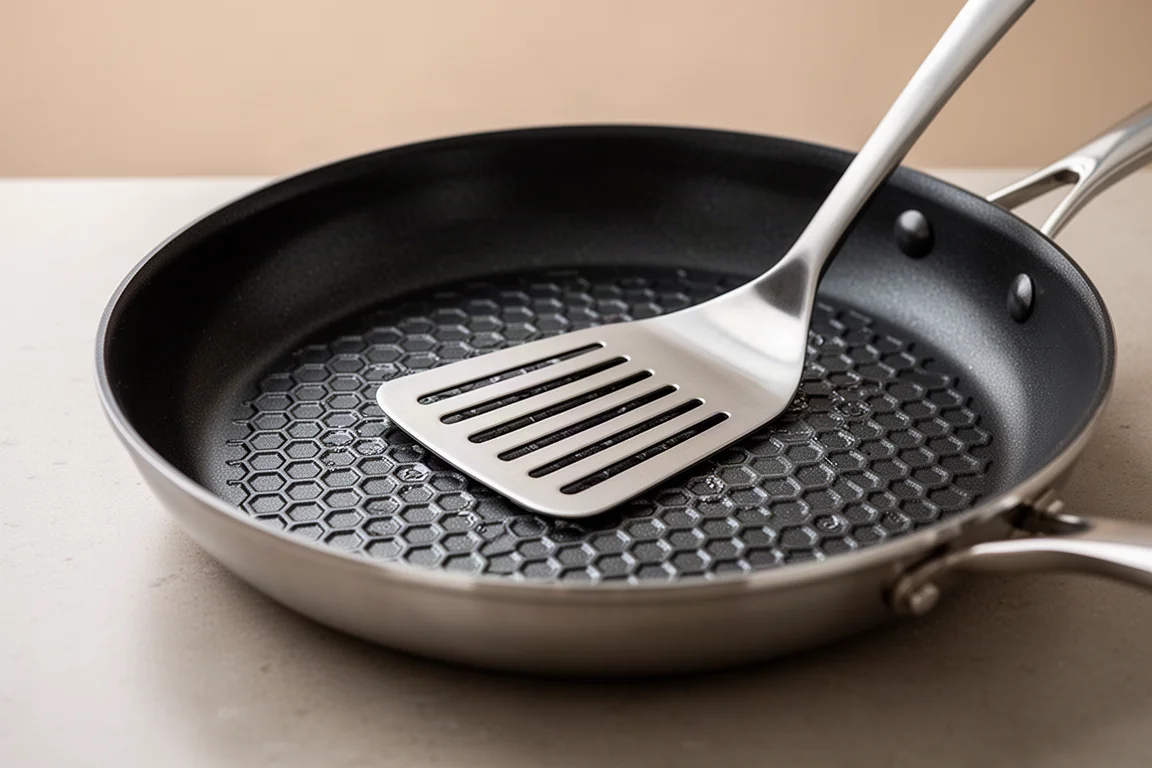
Most nonstick brands advise avoiding metal utensils because they can scratch and ruin the coating, which is wise advice. Some brands differentiate themselves by calling their cookware metal utensil safe. The reality is that no nonstick coating is immune to scratches, and using metal spatulas, forks, and spoons increases the risk of damage. Even pans with raised steel surfaces designed to keep utensils from touching the coating can get scratched.
Ninja NeverStick
Ninja markets the NeverStick line as metal utensil safe. The coating may hold up better than some alternatives, but the same rule applies: metal contact increases scratch risk, and careful use with silicone or wood utensils is still the safest path to a long coating life.

Calphalon Signature
Calphalon advertises its Signature pans as metal utensil safe, yet after a customer complained about the coating scratching, a Calphalon customer service representative advised them not to use metal utensils. That contradiction is worth noting before you treat the claim as a license to skip softer utensils.
HexClad
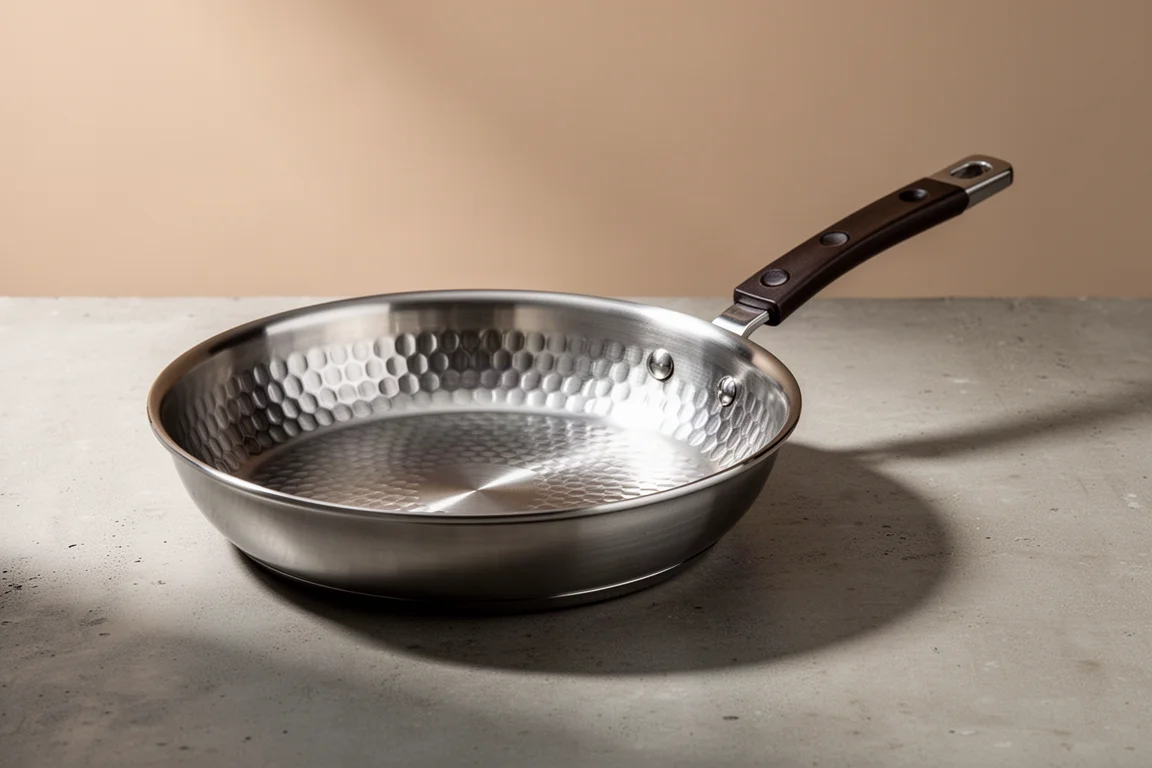
HexClad uses raised steel on its surface to prevent utensils from touching the nonstick coating directly. It is a clever design, but even this hybrid surface can get scratched. The texture offers some protection, not immunity.
Dishwasher Safe Claims Deserve Skepticism
Many companies claim their pots and pans are dishwasher safe, and for the most part you can get away with it. But if you want cookware to last, the dishwasher is best avoided: detergent, high heat, high water pressure, and contact with other items can damage nonstick coatings. Stainless steel cookware is not immune either. All-Clad recently settled a class action lawsuit alleging it advertised cookware as dishwasher safe while dishwasher cleaning caused one or more bonded layers to become thin and sharp. All-Clad did not admit wrongdoing but agreed to refund or replace damaged pans, and since the settlement it no longer describes its pans as dishwasher safe.
All-in-One Pans: The Ten Functions Claim
The recent trend of all-in-one pans, like the Our Place Always Pan and Ninja PossiblePan, promises to save money and space by doing the job of several pans. You can indeed use many cooking techniques in them, but at their core they are aluminum nonstick pans with tall sides, a spoon or spatula, and a steamer basket. The only real difference from a standard saute pan is that steamer basket, which you can buy separately for under $10.
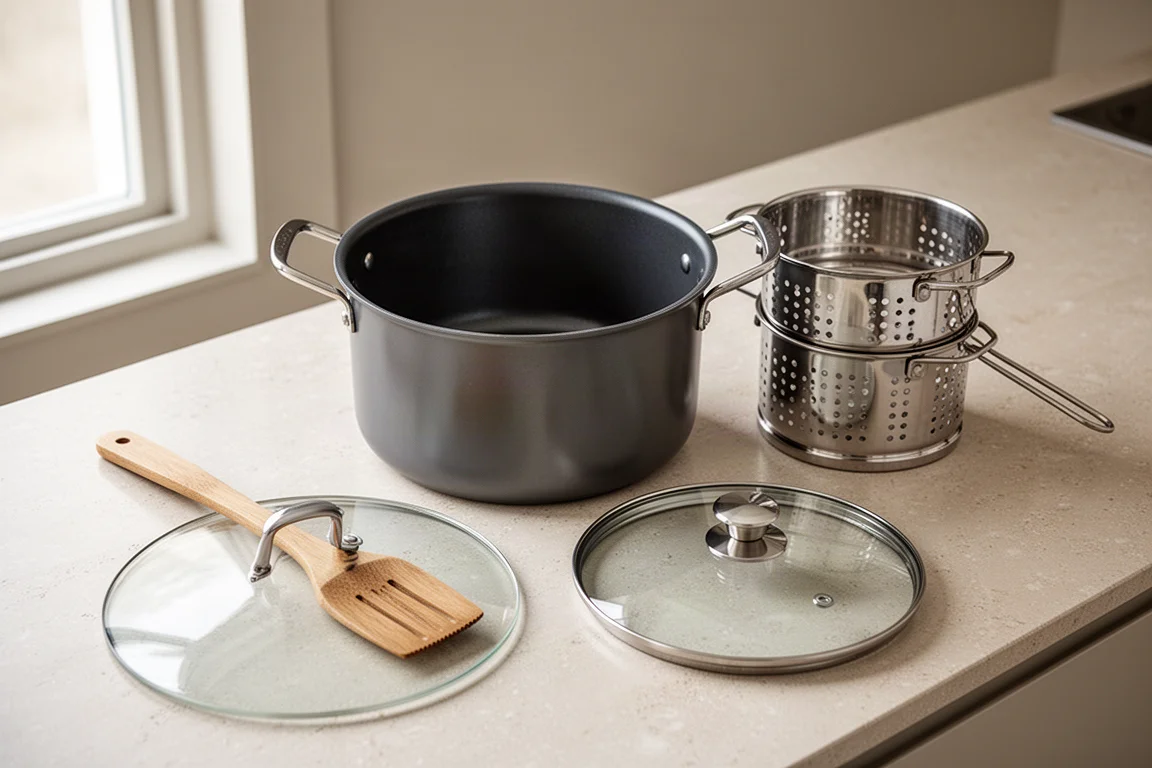
If the Always Pan has ten functions, a standard stainless steel saute pan without the steamer basket has nine. And the Always Pan’s own FAQ says it replaces ten different pans, including a fry pan, saute pan, steamer, roasting dish, baking dish, skillet, saucier, nonstick pan, spatula, and spoon rest. Fry pans and skillets are the same thing, and a nonstick pan usually just means a nonstick fry pan, so there is some double counting involved in reaching that number. These pans tend to be expensive for the value they add, and the marketing language is questionable at best.
Our Place Always Pan
The Our Place Always Pan is the best-known example of the category. It is a functional tall-sided nonstick pan, but the claim that it replaces ten separate pieces relies on generous definitions and some overlap between categories.
Ninja PossiblePan
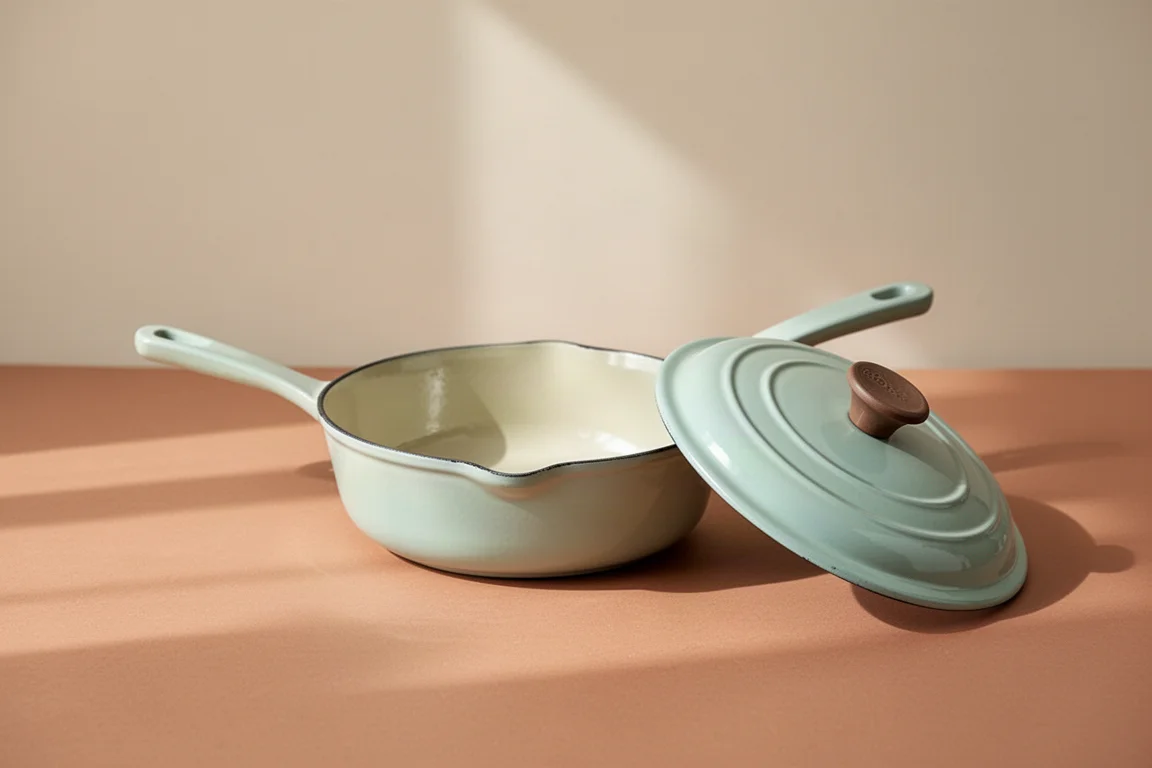
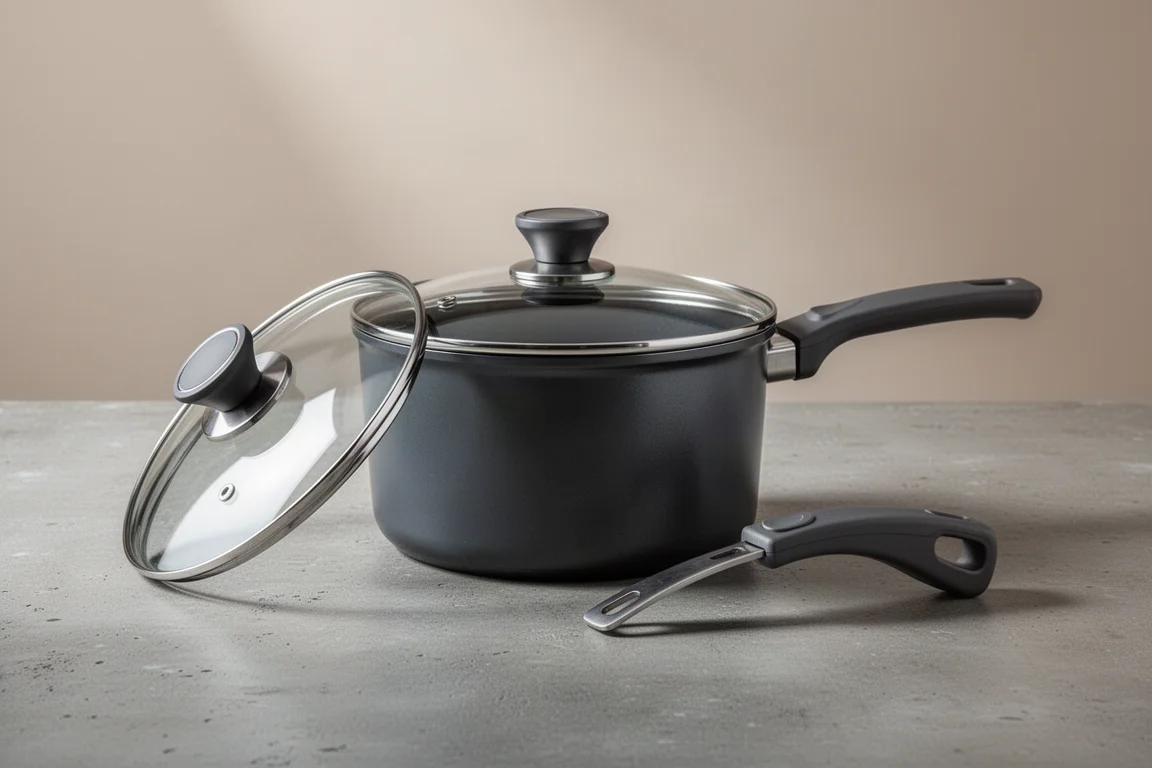
The Ninja PossiblePan follows the same formula: a versatile tall-sided pan with accessories included. It can genuinely handle several cooking techniques, but it does not eliminate the need for a well-rounded cookware collection the way the marketing implies.
Overall Buying Advice
The common thread across all of these claims is that the fine print matters more than the headline. Nonstick longevity depends far more on how you cook, clean, and store your pans than on marketing numbers. Lifetime warranties cover manufacturing defects, not the wear you will actually put on the pan. Ply counts and piece counts are often presented in ways that sound more impressive than the underlying reality.
Practical takeaways: buy only the cookware pieces you will use regularly, treat nonstick gently regardless of what the box says, hand-wash your pans when longevity matters, and be skeptical of any claim that lacks published testing details.
Conclusion
None of these products are necessarily bad purchases. Blue Diamond, Misen, Demeyere, All-Clad, Made In, Heritage Steel, Ninja, Calphalon, HexClad, and Our Place all make cookware people use happily every day. The goal is simply to see through the marketing language and buy based on what a pan actually is: its materials, construction, care requirements, and how well it fits the way you cook. An informed shopper rarely overpays for hype.
Further reading
Related Reviews
Cookware
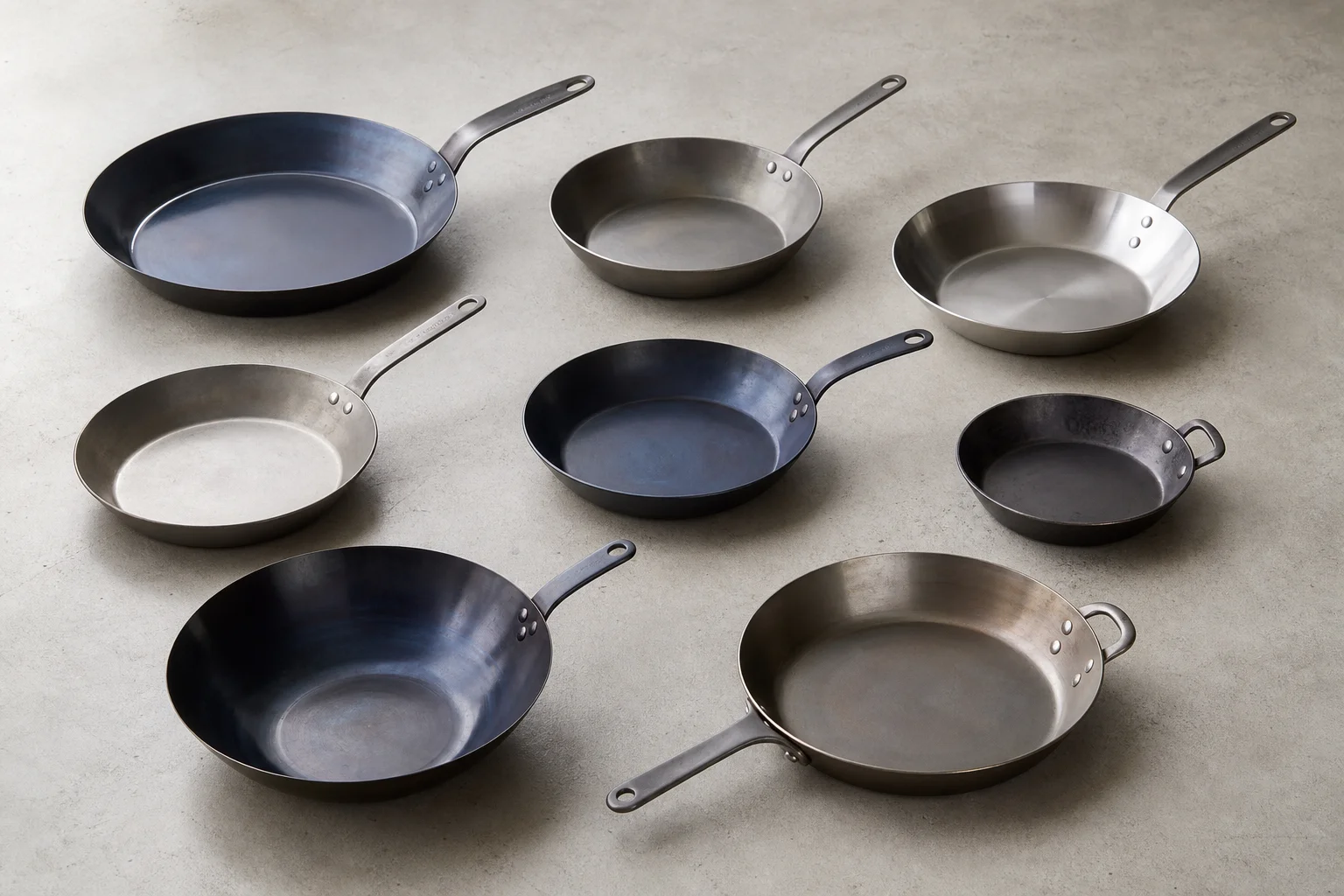
Best Carbon Steel Pans Tested: Which Brands Deliver Real Value
We tested eight popular carbon steel pans with controlled durability, heat, and cooking tests. Here's which ones perform best and which to avoid.
Cookware
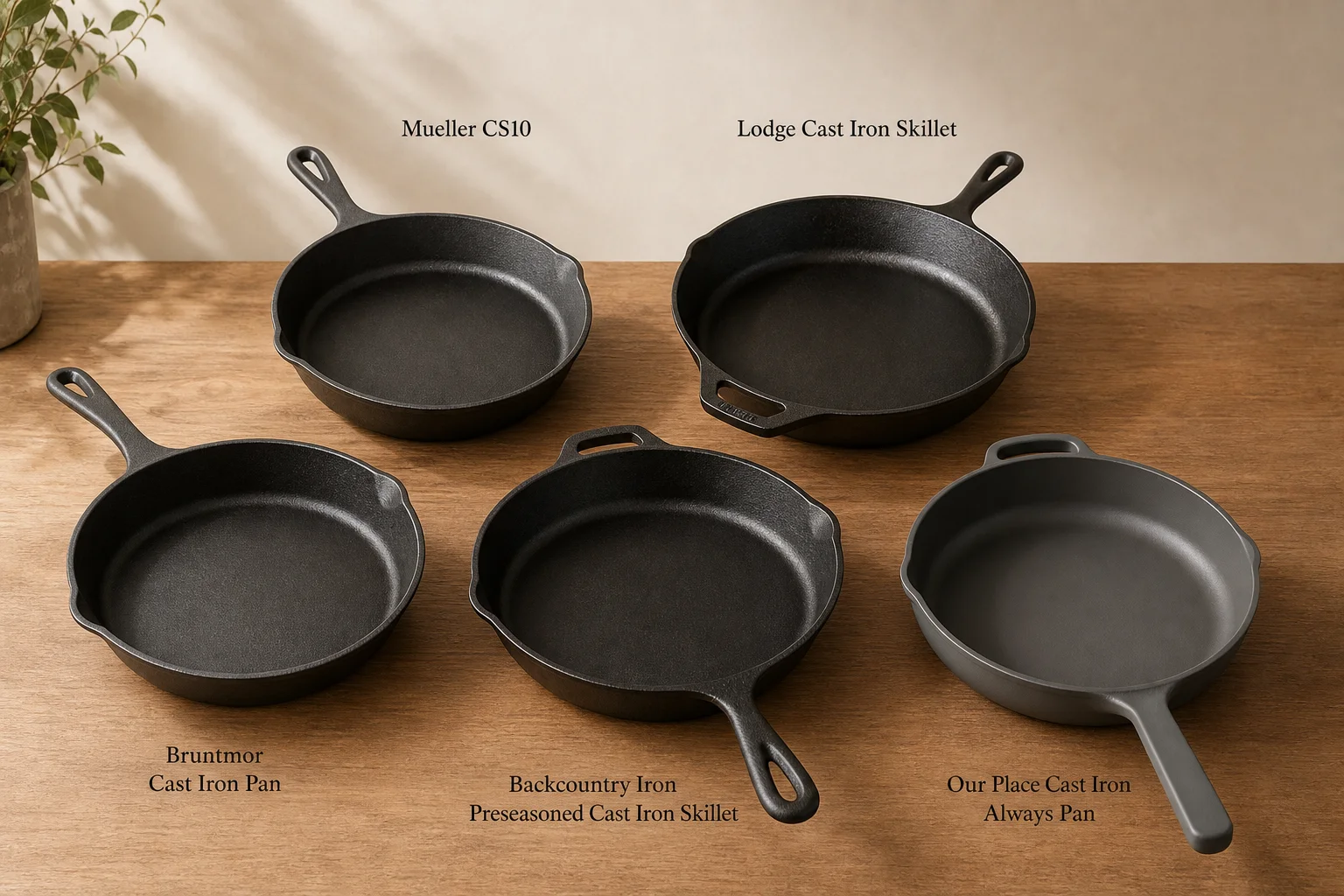
Best Cast Iron Pans 2026: Five Options from Budget to Premium
A practical breakdown of five cast iron skillets, from affordable Mueller to premium Our Place, with clear strengths and trade-offs for different cooking needs.
Cookware
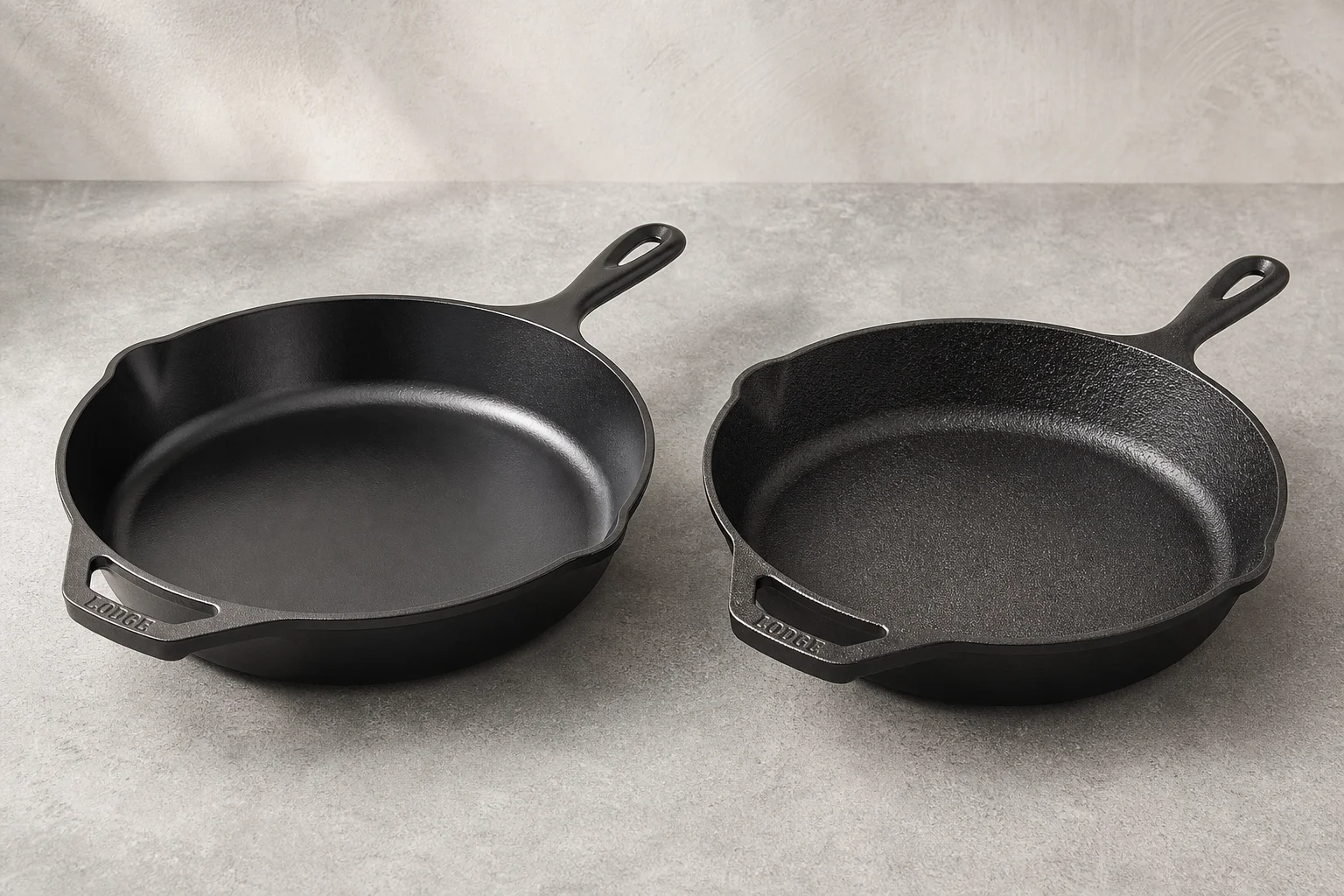
Best 12-Inch Cast Iron Skillets: Premium Craftsmanship vs. Reliable Budget Option
Two standout 12-inch cast iron skillets tested for heat retention, surface finish, and durability. One premium choice and one budget-friendly alternative that both deliver.