Cookware
5 Popular Cookware Brands That May Not Live Up to the Hype
Five widely advertised cookware brands that fall short in hands-on testing, plus affordable alternatives that perform better.
Introduction
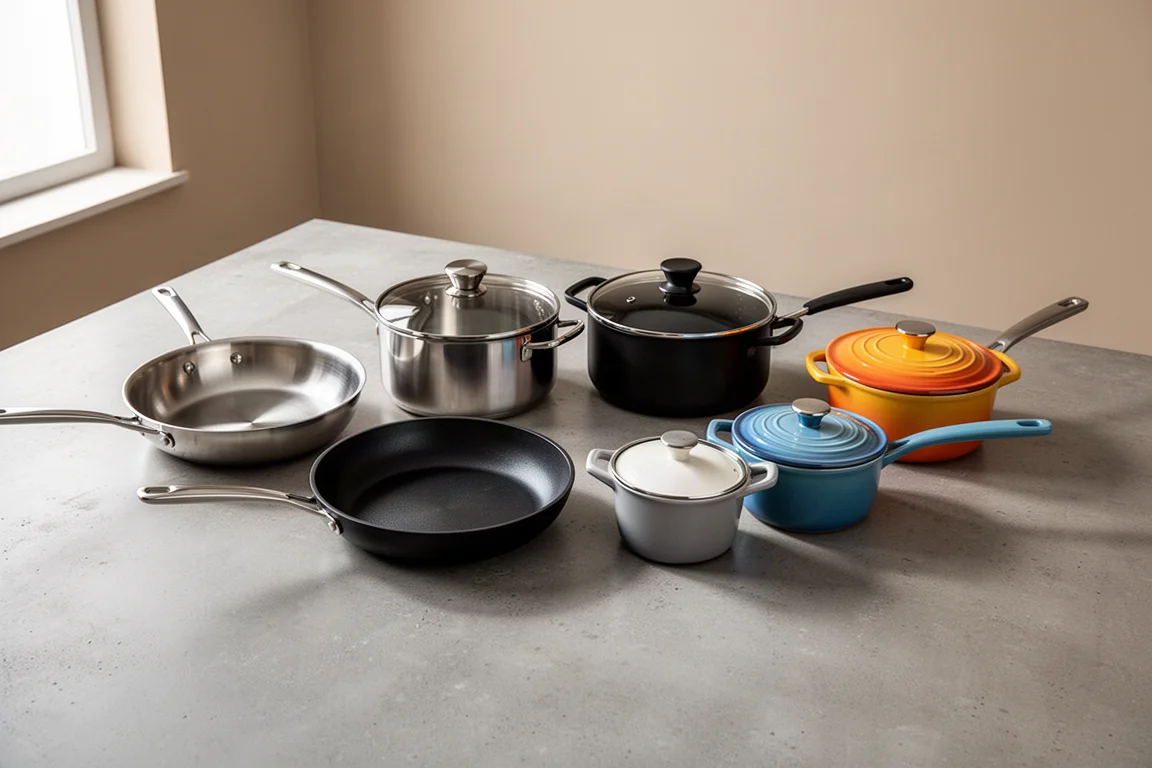
Popular does not always mean good. Several cookware brands with huge advertising budgets and social media presence simply do not hold up in hands-on testing. After extensive use across heat retention, non-stick durability, and everyday cooking, five brands in particular fell short of their marketing claims.
This guide walks through each one, what specifically disappointed, and which affordable alternatives deliver noticeably better performance for a similar or slightly higher price.
Our Place Always Pan
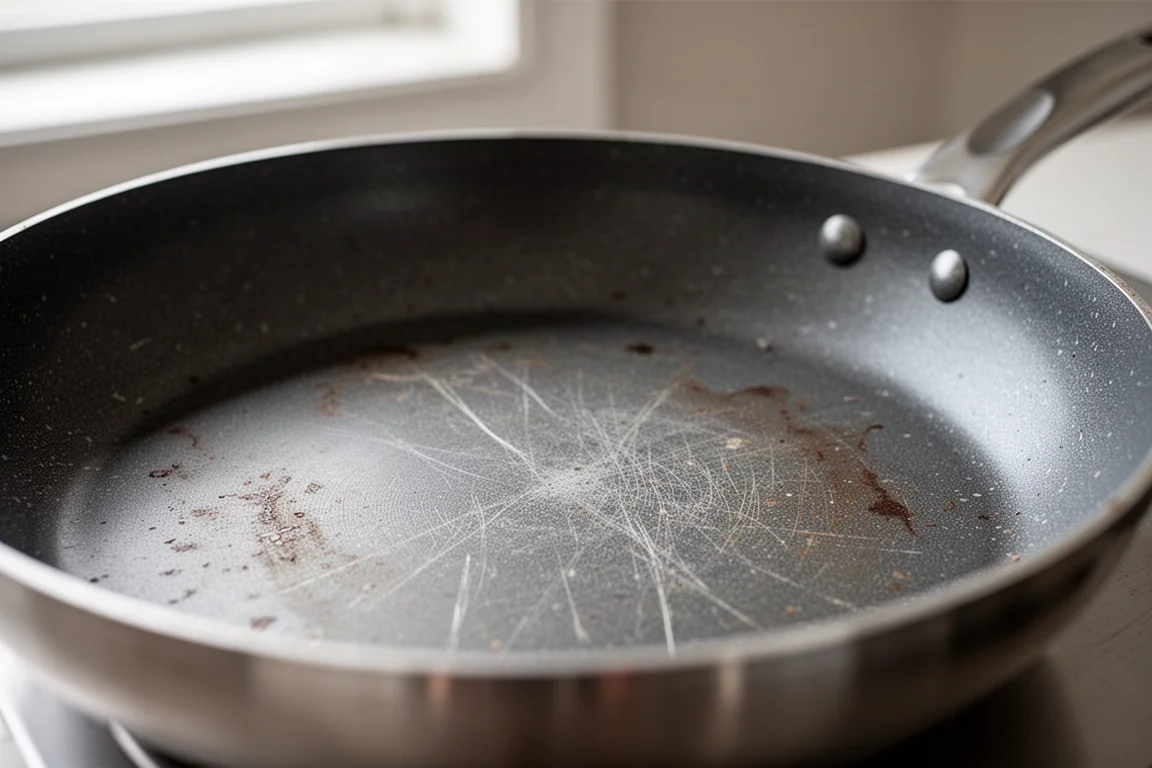
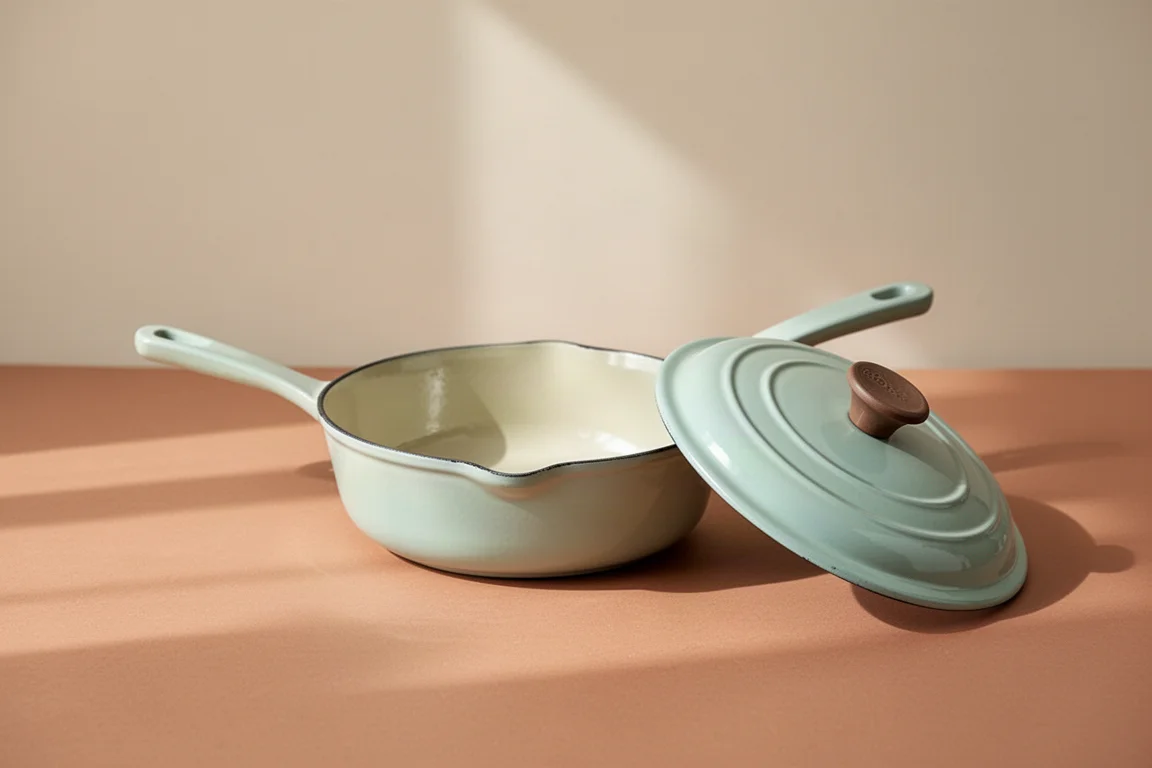
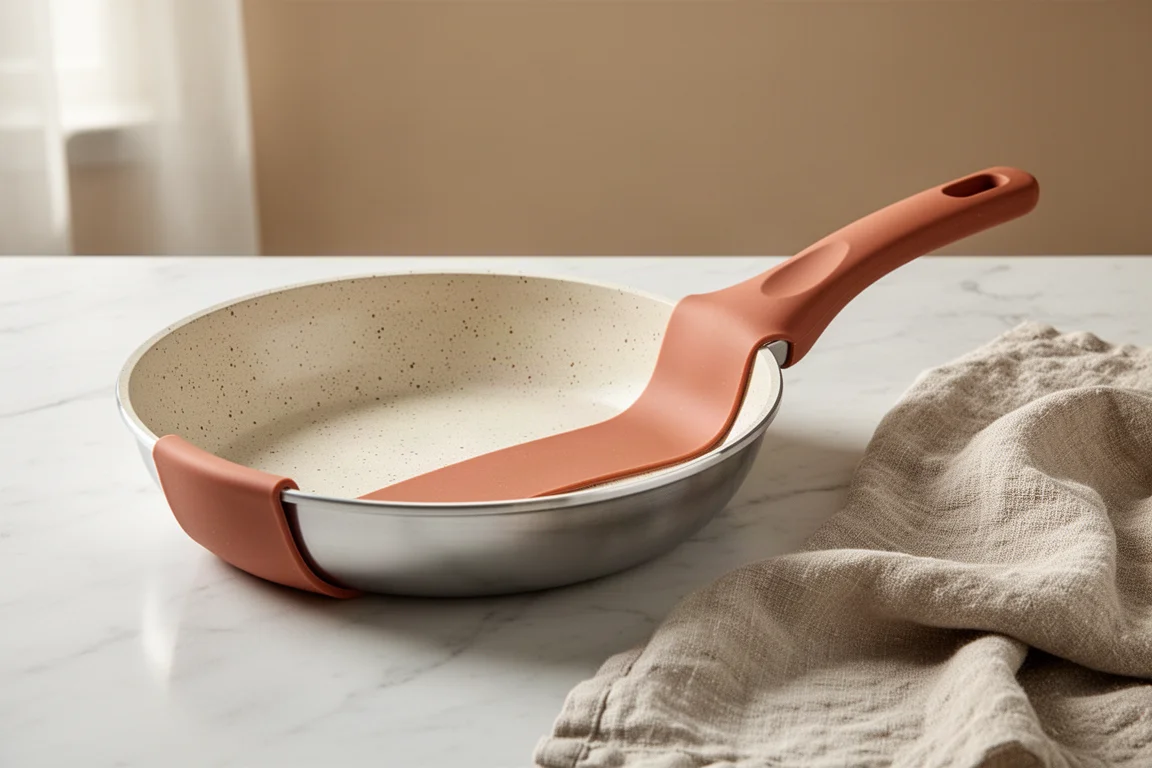
The Always Pan is one of the most recognizable pieces of cookware on the market, marketed as a 10-in-one all-purpose pan. In practice, it is an aluminum non-stick pan with tall sides, a wooden spoon, and a steamer basket. Early testing went well: eggs slid around freely and nothing stuck. But the ceramic coating wore down surprisingly quickly, and progressively more oil and butter became necessary to prevent food from sticking.
There are practical limitations too. The 10.5-inch pan holds just 2.6 quarts, which works for one or two people but not a family of three or more. The steamer basket’s short metal legs leave little room for water: too much and you boil instead of steam, too little and it burns off before the food cooks through. It is not broiler-safe, and low to medium heat is required to preserve the coating. At around $150, that is a steep price for a pan you will eventually need to replace. A quality stainless steel saute pan at a similar price offers more capacity, broiler safety, and far greater longevity.
Farberware Classic Series Stainless Steel
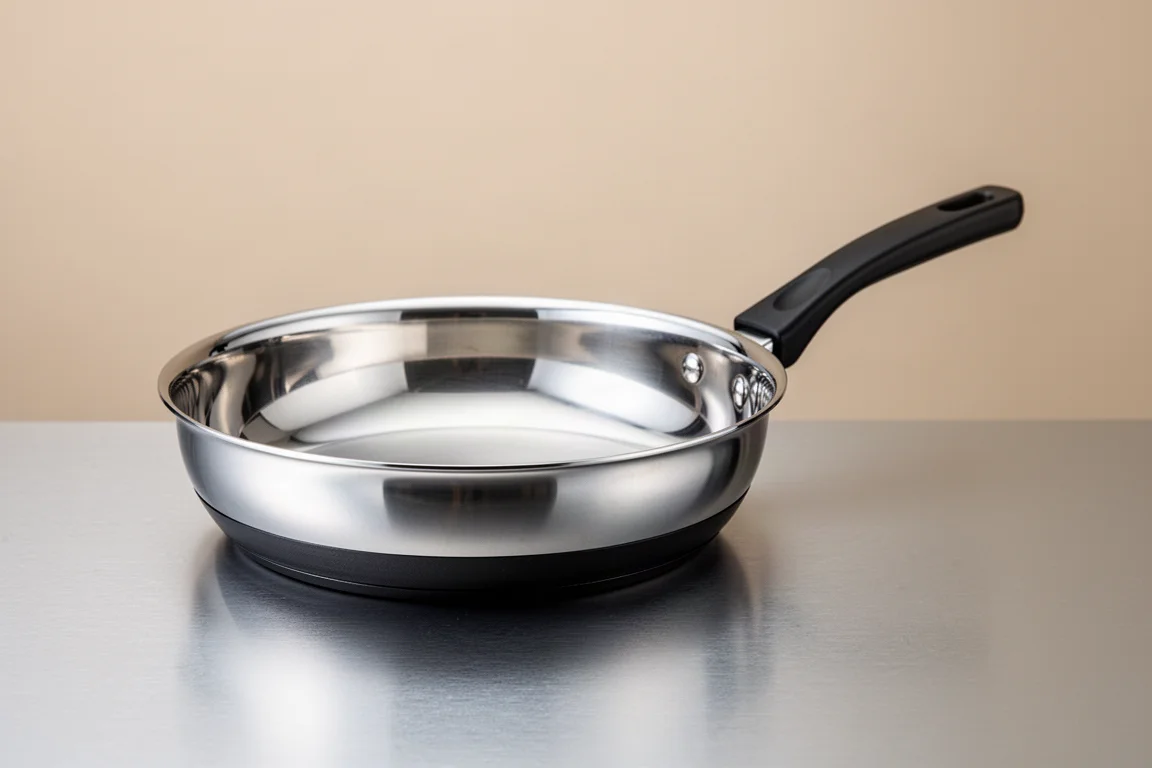
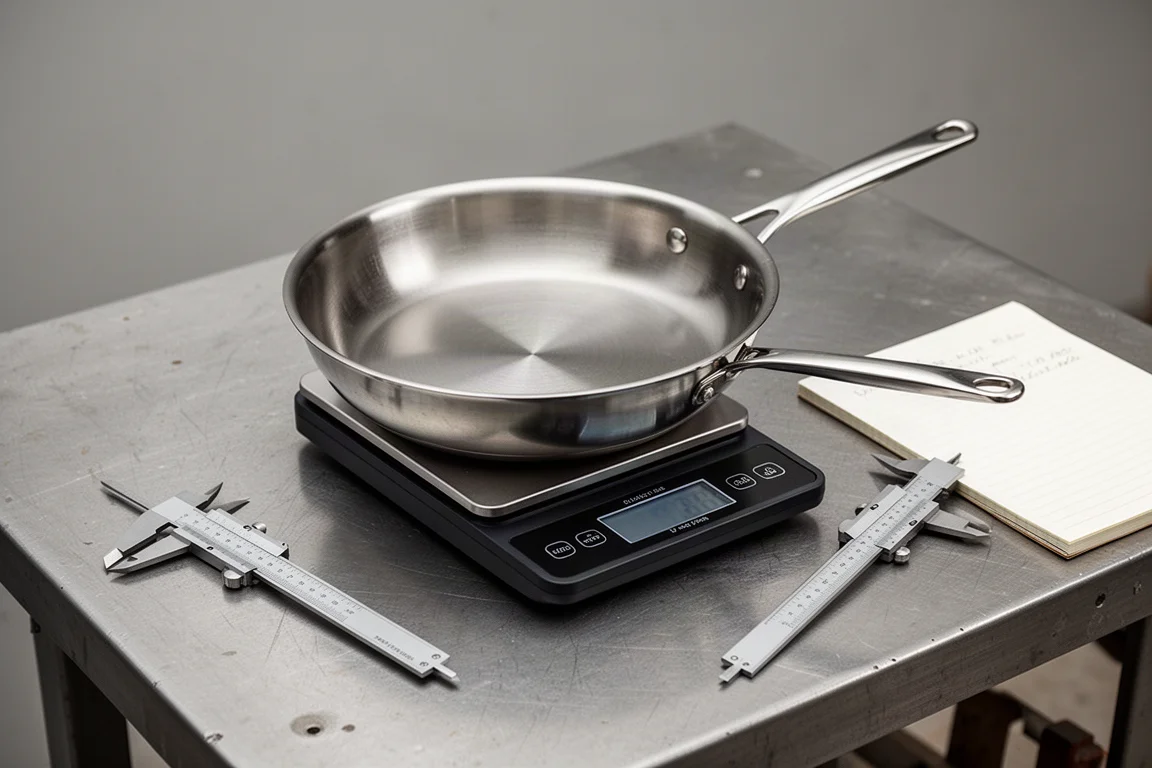
Farberware has been around for over a hundred years, and some of its non-stick cookware is fine. The Classic Series stainless steel line, however, is a different story. The main selling point is affordability, but the thin, lightweight construction makes controlling heat a real challenge. Temperature fluctuates significantly as ingredients are added and removed, which makes consistent results difficult. It ranked among the worst performers in heat retention testing.
The sides of the pan also heat at a different rate than the bottom. Because these pans use a cladded base with thin steel sides, the whole pan does not heat evenly. That matters less for foods cooked mostly on the flat surface, like chicken or steak, but it hurts sautes, stir-fries, and anything touching the walls. The six-inch plastic handles force your hand closer to the heat and limit oven safety to 350 degrees Fahrenheit, while most stainless steel cookware handles at least 500. If you want affordable stainless steel, Misen and Tramontina Tri-Ply cost a bit more but perform much better.
Blue Diamond Pan
The Blue Diamond Pan’s commercials claim millions of tiny diamonds infused into a ceramic coating that is five times harder, lasts ten times longer, and transfers heat four times faster than the competition. There is nothing in the fine print to substantiate those claims: no linked test results, no reports. The fine print also states that diamonds are four times more heat conductive than copper, which is technically true but irrelevant, since this is an aluminum pan with a ceramic coating and diamond dust sprinkled in, not a pan made of diamonds.
Performance is nothing special. Like most ceramic-coated non-stick pans, it heats fast and evenly and releases food well at first, but over time the coating wears down and eggs and other delicate foods begin to stick. The hollow handle is open on the end, allowing grease from neighboring burners to splatter inside, which feels cheap and makes cleaning harder. If you want low-cost aluminum non-stick pans, Zwilling, Misen, and All-Clad Essentials are better options.
Gotham Steel 12-Inch Fry Pan
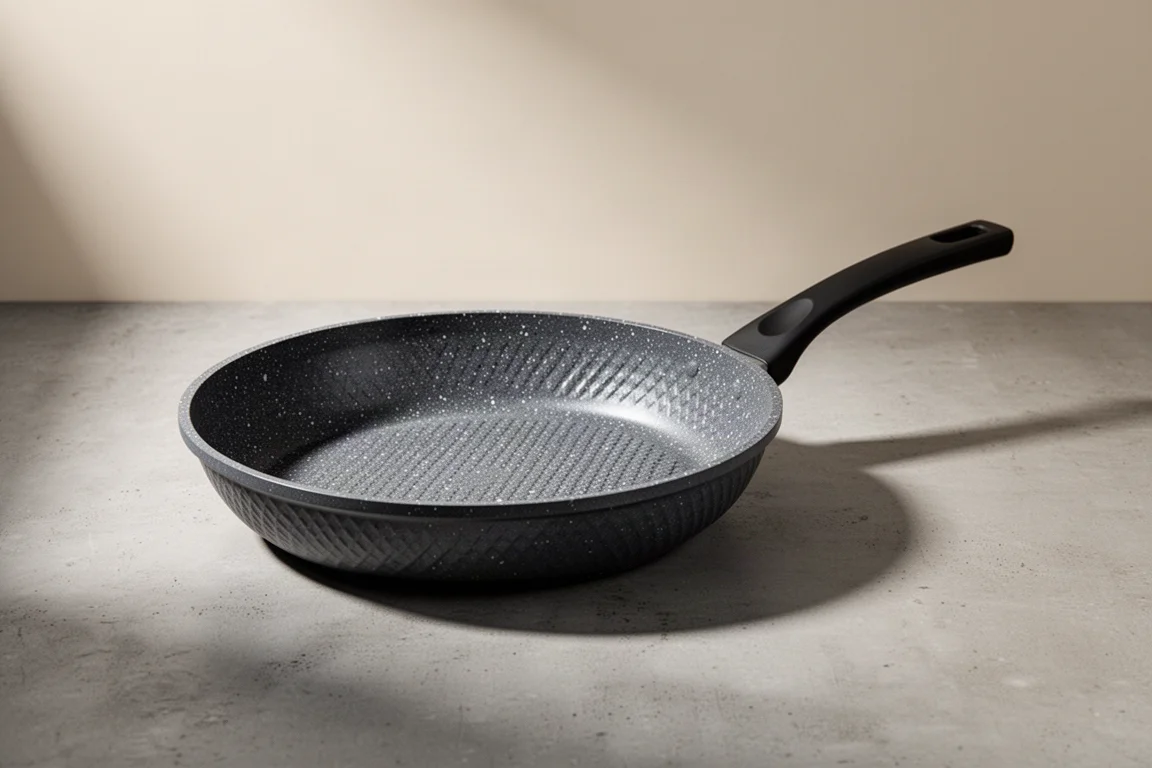
Gotham Steel leans on the same as-seen-on-TV playbook, with early commercials promising that everything slides right off, like cooking on air. Testing the 12-inch fry pan from the original collection, the first thing that stood out was how lightweight it felt. The walls are thin and the pan lacks the heft of thicker, more expensive cookware.
Lightweight pans are easier to maneuver, but this one is so responsive to heat that it is easy to mistakenly burn or overcook food. The thin, flat handles tilt the pan easily, but the grip is uncomfortable and the edges can dig into your hand. It is inexpensive, so the risk of trying it is low, but the bold claims and disappointing performance do not add up to a worthwhile purchase for most cooks.
Pioneer Woman Ceramic Non-Stick Pans
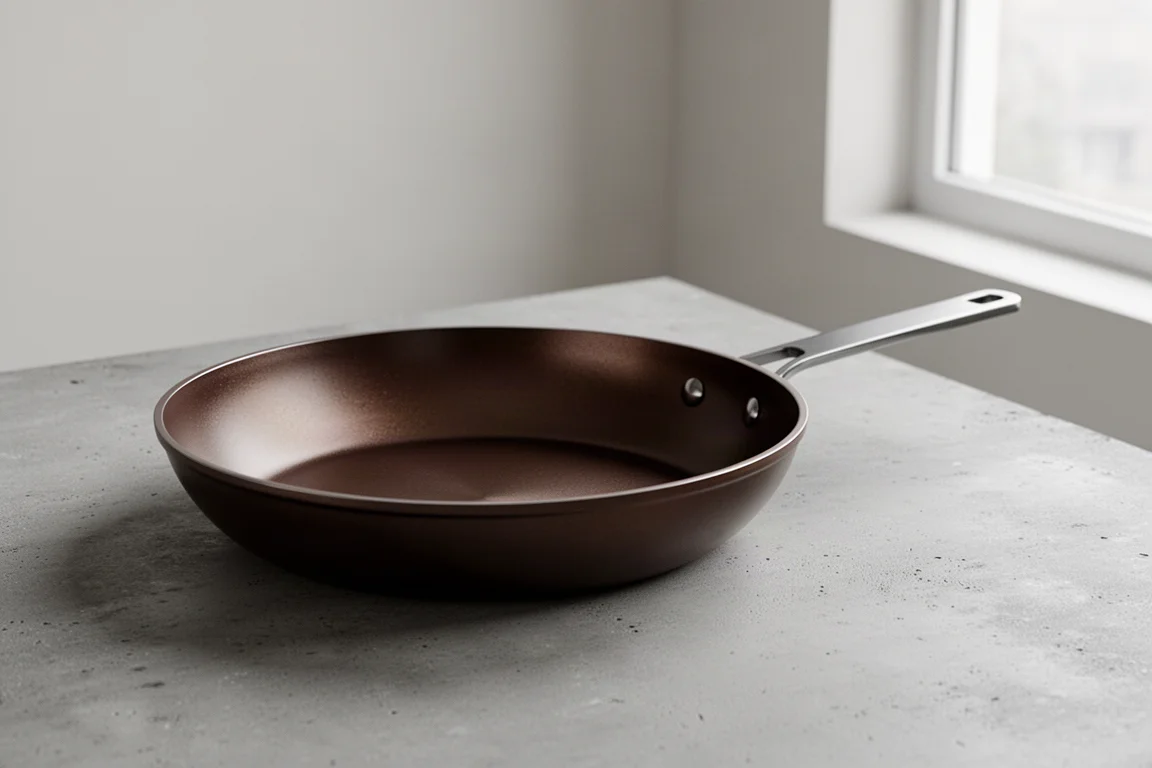
Ree Drummond, better known as The Pioneer Woman, has a cooking show on Food Network, an award-winning blog, and several cookbooks. Her ceramic non-stick pans, however, follow the same pattern as Blue Diamond and Gotham Steel: a thin aluminum body with a ceramic non-stick coating that becomes less non-stick the longer it is used.
The silicone-wrapped handles are secure and comfortable, but they limit oven-safe temperatures to 350 degrees Fahrenheit. Because of the thin walls, heat retention is poor; only one brand out of 25 tested performed worse. Fans of the show who want low-cost, colorful cookware may still be happy with it, but anyone seeking high-performing, long-lasting pans that hold heat well should look elsewhere.
Better Alternatives Worth Considering
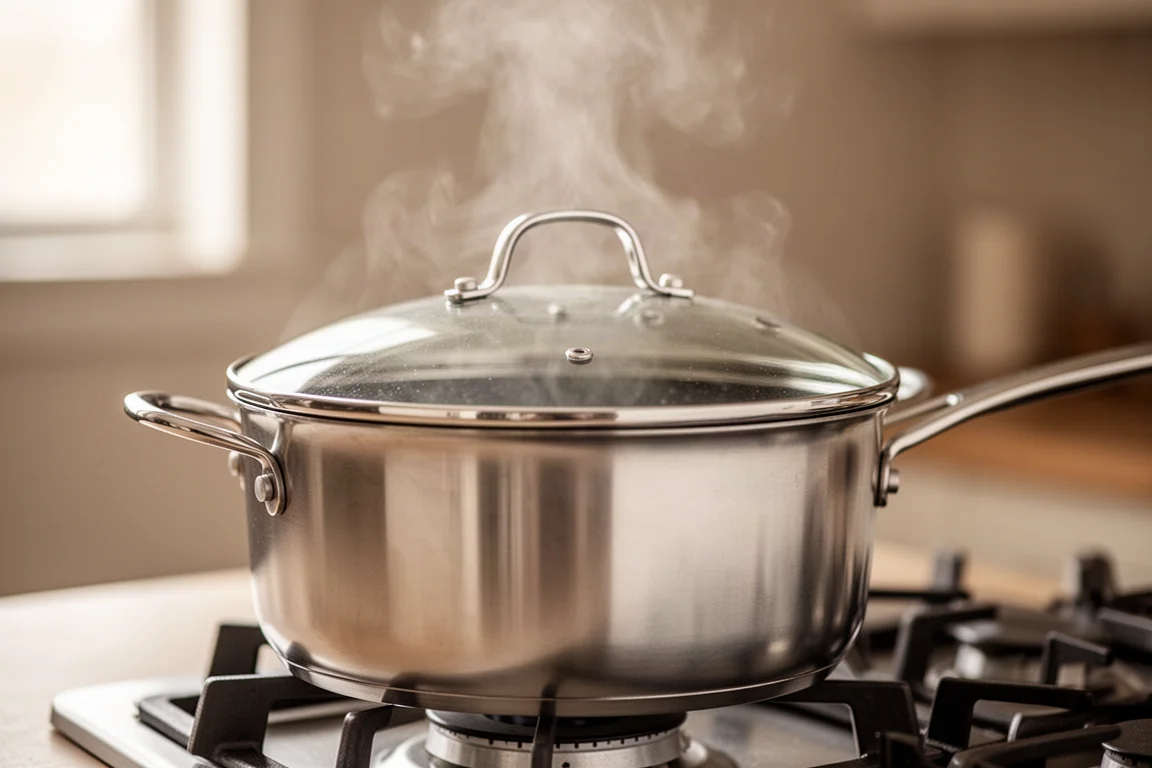
If any of the pans above are on your wishlist, there are stronger options at comparable prices. The Made In 3.5-quart stainless steel saute pan costs roughly the same as the Always Pan but offers more capacity, broiler safety, and durability that lasts for years. For affordable stainless steel, Misen and Tramontina Tri-Ply outperform Farberware’s Classic Series by a wide margin. And for budget aluminum non-stick, Zwilling, Misen, and All-Clad Essentials are all more reliable choices than Blue Diamond or Gotham Steel.
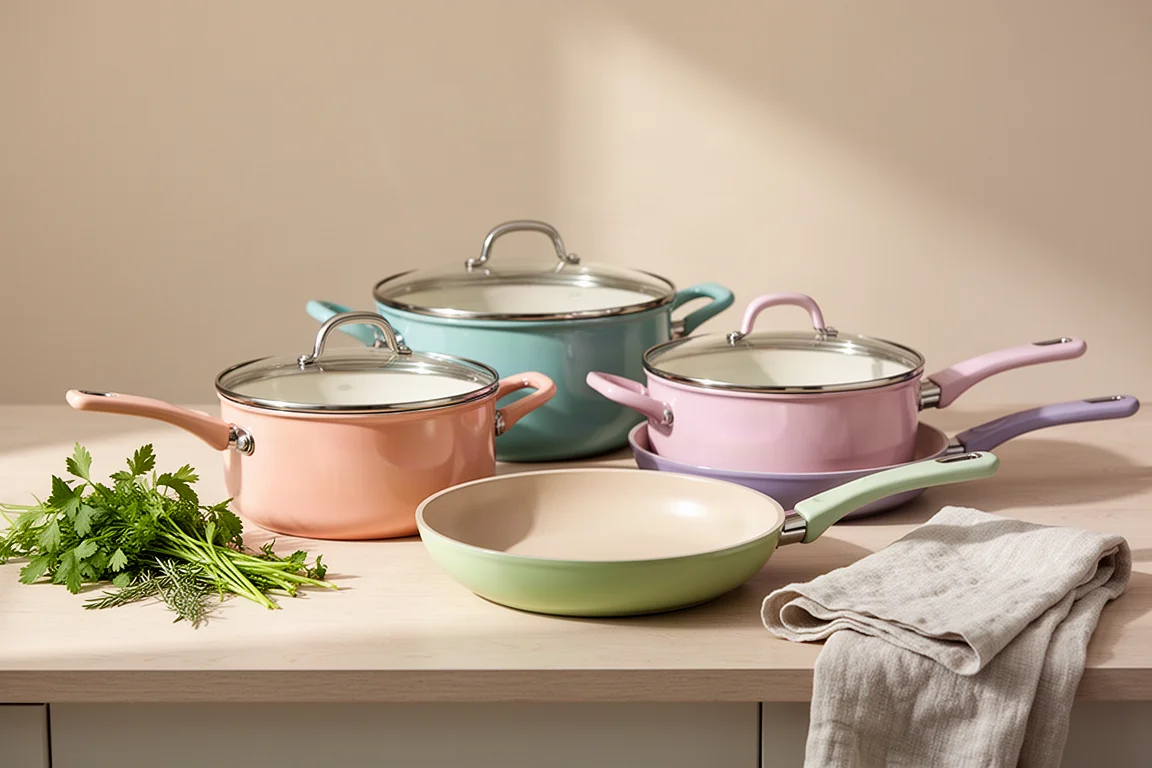
The common thread across all of these alternatives is straightforward construction: thicker walls, better heat distribution, and coatings or stainless surfaces that hold up over time rather than degrading within months.
Conclusion
None of these five brands are dangerous buys, but each one asks you to accept real trade-offs: coatings that wear quickly, uneven or jittery heating, low oven limits, and marketing claims that do not survive scrutiny. Spending slightly more on well-constructed stainless steel or reputable non-stick cookware almost always pays off in performance and longevity. Match the pan to how you actually cook, and prioritize build quality over advertising.
Further reading
Related Reviews
Cookware
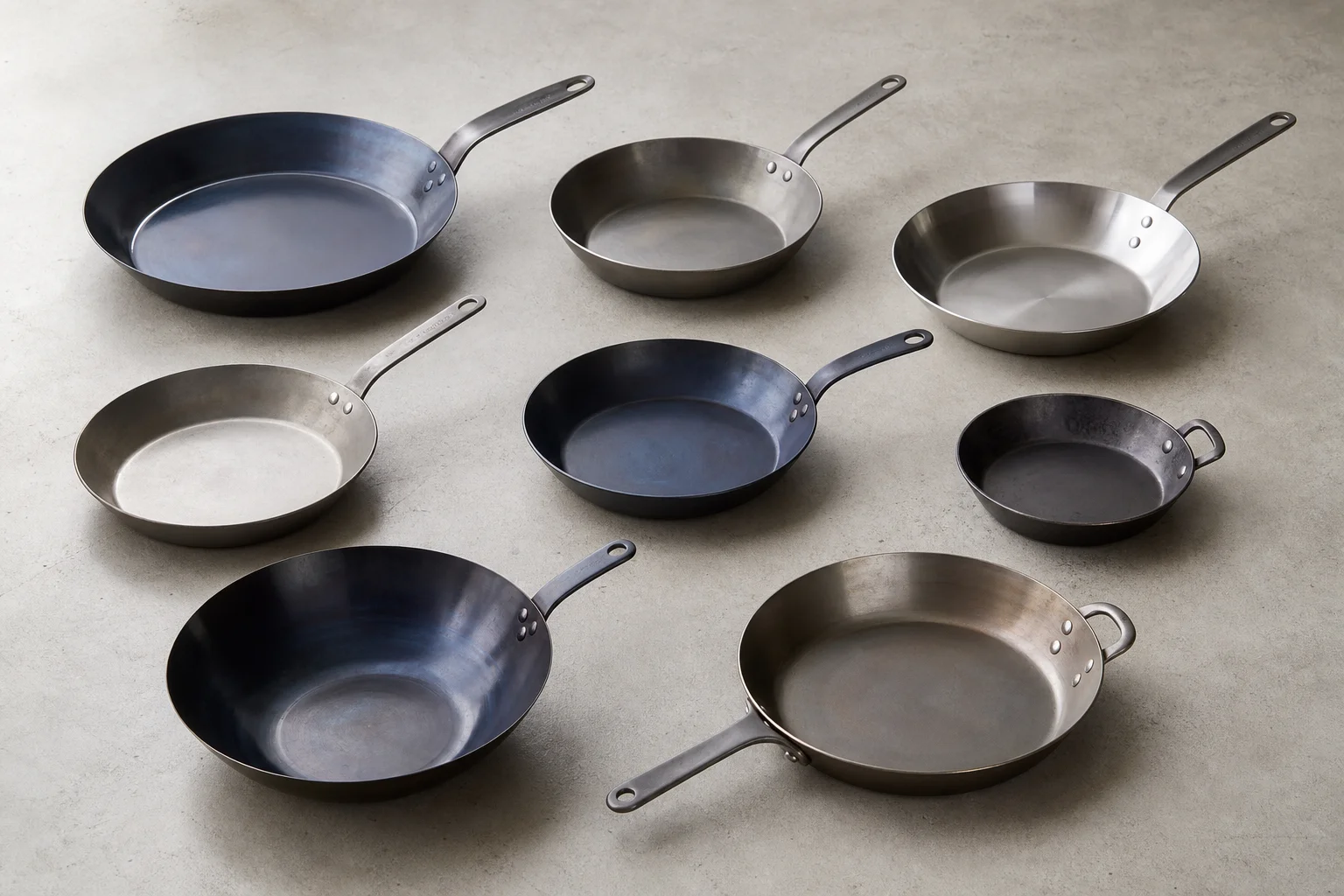
Best Carbon Steel Pans Tested: Which Brands Deliver Real Value
We tested eight popular carbon steel pans with controlled durability, heat, and cooking tests. Here's which ones perform best and which to avoid.
Cookware
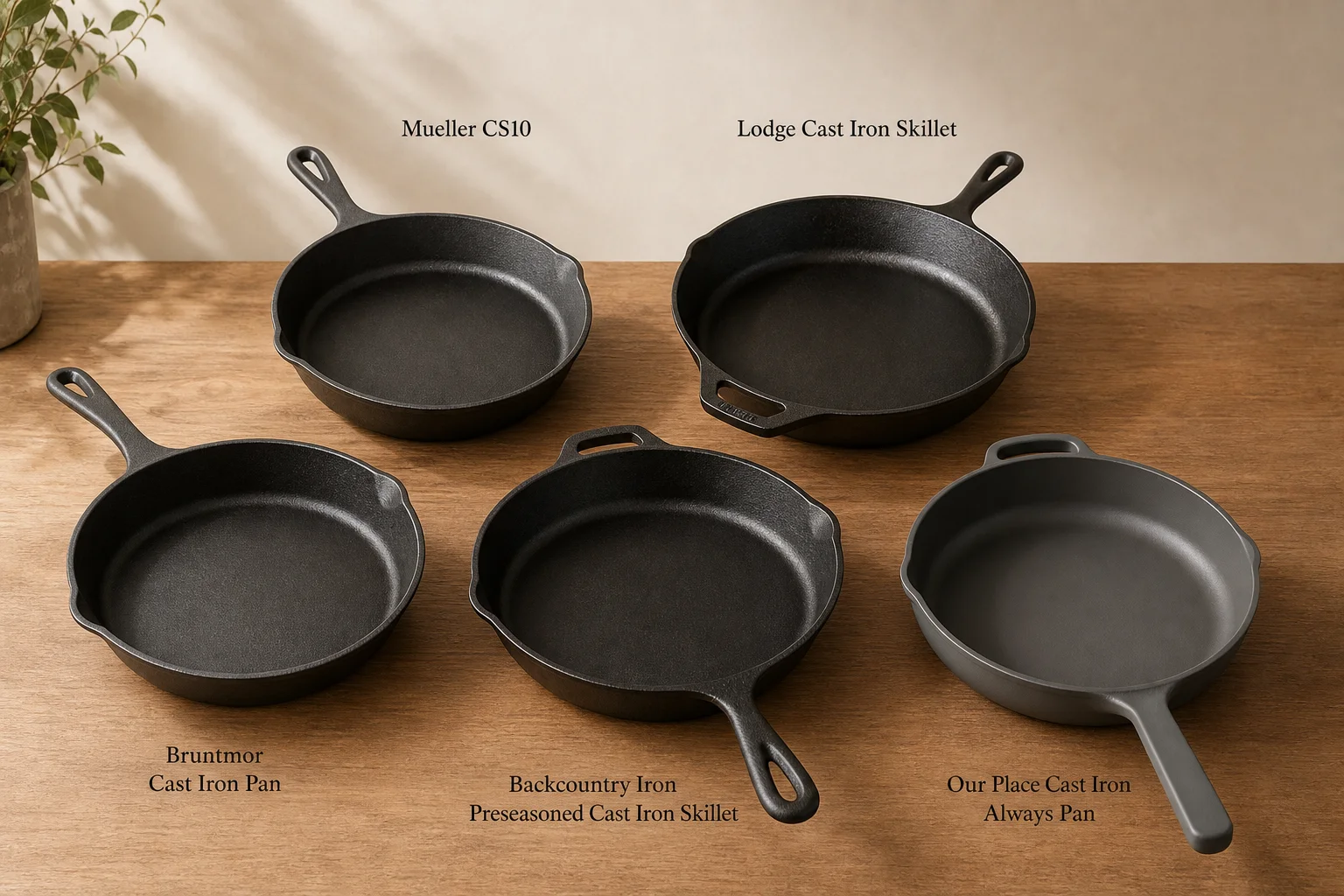
Best Cast Iron Pans 2026: Five Options from Budget to Premium
A practical breakdown of five cast iron skillets, from affordable Mueller to premium Our Place, with clear strengths and trade-offs for different cooking needs.
Cookware
Best 12-Inch Cast Iron Skillets: Premium Craftsmanship vs. Reliable Budget Option
Two standout 12-inch cast iron skillets tested for heat retention, surface finish, and durability. One premium choice and one budget-friendly alternative that both deliver.