Fountain Pens
Conklin Mark Twain Crescent Filler Super Black Review: A Pen That Absorbs Light
A solid brass crescent filler coated in an ultra-matte black finish that absorbs over 99% of visible light, paired with Conklin's Omniflex nib.
Introduction
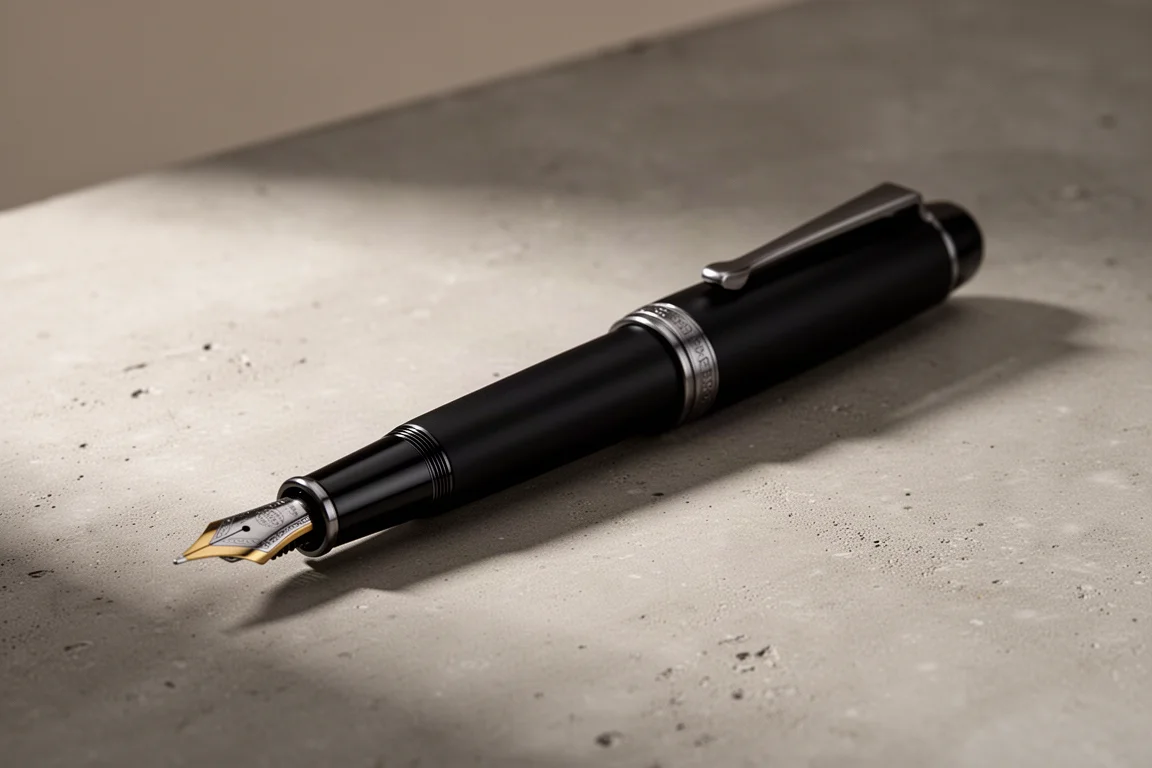
Ultra-matte black objects have a strange pull on people. The idea of a pen finished in one of the blackest blacks available is something that has fascinated pen enthusiasts for a while, largely because true light-absorbing pigments do not play nicely with the resins used to make fountain pens, and as an external coating they chip easily. Conklin has taken a different route with the Mark Twain Crescent Filler Super Black, and the result is genuinely interesting.
This is a limited edition of 1,898 units, a nod to the year Conklin was founded, and it sits slightly above the standard Mark Twain Crescent Filler in price. Here is what it is like to use, and whether the special finish justifies the premium.
Design and the Super Black Coating
The pen arrives in a dark outer sleeve, keeping with the theme, and inside there is the traditional Conklin box with warranty and model information. The body is made from solid brass, and the surface is treated and then coated in the super black material. Conklin claims the coating absorbs over 99% of visible light, and the effect is convincing: the surface reads as a void rather than an object.
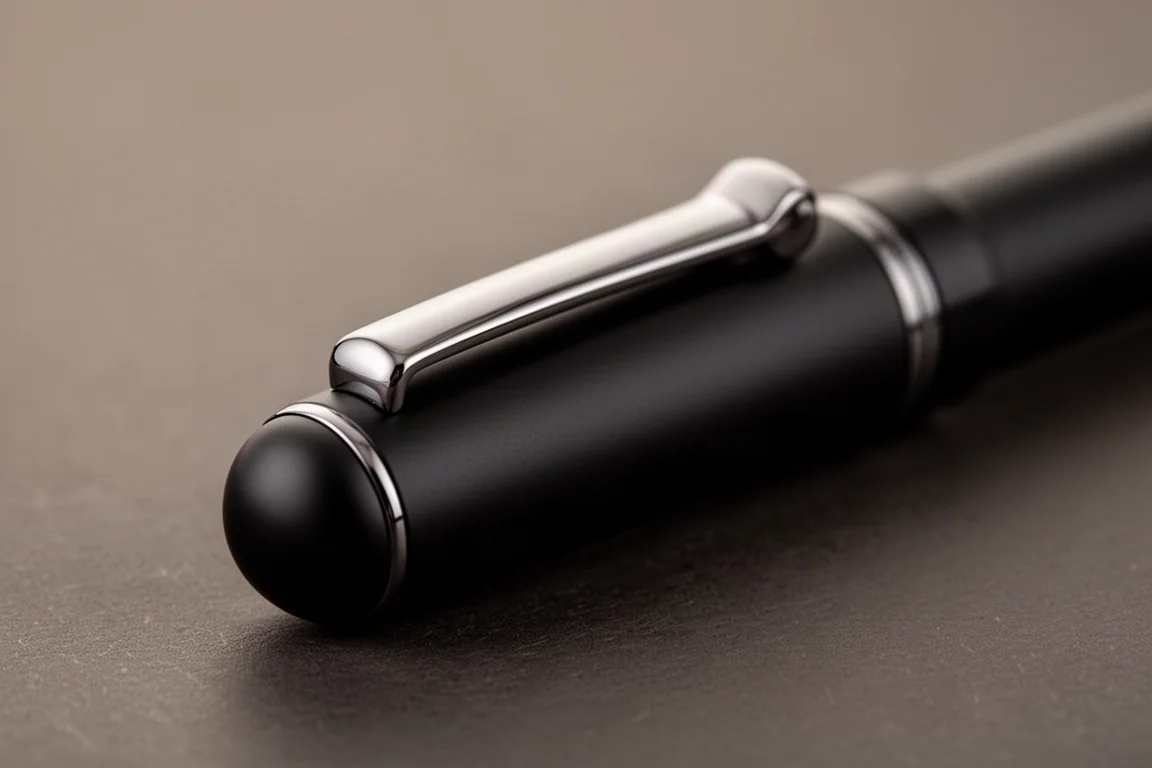
The coating also gives the pen a rubbery feel that is unlike any other pen in a typical collection. Up close, it calls to mind the textured matte finish of the Visconti Homo Sapiens Lava. Durability over long-term wear remains an open question, but the treatment is clearly well executed for what it sets out to do.
Trim is gunmetal plated throughout, including the spring-loaded rocker clip, which is not overly stiff and works fine on thinner materials without pressing the back of the clip. There is another version of this pen with rose gold trim, though on a super black pen, that arguably defeats the purpose.
The cap is straight with a rounded top, and rather than a traditional cap band, the cap end is engraved with the company name on one side and Mark Twain plus the individual edition number on the other.
Size and Balance
The Mark Twain Crescent Filler is a large pen. The barrel tapers at an even angle to a slightly rounded end, and there is a medium step down from cap to barrel. When posted, the cap sits securely but significantly back-weights the pen and throws off the balance. There is also a concern that the metal cap contacting the barrel could damage the exterior coating over time, so this is a pen best used unposted.
The section is metal and deliberately left out of the super black treatment, which was a smart call. The rubbery finish would feel odd where your fingers rest. The section is not slippery, and the threads are not sharp even if your grip lands on them. The crescent is aligned with the nib, sitting straight up in use, which is a small but appreciated detail.
The Crescent Filler Mechanism
This is a crescent filler, one of the oldest self-filling designs around. A black plastic ring rotates around the barrel, and a small slot in that ring lines up with the metal crescent. When the slot is aligned, you can press the crescent down; when you release it, suction draws ink into the rubber sac inside.
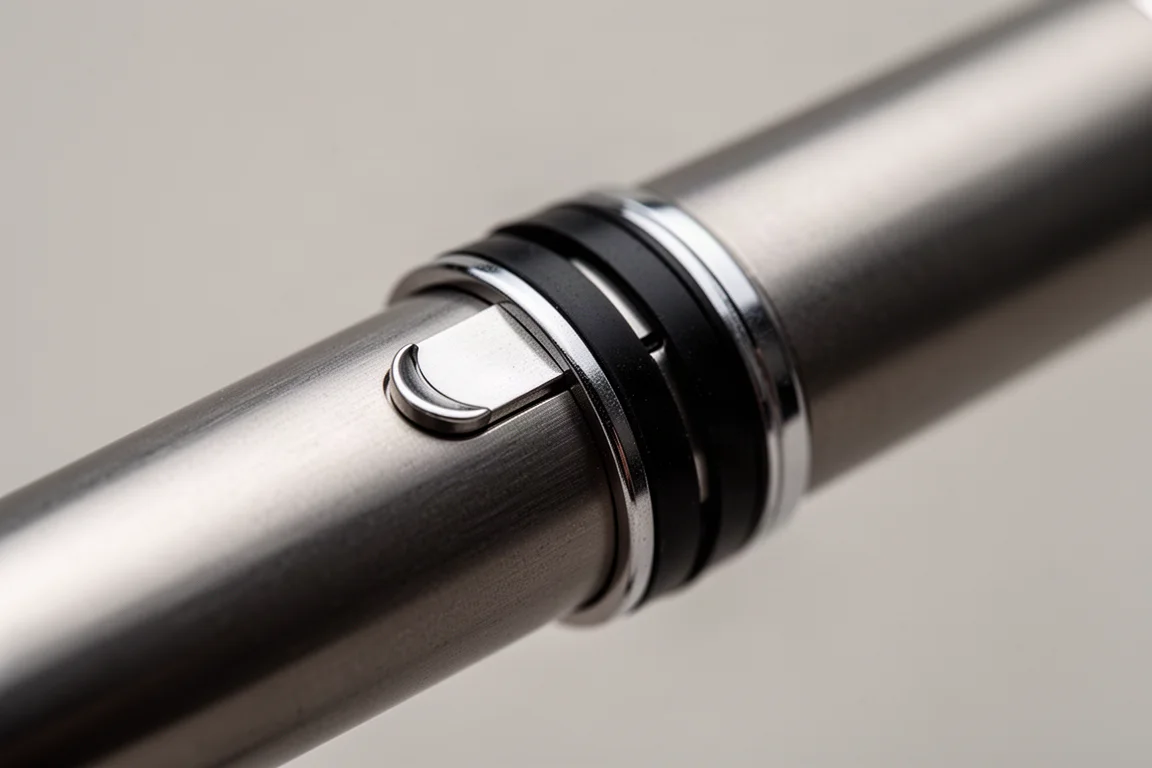
It is a simple, charming mechanism, though it does come with one quirk: there are multiple entry points into the cap threads, so if you want the cap aligned with the crescent when closed, you need to remember the correct entry point when capping the pen. The cap twists off with one and a quarter rotations.
Nib and Writing Performance
Under the cap sits a stainless steel number six nib. This pen comes equipped with Conklin’s Omniflex nib, and it is also available in extra fine, fine, medium, broad, and a 1.1 stub. The Omniflex has historically been a mixed bag, but this particular example writes very pleasantly.
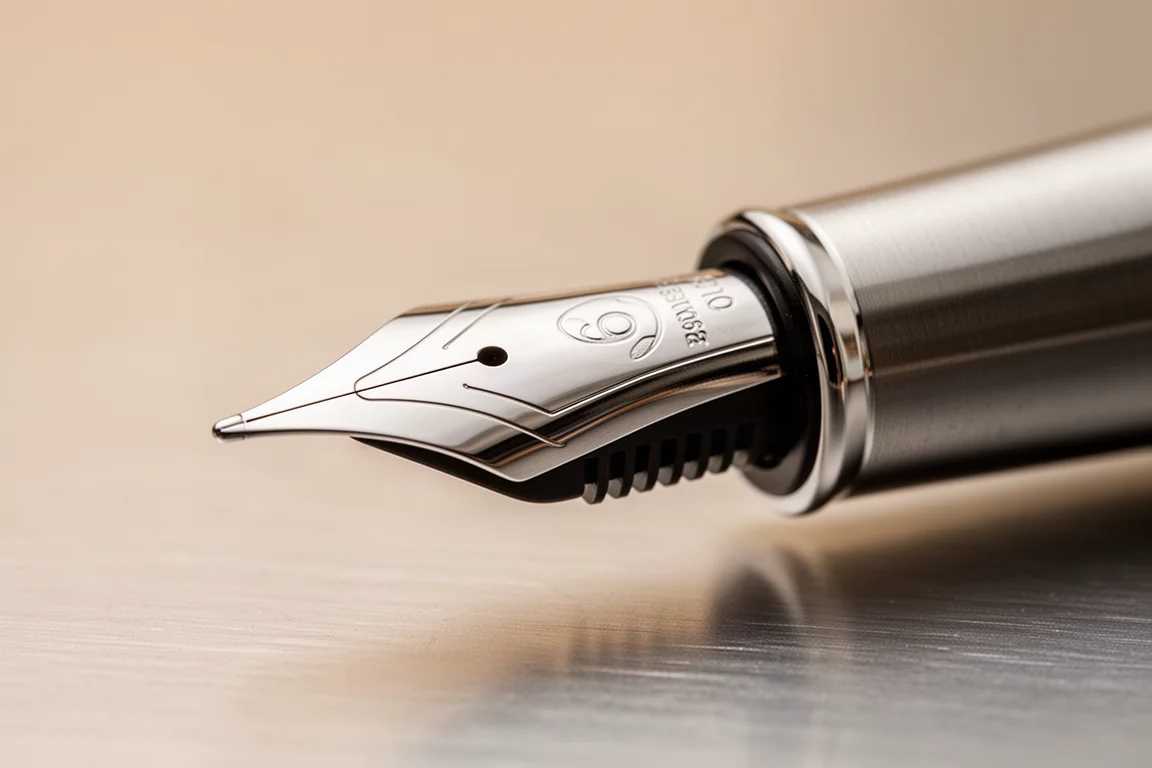
With light pressure, it writes much like a standard medium nib. With more pressure, you can get some flex, though it is not a huge amount, and it may need a bit of breaking in. Ink flow is decent and the feed keeps up fine. Reverse writing is a little scratchy, but it lays down an extra fine line. Compared to something like a Falcon, it takes a bit more effort to add flare to your writing, but the results are still enjoyable. Paired with a solid black ink like Sailor Jentle Black, the writing sample looks exactly as you would hope from a pen like this.
Who Should Buy It
The Conklin Mark Twain Crescent Filler Super Black is widely available from a large number of retailers and sells for $160, a little above the roughly $160 standard Mark Twain model, which is understandable given the unique exterior treatment.
This is a pen for someone who wants something visually unlike anything else in a pen case, who enjoys vintage-style filling mechanisms, and who is curious about a flexible nib without wanting a full vintage flex experience. If you prefer to post your cap, or if crisp alignment every time matters to you, it is worth weighing those quirks first.
Conclusion
The Mark Twain Crescent Filler Super Black is a well-executed take on an idea many enthusiasts have wanted someone to attempt: a pen finished in a coating that absorbs over 99% of visible light. The brass build feels substantial, the crescent filler works as intended, and the Omniflex nib on this unit writes pleasantly. Between the unposted balance, the cap alignment quirk, and the unknowns of long-term coating durability, it is not a pen for everyone, but as a statement piece with a fun filling system, it is well worth checking out.
Product link
View more details for Conklin Mark Twain Crescent Filler Super Black
This product is mentioned in the review. Check the specifications, options, and compatibility before buying.
View more details for Conklin Mark Twain Crescent Filler Super BlackFurther reading
Related Reviews
Fountain Pens
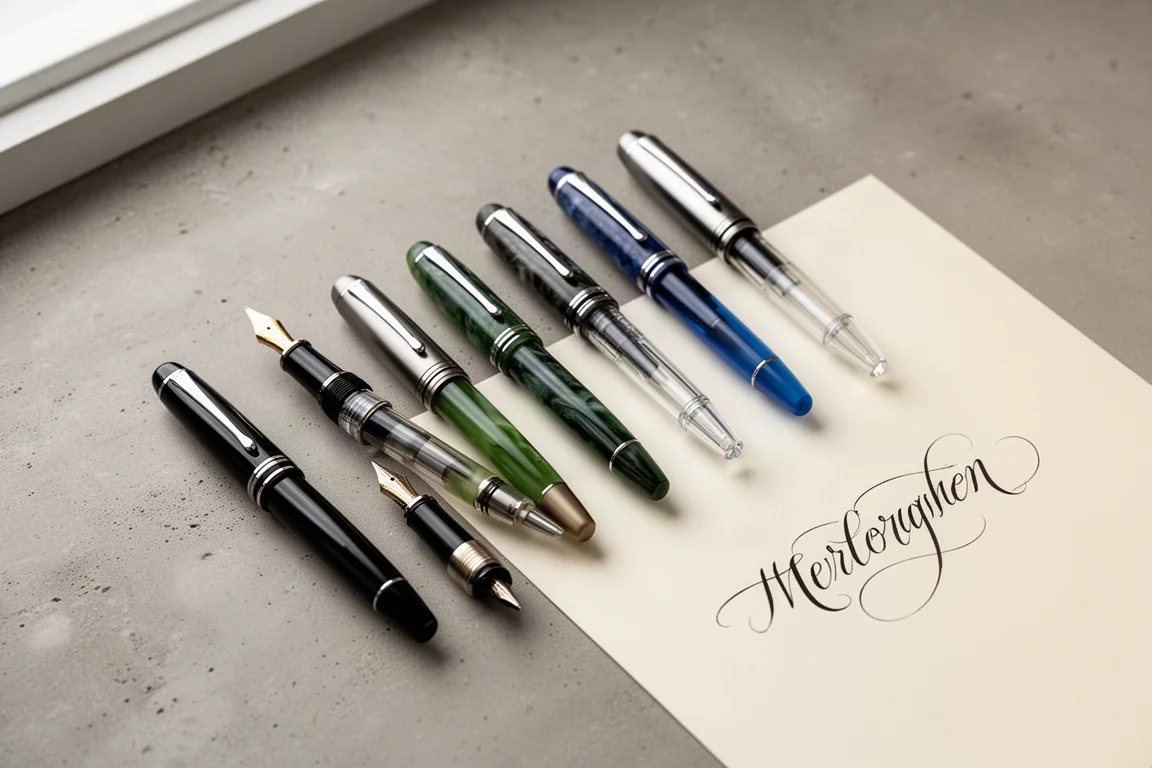
Best Budget Fountain Pens Tested: 9 Pens, One Clear Winner
A hands-on comparison of nine affordable fountain pens for everyday writing, calligraphy, and sketching, with a clear standout for flexible nib fans.
Fountain Pens
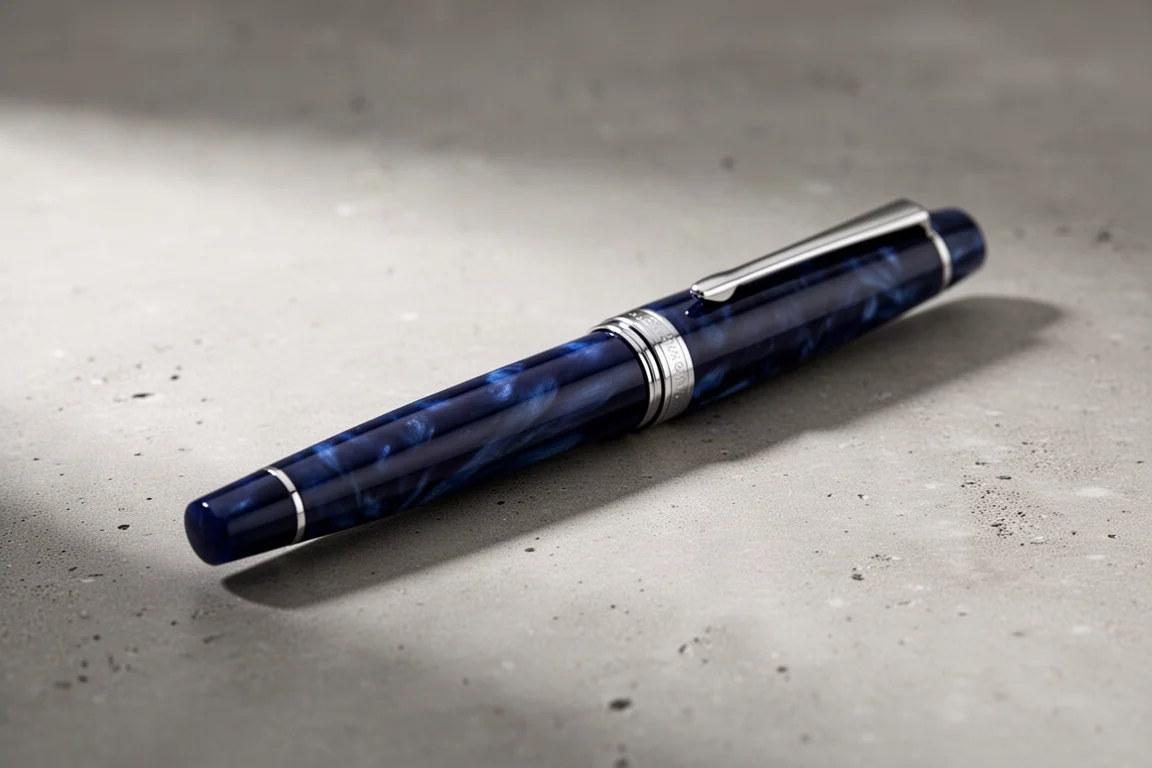
Aurora Optima Review: An Italian Piston Filler That Punches Above Its Price
A 14k gold nib, ebonite feed, and a beautifully deep oraloid body make the Aurora Optima one of the most rewarding piston fillers around.
Fountain Pens
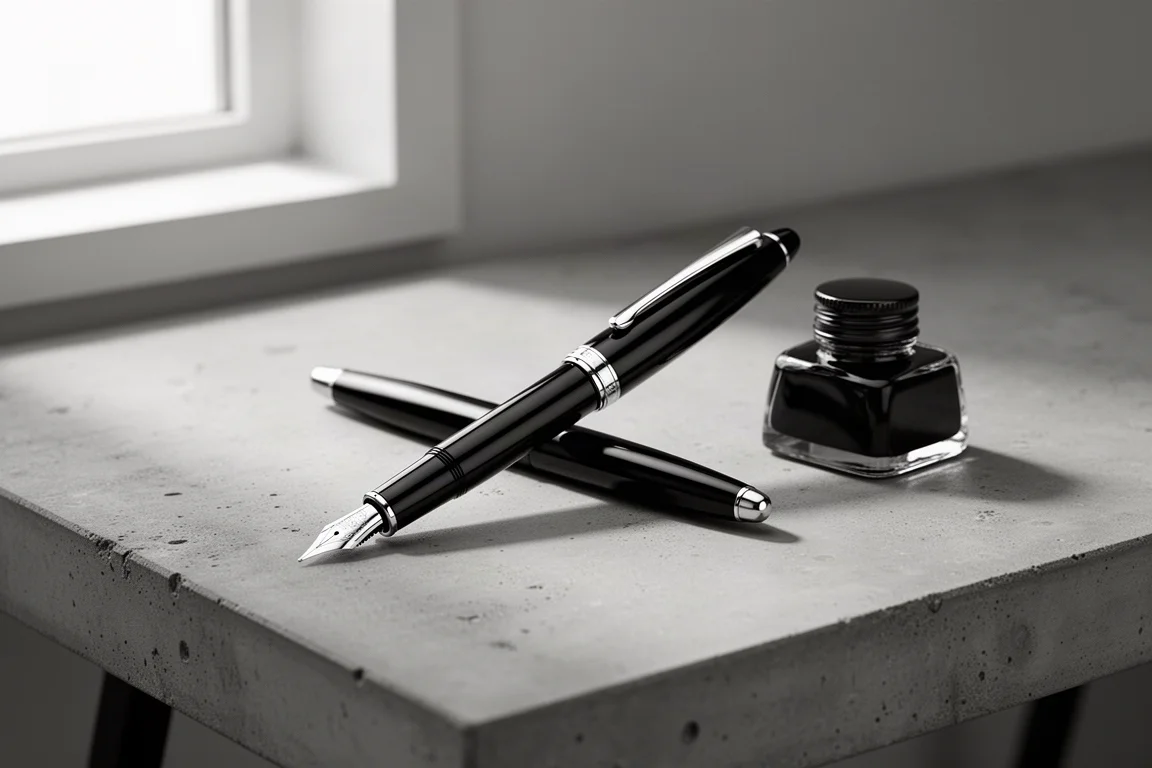
Cross Bailey Light Review: The Entry-Level Fountain Pen Worth Keeping at the Office
A plastic-bodied Cross with a metal clip, snap cap, and famously smooth extra fine steel nib. Around $15, available almost everywhere, and easy to recommend.