Fountain Pens
Conid Bulkfiller King Size vs Cedo Kakari: Two Bulk Fillers Side by Side
Two titanium-bodied bulk filler fountain pens with very similar filling systems, compared on handling, writing feel, and everyday usability.
Introduction
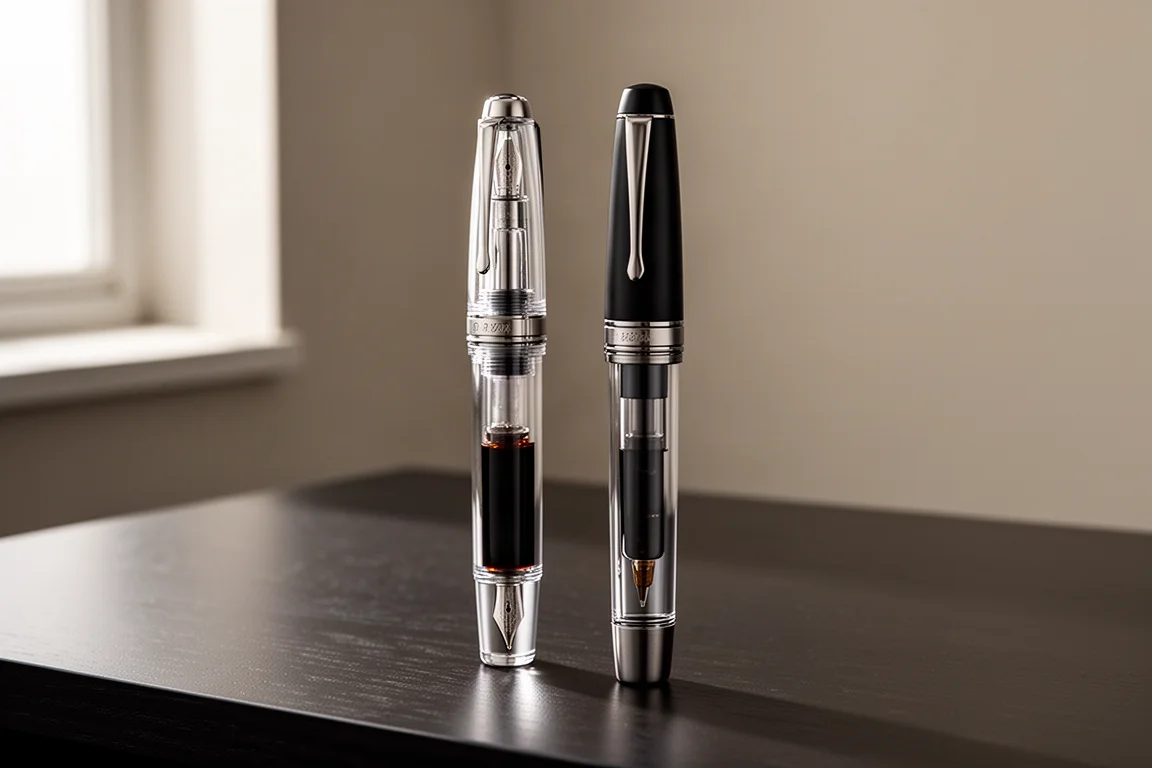
Some fountain pen comparisons are close, and this is one of them. Both pens in this side-by-side are large, titanium-trimmed demonstrator pens built around a bulk filler mechanism, and both are very well made. The Conid Bulkfiller King Size has been a long-term favourite, while the Cedo Kakari arrived as a newer challenger with a filling system that works in a strikingly similar way. One note before diving in: the Kakari sample discussed here does not include the clip, which is sold separately, and it shipped with a steel medium nib rather than the gold nib it typically comes with, so the focus is on how the pens feel and operate rather than on final nib performance.
How the Bulk Filler Mechanism Works
The Conid’s filling system is built around a rod with two seals separating a primary and secondary ink chamber. You unscrew the knob, pull the rod out, dip the section into a bottle of ink, and pull the rod back up to create a vacuum that draws ink in. Pushing the rod back in expels a small drop of ink to prime the feed, so you can start writing immediately. The seal then locks into place, trapping ink in both chambers. When the primary chamber runs dry, you open the mechanism again and ink flows from the secondary chamber into the primary.

The Cedo Kakari uses a closely related approach: a rod with prongs that engage a mechanism in the seal, then pull ink in through the same vacuum principle. The interesting difference is flexibility. Where the Conid is strictly all or nothing, the Kakari lets you stop the seal partway, giving you a smaller ink capacity and shifting a chunk of the rod’s metal weight forward in the barrel, which slightly changes the balance.
Conid Bulkfiller King Size
The Conid is essentially the size of a Montblanc 149 but with a far more interesting filling system, and it is built by a company with an industrial precision background, which shows in the tight tolerances. A small wrench, sold separately, lets you disassemble the entire pen for cleaning and maintenance.
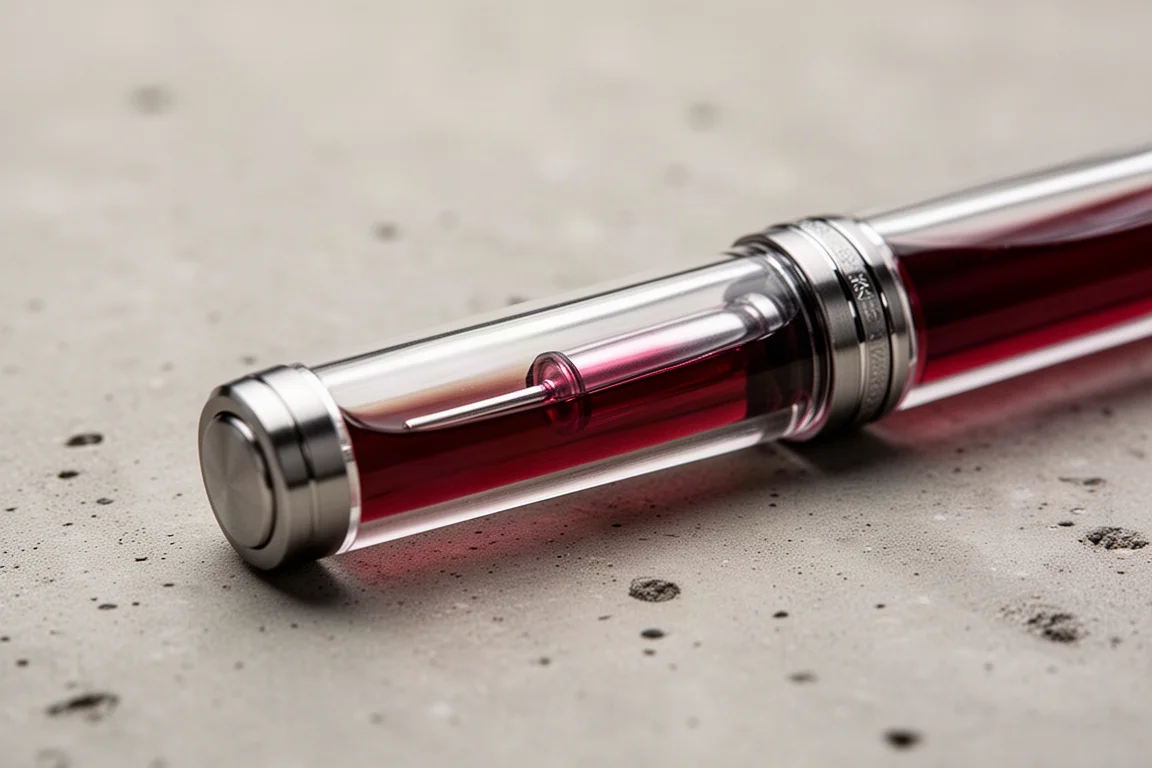
The King Size version carries a number 8 double broad 14K gold nib with a slightly stubby quality, and it is a reliably wet, pleasant writer even out of the box. The size and balance work in all the right ways, and while you can post the cap, it feels best unposted. As a large-capacity, user-friendly pen for long writing sessions, it is easy to see why it keeps showing up in all-time-favourite lists. One small flaw on this unit: a trim ring has loosened over time, turning the cap band into a bit of a fidget spinner, though it never falls off.
Cedo Kakari
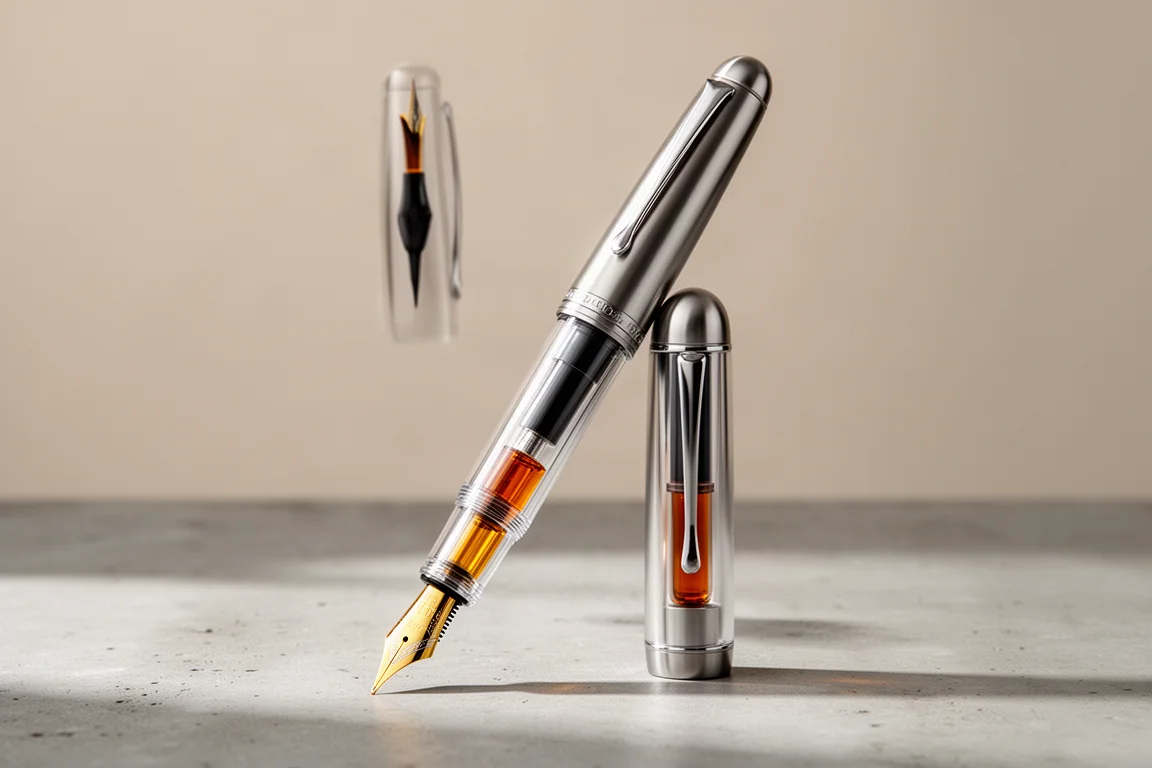
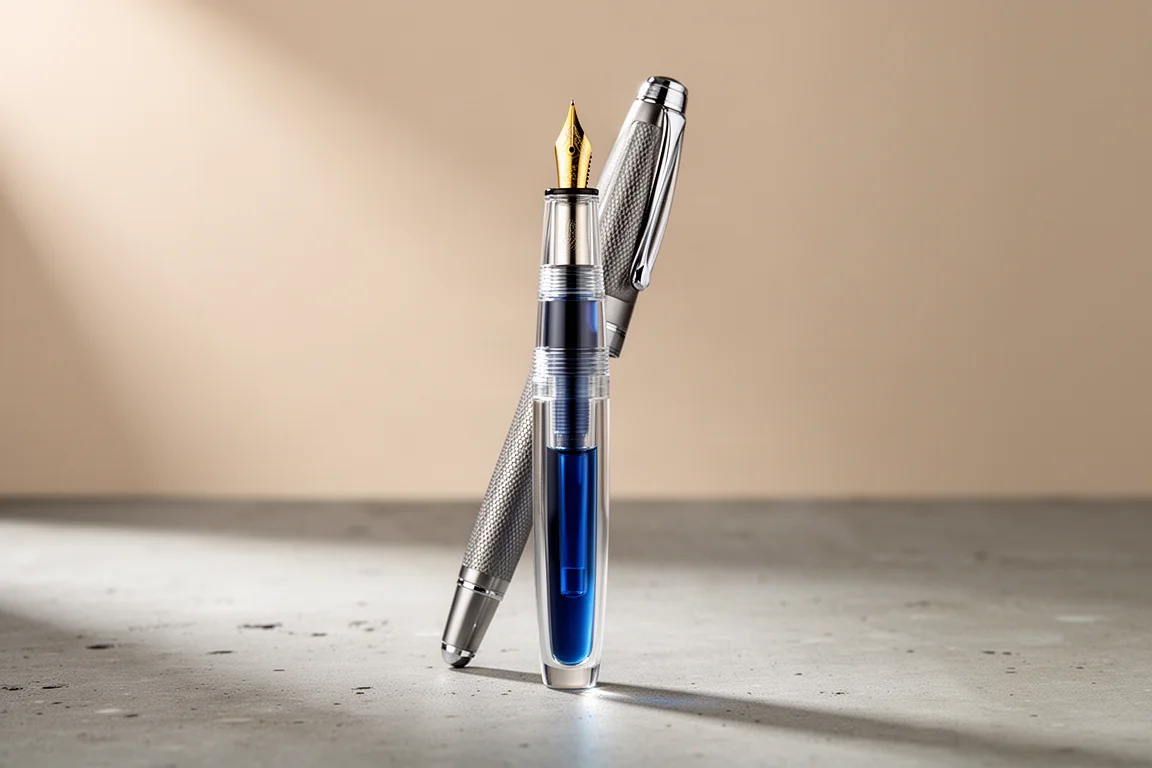
The Kakari is close to the Conid in overall size but with a slimmer section and a number 6 nib, in this case a steel medium rather than the gold nib usually supplied. Both pens share titanium sections and clear barrels, giving each a satisfying, solid weight in the hand.
Neither metal section felt slippery during writing, which is a common concern with metal sections. Both pens sit a little top-heavy, though the Kakari feels it slightly more since the internal metal mass extends a bit farther back. It is a minor difference, not a dealbreaker. The one practical caveat: the Kakari is completely round with no facets or roll stop, and without a clip it will roll straight off a desk. If clipless pens bother you, factor that in. Operationally, twisting the prongs into the seal takes slightly more care than the Conid’s threaded approach, though it is far from difficult and may simply need practice.
Which One Would I Pick
Both pens are magnificent: high manufacturing standards, tight tolerances, cool filling systems, titanium sections, and genuinely pleasant writing. If love for each were expressed as a percentage, the Conid would be 100 percent and the Kakari 98, so this is not a night-and-day gap.
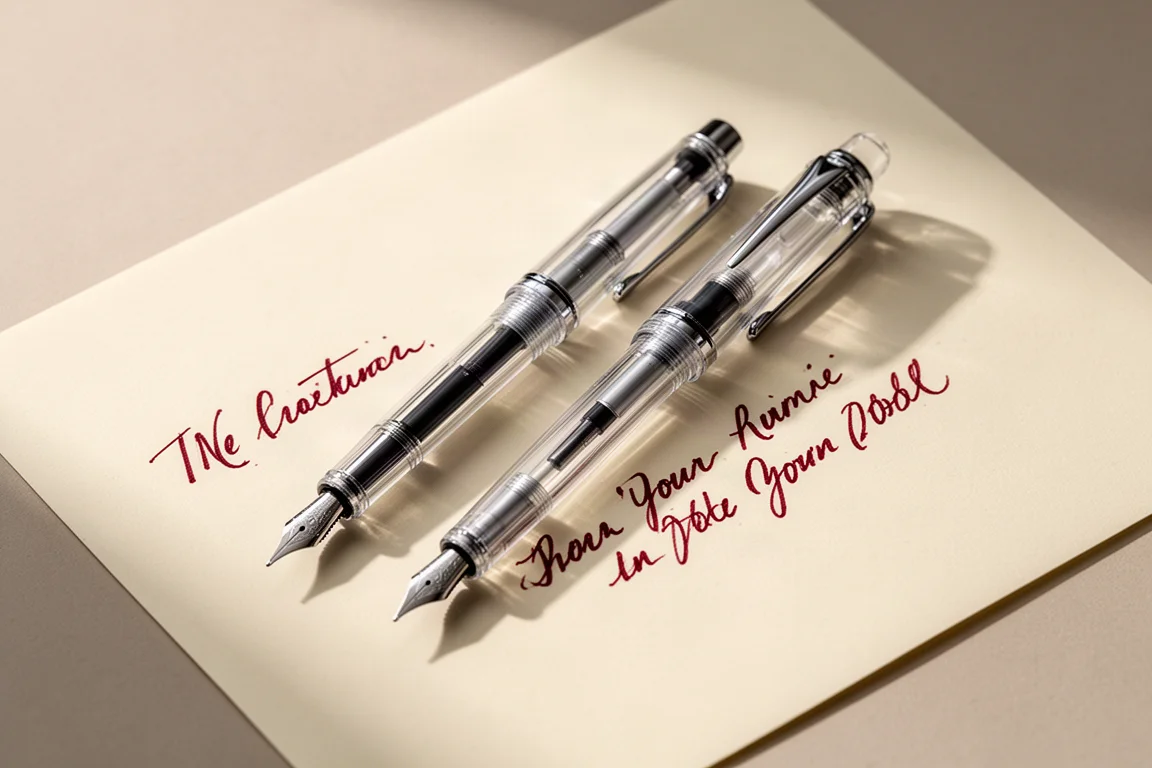
The deciding factor is ease of use. The Conid’s filling system threads into place, which makes it simpler and more repeatable to operate, while the Kakari’s prong engagement feels slightly more finicky. The Kakari’s partial-fill option is clever, but filling less ink is a questionable benefit in practice. Price, however, matters: Conid bulk fillers now sit around €1,000, and the pens are made in batches that can be hard to get. The Kakari model discussed here was $600 USD, which is not cheap but is considerably more accessible.
Conclusion
If budget and availability are no obstacle, the Conid Bulkfiller King Size edges ahead on filling-system simplicity and its outstanding large gold nib. If you want a very similar experience for meaningfully less money and can live without a clip, the Cedo Kakari is an excellent alternative. Both are easy pens to recommend, and honestly, the answer to “which one would you pick” could simply be: yes.
Further reading
Related Reviews
Fountain Pens
Best Budget Fountain Pens Tested: 9 Pens, One Clear Winner
A hands-on comparison of nine affordable fountain pens for everyday writing, calligraphy, and sketching, with a clear standout for flexible nib fans.
Fountain Pens
Aurora Optima Review: An Italian Piston Filler That Punches Above Its Price
A 14k gold nib, ebonite feed, and a beautifully deep oraloid body make the Aurora Optima one of the most rewarding piston fillers around.
Fountain Pens
Cross Bailey Light Review: The Entry-Level Fountain Pen Worth Keeping at the Office
A plastic-bodied Cross with a metal clip, snap cap, and famously smooth extra fine steel nib. Around $15, available almost everywhere, and easy to recommend.