Running Nutrition
Comrades Marathon Fueling Strategy: The Products I Trust for 9 Hours on the Road
A complete ultra fuelling plan for a long day on the road, from liquid breakfast to electrolyte strategy, built around nine tested products.
Introduction
The Comrades Marathon is one of the world’s oldest and most iconic road ultras, run between Durban and Pietermaritzburg in South Africa. The direction alternates each year between up and down runs, the course is essentially all on road, and every metre is either uphill or downhill. There is a strict 12-hour cutoff, and race day can start at 5:30 AM with temperatures climbing anywhere from the mid-teens to the mid-twenties as the day goes on.
For a run that could take anywhere from six to twelve hours, fuelling is the single biggest logistical challenge. This plan is built around a target of roughly nine hours, which means aiming to absorb somewhere between 60 and 90 grams of carbohydrate per hour, or around 540 to 810 grams over the race. Here is the full strategy, from the moment of waking to the final hours on the road, built around products that have been tested across many ultras.
Breakfast Before a 2:30 AM Start
Comrades is a point-to-point race, so most runners end up staying near the finish in Durban and taking a very early bus to the start in Pietermaritzburg. That means getting up at 1 AM to be on a bus at 2:30 for a couple of hours of travel before the 5:30 start. Breakfast at that hour is chaos by default, so the plan is a liquid breakfast.
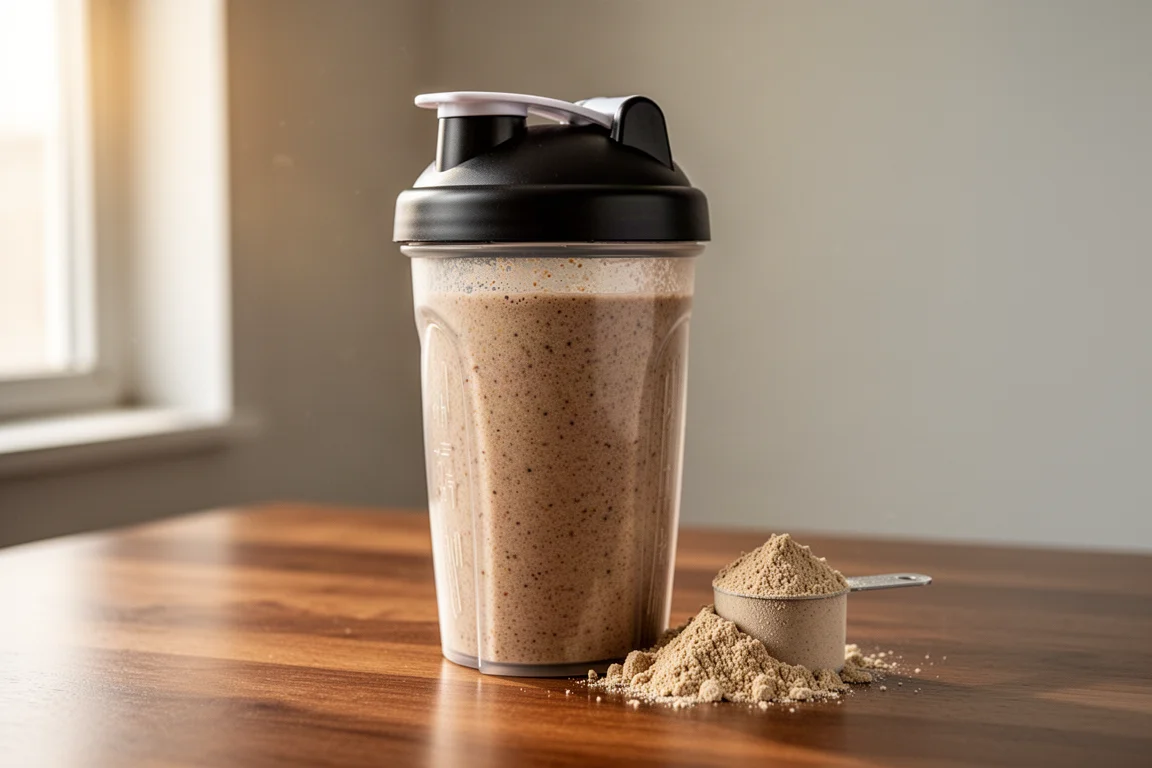
The base is the 33Fuel Elite Meal Replacement. Each shake delivers 33 grams of carbohydrate alongside real food ingredients: pumpkin and sunflower protein, flax seeds, coconut, oats, carob, cacao, goji berries and walnuts. It has genuine texture rather than being a smooth protein-style shake, and mixing it with milk or soy milk adds to the overall nutrient hit, though water works fine on its own.
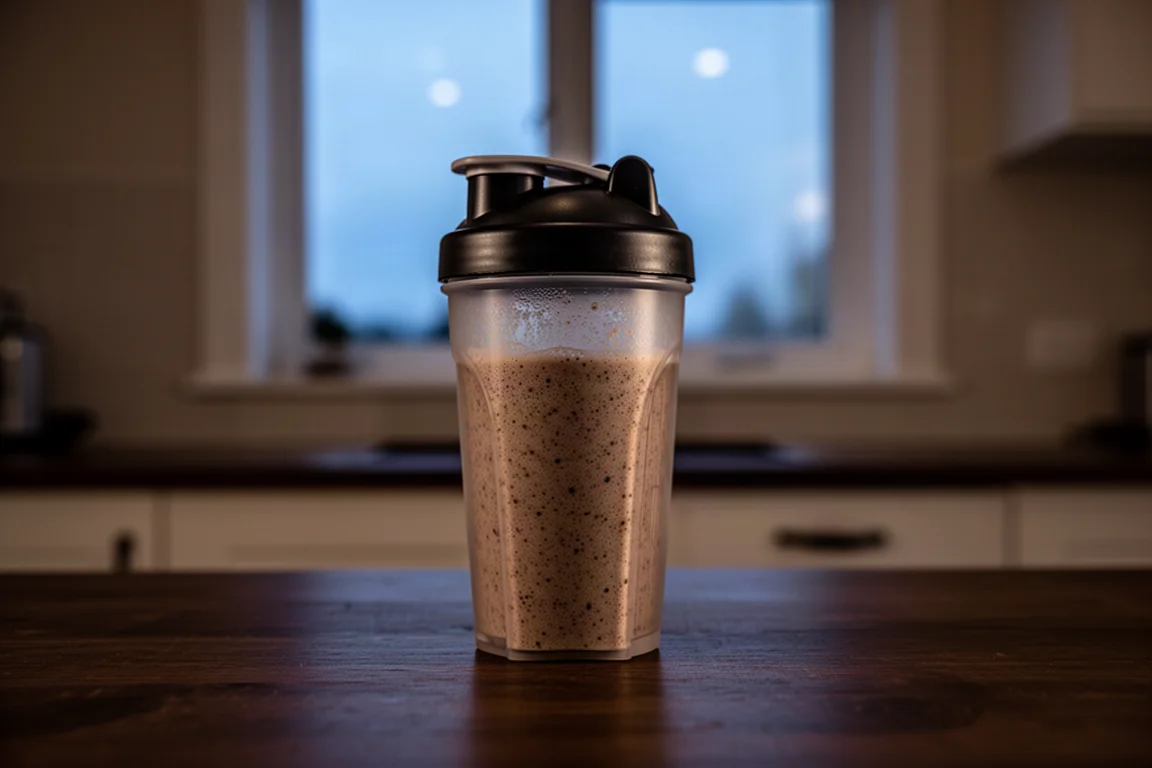
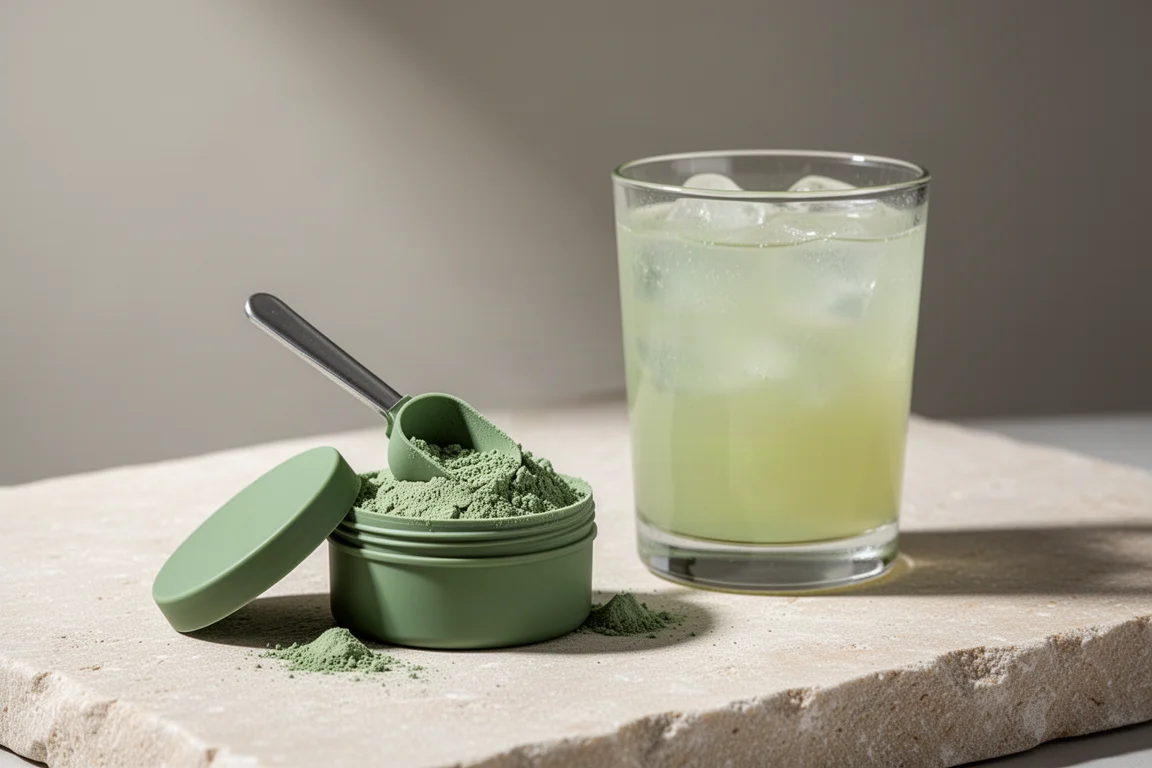
The practical appeal is obvious at 1 AM: no cooking, no noise, no fuss. Mix it the night before, shake it up in the morning, drink it on the bus, and it forms the base of breakfast. A bit of coffee or a scoop of 33Fuel Super Greens can go in for extra nutrients, and pastries, fruit, a couple of bananas closer to the start, and an avocado eaten like an apple round things out with slower-burning, easy-to-digest energy.
The Race Fuelling Plan
On course, the target is a sub-nine-hour finish, which puts the carbohydrate requirement at roughly 540 grams at the lower end of the 60 to 90 grams per hour range. The guiding principles are simple: mix textures and flavours to avoid fatigue, keep the load minimal since aid stations appear roughly every two kilometres, and carry a self-sustaining core of fuel that works even if nothing on course appeals.
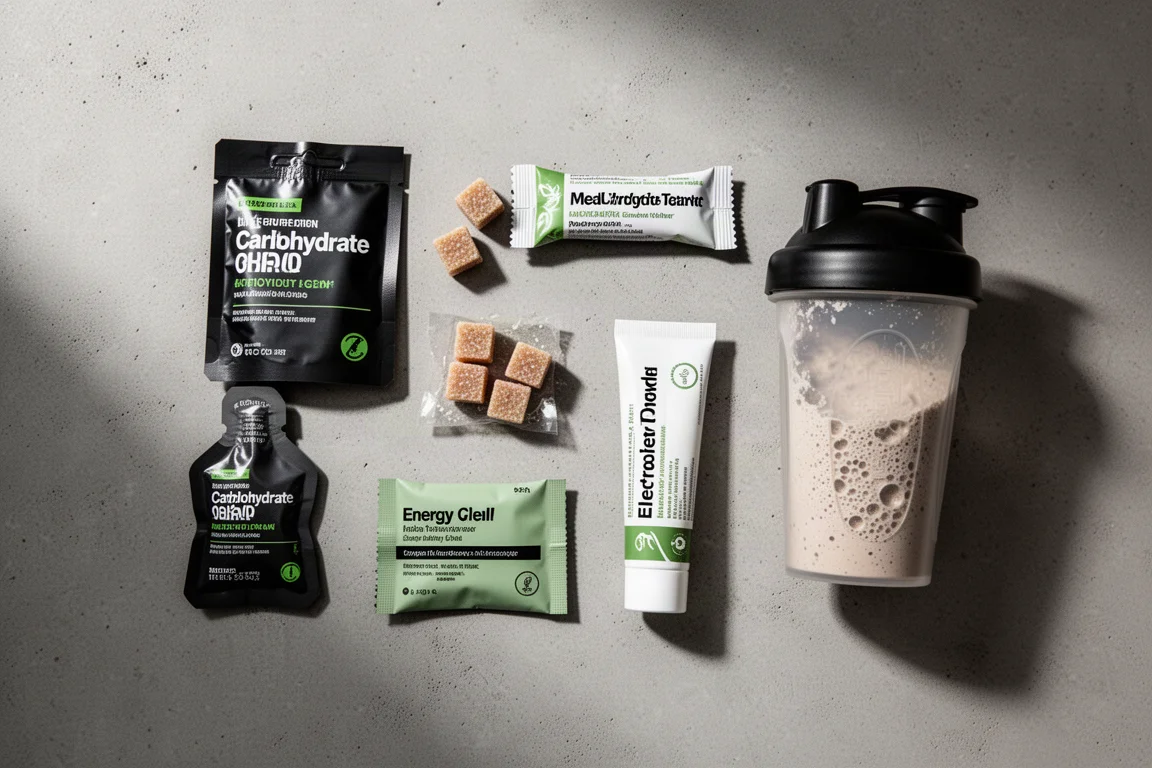
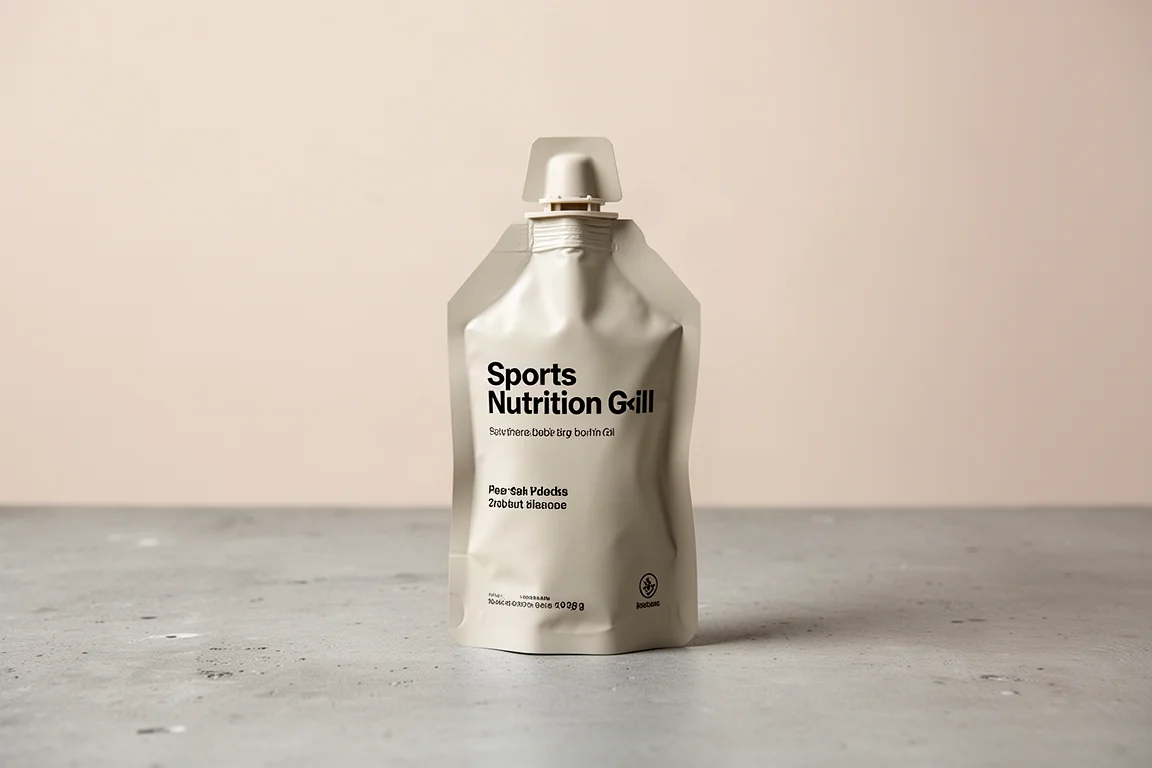
The backbone of the plan is four resealable Precision Fuel & Hydration 90g Carb Gel Pouches, delivering 360 grams of carbohydrate in total. The loose, jelly-like texture is easy to get down, they are completely neutral with no flavouring, and the resealable format means you can take as much or as little as you want at any moment, which is invaluable if the stomach starts to protest.
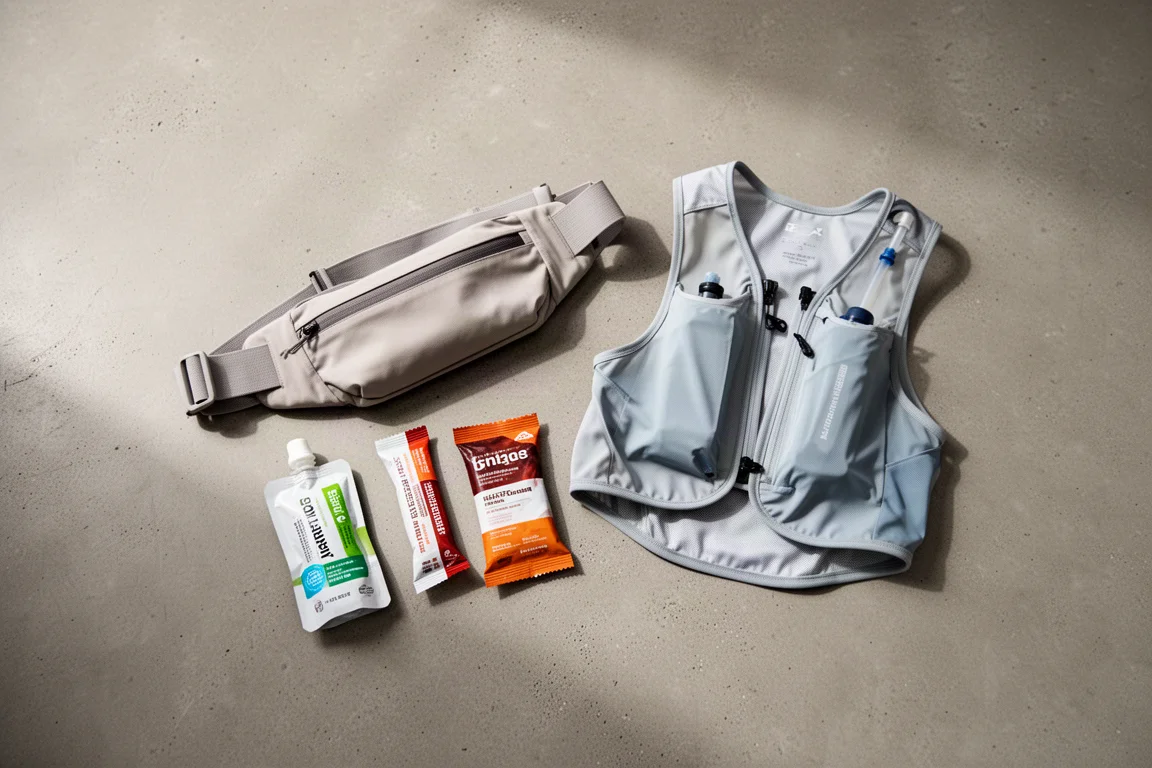
These pouches are the fallback plan: the self-sustaining energy source that everything else supplements.
Cubes and Chews for Texture
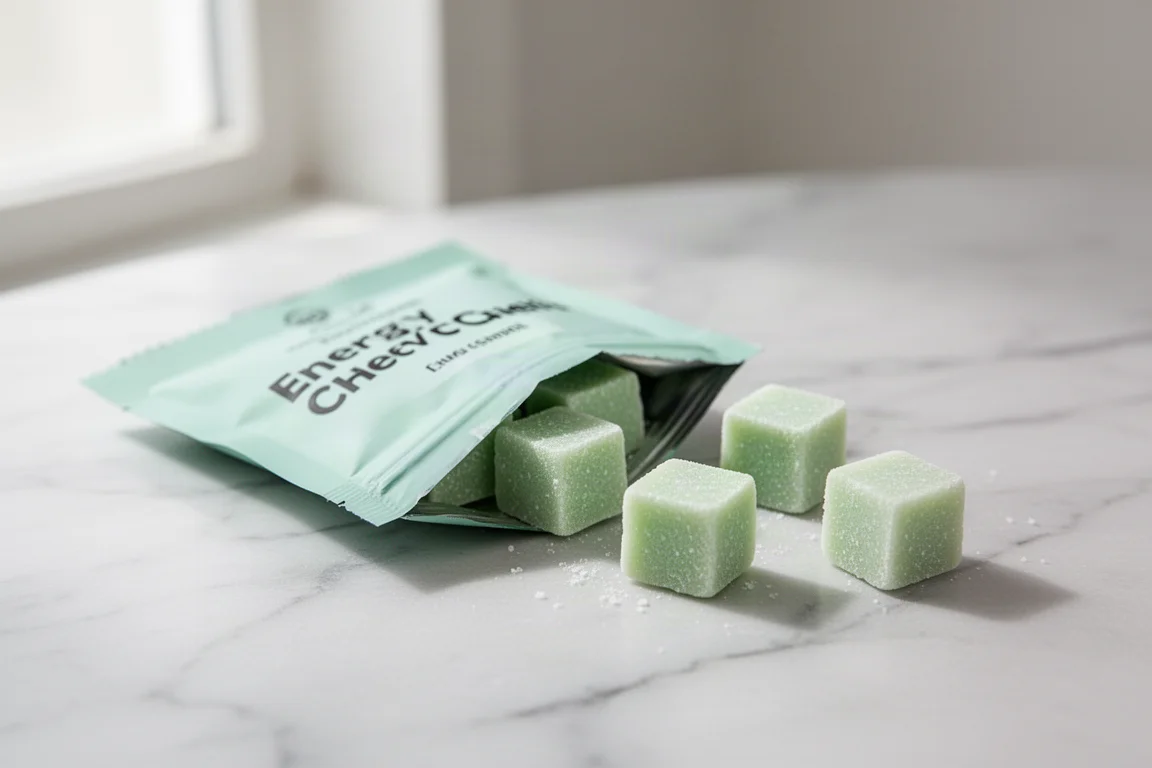
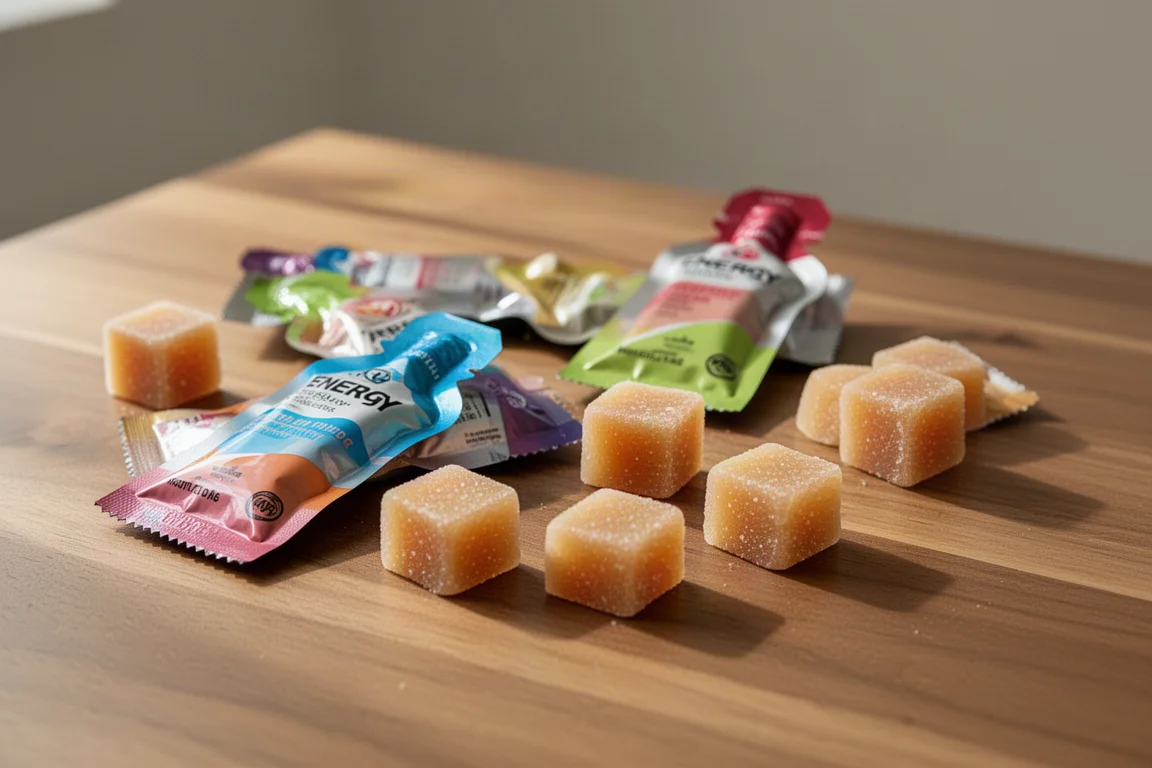
To break up the pouches, the plan includes mint and lemon Precision Fuel & Hydration 30g Chews. These are chewy little cubes that can be broken in half, with a refreshing, balanced mint-and-lemon profile that is not overdone or too sweet. They provide a completely different mouthfeel from the gels.
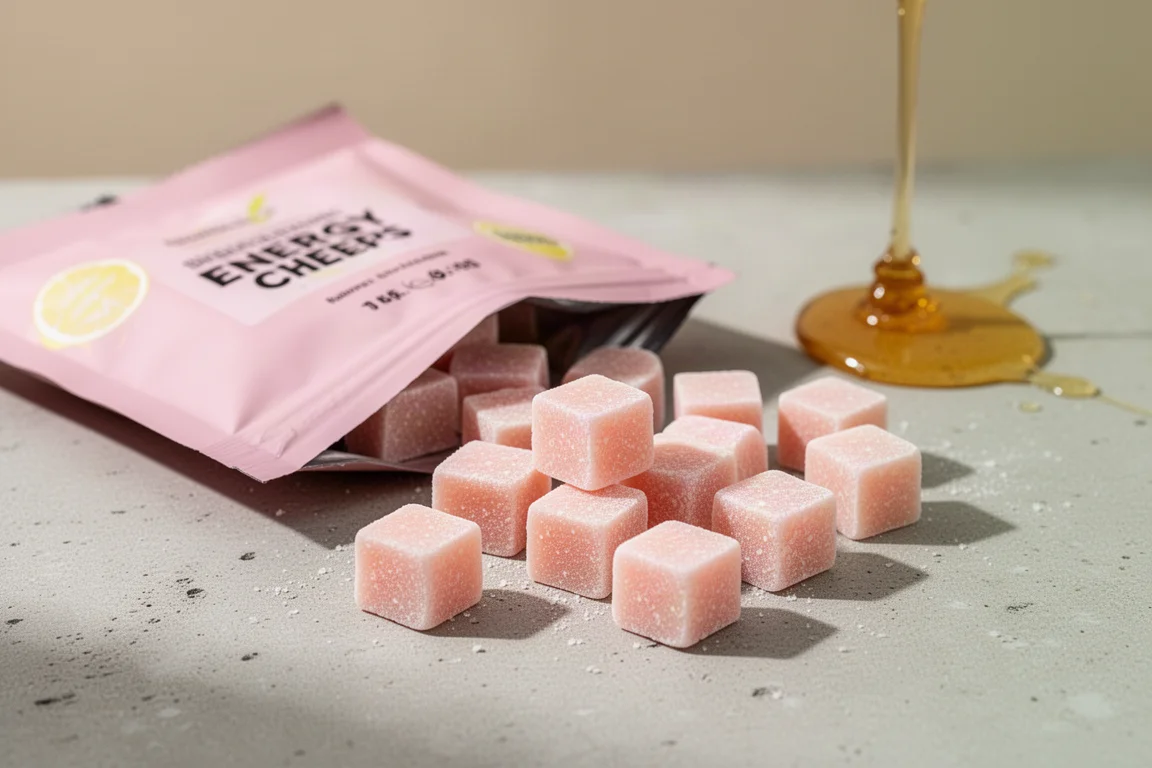
Another long-time favourite is the Honey Stinger Organic Energy Chews in pink lemonade flavour, with 40 grams of carbohydrate per pack. These are closer to premium sweets than sports nutrition, and a few cubes every now and again keeps things fresh. They slot into pockets easily and work well as an occasional treat rather than a constant fuel.
Gels and Chews for Variety
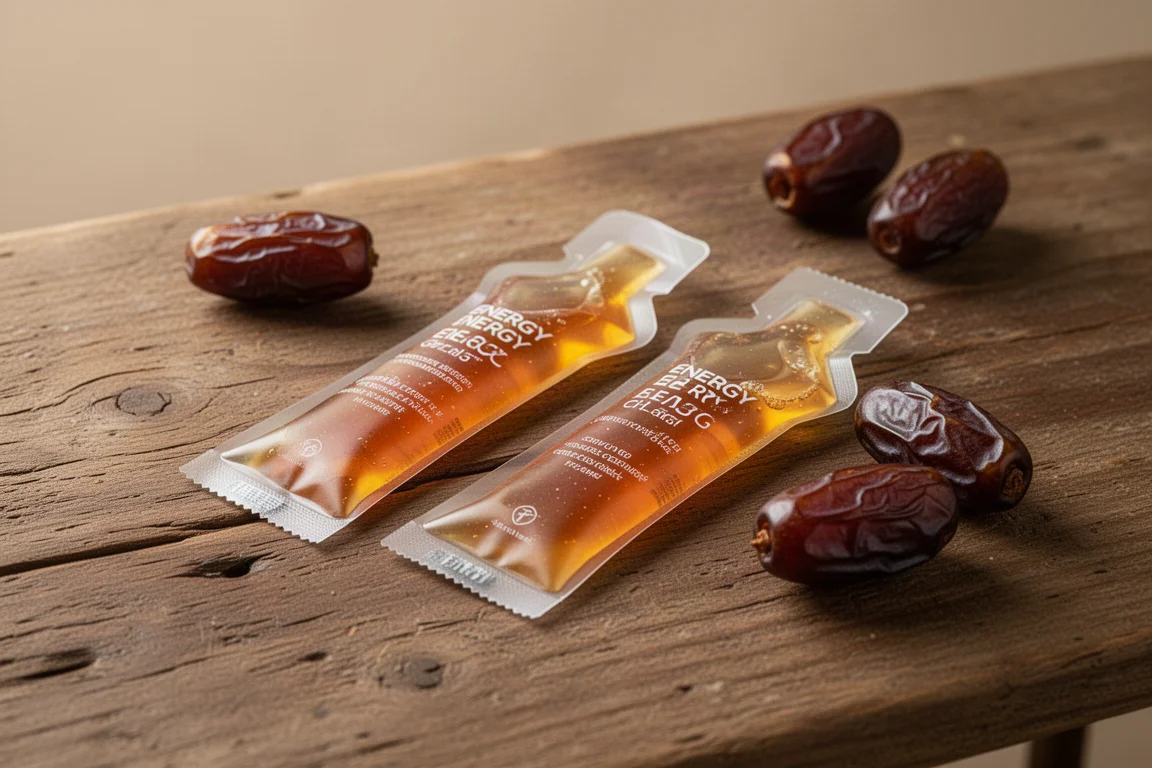
Over nine hours, eating one type of fuel becomes too much, so the plan deliberately saves a few more enjoyable options for psychological boosts along the way. The Veloforte Energy Gels are date-based, with dates, maple syrup and a little lemon juice, and around 20 grams of carbs each. They are very sweet and taste like real food rather than sports nutrition, which is exactly the point: something to look forward to when a change of flavour is needed for the mind as much as the body.
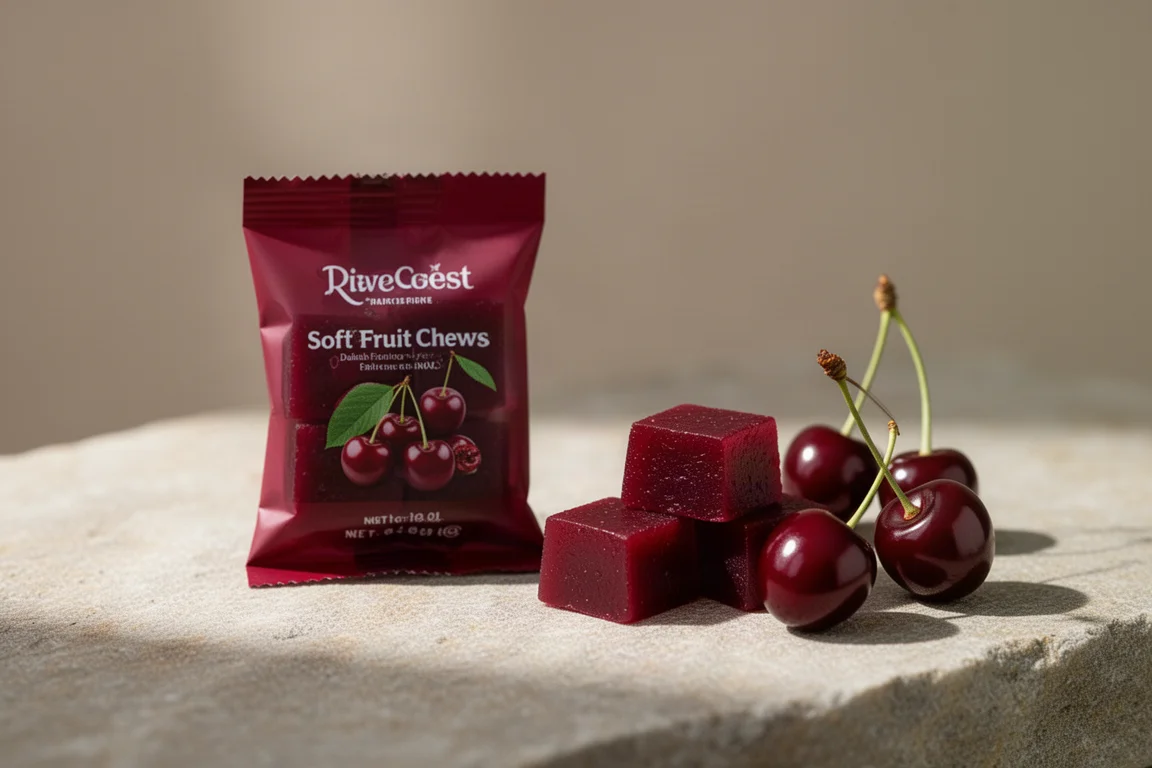
Alongside those, the Veloforte Amaro Chews in sour cherry and guarana offer 75 milligrams of natural caffeine across six soft chews, with a texture that differs from other cubes and genuinely natural flavours. Between these, the mint lemon cubes, and the fruit gels, there are enough distinct flavour profiles to keep nine hours of eating from becoming a chore.
Hydration and Electrolytes
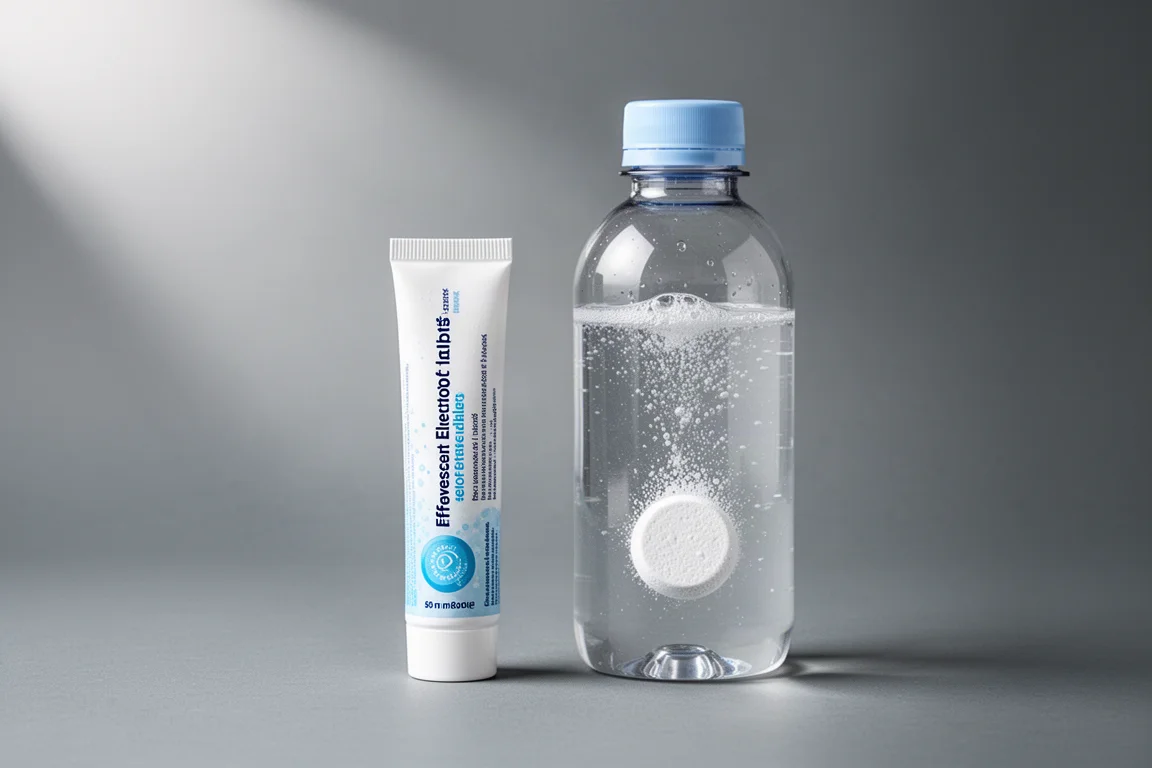
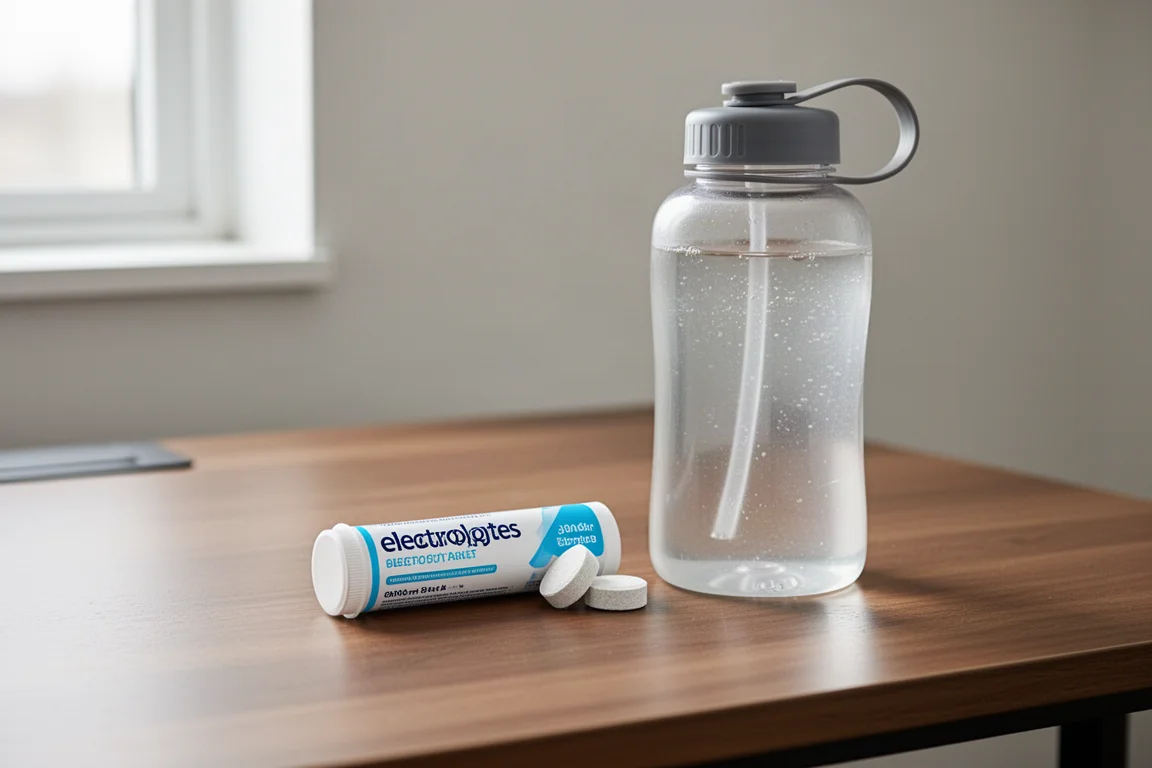
It may be winter in South Africa, but 20 to 24 degrees is effectively summer for a runner used to cooler climates, so hydration needs real attention. In the days before the race, the plan is Precision Fuel & Hydration 1500 Electrolyte Tablets: one in a bottle during each of the days leading up, one the night before bed, and one in a bottle carried on the morning bus to the start. That covers pre-hydration and arrives at the start line with electrolytes in balance.

During the race, a 500 ml soft flask rides in a minimal belt with a tube of Precision Fuel & Hydration 1000 Electrolyte Tablets, one tab per flask, sipped as needed and mixed with plain water grabbed from the frequent aid stations. Drinking is mostly to thirst, alternating between electrolyte mix and plain water. The 1000 strength suits a medium-level sweater; if you are unsure which strength fits you, it is worth doing a sodium test or using the calculator to work out your own profile.
Supplementing from the Aid Stations
Everything carried on the body is sweet, so the aid stations become the counterpoint. Fruit, bananas, potatoes, and if available, watermelon or savoury options add different flavours, textures, and types of energy. The main enemy is overkill on sweet food, so grabbing savoury or fresh items on course keeps the balance right. The rule of thumb is simple: eat early, eat well, keep topping up in little bits, and never let the carbohydrate supply run out, especially in the final hours.
Conclusion
Ultra nutrition is deeply personal, but this selection has earned its place through years of testing across many ultras. A liquid breakfast solves the 1 AM start, resealable pouches provide a reliable carbohydrate backbone, chews and natural gels fight flavour fatigue, and a two-strength electrolyte strategy handles the heat. The key takeaways for any long ultra: mix textures and flavours, keep the carried load minimal, use aid stations as a counterpoint to sweet food, and top up early and often rather than waiting until energy dips. Test everything in training before race day, and build the plan around what your stomach, not just your legs, can handle.
Further reading
Related Reviews
Running Nutrition
Best Electrolyte Drinks for Running: 13 Products Tested for Taste and Performance
A comprehensive taste test and review of leading electrolyte products, from powder formulations to dissolvable tablets, to help runners maintain hydration and performance.
Running Nutrition
Best Running Gels: Five Options Compared for Different Runner Types
A practical comparison of five popular running gels, from beginner-friendly options to advanced formulas, with honest taste and usability feedback.
Running Nutrition
Best Marathon Energy Gels: What to Use, How to Fuel, and What to Avoid
A practical guide to marathon fueling: how gels work, top gel picks, alternatives like chews and drinks, and how to carry everything on race day.