Running Nutrition
Best Marathon Energy Gels: What to Use, How to Fuel, and What to Avoid
A practical guide to marathon fueling: how gels work, top gel picks, alternatives like chews and drinks, and how to carry everything on race day.
Introduction
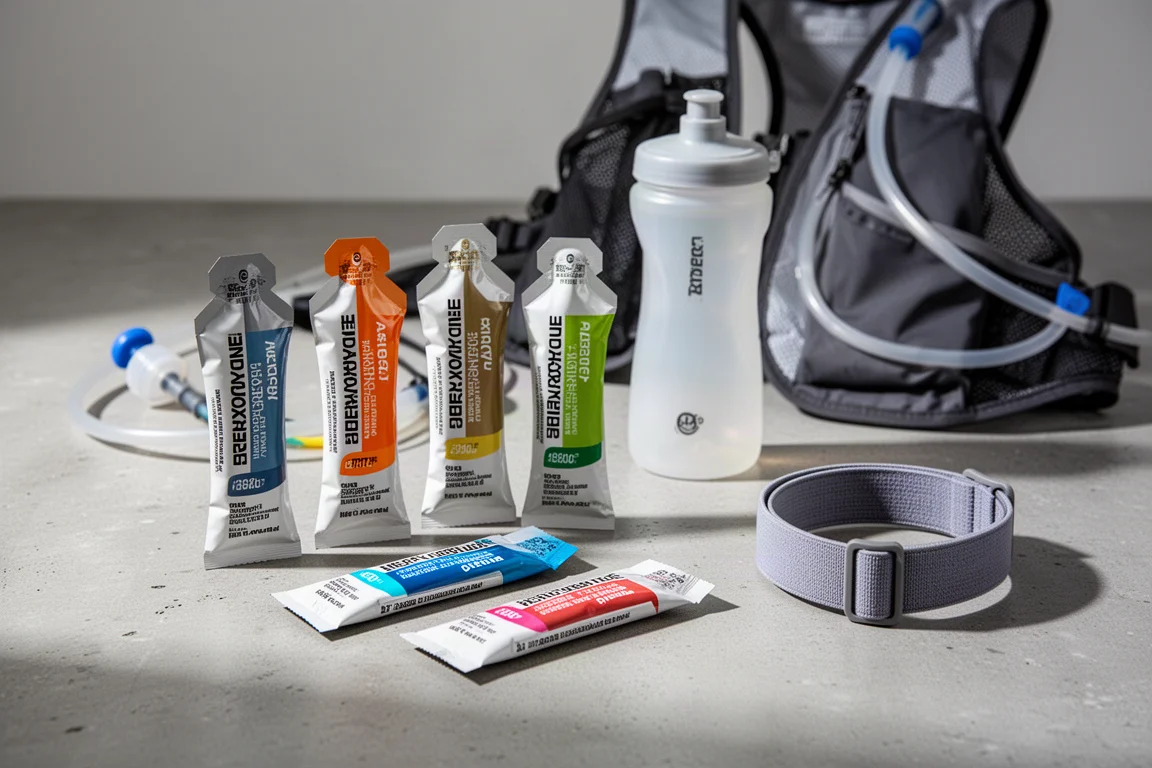
Few things ruin months of hard marathon training faster than hitting the wall on race day. Your body runs out of energy, everything gets exponentially harder, and the pace drops to a walk. The good news is that mid-run fueling is a solvable problem, and energy gels are the most convenient tool for it.
This guide covers how gels work, how many you actually need, our top gel picks right now, alternatives for people who hate gels, and how to carry it all comfortably.
Why Long-Distance Runners Need Fuel
When you run long distances, your body burns glycogen as its primary fuel source, and your glycogen stores are finite. For runs under roughly 60 minutes, most people have enough stored energy to get by. Beyond that, especially if you are adding intensity like marathon or half marathon pace, you need to top up with carbohydrates on the run.
Carbohydrate gels, drinks, and gummies are the easiest way to do that. Your body converts that carbohydrate into glycogen, which keeps your engine running. Every stomach is different, though, and there is no single gel that works for everybody, so testing different brands and textures on long runs is essential.
How to Take Gels and How Much You Need
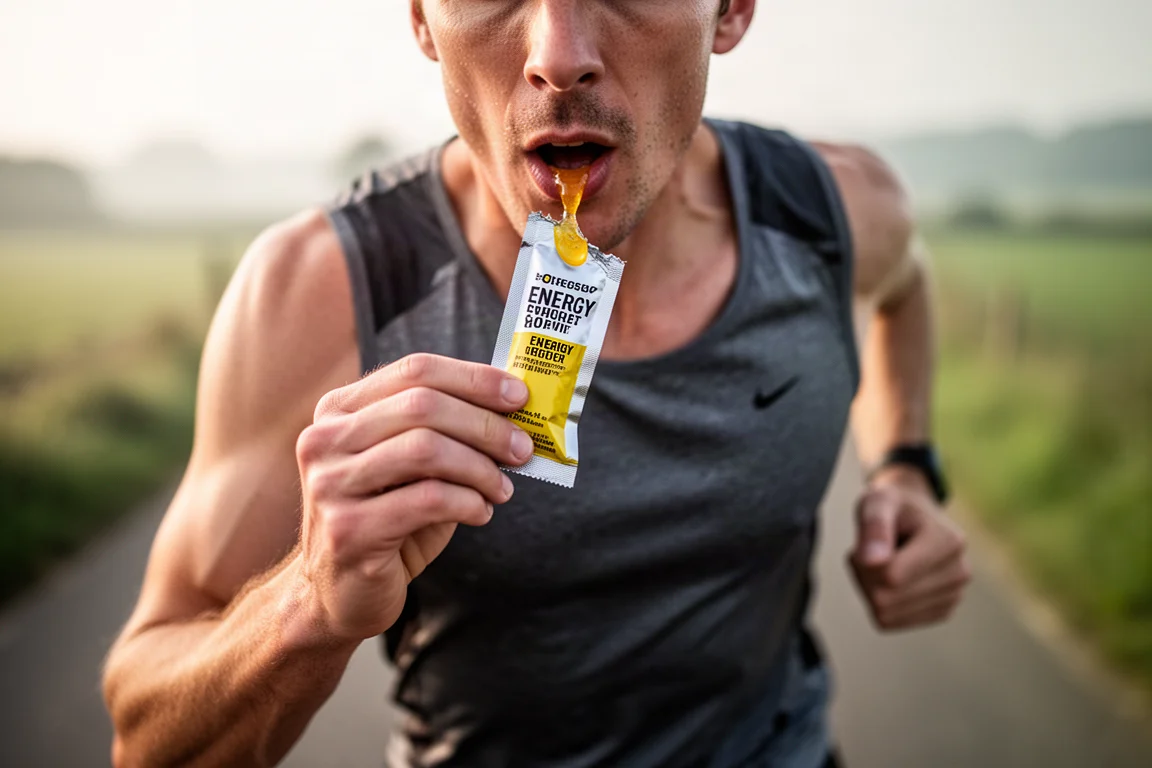
As a rough guide, one gel contains around 30g of carbohydrates, though you should always check the packet. A practical starting point is one gel every 30 to 45 minutes. Your exact needs depend on your body size and, importantly, how well trained your gut is at absorbing carbohydrates, which is something you can improve over time just like your muscles.
For a four-hour marathon, that works out to roughly six to seven gels over the course of the race. Most gels are also absorbed better when taken with water, so plan to sip from aid stations or carry your own. A few types to know about:
- Caffeinated gels offer a real kick late in a race, but practice them in training first as they can cause GI distress.
- Natural gels, made from fruits, rice, and whole foods, are worth trying if you have a sensitive stomach.
- Electrolyte gels help replace minerals lost through sweat on hot days and can help keep cramp at bay.
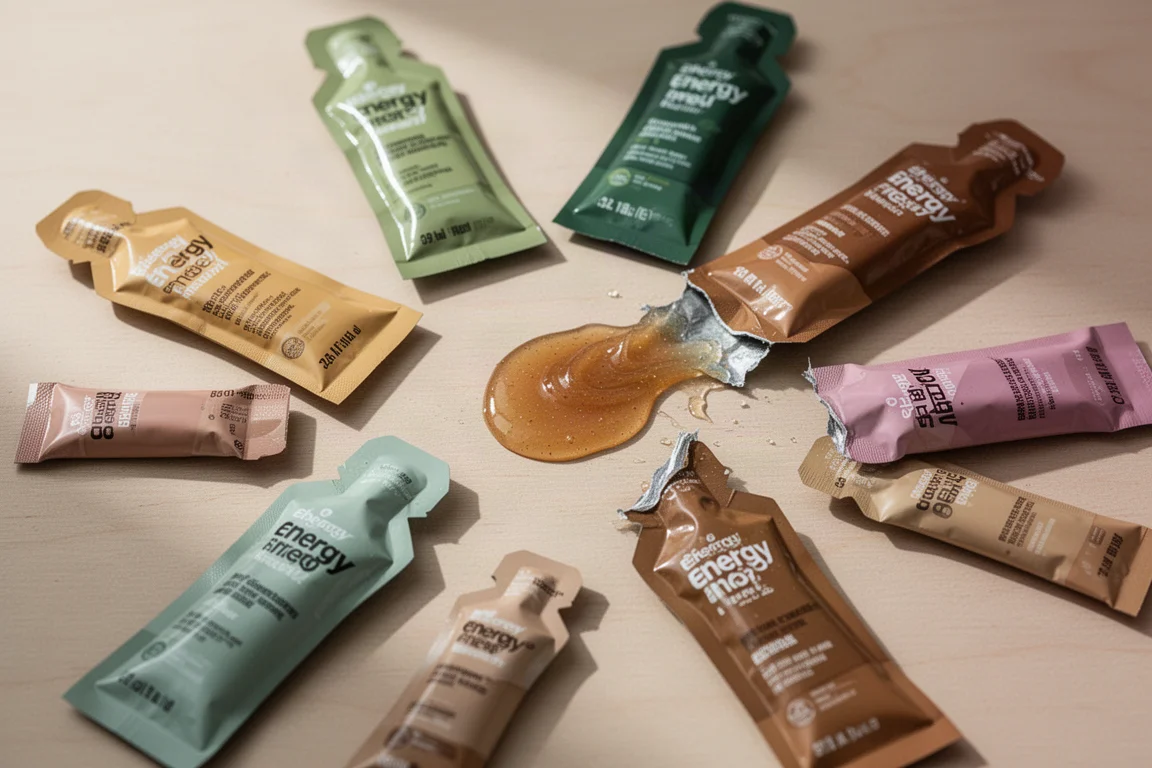
Our Top Gel Picks
Precision Hydration Gels
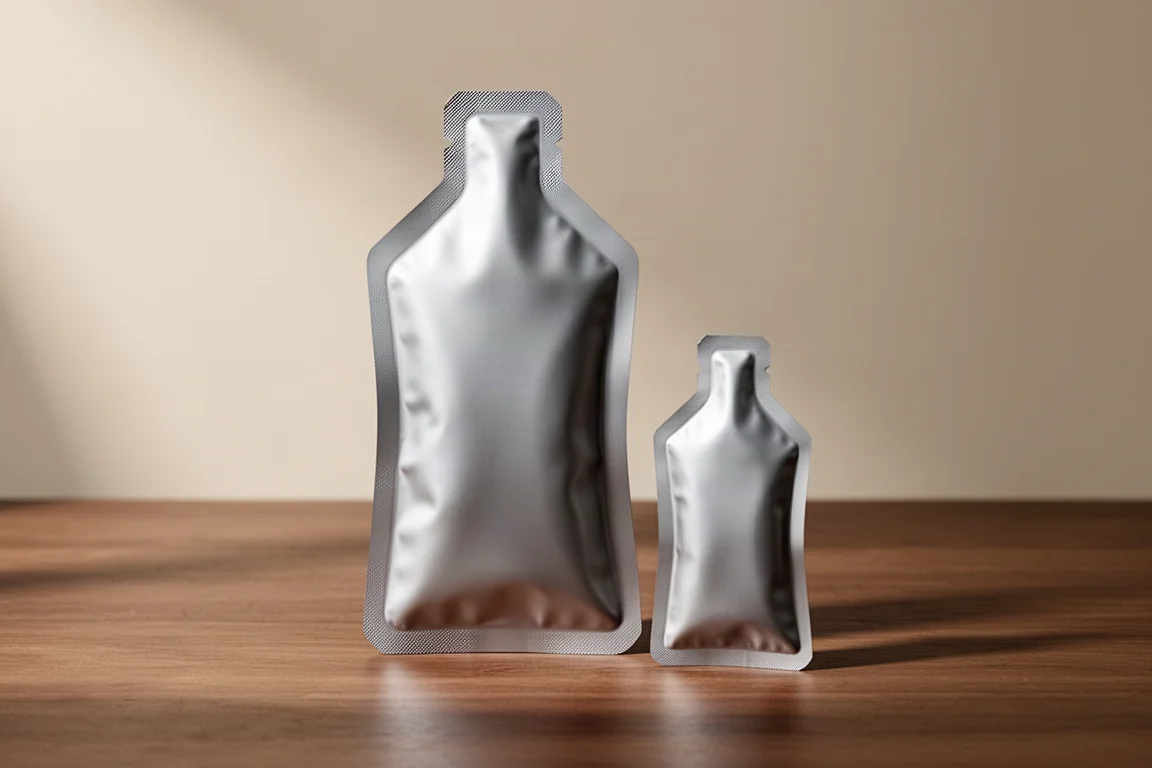
One of our current favorites is Precision Hydration. A standout feature is their large 90g packs, which hold roughly three gels’ worth of carbohydrate in a single handy sachet, ideal for long runs and races where fumbling with multiple packets is a nuisance.
Maurten Gels
Maurten gels are a premium option with a well-established reputation, and they also come in larger sizes if you want more carbohydrate per packet.
High5 Gels
High5 is a good budget-friendly choice. The gels are cheap and lightweight, which makes them an easy option to stock up on for training blocks.
Science in Sport Gels
Science in Sport gels are extremely easy to find, including in supermarkets in the UK. That accessibility makes them a good starting point for many runners experimenting with fueling for the first time.
Huma Gels
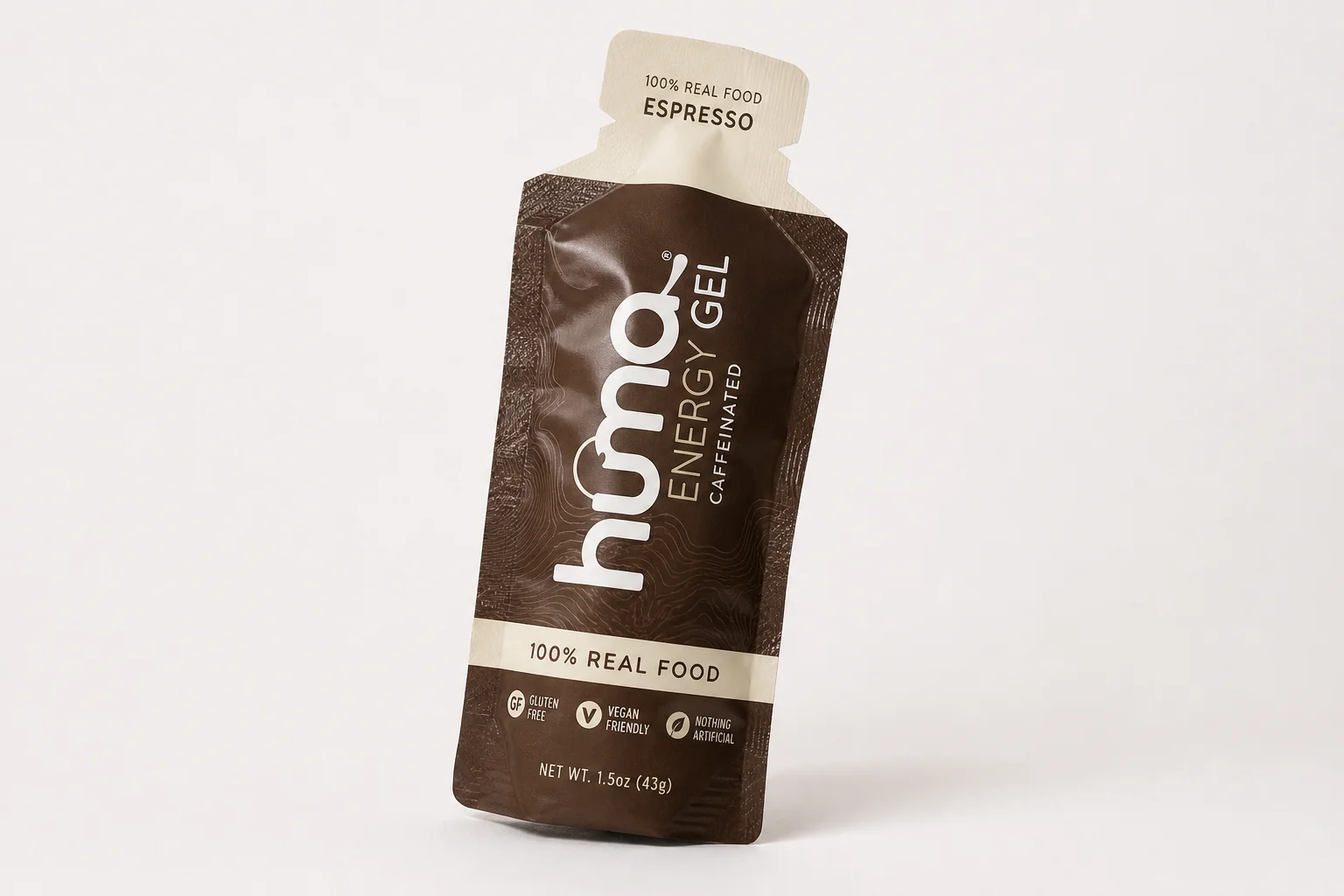
Huma is the pick for a more natural experience, appealing to runners who prefer whole-food-based ingredients over more processed formulations.
Alternatives to Gels: Chews, Drinks, and Whole Foods
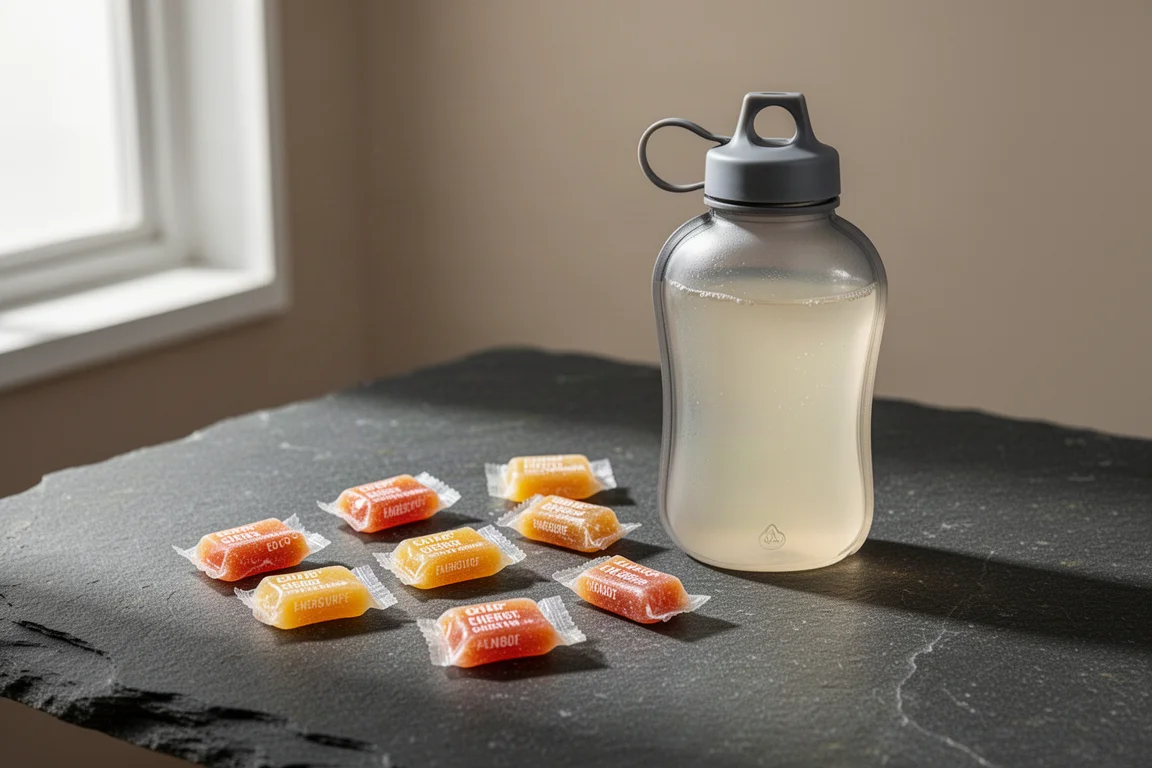
If gels are not your thing, energy chews from Precision Hydration, Clif, and Skratch Labs are a solid alternative that many runners find easier to get down.
Carbohydrate drinks from Precision Hydration, Tailwind, and Maurten are another option. A useful side note: taking these drinks the day before a race is a good way to add extra carbs during your carb load. On the run, though, they are not always easily accessible, and you may need a hydration pack to carry them. Whole foods like bananas, jelly babies, and Clif Bars also work, but eating them while running fast is trickier than it sounds.
How to Carry Your Fuel on Long Runs and Race Day
There are several practical ways to carry fuel. Hydration packs and running vests are very popular, and the biggest player in the market is Salomon. The Salomon ADV Skin 12 offers 12 liters of storage, which is more than you need for marathon training alone but excellent for longer days out on the trails.
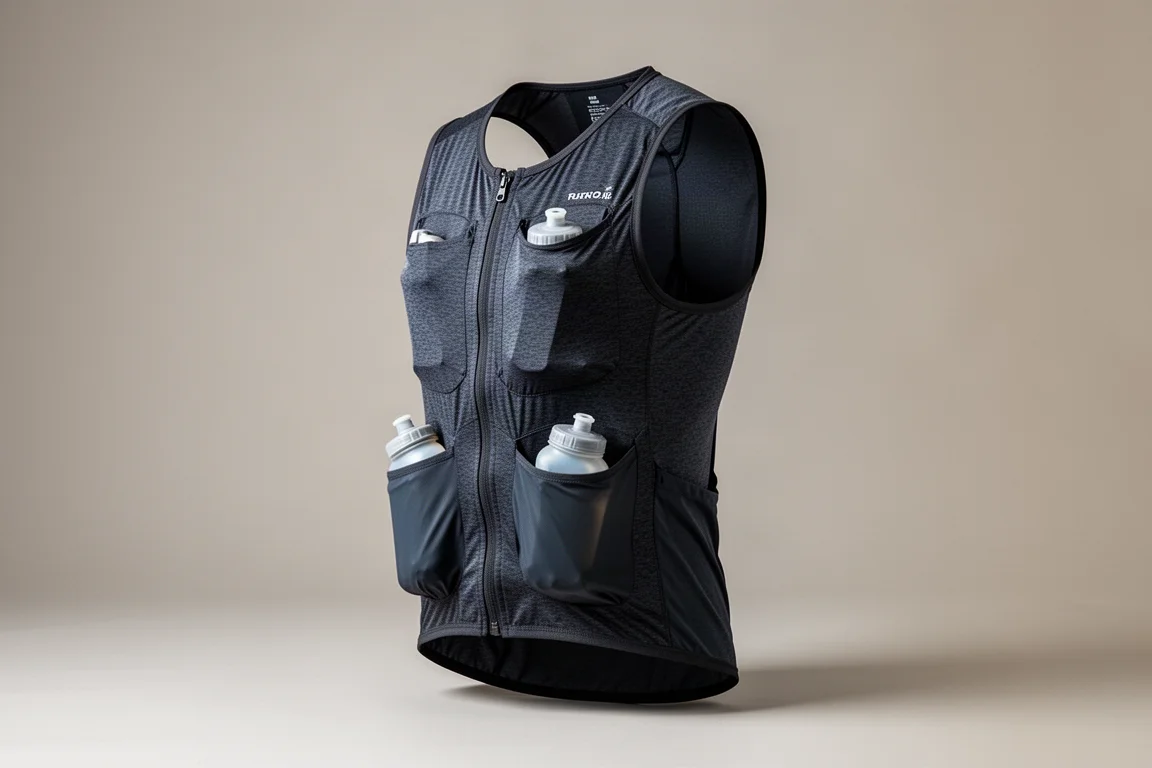
A race belt is another favorite, and the Naked Band race belt is what many runners use for races. It holds a surprising number of gels and keeps everything easily accessible mid-race. Shorts and leggings with pockets and loops also work well, and for shorter distances like a half marathon you can simply carry one or two gels in your hands, tuck them in arm sleeves, or even safety-pin them inside your shorts, old school but effective.

Whatever you choose, practice it in training. Dropping a gel and having to double back for it is incredibly annoying, and race day is not the time to discover your carrying system does not work.
Common Fueling Mistakes to Avoid
The most common mistake is simply not taking enough fuel, and not starting early enough. Do not wait until you feel tired, hungry, or dehydrated. Fuel early and often: one approach is taking the first gel right on the start line, then every 30 to 35 minutes.
The next mistake is not practicing in training. Your gut needs training just like your legs, so use gels on all your long runs and practice getting the top off and swallowing at race pace. Keep notes after each run about what worked and what to tweak.
Finally, the golden rule: never try anything new on race day. If you want to use on-course nutrition, research what the race hands out and train with it first. Otherwise, stick to what you have tested, and carry it in a system you have rehearsed.
Conclusion
Fueling can feel overwhelming at first, but it makes a huge difference on race day. Test different gels and textures on your long runs, train your gut to absorb more, dial in your carrying method, and by marathon day it will all feel like second nature. Pick one or two of the options above, start experimenting in training, and get to that finish line feeling strong.
Further reading
Related Reviews
Running Nutrition
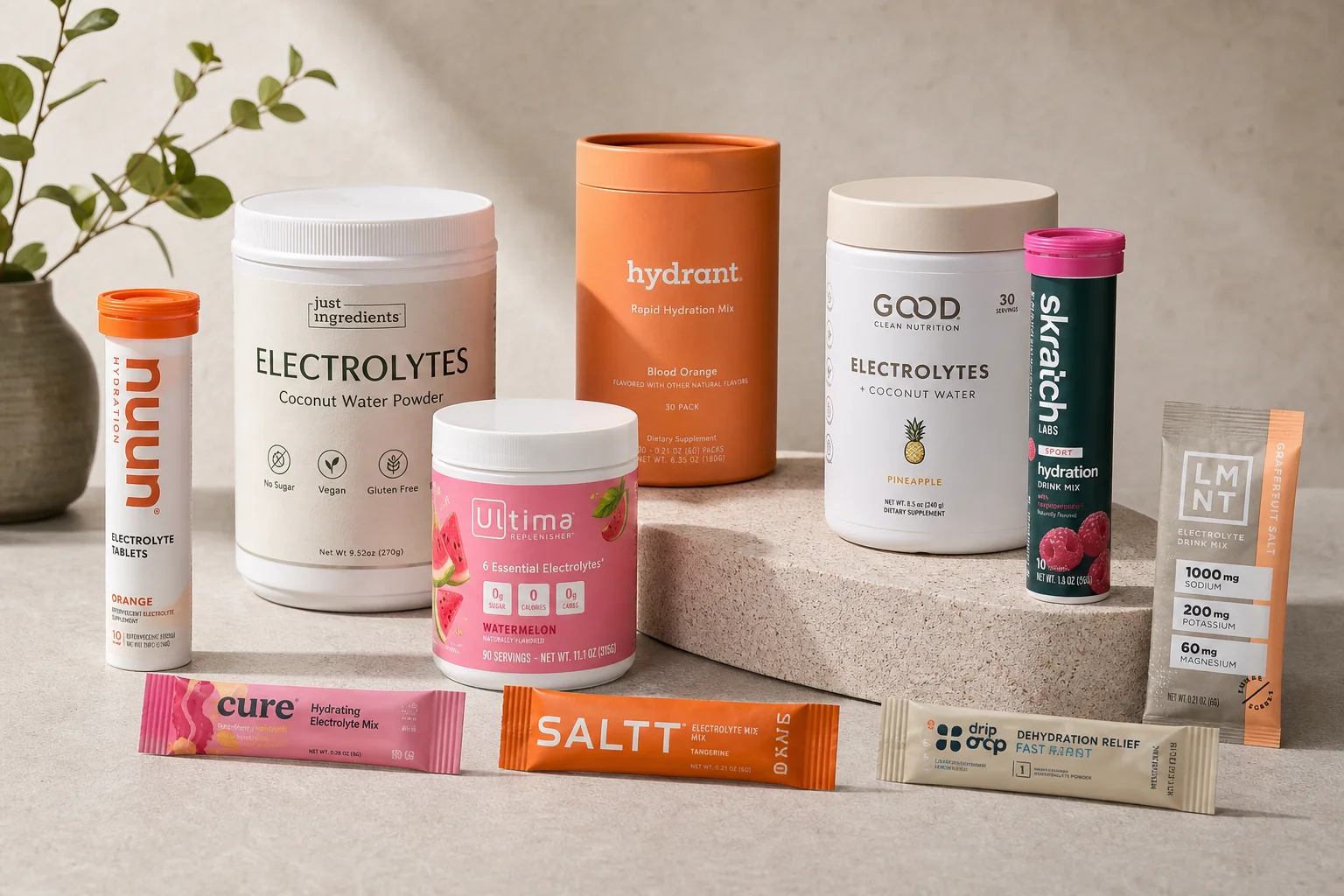
Best Electrolyte Drinks for Running: 13 Products Tested for Taste and Performance
A comprehensive taste test and review of leading electrolyte products, from powder formulations to dissolvable tablets, to help runners maintain hydration and performance.
Running Nutrition
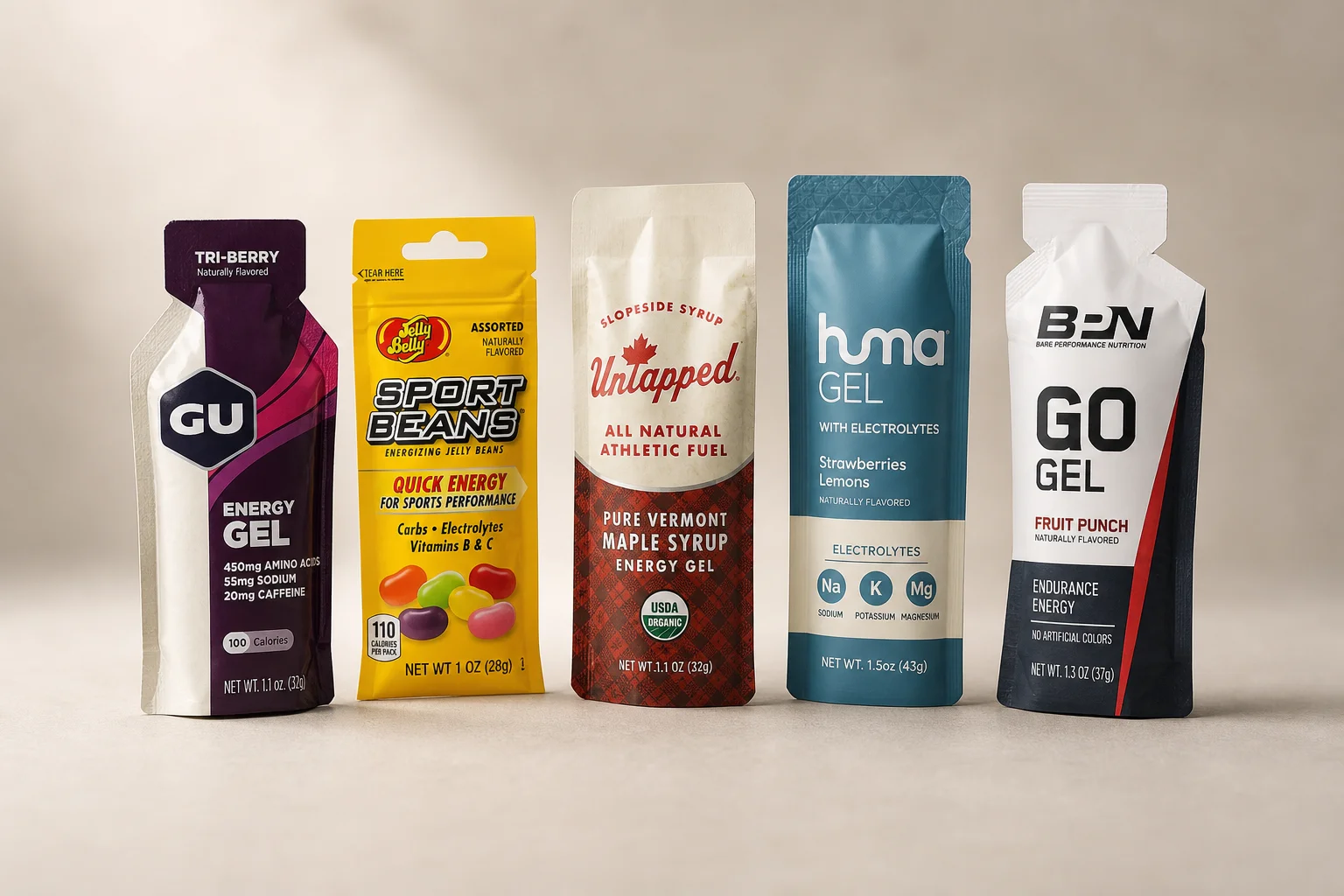
Best Running Gels: Five Options Compared for Different Runner Types
A practical comparison of five popular running gels, from beginner-friendly options to advanced formulas, with honest taste and usability feedback.
Running Nutrition
Best Running Energy Gels Compared: A Practical Guide to the Biggest Brands
From Maurten to Precision Hydration, a hands-on look at the most popular energy gels for half marathon and marathon training, with taste, texture, and carb notes for each.