Ski Gear
Ski Gear That Earns Its Place: A Complete Setup Guide
A practical walkthrough of a full ski setup, from merino base layers and shells to boots, all-mountain skis, avalanche safety gear and the small items that make a season easier.
Introduction
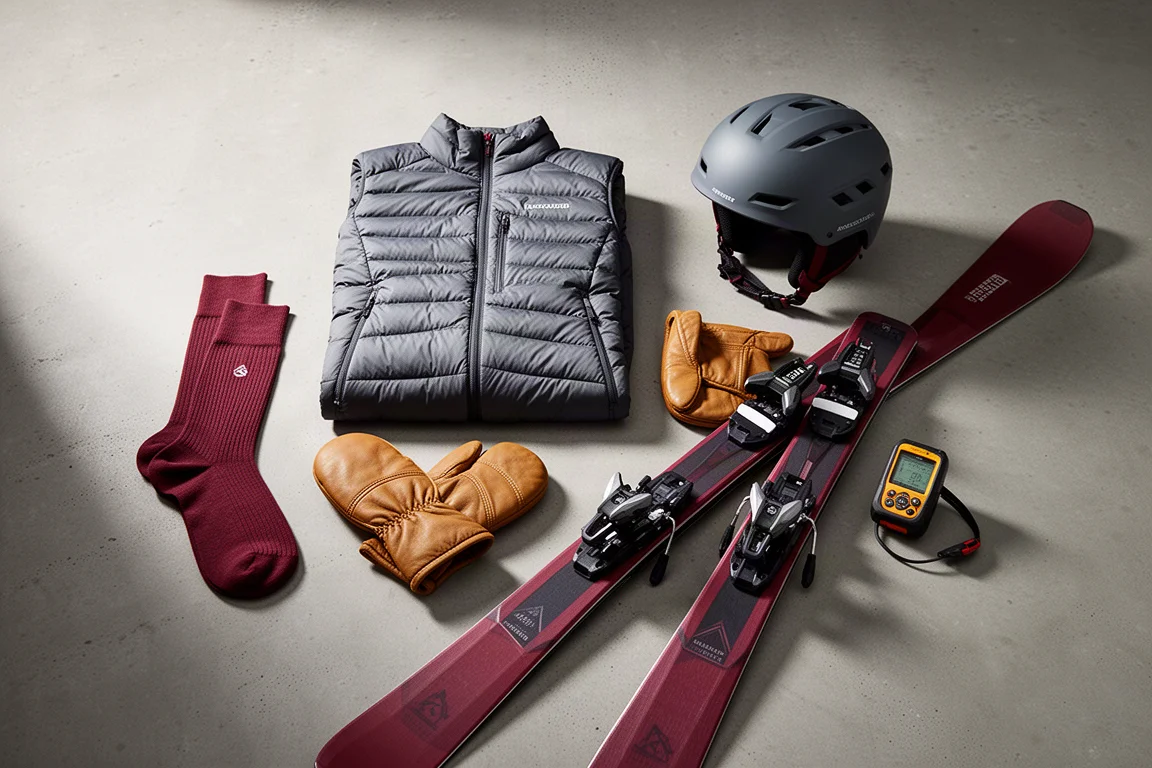
A ski kit is rarely built in one go. It accumulates over seasons: a base layer that survives year after year, a shell that gets patched instead of replaced, a pair of skis that ends up doing most of the work. The gear below covers a full setup for resort days, touring days and time in the backcountry, and every piece is here because it has been used repeatedly rather than because it looks good on a shelf.
Some of these items were bought outright, a few were gifts, and a small number were provided to test. Where a piece has a clear weakness, that is noted as well. A handful of the links in this guide are affiliate links, which means a small commission may be paid if you buy through them, at no extra cost to you.
What Matters Most When Building a Ski Kit
Three things matter more than brand names when assembling a setup.
The first is fit. A boot that pinches the instep will ruin a season regardless of how stiff or how light it is, and the same applies to a helmet that sits too low or a jacket that rides up under a pack.
The second is layering. A thin merino base layer under a simple fleece mid layer and a shell covers most days, with an insulated jacket added only when temperatures really drop. Thick socks are a common mistake: thinner socks improve circulation, keep feet warmer and avoid pressure points inside a close-fitting boot.
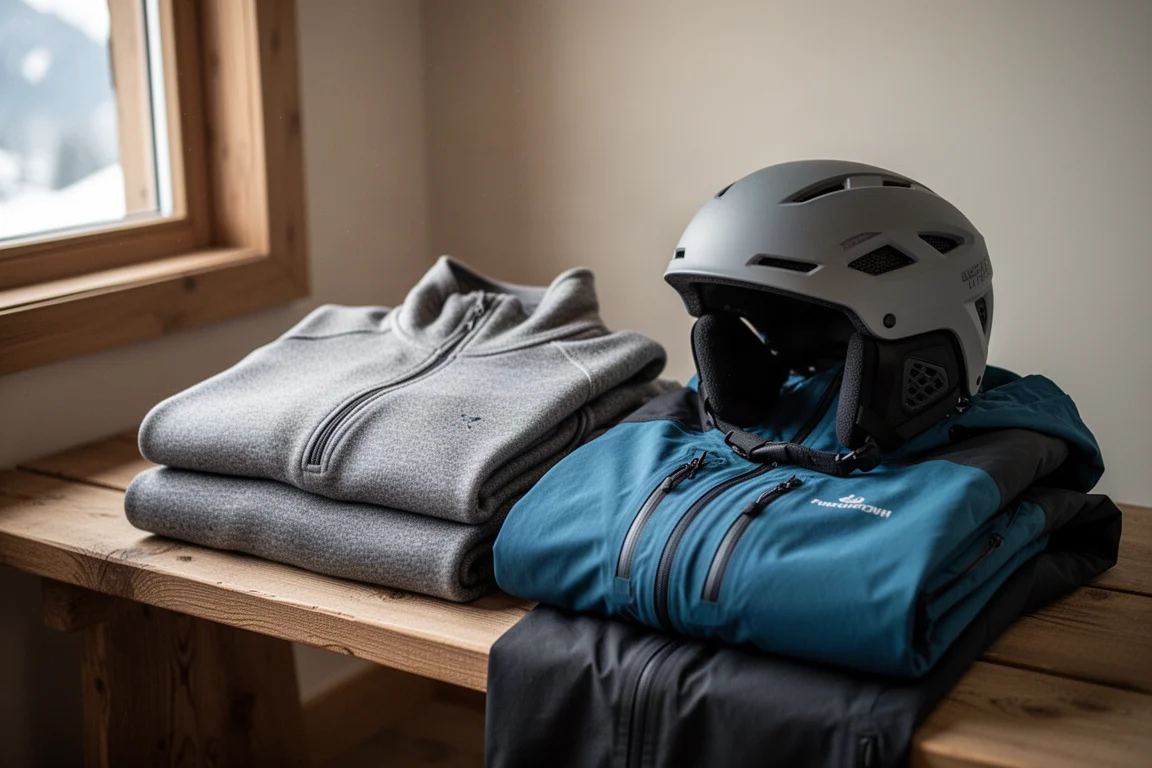
The third is safety gear. Anything beyond the resort boundary means carrying a transceiver, a probe and a shovel, plus the knowledge to use them. That kit is not optional, and it is worth practising with regularly rather than once at the start of a season.
Base Layers: Smartwool PhD Light Ski Socks
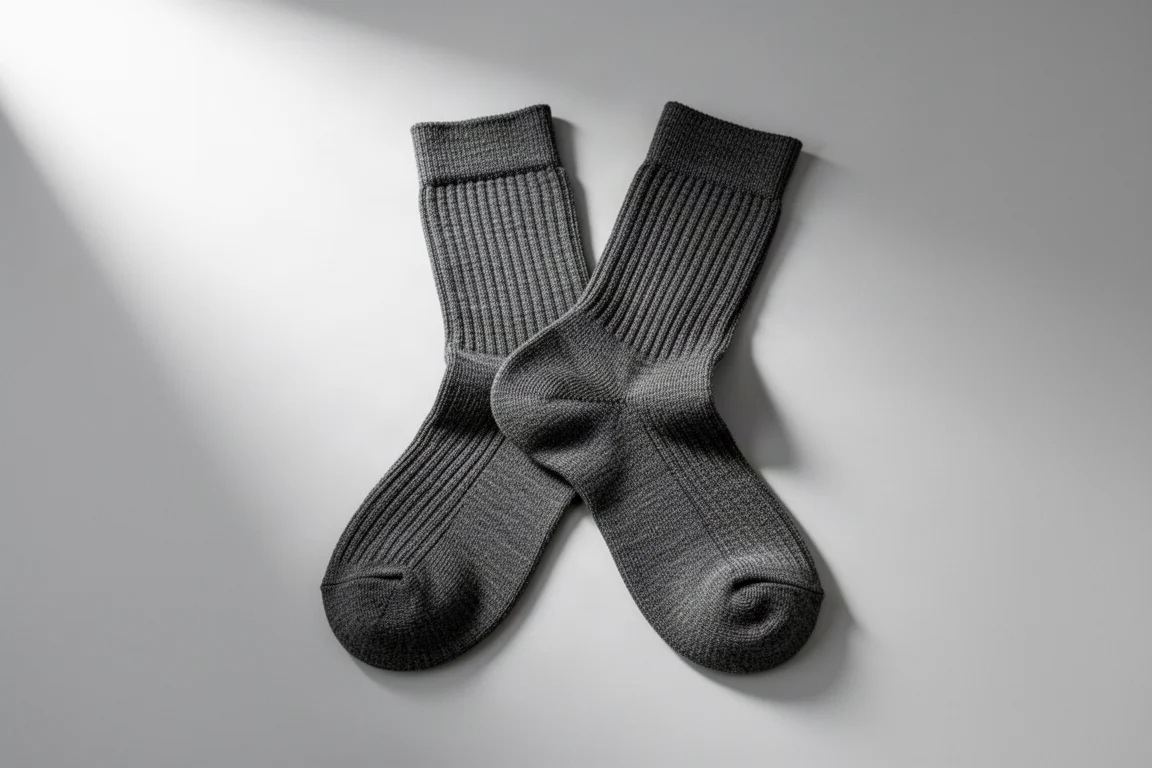
Socks are the cheapest place to fix cold feet, and the fix is usually to go thinner rather than thicker. The Smartwool PhD Light Ski Socks are a merino pair with a light amount of cushioning in the heel and along the shin, which helps reduce shin bang on heavy landings without adding meaningful bulk.
Merino is the reason these work so well. It manages sweat, dries quickly and resists odour, which means a single pair can cover several consecutive ski days on a longer trip. The trade-off is durability. This pair has been worn for around four seasons, but a set will often develop holes at the heel and toes within a single season, and they are not cheap to replace.
Mid Layers: Patagonia Nano Puff
For most ski days the mid layer is the whole story. A simple fleece without a hood is the most comfortable option under a shell, since a hood bunches up at the neck and rarely sits well under a helmet.
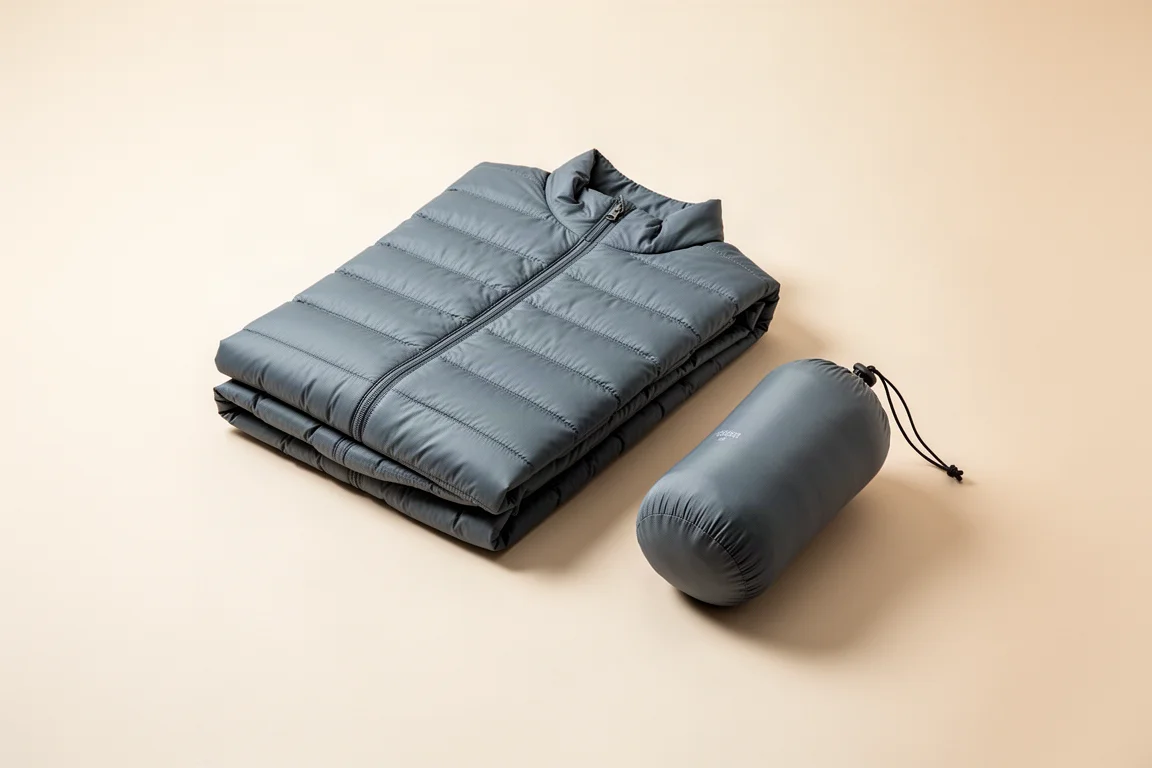
The Patagonia Nano Puff sits in the next slot up. It works as a third layer on genuinely cold days, but it is also the jacket that gets worn around town, to work and at a desk. That versatility is why it has been worn almost daily for four years and still looks serviceable. The brand also repairs older garments, which matters if you prefer to keep gear for a decade rather than a season.
Shell Jacket: Helly Hansen Ridge Infinity
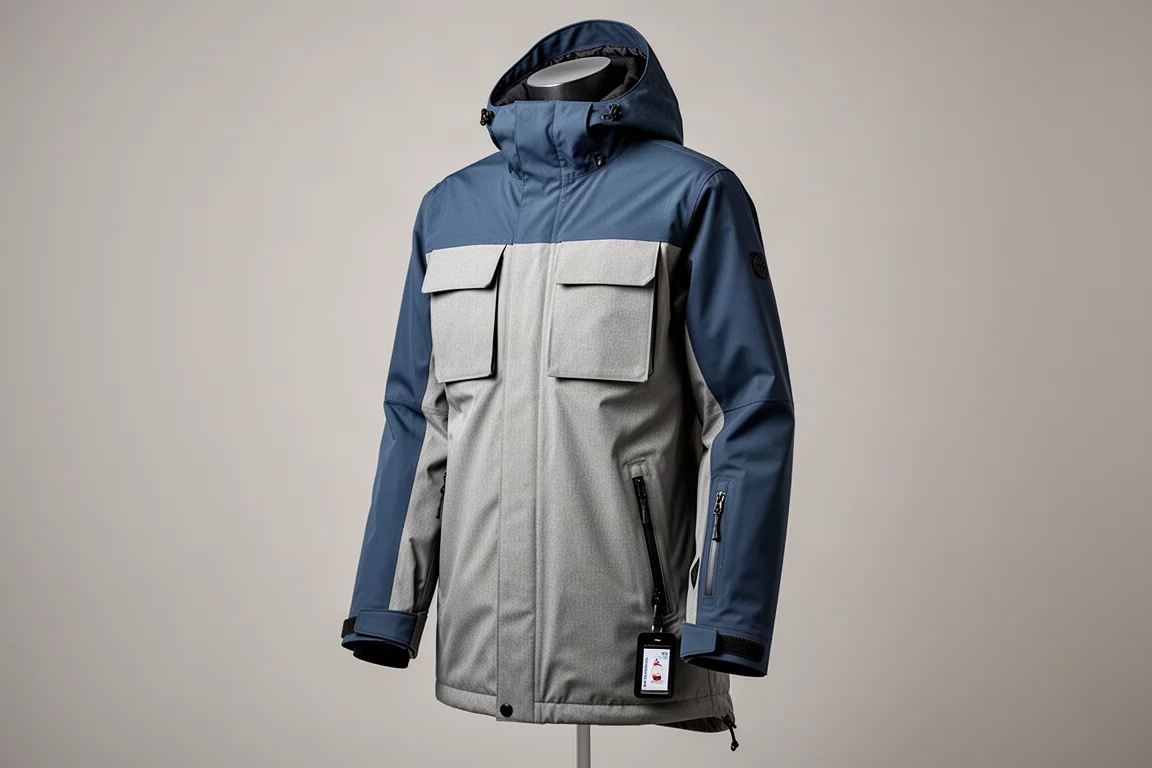
A shell has to do two jobs: keep weather out and carry everything you need. The Ridge Infinity is a freeride-style jacket with a longer cut that suits taller skiers, and its most useful feature is a pair of large horizontal pockets across the front that hold a surprising amount of camera gear.
There are also hand gaiters, an inner chest pocket and a pass holder at the hem. After several seasons of heavy use the shell is showing its age, and the main zipper has been stuck past one of its teeth for two seasons, so a repair visit is overdue rather than optional. The longer fit and the pocket layout still make it the preferred shell for resort and freeride days.
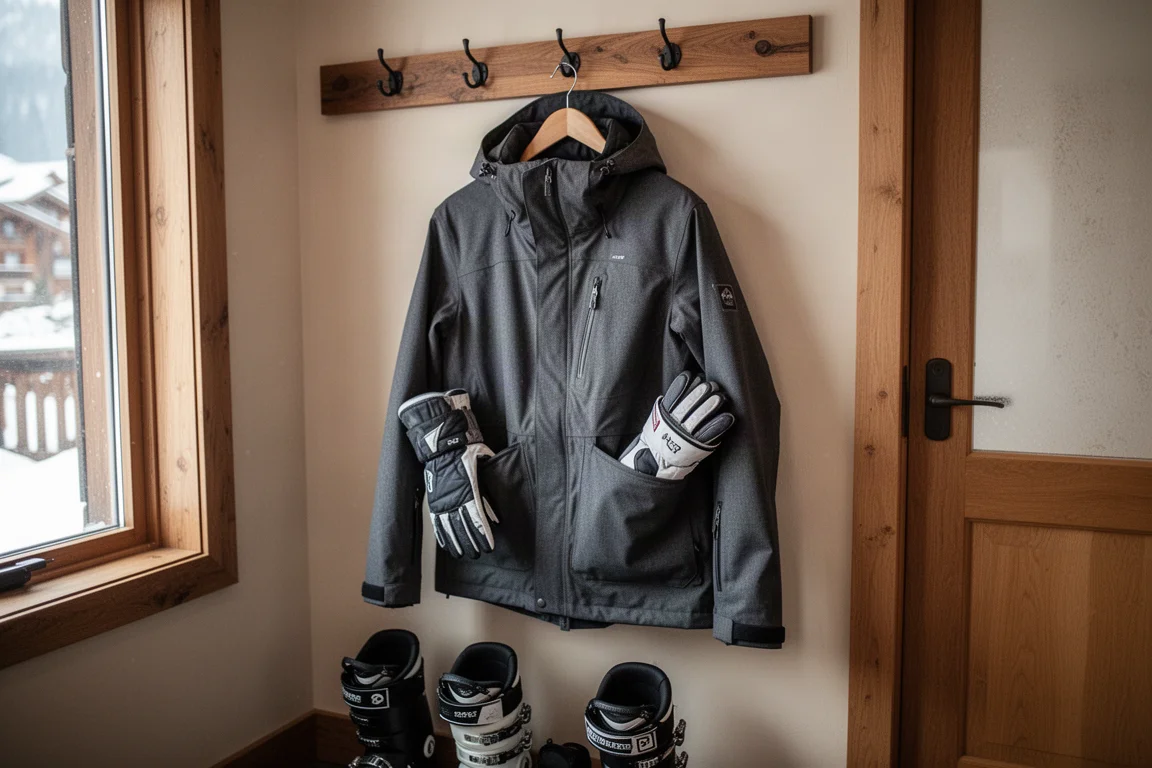
For anyone shopping in this category, the pocket arrangement is worth checking in person. Horizontal front pockets are far more practical for carrying a camera, a phone or a flask than the narrow vertical pockets found on many shells.
Head Protection: Smith Vantage Helmet
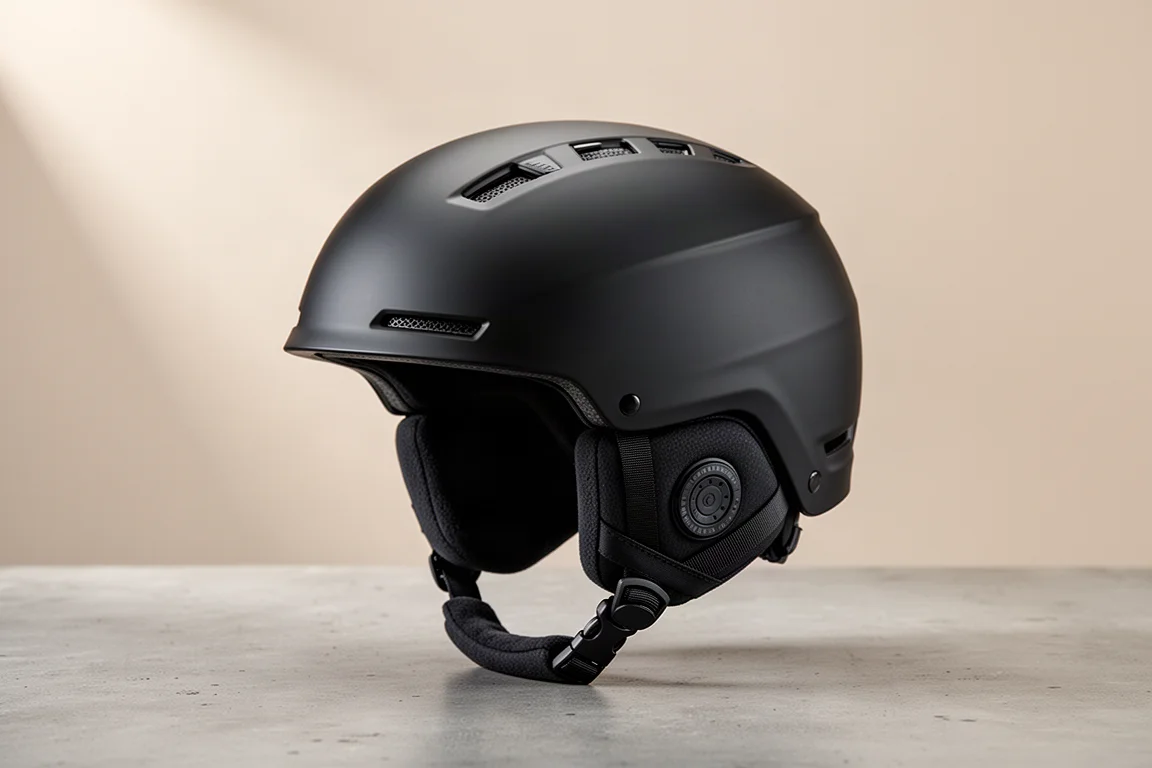
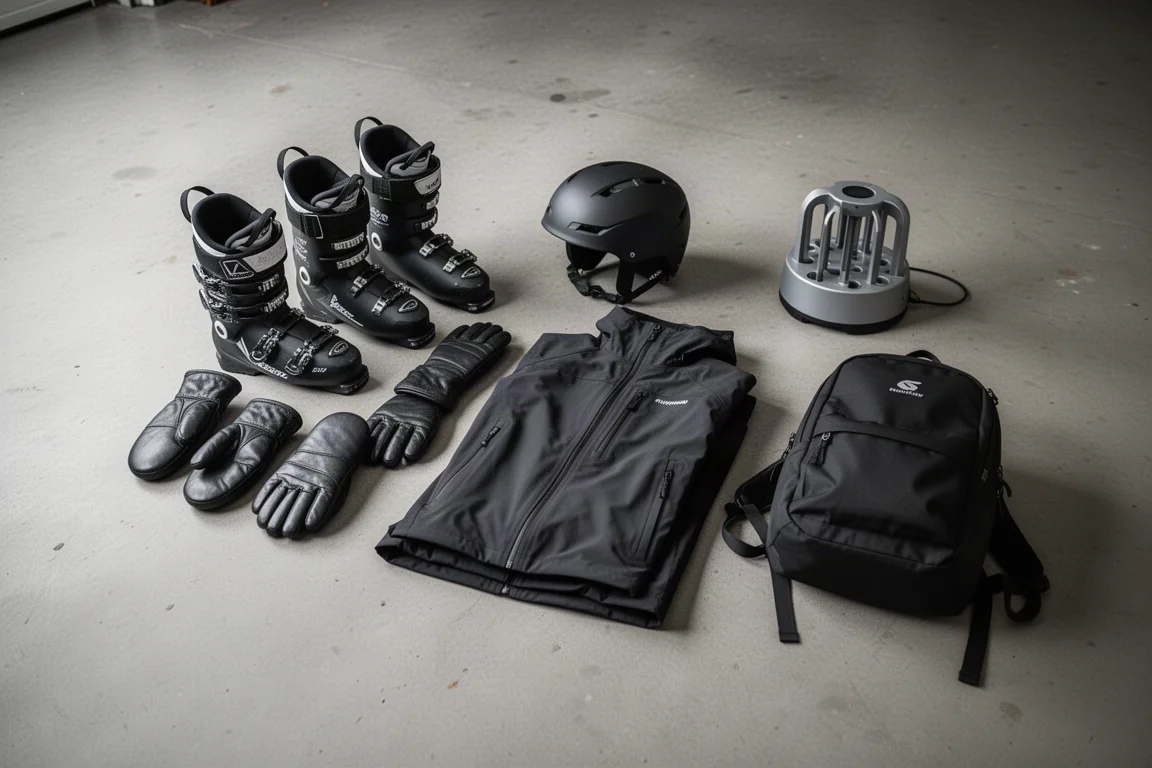
The Smith Vantage pairs a rotational impact system with a honeycomb-style protective layer, and it is the venting that makes it a favourite. A hot head is a real problem on long climbs and spring days, and the adjustable vents let air move through the shell.
The rear fit dial is the second reason it works. When a camera is mounted on the helmet, the extra weight tends to push it down, and the dial cinches everything back into place without needing to take gloves off. The ear pads come out, which is a preference rather than a flaw, but it does mean a headband or neck gaiter is needed on cold days. Helmets should be replaced every two to three seasons, or sooner after a significant impact.
Hand Protection: Hestra Fall Line Mitts
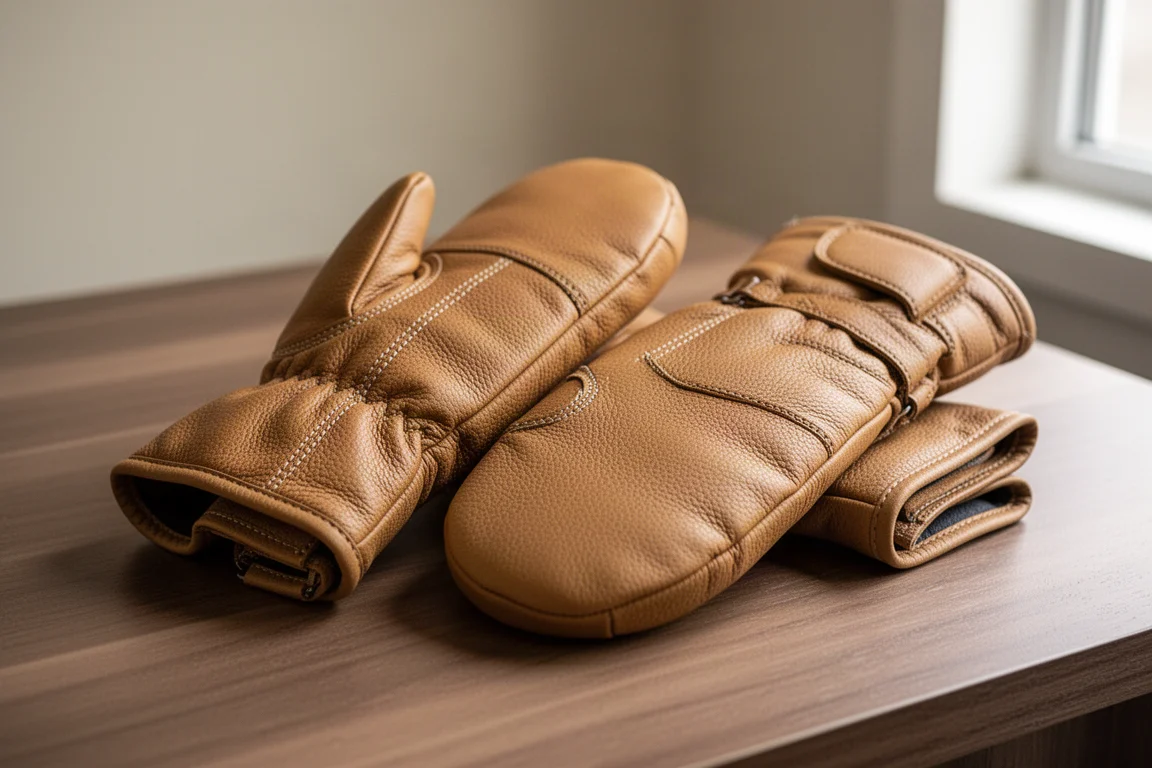
Mittens beat gloves for warmth, and the Fall Line is a full leather pair that becomes extremely comfortable once broken in. There is a wrist strap to keep them attached when you take them off on a lift, and the leather softens into the shape of your hand over the first few days.
They are not a universal answer. In wet, damp conditions the leather saturates, and on mild spring days they run too warm. Their sweet spot is cold, dry resort skiing, where they are hard to beat.
Ski Boots: Tecnica Mach1 High Volume
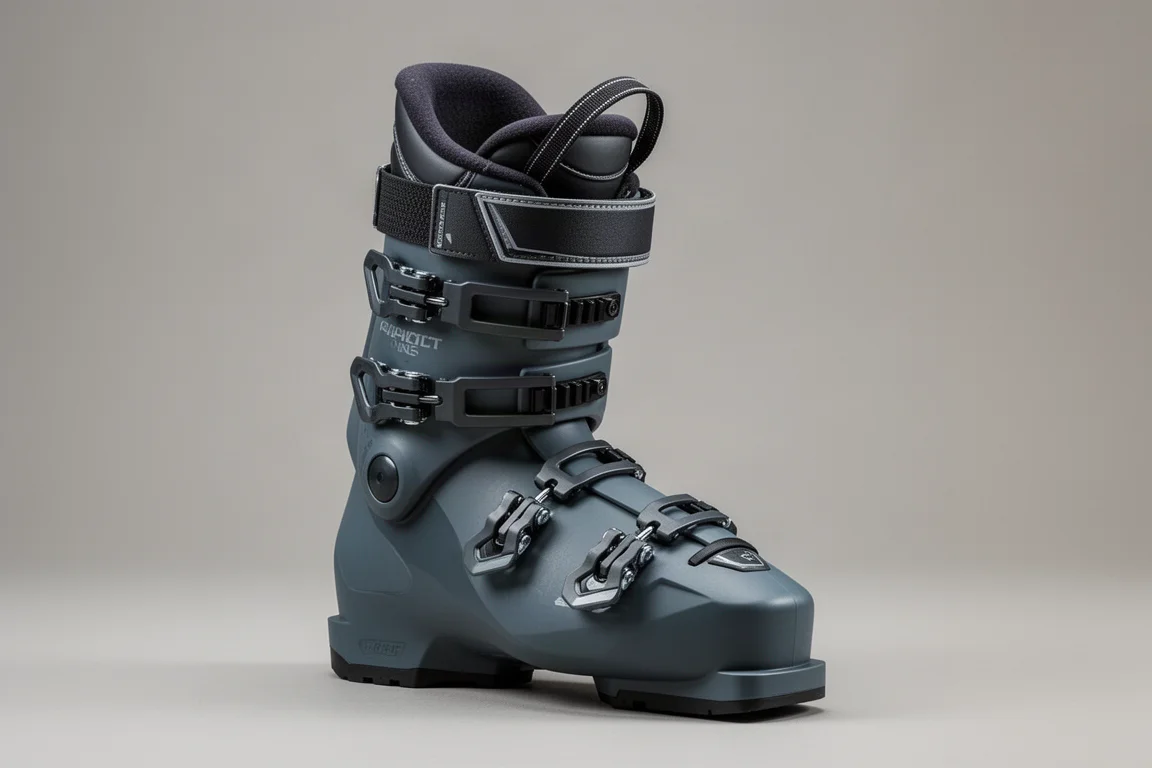
Boots are the one item worth spending real time on. The Mach1 High Volume is built on a 103 mm last with a 130 flex, which is an unusual combination: a genuinely wide shell in a stiff, performance-oriented boot.
For skiers with a high instep or a wide forefoot, that pairing removes a lot of pain. In practice the lower buckles can stay open and the foot can be held with a single buckle without losing control. The shell has been heat-fitted twice and is straightforward for boot fitters to modify. The liner is now packed out after several seasons, so a replacement liner is the sensible next step rather than a whole new boot.
All-Mountain Skis: Nordica Enforcer 104 Free
If one ski has to cover most of a season, a metal-laminate all-mountain shape is the safest bet. The Enforcer 104 Free uses two sheets of metal around a wood core, which makes it heavier than a touring ski and considerably more damp and stable at speed.
At 191 cm it carves well enough for groomers, handles steeps and technical terrain comfortably, and floats in powder. The limit is flex: there is not much of it, so playful butters and presses are not really on the table. Marker Jester bindings, rated to 16 DIN and set at 10, are a sensible match. For anyone who charges hard and wants a single ski for most days at a resort with variable snow, this is the shape to look at.
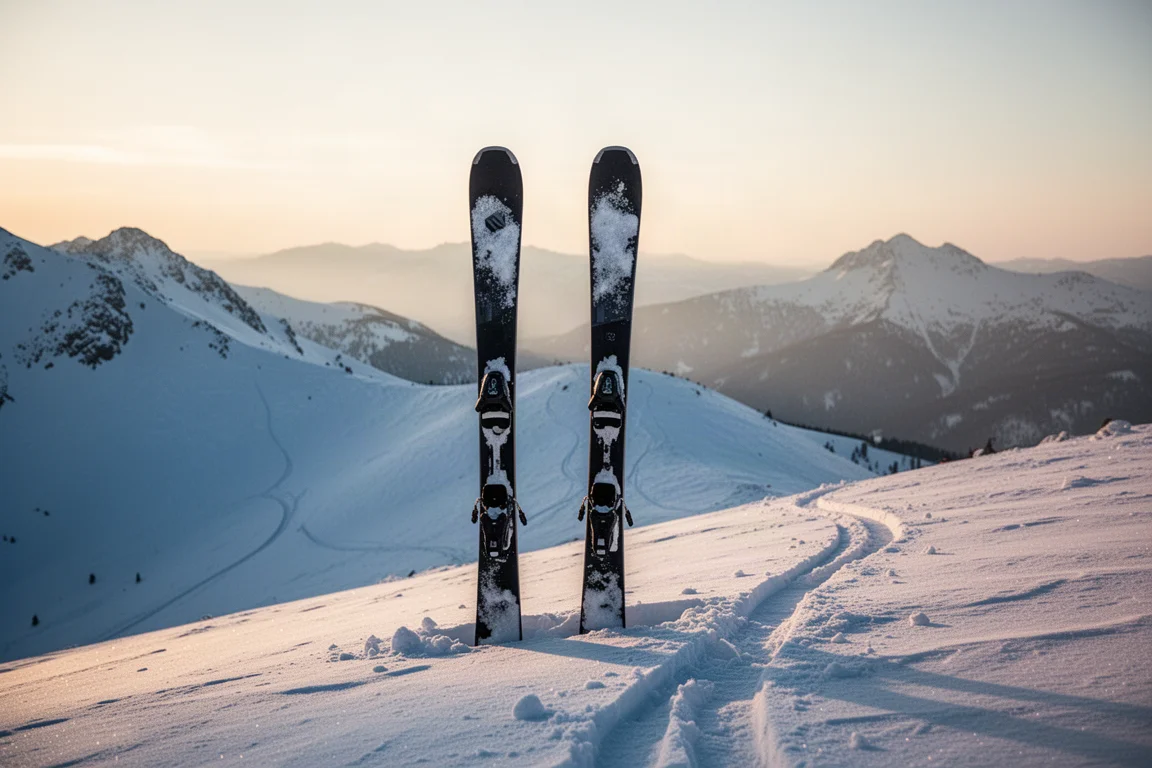
Touring days call for a different setup, and that usually means a lighter ski paired with a hybrid binding that switches between a full alpine toe piece for the descent and a pin toe piece for the climb. The trade-off is weight and a little extra faff at each transition.
View more details for Nordica Enforcer 104 Free
Avalanche Safety: Black Diamond Recon BT Beacon
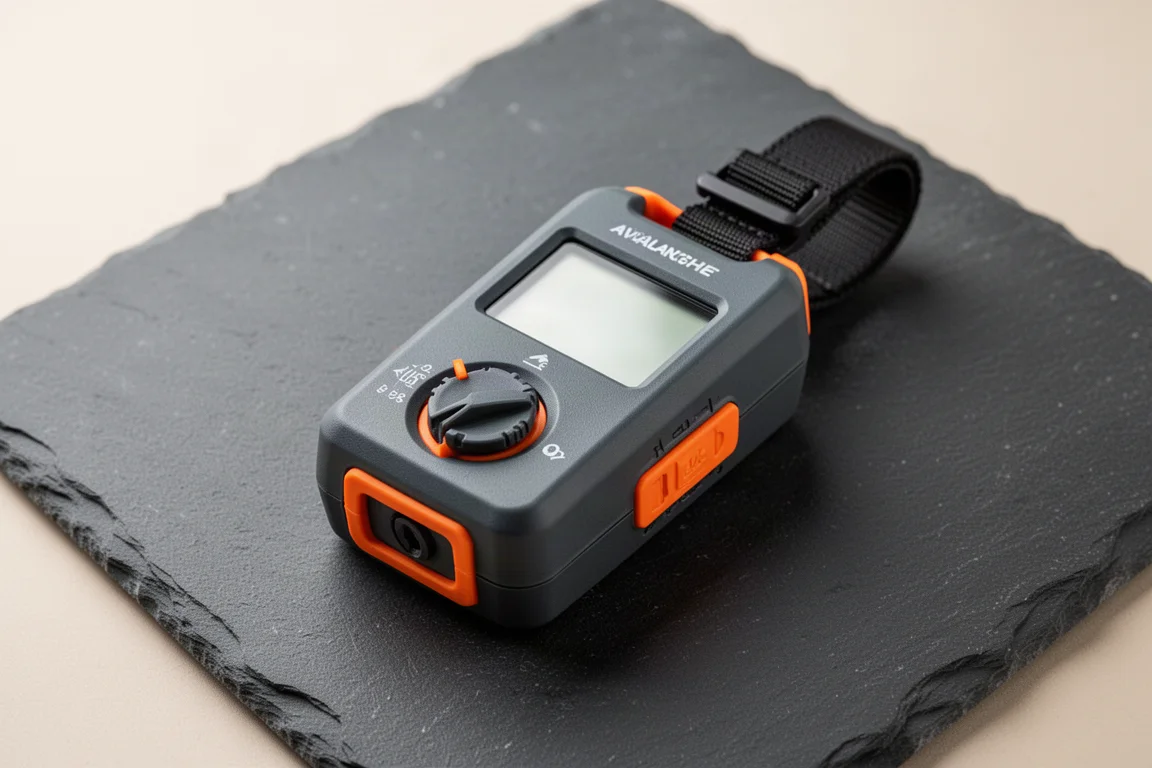
A transceiver is the core of a backcountry kit, and the Recon BT sits in the middle of the range: not a top-tier guide model, and not the cheapest option either. It covers the search functions that matter and has been reliable through regular practice.
Whatever beacon you carry, the important habit is testing it. Practising a search in the field, with gloves on, is what turns a piece of equipment into something you can actually use when it counts.
Gear Care: DryGuy Boot Dryer
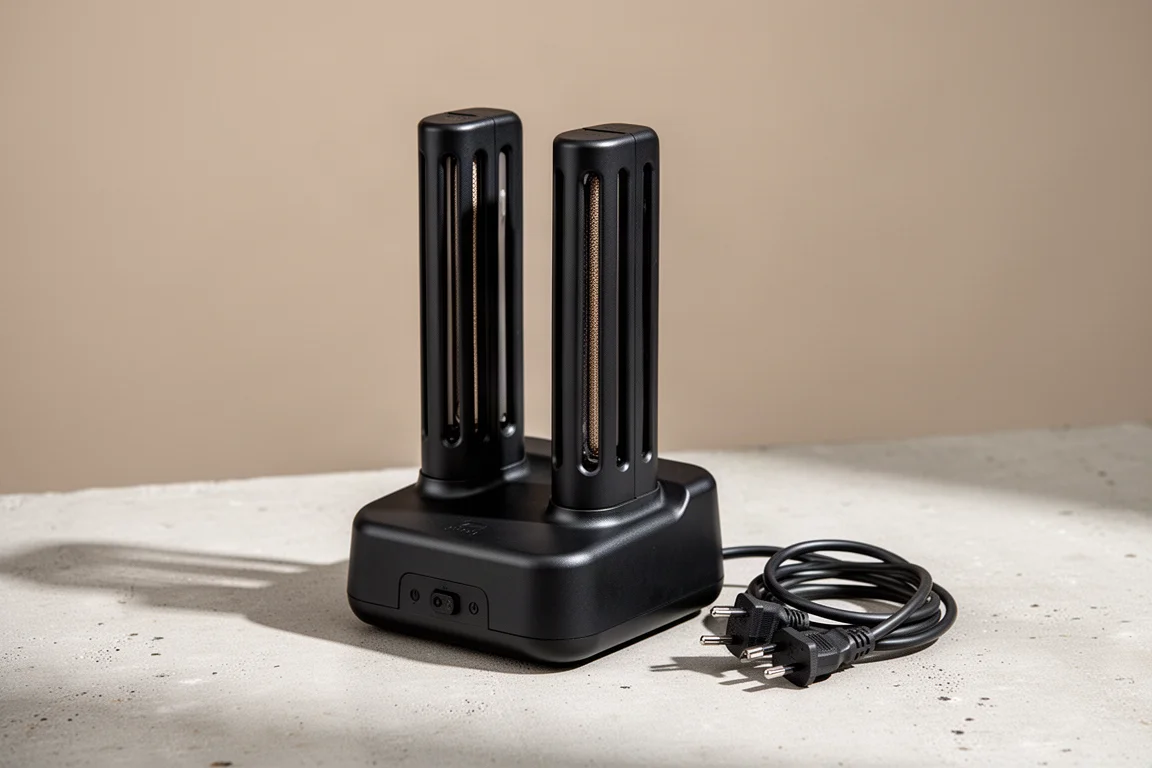
This is the least glamorous item in the kit and one of the most useful. A boot dryer pulls moisture out of liners overnight, which prevents the mould and smell that builds up when damp liners sit inside a shell for a week.
Dry liners also last longer and keep feet warmer on back-to-back ski days. Anyone touring or skiing consecutive days will notice the difference most, and the unit costs far less than a replacement liner.
Buying Advice: Matching Gear to Your Skiing
Spend on the items that touch your body first. Boots, socks and mittens determine whether a day is comfortable, and a well-fitted boot with a thin merino sock will outperform an expensive jacket every time.
Layering should stay simple: a thin merino base, a hoodless fleece mid layer and a shell that carries what you need. Add an insulated jacket for the coldest days rather than trying to build one jacket that does everything.
Secondhand is a legitimate route for skis, poles and some hard goods. Older skis with good bases can be sharpened and pressed back into service, and marketplace listings occasionally turn up models that are no longer made.
Safety gear is the exception to every budget rule. If you plan to leave the resort boundary, budget for a transceiver, probe and shovel before anything else, then practise with them.
Conclusion
A good ski setup is not the most expensive one. It is the one where the socks are thin, the boot fits, the layers are simple, and the safety gear is carried and practised with. Everything else, from the shell to the skis, comes down to matching the tool to the days you actually ski.
Further reading
Related Reviews
Ski Gear
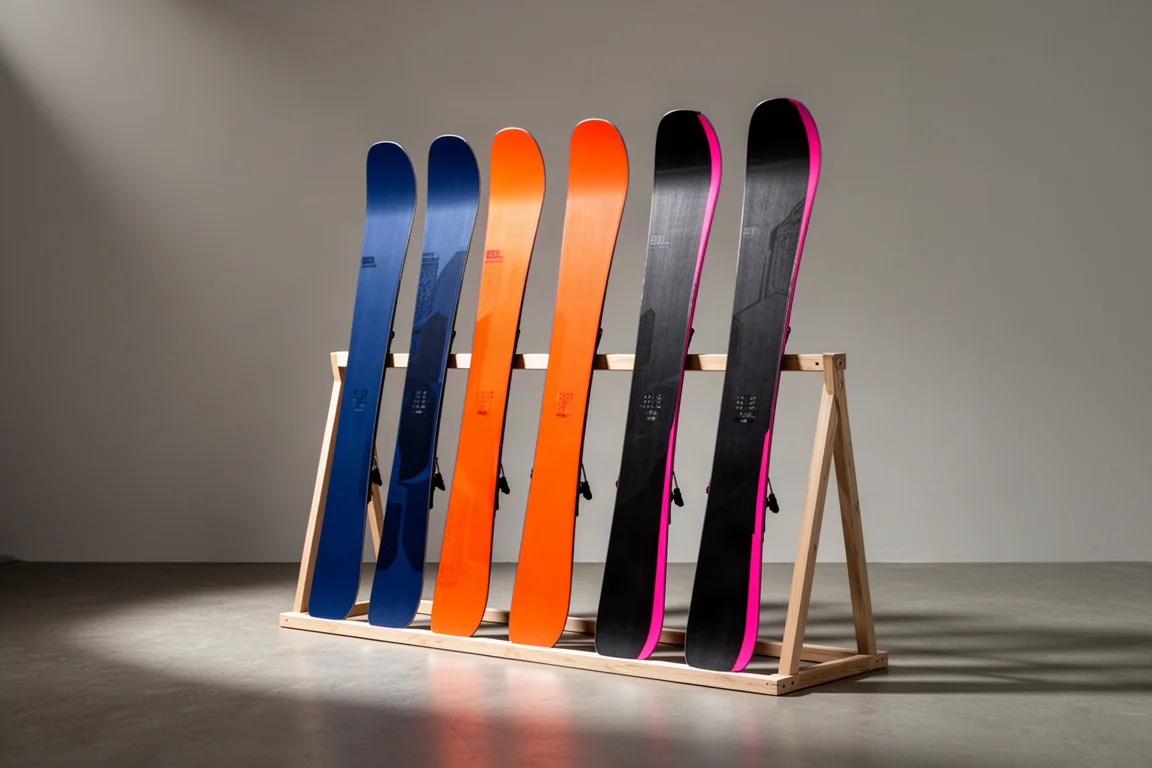
2023 Blizzard Hustle vs Rustler: Six Freeride Skis Compared
Blizzard's 2023 Hustle collection rebuilds the Rustler shape with a lighter core and no metal. Here is how all six skis differ, and which one suits your riding.
Ski Gear
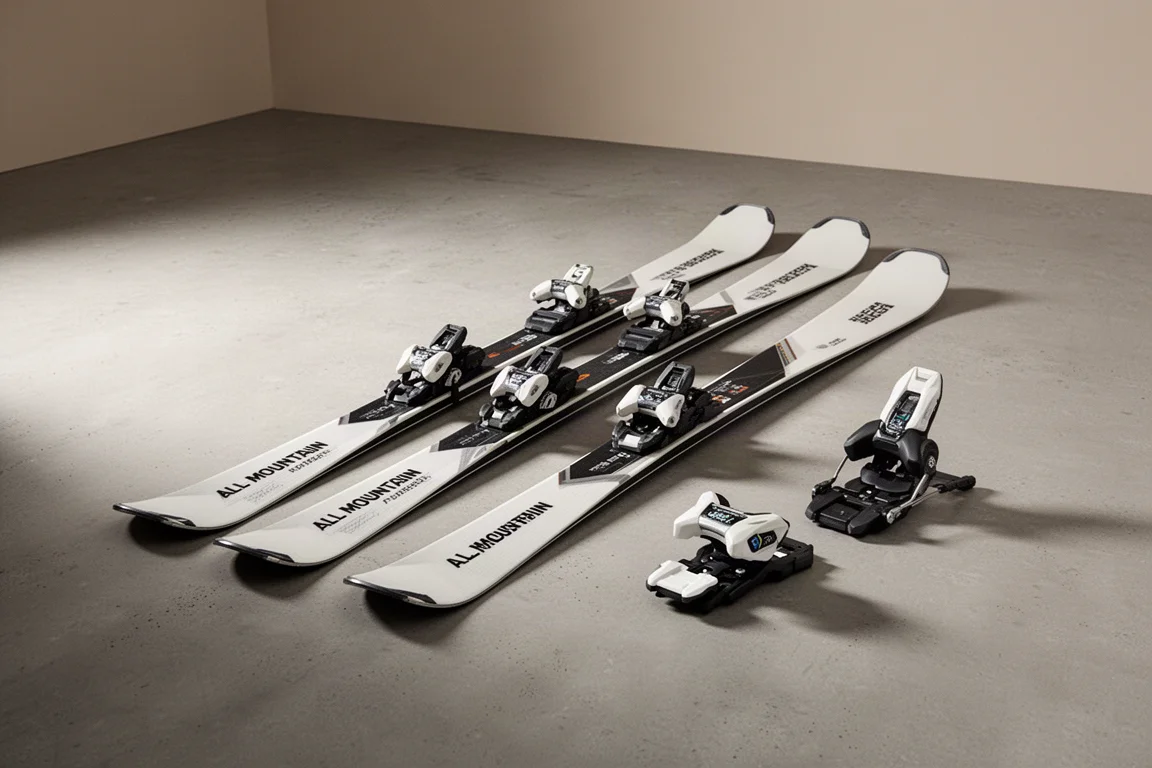
2023 Skis of the Year: Atomic Maverick 88 TI, Salomon QST 106, and Look SPX 12 Pro
Three standout ski picks for all-mountain carving, powder days, and reliable binding performance, with practical buying notes for 2023 models.
Ski Gear
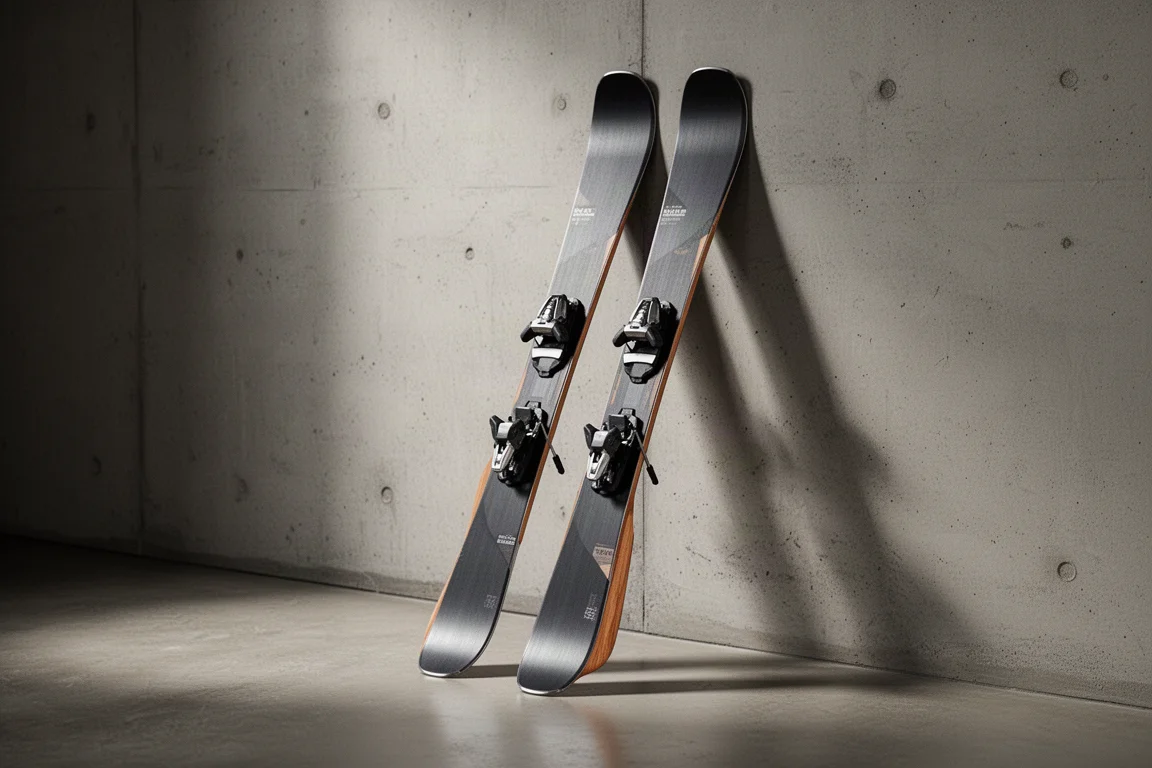
2025 Nordica Enforcer 104 Review: A Directional Charger Replaces the 104 Free
The 2025 Nordica Enforcer 104 drops the Free name and the twin-tip personality, gaining weight, stiffness and composure in rough snow. Here is what changed and who it suits.