Ski Gear
A Complete Resort Ski Kit: Nine Pieces Worth Knowing
A full resort ski kit broken down piece by piece, with honest notes on warmth, durability, value, and where the money is best spent.
Introduction
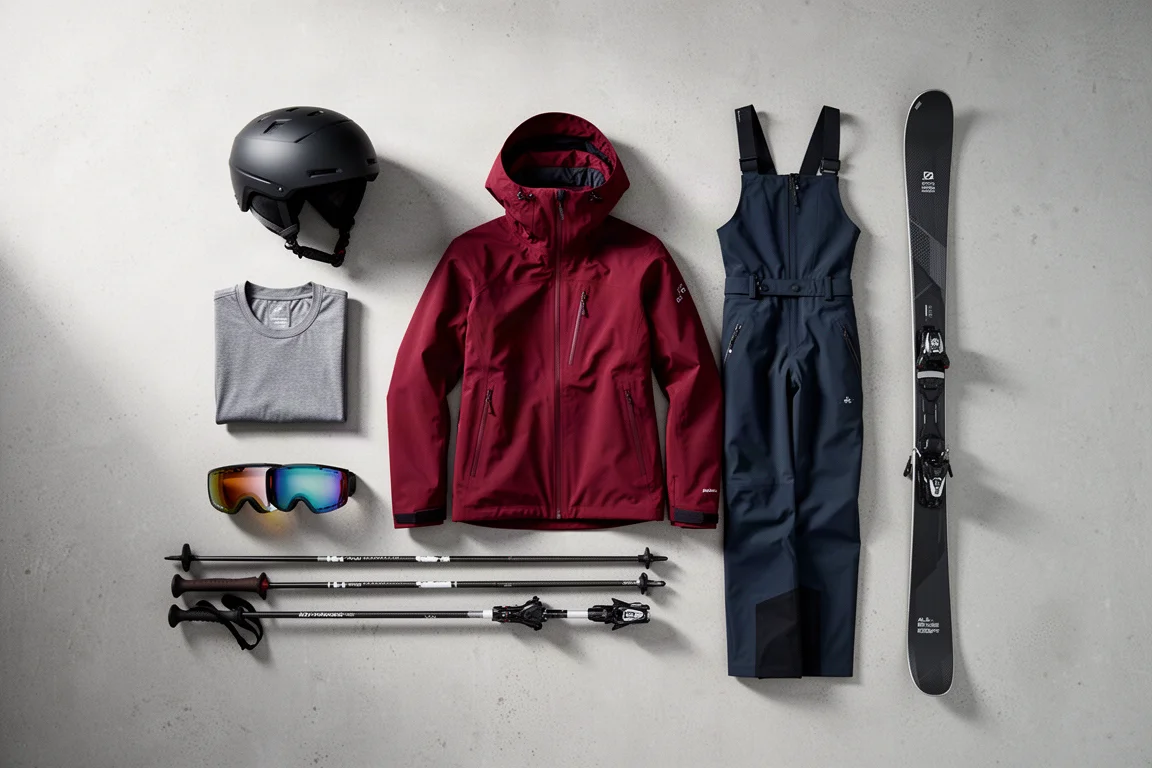
A season’s worth of gear usually gets built one piece at a time rather than in a single shopping trip. Some items are bought new, some are found used, and a few are replaced only when a crash or a failed seam forces the issue. What follows is a full resort kit for the season ahead, with an honest look at what each piece does well, where it falls short, and which items are worth spending on.
Nothing here is sponsored. Every piece was bought and paid for by the rider who uses it, and the notes below reflect real time on snow rather than first impressions.
How This Kit Was Chosen
Three priorities shape this kit: warmth, durability, and visibility. Colour coordination is a distant fourth, and any matching that shows up is accidental. With roughly 70 to 100 days on snow in a season, gear has to survive more than one winter to justify its place.
That thinking puts boots, helmet, and goggles at the top of the spending order. Those three items most directly affect control, safety, and how the day goes, so they get the budget. Jackets, pants, and base layers can be bought used or on sale without the same penalty.
Buying used is part of the strategy, and it comes with real risk. Descriptions on resale marketplaces are not always accurate, and a purchase occasionally arrives in worse condition than advertised. The value can still be excellent, particularly on premium shells, but it pays to check measurements, condition photos, and return terms before committing.
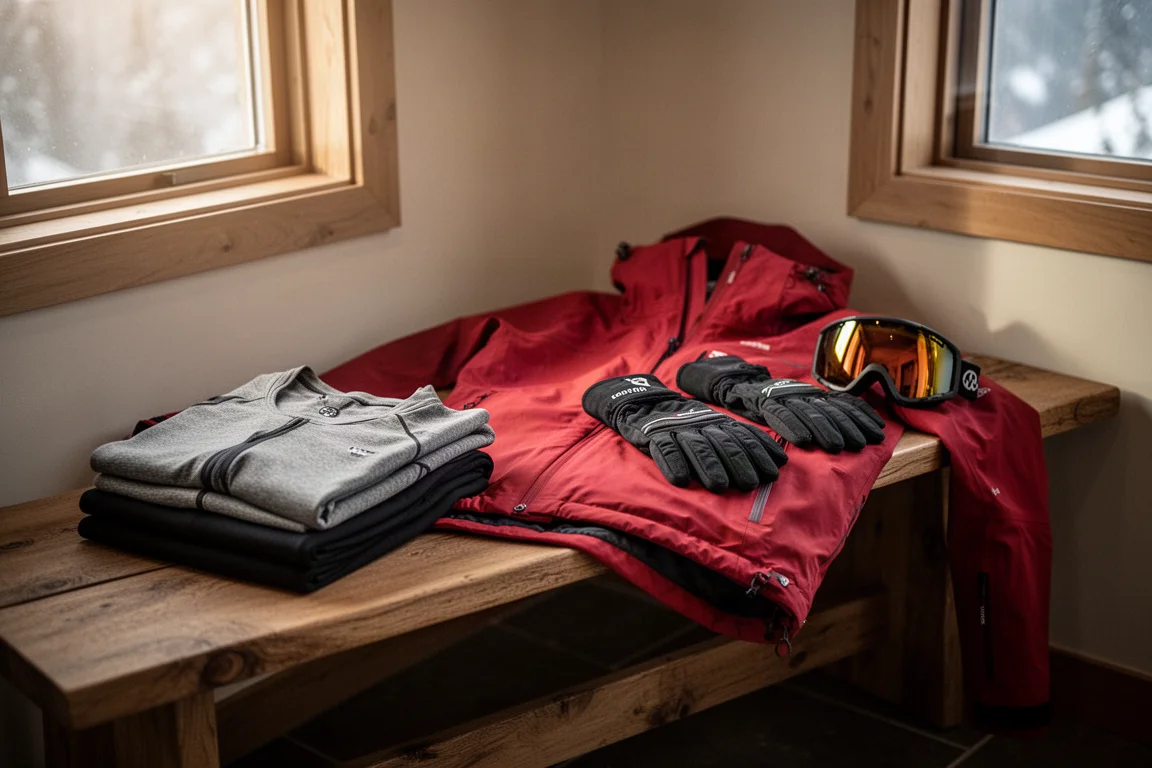
Repairability matters as much as the initial purchase. A brand that will patch a worn item, or offer credit when a repair is not possible, extends the working life of gear that would otherwise be replaced. That is a large part of why certain labels keep coming back into this kit.
Patagonia Capilene Base Layer
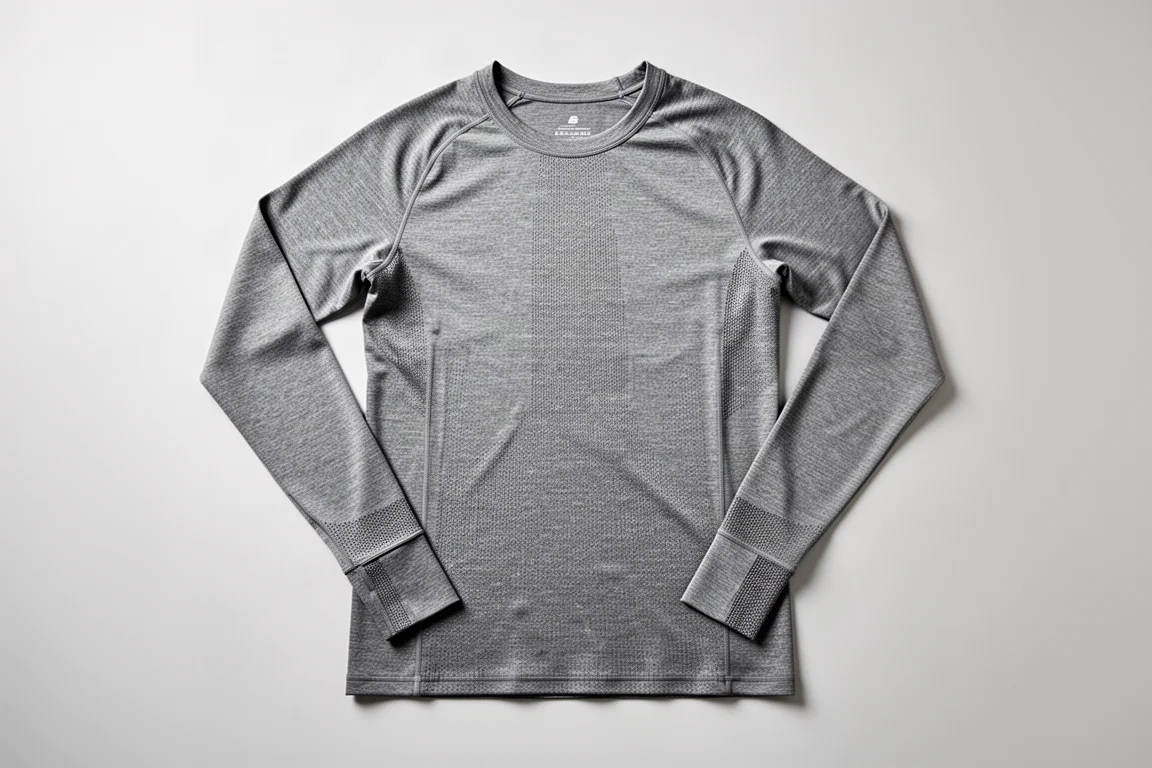
This grey synthetic base layer has been in rotation for about three years and has held up well through repeated washing and hard use. It sits closest to the skin on almost every day of the season, which makes its durability the main point in its favour.
The brand’s repair program is the other reason it stays in the kit. When wool shirts in the same wardrobe developed holes, the company could not repair them and instead issued credit toward replacements. That kind of backing changes the math on a base layer that otherwise looks unremarkable next to cheaper options.
Armada Recruit 2L Jacket
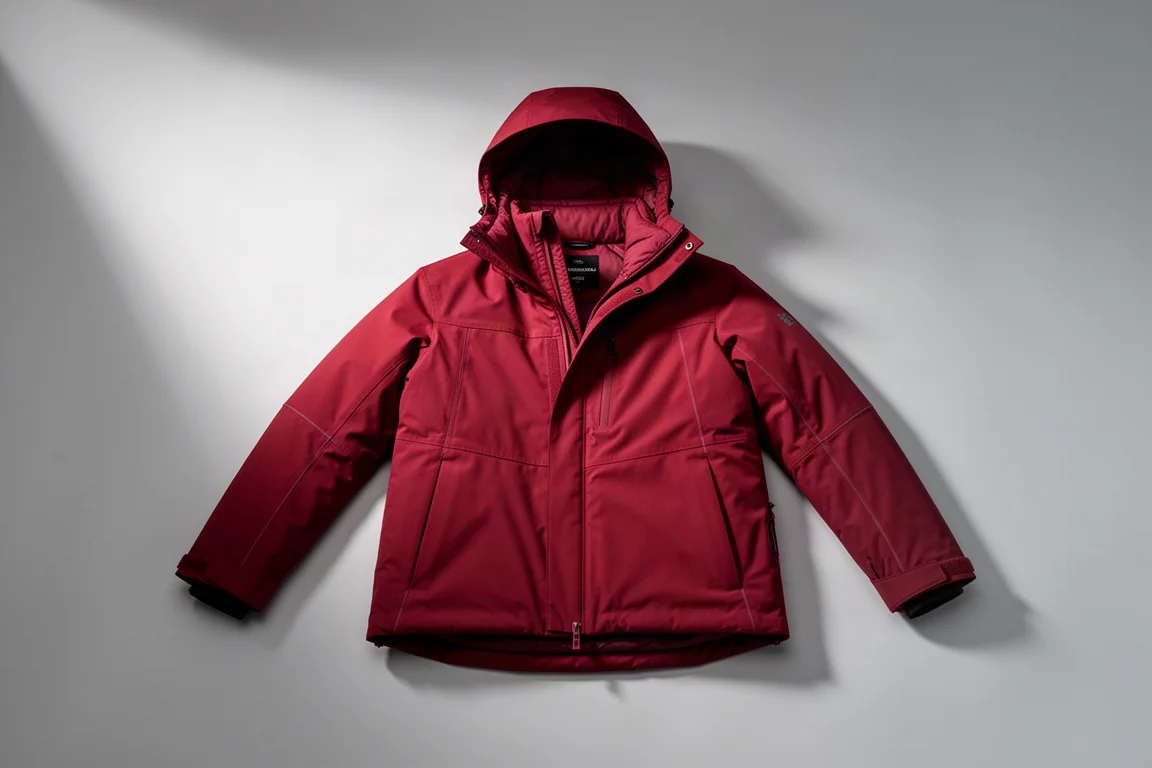
This lightly insulated jacket does one thing well: it keeps a body warm in cold, dry conditions. The loft is modest, but it is enough for the moderate winters it was bought for, and the graphic across the back gives it a look that stands out on the hill. It was picked up for around $140, and it can now be found for closer to $100, which is where the value case is strongest.
Everything else about it feels like a compromise. There is no sleeve or pocket for a lift pass, no ventilation zips for warmer days, and the hood has only a couple of drawstrings rather than proper adjustment. The Velcro feels thin, the zipper has separated more than once, and the fabric does not handle moisture well. At a full retail price near $300, those omissions are difficult to justify, and the honest recommendation is to buy it only at a discount.
Patagonia Powder Town Bibs
Bibs solve a specific problem: they keep snow from working its way into the midsection when a fall puts a skier in an awkward position. These are warm, and the bib cut does exactly that job, which is why they have stayed in the rotation.
The design is not perfect. The side zipper can work itself loose during a day of riding, which is an annoyance rather than a failure, and it is still preferable to a centre fly that pulls apart when bending forward. Waterproofing is adequate rather than exceptional, though in a climate with more snow than rain that rarely becomes an issue. An extra waterproofing treatment is an option for anyone who rides in wetter conditions. This is also a brand with a repair history here: an older pair of pants was sent in and came back fixed.
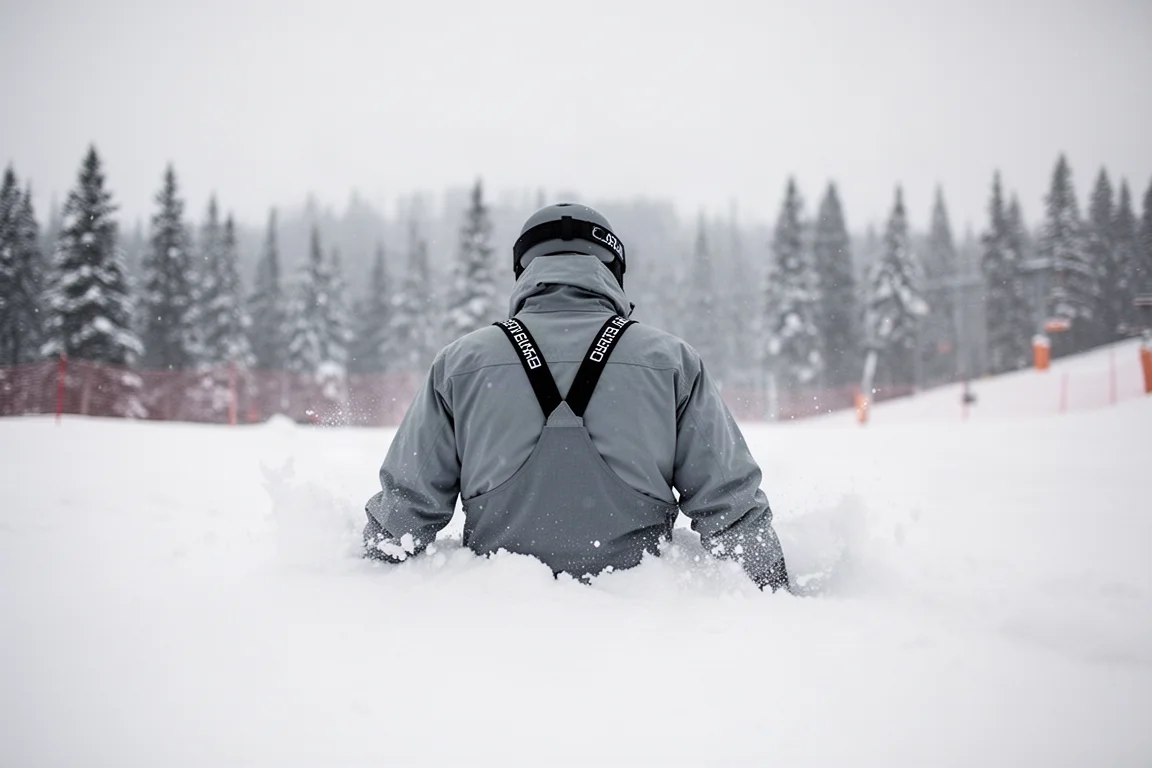
Fit and warmth are the reasons to choose bibs over standard pants, and both hold up. Riders who spend long days in deep snow, or who fall often, will notice the difference more than those sticking to groomed runs.
Atomic Hawx Prime 120 S Boots
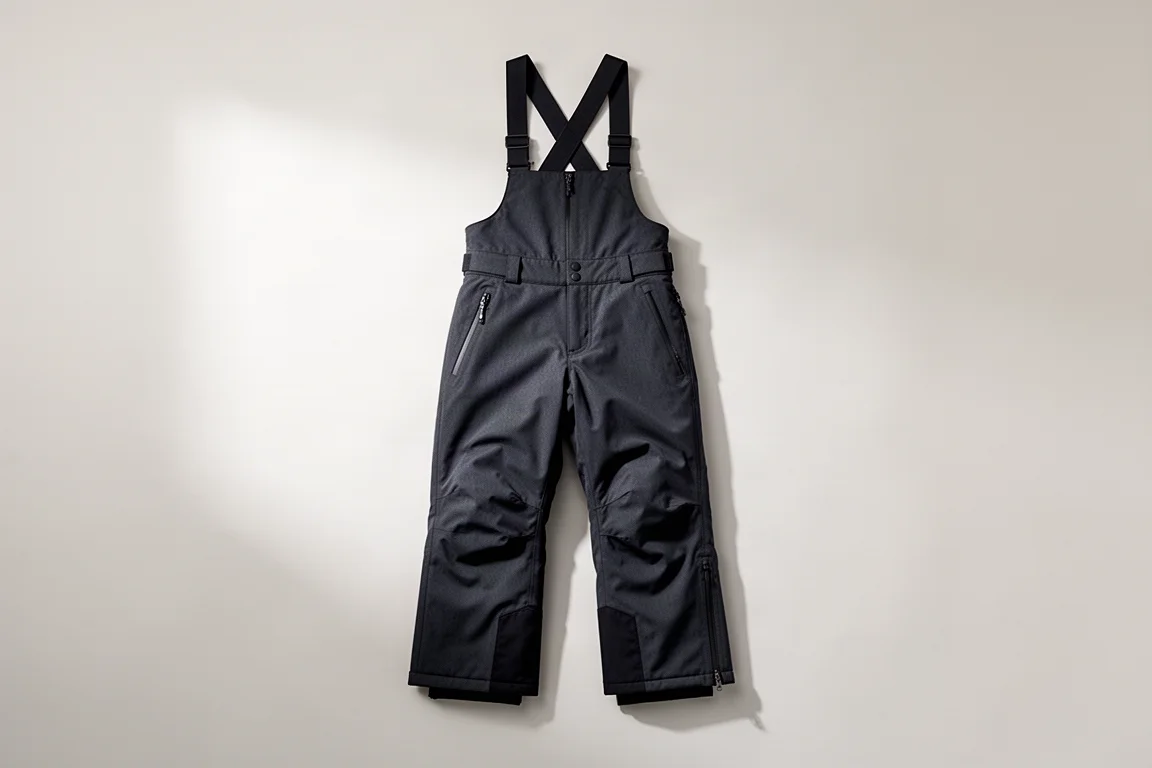
Boots are the piece of equipment that most directly translates into control, and this kit stays with an alpine boot rather than a touring crossover. Touring boots were tried and ultimately returned: the flex felt different underfoot, performance seemed to suffer on the descent, and the extra hardware added more points of failure over the life of the boot. For anyone who is not regularly heading into the backcountry, a conventional alpine boot is the more durable and more capable choice.
The Prime line uses a wider last than many performance boots. That was not always a requirement, but a roomier fit becomes more valuable over time, and it is one of the main reasons this model stays in the kit.
Atomic Maverick 88 TI Skis
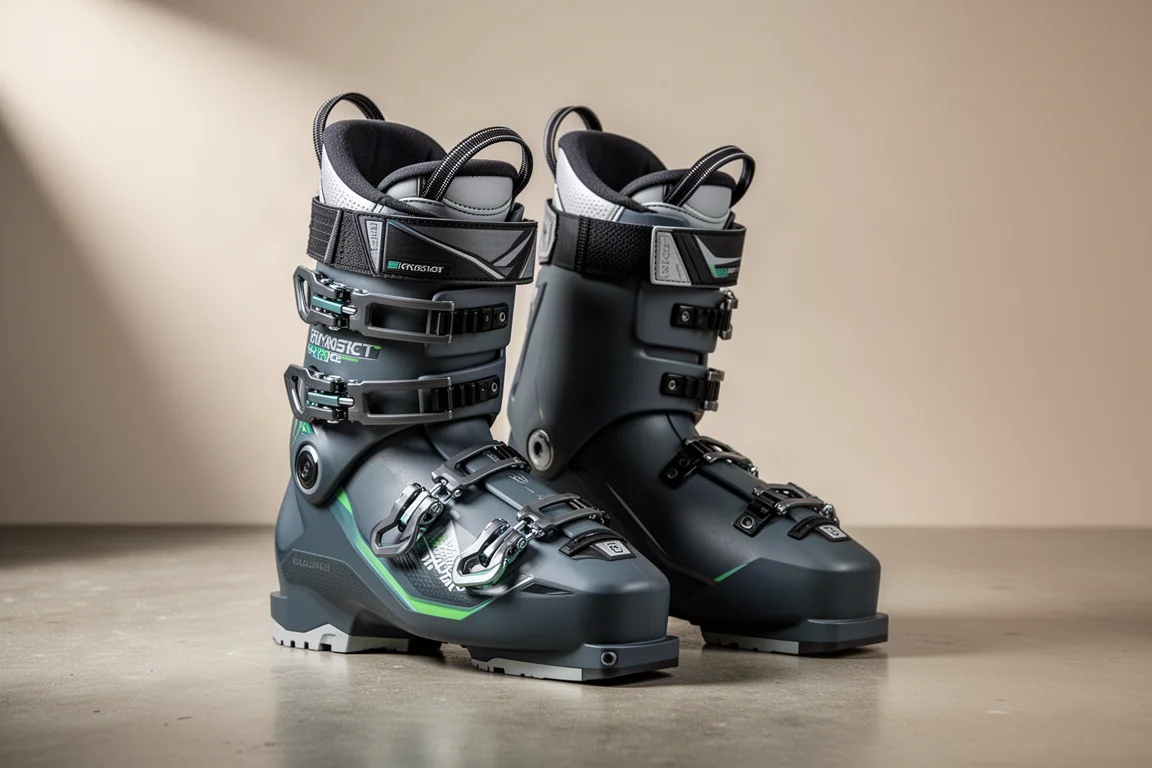
At 176cm with an 88mm waist, this all-mountain ski is the definition of a grab-and-go daily driver. It handles a wide range of conditions without demanding much from the rider, and the titanal layer gives it enough backbone to stay composed while still floating well in powder for its width.
Durability is the caveat. A crash last season tore the top sheet off one ski and left the titanal layer flaking, and the warranty claim was declined on the grounds that the damage was not structural. That reasoning is hard to accept when the metal layer is part of the ski’s construction, and the practical fix was sealing the exposed area to keep moisture out. The ski still runs, but it is honest to say it is closer to rock-ski duty than it was a season ago.
Völkl Phantastick Poles
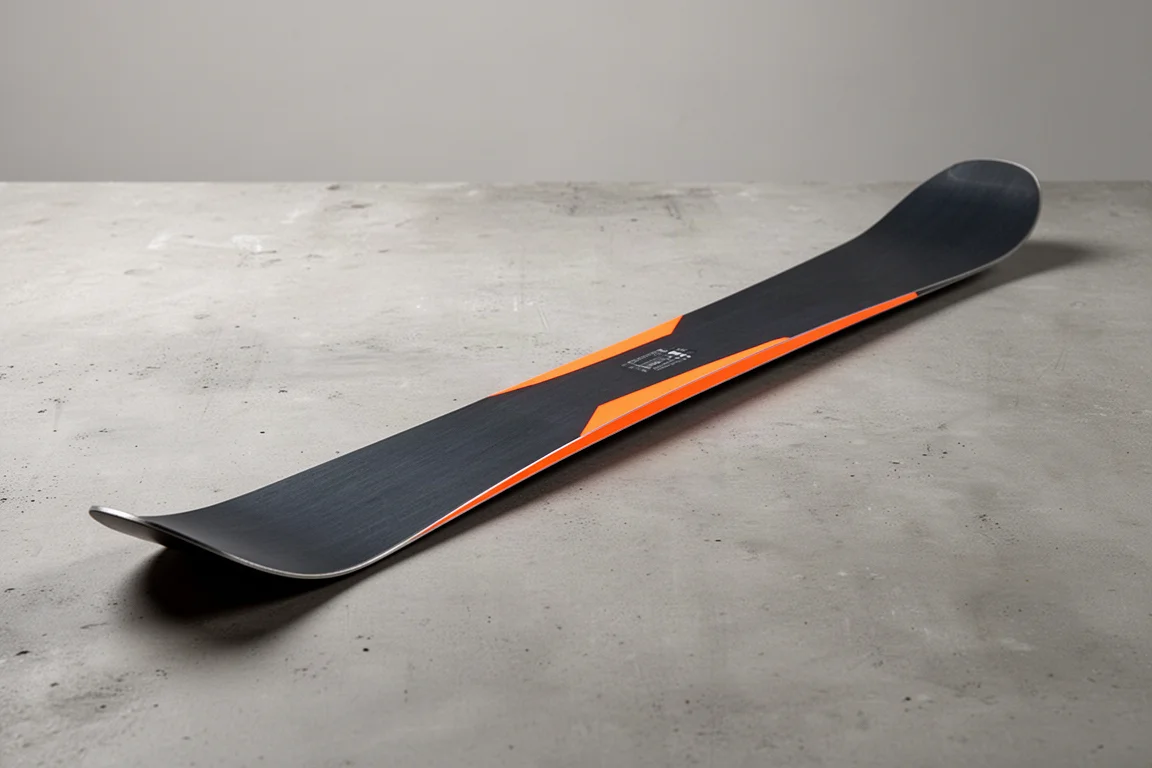
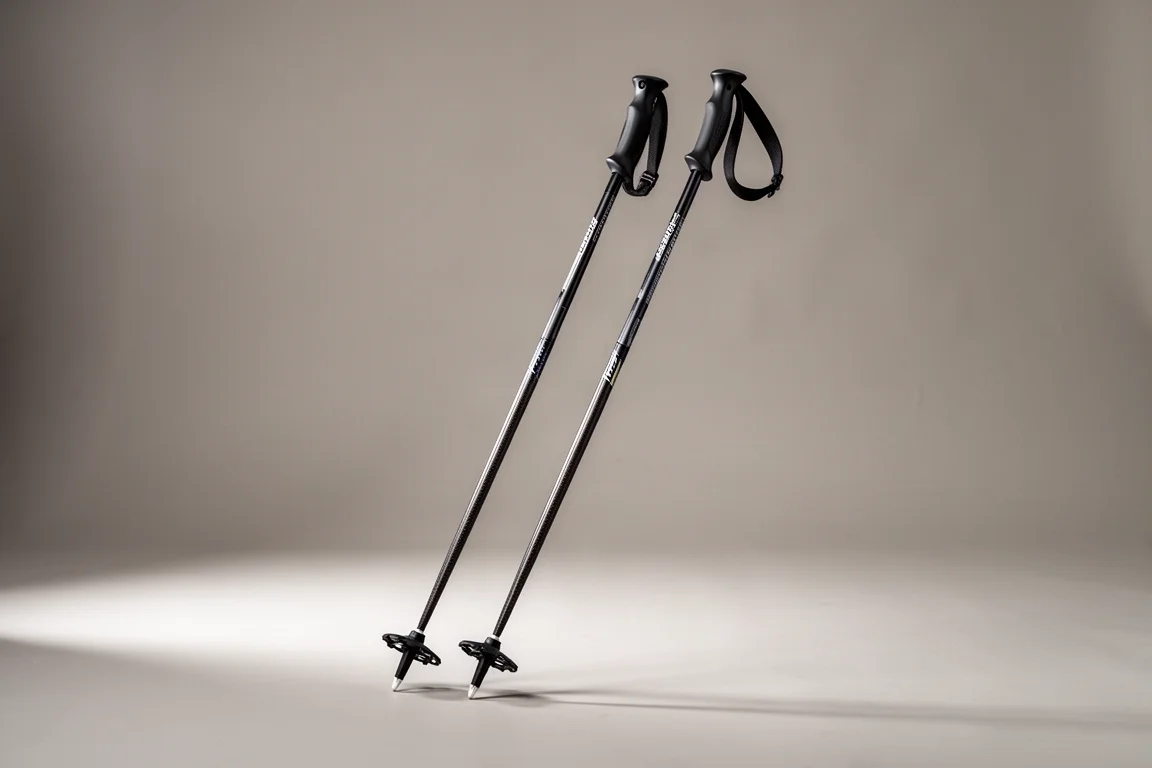
Carbon poles at this price are unusual, and that is what made these stand out. At roughly $70 to $90 they are light in the hand, and the grip shape and simple strap keep them out of the way without any fuss. The strap sits loose rather than locked down, which suits a relaxed grip.
The basket is only moderately open, so it is not a full backcountry powder basket, but it is wide enough to manage deeper days at the resort. After three seasons of use, they remain a favourite: light, comfortable, and inexpensive enough that losing one would not be a disaster.
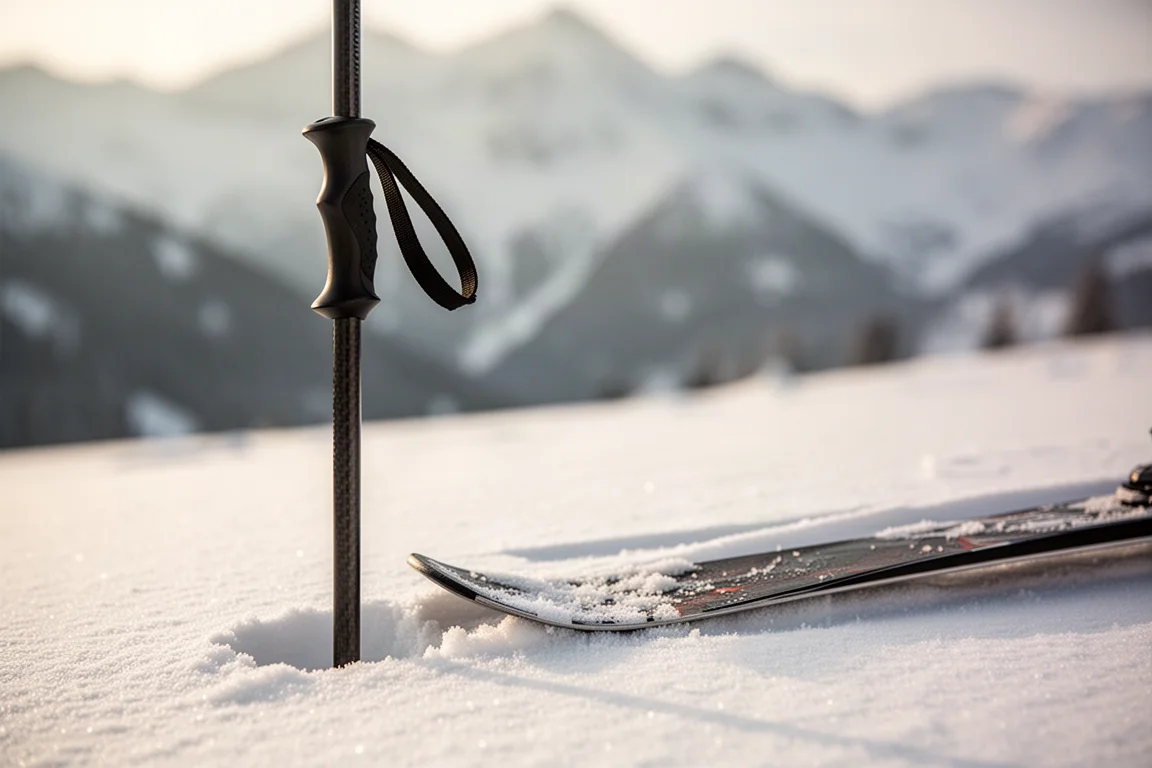
For anyone shopping for poles, the takeaway is that grip comfort matters more than any other spec. These get that right, and the low weight is a bonus rather than the whole story.
POC Obex Multi-Impact Helmet
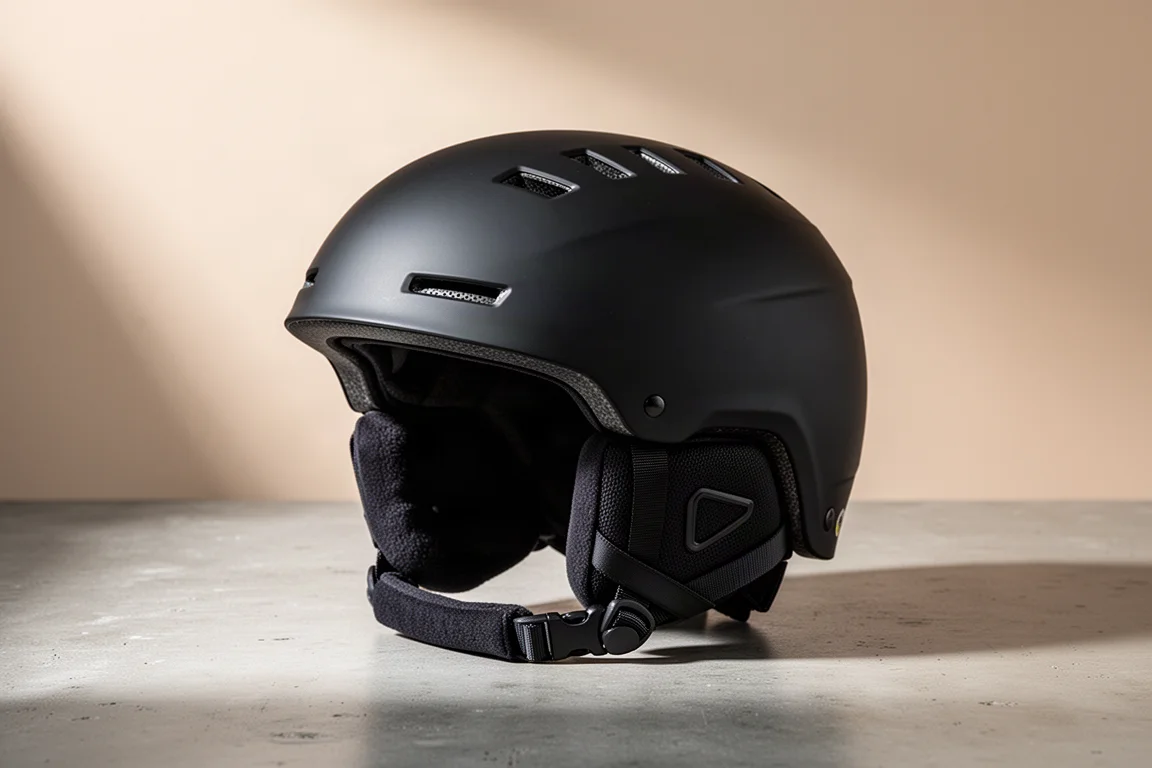
This helmet replaced an identical model and colour after a crash, and the manufacturer offered a substantial discount, reported at roughly 40 to 50 percent, toward the replacement. That kind of crash-replacement support is a meaningful part of the ownership cost for anyone who rides hard.
Multi-impact construction is the headline feature, and adjustable ventilation makes it practical across a range of temperatures. It is the helmet used for personal riding and for the kids, which says more about confidence in the brand than any spec sheet.
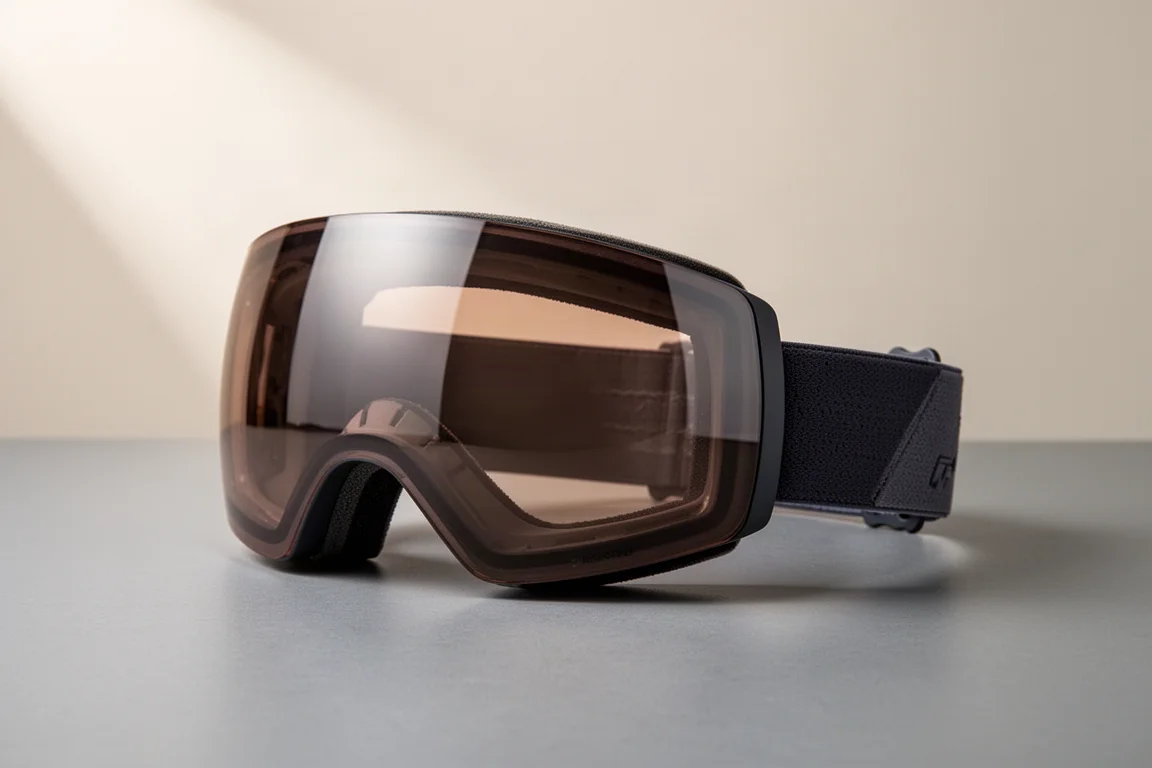
POC Nexal Clarity Goggles
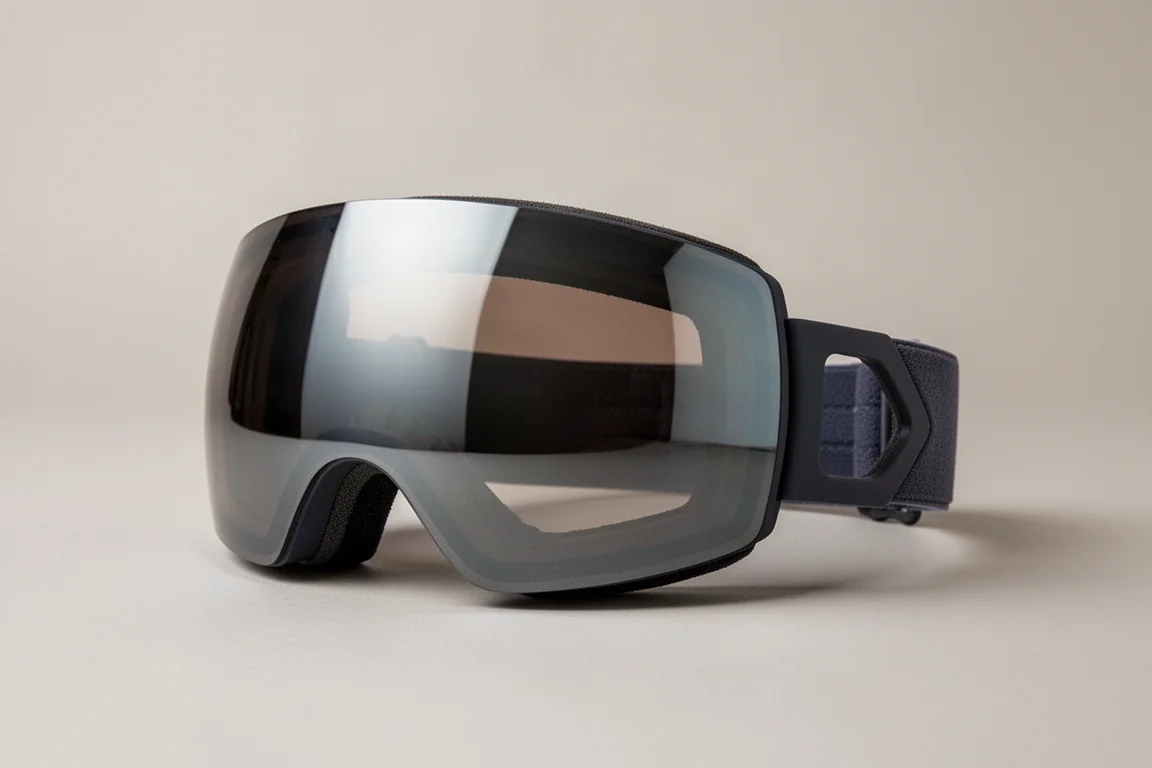
These goggles use a newer lens shape, and the frame includes cutouts around the cheekbones. That design detail turns out to be more than cosmetic: it keeps the goggle from pressing on the sinuses, which is a real comfort improvement over a full day of riding.
They were bought during a summer sale alongside another pair, partly so the two lens shapes could be compared side by side. Riders with a narrower face may find the shape takes some adjustment, but for anyone who has felt pressure across the nose and cheeks from a standard goggle, it is worth trying.
POC Retina XL Goggles
These are the long-serving pair in the kit, now three or four seasons old and still going. The XL fit is comfortable, and they have outlasted several other goggles that came and went over the same period.
The trade-off is the lens tint. It does not block as much light as a darker lens, so bright, sunny days can be hard on the eyes. That is a reasonable compromise for anyone who rides in mixed or overcast conditions more often than bluebird days.
Buying Advice
The clearest pattern in this kit is where the money goes. Boots, helmet, and goggles earn their price because they affect control, safety, and comfort on every single run. A jacket or a pair of pants matters too, but a mid-priced or used option can cover most days without the same consequences.
Buying used is a legitimate route to premium gear, and it is how a $625 shell ended up in this kit for around $200. It is also the route with the most risk: condition descriptions can be optimistic, refunds can be refused, and disputes sometimes require going through a card issuer. Buyers who check measurements carefully, ask for clear photos, and stick to sellers with solid return policies get the most out of it.
Repairability is the quiet factor that ties the whole kit together. Brands that patch worn items, or offer credit when a repair is not possible, keep gear in use for longer and reduce what ends up replaced. For anyone riding dozens of days a season, that matters more than the colour of the zipper pulls.
Conclusion
This is a resort kit built around a few firm priorities: keep the extremities warm, protect the head and eyes, and buy the pieces that survive more than one winter. The base layer, bibs, boots, poles, and helmet all earn their place without much argument. The jacket is a value buy at a discount and a compromise at full price. The skis are a favourite with a durability caveat worth knowing before buying. None of it is sponsored, and none of it is colour coordinated on purpose.
Further reading
Related Reviews
Ski Gear
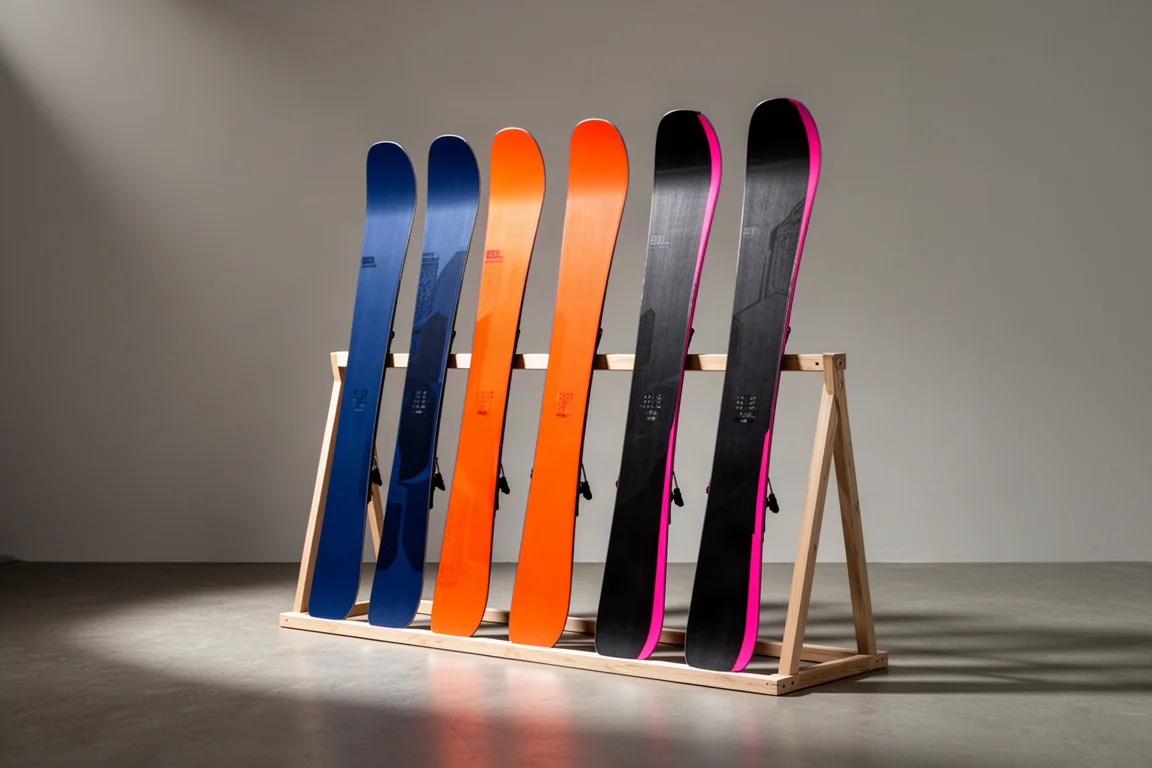
2023 Blizzard Hustle vs Rustler: Six Freeride Skis Compared
Blizzard's 2023 Hustle collection rebuilds the Rustler shape with a lighter core and no metal. Here is how all six skis differ, and which one suits your riding.
Ski Gear
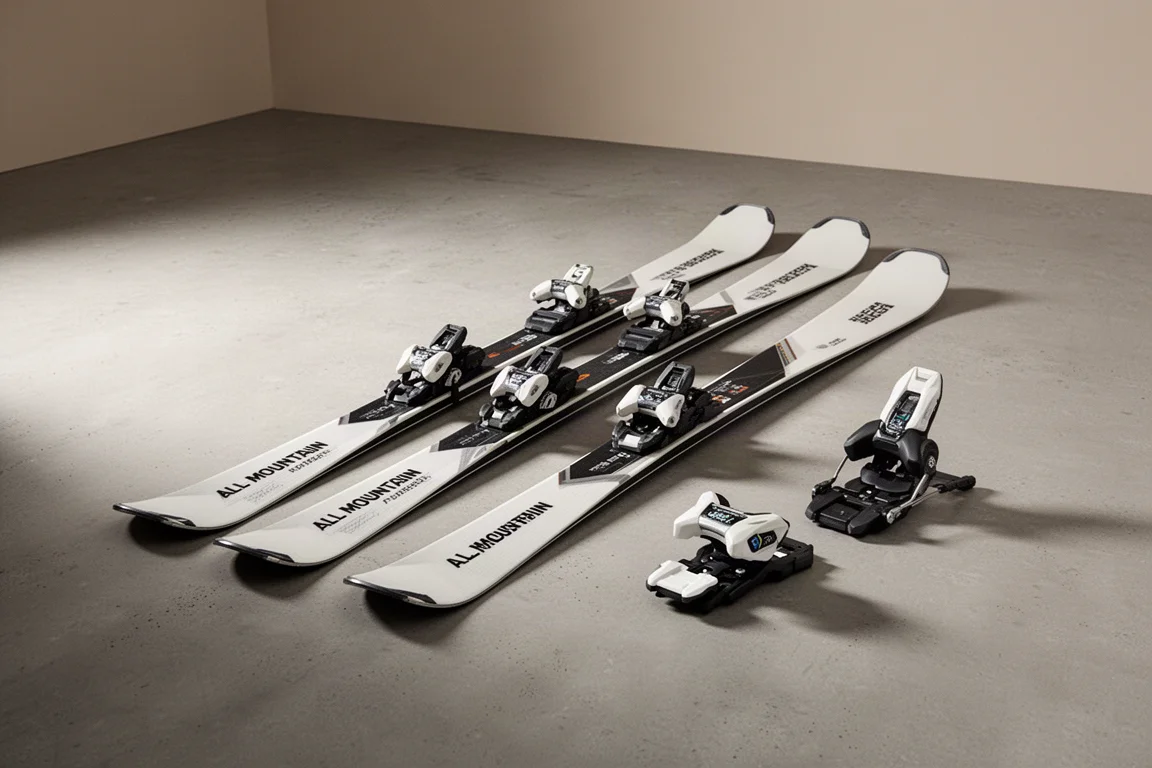
2023 Skis of the Year: Atomic Maverick 88 TI, Salomon QST 106, and Look SPX 12 Pro
Three standout ski picks for all-mountain carving, powder days, and reliable binding performance, with practical buying notes for 2023 models.
Ski Gear
2025 Nordica Enforcer 104 Review: A Directional Charger Replaces the 104 Free
The 2025 Nordica Enforcer 104 drops the Free name and the twin-tip personality, gaining weight, stiffness and composure in rough snow. Here is what changed and who it suits.