First Aid & Safety
Building a Lightweight Trauma First Aid Kit: Three Essentials Worth Carrying
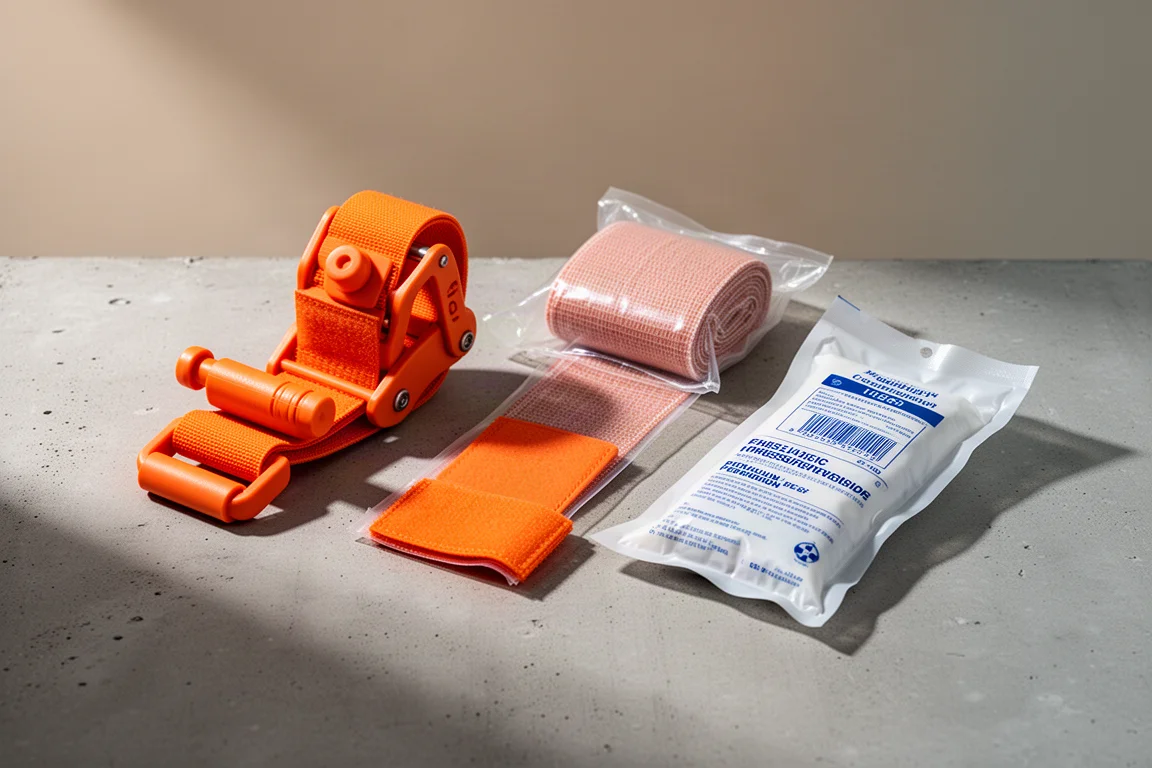
A practical two-part first aid setup for travel and the outdoors, built around three core trauma items: the CAT Tourniquet, the SWAT-T, and the Israeli Emergency Bandage.
Introduction
Most off-the-shelf first aid kits look like great value: hundreds of pieces, colourful cases, impressive-looking lists. In practice, the piece count is the main marketing message, not a measure of capability. The typical kit handles small cuts and abrasions with plasters, a couple of small dressings, wipes, gloves and safety pins. That can be enough for some situations, but it will not do much in a genuinely life-threatening emergency.
For anyone spending time outdoors, travelling in remote areas, or driving in places where emergency services may be slow to arrive, a different kind of kit makes sense. The approach here splits first aid into two halves: a compact, lightweight everyday kit for lower-risk activities like beach trips and day outings, and a trauma-focused kit for adventure travel and the outdoors, where the risks are greater and help is harder to find.
One important note before going further: this reflects one person’s gear choices, not medical advice. If you build a similar kit, get proper training and buy critical items from reputable suppliers so you know they are genuine.
Why Severe Bleeding Is the Priority
There is one intervention where a well-equipped bystander can make a real difference: significant blood loss. Continuous bleeding is serious, and a large volume of blood around an injured person is very serious, especially since clothing can absorb a lot of it and hide the scale of the problem. An unchecked arterial bleed can prove fatal in as little as three to four minutes, which means even a rapid emergency response may be too late.
If you are a long way from help, stopping blood loss becomes even more critical. That drives the core items in this kit: a tourniquet, wound packing gauze, and a pressure bandage.
First Pick: CAT Combat Application Tourniquet
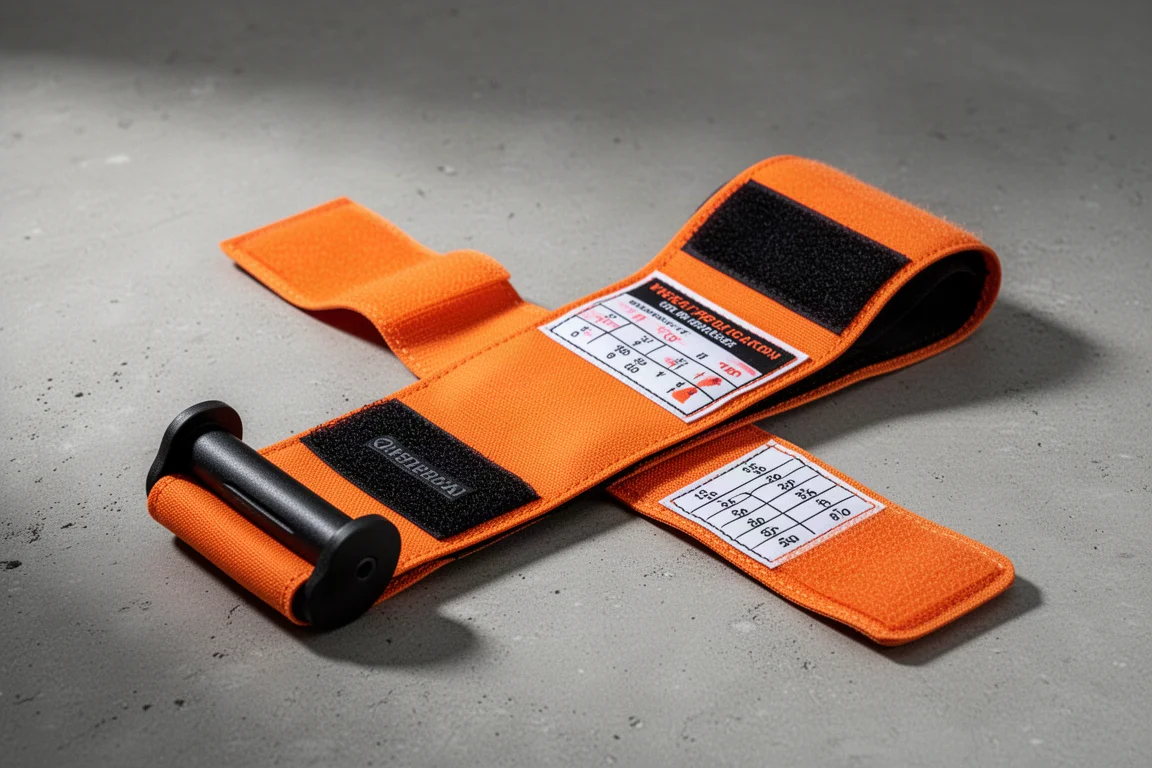
For severe bleeding from a limb, a tourniquet is the essential tool, and there is a clear gold standard: the CAT, or Combat Application Tourniquet. It is arguably the most effective tourniquet available and is adopted by militaries around the world. This one is orange for high visibility, though black versions exist for tactical use.
It works by wrapping the strap around the limb two to three inches above the wound, avoiding knee and elbow joints, and tightening it until three fingers cannot fit underneath. Turning the windlass rod adds leverage to increase restriction until bleeding stops, then the rod is secured in a clip and a time of application is noted so medical professionals know how long it has been on.
It can be applied over clothing if needed, has been tested to work on children, and can be self-applied on an arm or leg. At just 80 g it is light, quick, and effective. The drawbacks are bulk and cost: around £30 or $30. Because counterfeit tourniquets are common on large marketplaces, buying from a trusted specialist supplier is strongly recommended for this kind of critical gear.
Alternative: SWAT-T Tourniquet
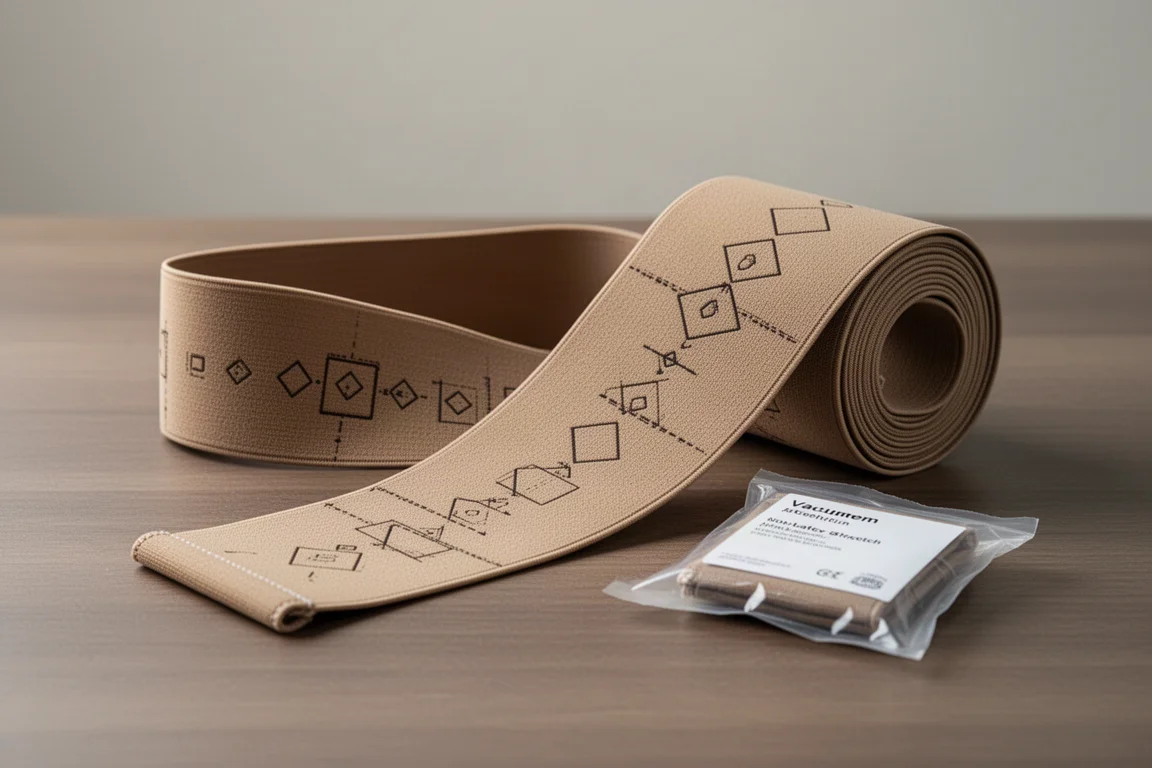
A more compact option is the SWAT-T, which arrives vacuum packed to minimise bulk. It is made from a non-latex elastic material with printed markings that guide correct use: wrap it around the limb above the wound, pull with enough tension to turn the printed diamond shapes into squares, keep wrapping under tension, and tuck the end in to hold it. The time can be written directly on it or marked with the included wristband.
The SWAT-T has real advantages. Its wider surface needs less pressure to occlude blood flow, which can make it less painful, and the maker claims it is a better option for children. It is more compact, costs less than half the price of the CAT, and doubles as a pressure dressing, a sling, or an elastic bandage to hold a splint. The trade-offs: it is slower and trickier to use, harder to self-apply, and around 50% heavier than the CAT at roughly 120 g. It earns its place here as a backup in the everyday kit, where it also provides access to a tourniquet when travelling light.
Packing a Wound: Compressed Gauze
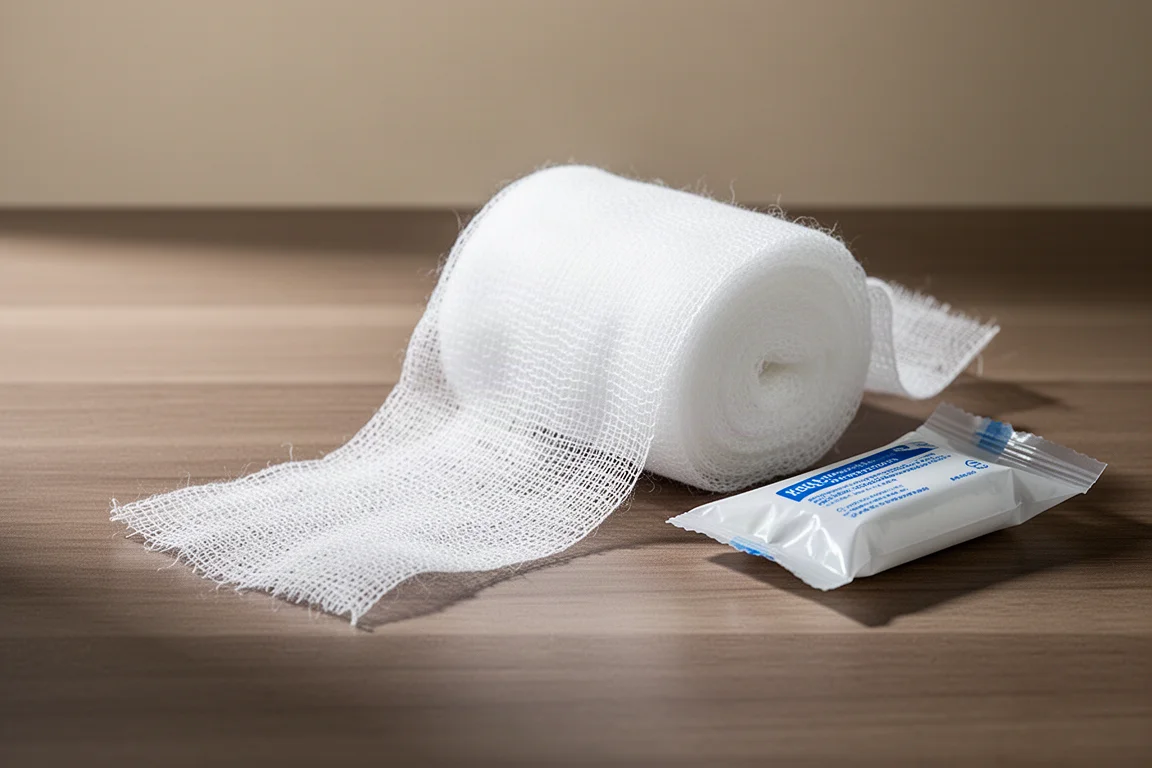
Wounds at junctional sites such as the groin, armpit or neck cannot take a tourniquet, so they need to be packed with gauze and pressure applied directly to the bleeding point. Limb wounds that bleed heavily but are not severe enough for a tourniquet follow the same procedure: pack, then apply a pressure bandage.
Sterile compressed gauze is ideal, offering over three metres of material in a very compact form. A superior version contains a haemostatic clotting agent, but at around £40 or $40 it costs roughly ten times the basic sterile version, with no data showing improved survivability. The basic version, at around $3 to $4, was the sensible choice here. Push it into the wound, ideally with a knot or small ball on the end first so more pressure lands on the bleeding point, fill the wound, and use the remainder to help apply pressure with a bandage.
Second Pick: Israeli Emergency Bandage
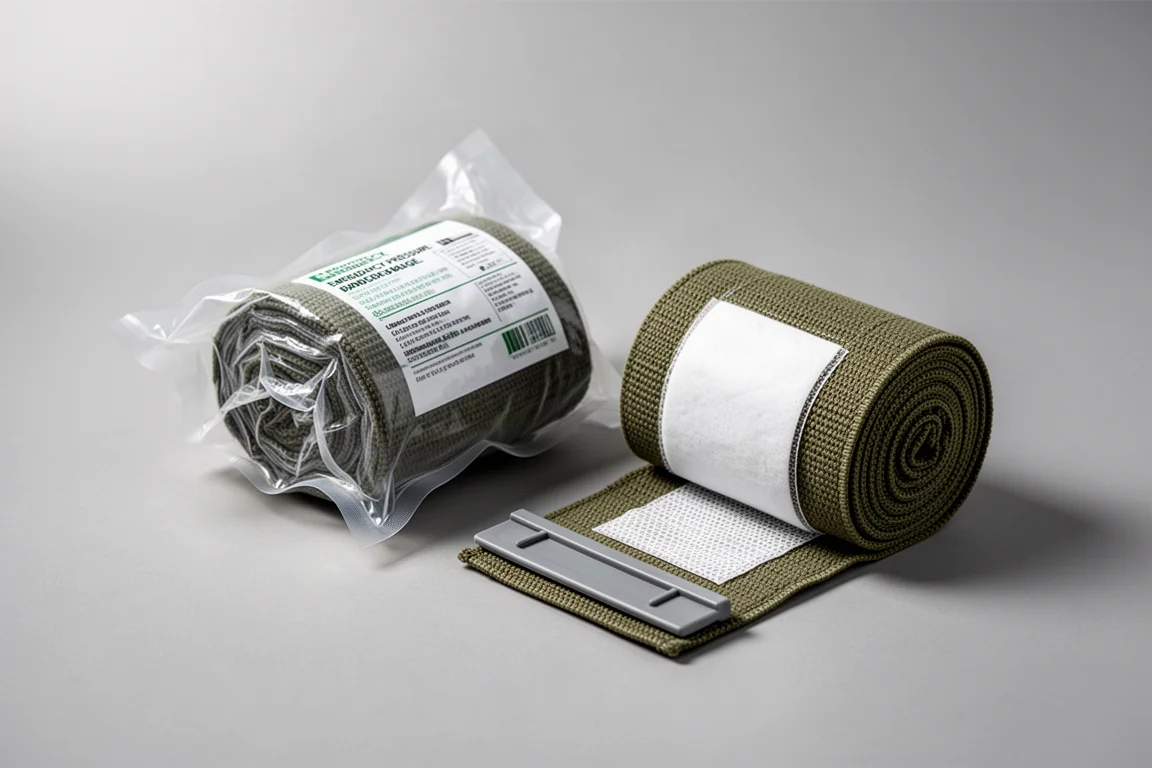
To hold packed gauze in place or apply pressure directly to a bleeding wound, the Israeli Emergency Bandage is the bandage of choice for the US Army and special forces. It comes vacuum packed and combines an elastic dressing with a built-in non-adherent pad and a pressure applicator bar.
In use, the dressing side goes over the wound with the pressure bar directly over it, the bandage is wrapped with tension and slotted into the pressure bar, which lays flat and presses on the wound. Wrap the rest with moderate tension, since too much tension effectively turns it into a tourniquet, and check for a pulse below the wound if possible. A hooked end bar secures the wrap. As a bonus, placing the bar under some layers and twisting creates a makeshift windlass, which is not a replacement for a purpose-made tourniquet but is useful in an emergency. One caution: packing chest or abdominal wounds is not recommended because pressure on internal organs can cause complications.
Other Trauma Kit Items Worth Carrying
Alongside those three core items, the trauma kit includes trauma shears for cutting away clothing quickly and safely. These budget shears cost around £6 or $6 and are fine for emergencies, though they blunt quickly with regular use, which is why professionals often choose something like the Leatherman Raptor at around £80.
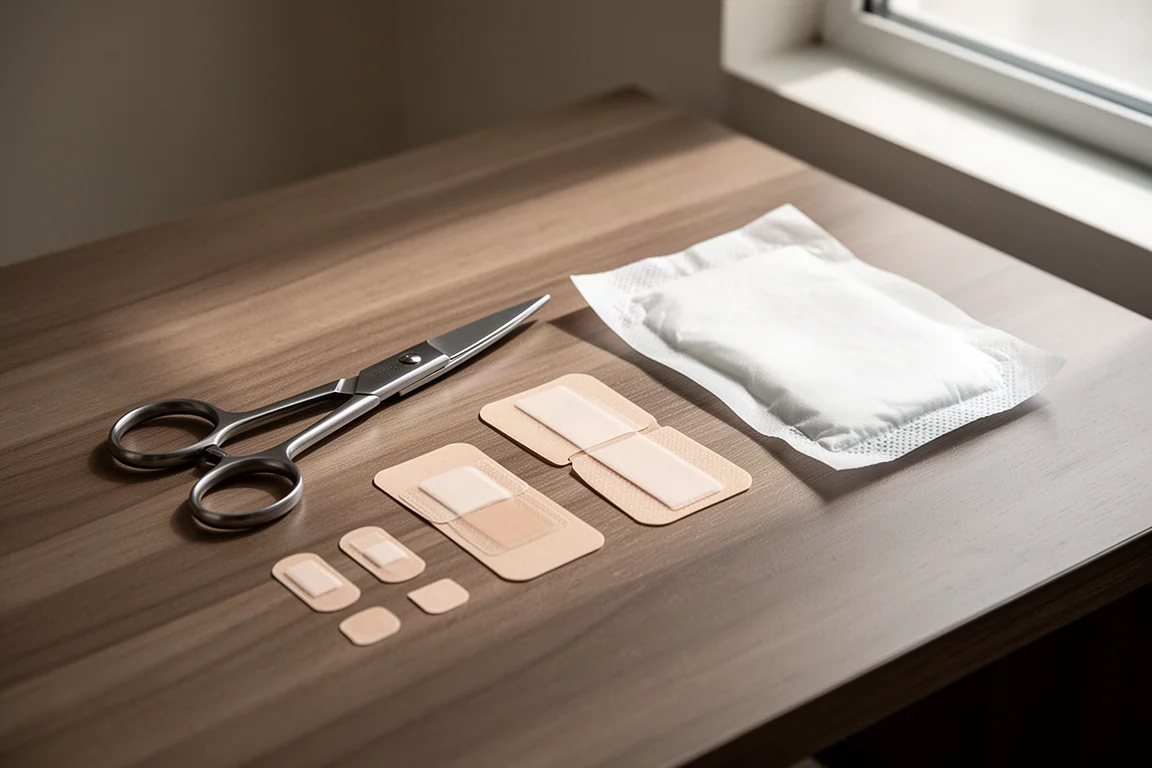
Rounding out the kit are sterile strips in several sizes for closing gaping wounds while seeking treatment, large dressings for abrasions, a burn dressing, nitrile gloves to reduce infection risk, antiseptic wipes for cleaning around a wound, and antimicrobial hand wipes.
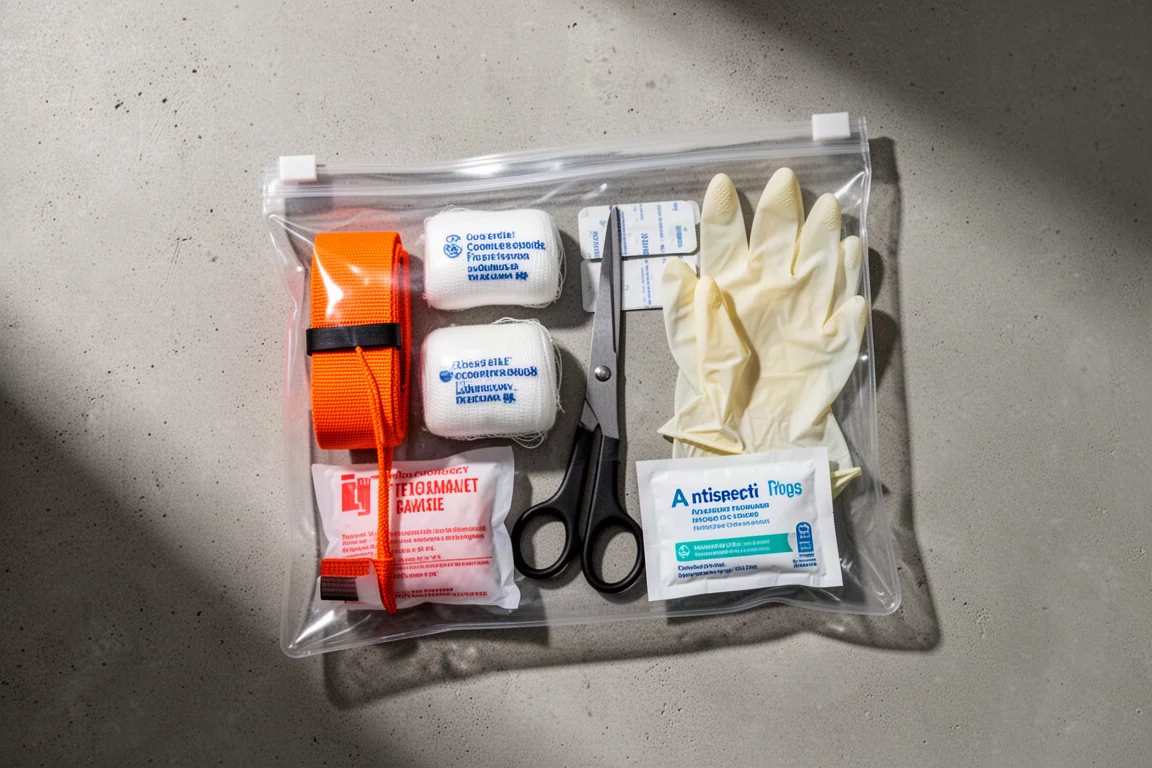
Rather than a compartmentalised pouch, the trauma kit lives in a tough clear triple Ziploc bag so everything is visible and can be grabbed quickly. The total weight is just over 14 oz, about 400 g, which is reasonable for what the kit can do.
The Everyday Half of the Kit
The lighter-duty half handles day-to-day issues and may be carried alone when travelling light. It includes a survival blanket to retain body heat for an injured person in shock, plus protection from wind and rain. Medications include allergy tablets, Imodium, and aspirin: a 300 mg aspirin chewed at the first signs of a possible heart attack can reduce clotting and restore some blood flow while getting to hospital. That is a personal decision that requires research into your own medical history, and it is important to note that aspirin can make things worse in the roughly 15% of strokes caused by internal haemorrhage rather than a blockage.
The rest of the pouch holds smaller dressings, a conforming bandage with safety pins, compressible towels, budget scissors, burn gel, alcohol prep wipes, sterile strips, a range of plasters, tweezers with a tick remover, saline solution for cleaning small wounds or rinsing grit from an eye, and anti-bite treatment for stings. A SWAT-T tourniquet rounds it out, serving as a standalone tourniquet option, a sling, or a pressure dressing, and as a backup to the trauma kit’s CAT.
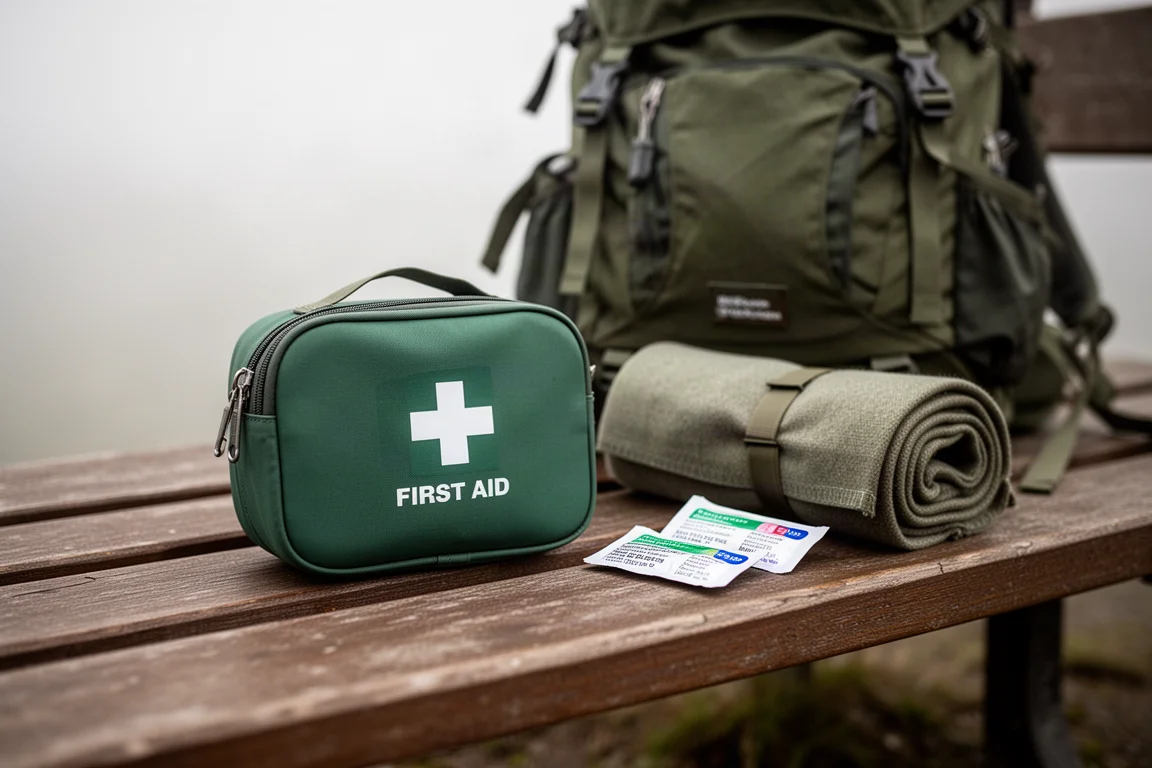
This everyday pouch weighs just under 11 oz, just over 300 g. Carry both kits together and you are at about 700 g; carry only the everyday kit and it is 300 g, which is very manageable given what it covers.
Buying Advice
The pattern here is simple: prioritise capability over piece count. A handful of well-chosen items, a tourniquet, compressed gauze, and a pressure bandage, will do more for you in a serious emergency than a 200-piece plasters-and-wipes kit. Buy critical gear from reputable suppliers in your own country to avoid counterfeits, get some training, and store the trauma kit somewhere accessible, such as the car, so it is there when needed.
Conclusion
A two-part first aid setup keeps the everyday kit light enough to take nearly everywhere, while the trauma half stays compact and capable enough to genuinely matter in a severe bleeding emergency. Weigh the options, check the trade-offs between the CAT and SWAT-T, and build a kit that matches the risks you actually face.
Further reading
Related Reviews
Coffee Equipment
Aeropress Go Review: A Compact Travel Brewer That Solves One Specific Problem
The Aeropress Go shrinks the original design and adds an integrated cup, but it may not address the travel challenges most coffee enthusiasts actually face.
Backpacking Gear
Backpacking Gear You Rarely Use: First Aid, Satellite Messaging, and Navigation
Three pieces of backpacking gear that sit untouched on most trips and matter enormously on the one trip when they do not.
Backpacks
Best Backpacks Under ₹500 in India: Five Practical Options Compared
Five backpacks tested side by side, from budget-friendly to premium Indian brands. Real strengths, trade-offs, and honest buying advice for daily use.