Camping Gear
Cold-Weather Camping Gear Tested: Inflatable Tent, Compact Heater, and Cot Pad
An air-supported hot tent, a compact portable heater, and a dual-use cot pad, assessed after a windy, wet overnight trip in near-freezing temperatures.
Introduction
Cold-weather camping gear has to earn its place in a single night. Wind pulls heat out of a shelter, rain works at every seam, and a heater that looks capable in a showroom can feel underpowered once the temperature drops toward freezing. This roundup covers three pieces of gear used together on one windy, wet overnight trip: an air-supported tent, a compact portable heater, and a cot pad.
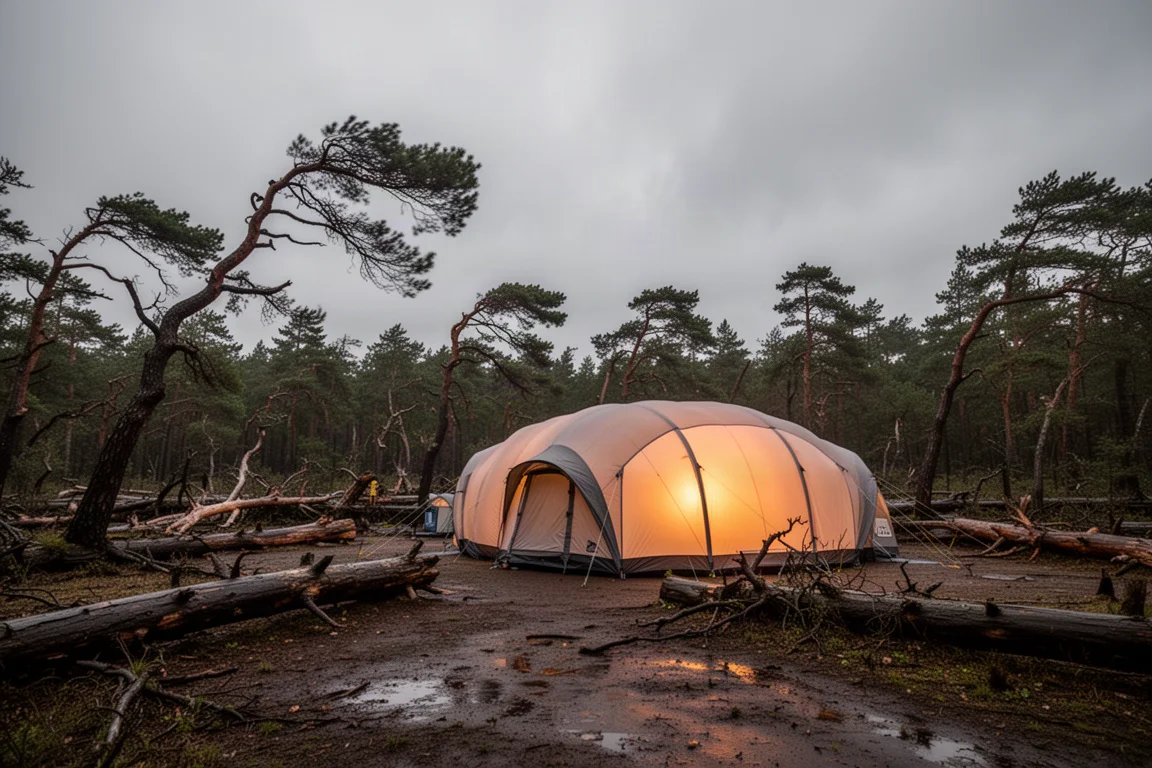
Conditions were demanding. The wind was strong enough to make a campfire pointless, light rain fell on and off through the night, and the temperature sat near 45 degrees Fahrenheit in the evening before dropping to around 34 degrees by morning. That combination is a useful stress test, because it separates gear that only works in mild weather from gear that holds up when the forecast turns.
The three products below play very different roles, and together they show where inflatable shelter design has improved and where the trade-offs still sit.
What Matters Most in Cold-Weather Camping Gear
Three factors shaped the assessment.
Weather resistance. A shelter that leaks has failed, however much interior space it offers. Seam construction, window materials and the way fabric behaves after hours of rain matter more than a spec sheet suggests.
Heat management. A heater has to be matched to the volume it is trying to warm. A unit that performs well in a small tent can be out of its depth in a large one, and the gap shows up fastest in the coldest hours of the night.
Comfort where it is actually used. Sleep systems often carry dual-use claims, and those claims deserve scrutiny. A pad that works on one surface may do very little on another.
MC2 Mount Inflatable Tent: Big Interior at an Unusual Price
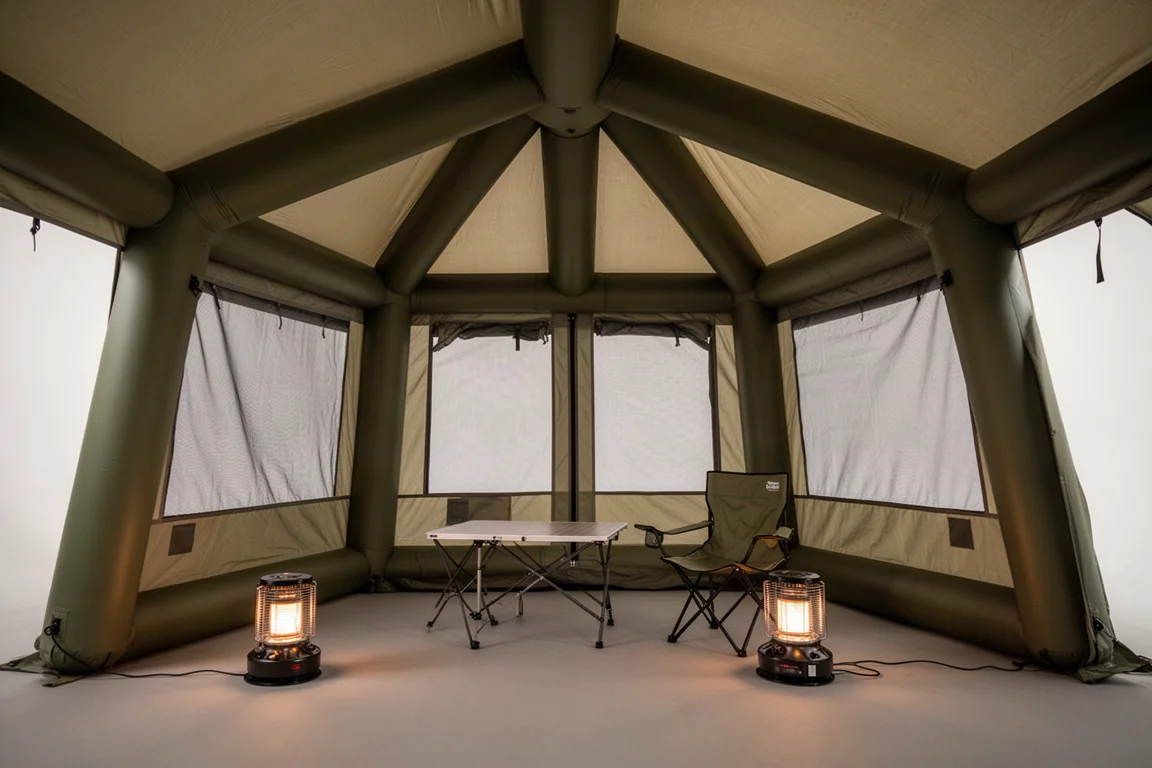
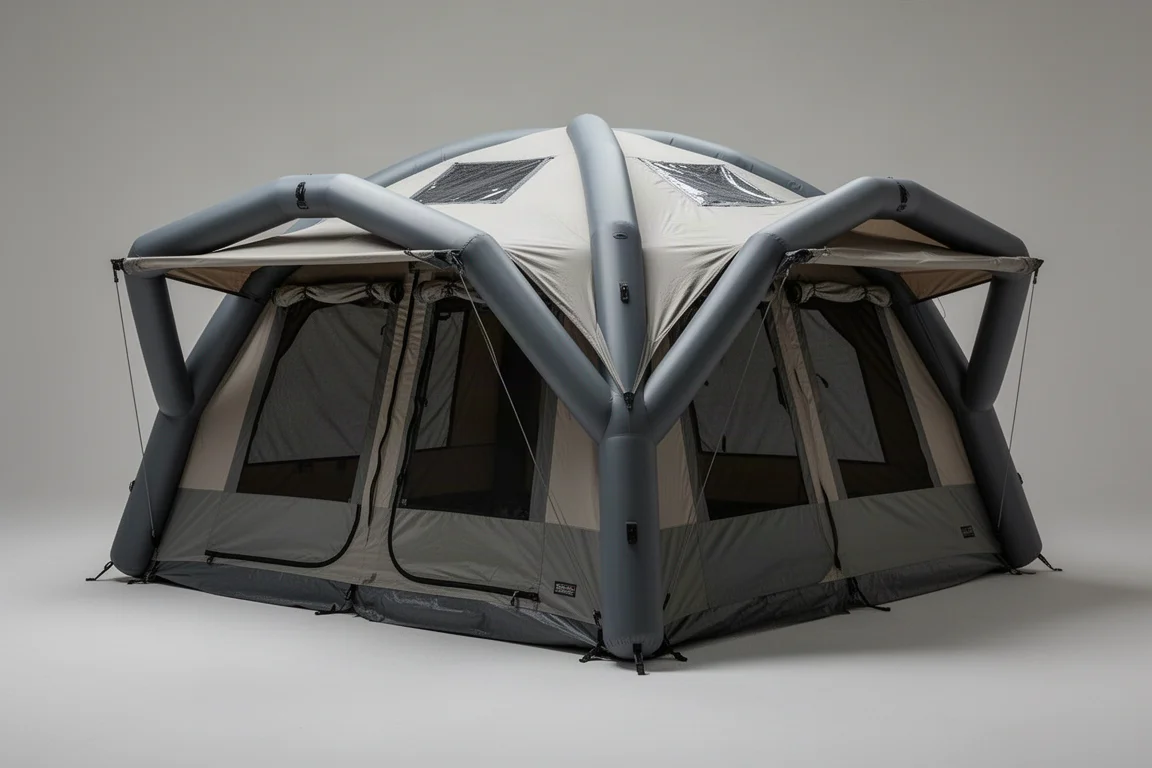
The MC2 Mount inflatable tent is an air-supported design, which means the structure stands on inflated fabric beams instead of poles. It is the largest inflatable tent covered here, and the interior volume is obvious the moment it is up: there is room for a table and a chair, and the space is big enough to produce an echo.
It is also a hot tent, so a wood stove can be run inside, and it is built as a three-season shelter. Ventilation comes from extensive mesh panels and multiple windows, including two clear vinyl windows. Two doors make access easy from either side.
Those clear windows are the detail to watch. Vinyl windows were common on tents in the early 2000s, and most manufacturers at the time could not stop them from leaking, nor prevent the material from drying out, cracking and eventually failing. Only long-term use will show whether this design avoids those problems.
Price positioning is a genuine strength. Inflatable tents are typically expensive, often two or three times the cost of this one. At roughly $500, it sits well below the category norm for its size, and a comparable air-supported tent at that price is hard to find.
Setup was quicker than a pole tent, and after a night of light but persistent rain the tent did not leak. Ventilation inside stayed strong throughout.
The main caution belongs to the category rather than this specific tent. Air beams are fabric glued together, and the structure depends on the quality of that glue. Inflatable tents are more fragile than pole tents, they are prone to punctures, and a leak can be difficult to find and repair. A conventional backpacking tent can reasonably be expected to last seven to ten years, sometimes more, with good care and storage. An inflatable tent is a longer-term gamble, and glue quality is not something a buyer can verify in advance. Field testing of air-supported tents for military ground troops years ago did not lead to adoption, and the fragility of the format was part of the reason.
Kovia Cupid Heater: Compact Output for Small Spaces
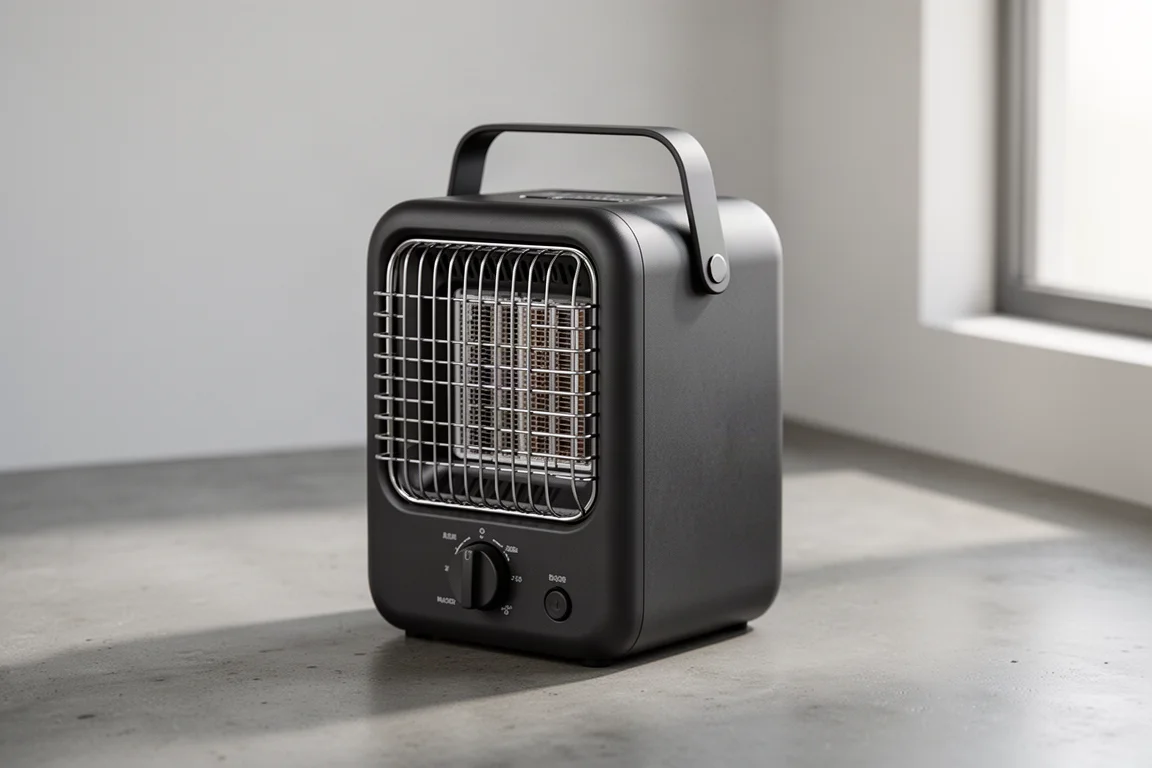
The Kovia Cupid is a small portable heater that puts out a surprising amount of heat for its size. It was used deliberately as a control test inside the large inflatable tent, running on its highest setting with outside temperatures near 40 degrees Fahrenheit and falling toward 34.
In that role it did what a compact heater can do: it took the edge off and kept the tent noticeably warmer than the outside air. It was not enough to make the space genuinely warm at that temperature, and it would not keep pace in a tent this size if conditions dropped closer to freezing. That is a question of matching a heater to a space rather than a fault in the unit. The Cupid is designed for smaller interiors, where its output is better suited.
Some brand background helps explain the lineup. The Kovia Giga Sun was introduced in South Korea around 2014 and runs on propane. Propane is not readily available there for camping, where kerosene heaters are common among luxury campers, so Kovia looked to North America, specifically Canada and the United States, as a market for the Giga Sun. The Cupid sits at the smaller end of that range and is a sensible starting point for anyone comparing the two.
Teton Sports Cot Pad: Comfort That Depends on the Cot
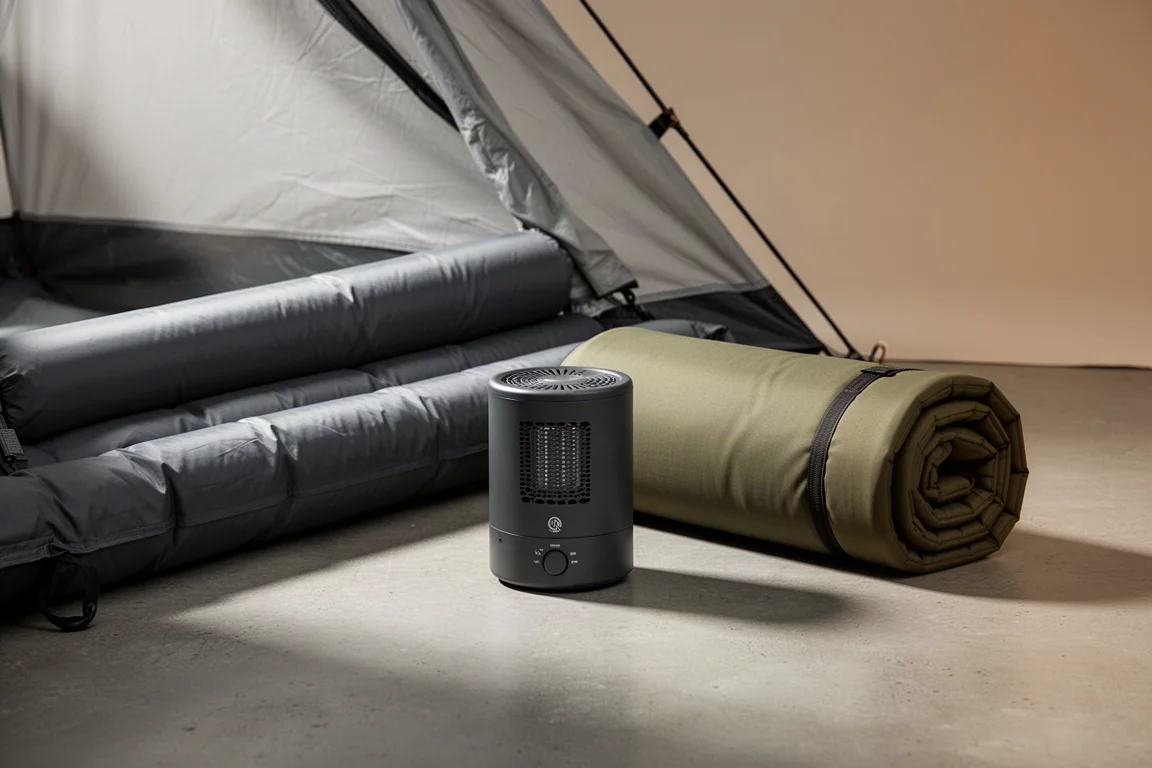
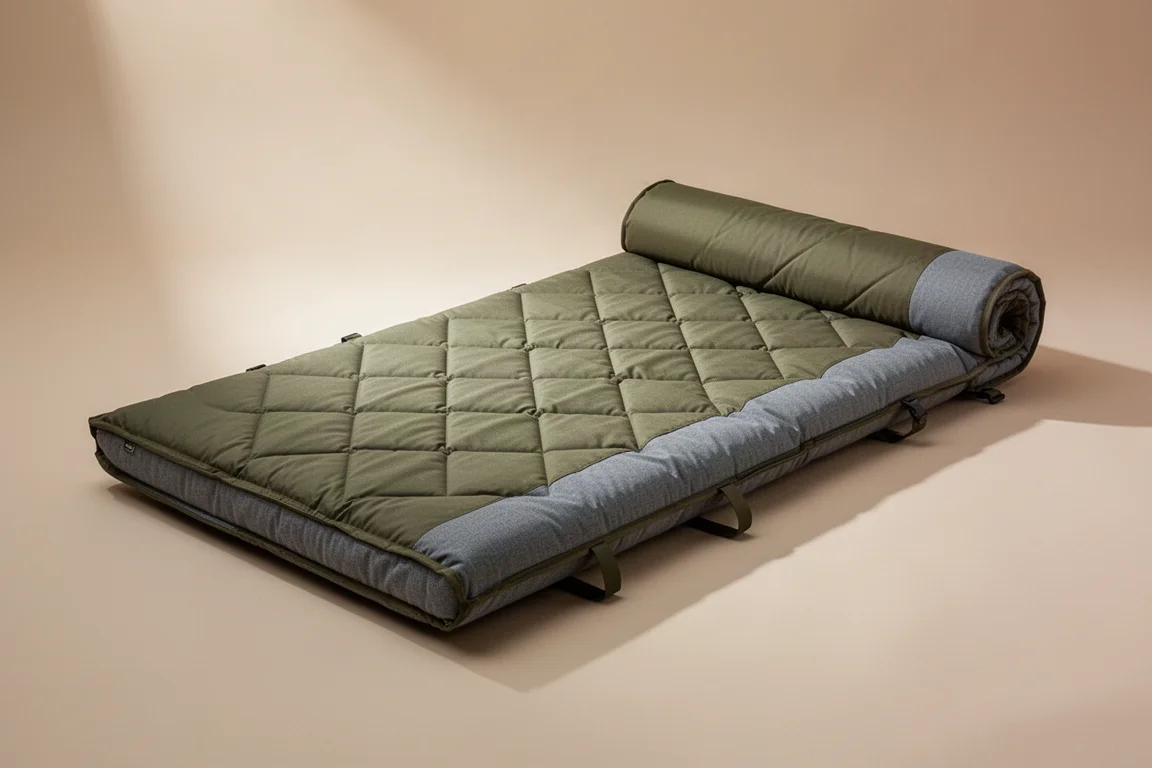
The Teton Sports cot pad is marketed for use both on the ground and on a cot, with claims that it adds comfort to a cot and helps keep a sleeper warmer. On this trip, only one of those use cases held up.
On the ground, the pad made little difference. Placed directly on the ground it added almost nothing and was uncomfortable to sleep on. On a cot, the story changed. It was noticeably more comfortable than lying directly on the cot surface, and it did help retain warmth through a cold, damp night.
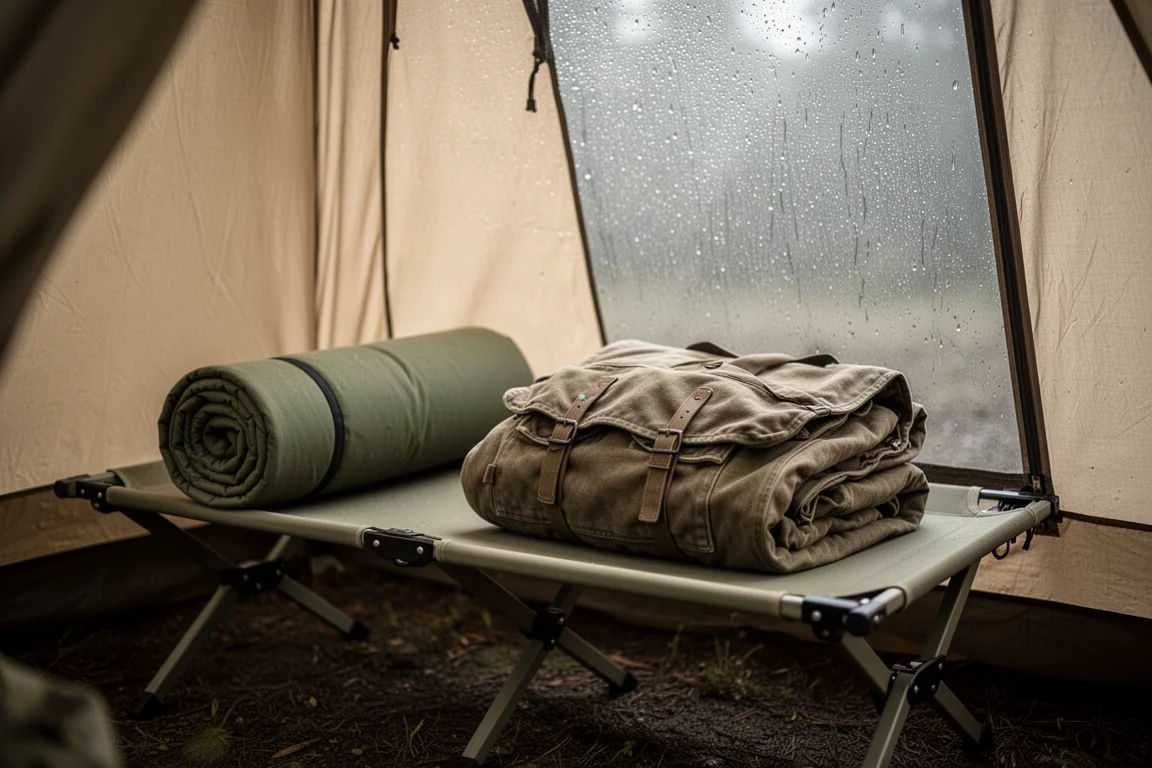
That split is worth taking at face value. If you already sleep on a cot, the pad is a sensible addition for shoulder-season and winter trips, and it does what the manufacturer claims in that setting. If you sleep on the ground, the money is better spent on a dedicated sleeping pad built for that use.
How the Three Products Work as a System
The overnight trip showed how quickly gear choices interact. A large shelter needs more heat than a compact unit can provide, and a heater that is perfectly matched to a small tent can look weak in a big one. The Cupid was never intended to heat a tent of this size, and the test confirmed the limits of that pairing rather than a flaw in the heater.
Sleep comfort worked the same way. The cot pad performed well on the cot and poorly on the ground, which is exactly the pattern a dual-use claim tends to produce. Gear that is asked to do two jobs rarely does both equally well.
For anyone building a cold-weather setup, the practical lesson is to size each item to the job it will actually do. Interior volume, expected overnight temperatures and the sleeping surface you use matter more than the number of features on the box.
Buying Advice
For inflatable tents, roughly $500 is a reasonable ceiling. Spending more increases the financial exposure on a construction method that relies on glued beams and cannot be repaired easily. If a lighter shelter with a longer service life matters more than interior volume and fast setup, a pole tent remains the safer long-term choice. If space and quick pitching are the priorities, this tent delivers both at a price that is unusual for the category.
Heaters should be chosen by volume, not by reputation. A compact unit like the Kovia Cupid is well matched to a small tent, and it is the right starting point for buyers who want to compare output against a larger model later. A big shelter in near-freezing conditions needs more heat than a unit of this size can supply.
Sleep systems deserve the same matching. The Teton Sports cot pad is a worthwhile upgrade for cot users and a poor fit for ground sleepers.
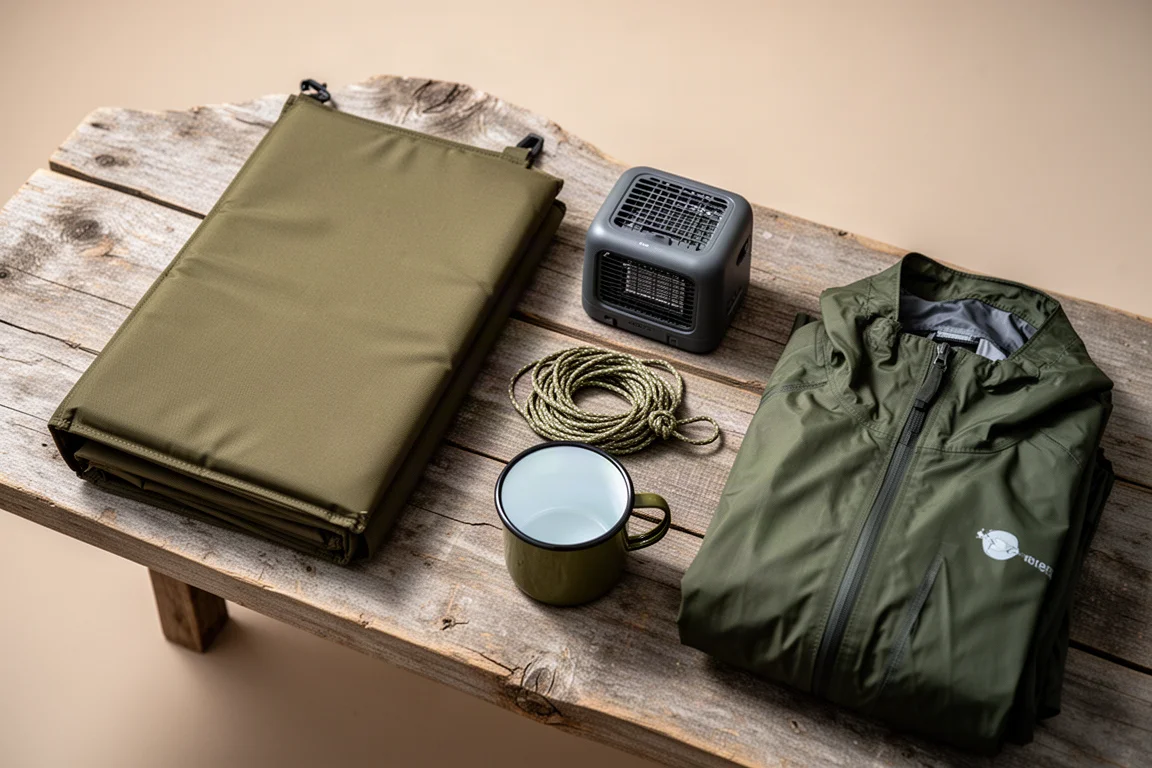
Whatever you choose, test new gear in moderate conditions before you rely on it in a storm. One windy, wet night reveals more about a shelter, a heater and a sleeping pad than a whole season of fair-weather trips.
Conclusion
The MC2 Mount inflatable tent is the standout of the three for its combination of interior space, hot tent capability and price. The Kovia Cupid does its job well within the limits of its size, and the Teton Sports cot pad is a solid cot accessory with one clear limitation. Matched to the right role, all three make sense; asked to do more than they were designed for, none of them will.
Further reading
Related Reviews
Camping Gear
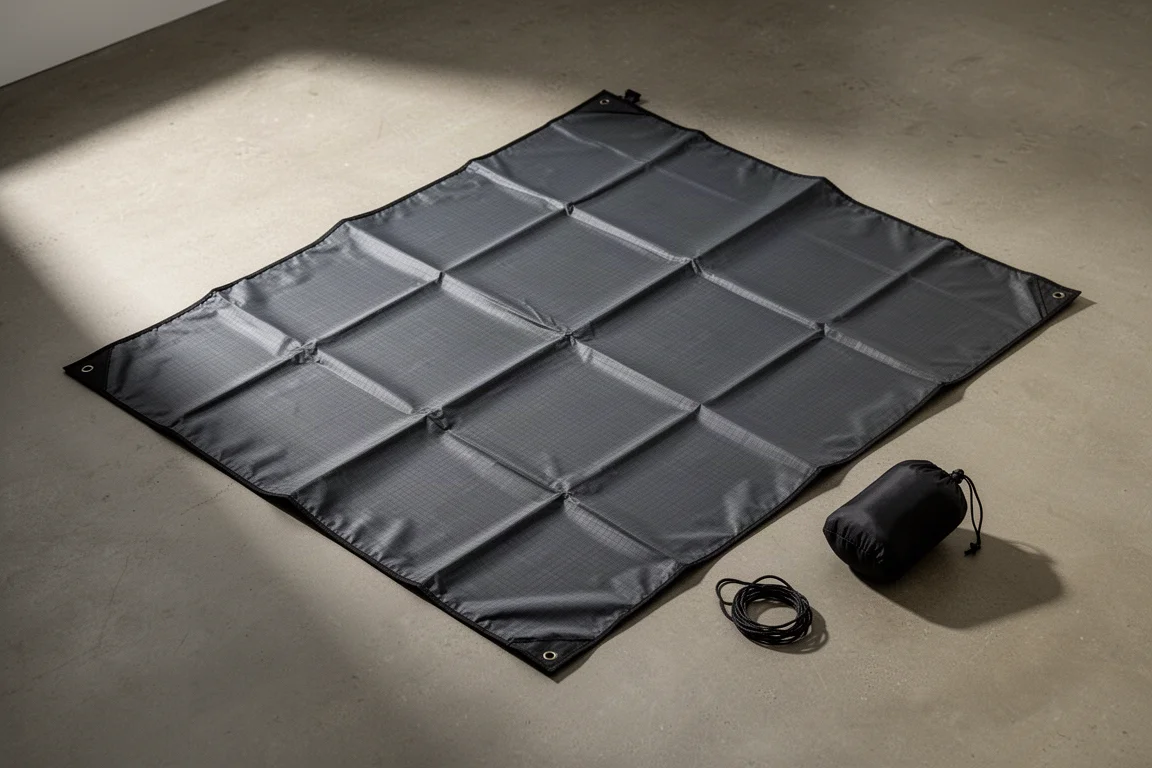
3FUL Ultralight Ground Sheet Review: A Two-Person Footprint Worth Packing
A 6.7 oz two-person ground sheet in ripstop silnylon, priced around $30. Here is what it protects, what it does not do, and who should pack it.
Camping Gear
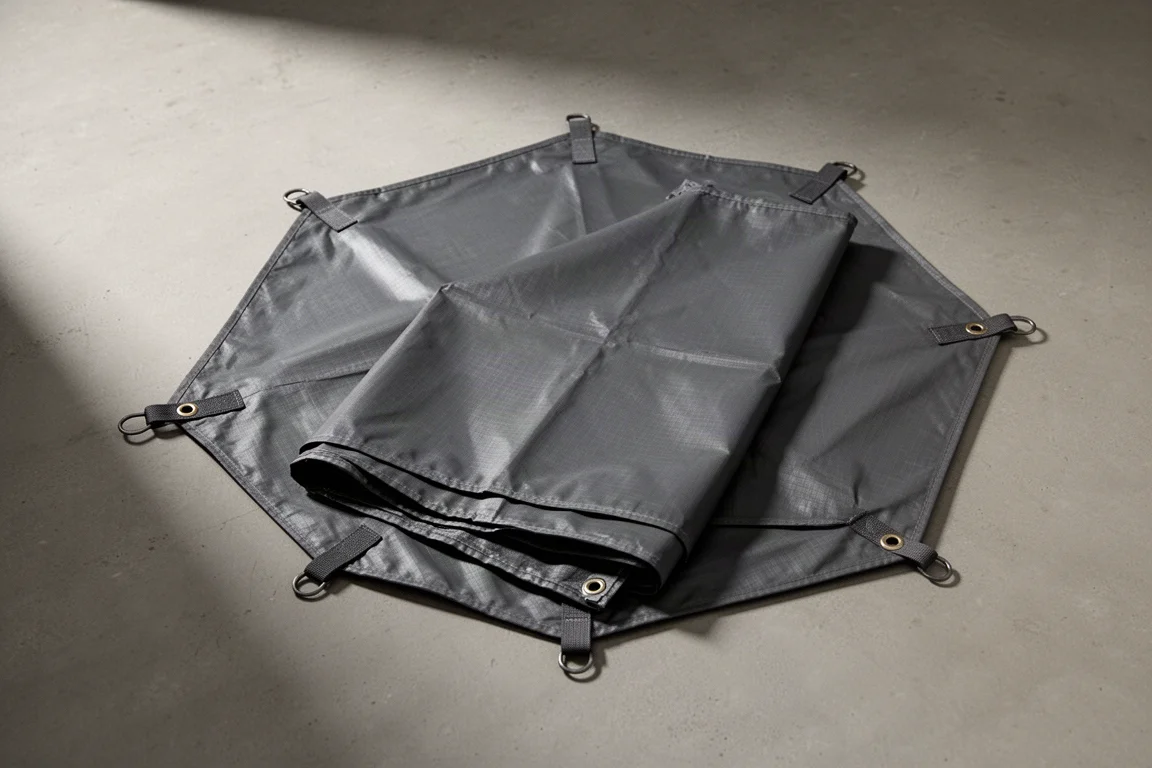
Backcountry Light Dual-Function Tarp and Floor Review: A Footprint First
A dual-purpose tent floor and tarp that keeps falling rain off you, but cannot block wind. Here is where it works and where it does not.
Camping Gear
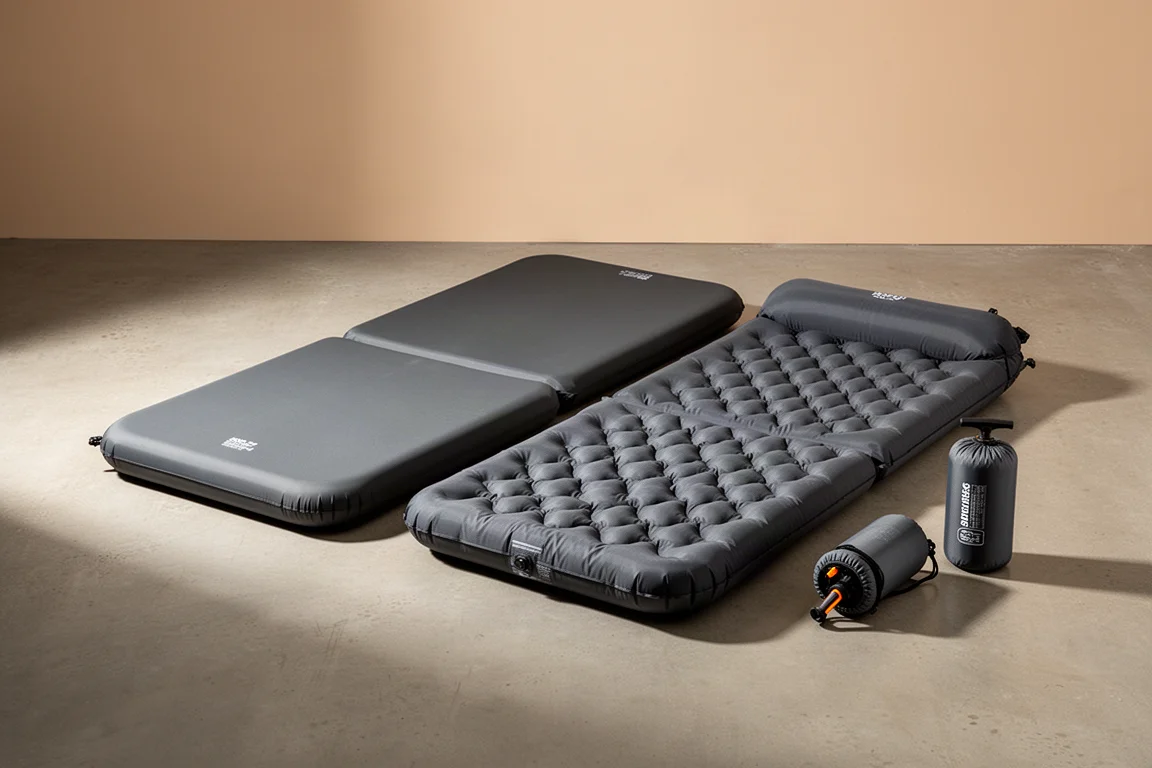
Best 2-Person Camping Mattresses for Couples: 10 Options Compared
A practical comparison of ten two-person camping mattresses, covering self-inflating pads, air pads and air mattresses for couples.