Camping Gear
Cold Weather Camping Gear: Four Pieces That Earned Their Place on a Wet Night
A large camping tent, a compact butane heater, a warm sleeping bag, and a six-minute backcountry meal, assessed through a rainy overnight camp.
Introduction
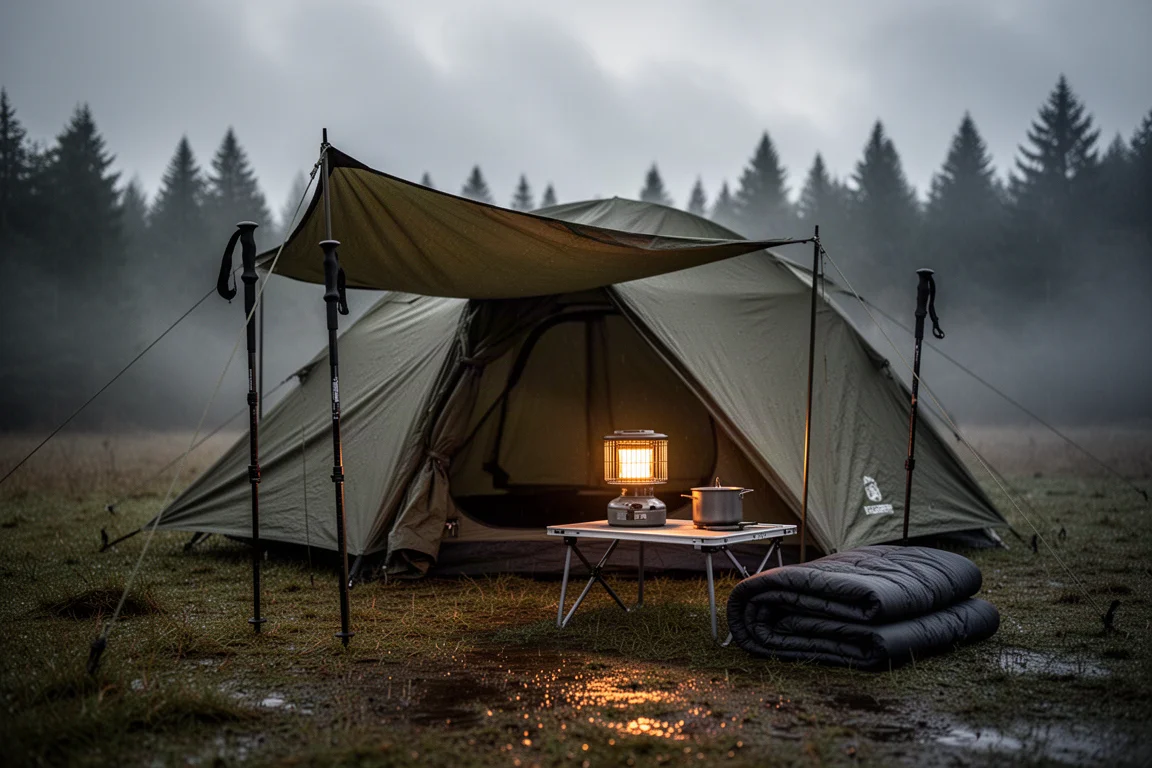
A warm afternoon followed by a forecast full of rain is a useful combination for testing gear. When the temperature sits near 61°F in the late afternoon and a cold front is due overnight, every item in the pack has to justify its place.
That is the setup behind this roundup. Four pieces of camping kit were put through a long evening that turned into steady overnight rain, followed by a damp and windy morning. Each one earns a spot for a different reason, and each comes with a trade-off worth understanding before you buy.
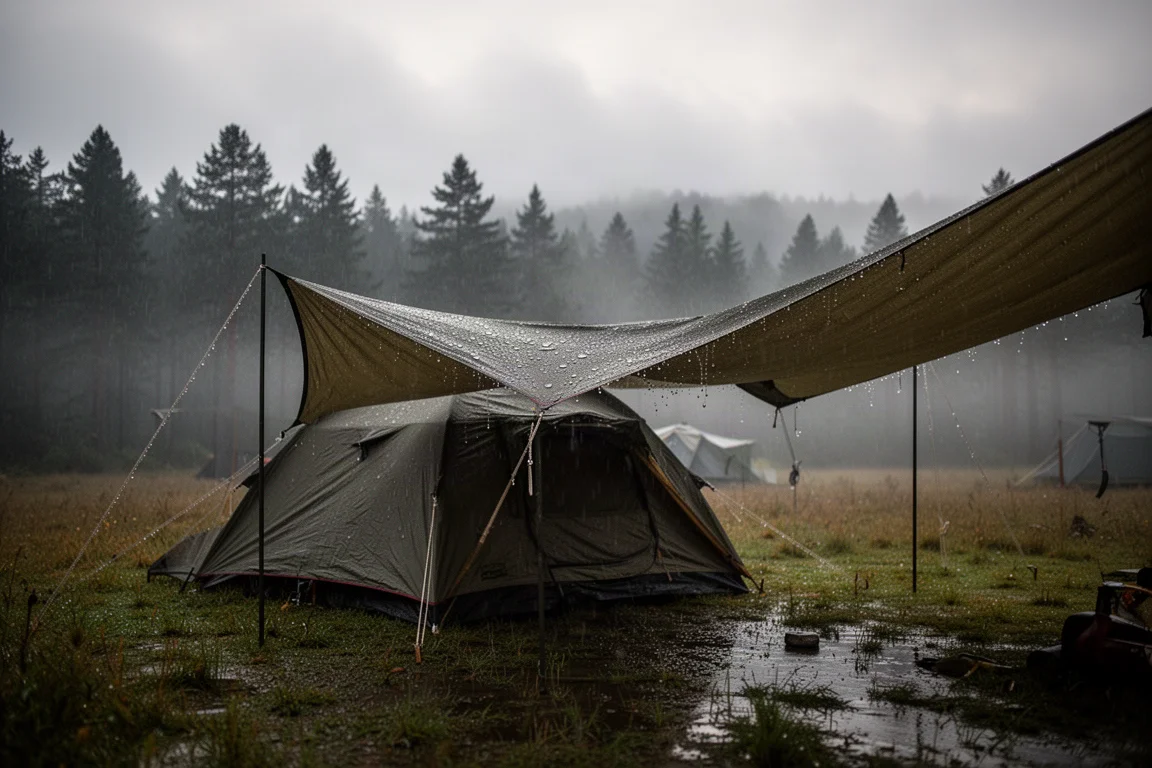
The picks below range from a large shelter to a six-minute dinner, so they are not meant to be bought as a set. Read them as individual answers to specific cold-weather problems, and take the ones that match how you actually camp.
How These Picks Were Evaluated
The criteria here are practical rather than technical. Setup time matters on a wet evening, when you want the shelter standing before the rain arrives. Weather performance matters overnight, when a leak stops being an inconvenience and starts being a reason to leave. Ventilation and condensation control matter in the morning, when a sealed tent turns damp inside.
For the heater, the questions were heat output, size, and how quickly it becomes too warm. For the sleeping bag, warmth, build quality, and price. For the meal, prep time, weight, and whether it actually tastes like food. Where a product fell short, that is noted alongside the strengths.
OneTigris Tetra Tent (Large): Space and Simple Setup
The large version of the Tetra is the roomier of the two sizes and comes with an integrated inner tent, which separates the sleeping area from the porch. Setup is simple and quick enough to complete comfortably before rain sets in.
The most interesting feature is the awning. It pitches out into a full porch that covers the front of the tent and offers genuine protection from light rain.
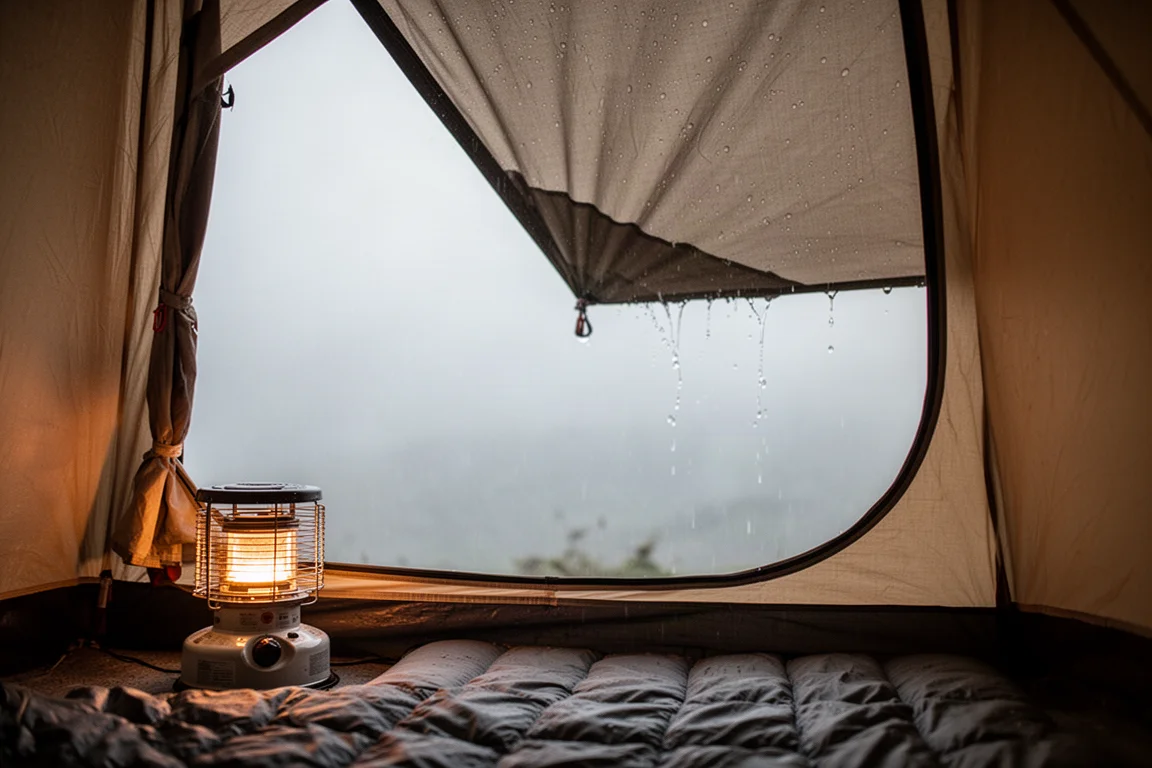
That porch is not fully sealed, and this is the main thing to know. There are two large gaps, one on each side of the awning, and rain driven sideways will find them. Covering the front with a tarp solves it and gives you a dry area to sit under, but it does mean carrying and pitching a second piece of fabric.
Ventilation is a strength. A large vent at the top and additional vents along the body keep air moving through the shelter, and condensation on the inner walls stayed modest even in wet, cold conditions. The rear vent, however, cannot be closed, so on a windy night there is no way to shut off airflow completely.
On space, the tent is generous for one person and is a particularly good fit for taller or larger campers. It is listed as a two-person tent, but that is optimistic. The fabric sags, so with two occupants someone ends up pressed against a damp wall. Treat it as a one-person shelter with room to spread out.
Across a night of sustained rain, the tent stayed waterproof and held up well.
Covia Cupid Stove: Compact Butane Heat for Small Shelters
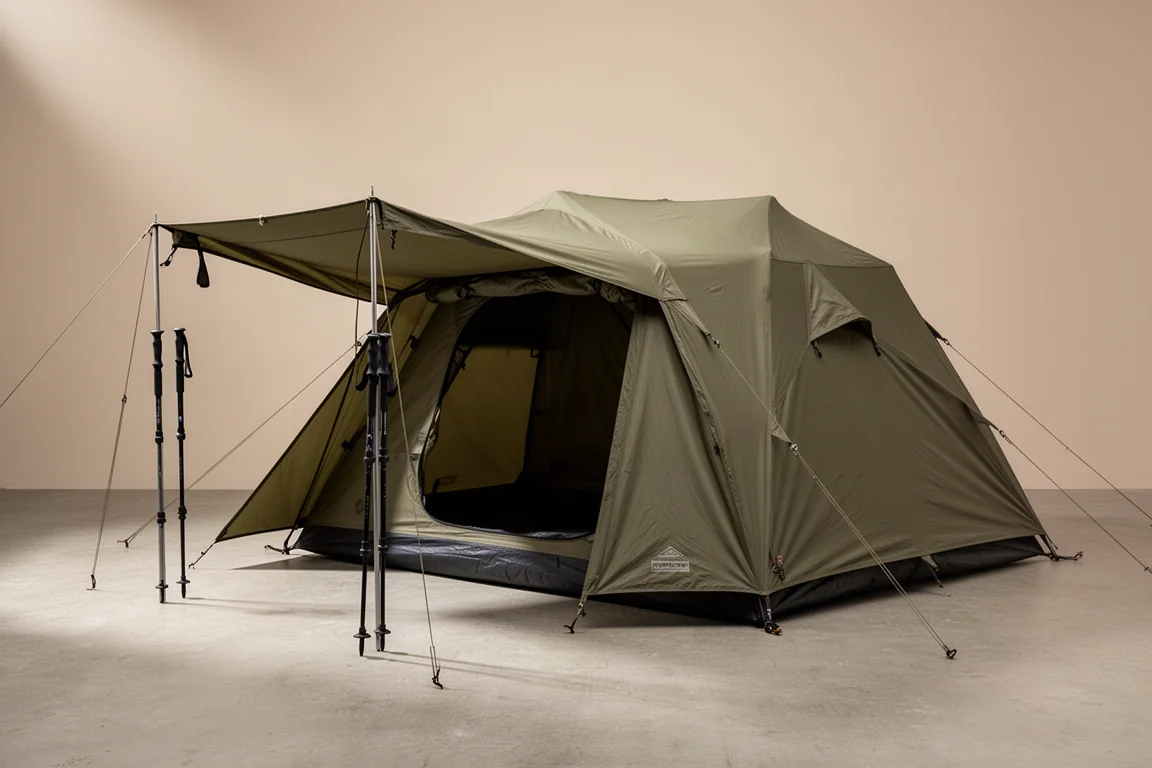
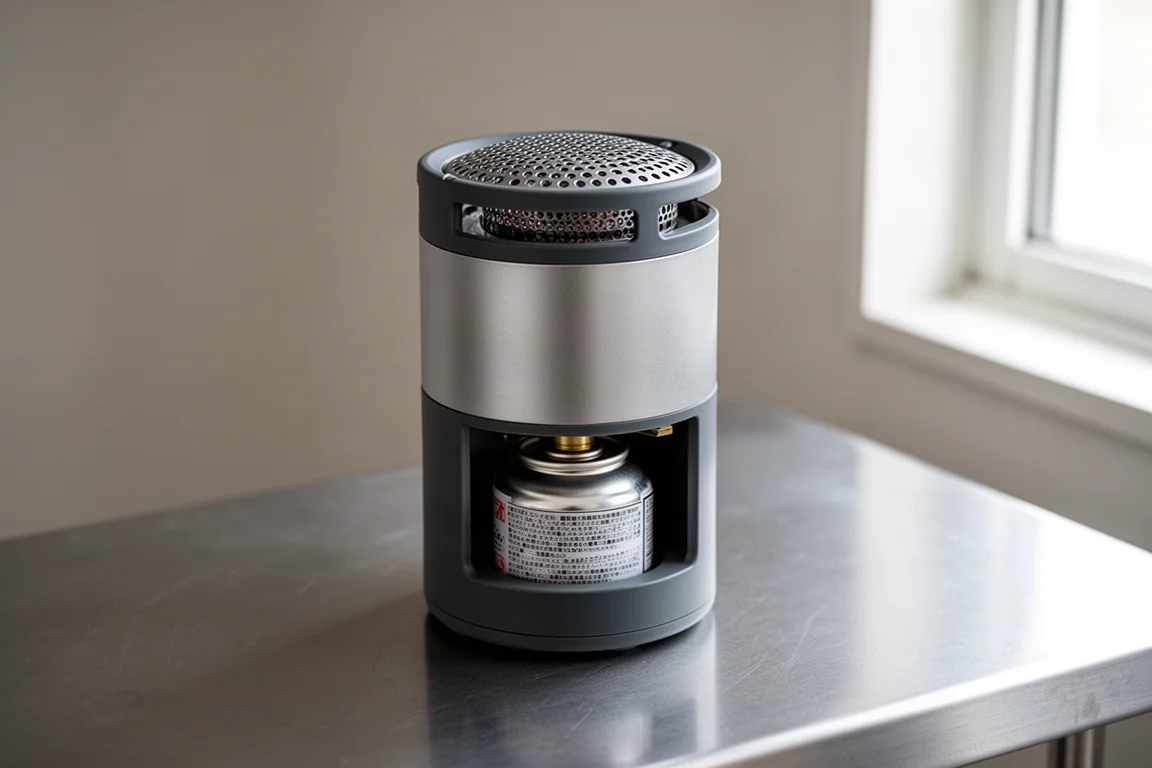
The Cupid is a compact butane heater with the fuel canister housed inside the body, which keeps the overall footprint small and the weight manageable for a car camping or rooftop setup. It is designed to be safe for use in a vehicle, a house, or a tent.
Heat output is the headline. It warms a small space quickly and needed to be turned down within about twenty seconds of being lit. That responsiveness is welcome on a cold evening, though it also means the low setting is the one you will actually live with.
Output is well matched to a rooftop tent or a small ground shelter. Whether it can heat something larger, such as a truck bed under a camper shell, is less certain and worth testing against your own setup before relying on it.
Running costs are reasonable. Butane canisters are inexpensive and widely available, though fuel prices have risen over the past year. The price of the unit itself is fair for what it does.
Corinthia Defense 4 Sleeping Bag: Warm and Well Priced
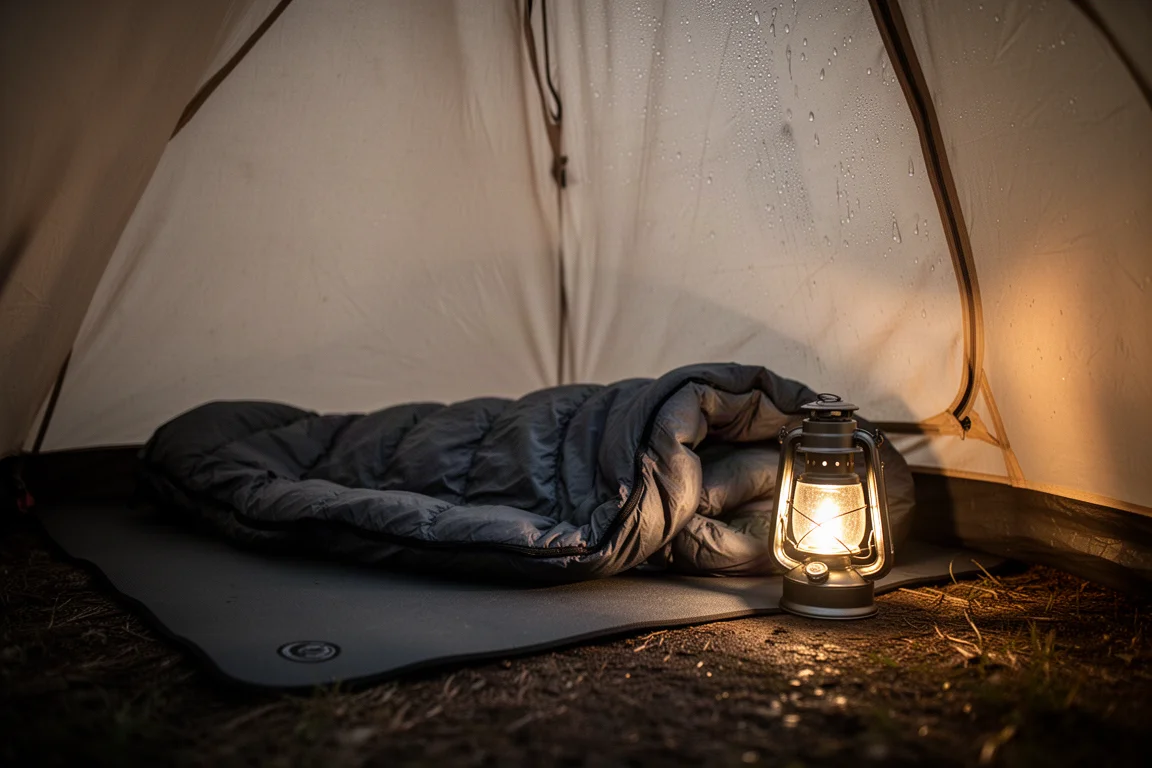
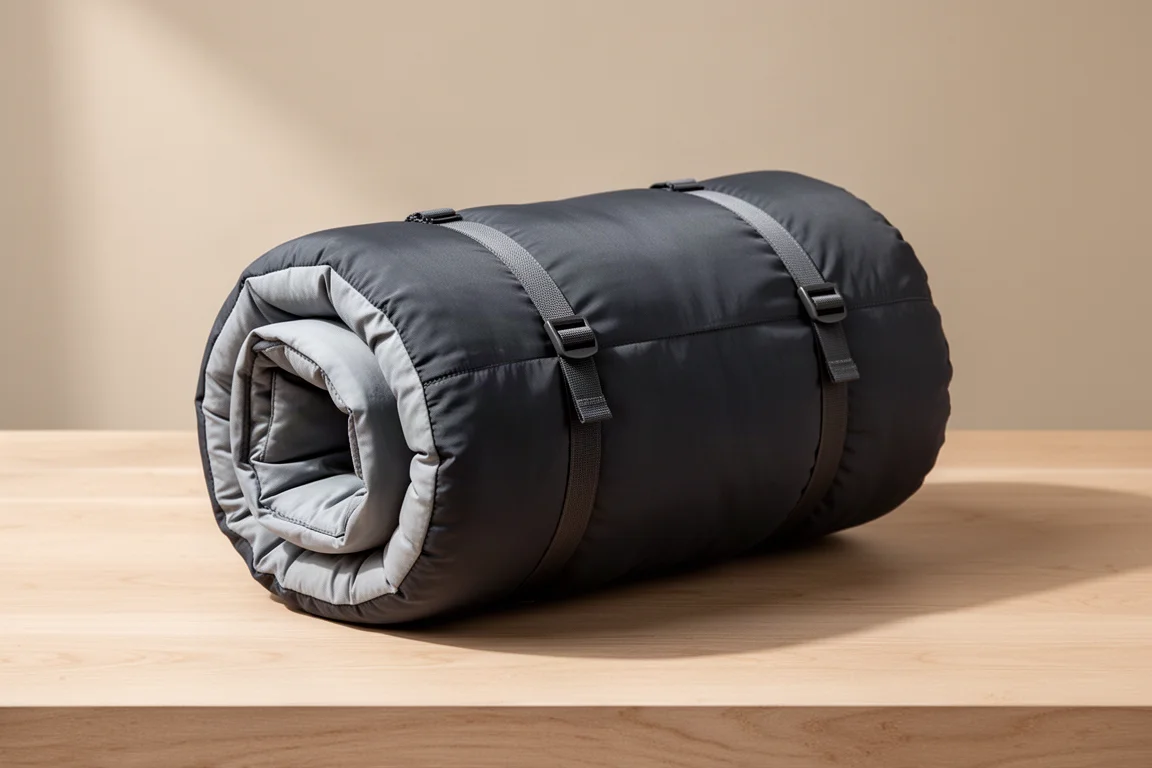
Warmth is the first thing you notice with the Defense 4. It held up through a night when the temperature dropped into the mid-30s Fahrenheit, with rain falling for hours and damp air inside the tent.
Quality and price are the other two points in its favour. The build feels solid rather than fragile, and the price sits in a range that is fair for the warmth on offer, which makes it an easy recommendation for three-season camping that occasionally runs cold.
If you sleep warm or camp mostly in summer, this is more bag than you need. For everyone else, it is a straightforward, dependable choice.
Right on Track Cauliflower Forest Chicken Risotto: A Six-Minute Meal
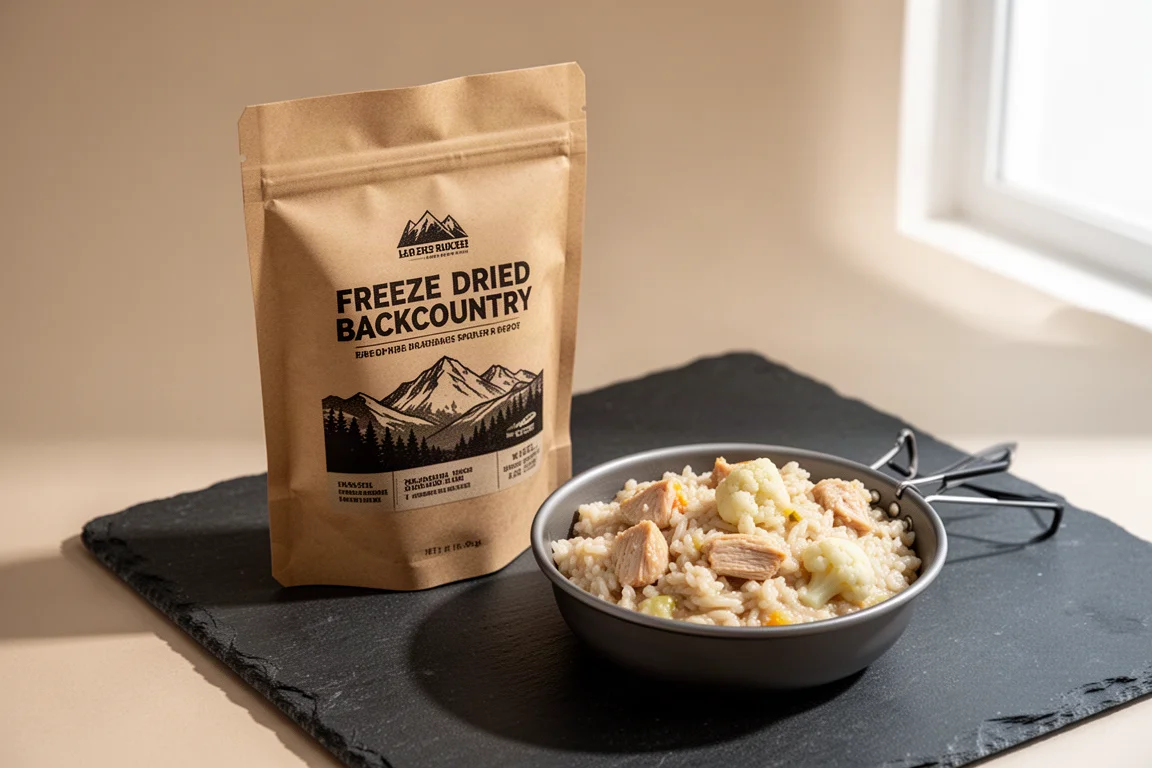
Right on Track is a newer name in backcountry meals, and the Cauliflower Forest Chicken Risotto is a good introduction to what the company is doing. It is healthy, lightweight, and compact, and it rehydrates in about six minutes. It is made in Montana.
The chicken portion is generous, and the meal needed an extra couple of minutes beyond the stated time to fully rehydrate. Once it did, it tasted good, which is not a given in this category.
For a cold, wet trip where you want dinner finished quickly and the pot rinsed once, a meal like this does the job with no planning required.
Buying Advice for Cold, Wet Camping Trips
Match each piece to the conditions you actually expect. A porch that handles light rain still needs a tarp when the wind picks up, so budget for that extra layer if you camp in exposed places. A heater with strong output suits a small shelter, but the same unit will struggle in a larger space, so think about the volume you need to warm rather than the maximum heat it can produce.
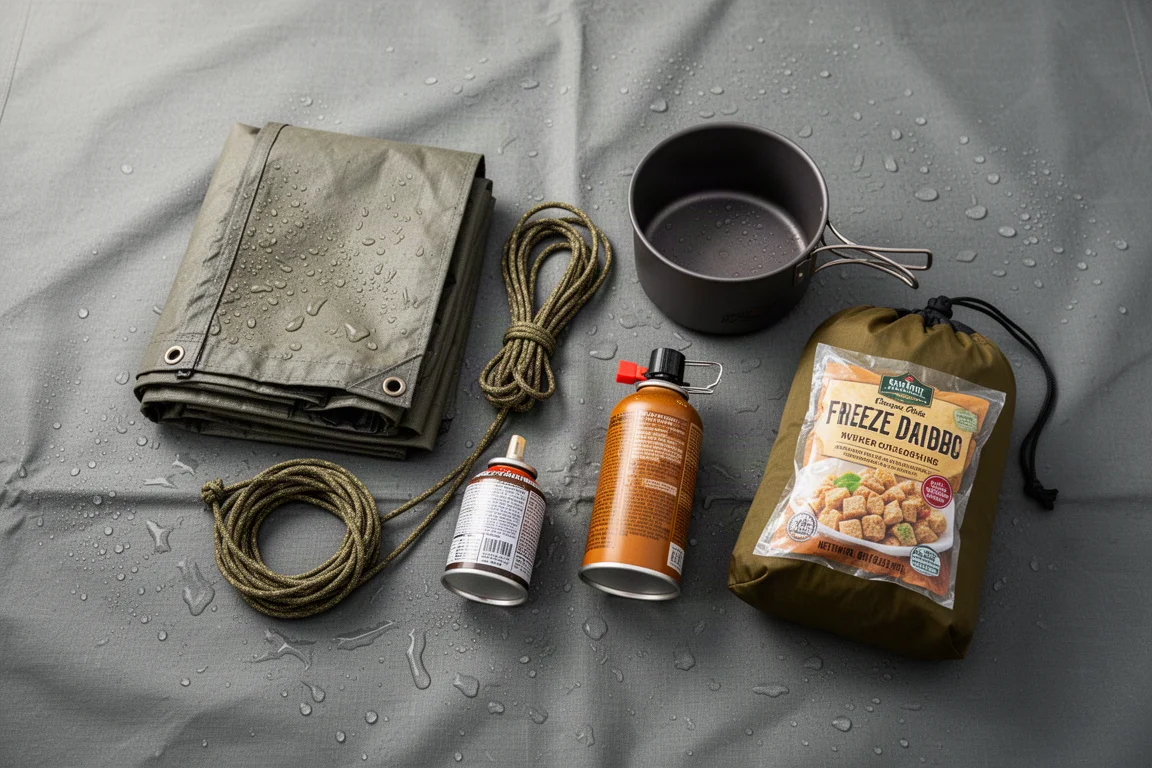
Ventilation is the other half of the equation. Shelters that breathe well keep condensation manageable, but vents that cannot be closed let cold air in on windy nights. Decide which problem you would rather solve, then choose accordingly.
For sleep and food, the priorities are simpler. Buy the warmest bag your budget and pack size allow for shoulder-season trips, and keep a lightweight meal or two on hand for the nights when you arrive late and the weather is turning.
Conclusion
Cold, wet camping rewards gear that does one job properly. The Tetra delivers space and ventilation in a simple package, provided you carry a tarp for the porch. The Cupid brings fast, compact heat to a small shelter. The Defense 4 covers warmth at a fair price. And the Cauliflower Forest Chicken Risotto turns a wet evening into a six-minute dinner. Buy the ones that solve your problem, and leave the rest on the shelf.
Further reading
Related Reviews
Camping Gear
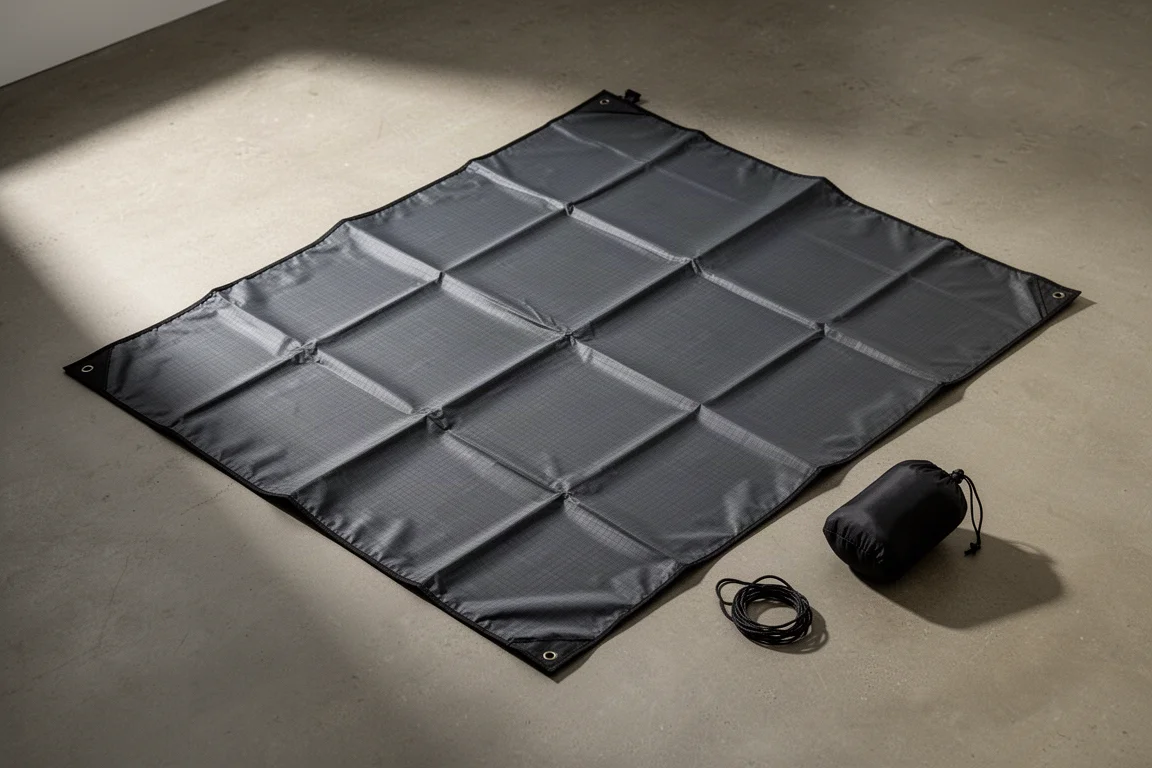
3FUL Ultralight Ground Sheet Review: A Two-Person Footprint Worth Packing
A 6.7 oz two-person ground sheet in ripstop silnylon, priced around $30. Here is what it protects, what it does not do, and who should pack it.
Camping Gear
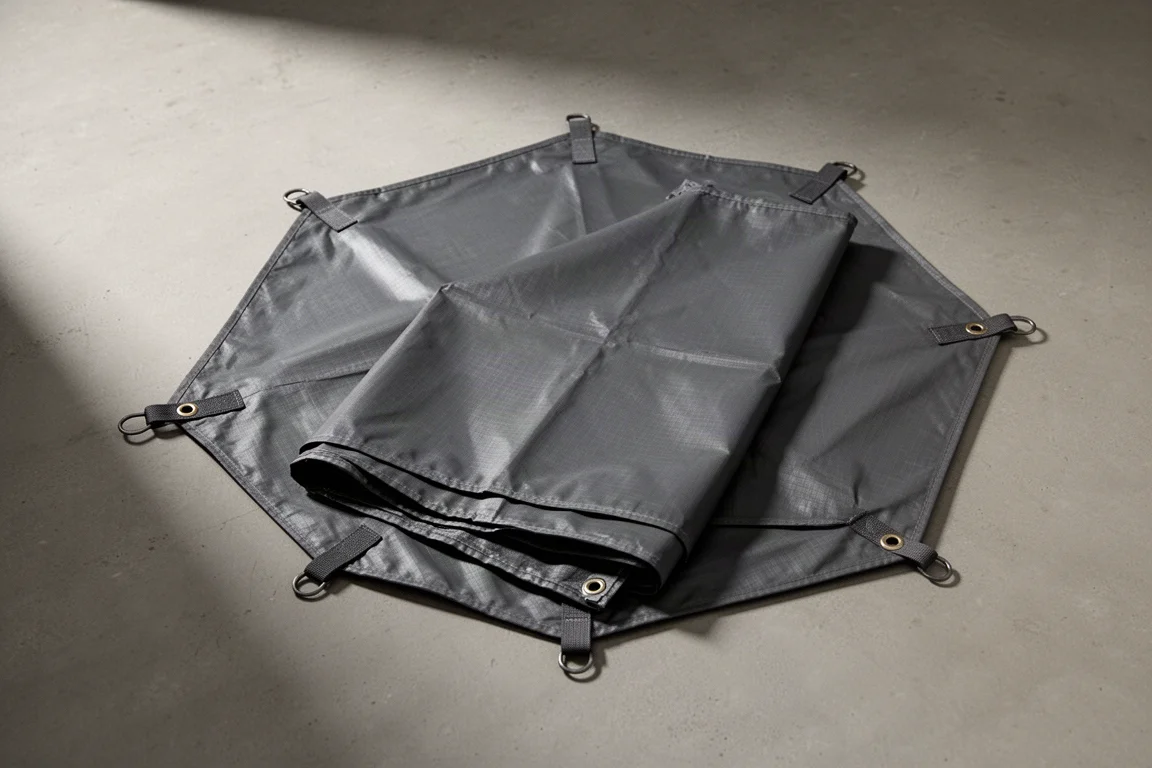
Backcountry Light Dual-Function Tarp and Floor Review: A Footprint First
A dual-purpose tent floor and tarp that keeps falling rain off you, but cannot block wind. Here is where it works and where it does not.
Camping Gear
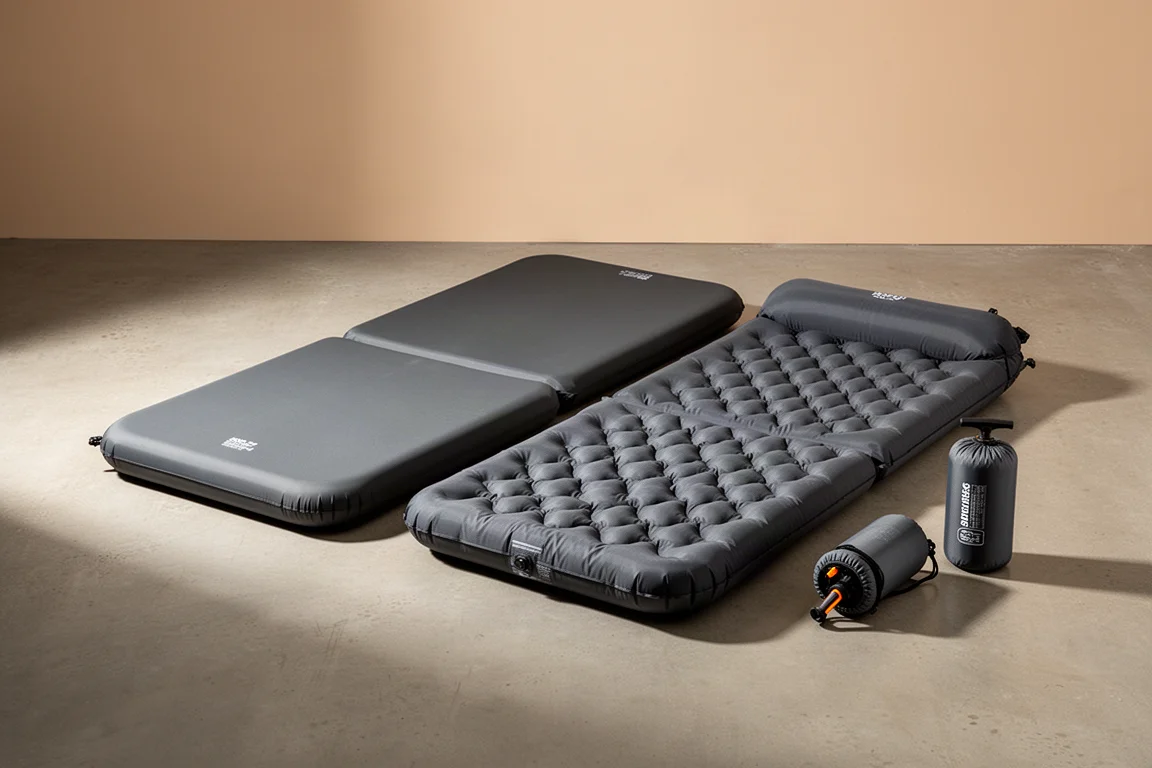
Best 2-Person Camping Mattresses for Couples: 10 Options Compared
A practical comparison of ten two-person camping mattresses, covering self-inflating pads, air pads and air mattresses for couples.