Outdoor Gear
Cold Weather Backpacking Gear: 6 Add-Ons That Keep Winter Camping Warm
Six practical cold weather add-ons, from snow and avalanche reports to a budget down jacket, cheap portable heat, and lightweight traction for icy trails.
Introduction
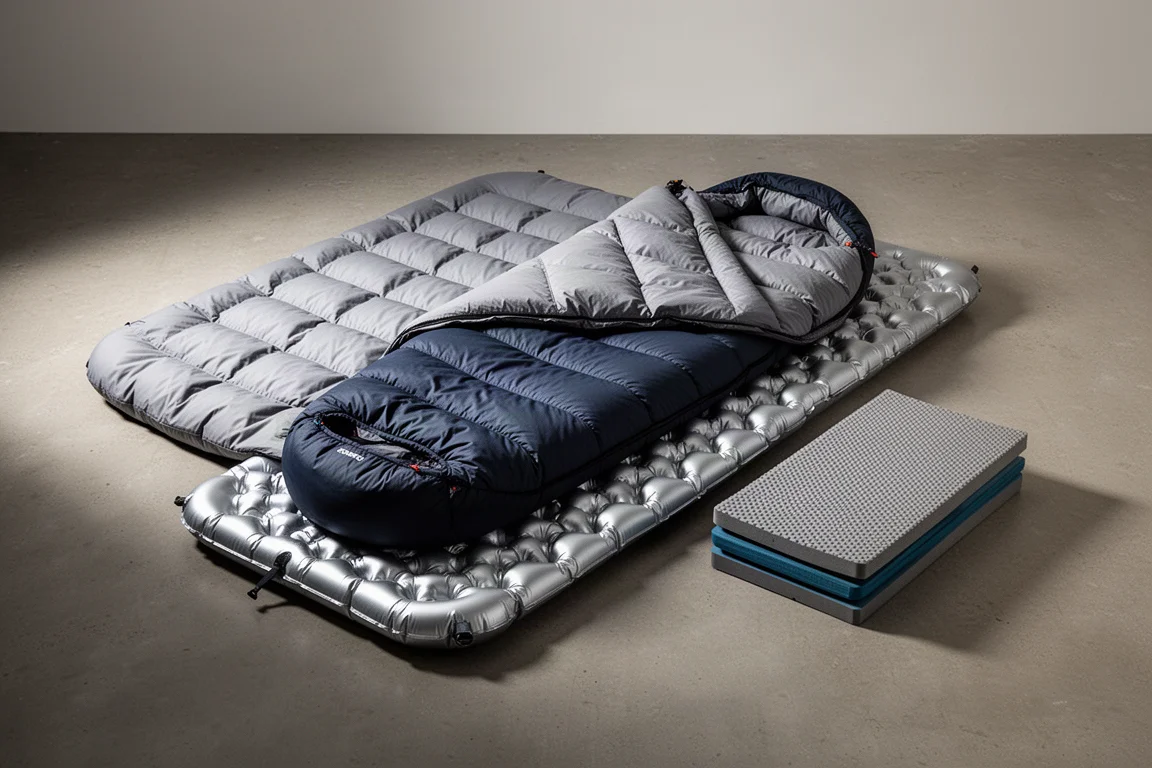
Cold weather camping gets much easier once you stop trying to solve it with a single big purchase. A warm sleeping bag and a decent pad matter, of course, but the difference between a miserable night and a comfortable one usually comes from a handful of small add-ons that cost far less than a new sleep system.
The items below are the ones that consistently make the biggest difference on cold trips: an app that shows snow and avalanche conditions before you leave, cheap chemical heat for your hands, a tiny pump that keeps a sleeping pad dry, two down jackets at opposite ends of the price scale, and lightweight traction for icy ground. None of them replace a warm bag, but each one removes a specific problem.
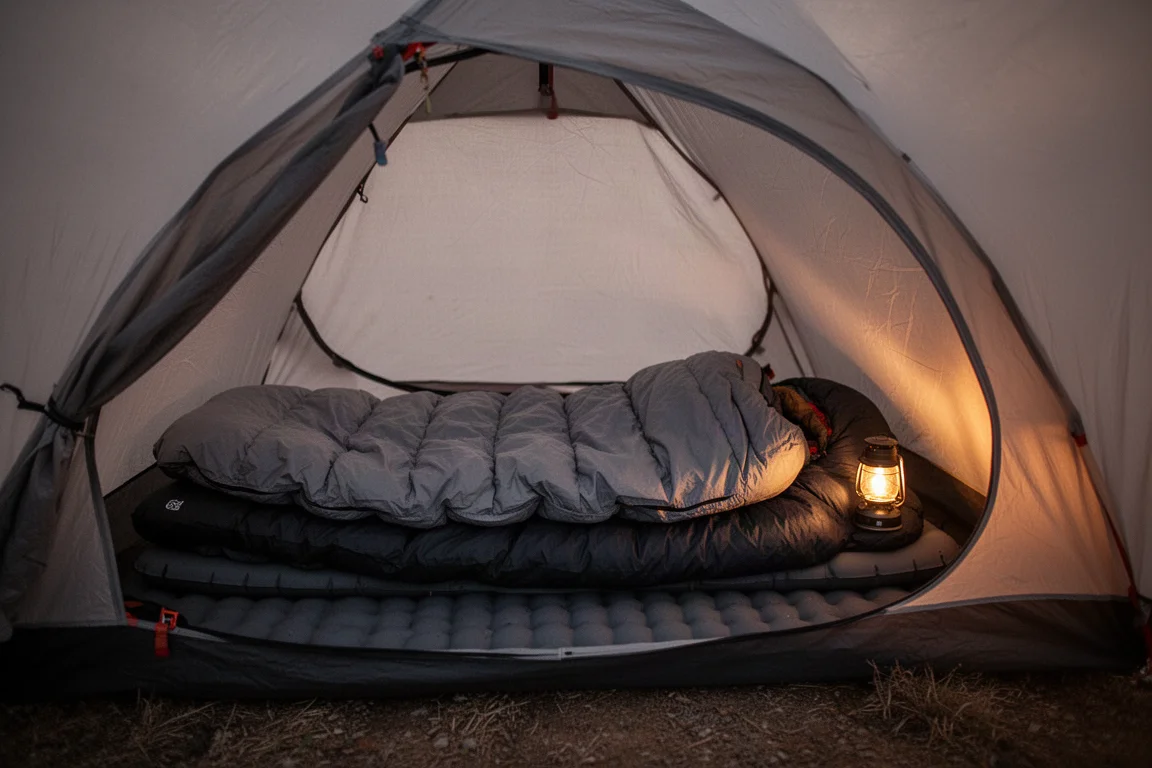
If you are heading out for the first cold nights of the season, pick the one or two items that match your biggest worry. Cold hands and cold feet are the most common complaints, and both have inexpensive fixes.
How These Cold Weather Picks Were Chosen
Every item here earns its place by solving one of three problems that show up again and again in cold weather: moisture, heat loss, or traction. Moisture is the quiet one. Breath inside a sleeping pad, damp air trapped in a tent, or sweat in a base layer all pull warmth away from you long after the sun goes down.
The goal is not to push one specific model. It is to point out the categories worth shopping for, so you can look for equivalents that match your budget and the conditions you actually expect to meet. Prices below are the ones seen at the time of writing, and they move around.
onX Backcountry: Snow Reports and Avalanche Data Before You Go
The most useful cold weather tool is not always something you wear. onX Backcountry is a navigation app that layers snow information onto its maps. Once you have decided where you are going, you can select a trail and open the snow layer to see snow depth in inches, how much accumulation an area has received, the temperature of that area, and avalanche reports for the region. In early autumn the snow layer is mostly quiet, but in the middle of winter it becomes a genuinely useful planning tool for anyone heading into terrain where avalanches are a real concern.
The app is free to try for around 30 days, and a discount code takes a couple of dollars off a membership. It will not keep you warm, but it can keep you out of trouble, which matters more.
HotHands 18 Hour Hand Warmers: Cheap Heat You Can Trust
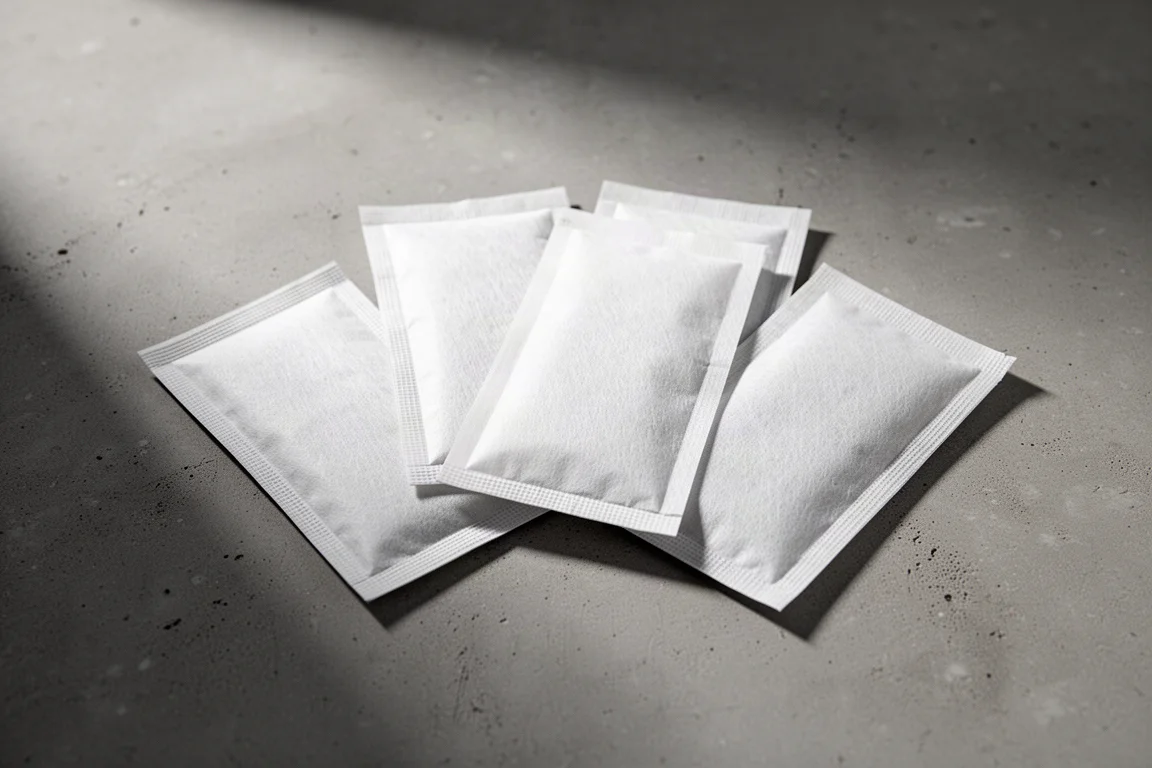
Air-activated hand warmers are one of the cheapest ways to add heat to a cold trip. The 18-hour version costs only a little more than shorter-lasting packs and genuinely lasts through a long night and the following morning, which is why it is worth paying the small premium rather than stocking up on the shorter ones.
Maximum temperature can reach around 163 degrees Fahrenheit. That is hot enough to be useful and hot enough to demand respect. These packs can burn skin, and they have been known to melt the nylon shell of a sleeping bag, so keep them away from long direct contact with skin and away from delicate fabrics.
A few packs placed around a tent act like a small radiator. If you only need part of a warmer’s life, seal the used pack in a zip-top bag to cut off the oxygen and slow the reaction so it can be used again later.
Flextail Tiny Pump X: A Dry Sleeping Pad and a Tent Light
Sleeping pads get colder when moisture builds up inside them, and inflating a pad by mouth pushes breath moisture straight into the insulation, which works against the pad’s warmth. The Flextail Tiny Pump X solves that with a small battery-powered pump that weighs around three ounces and inflates a pad without any breath going into it. The same unit has a built-in light rated up to 400 lumens, which is easy to hang inside a tent at night.
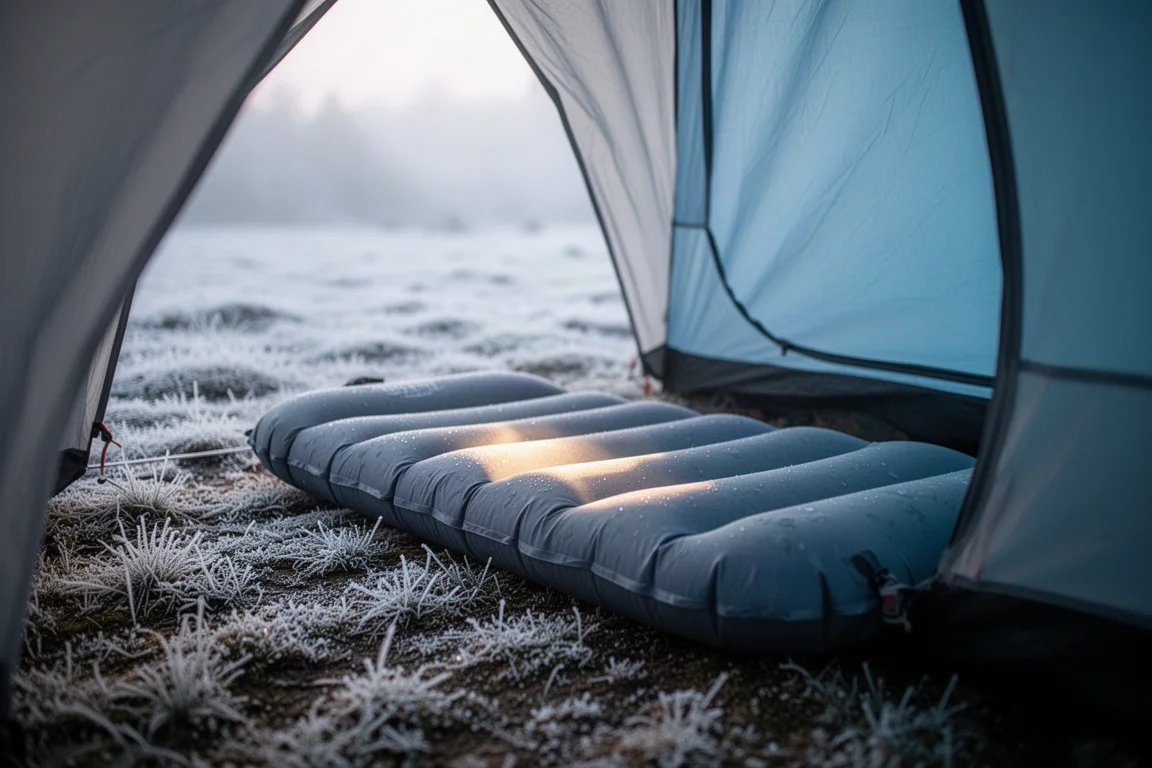
It is worth inflating the pad outside the tent. Breathing inside a tent in cold weather adds moisture to the air you will be sleeping in, and anything the pump draws in ends up inside the pad regardless. Set the pad up away from sticks, branches, and pine needles so the pump and the pad surface stay intact, then bring it inside.

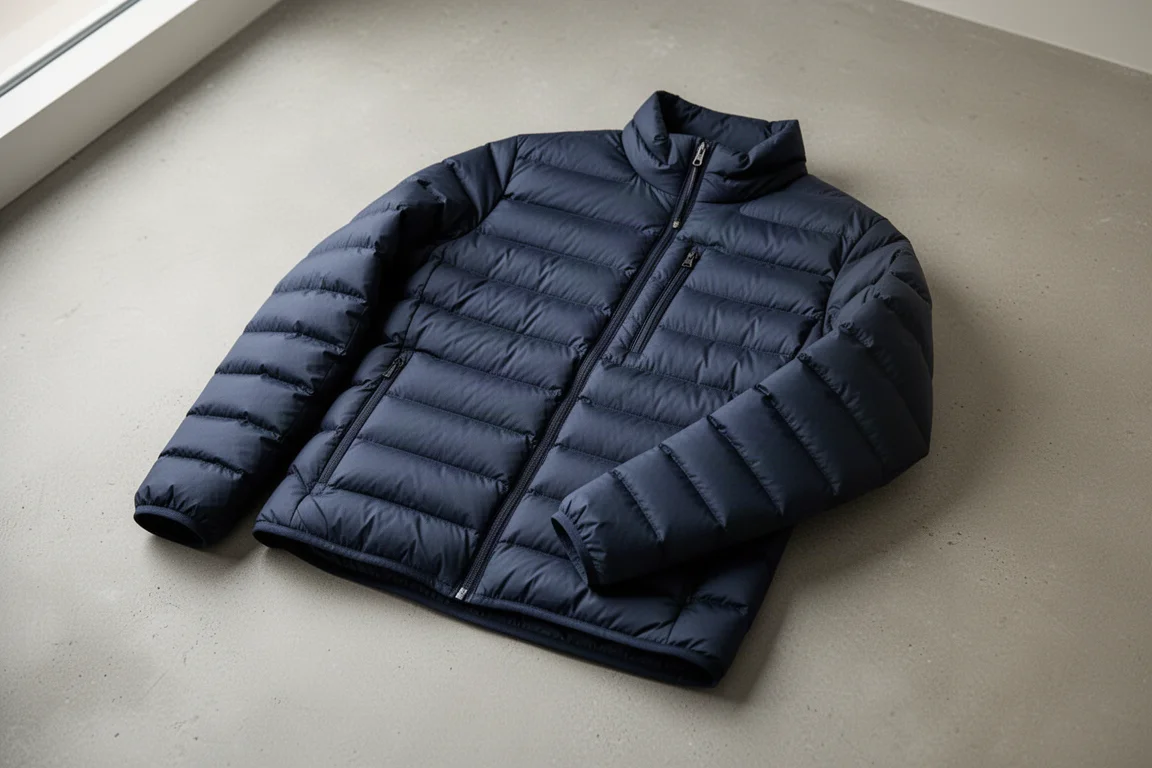
Decathlon Trek 100 Puffy Jacket: The Best Budget Down Layer
Around $80 buys an 800-fill down jacket that weighs roughly 10 ounces, which is remarkable value in a category where prices climb quickly. The fill is mostly duck down rather than goose down, and in practice that has not mattered much. This jacket has been tested thoroughly and keeps the wearer as warm as jackets costing several times more, which makes it the standout value pick of this list.
If you are building a first cold weather kit, this is the layer to buy before almost anything else on this page. It packs small enough to live in a daypack and warm enough to matter on a frosty morning.
Mountain Hardwear Ghost Whisperer Jacket: The Premium Alternative
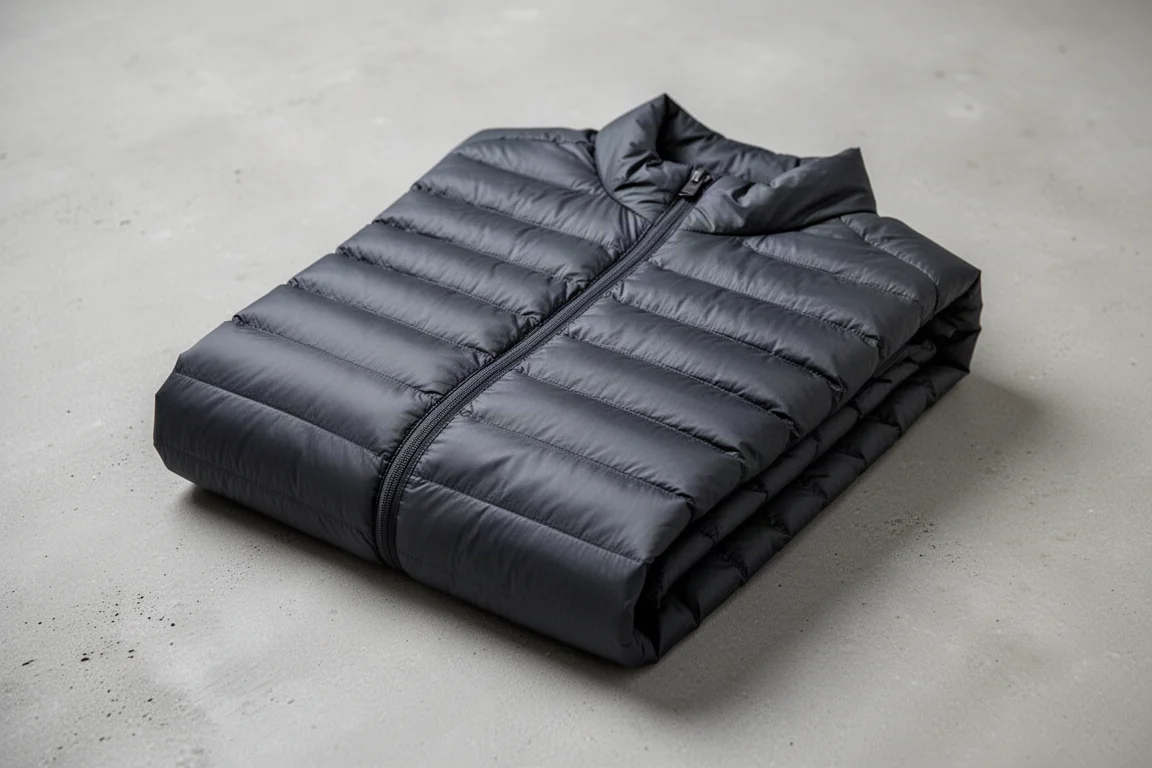
The Ghost Whisperer is one of the best-known ultralight backpacking puffies, and it is the jacket most people find when they start searching for a light down layer. It is also roughly four times the price of the Trek 100 above, while the warmth on offer is comparable. For a lot of hikers, the budget option simply makes more sense.
Where the premium jacket earns its keep is with buyers who want a long-established design and are comfortable paying more for it. If the price difference does not bother you, it remains a solid choice. If you are equipping a first cold weather kit from scratch, the money is better spread across the other items on this list.
Kahtoola NANOspikes: Lightweight Traction for Icy Trails
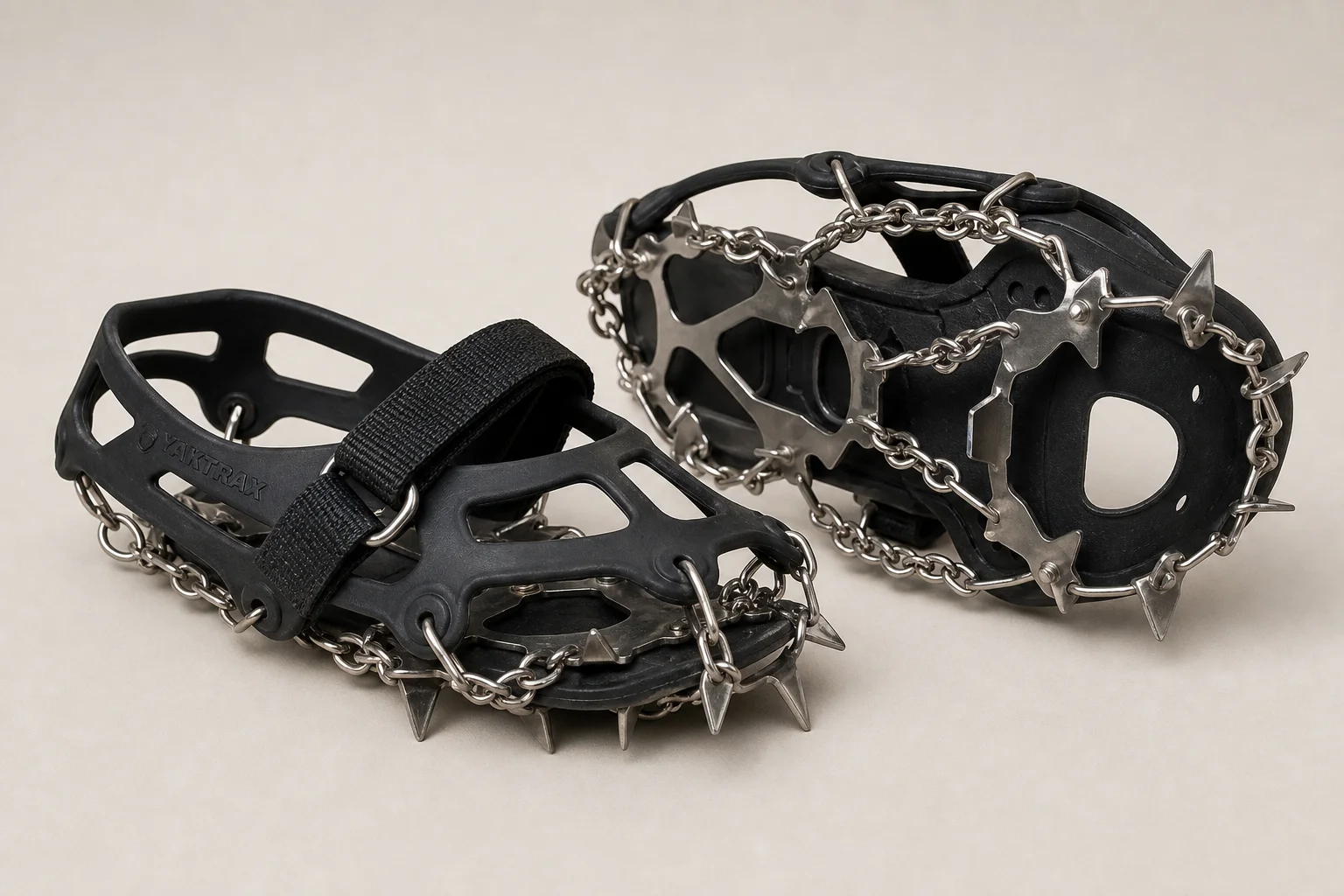
Ice is the other thing that catches people out in cold weather, especially on packed trails, in parking areas, and around camp. Kahtoola NANOspikes are slip-on traction devices with small spikes that wrap around a shoe or boot and fit most footwear without sizing complications. They are light, pack down small, and work well on very slippery but not especially steep ground.
Heavier-duty traction devices with longer spikes are available and cost considerably more, and cheaper versions sold online can cost a fraction of premium prices. The main difference is the number and size of the spikes on the bottom. If you only need grip once or twice a year, a budget pair is a reasonable way to go.
Buying Advice for Cold Weather Camping Gear
Cold weather comfort is mostly about moisture and heat loss, and the items above attack both. If you are buying one thing before your first cold trip, start with the problem you actually have: cold hands, a cold sleeping pad, or icy ground underfoot. Buying for a real problem beats buying a full kit you are not sure you need.
On value, the budget down jacket leads this list, followed by the hand warmers, which cost very little and solve a very common complaint. Traction devices and a navigation app are the kind of purchases that feel optional until the day you need them, and both are inexpensive relative to the trouble they prevent.
It is also worth knowing that add-on categories beyond this list exist. Down booties, insulated balaclavas, and sleeping bag liners are all worth researching separately if you want to extend the range of a sleeping bag you already own. They raise the comfort of an existing setup for far less than a new bag.
Conclusion
Cold weather camping does not require replacing everything you already own. These six additions cover most of the common failure points: knowing what the snow is doing before you leave, reliable heat for your hands, a dry sleeping pad, an affordable down layer, a premium alternative if you want one, and traction for icy ground.
Start with the item that solves your biggest worry, use it on a real trip, and build from there. That approach keeps the cost low and makes it much easier to enjoy the cold months instead of dreading them.
Further reading
Related Reviews
Outdoor Gear
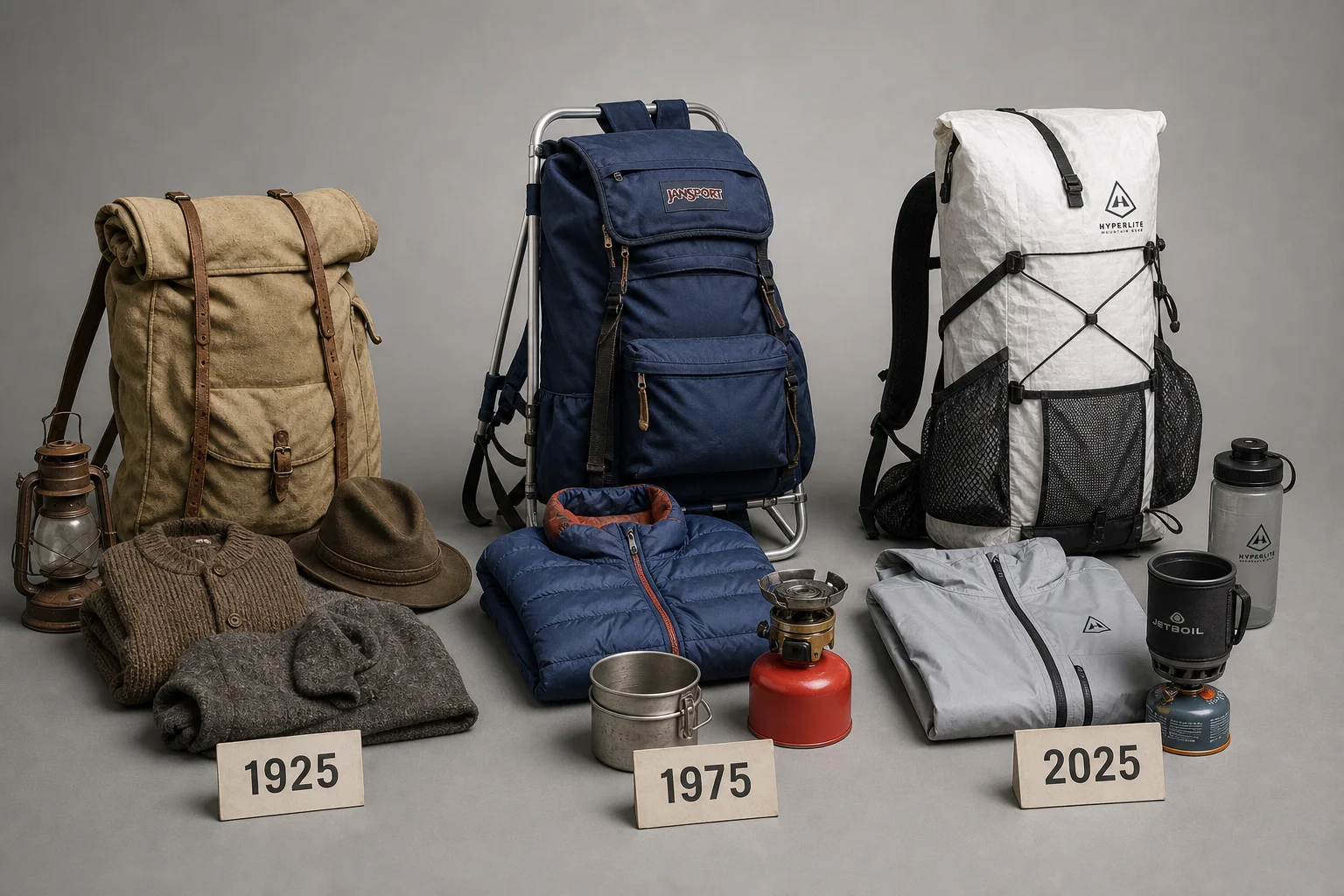
Backpacking Gear Evolution: 100 Years of Technology Compared
We tested backpacking gear from 1925, 1975, and 2025 across a three-day hike in Yosemite. Here's how technology has transformed comfort, weight, and the outdoor experience.
Outdoor Gear
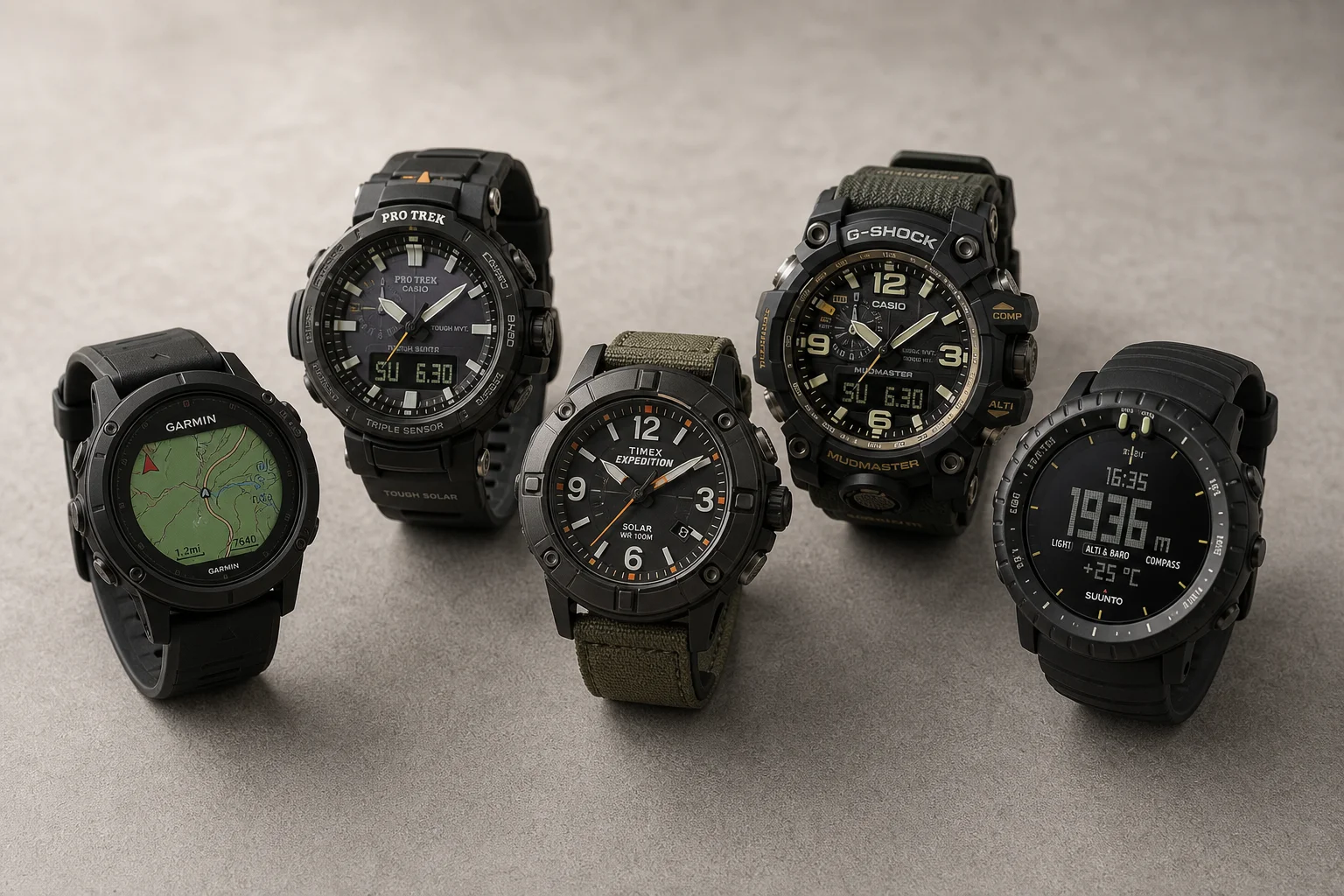
Best Affordable Hiking Watches: Five Rugged Options for Outdoor Adventures
Five durable hiking watches that balance ruggedness, functionality, and value for outdoor enthusiasts who need reliable GPS tracking and weather resistance.
Outdoor Gear
Best Backpack Coolers 2026: Five Practical Options for Outdoor Adventures
Five backpack coolers with distinct cooling capabilities, storage features, and design trade-offs to help you choose the right one for your outdoor needs.