Snowboard Bindings
Clue Independence 1.0 Review: A Step-In Binding Concept That Is not Finished
A hands-on look at the Clue Independence 1.0 step-in binding, covering strap fit, adjustability, flex, durability, and why the overall package feels half-finished.
Introduction
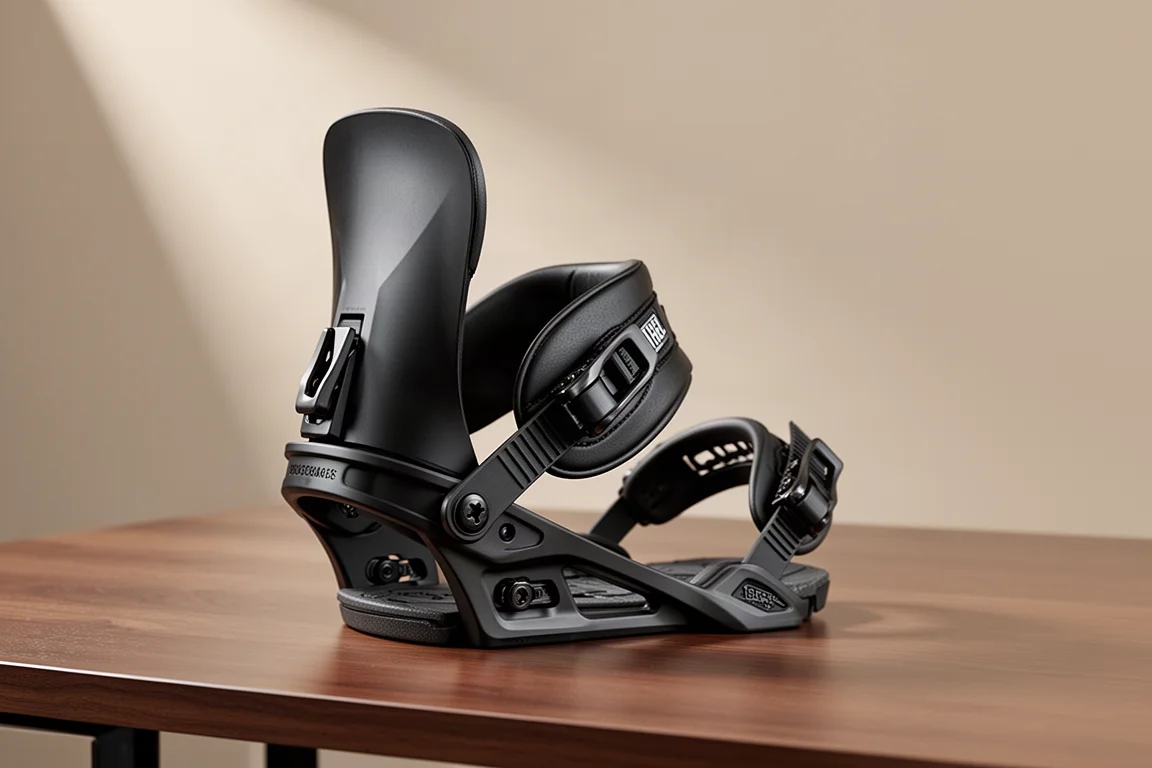
The Clue Independence 1.0 is the replacement for the Clue Freedom 1.0, and the naming itself hints at the problem: the company is still working out what this binding actually is. On paper, it is a step-in binding with a stirrup-style highback, a dual-pin heel strap, and a ratcheted toe strap. In practice, it is a design concept that has not been fully actualized, with several improvements over the first version and a new set of problems introduced along the way.
This review covers how it rides, where the design falls short, and what you should weigh before spending on it.
On-Snow Testing Conditions
The binding was ridden at Copper Mountain on a day that threw nearly everything at it: high and low visibility, blowing snow, chop and chunder, death cookies, perfect corduroy, dust on crust, and a few pockets of fresh snow low enough on the mountain to slash. It was a low-tide early-season base, which made the varied snow conditions a genuinely fair test of how the binding communicates the terrain to your feet.
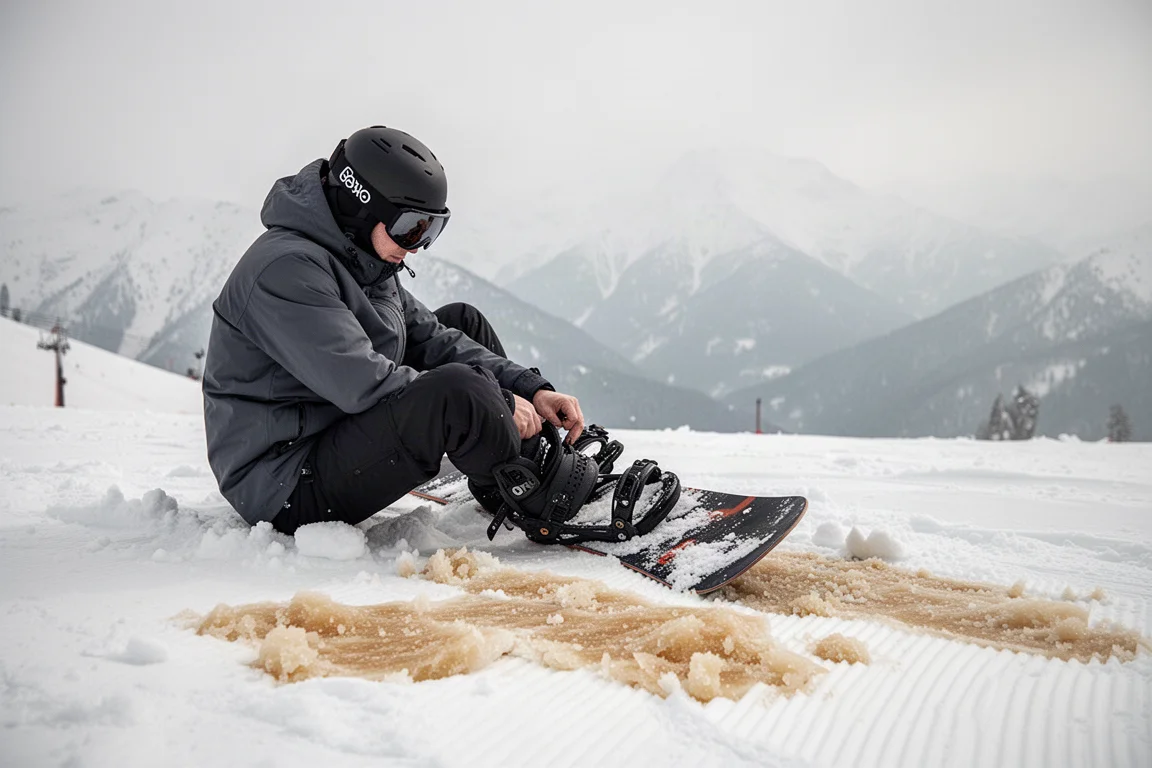
That mixed snow turned out to matter, because the binding’s biggest weaknesses showed up most clearly when the snow got rough.
Straps and Adjustability
Adjustability has actually gone backwards compared to the Freedom 1.0. The pin system that allowed the strap to be set forward or backwards is gone, leaving one fixed front setting, a flip tab, and a flip tab on the toe. The heel strap uses a dual-pin quick-adjust system that must be pulled down before it pops off to adjust, which works, but is not the smoothest implementation.
With a size 10 boot in a large binding, the heel strap was basically maxed out. Riders with chunkier or larger boots will likely need a strap extension, which the company does sell.
The molded heel strap has no excess padding, so all cushioning comes from the boot itself. It is slightly asymmetrical, wider on the outside and narrower on the inside, and centering it involves fiddling with the pin attachment. When locked down, the strap stretches slightly, which keeps tension on the pins in the right direction, but the overall attachment method still feels like a questionable way to secure a strap.
The toe strap is stranger. It has an odd cutout shape that seems designed for a super pointy toe box, and it fits awkwardly on softer boots. Once the ladder strap is locked in, it is not supposed to move again, and it held position during testing, but the fit leaves a lot to be desired.
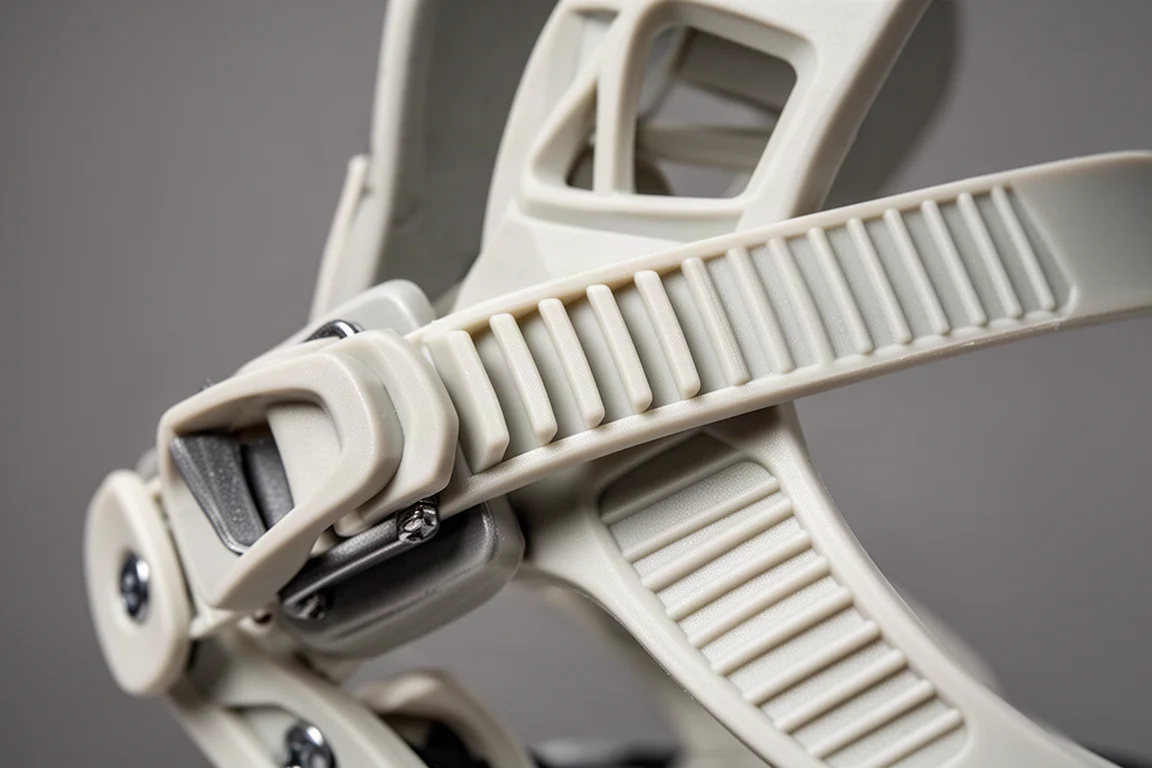
Then there are the ratchets. The heel ratchet is plastic while the toe ratchet uses a composite metal material, and the heel one is the weaker of the two. The ladders are wider and catch on the bottom of the ratchet because the internal spacing is off, which means feeding the ratchet in will chew up the ladder strap faster than it should. The one-finger quick release does its job when getting out, though the tab extension could be longer.
The Highback and Step-In Mechanism
The highback is unique to this system because it doubles as a stirrup, designed to tuck under the boot heel for step-in entry. Functionally, it does work as a highback to an extent, but it sits oddly in the chassis, and that changes both the flex and the rigidity of the whole binding. The highback itself has been made narrower, and that reduced footprint changes how the release mechanism sits.
That is where a real frustration appears: the release lever tends to only release on one side. All day on the mountain, one side would stick, forcing a second, harder yank. You also have to bend down to reach it, which undercuts marketing claims that you would not need to. For comparison, existing easy-entry systems on the market are already roughly that low, so the convenience pitch does not hold up.
Forward lean is a single screw, a set-and-forget adjustment. Cranking it changes the power distribution onto the heel cup, which matters for durability, discussed below.
The toe ramp adjustment exists, but it is a fiddly, rental-style mechanism that slides and locks in a wonky way.
Build Quality and Durability
The plastic quality is a genuine concern. The outer surfaces are uneven and bumpy to the touch, almost like a 3D-printed finish rather than a clean injection-molded result. A noticeable groove inside the heel cup appears on both black and white sets, and grooves like that are stress points that can weaken over time.
The stirrup surface is soft enough that clanking a heel edge against it four times during a short village walk took visible chunks out of it, and that was against a board with dull edges. Walking on cobblestones in these bindings wears the stirrup down, and the more it wears, the less reliably it locks in.
The disc is enormous. It rivals some of the most plastic-heavy bindings ever made, and it is thin enough in spots that it looks like a predictable crack point for bigger, heavier riders. The screws did fit better in the inserts than the previous version, with almost no wiggle room, but the overall construction does not flex where a binding should flex, which creates break points instead of distributing energy.
Flex, Dampening, and Underfoot Feel
This is where the binding hurts the most, literally. The huge disc and rigid chassis create one of the biggest dead spots underfoot, and the binding simply does not dampen. Landings, side hits, ice push piles, hard heel-edge impacts: everything transmits straight up through the ankle, knees, hips, and into the lower back.

The stirrup sits slightly high, the toe is elevated relative to the heel, and the result is a bowing underfoot that pushes you heel-heavy and then compensates with extra cheap foam in the toe. The pop on the test board was noticeably diminished, forcing overleveraging to engage the contact points. Steering required more muscle than it should.
The end result was real fatigue. Instead of the usual several consecutive riding days, a full day on these was enough to need the next one off, spent foam-rolling and recovering. If you already deal with leg or back fatigue, this is not a binding built for you.
Who Should (and Should not) Buy This
Honest answer: very few riders. The binding is priced at $500, and for less money there are proven alternatives in the easy-entry and step-in space, including bindings from established brands with years of refinement. If you are specifically drawn to the step-in concept, test the competition first. If you are a heavier rider, the durability concerns around the heel cup and disc are worth taking seriously.
If you value board feel, dampening, and a binding that does not hammer your body on rough snow, this is not it.
Buying Advice
The Independence 1.0 did fix some first-generation problems. The step-in guide works more reliably, the extra teeth lock in better, the screws fit the inserts properly, and forward-lean pressure fatigue is somewhat reduced. But it introduced new ones: worse ratchets, a stiff and wearing-prone heel strap attachment, an uneven release lever, cheap-feeling plastics, a giant rigid disc, and no dampening anywhere.
There are simply better options on the market for the same or less money, including several step-on and quick-entry designs from brands with long track records. Until this concept is genuinely finished, it is hard to recommend.
Conclusion
The Clue Independence 1.0 is a step-in binding that rides more rigid than responsive, transmits every impact to your joints, shows questionable plastic quality, and still has release and strap issues one generation in. Some first-version flaws were fixed, but new ones took their place, and the overall package still feels like an unfinished concept. Unless you specifically want to experiment with this style of binding and accept the trade-offs, better easy-entry and step-in alternatives exist at lower prices.
Product link
View more details for Clue Independence 1.0
This product is mentioned in the review. Check the specifications, options, and compatibility before buying.
View more details for Clue Independence 1.0Further reading
Related Reviews
Snowboard Bindings
2024 Union Ultra Snowboard Bindings Review: A Cushy, Freestyle-Focused Favorite
Two seasons on the 2024 Union Ultra: a lightweight, tweakable freestyle binding with standout comfort, a damp molecular bushing, and thoughtful hardware fixes.
Snowboard Bindings
32 Team Phase Binding Review: A Fast Entry Binding Built for Freestyle Laps
The first binding from 32 uses the Phase chassis for quick step-in entry with a softer, freestyle-leaning flex. Here's how it performed on the snow.
Snowboard Bindings
Arbor Cypress Snowboard Binding Review: A Laid-Back Cruiser That Can Charge
A closer look at the Arbor Cypress binding's adjustability, strap feel, and that oddly tall highback before you decide to buy.