Running Shoes
On Cloudmonster 3 Hyper vs Asics SuperBlast 3: Which Super Trainer Deserves Your Miles?
Two of the newest max-stack super trainers go head to head for daily miles, recovery runs, and pickup-the-pace days.
Introduction
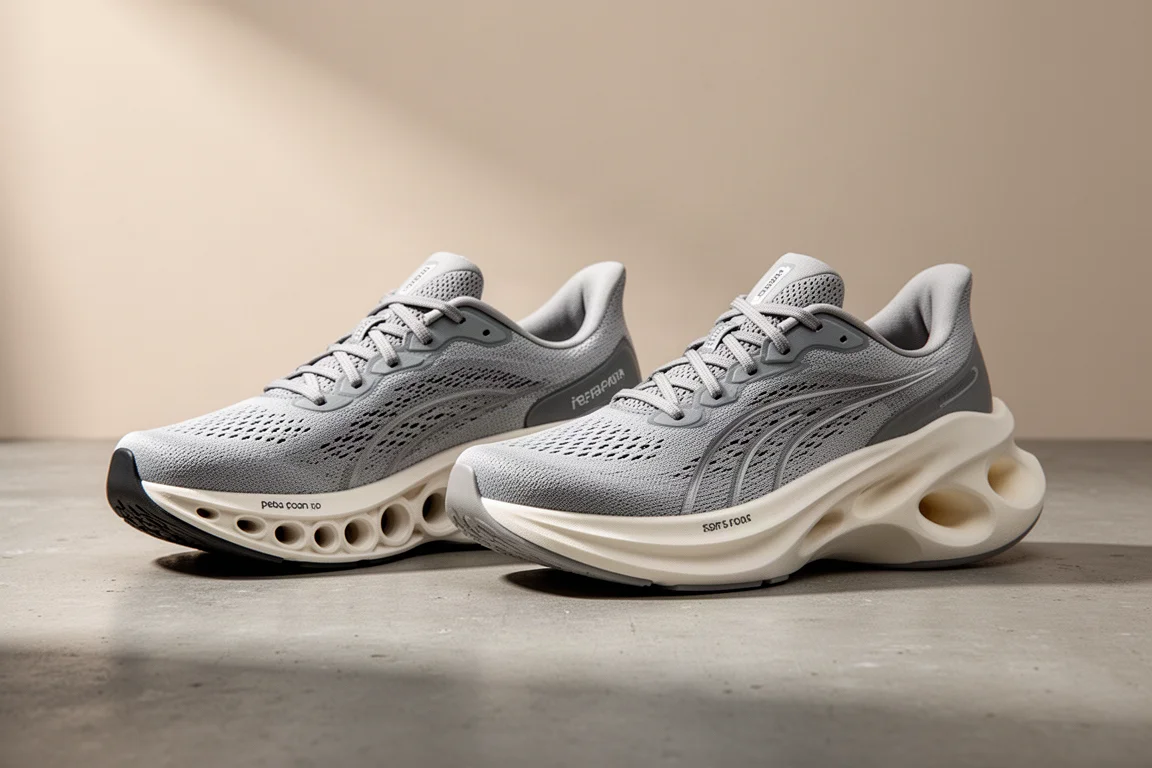
Two of the newest long-run super trainers have arrived, and they share almost the same recipe: race foam on top, a firmer EVA layer underneath, big stack heights, and premium prices. The On Cloudmonster 3 Hyper and the Asics SuperBlast 3 are both designed for stacking mileage in comfort, yet they feel surprisingly different on the run. This comparison breaks down where each one shines so you can pick the one that matches your training rather than paying twice.
Two Super Trainers, One Shared Formula
On paper, these shoes are near twins. The Cloudmonster 3 Hyper uses a top layer of PEBA race foam over a bottom layer of CloudTec EVA, delivering noticeably more race foam than the previous generation. The SuperBlast 3 stacks FF Leap, a newer aliphatic TPU race compound, over FF Blast Plus EVA. Both are non-plated, both sit in the max-cushion super trainer space, and both are priced in the premium range.
The pricing reflects what you get. The SuperBlast 3 comes in at $210 and the Cloudmonster 3 Hyper at $220, so this is a “pretty penny” category. Neither is a budget pickup, which makes choosing the right one for your paces and preferences all the more important.
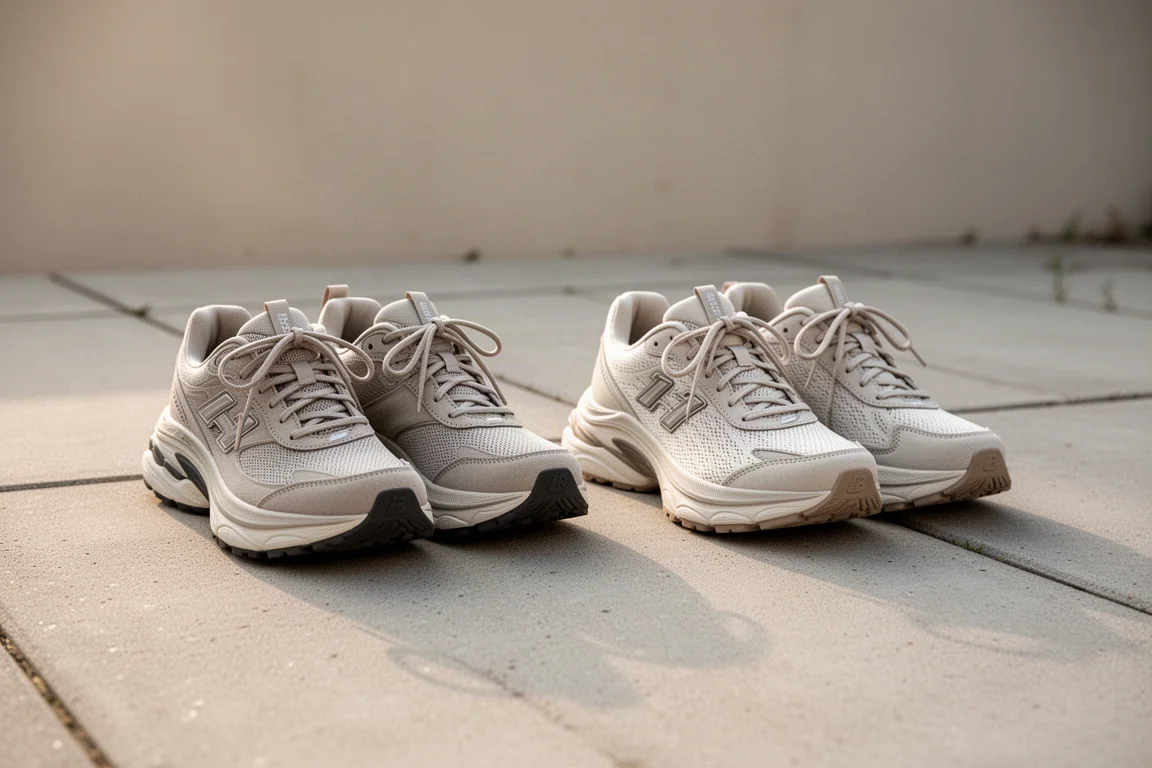
There is also a naming quirk worth clearing up. There was never a Cloudmonster 2 Hyper. On has attached the “Hyper” label directly to the Cloudmonster 3 model number, which is confusing at first but makes sense from a brand architecture standpoint: aligning the hyper edition with the current numbered version keeps it from looking like a generation behind the standard shoe.
On Cloudmonster 3 Hyper: The Smoother Ride
The Cloudmonster 3 Hyper is the geometry shoe of this pairing. Its rocker is one of the best in the category, and this version smooths out the back of the midsole and extends the heel just enough without creating a catch or chop at foot strike. The heel works well for forefoot runners too, which is not always a given with an aggressive rocker.
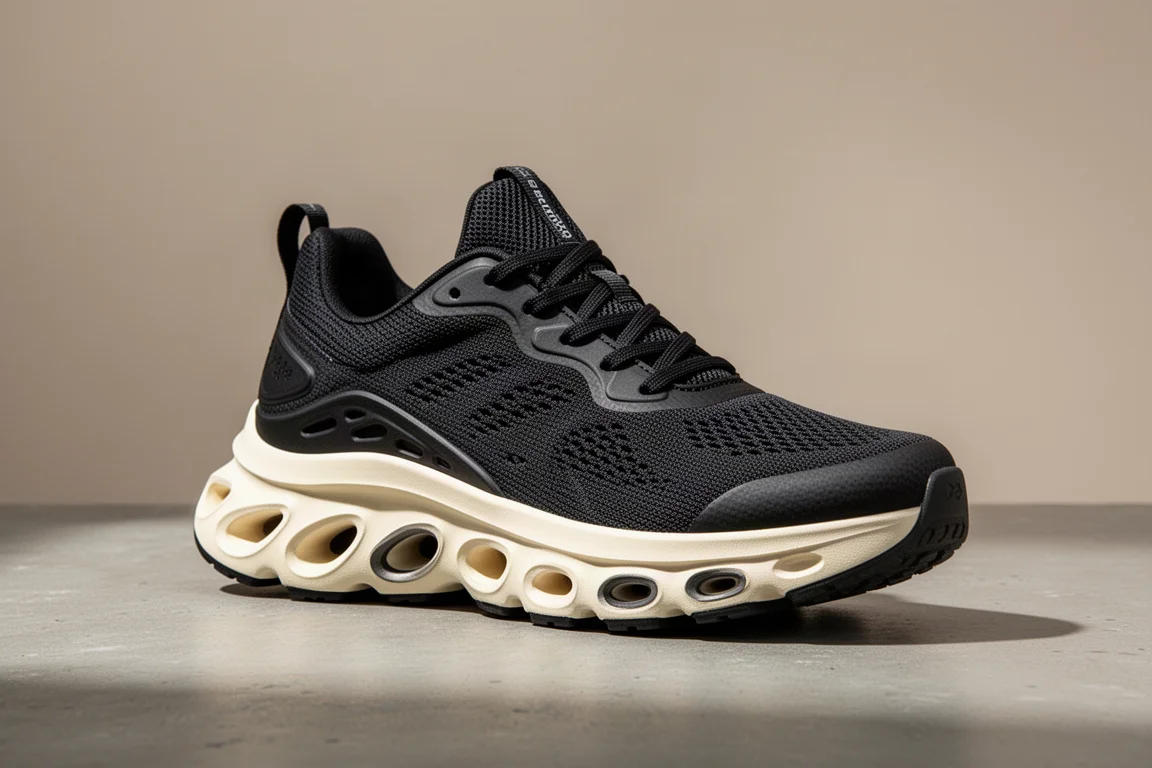
Instead of a plate, the midsole uses hollow sections in the CloudTec layer that compress under load. It is almost the reverse of a plate: rather than a stiff element adding structure, the compression zones create stability without the sharp snap a plate can produce. The result is a floaty, fun, non-plated ride that feels like the best possible version of a daily trainer.

At around 270 to 280 grams, it is about 20 grams heavier than the SuperBlast 3 on a comparable size, yet it feels more normal on foot. The platform feels narrower, the heel does not dominate, and the weight is distributed evenly. It truly disappears at easy paces, which is exactly what you want from a recovery and mileage-stacking shoe.
The upper is dialed as well. The last generation ran big, and this one has been cleaned up into a fit that is snug but not narrow, with good forefoot volume and solid heel padding. It feels worthy of its $220 price tag.
Asics SuperBlast 3: The Foam-Driven Machine
If the Hyper 3 is a geometry shoe, the SuperBlast 3 is a foam shoe. The FF Leap top layer is the standout: it is soft, wild, and energetic, and stepping into it immediately feels like a super shoe. It is one of the most advanced race foams currently used in a training formula, and it gives this shoe a genuinely unique underfoot sensation.
The bottom layer of FF Blast Plus EVA is firm and adds real stiffness. Although the SuperBlast is technically non-plated, a firmer EVA layer can perform the same structural job as a plate, and this shoe has the rigidity and underfoot feel of a plated trainer. It barely bends at all, delivering a snap and stability many plated shoes cannot match.
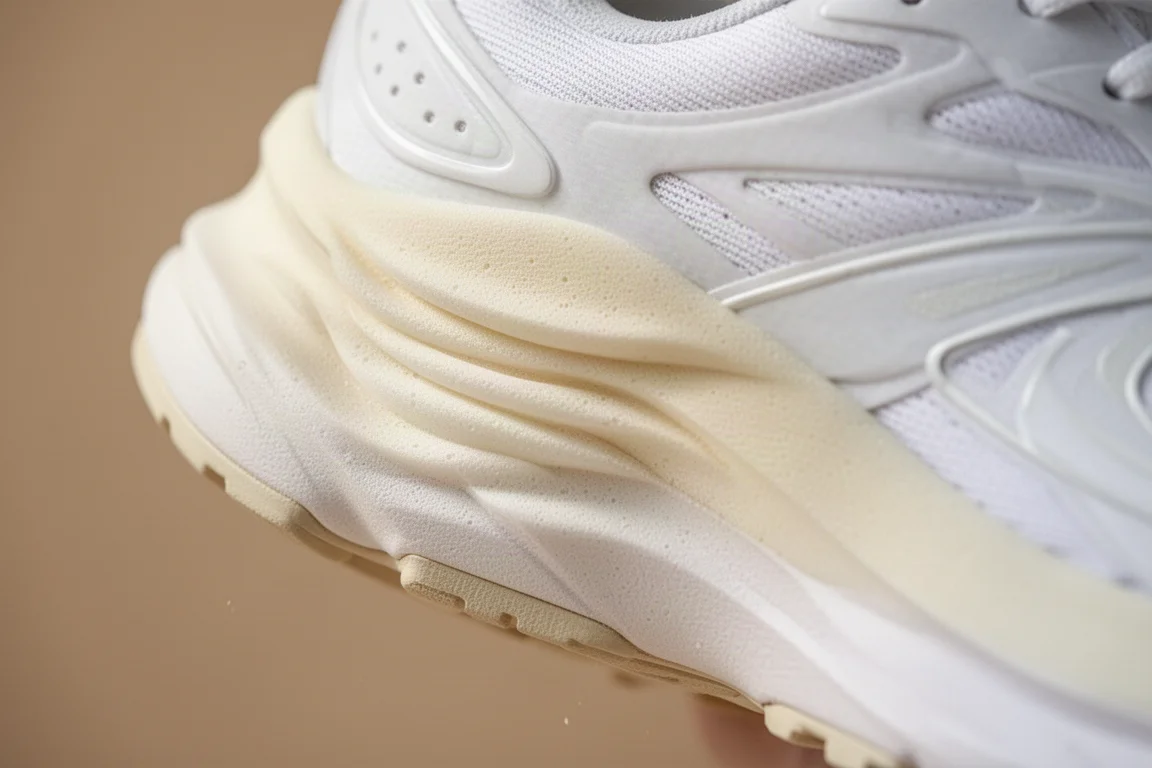
The geometry, however, is divisive. The heel hangs noticeably off the back with a big, soft platform that sinks underfoot, and there is a disconnected feel between the midfoot and forefoot. The toe spring is aggressive, and some runners will find themselves fighting the heel chop. The trade-off is a huge, soft, bouncy heel that no longer feels blocky, which makes the shoe far more comfortable than earlier versions.
Where the SuperBlast 3 earns its money is pace. It is the faster option of the two, and it actively encourages you to pick up the speed. The upper is generous and comfortable with a slightly speed-oriented front, a speed tongue, and a roomy toe box, and it feels a touch lighter in hand.
Pace Ranges and Use Cases
At easy paces, the Cloudmonster 3 Hyper is the better match. Its geometry is favorable for recovery runs and it never forces you to work with the shoe: if you want to hang back on the heel and float through a relaxed mile, it lets you. If you want to step onto the forefoot and roll a bit quicker, it transitions willingly. At the tester’s typical paces, the Hyper maxes out around 6:00 to 6:20 per mile, roughly 20 seconds per mile slower than the SuperBlast.
In the mid-range, roughly 6:30 to 7:30 per mile, both shoes feel good and the choice becomes about character rather than capability. The SuperBlast feels faster and more fun to push; the Hyper feels smoother and more effortless.
For casual use, the Hyper wins clearly. It steps in and walks like a much more normal shoe, while the SuperBlast’s enormous, soft heel makes itself known with every step. If you want one shoe that doubles as a dog-walk and errand shoe, the Hyper handles that job far better.
Buying Advice: Which One Fits Your Rotation
There is no clear winner here, and that is a good thing. These are two A to A+ shoes with genuinely different personalities. Choose based on what you want from the shoe, not on which one wins a spec sheet.
If you want a smooth rocker geometry with a floaty, cushioned, protective ride that excels at recovery miles, easy days, and stacking daily mileage, the Cloudmonster 3 Hyper is the pick. It is arguably On’s best training shoe since the original Cloudmonster, and its implementation of race foam in a max-cushion daily trainer is excellent.
If you want a soft, stable, very bouncy shoe with cutting-edge foam that is fun for pushing the pace, the SuperBlast 3 is the pick. It is not a true workout shoe, but it has far more speed aspirations and a more innovative ride experience.

Because the geometries and general feels are so different, some runners could reasonably justify owning both: the SuperBlast for quicker days, stability, and softer feel, and the Hyper for normal, smoother rides and recovery work. You do not need both, but the pairing genuinely covers two different types of training days.
Conclusion
The Cloudmonster 3 Hyper and SuperBlast 3 prove that the super trainer category has matured into something special. Pick the Hyper 3 if recovery paces and effortless daily miles are your priority, or the SuperBlast 3 if you want the most exciting foam in the category and a shoe that nudges you toward speed. Either way, you are getting a premium trainer that earns its price tag.
Further reading
Related Reviews

Running Shoes
Best Road-to-Trail Running Shoes: Three Versatile Options for Mixed Terrain
A practical guide to three road-to-trail running shoes that handle both pavement and mild trails, with clear strengths and trade-offs for different runner types.

Running Shoes
Best Running Shoes for Achilles Tendonitis: Three Options Explained
Three running shoes with different heel drops and support features designed to help reduce Achilles tendon pain during walking and running.

Running Shoes
Best Running Shoes for Women: Five Top Choices Ranked
A ranked guide to five women's running shoes, from versatile daily trainers to high-performance racing options, with real strengths and trade-offs for each.