Snowboard Bindings
Clew Step-In Snowboard Bindings: First Backcountry Test and Hands-On Impressions
We took the latest Clew step-in bindings on a hike-and-ride mission on Mount Hood, testing setup, step-in convenience, and on-snow feel on slushy spring snow.
Introduction
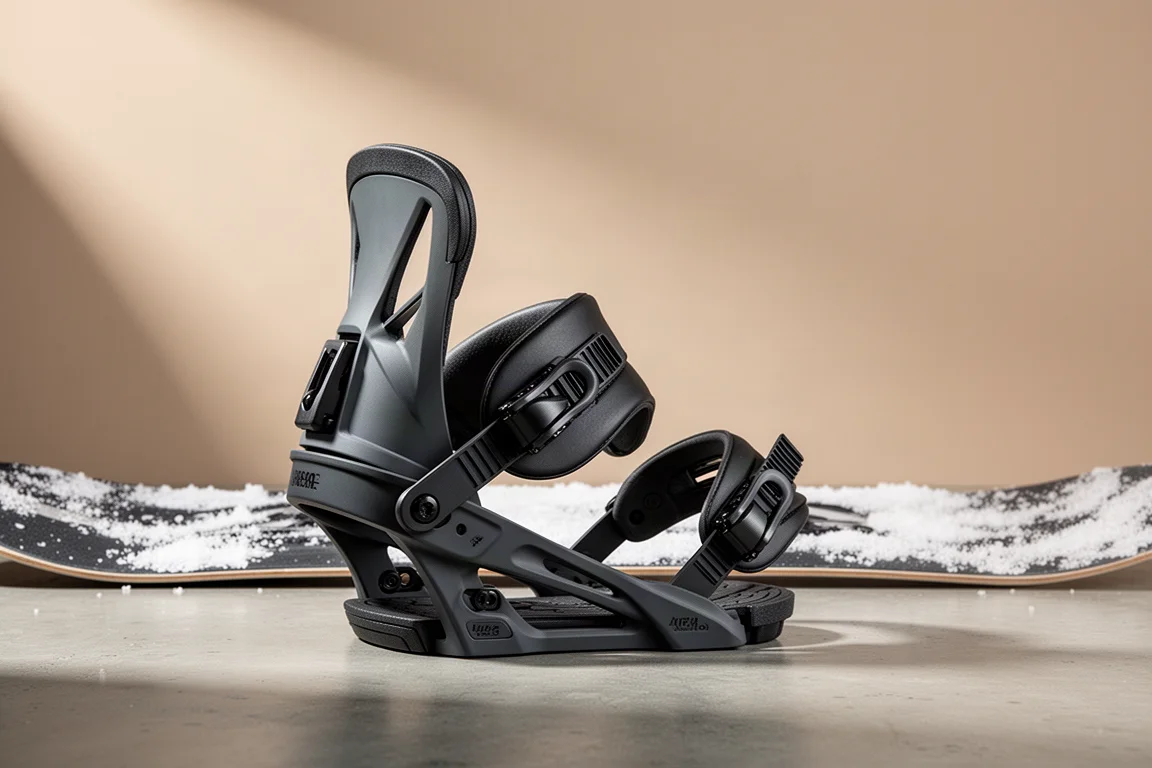
Step-in bindings have always promised the same thing: click in at the top of the lift and go, without sacrificing the feel of a proper strap-in binding. The latest Clew bindings make a strong case for that promise. We took a pair on their first semi-backcountry mission on Mount Hood, hiking above Palmer to a ridge near Illumination Rock, and put them through setup, step-in, and a full ride back down.
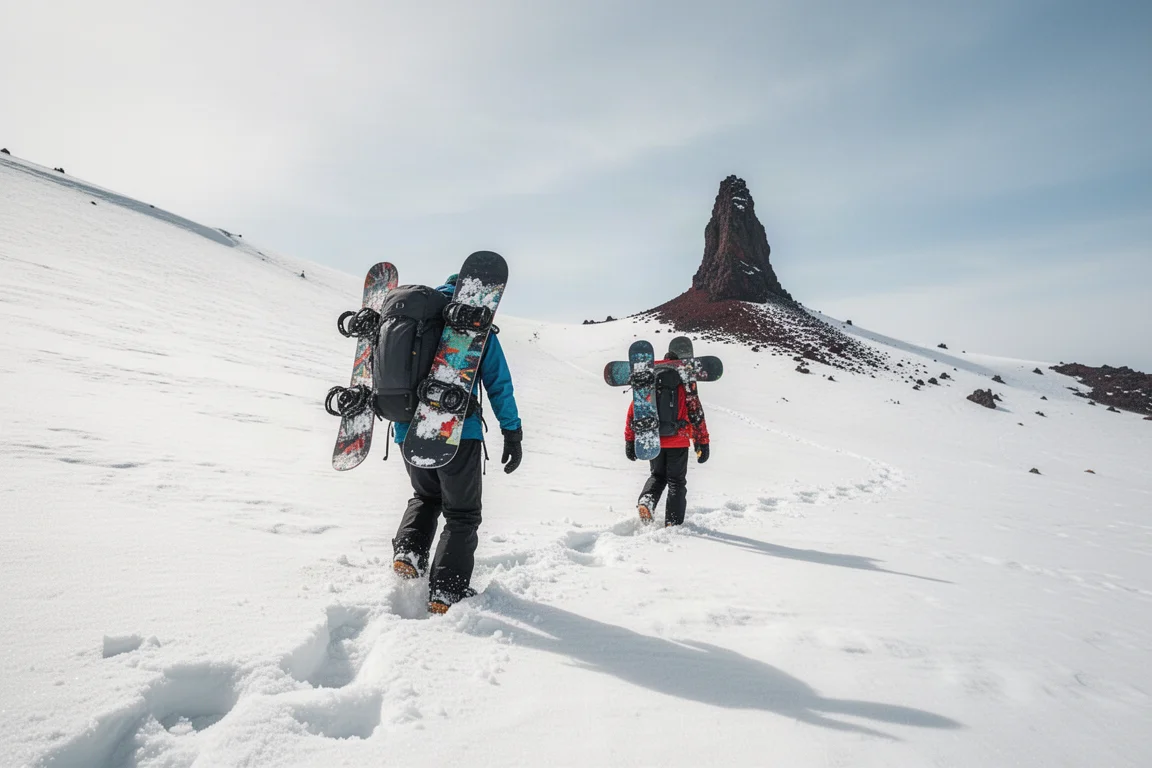
The hike itself, about 40 minutes from the top of Palmer, was the perfect stress test. Spring snow, slushy and deeper than usual after nearly a foot of fresh snowfall a few days earlier, meant plenty of uneven footing and a good workout before the fun part started.
A First Real Mission: Hiking Above Palmer
The plan was simple: boot up to a ridge point with sweeping views of the surrounding glacier mountains, then ride straight back down into the resort. The spot is a local favorite for good reason. On the summer solstice in late June, riders gather up here to hang out, barbecue, and stay until sunset.
It is also exactly the kind of day where step-in convenience matters. Hiking in boots, then clicking in at the top without sitting down and wrestling with straps, is a genuinely pleasant experience.
Setup and First Impressions
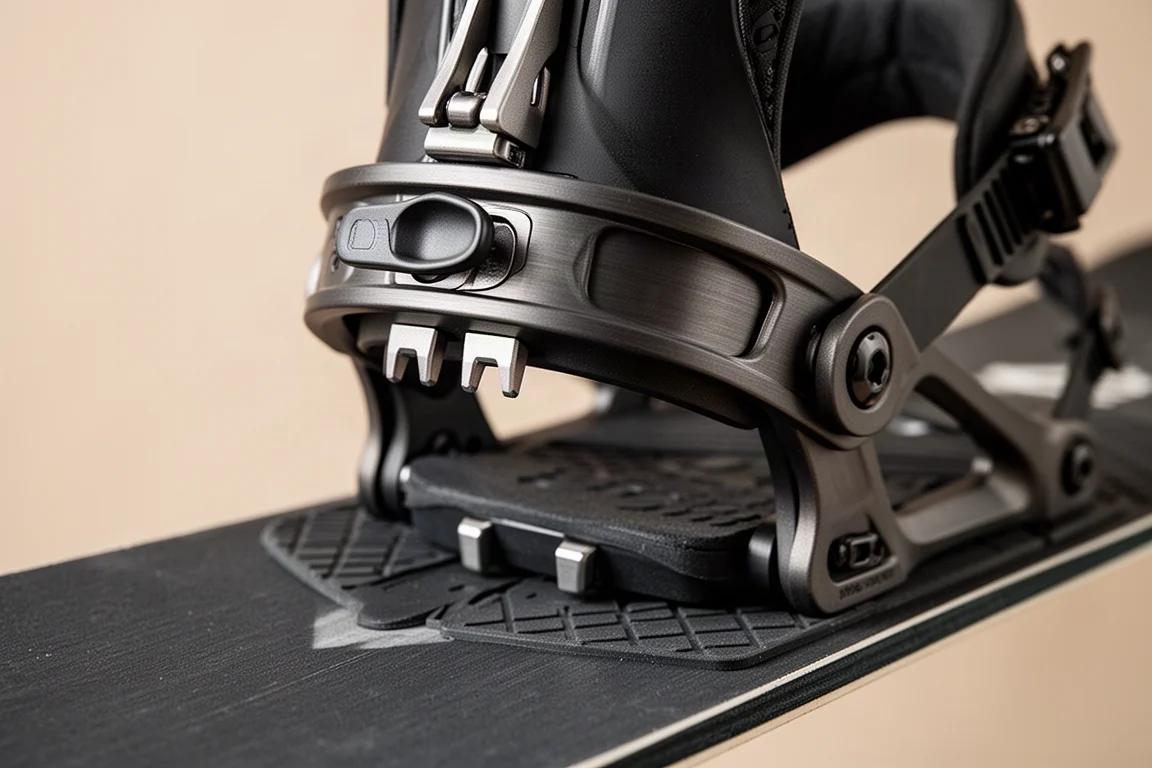
Setup is fully toolless. The straps use two small notches that click directly into place underneath the pad, no screwdriver required. The discs are clearly marked with degree markings lined up for easy reference, and the test setup ran 24 degrees in the front, an aggressive but telling choice.
Each binding is marked left or right, and that labeling matters more than it first appears. The bindings have a slight inward caning, a subtle tilt designed to be easier on the knees and to make stepping in simpler. The mounting hardware is worth mentioning too: the included screws feel exceptionally well made, among the better fasteners we have handled with bindings.
The step-in mechanism is the heart of the design. Pull the lever and a single tooth retracts; inside the mechanism, three teeth do the actual hooking, locking the boot in when you step down. It goes straight in, clicks through the teeth, and you are riding. The same three teeth click down to release. One notable improvement this generation is weight: the bindings are noticeably lighter than before, and the cushioning and dampening have been improved as well.
Riding the Bindings on Mount Hood
On snow, the first-time tester came away impressed. The bindings feel very stable with a lot of response, and the release is just as quick as the entry: pop in and out with no fuss, yet with a strong sense of security once locked in.
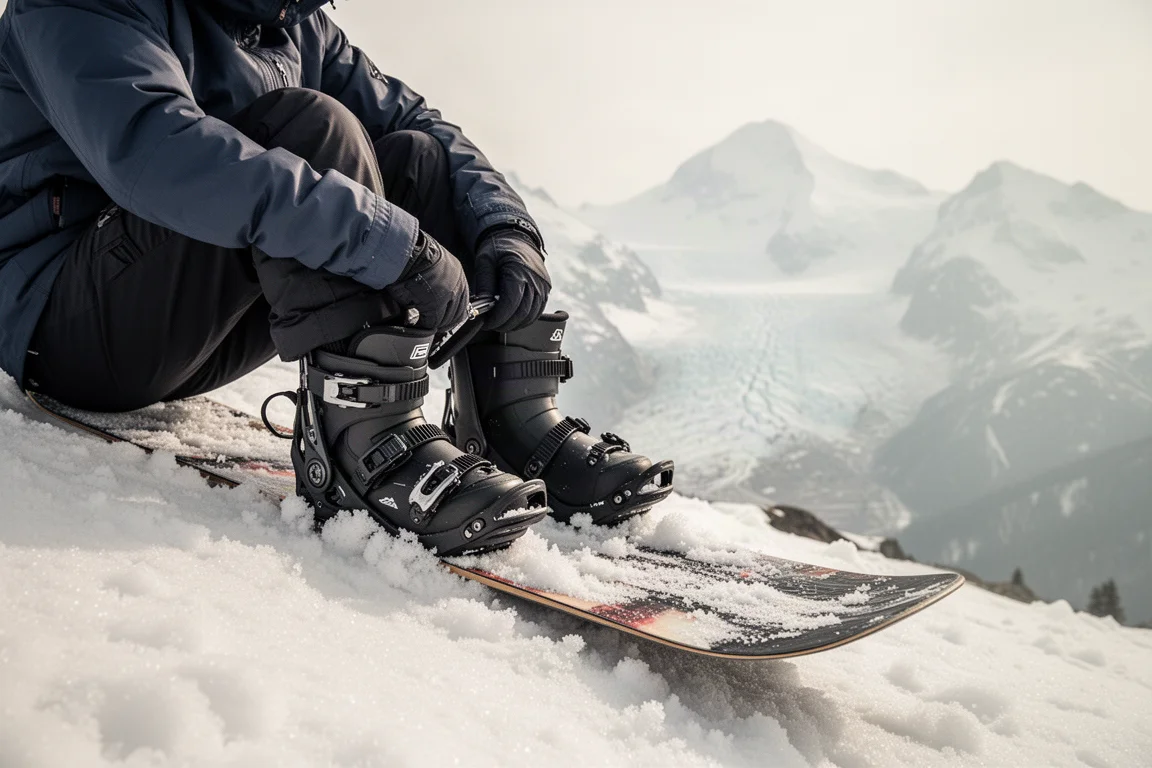
Comfort stood out as well, particularly under the arches. The tester noted that his arches, which have collapsed arches and rarely feel comfortable in bindings, felt noticeably better here, and the caning seemed to help. The overall character was described as linear and responsive, ready to charge when you are.
Three words summed up the ride: stable, versatile, and quick. Quick because you hop right in when you get off the lift. Versatile because they hold up as a durable, confidence-inspiring binding when the terrain opens up.
Who These Bindings Are For
These bindings suit riders who want everything they need for charging hard, but who also value speed and convenience at the top of the lift or on a hike-and-ride day. If you have struggled with arch comfort in traditional bindings, the caned platform and improved cushioning make these worth a close look.
Things to Consider Before Buying
The 24-degree front angle used in testing is on the aggressive side, so take time to set your own stance using the clear degree markings on the disc. The left and right labeling also means you need to mount them correctly to benefit from the inward caning. And as with any step-in system, make sure the mechanism’s teeth and lever feel familiar to you before heading into committed terrain.
Buying Advice
If you split your time between resort laps and occasional backcountry-style missions, the combination of light weight, improved dampening, toolless setup, and instant step-in makes a compelling package. The key improvements this generation, lighter weight and better cushioning, address the two most common complaints about step-in designs.
Conclusion
The latest Clew bindings delivered on snow: stable, responsive, quick to enter and exit, and surprisingly comfortable under the arches. For riders who want lift-line convenience without giving up a secure, durable feel, they are an easy recommendation.
Product link
View more details for Clew
This product is mentioned in the review. Check the specifications, options, and compatibility before buying.
View more details for ClewFurther reading
Related Reviews
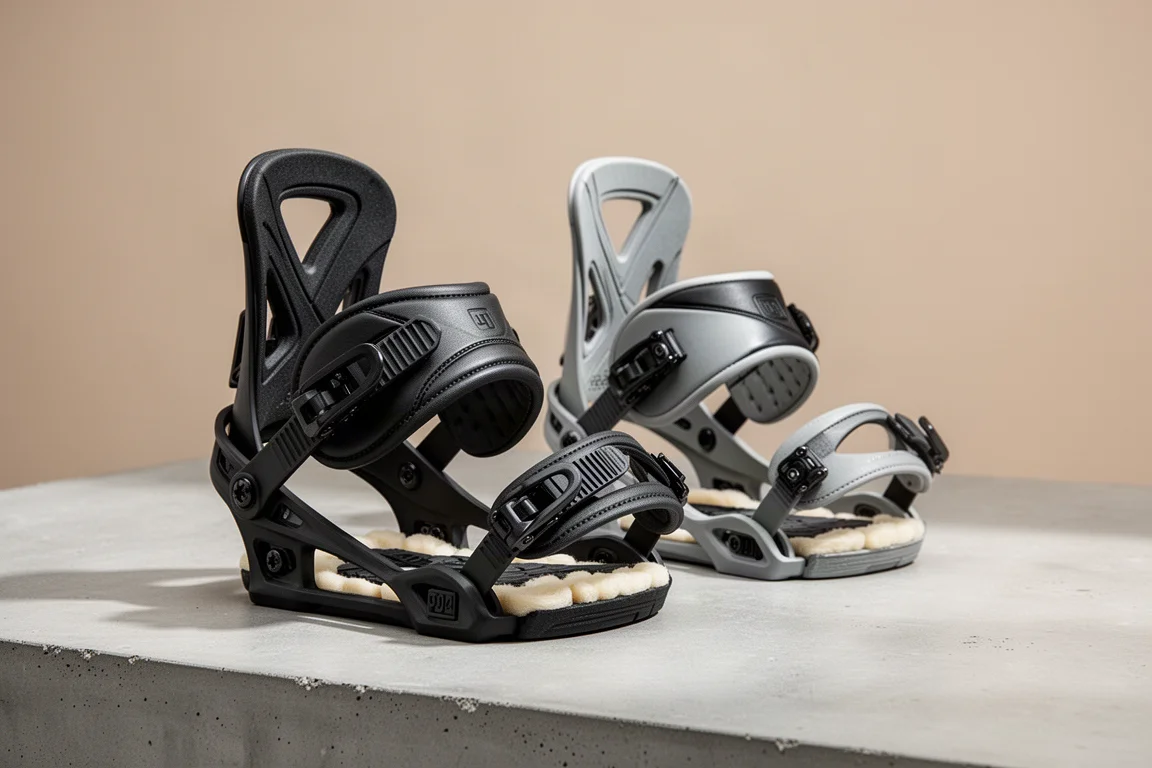
Snowboard Bindings
2024 Union Ultra Snowboard Bindings Review: A Cushy, Freestyle-Focused Favorite
Two seasons on the 2024 Union Ultra: a lightweight, tweakable freestyle binding with standout comfort, a damp molecular bushing, and thoughtful hardware fixes.
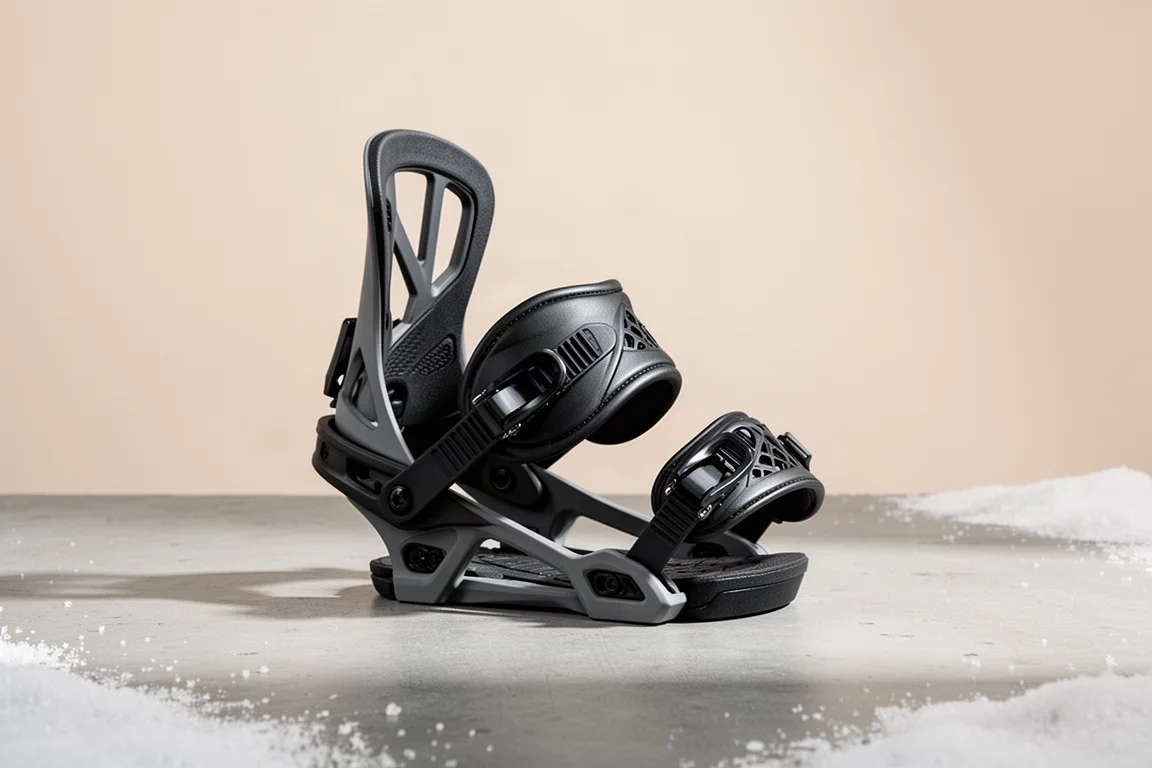
Snowboard Bindings
32 Team Phase Binding Review: A Fast Entry Binding Built for Freestyle Laps
The first binding from 32 uses the Phase chassis for quick step-in entry with a softer, freestyle-leaning flex. Here's how it performed on the snow.
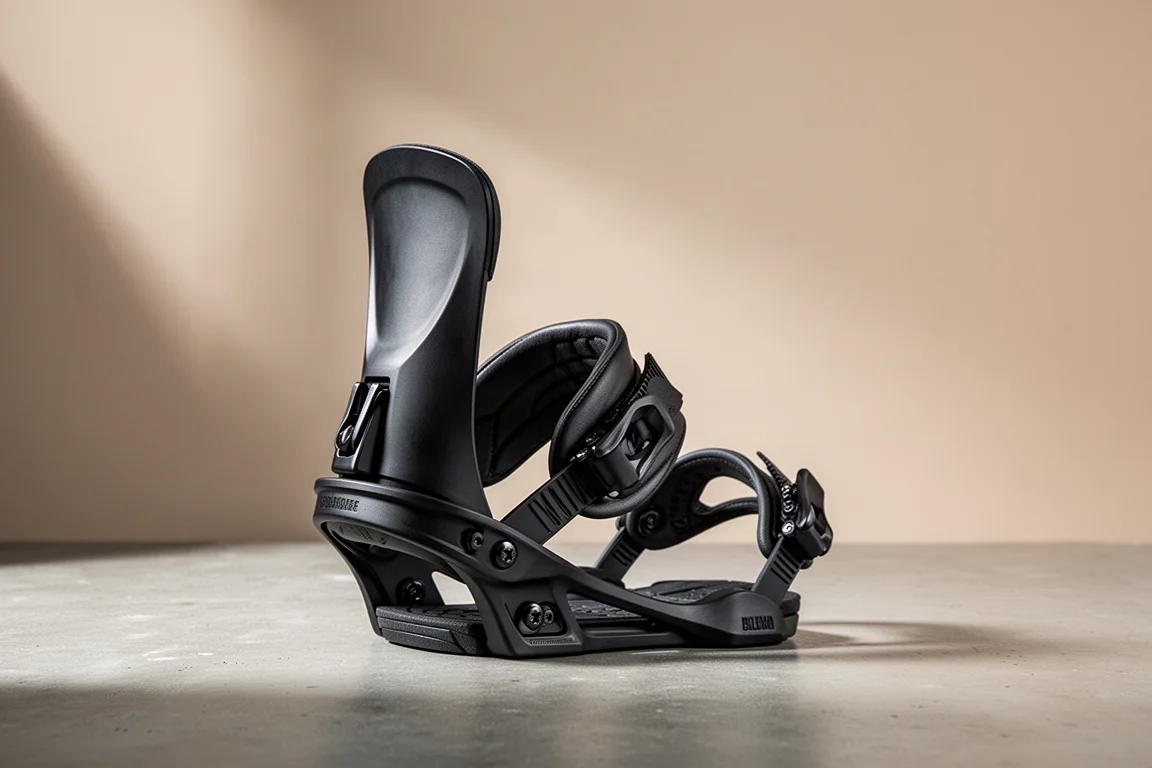
Snowboard Bindings
Arbor Cypress Snowboard Binding Review: A Laid-Back Cruiser That Can Charge
A closer look at the Arbor Cypress binding's adjustability, strap feel, and that oddly tall highback before you decide to buy.