Snowboard Bindings
Clew SE Bindings: A Year of Riding in Every Condition
After a full year riding the Clew SE bindings in powder, park, backcountry, and spring slush, here is what stands out and what to check before buying.
Introduction
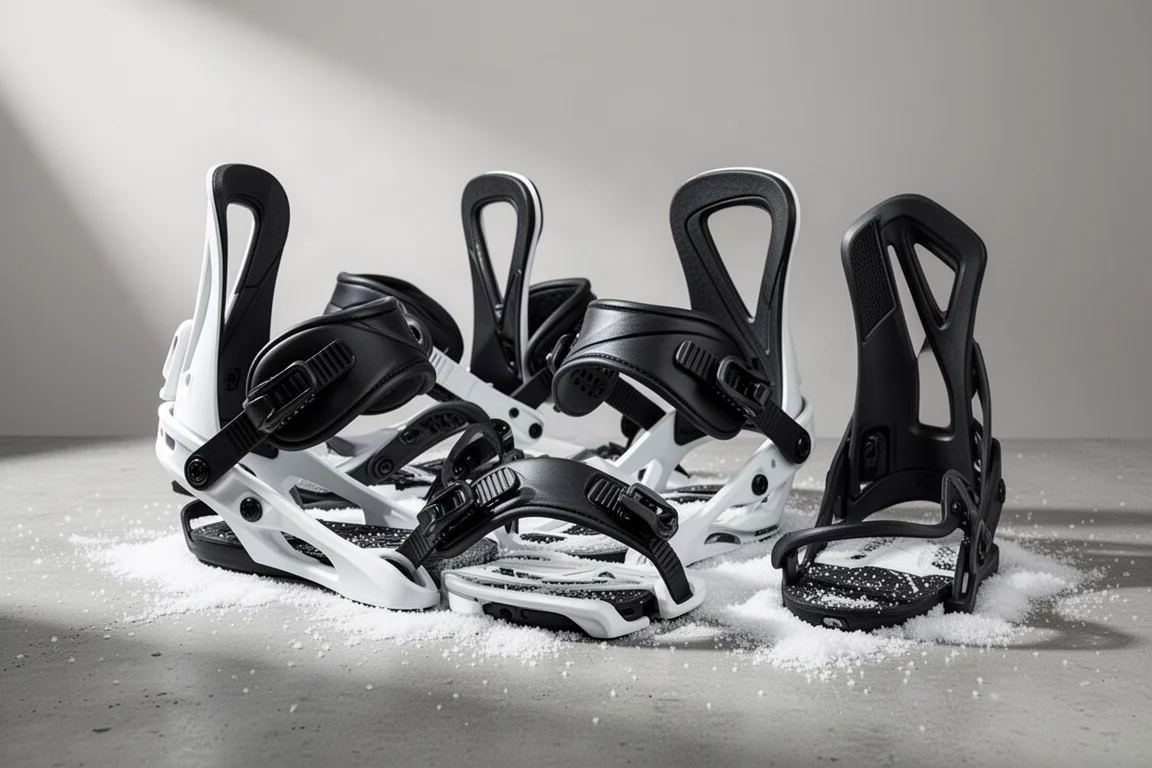
Step-in bindings always come with a trade-off: convenience versus control, and usually versus versatility too. The Clew SE bindings are interesting because they try to remove that trade-off entirely. They are a step-in system with a two-piece design, so you can click in fast at the top of the lift but still use traditional straps when conditions demand it.
What makes this review different is the length of the test. Over a full year of riding, these bindings went through deep Utah powder, early-season park laps in Utah, October powder in Austria, big mountain freeride lines in India and Argentina, spring park sessions in Northern California, and summer laps at Mount Hood in Oregon. That is about as complete a spread of conditions as one product is ever likely to face.
Quick Entry and a Real Strap Option
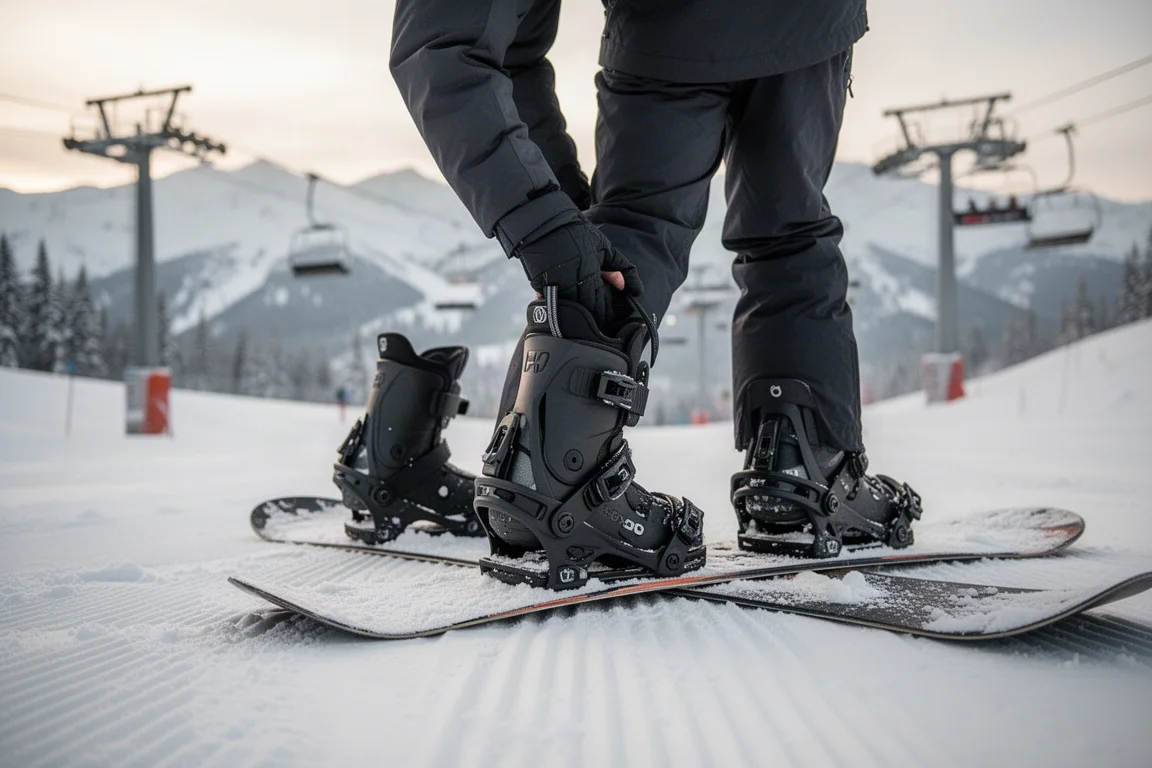
The headline feature is obvious from the first powder day: you step off the chair and into the binding in seconds. On deep days, when being first off the lift matters for fresh lines, that convenience genuinely changes how the morning goes. It was noticeable right away in New Zealand, where a deep powder day at Cardrona made the step-in speed feel less like a luxury and more like a real advantage.
The part that makes the system worth taking seriously, though, is the fallback. On the deepest days, when snow packs into the binding and step-in gets fussy, you can simply strap up the traditional way instead. The straps are there when you want them, and the step-in is there when you do not. That flexibility covers the main criticism usually aimed at step-in bindings and makes the Clew SE far easier to recommend to riders who see a lot of variable snow.
Flex and Support
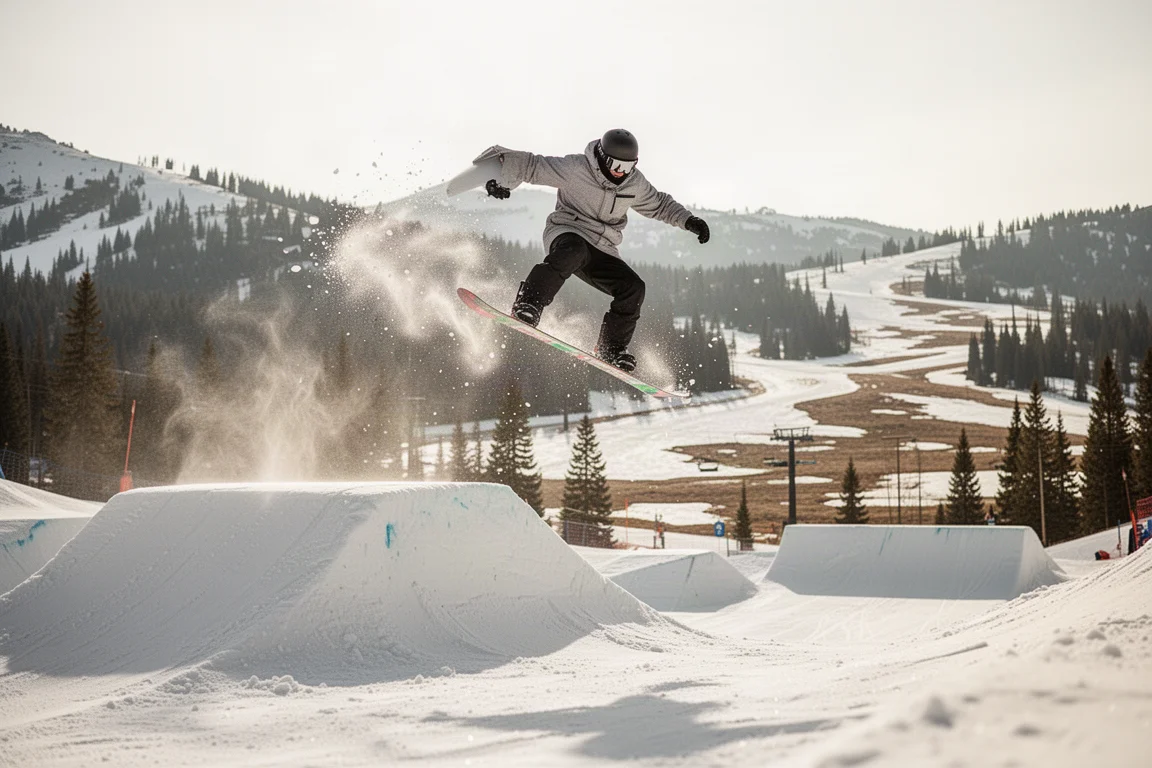
The Clew SE sits in a medium-stiff flex range, and after a year in everything from big mountain lines to park jumps, that is where the bindings earn their keep. There is enough support and stability for committed freeride lines and riding at full speed, without being so stiff that presses, butters, and park tricks become awkward.
The same flex also holds up in the halfpipe and on bigger park features, where a binding that is too soft gets vague at speed. Riders who want one binding to cover powder days and park days will find this middle ground is exactly what it should be.
Two Bases, Swappable Highbacks
One of the less obvious benefits is the two-base system. Because the highbacks detach from the bases in seconds, it is easy to run two boards, say a powder board and a park board, and swap the highbacks between baseplates rather than buying a second full set of bindings. In New Zealand, swapping between the powder board and the park board took just a few seconds, which made switching setups mid-day genuinely practical rather than a chore.
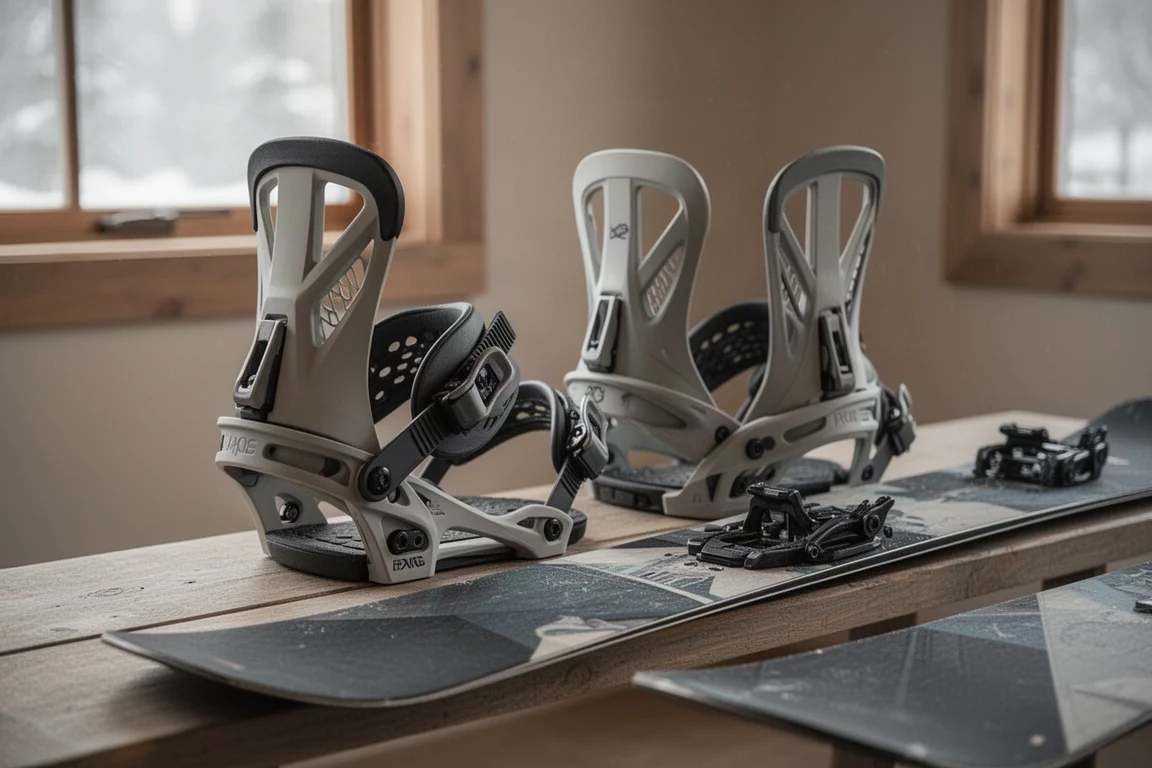
It is a small design idea with a big quality-of-life payoff, especially for anyone who already owns two boards.
Hiking and Backcountry Convenience
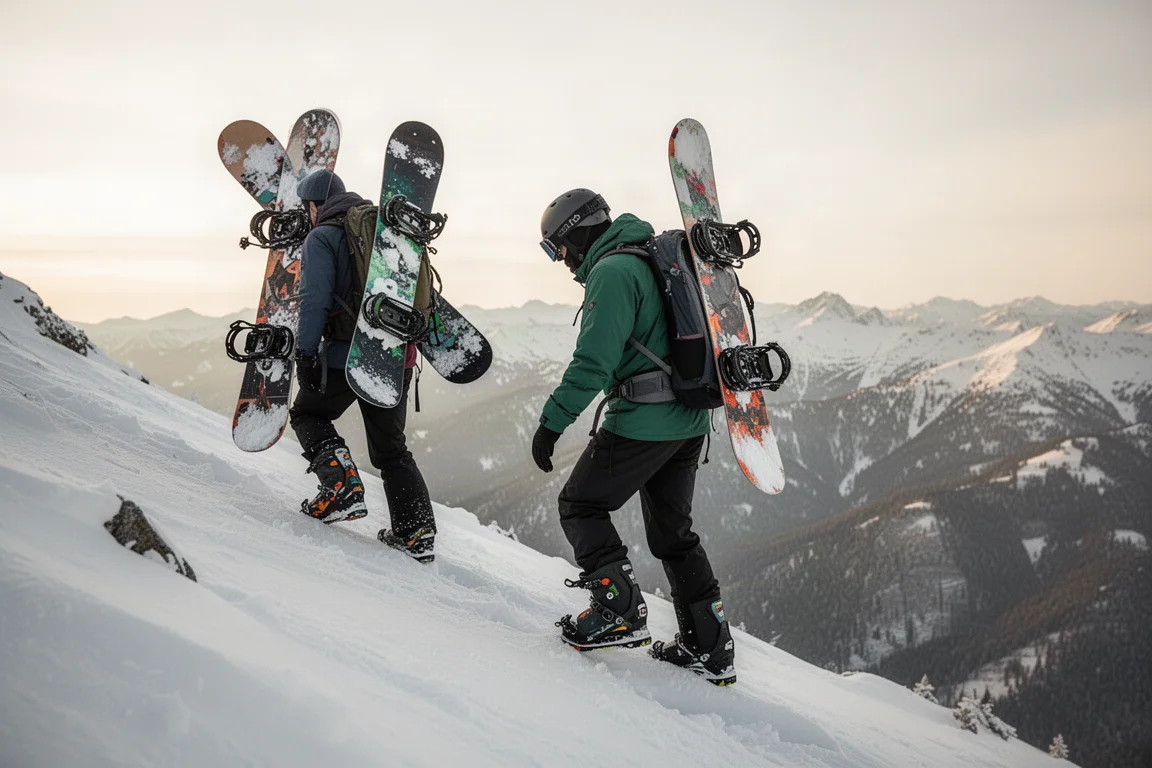
Here is the hidden benefit that only shows up once you hike with these bindings: on short hikes, the highbacks stay attached to your boots while your snowboard goes on your back. The board is noticeably lighter, and your feet are already carrying part of the binding.
That mattered on short backcountry hikes in Utah and Tahoe, on big mountain approaches in India, and on hikes in Argentina, where the terrain demanded full support and stability on the descent. On shorter park and halfpipe hikes, the same design lets you pop the board off, walk up, and step back in without fiddling with straps, which directly translates into more attempts at whatever trick you are working on. More laps, more tries, faster sessions.
Park Laps and Spring Riding
Early-season park laps in Utah and summer sessions at Mount Hood in Oregon are where the convenience compounds. Hike a feature, step out, hike back up, step back in. Sessions get more efficient without any extra effort, which is exactly what you want when you are progressing.
In spring conditions at Northstar, Palisades, and Mammoth, the medium flex provided stable support for park tricks while keeping the bindings forgiving enough to keep experimenting. Across all of those months, the bindings never felt like the limiting factor.
Buying Advice
The Clew SE bindings make the most sense for riders who want step-in convenience but refuse to give up the reliability of straps, or who split their time between freeride and park and want a single medium-flex binding to cover both. If you own two boards, the swappable highback system is a genuine reason to choose this design over a conventional setup.
If you rarely ride deep powder, never hike, and ride only one board, the core appeal still holds, the fast step-in and supportive flex, but you may use fewer of the design’s tricks. Riders looking for an extremely soft jib feel should also weigh the medium-stiff flex against their preference.
Conclusion
A year of riding in every month and nearly every snow condition paints a clear picture: the Clew SE bindings deliver fast entry, the safety net of straps, a useful medium-stiff flex, and a swappable highback system that rewards riders with more than one board. Few bindings are this versatile across powder, park, and backcountry use, and that flexibility is the strongest argument for picking them up.
Product link
View more details for Clew SE Bindings
This product is mentioned in the review. Check the specifications, options, and compatibility before buying.
View more details for Clew SE BindingsFurther reading
Related Reviews
Snowboard Bindings
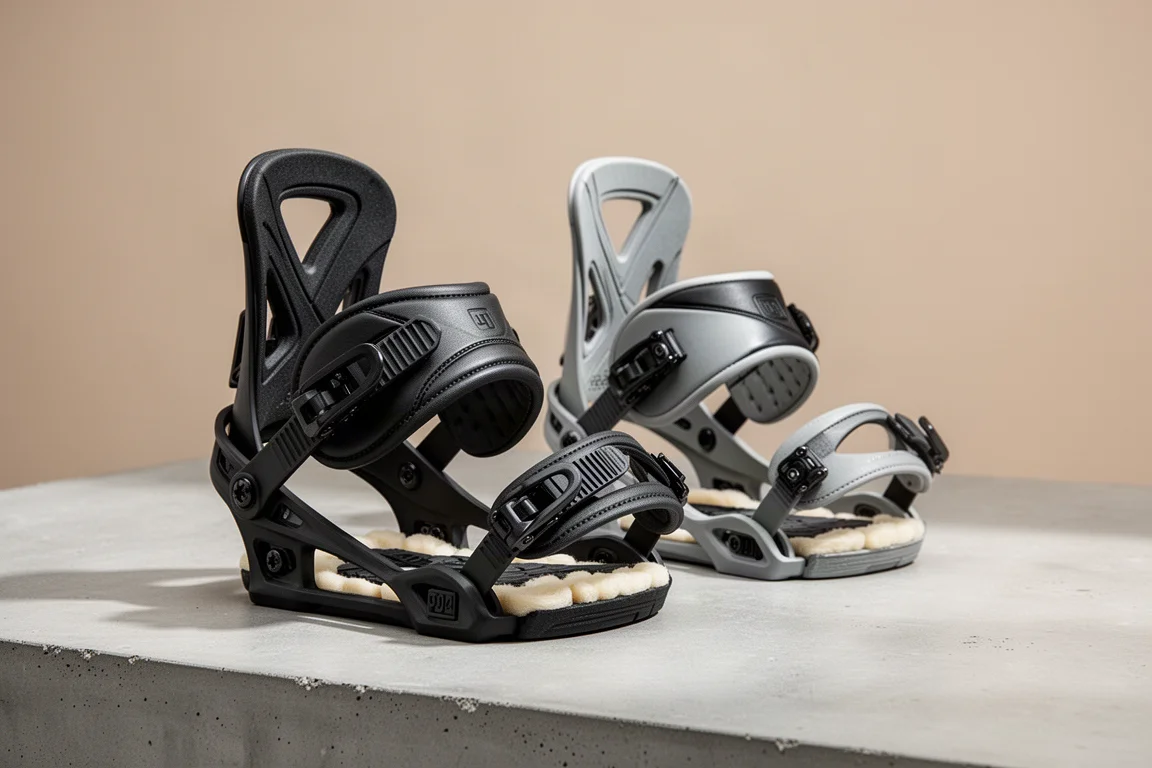
2024 Union Ultra Snowboard Bindings Review: A Cushy, Freestyle-Focused Favorite
Two seasons on the 2024 Union Ultra: a lightweight, tweakable freestyle binding with standout comfort, a damp molecular bushing, and thoughtful hardware fixes.
Snowboard Bindings
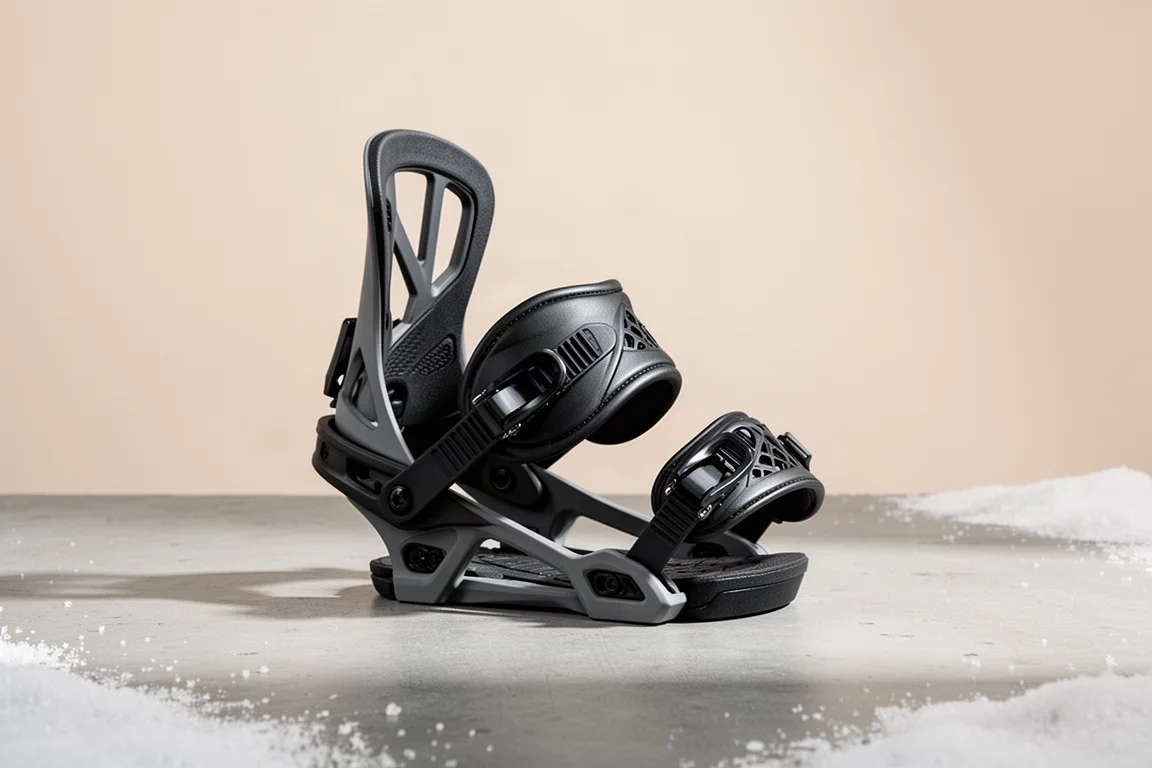
32 Team Phase Binding Review: A Fast Entry Binding Built for Freestyle Laps
The first binding from 32 uses the Phase chassis for quick step-in entry with a softer, freestyle-leaning flex. Here's how it performed on the snow.
Snowboard Bindings
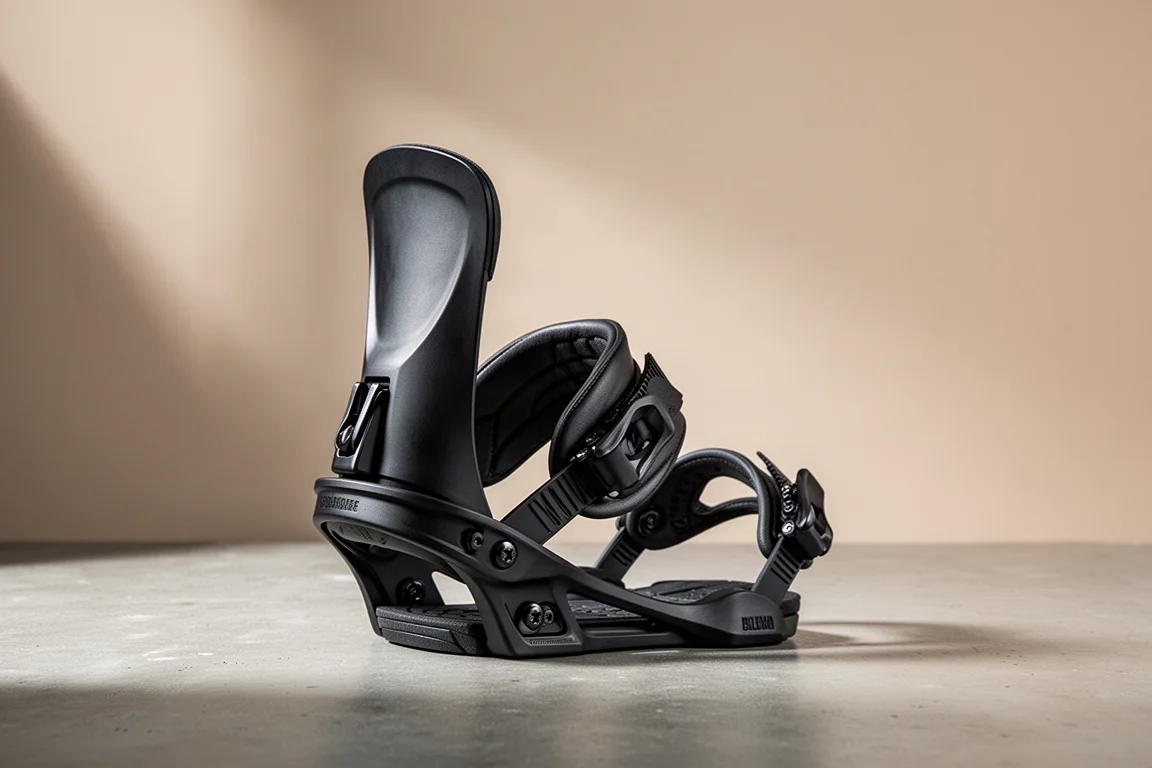
Arbor Cypress Snowboard Binding Review: A Laid-Back Cruiser That Can Charge
A closer look at the Arbor Cypress binding's adjustability, strap feel, and that oddly tall highback before you decide to buy.