Snowboard Bindings
Clew Freedom 1.0 Review: A Step-Out Binding That Promises More Than It Delivers
The Clew Freedom 1.0 straps in and steps out with a cleat-based system, but real testing revealed major flaws in adjustability, damping, and hardware quality.
Introduction
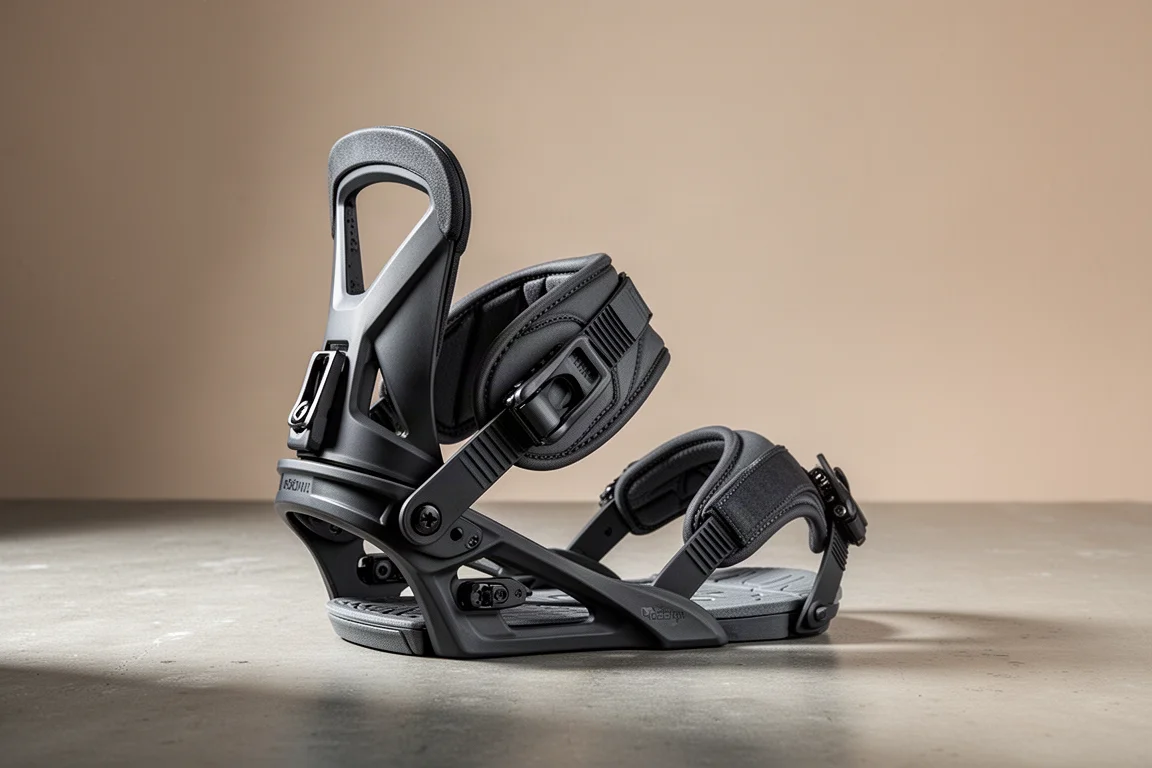
The Clew Freedom 1.0 is the strap-in, step-out binding that puts a stirrup on your foot, and it has been heavily promoted across snowboarding social media. The concept sounds appealing: click in without bending over, step out without fiddling with straps. On paper, it promises convenience without the full commitment of a step-on system.
After a full day of riding on varied terrain, the reality is more complicated. There are genuine conveniences here, but they come with significant trade-offs in adjustability, comfort, and build quality that any buyer should understand before spending serious money.
Test Conditions and Setup
Testing took place at Copper Mountain on a day that started slightly overcast and turned bluebird by the afternoon. Conditions covered a wide range: low temps in the morning shifting to warmer afternoon temperatures, fresh powder, choppy leftover powder, sugar snow, firm fast groomers, soft chunky groomers, and lumpy chop. The binding was paired with a Ride Shadowban snowboard and K2 ThAIS boots.
That variety matters, because a binding that only works in one snow condition hides its weaknesses. This one did not hide much.

Adjustability: Where It Falls Short
If you want to adjust anything on the fly, you are largely out of luck. The only adjustment that is even remotely workable without tools is the toe ramp, and even that is a struggle. The toe ramp uses a three-tab system that resembles what rental bindings use, requiring significant effort to slide forward or backward.
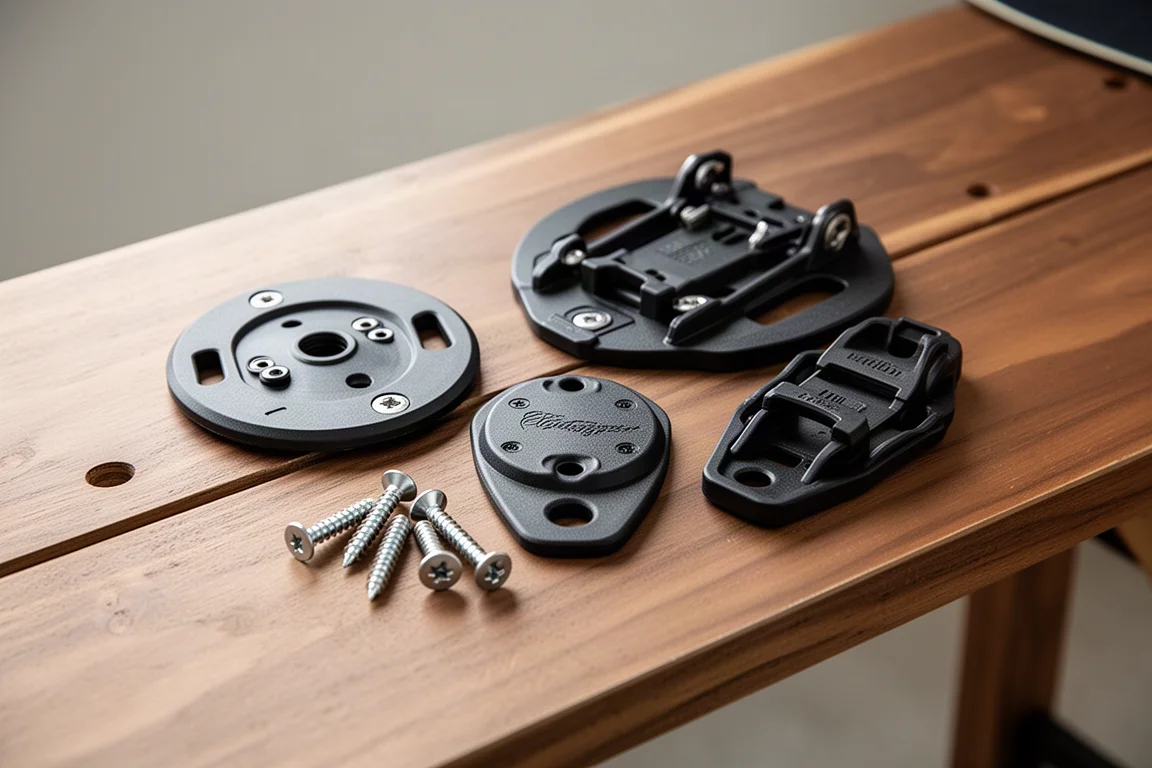
The toe strap uses a push-pin system: push it down, pull it forward or back, and it locks in. There is also a proprietary small cog with a gear that lets you bend the binding forward or backward to set the angle. This piece constantly pops out during adjustments, and if you lose it, you are completely stuck. Aftermarket parts are sold on the brand’s website, and it would be wise to stock up.
Strap adjustment requires a number 3 screwdriver for the set screws on the toe and heel, and forward lean uses the same screw. On-the-fly adjustment is simply gone. The adjustments themselves are minuscule, which is disappointing for a product claiming to be clever and new. Replacing the set screws with better hardware is worth considering, as they do not inspire confidence.
Straps: Rental-Grade Feel
The straps are the weakest link. If you have ever ridden a rental binding and thought the straps were great, this is what you get here. There is a lot of trickle-down rental technology in this binding.
The heel strap is a molded strap with next to no rigidity. All the padding comes from your boot. It is a very soft flexing strap that you can push through, but it is also constrictive: because of the stirrup on the side, you have to push into it and then push over to get any lateral flex, and even then the movement is minimal.
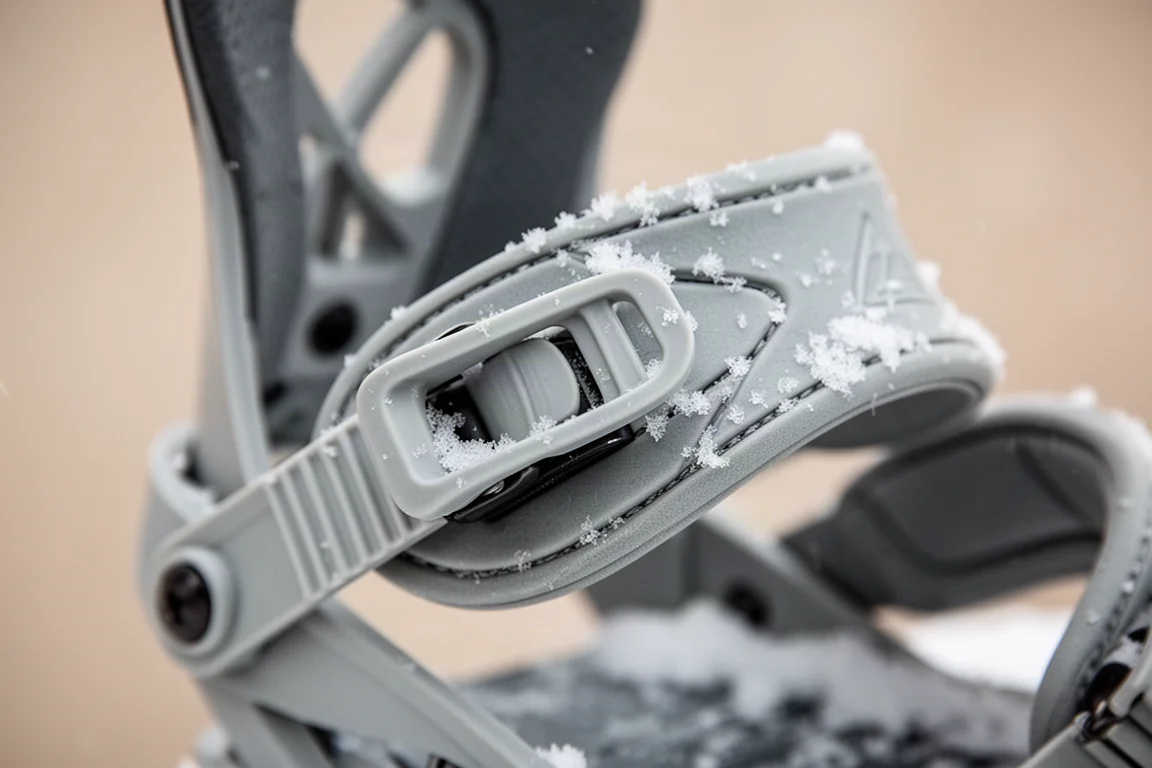
The toe strap is not asymmetrical, so left and right are interchangeable, which speaks to how generic it is. It fits pointy-toed boots better, but it slips. Throughout the test day it kept sliding down and needed to be clicked back up repeatedly, sometimes requiring a return to the car for a screwdriver to reset it on the boot. This is not a set-it-and-forget-it binding; the back foot strap in particular can move on you as you step in and out.
Ratchets and the Release Mechanism
The ankle ratchet is smooth with a one-finger quick release and climbs well enough. One detail to note: it is attached with a torque screw, so a separate tool is needed if anything happens to it.
The toe ratchet is a locking ratchet. You must pull it up to release, then push it back down to lock. The critical issue is the release tab material. The heel ratchet uses metal and feels more durable, but the toe ratchet’s plastic release tab is thin and cheap. It could crack if a skier steps on it in the lift line or in extreme cold. For a binding in this price range, the material choice is hard to defend.
Highback and the Step-In Mechanism
The highback is shorter than most and very wide. Because of how the step-in mechanism works, even when you are pushed back into the highback there is a restrictive flex point on the side. Getting lateral flex means pushing through the strap and then pushing over, which creates more leg fatigue than it should.
The step-in itself does work: step in, step down, it locks. But when locked in, hard buttering was enough to disengage one clip on one side, and that happened three times during the day. Online comments from buyers report similar experiences.
The release lever on the highback uses two springs, one on each side, and it will not release unless you keep even tension on both. The springs feel cheap and seem to stretch out with use, which raises long-term durability questions.
The stirrup has a single cleat hook on each side, no double hook. If one fails, you eject, with no extra catch. There is also a small traction pad underneath, but the stirrup base is slick on lodge tiles and noticeably worn down after just one day of use. The stirrup also creates a rigid point up the back of the calf.
Binding Flex and Damping
Look at the dead spot underfoot: it is enormous. You give up lateral and toe-heel flex because of a very large disc, and that disc arrived bent out of the injection mold. It is not an aluminum disc, and it should not have shipped that way.
When you push through the heel strap and over to engage the edge, the feel is aggressive but constrictive, not responsive and not flexible where you need it, while flexible where you do not. It is counterintuitive compared to conventional bindings.
Damping is essentially absent. There is nothing to absorb vibrations, so everything travels straight up through your foot, ankle, knees, hips, and lower back. The cover pad on the binding is thin and does almost nothing. The toe section is slightly thicker, but the tri-post sits flush against the board in hard plastic, pushing into your toes. Under the heel there is a visible gap under the stirrup large enough to fit a pinky finger, so impacts bypass the foot and radiate directly into the ankles.
Riding this binding feels like a full-body workout and places stress on the hip flexors and lower back that a better-damped binding would absorb. The ride quality is closer to a rental binding from two decades ago than anything modern.
Build Quality and Hardware Concerns
One issue deserves special attention: the mounting screws appear thinner than standard binding screws, with narrower thread width. That means they can move in your inserts, and when they shear, they shear off inside the inserts. Multiple people reported this problem, and the advice is consistent: replace the mounting screws right away with better hardware.
The plastics themselves look like regrind, the excess material shaved off during injection molding and fed back through the extrusion process. Quality control is inconsistent between the left and right binding; some torque screws were stripped on one side but not the other, suggesting assembly-line tooling issues. Buyer comments online report engagement failures, clips that did not click in, and returns.
The overall design story also matters: this product went from a 3D rendering to a funded production run with no visible prototyping or testing program, and it shows in the details.
Who Should Skip This Binding
The core pitch, strap in and step out without bending over, has real appeal for riders with mobility limitations or anyone tired of sitting in snow to strap in. But the execution here undercuts the idea. Minimal adjustability, rental-grade straps, weak damping, a large dead spot, and hardware that may need immediate replacement add up to a product that asks a premium price for an unfinished experience.
If step-in convenience is what you want, established systems with real research and development budgets, such as Supermatic-style auto-release step-in bindings or boot-integrated step-on systems, are the more reliable route. They deliver the convenience without the compromises.
Buying Advice
If you already own the Clew Freedom 1.0, the most practical step is to swap out the mounting screws for higher-quality hardware immediately and consider replacing the strap set screws as well. Keep the proprietary cog piece secure, and stock up on aftermarket parts in advance.

If you are considering buying new, weigh how much you actually value the no-bend step-out feature against the ride quality penalties. For most riders, a well-damped conventional binding or a proven step-on system will be the better long-term purchase.
Conclusion
The Clew Freedom 1.0 delivers on its headline promise of strapping in and stepping out, but the experience around that promise falls short. Weak adjustability, constrictive straps, poor damping, inconsistent build quality, and mounting hardware that may shear in your inserts make it hard to recommend over proven alternatives at a similar price. Convenience is only worth paying for when it does not cost you comfort and confidence on the mountain.
Product link
View more details for Clew Freedom 1.0
This product is mentioned in the review. Check the specifications, options, and compatibility before buying.
View more details for Clew Freedom 1.0Further reading
Related Reviews
Snowboard Bindings
2024 Union Ultra Snowboard Bindings Review: A Cushy, Freestyle-Focused Favorite
Two seasons on the 2024 Union Ultra: a lightweight, tweakable freestyle binding with standout comfort, a damp molecular bushing, and thoughtful hardware fixes.
Snowboard Bindings
32 Team Phase Binding Review: A Fast Entry Binding Built for Freestyle Laps
The first binding from 32 uses the Phase chassis for quick step-in entry with a softer, freestyle-leaning flex. Here's how it performed on the snow.
Snowboard Bindings
Arbor Cypress Snowboard Binding Review: A Laid-Back Cruiser That Can Charge
A closer look at the Arbor Cypress binding's adjustability, strap feel, and that oddly tall highback before you decide to buy.