Tools
CJET Kitchen Shears vs Milwaukee Shop Shears: Which Heavy-Duty Scissors Belong in Your Workshop?
A head-to-head look at two inexpensive shears, where a six-millimeter handle difference turns out to be the deciding factor for tough cardboard cuts.
Introduction
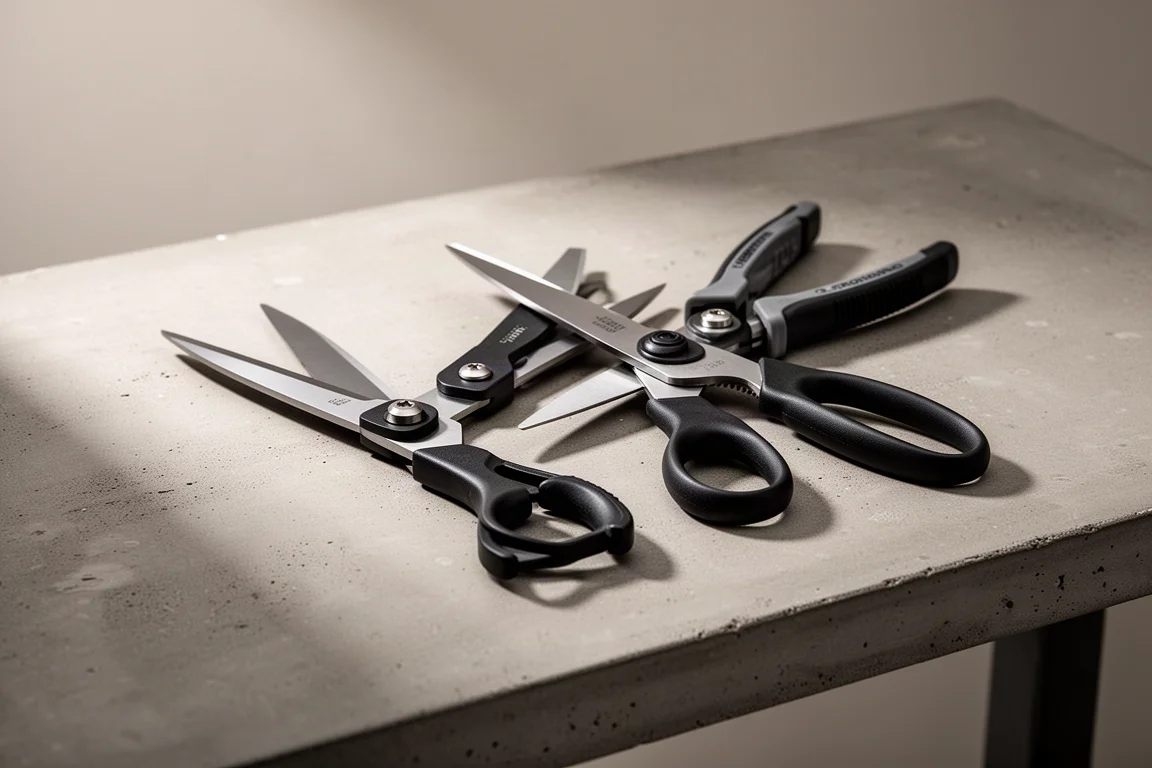
Some of the best workshop tools do not come from the tool aisle. That is certainly the case with a pair of kitchen shears that has quietly claimed the top spot as a shop shear, going head to head with a well-established favorite from Milwaukee. Both are inexpensive, both cut well, but one detail in the handle design makes a surprisingly large difference when the work gets tough.
Why Kitchen Shears End Up in the Shop
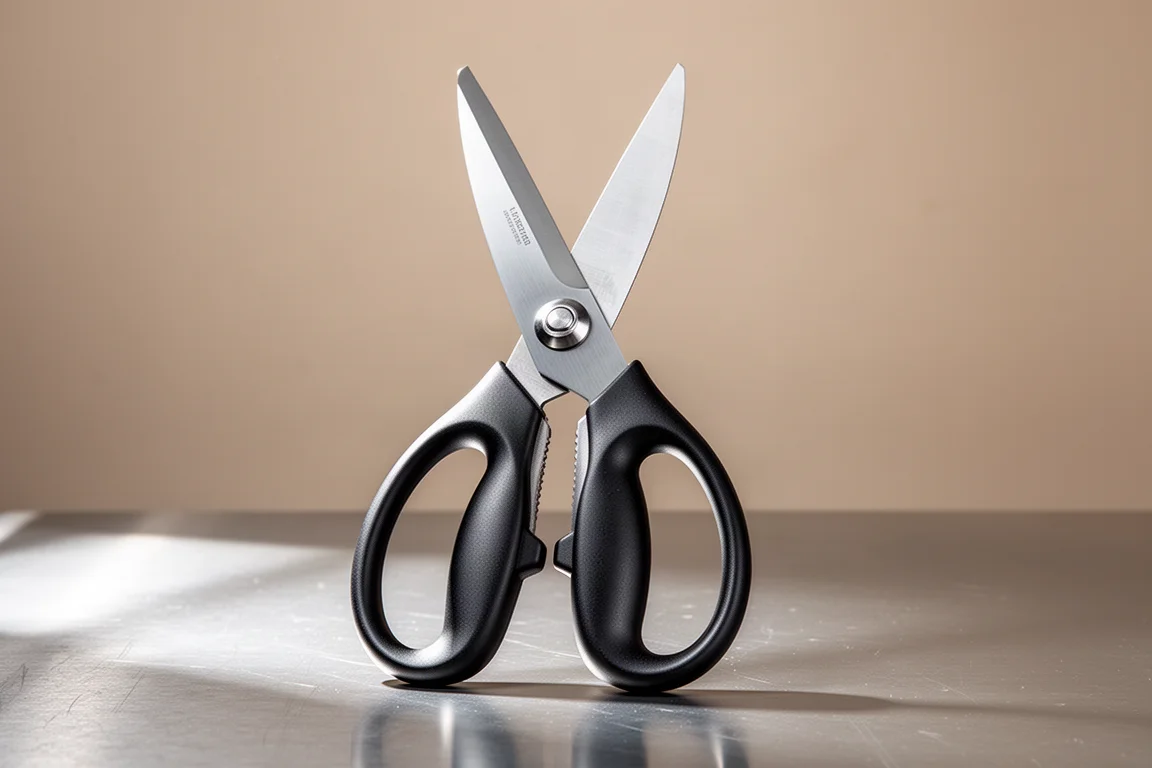
The CJET Kitchen Shears look like an odd fit for a tool collection at first glance, but they earn their place as genuine utility shears. They cost about 16 dollars on Amazon, which makes them an easy experiment for anyone who regularly destroys cheap scissors on packaging, cardboard, and misc shop tasks.
There is also a version with pink handles that comes apart for cleaning, but the non-taking-apart design was chosen deliberately. Separate-able scissors have historically been more of a problem than a solution in this context, so the fixed version is the safer pick for rough shop duty.
CJET as a brand also builds other respected cutting tools, including electrical shears with full stripping and crimping capabilities that hold their own against smaller precision snips. The brand has a track record of unique designs at accessible prices, and these shears fit that pattern.
Meet the Milwaukee Shop Shears
The Milwaukee shears served as the long-standing go-to pair, stored in multiple spots around the workshop, including next to the tape wall. They are purpose-built professional shears with a solid reputation, and they remain excellent for precision-style work like electrical tasks.
The comparison here is not about invalidating a proven tool. It is about finding which pair handles the heavy, awkward cuts that show up constantly in a shop environment, especially thick cardboard.
Handle Size: The Six Millimeters That Matter
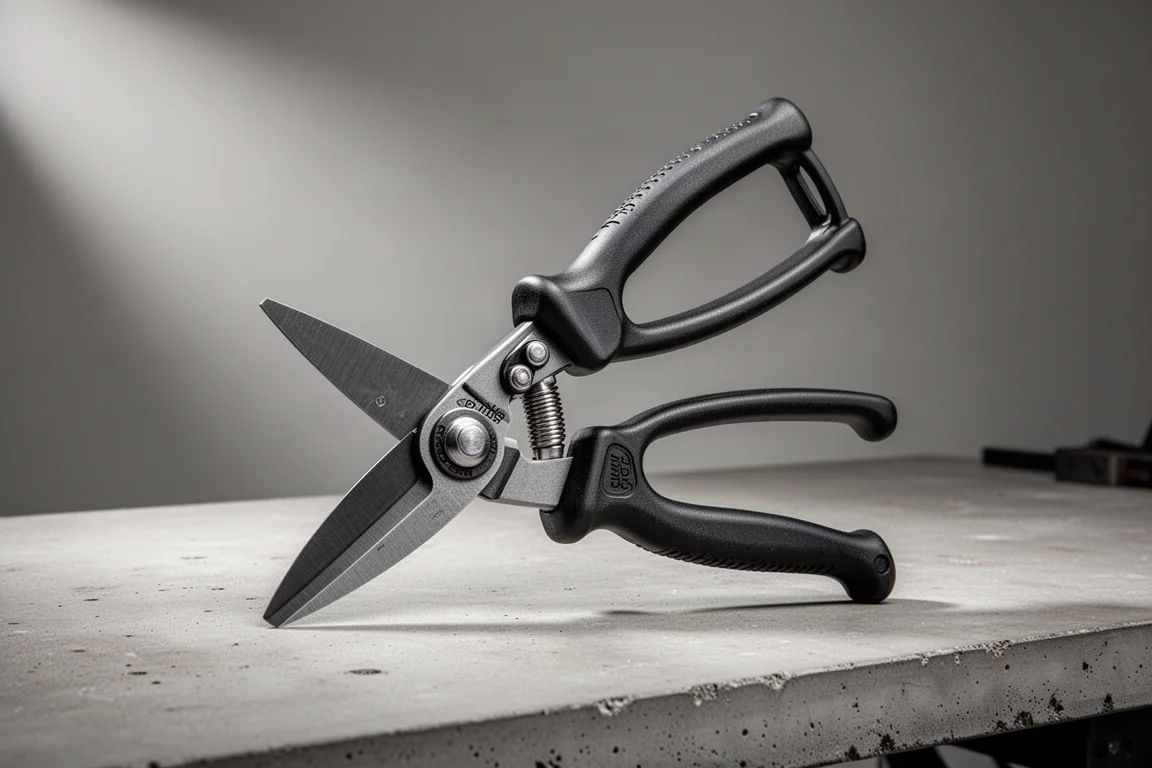
The decisive difference is the space inside the handle. Measured at the grip opening, the Milwaukee shears come in at 65 millimeters, while the CJET shears measure 71 millimeters. That six-millimeter gap sounds trivial, but it is enough to fit a much larger portion of a hand inside the handle for real leverage.
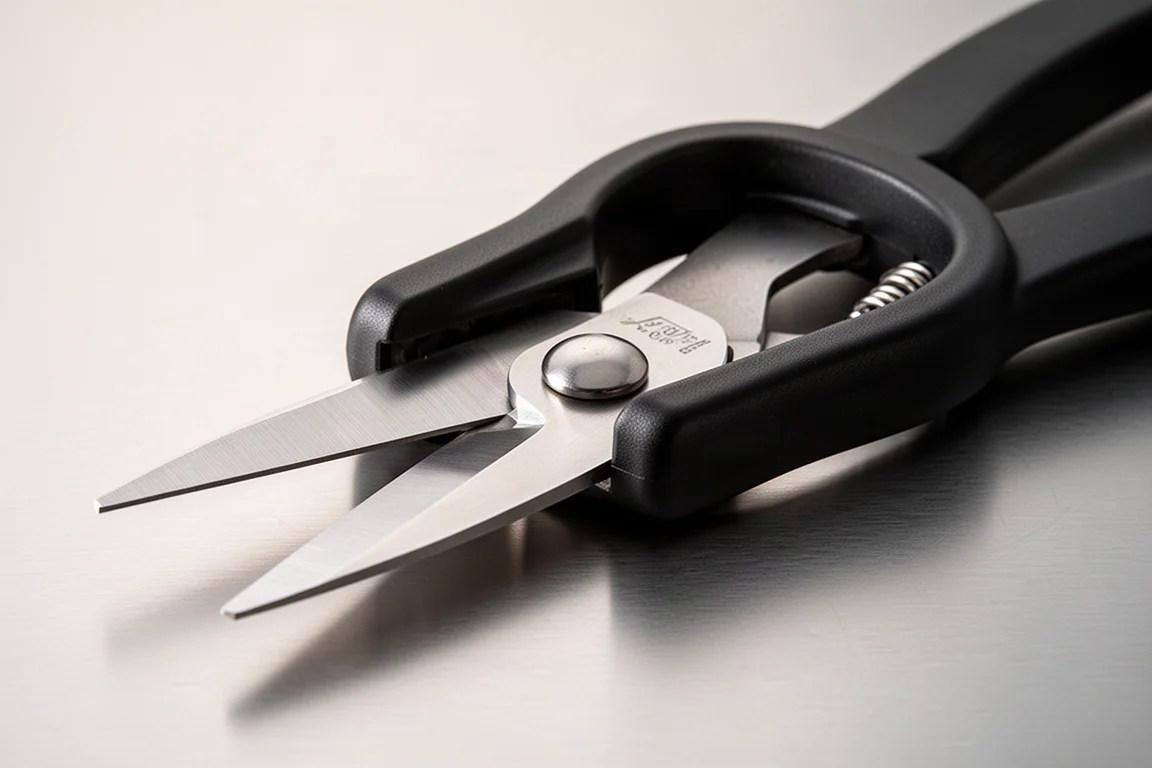
On the Milwaukee pair, a finger naturally wants to sit outside the handle housing because it simply does not fit comfortably. Amazon reviewers have complained that the CJET handles are “too big”, which is exactly the kind of complaint that signals a bonus for users with larger hands. Big handle real estate means more power behind every cut, and that becomes obvious the moment you push into dense material.
Cutting Performance: The Four-Layer Cardboard Test
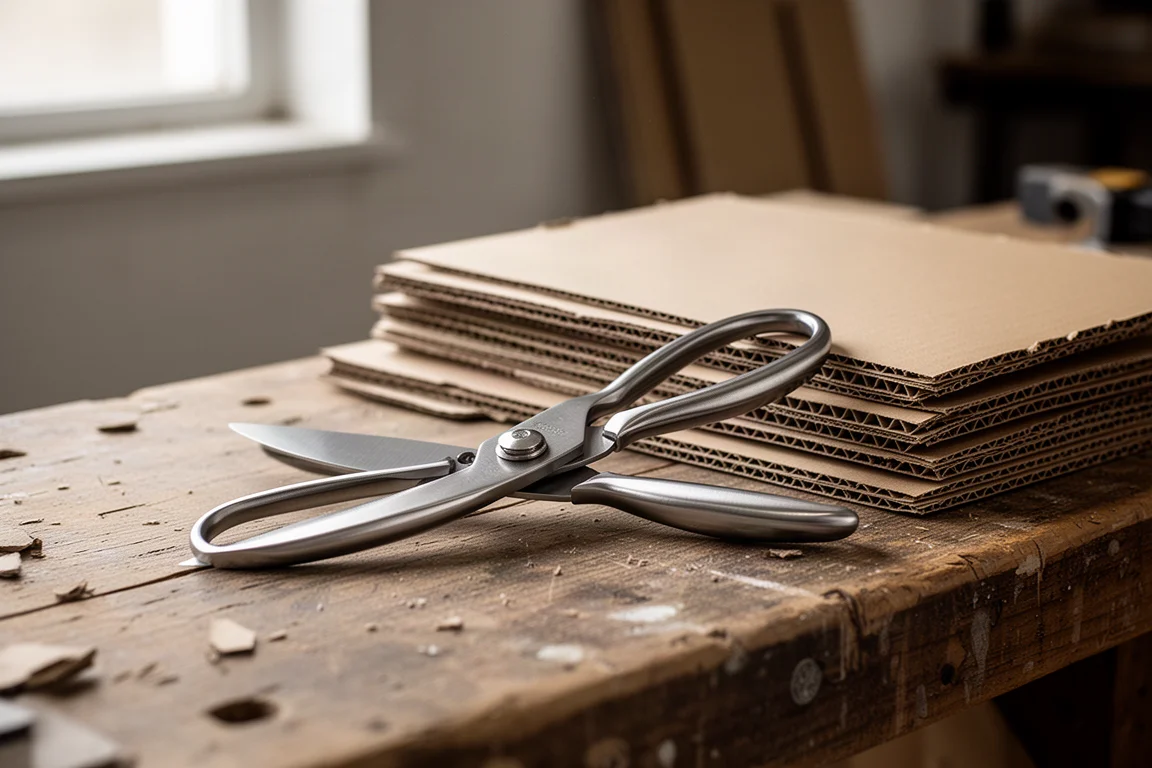
The real-world test used doubled-up corrugated cardboard, then escalated to four layers thick. On two layers, both pairs cut through without much complaint, though the Milwaukee long shears needed a bit more effort than the shorter Milwaukee pair.
At four layers, the gap widened dramatically. The Milwaukee shears required hard squeezing, barely finished the cut, and put uncomfortable pressure on the hand and the tool. Pushing the thumb to the outside of the Milwaukee handle for extra leverage was painful and produced the best-but-still-struggling result possible.
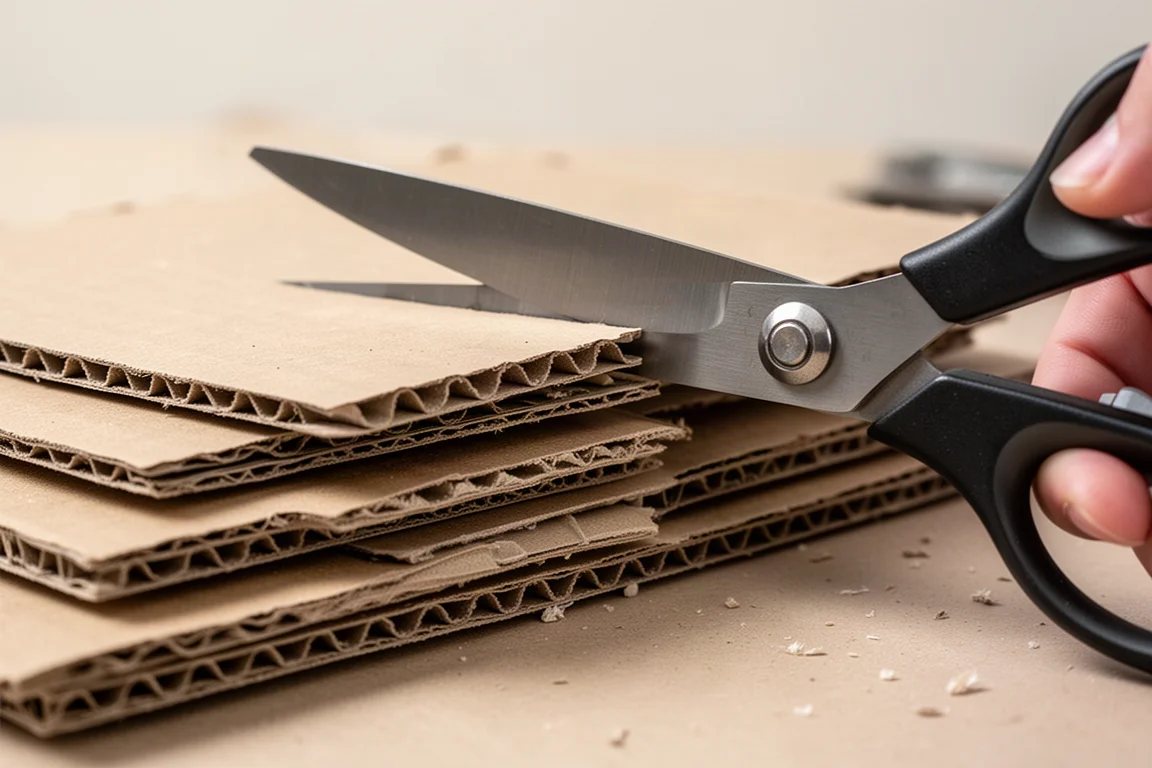
The CJET shears handled the same four-layer stack with the whole hand nested in the handle, cutting further with each bite. Grabbing further back on the blade and dropping the thumb to the outside added even more force, and the CJET powered through where the Milwaukee blades actually split apart at the cut point. For thick, stubborn material, the leverage advantage is the whole story.
Extra Features Beyond the Blade
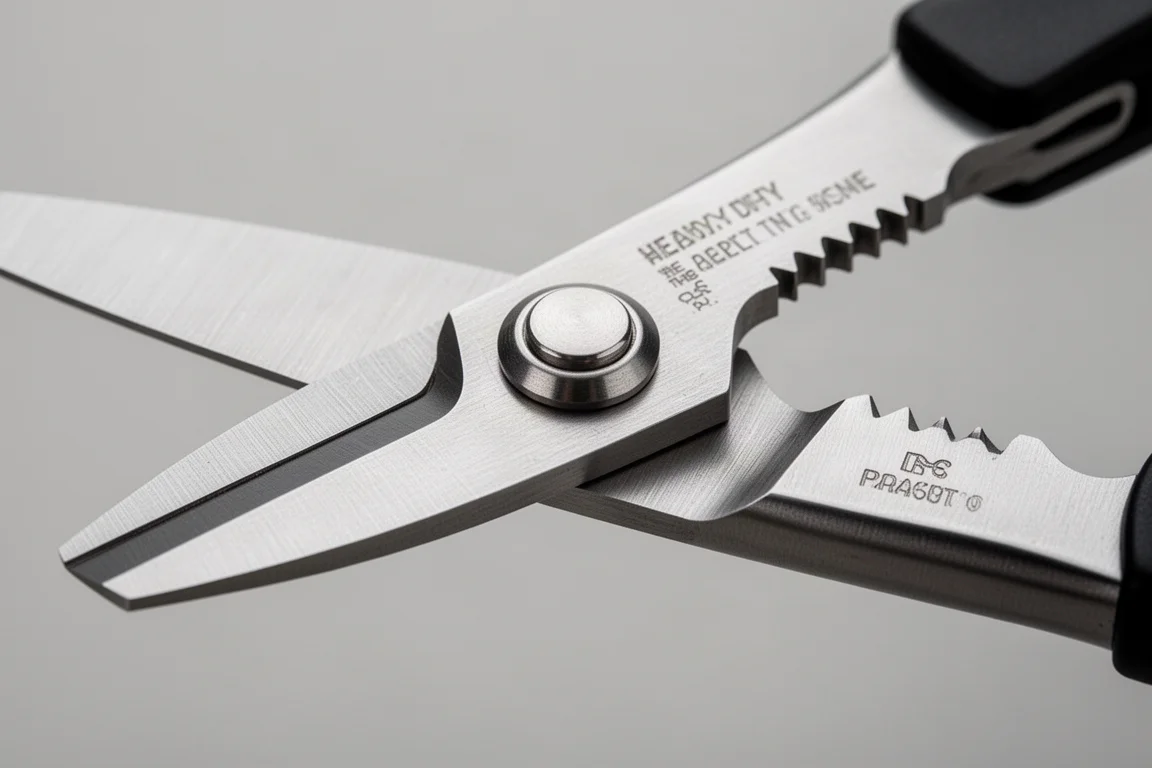
Both the CJET shears and comparable heavy-duty pairs pack useful extras into the base of the blades. The CJET includes a nutcracker or bottle opener function, a grabber surface, and a wire stripper notch.
There is also a serrated section near the handle for gripping slippery material, and a sharpened package-opening edge designed to run down the top seam of a box to slice tape cleanly. The stainless steel blades arrive very sharp with a nicely executed blade profile.
Verdict and Buying Advice
For around 16 dollars, the CJET Kitchen Shears have earned the new top spot as shop shears, and a second pair was picked up for about 10 dollars as a used or returned listing, which also included a blade cover. Keeping one pair at each workstation makes practical sense given how often they get reached for.
The Milwaukee shears remain a strong choice for precision work and are still stocked in quantity around the shop. But when the job is brute-force cutting through layered cardboard and rough materials, the CJET pair wins on leverage, comfort, and cutting depth.
Conclusion
The best shop shear is not always the one marketed for the shop. The CJET Kitchen Shears outperform the Milwaukee favorite on heavy cardboard cuts thanks to a bigger handle opening that converts hand strength into cutting power. At this price, they are an easy add to any workbench, and the Milwaukee pair still deserves a drawer of its own for the finer tasks.
Further reading
Related Reviews

Tools
Best Contractor Grade Tape Measures 2026: Eight Models Tested Head to Head
We tested eight contractor grade tape measures from Milwaukee, DeWalt, Crescent Lufkin, Tajima, Stanley, Irwin, Gelan, and Craftsman to find the best value and performance.

Tools
Best Precision Screwdriver Sets 2026: Manual and Electric Options Compared
We compare 19 precision screwdriver sets, from budget manual kits to electric drivers, to find the strongest bits and best value.

Tools
Best Stud Finders 2026: Five Popular Models Put to the Test
We tested five popular stud finders on drywall, firewall, and lath and plaster surfaces to see which ones really find studs and avoid false readings.