Tools
CJET Precision Braided Fiber Scissors: A Specialized Tool That Actually Cuts Kevlar
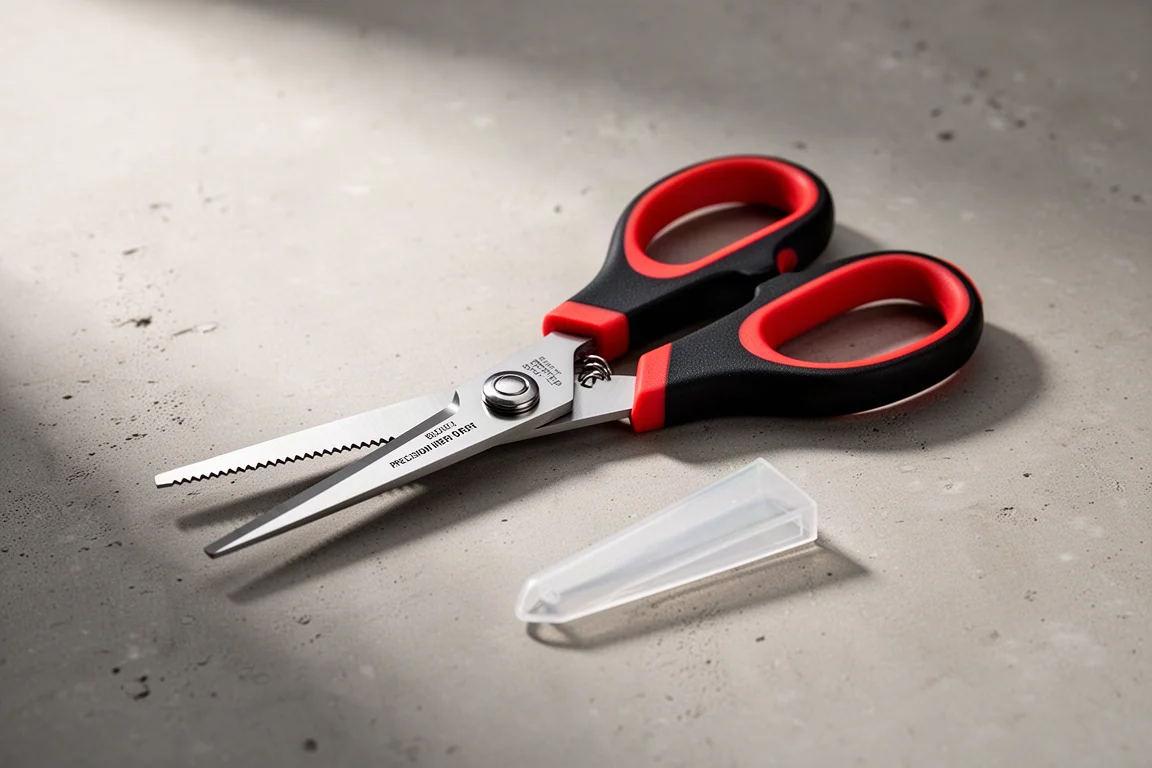
Purpose-built fiber scissors with Japanese stainless steel blades, a spring-loaded handle, and clean cuts through Kevlar cord and braided line where regular snips fail.
Introduction
Kevlar cord and braided fiber line are some of the most frustrating materials to cut with ordinary tools. Standard electronic snips tend to get bunged up and stall, flush cutters need serious force just to snap the fibers, and general-purpose shears often slide the material up the blade and leave an uneven cut. The CJET Precision Braided Fiber Scissors are designed specifically to solve that problem, and they do it remarkably well.
Who This Product Is For
These scissors are built for a narrow but real job: cutting braided fiber such as Kevlar cord, braided and non-metal fishing line, fiber optics, and the cordage or thread used in upholstery and manufacturing. If your work regularly involves any of those materials, this is the kind of dedicated tool that earns its place in the kit.
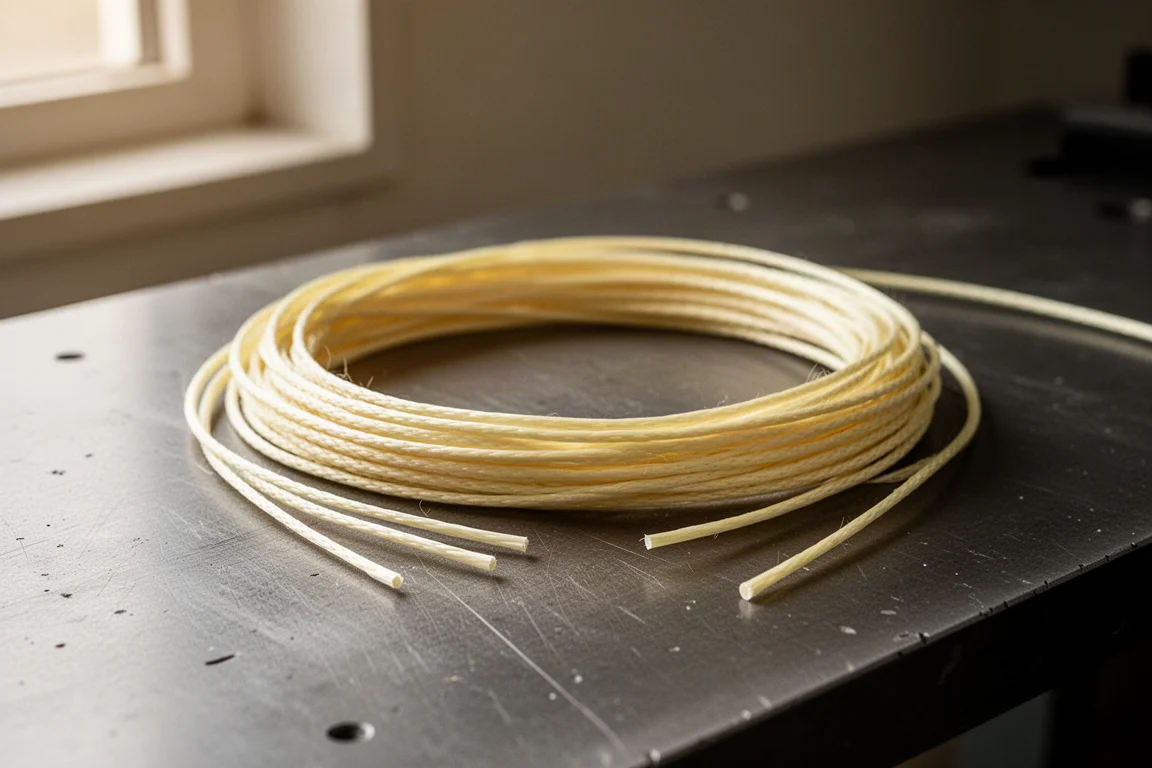
It is worth being clear that this is a specialized cutter, not a general one. It is not meant to be mistaken for electronic snips designed for wire, and it will not replace your usual pliers. Its value comes from doing one cutting task cleanly and reliably where other tools struggle.
Main Strengths
The build is genuinely well executed. The blades use 434 Japanese stainless steel, with a serrated edge on one side and a razor-sharp straight blade on the other. The serration grips slippery braided fibers so they cannot fold over or slide away, which is exactly what defeats ordinary snips.
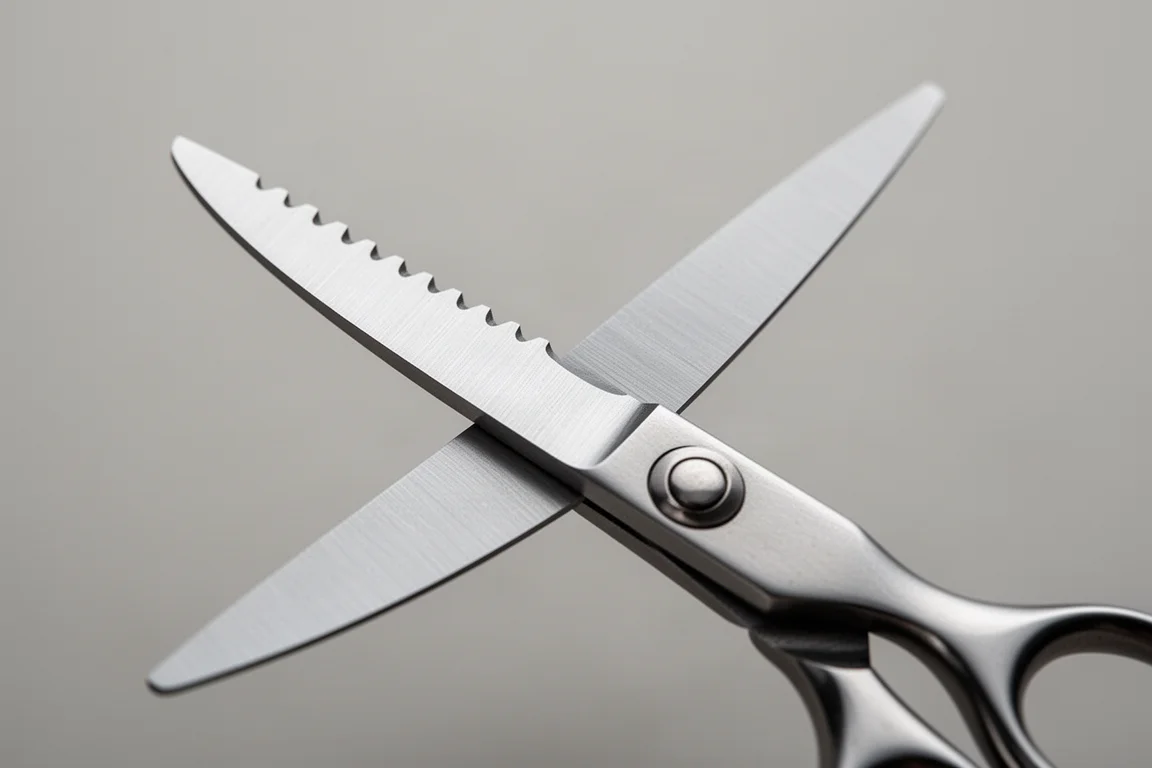
There is also a small knife along one blade edge for slicing open packages, though that feels like a fairly blunt job for a tool this precise. The handles are made from thermoplastic rubber and polypropylene, the jaws are spring-loaded, and the overall fit and finish are typical of CJET products: affordable and very high quality.
In use, the difference is immediate. Where traditional snips simply get caught up in Kevlar and flush cutters require hard pressure with inconsistent results, these scissors produce clean, flat cuts on the first squeeze. Kevlar itself is an unusual material, since it does not burn or melt the way nylon cordage does, so finish work is a little different. With these scissors, that finishing step is simple.
Things to Consider Before Buying
The obvious trade-off is specialization. If you only occasionally cut fiber cordage, a dedicated tool like this may sit unused. It also helps to reserve them for fiber work; cutting a lot of light-duty plastic is one way to protect the blades, but heavy unrelated use will dull a precision edge.
Storage and Carry
CJET has thought about stowage, which matters for a tool with sharp precision blades. A clamp holds the scissors closed for safety and blade protection, and a lanyard hole allows tethering. When the scissors are open, the closure clip stows out of the way so it cannot catch and block a full cut.
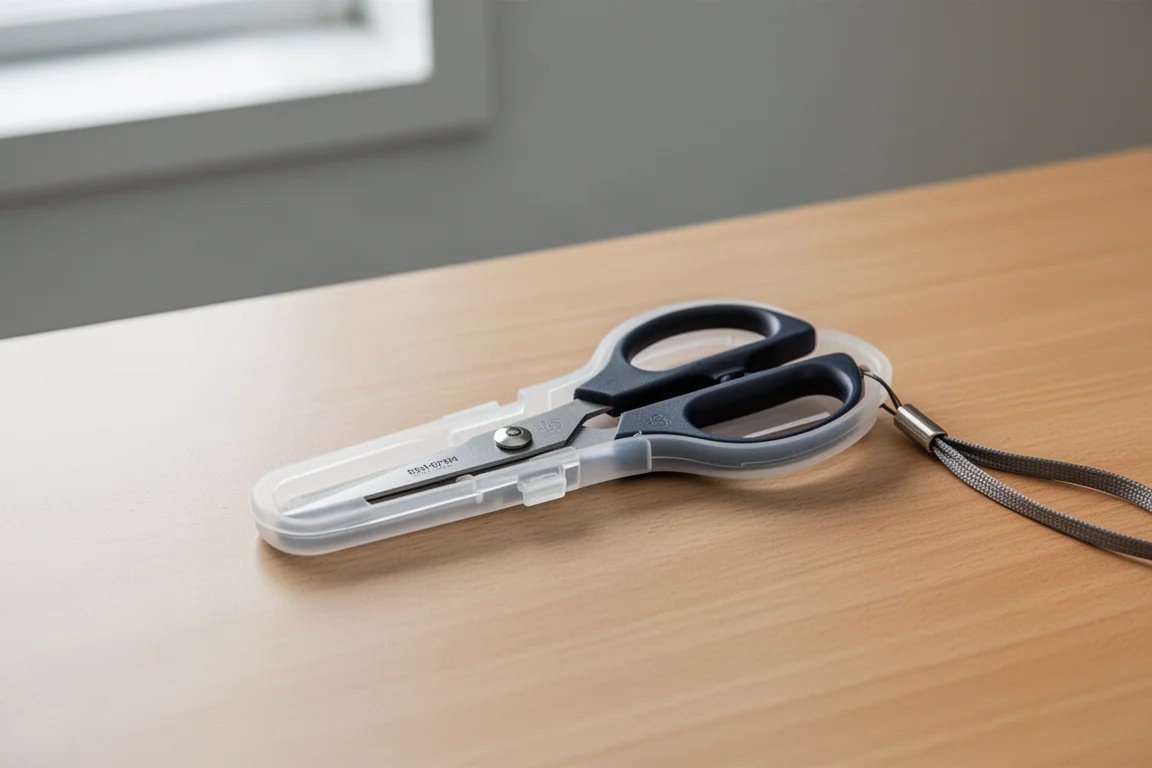
The included plastic sheath is also more clever than it first appears. It has an extra removable part that lets it work as a stand, or you can pop that piece off and slide the sheath onto the blades directly so the scissors can be hung up.
Buying Advice
Priced around 23 dollars on Amazon, these sit in genuinely affordable territory for a purpose-made cutting tool. The comparison test is simple: put a piece of Kevlar cord in standard snips and it gets bunged up, fold it and squeeze hard in flush cutters and you might snap it, run it up standard shears and you get an uneven cut. These scissors cut through the same cord cleanly on the first try.
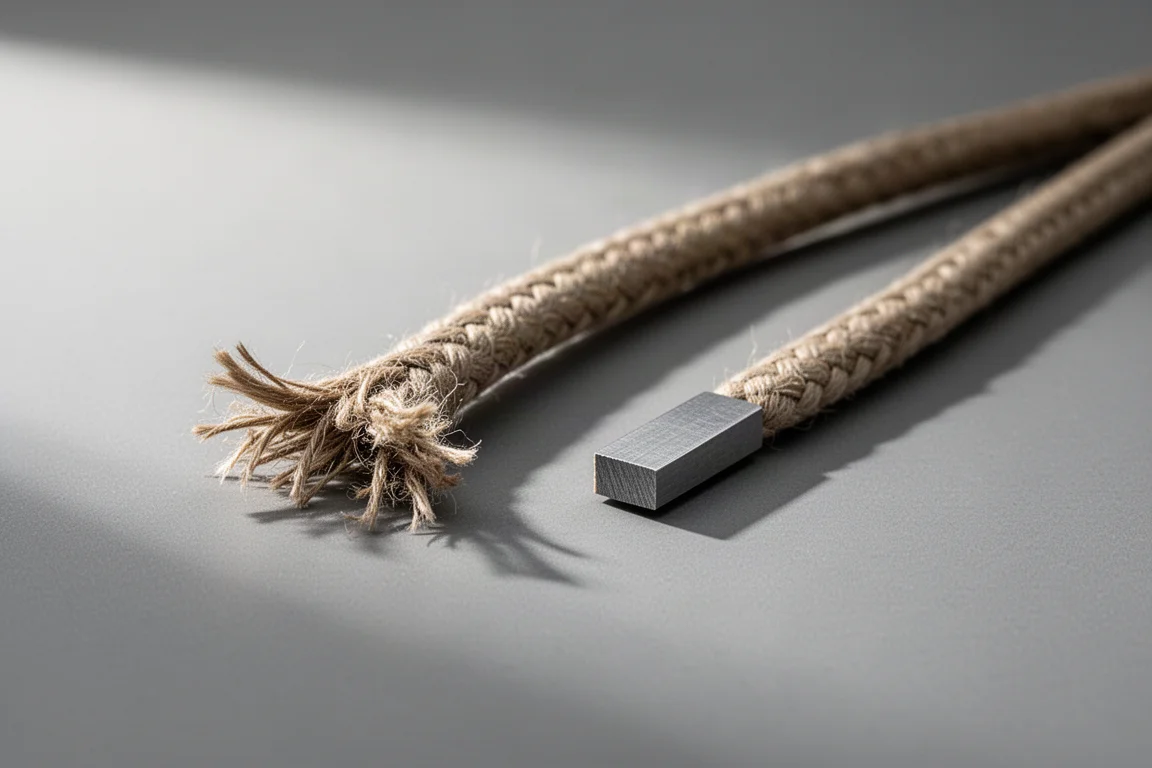
For anyone working with Kevlar cordage in ratings from around 50 lb sub-millimeter cord up through heavier 2 to 4 millimeter line, having a tool that produces a beautiful cut every time is worth the small outlay. Just keep them dedicated to fiber work.
Conclusion
The CJET Precision Braided Fiber Scissors are exactly what a specialized tool should be: well made, inexpensive, and dramatically better than general-purpose alternatives at the one job they were designed for. If braided fiber, Kevlar, or similar materials are part of your regular work, they are an easy recommendation.
Product link
View more details for CJET Precision Braided Fiber Scissors
This product is mentioned in the review. Check the specifications, options, and compatibility before buying.
View more details for CJET Precision Braided Fiber ScissorsFurther reading
Related Reviews

Tools
Best Contractor Grade Tape Measures 2026: Eight Models Tested Head to Head
We tested eight contractor grade tape measures from Milwaukee, DeWalt, Crescent Lufkin, Tajima, Stanley, Irwin, Gelan, and Craftsman to find the best value and performance.

Tools
Best Precision Screwdriver Sets 2026: Manual and Electric Options Compared
We compare 19 precision screwdriver sets, from budget manual kits to electric drivers, to find the strongest bits and best value.

Tools
Best Stud Finders 2026: Five Popular Models Put to the Test
We tested five popular stud finders on drywall, firewall, and lath and plaster surfaces to see which ones really find studs and avoid false readings.