Kitchen Tools
Chef's Press Kitchen Weights Review: Which Size Makes Sense for Your Kitchen
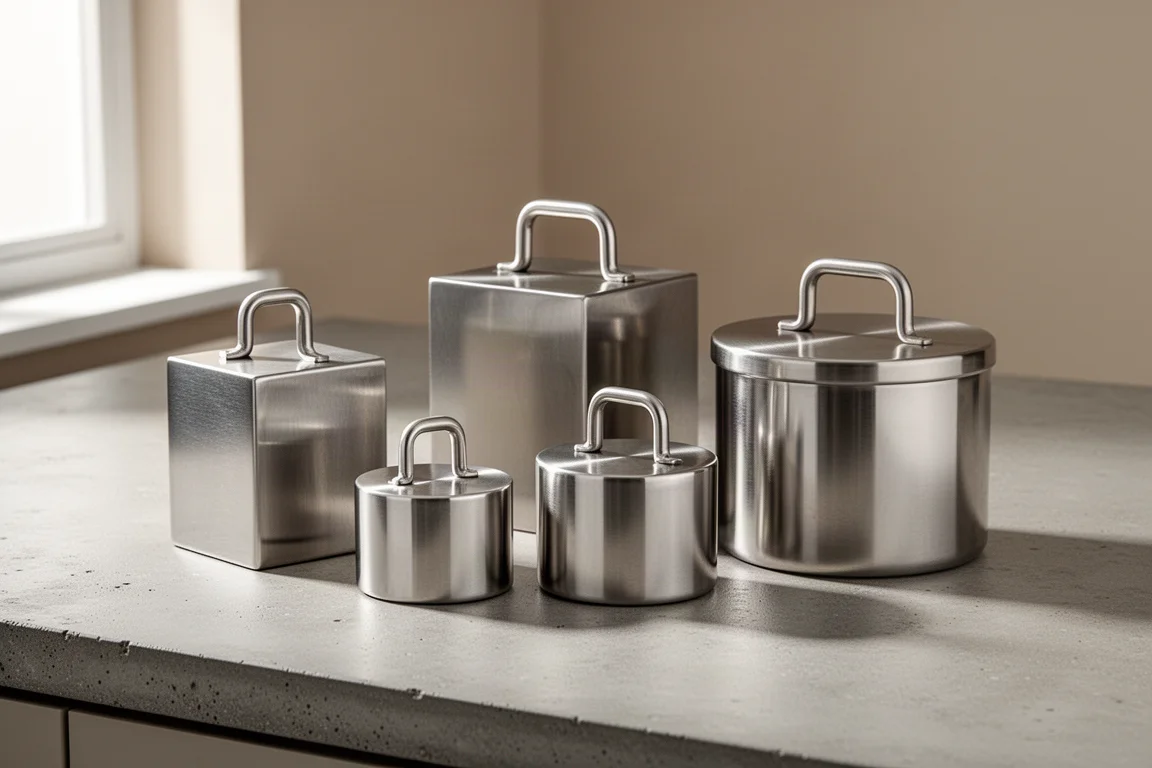
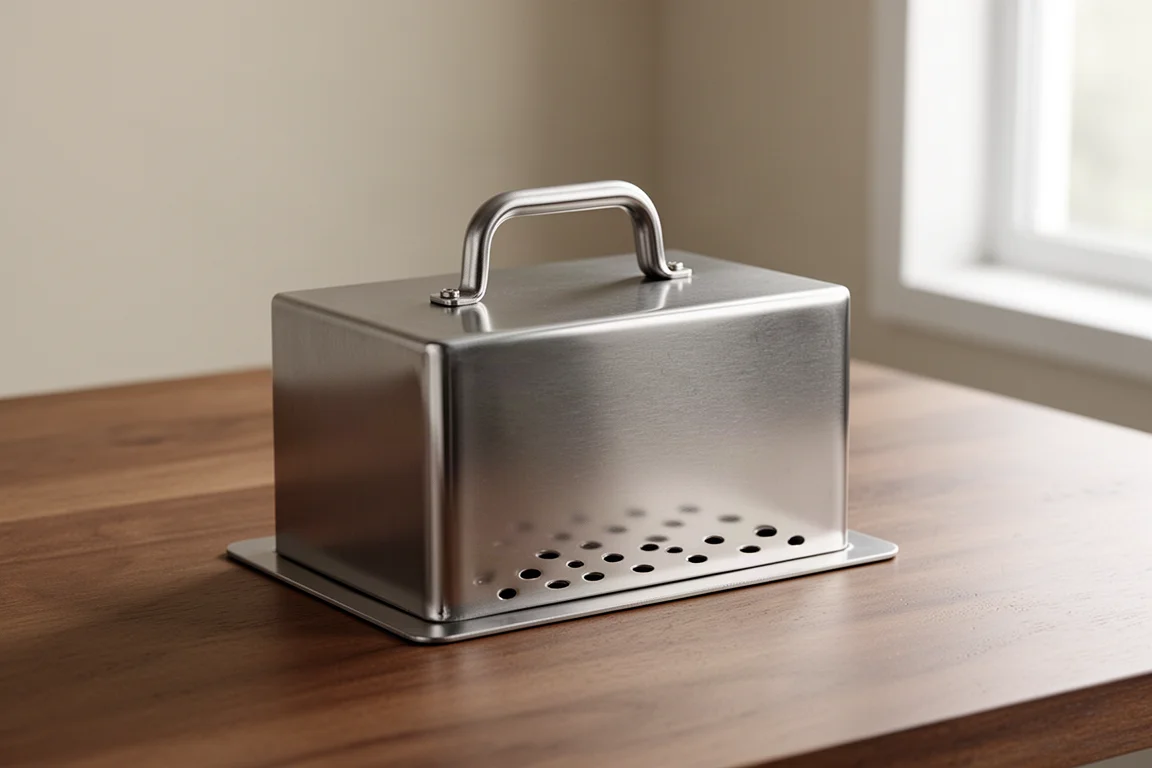
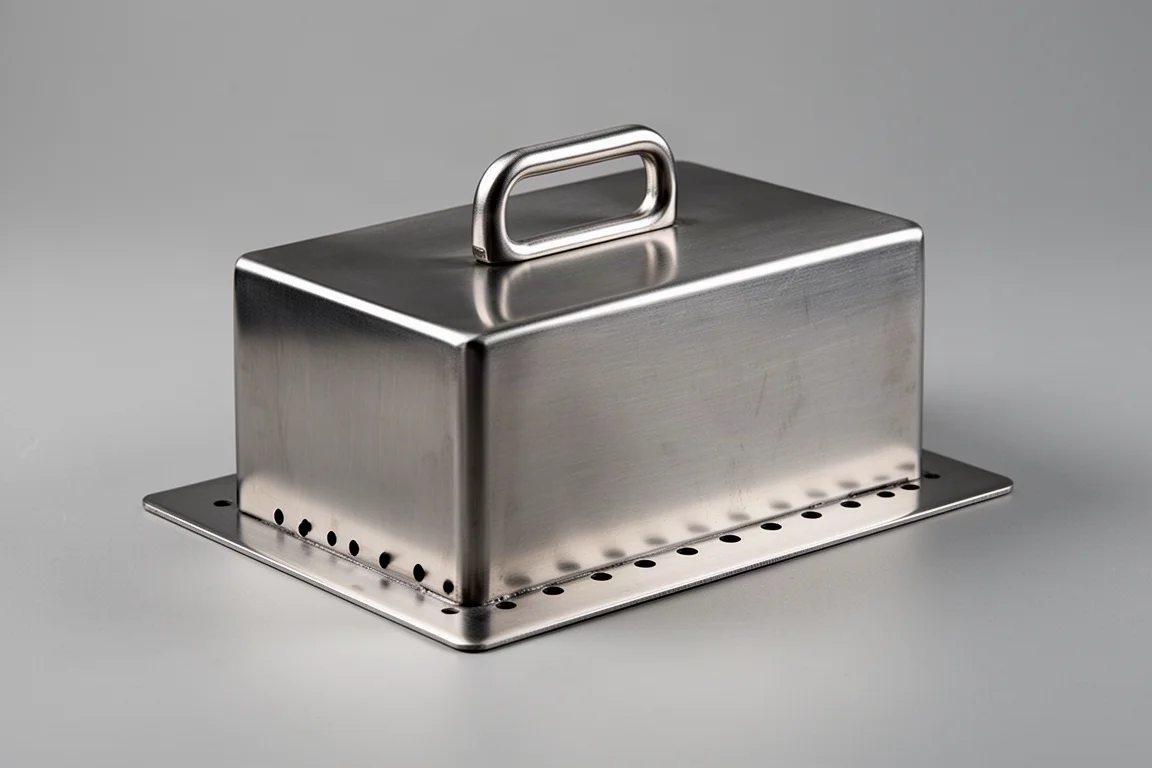
Four stainless steel food presses with a one-piece handle design that stack neatly, weigh down food evenly, and keep things simple in a dishwasher-safe way.
Introduction
The Chef’s Press is about as simple as kitchen tools get: a weighted plate you set on top of food to keep it flat or submerged so it cooks evenly. After spending time with all four current models in a home kitchen, the verdict is a study in how much thought can hide inside a single piece of stamped stainless steel.
This roundup covers the 8 oz and 13 oz models, the larger 18 oz version, and the newer round 17 oz model, with practical guidance on which one actually fits different kitchens.
A Simple Tool Done Thoughtfully
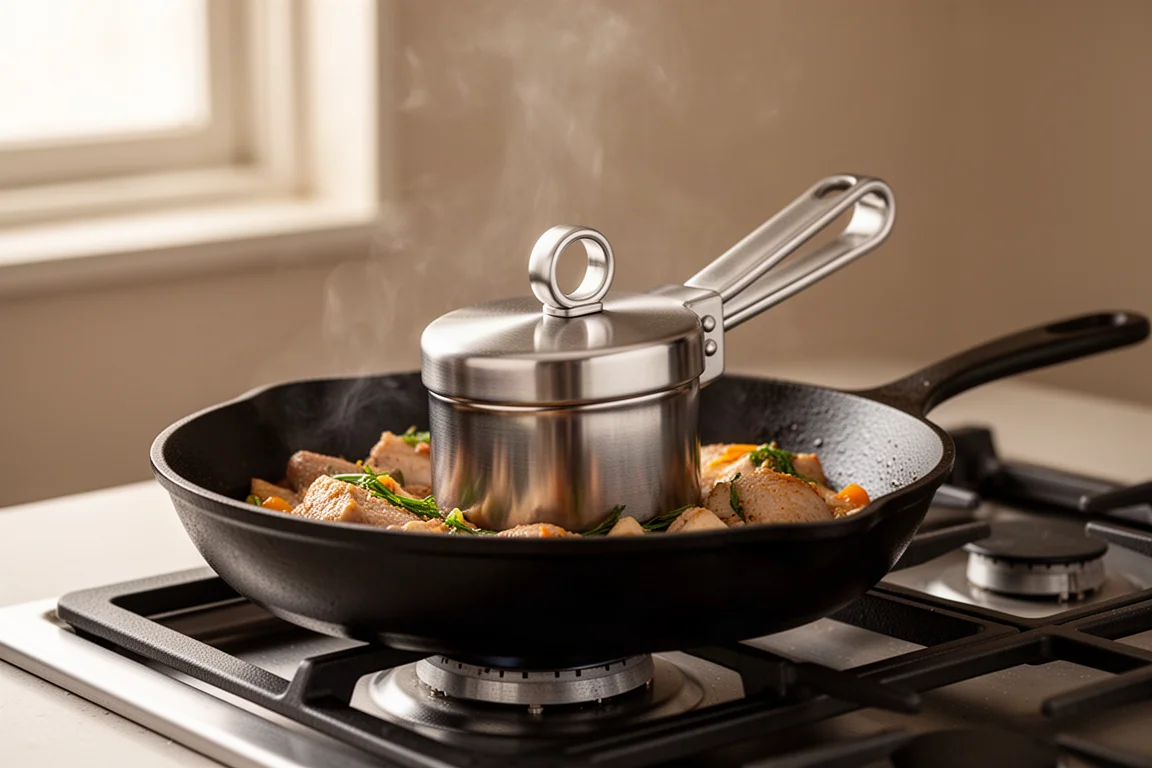
At its core, the Chef’s Press is just a weight. But the design has to balance several demands at once: it must be heavy enough to hold food down, yet ventilated so it does not ruin the crust you have already built. Those vents also define its role: this is a tool for holding food down, not for smashing it. Press down on a burger with one and you will just get burger pushed through the vents.
That simplicity is arguably the genius of the design. The way the press folds its function into its form factor feels obvious in a way many products only aspire to.
Design That Earns Its Simplicity
The standout feature is the handle. Many presses use overcomplicated or multi-part handles, which means more things that can go wrong. The Chef’s Press keeps the part count at one, and the handle’s shape also lets you stack and shingle multiple presses on top of each other.
The manufacturing choices are equally considered. The press is stamped upside down, which means all the softness ends up on the side you touch: the bottom of the handle feels smooth and pleasant in the hand. A laser-cut version with smoother-looking rounded corners would have been cheaper, but it would leave sharper edges where it matters most. The extra manufacturing cost buys a genuinely nicer experience.
One design choice that may raise eyebrows: the patent number is stamped right into the handle, front and center. To some eyes that reads as aggressive. The creator has explained it differently, describing it as an aesthetic choice inspired by densely printed soap bottle labels, filling the available lines with information. Whatever your read on the optics, it does not detract from the functionality.
Which Size Should You Buy
The smaller units are the general favorite because they fit nicely side by side in a 10-inch skillet. For single servings, the 8 oz model is the go-to choice.
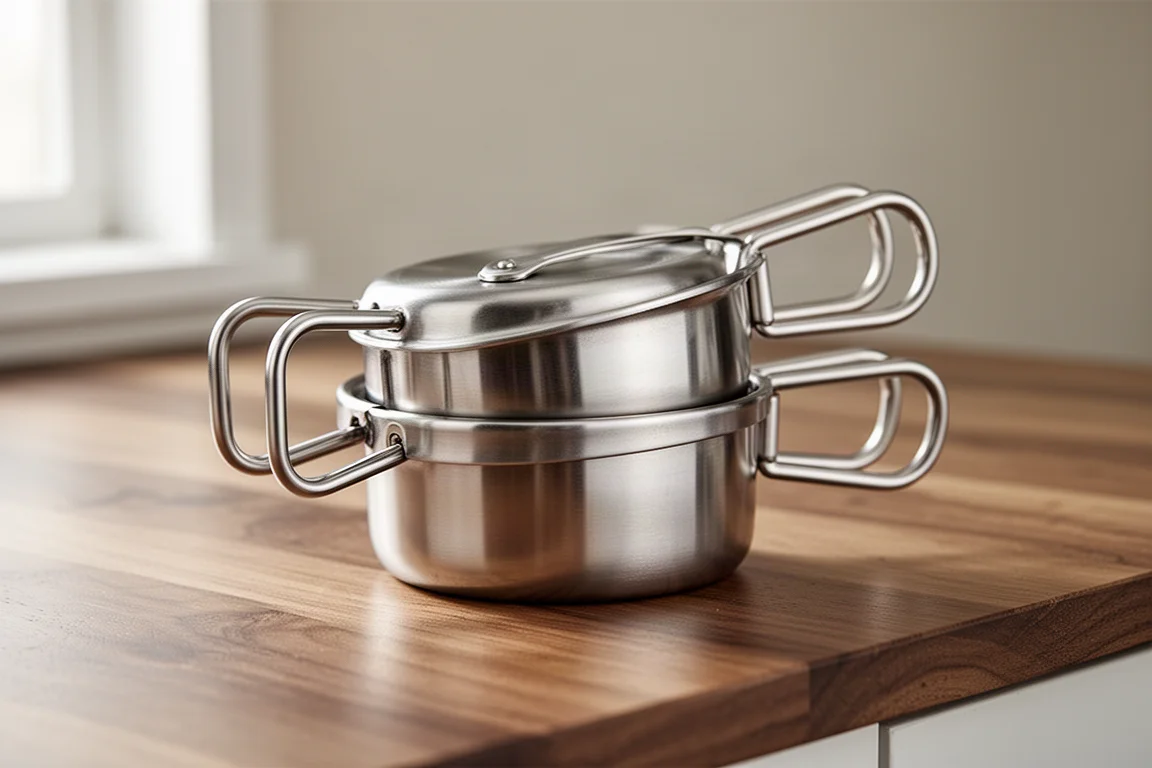
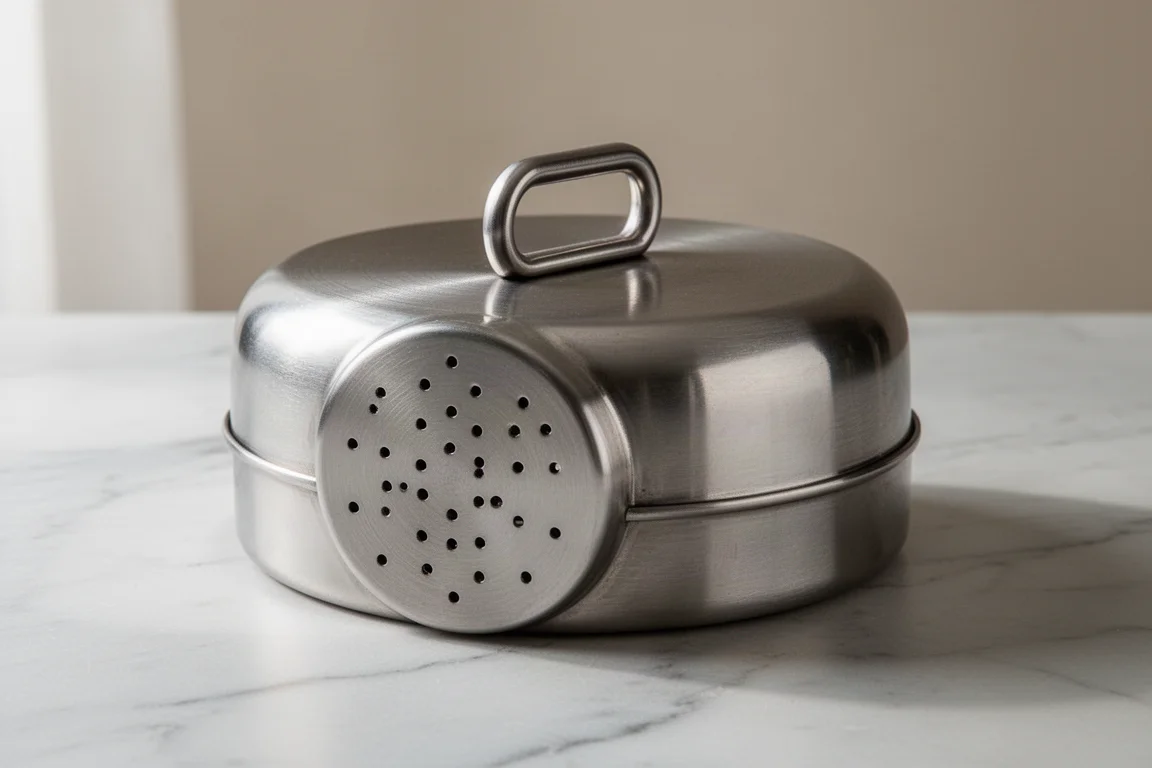
The newer round 17 oz model is a strong upgrade for home cooks who prepare multiple servings in the same pan. At 7.5 inches in diameter, it covers a lot of the pan on its own, so a single unit can do the work of two smaller ones.
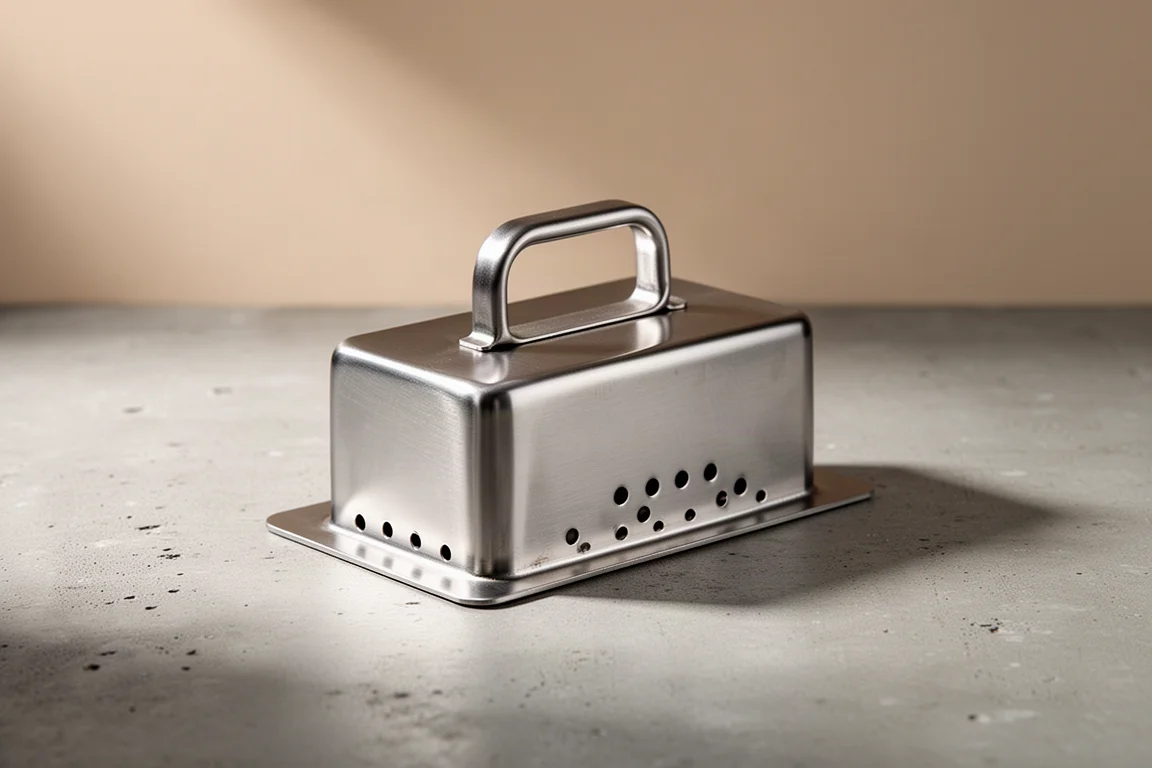
For larger cuts and bigger batches, the 13 oz and 18 oz rectangular models bring more weight. If you are grilling steaks, one of the heavier rectangular units is the better fit.
Care, Materials, and the Salt Caveat
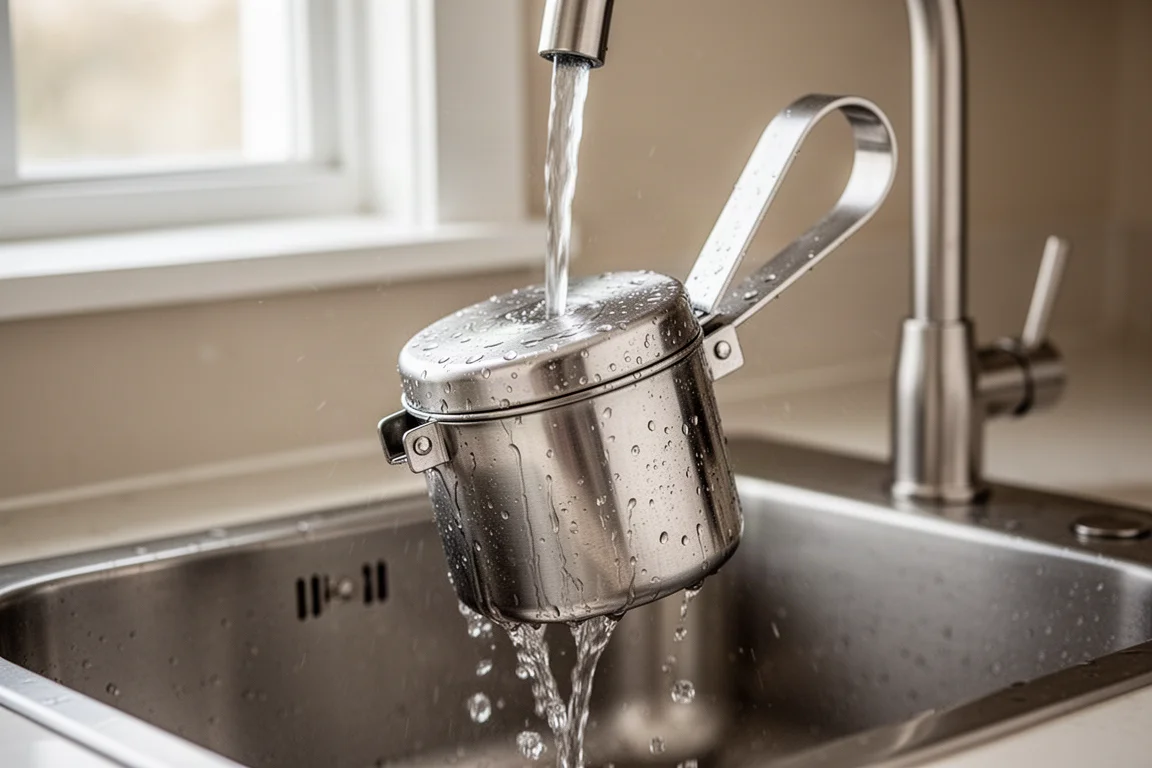
All four presses are made of 304 stainless steel, arguably the perfect material for hot-side cooking, and all are extremely dishwasher friendly, which for many buyers will be the only care detail that matters.
One real caveat: these are probably not the best fit for salty solutions. If you pickle or brine, the presses will submerge things well but will likely rust and pit from the salt. Those are off-label uses, but worth knowing before you try. Alternatives like an enamel coating or borosilicate glass would broaden the use cases, but both come with significant trade-offs of their own.
It is also worth noting that everything is manufactured and sourced in the United States, with tooling and stamping handled by small shops working practically next door to each other. That likely adds some cost, but it supports quick fixes and tight quality control.
Pricing: High, but With a Reason
Price is the most common complaint, with models ranging from $21 for the 8 oz model up to $39 for the 17 oz round model. That is a high price point for such a simple tool, and the criticism is fair.
The explanation is a restaurant-style one-third/one-third/one-third pricing model: one third manufacturing cost, with the retailer and the maker splitting the rest. It is a transparent and thoughtful structure, even if the result is still expensive for most people given the tool’s limited scope of use.
Conclusion
The Chef’s Press line scores well on design and materials, and the product simply works: a weight is physics, and this one is built to last under its intended use. The honest reservation is how often a typical home cook will reach for it. If curling proteins is a recurring problem in your kitchen, start with one press, the 8 oz for single servings or the 17 oz round for multi-serving pans, then add more as needed. They will always stack up neatly.
Further reading
Related Reviews
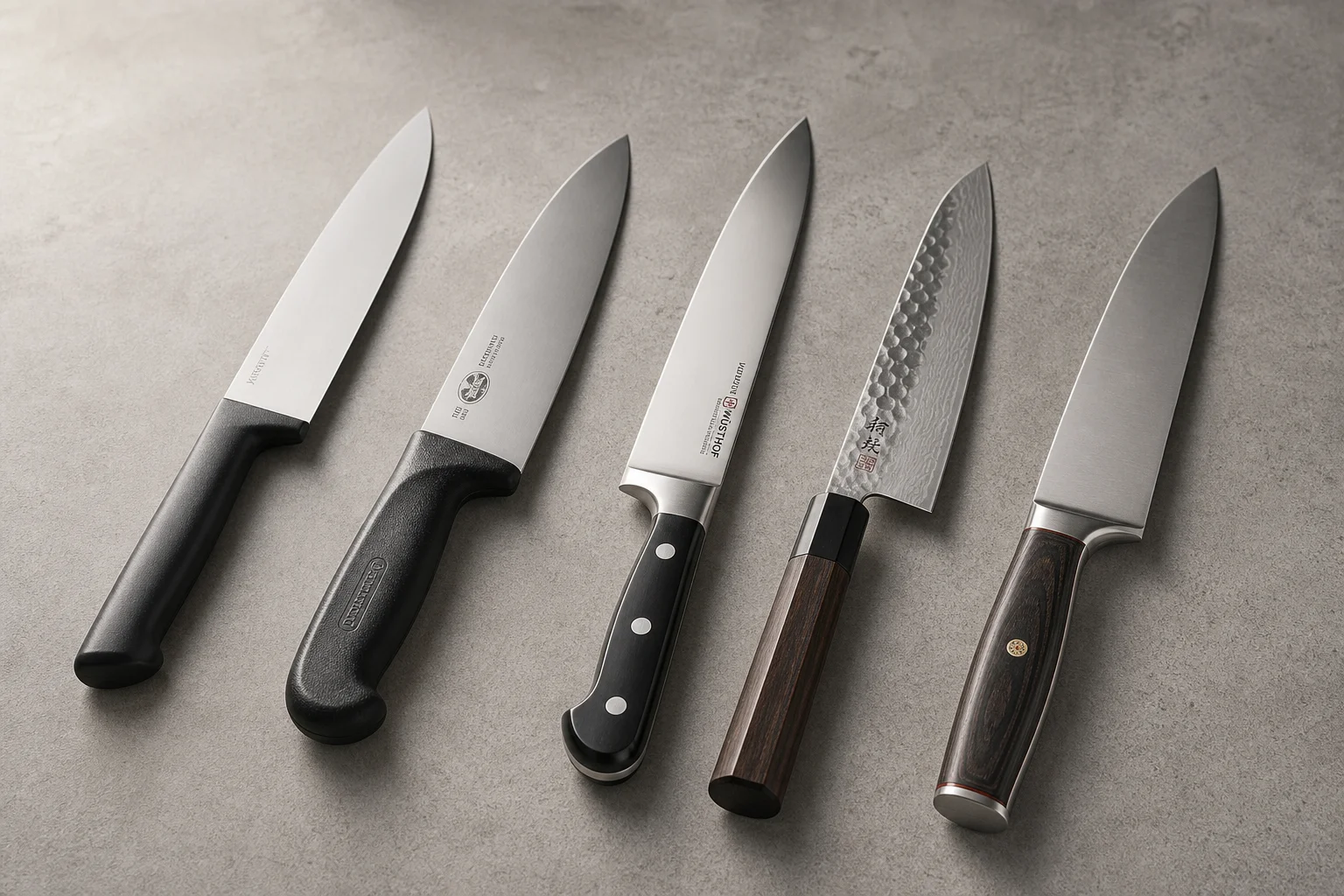
Kitchen Tools
Amazon's Top-Rated Chef Knives Tested: Five Models from £11.50 to £200
We tested five of Amazon's highest-rated chef knives across sharpness, comfort, and versatility to see which delivers the best value and real-world performance.
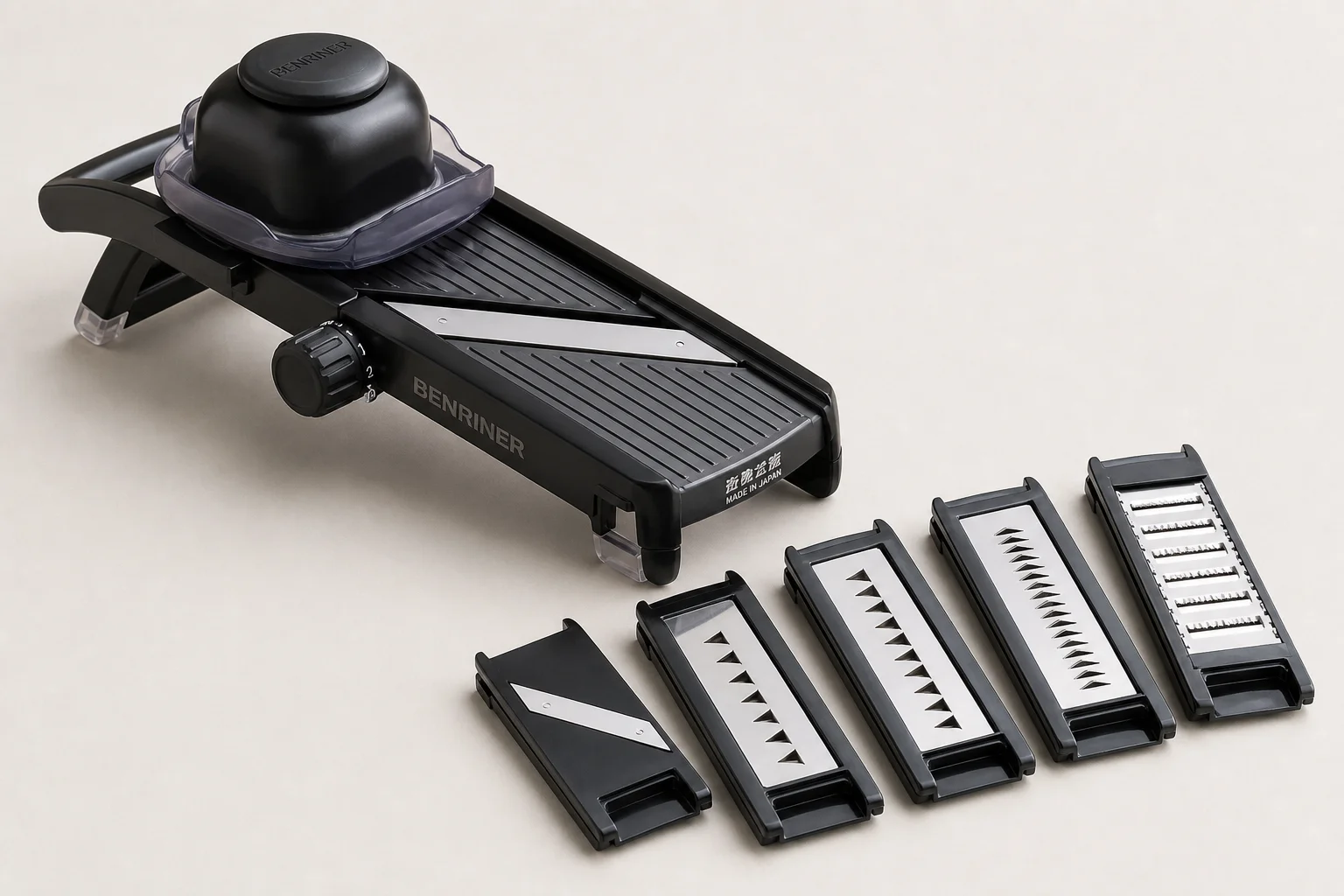
Kitchen Tools
Benriner Japanese Mandoline Review: A Sharp Tool for Precise Vegetable Slicing
A practical guide to using a Japanese mandoline safely and effectively, with tips for achieving consistent, crisp results in the kitchen.
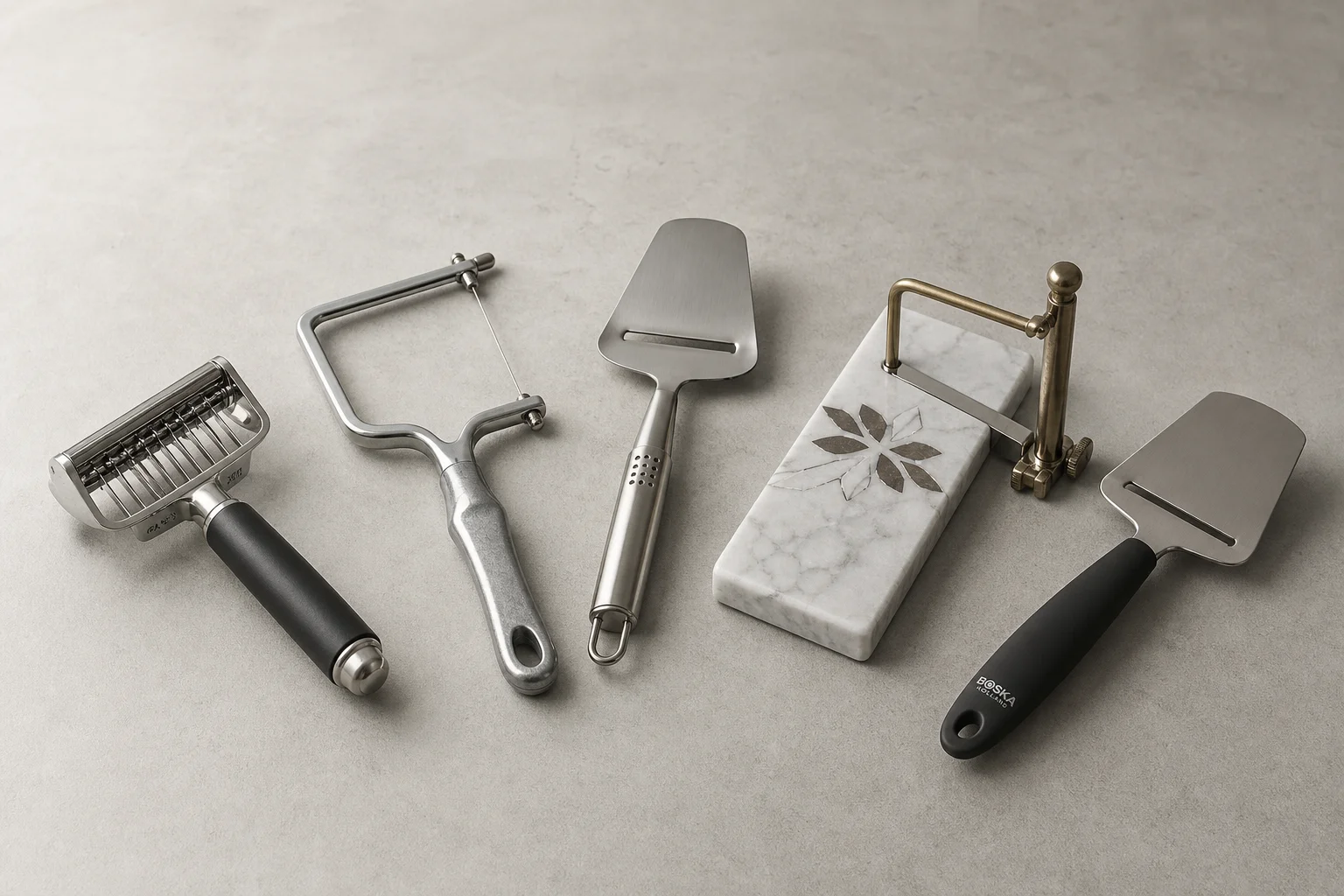
Kitchen Tools
Best Cheese Slicers: Five Practical Options for Consistent Slicing
Five cheese slicers with different designs and features, from multi-blade versatility to wire-based precision, each suited to different kitchen needs and cheese types.