Art Supplies
Cheap vs Luxury Colored Pencils: Crayola 24 Set vs Caran d'Ache Luminance 20 Set
A side-by-side comparison of a budget colored pencil set and a premium professional set, covering build quality, pigment payoff, blending, and real drawing performance.
Introduction
Colored pencil sets vary massively in price, from a few pounds for a basic children’s set to hundreds for professional-grade brands. That raises an obvious question: are expensive pencil sets actually worth it? This comparison puts one of the cheapest and one of the most expensive colored pencil sets head to head to see just how big the difference really is.
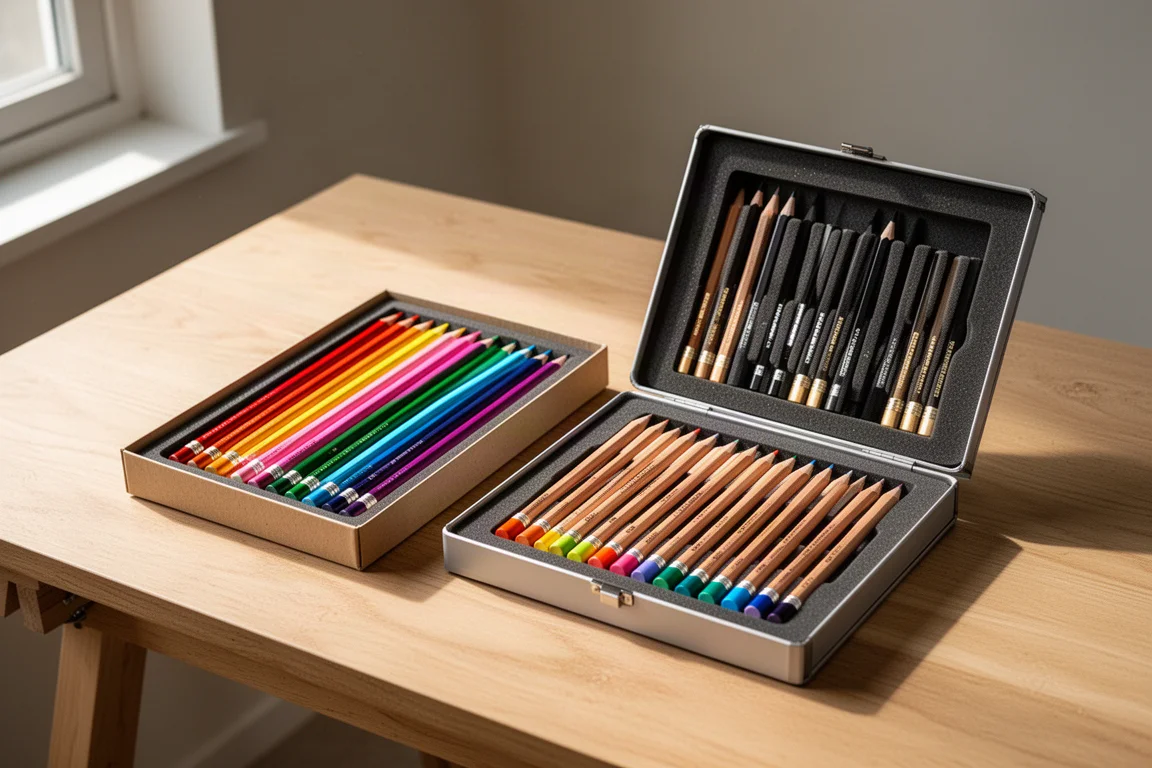
On one side, the Crayola 24 colored pencil set, which costs around £3.50, working out to roughly 14 pence per pencil. On the other, the 20-pencil Caran d’Ache Luminance set, which retails for about £50, a striking £2.50 per pencil, or around 17 times the price. To make the comparison fair, the tests used 20 pencils from the 24 Crayola set to match the size of the Luminance set.
Build Quality and Presentation
The Crayola set arrives in a thin box that offers very little protection against pencil leads breaking in transit. The build quality of the pencils themselves looks decent for the price: the wood casing and lead are exposed at the end, and the pencils feel fairly sturdy, but you cannot expect much more at this price point.
The Caran d’Ache Luminance set comes in a much stronger box with a foam insert that protects each pencil from damage. Straight out of the box, the pencils feel genuinely high quality: the lead looks thicker and creamier, the wooden casing is thicker and smoother, and each pencil end is neatly concealed with a cap in the colour of the pencil.
One of the biggest reasons for the Luminance price is lightfastness. These pencils carry some of the highest lightfastness ratings possible, meaning their colours will not fade over time. That matters enormously for professional artists who sell their work and do not want colours to dull after a couple of years. For a beginner who is simply practising, it is far less important, which is why the Luminance set is clearly targeted at more advanced colored pencil artists.
Swatching and Color Payoff
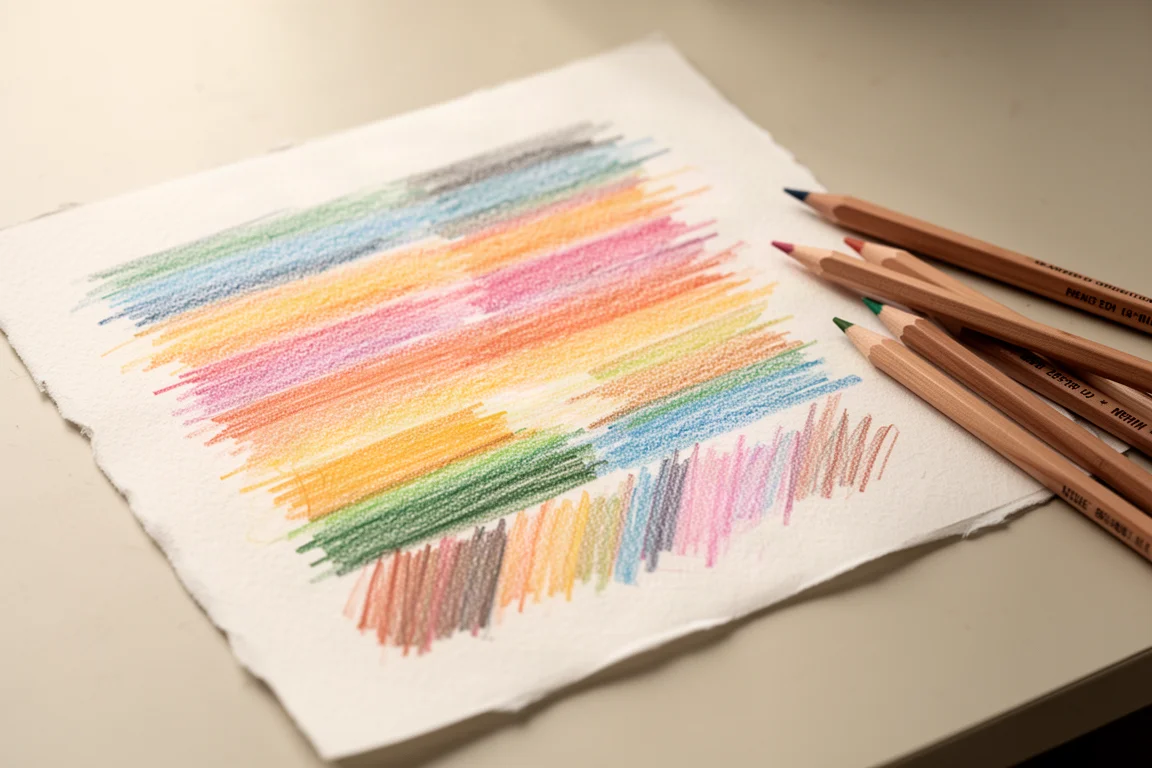
The Crayola pencils have a hard lead, which makes it easy to stay accurate and colour inside borders, but filling in a solid swatch takes a long time. You also need to apply quite a lot of pressure to get a heavy, vibrant application of colour. If you work in lots of light layers, that high-pressure requirement can be a drawback.
The Luminance pencils are a completely different experience. They are much creamier, so it is far quicker to lay down a smooth swatch, and little pressure is needed to get vibrant colour that fills the paper grain completely. The colours are richer, deeper in value, and noticeably more vibrant than the Crayola equivalents.
Continuing through the Crayola set revealed a clear limitation: the set lacks darker colours. Almost every pencil is bright and mid-tone in value, with only the brown and black genuinely dark. There is no dark blue or dark green, so darkening a colour mix means reaching for brown or black every time. One genuine strength, though, is consistency: every Crayola pencil lays down the same way, so you always know what to expect.
The Luminance set is less consistent. Most pencils are smooth and buttery, but others, such as the Manganese Violet, Russet, and Perylene Brown, feel more scratchy and produce slightly bitty, chunky shading. And because the cores are so soft, clean crisp edges are harder to achieve, which can complicate fine detail work.
Payoff on Toned and Black Paper
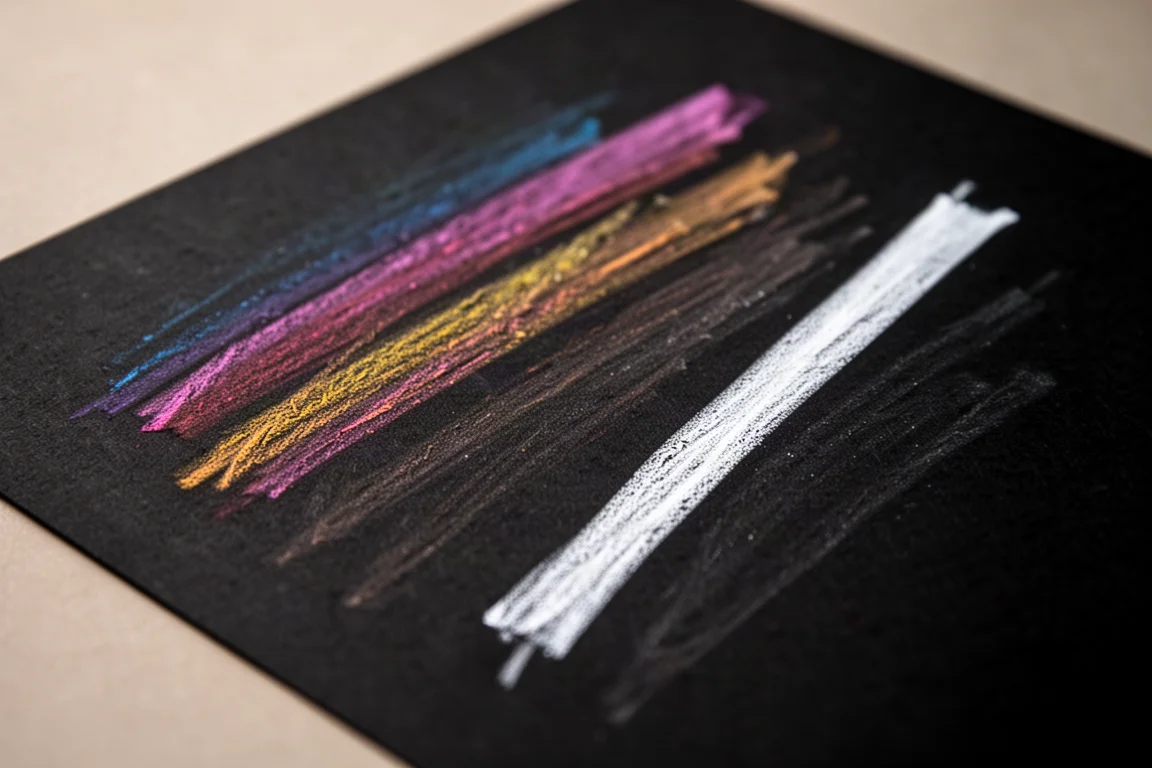
White paper favours neither set unduly, but toned and black paper expose real differences. On black paper, the Crayola colours barely show up and look dull, while the Luminance colours are far more opaque and vibrant. The Luminance white pencil in particular performs beautifully on black, especially compared with the Crayola white, which is barely visible.
On toned tan paper the Crayolas do better than on black, but the colour payoff still falls short of the Luminance, and the white Crayola pencil again struggles to show up at all.
Shading, Layering, and Blending Tests
A quick round of technique tests gave both sets a chance to show their character. When shading a sphere with the Crayolas, it was easy to achieve lighter versions of each colour simply by easing off the pressure, something that is harder with pencils that have such intense colour payoff. The hard lead also produced smooth, non-grainy shading, so you would not always need to burnish to get an even result.
The Luminance sphere came together much faster, blending effortlessly into a smooth finish. Working with them feels a lot like using oil pastels, which is wonderful for smooth, low-detail drawings but less suited to texture-heavy subjects like animal studies.
Layering was a strength for both sets. Layering yellow, red, brown, and pink produced a realistic skin tone with each, and both sets accepted the white pencil on top to blend things together. Gradients from green to blue to purple also came out beautifully with both sets, with no visible issues blocking smooth colour transitions.
Burnishing told a different story. The Crayolas burnished to a smooth final result with the paper grain eliminated, but the white pencil was ineffective as a blender, and dark areas burned out patchy. The Luminance pencils burnished easily and beautifully, exactly what their soft cores are designed for. Their white pencil is effective too, but so opaque that it washes out darker colours.
Solvent blending, another popular technique, worked well with both sets. Solvent easily blended the Crayola shading into a smooth, vibrant result, and re-layering after drying was easy. The solvent also blended the Luminance colours beautifully, giving them an almost painted look, with further layering possible once dry.
White Pencils and Fine Details
The white pencils exposed the sharpest gap between the two sets. The Crayola white was genuinely disappointing, barely showing up in any test. The Luminance white is so impressive, so opaque and effective in every blending method, that even if you skip the full Luminance set, that single white pencil could be worth buying on its own.
Fine details favoured the Crayolas. Their hard leads hold a sharp point, drawing crisp lines without going blunt or needing constant sharpening. The Luminance lead is so soft that it wears down fast during detail work, meaning very frequent sharpening.
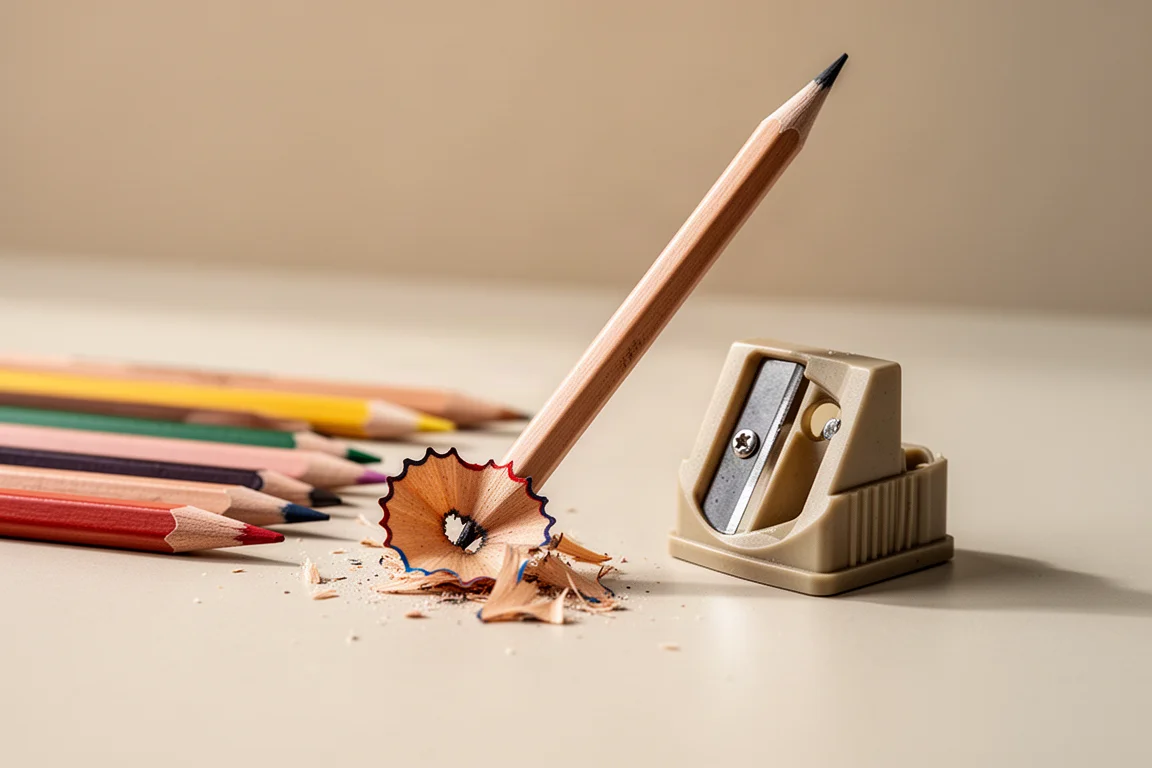
Sharpening flipped the scorecard. The Crayola wood casing cracks and splits easily, and sharpening felt rough; getting a good point really requires a higher-quality sharpener rather than a cheap handheld one. The Luminance pencils, by contrast, sharpened easily even in a cheap sharpener, with smooth wood, no breakage, and a very sharp point.
The Full Drawing Test
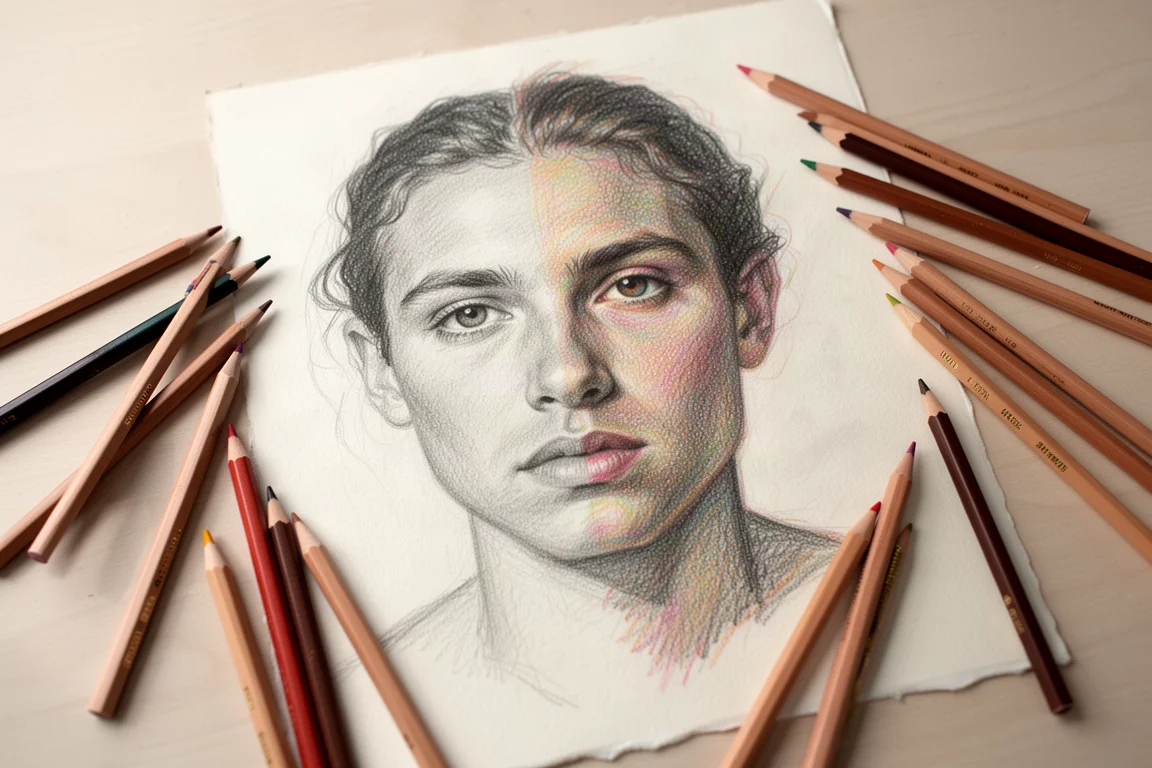
For the final test, both sets were used in a single portrait drawing, with a line drawn down the middle of the face: the left side coloured with Crayola, the right with Caran d’Ache, to see whether the finished artwork could look consistent.
The Crayola side started with the skin tone, built up in overlapping light layers of yellow, red, and brown. Working with the Crayolas felt relaxing and controllable, and the brown shading reached the darkness needed even on the more shadowed left side. The hard lead made the eyebrow hairs and lip details crisp and sharp with almost no sharpening. When deeper shadows were needed, heavier pressure and burnishing smoothed things out, and the set accepted layer after layer of colour surprisingly well.
The Crayola white pencil had to be pressed hard to work at all, but because it is barely opaque, it behaved almost like a colourless blender, which suited the darker skin area nicely, though it would be far less helpful for adding highlights. The black pencil achieved a genuinely dark value for the eyelashes and hair, and the flower crown came together using brown and black to darken every colour, since the set simply lacks darker tone pencils.
The Luminance side behaved very differently. The soft leads could not reach into the tiny nooks and crannies of the vellum paper the way the Crayolas did, so the first layers of skin shading looked grainy and required full-area burnishing for a smooth finish. Smoother paper would have helped. But the Luminance white was excellent for lightening shading and adding highlights, and the flexibility of these pencils became obvious: more layers could be added even after burnishing, then burnished again. It genuinely felt like there was more room for mistakes.
Facial details took more care on the Luminance side, but were achievable, and the white pencil added lovely lip texture and shine. The Luminance black looked darker and more solid than the Crayola black, and the flower crown turned out noticeably better, with colours that blended more naturally and an opaque white that gave the flowers an almost airbrushed look after blending.
A subtle detail confirmed the difference in finish: viewed at an angle, the Crayola side of the drawing is noticeably shiny while the Luminance side has almost no shine, which counts as another point for the premium set. Yet in the finished portrait, you genuinely cannot tell it was drawn with two different pencil sets.
Buying Advice
The results suggest a clear split by artist type. If you are a beginner or practising on a budget, the Crayola 24 set is a perfectly capable tool. It layers well, holds fine points, sharpens poorly but survives, and can produce realistic, finished artwork, as the portrait demonstrated. Skill matters more than materials, and confidence with technique will take you further than an upgrade alone.
If you are an advanced artist, especially one selling work, the Luminance set justifies its price through richer colour payoff, superb blending and burnishing, outstanding lightfastness, an exceptional white pencil, and easy sharpening. Just be aware of the soft cores, the inconsistency in a few pencils, and the need for smoother paper to get the best finish. And whichever route you choose, the Luminance white pencil alone is a small upgrade worth considering for any colored pencil kit.
Conclusion
This comparison shows both ends of the colored pencil market performing surprisingly well in their own contexts. The Crayola set proves that cheap supplies can produce genuinely realistic drawings, while the Caran d’Ache Luminance set shows what the premium price buys: intensity, flexibility, and archival quality. Matching the set to your skill level and goals is the real key to a satisfying purchase.
Product link
View more details for Crayola 24 Colored Pencil Set
This product is mentioned in the review. Check the specifications, options, and compatibility before buying.
View more details for Crayola 24 Colored Pencil SetFurther reading
Related Reviews
Art Supplies
Art Pop Watercolor Pencils 48-Color Set: A Thoughtfully Designed Student-Grade Option
The Art Pop 48-color watercolor pencil set blends well, dissolves smoothly, and includes artist-friendly details like barrel-printed color names, all at an affordable price.
Art Supplies
Artics Acrylic Markers 3mm Review: Versatile Paint Markers With a Few Caveats
A 48-color set of water-based acrylic paint markers that blend while wet, dry permanent, and keep the price low, though safety transparency remains a question.
Art Supplies
Best Art Supplies Worth Your Money: Pencils, Pens, Paints, and Paper That Earned Their Spot
After years of daily use and testing, these are the pencils, pens, watercolors, gouache, brushes, sketchbooks, and erasers that stand above the rest.