Camping Gear
Cheap vs Lightweight vs Expensive Camping Gear: Three Kit Setups Compared
A practical comparison of three camping setups, from a budget shelter and pack to ultralight sleep systems and a four-season tent, with notes on where the money actually matters.
Introduction
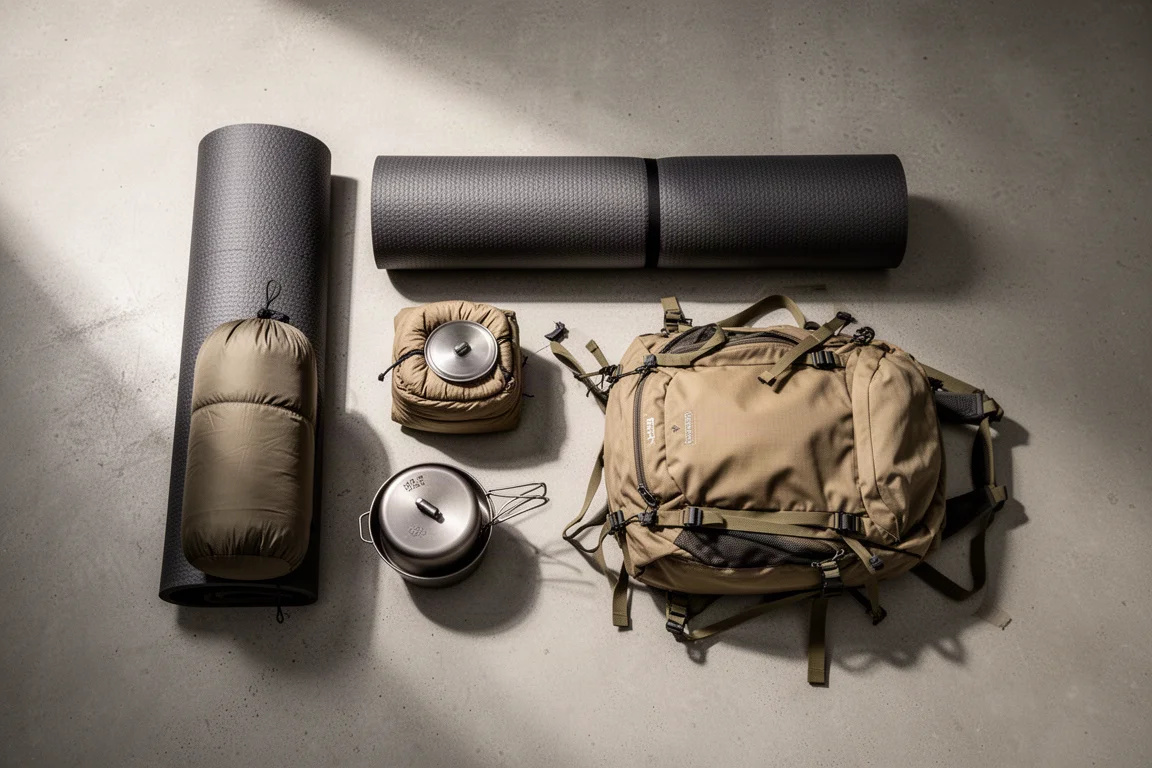
Camping gear advice usually splits into two camps: buy cheap and get outside, or spend more and carry less. The three setups compared here sit at the extremes. One is a budget kit, one is an ultralight kit, and one is an expensive kit built around a four-season shelter.
The comparison focuses on the four items that change most between setups: shelter, rucksack, sleeping system, and cook kit. Things like first aid supplies, navigation, and spare clothing stay the same whichever kit is packed. Across the three shelters alone, prices run from around £140 to just under £900.
Cheapest, Lightest, Most Expensive: How These Three Setups Differ
The budget setup is not a compromise on function. It is built around a tent that costs roughly £140 to £145, a pack that sells for around £60 new, and a down sleeping bag at £50. Every item in it has been used on real trips, and the whole kit costs a fraction of a single premium shelter.
The ultralight setup trades space and convenience for weight. A bivy at 550 g, a 33 litre pack, a 400 g sleeping bag, and a 330 g pad add up to a load that is far easier on the body over long days.
The expensive setup concentrates money in the shelter and the sleeping pad. A four-season tent now costs around £895, and a large insulated pad around £220. Those two items do jobs that cheaper gear cannot do in severe conditions, but the gap in real-world performance is much smaller than the gap in price.
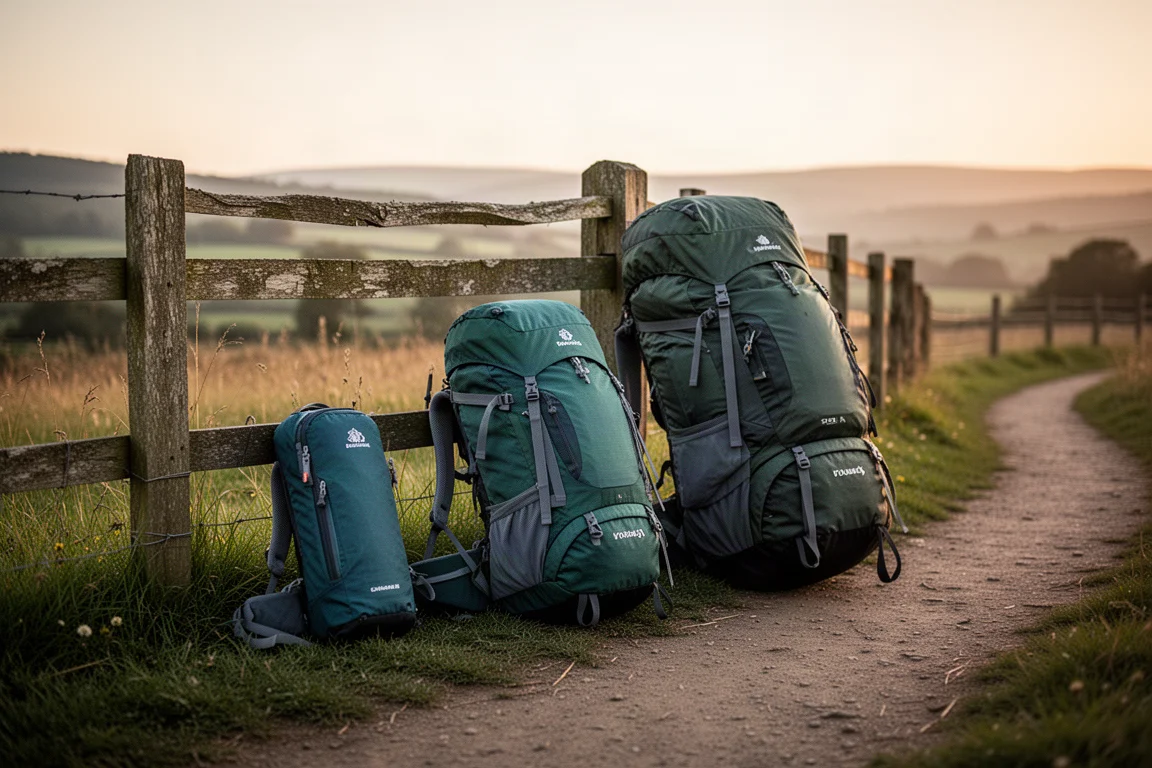
The useful question for each item is not which tier it belongs to, but what it is for, how often it will be used, and what it weighs on the hill.
Shelters
Shelter is where the three setups diverge most. The lightest option weighs less than a quarter of the most expensive one, and the cheapest one sits somewhere in between.
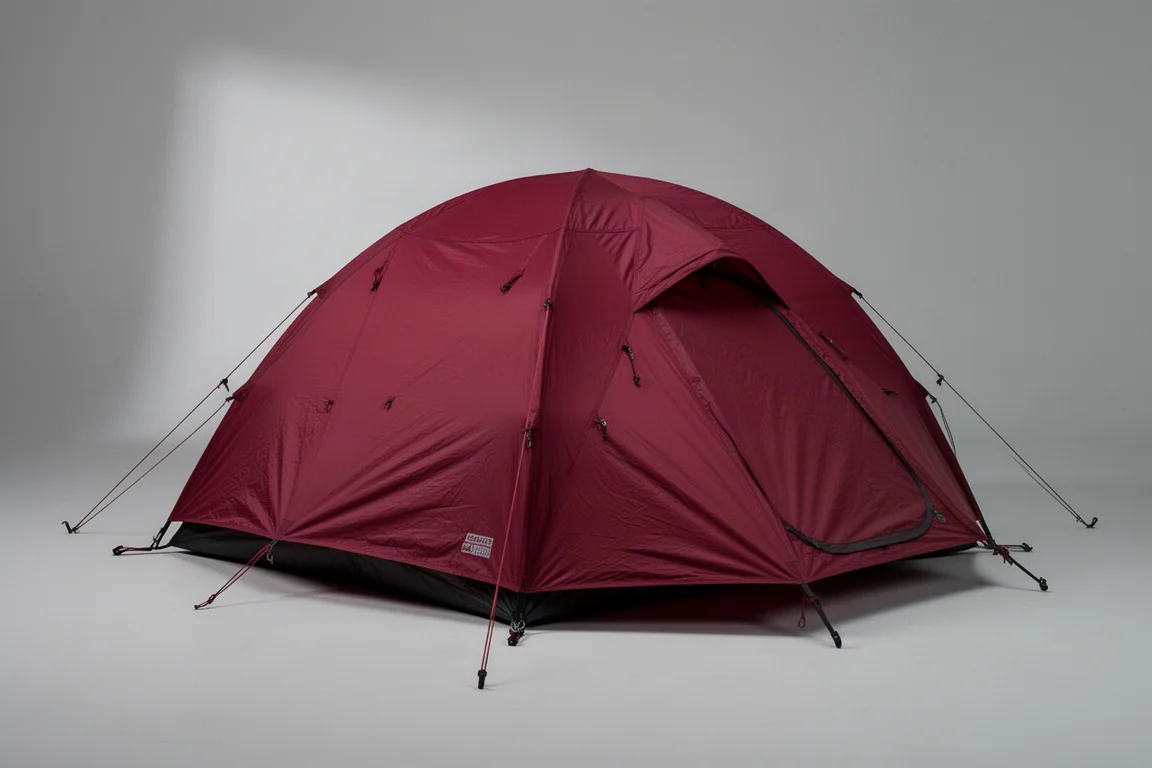
Vango Zephyros Compact 1
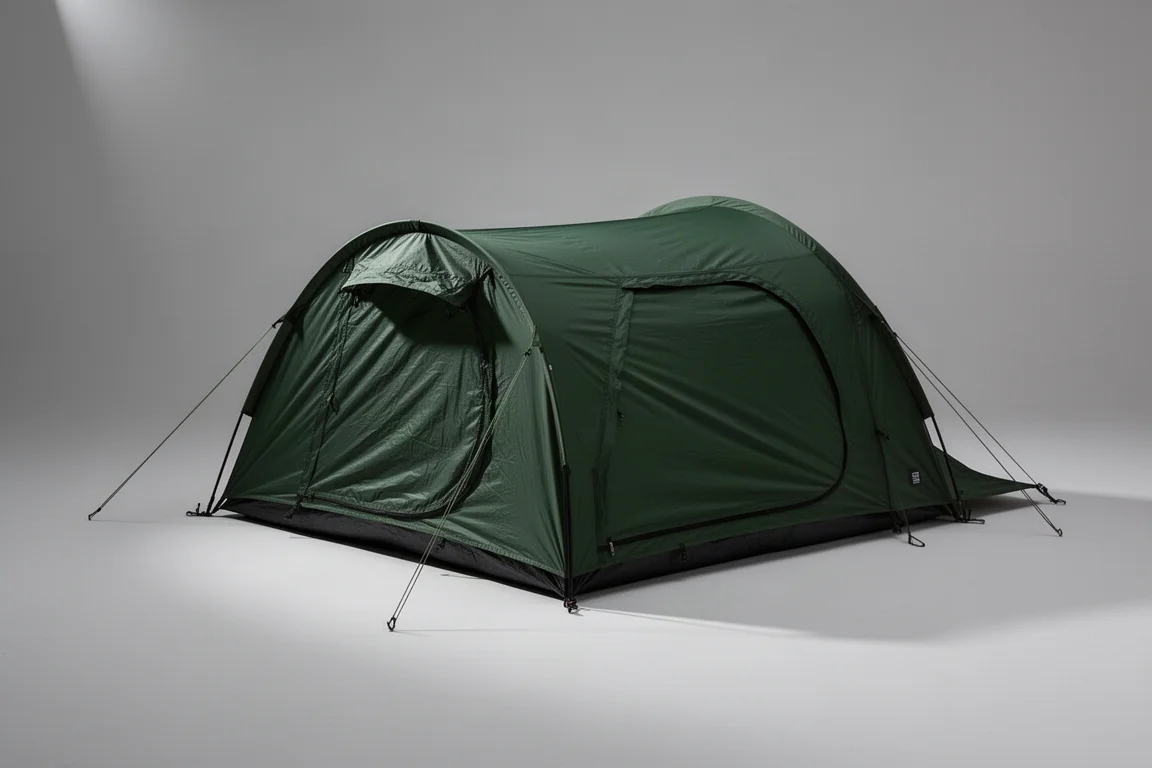
The Zephyros Compact 1 is the cheapest tent in this lineup at around £140 to £145, and there is a lot of tent there for the money. It weighs 1.65 kg, which is considerably more than the bivy below, but it makes up for that with interior space: there are acres of room inside and the vestibule is large enough to cook in.
It is not as strong as the four-season tent and the materials are not as good, but for the vast majority of camps it will do everything that is asked of it.
Outdoor Research Alpine Bivy
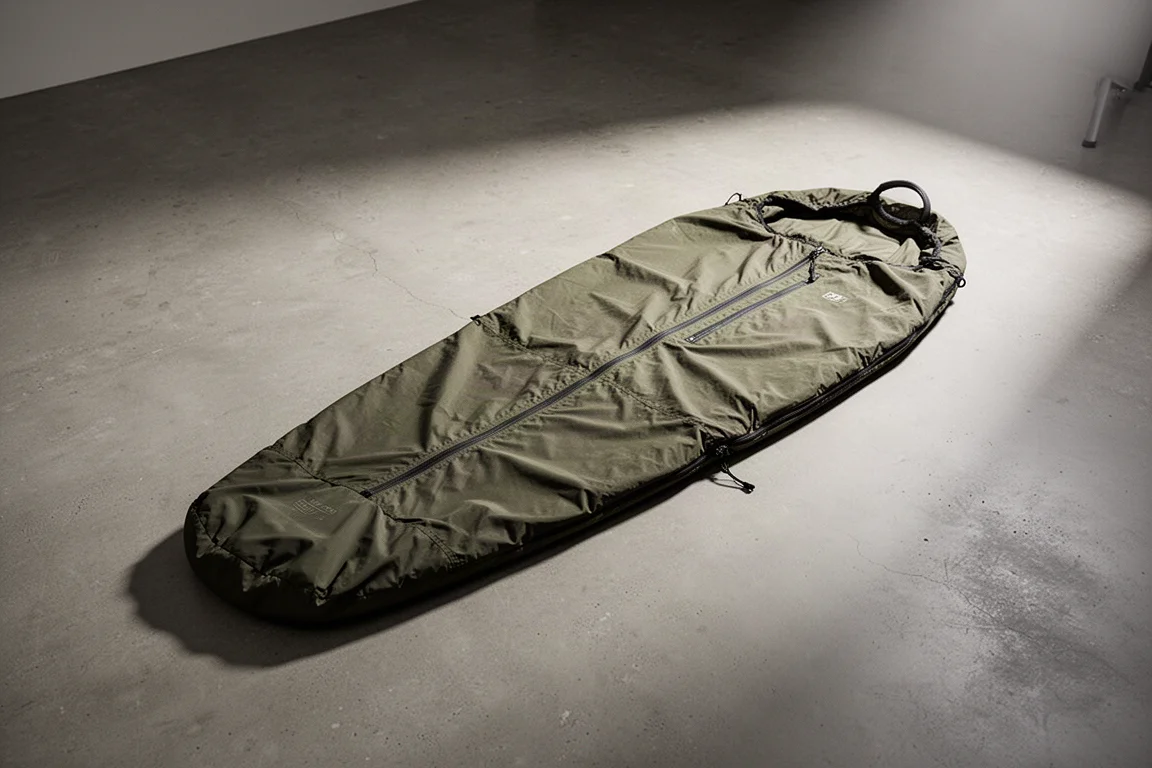
The Alpine Bivy is the lightest shelter here at 550 g including its pole, and it is the closest thing to simply sleeping out in the open. There is no room to get changed inside, so it relies on reasonable weather, but it offers bug protection and space for a few essential items.
In rain, a tent or a tarp is the better choice. Even among hoop bivies, this one stands out for how little it weighs.
Hilleberg Soulo Red Label
The Soulo Red Label is the most expensive shelter in the group and now costs around £895, a steep climb from the roughly £570 it once sold for. The extra poles and guy lines mean it stands up to most of what the weather can produce, and it is built to last years in harsh conditions.
The trade-offs are weight, at roughly 2.6 kg to carry, and the fact that it only earns its price when it is used regularly in serious conditions. Only the harshest winds and heavy snow loading really call for this level of shelter.
Rucksacks
Price matters far less on a rucksack than fit and comfort. Packs come in different torso lengths, so trying one on is the only reliable way to know it suits you. Trip length matters too: big, bulky loads start to hurt over many miles, while lighter loads take far less out of the body.
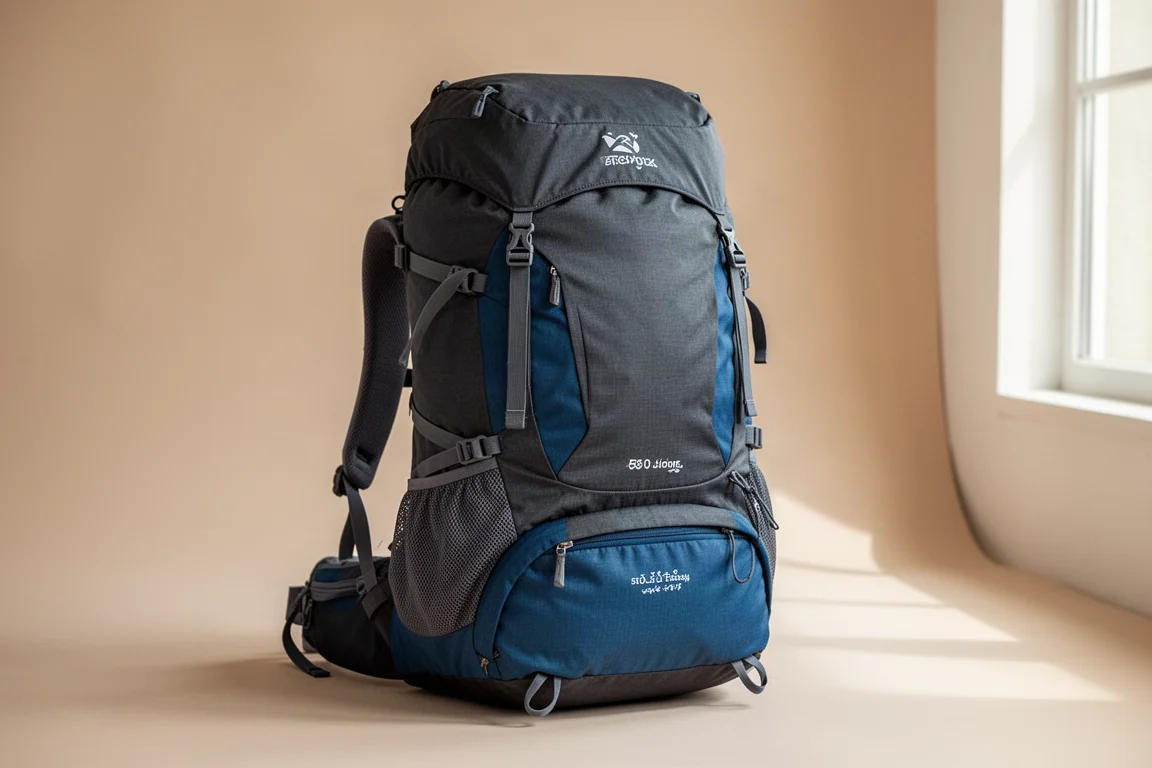
Vango Contour 50+10
The Contour 50+10 is the cheapest pack here and was picked up second hand for around £25. The current version sells for £60 new. It is reasonably comfortable, has useful adjustment, extra pockets, and a sleeping bag compartment, and it has been used many times over the years.
It is bulkier and heavier than the lightweight options and it has needed a small repair, but it still does exactly what it is supposed to do.
Osprey Talon 33
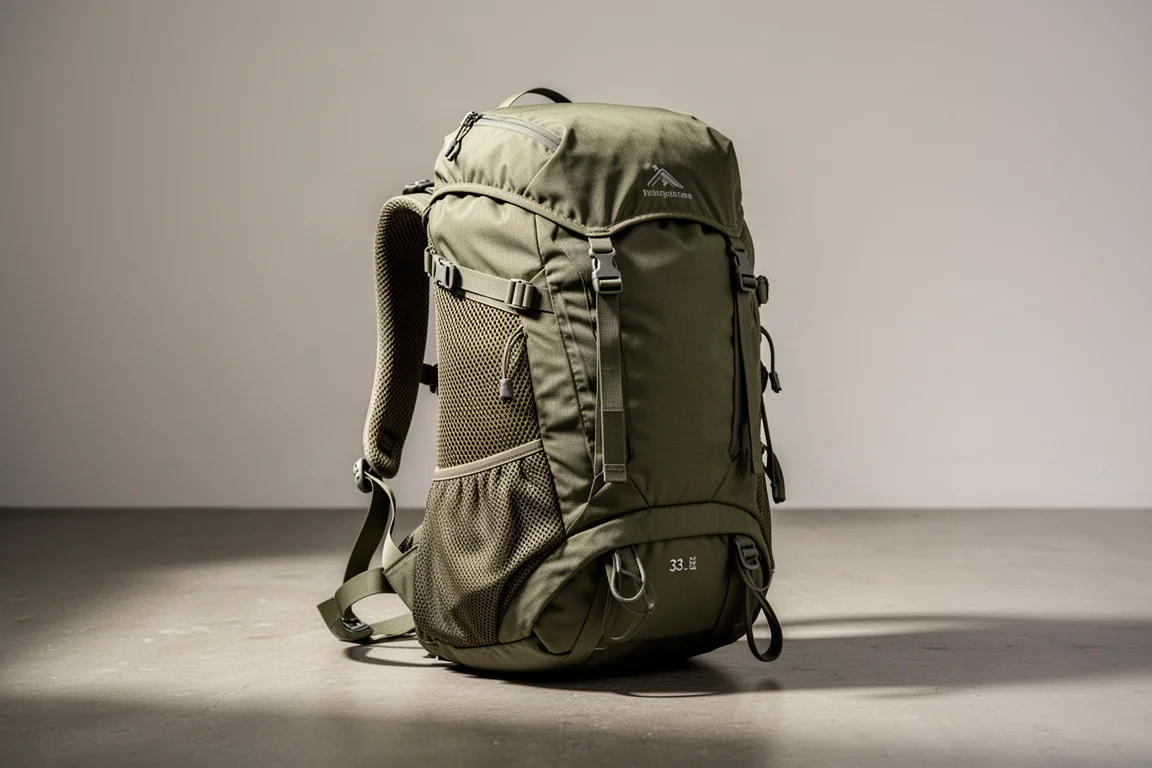
The Talon 33 is the lightest pack in the group and carries a fraction of the weight of the larger options. Its 33 litre capacity is modest, but lighter and smaller kit means a smaller pack can work perfectly well. It has the features that matter on the move, including a trekking pole quick release and stretchy pockets.
One detail worth knowing is that most Osprey packs do not include a waterproof cover as standard, while even the cheapest pack here came with a rain cover.
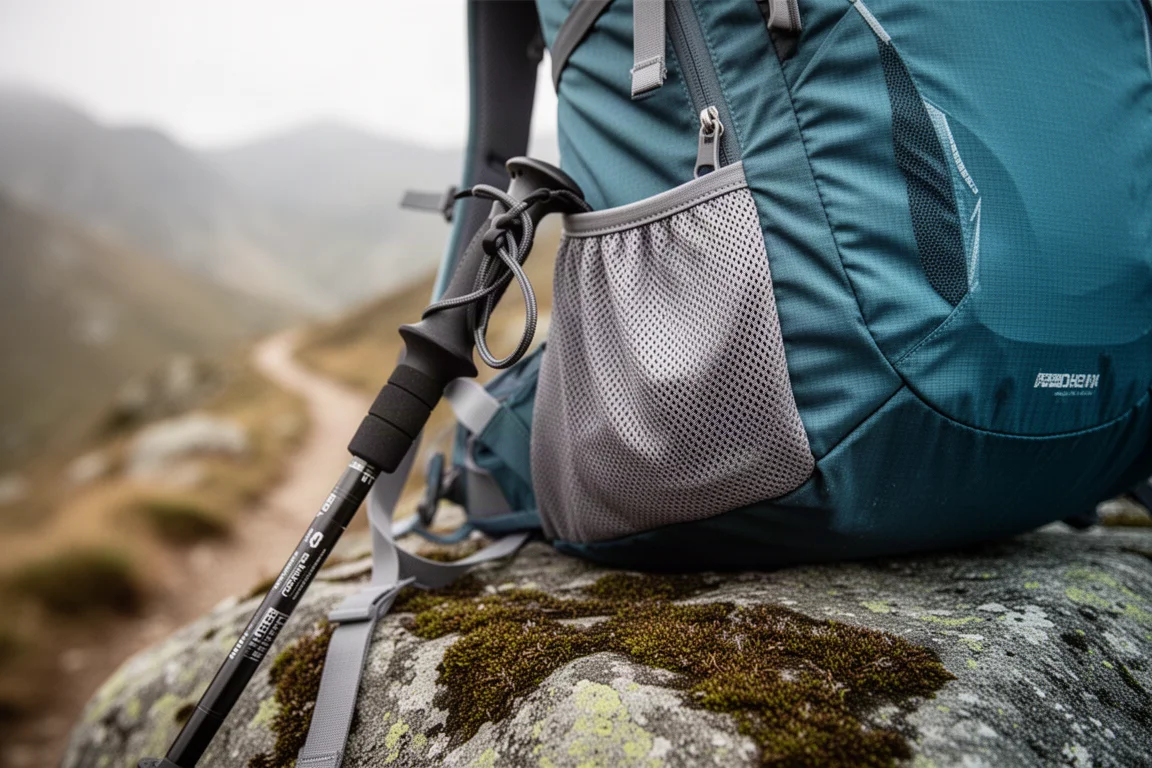
Whatever you spend, comfort comes first. A pack that fits properly and suits the length of your trips will serve you better than a lighter one that does not.
Sleeping Bags and Quilts
Warmth for the weight is what drives price in sleeping bags, and pack size follows closely behind it.
Eurohike Down 500
The Down 500 costs £50 and uses duck down, with a comfort rating down to around -5. It compresses far smaller than a synthetic bag at a similar price, and it is genuinely warm for what it is. A cheap synthetic alternative is bulky, takes up far too much room in a pack, and lists only a vague comfort range.
The materials are nowhere near as good as those on the more expensive bags here, but as a first down bag it is hard to argue with.
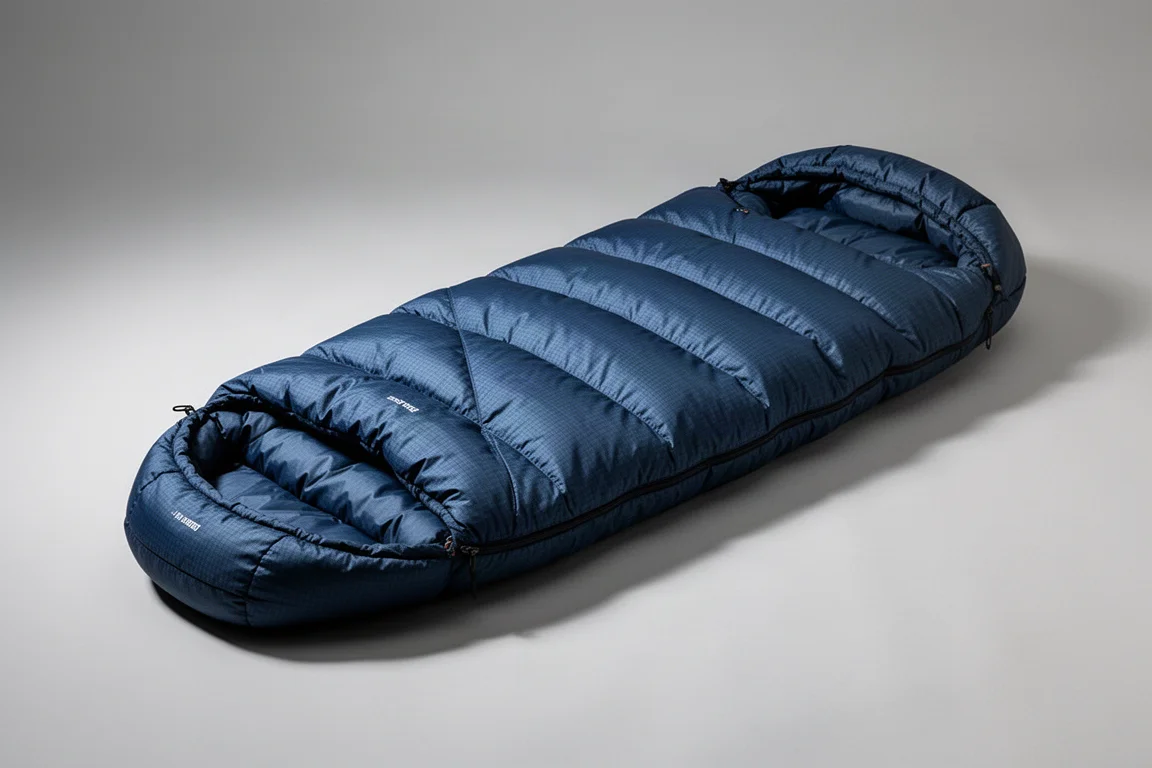
Rab Mythic Ultra
The Mythic Ultra weighs just 400 g and uses a lining technology with titanium infused into the fabric, which makes it more thermally efficient and reflects some of your heat back to you. It retails at £550, the highest price in the sleep system group, and it packs down to roughly the size of a grapefruit.
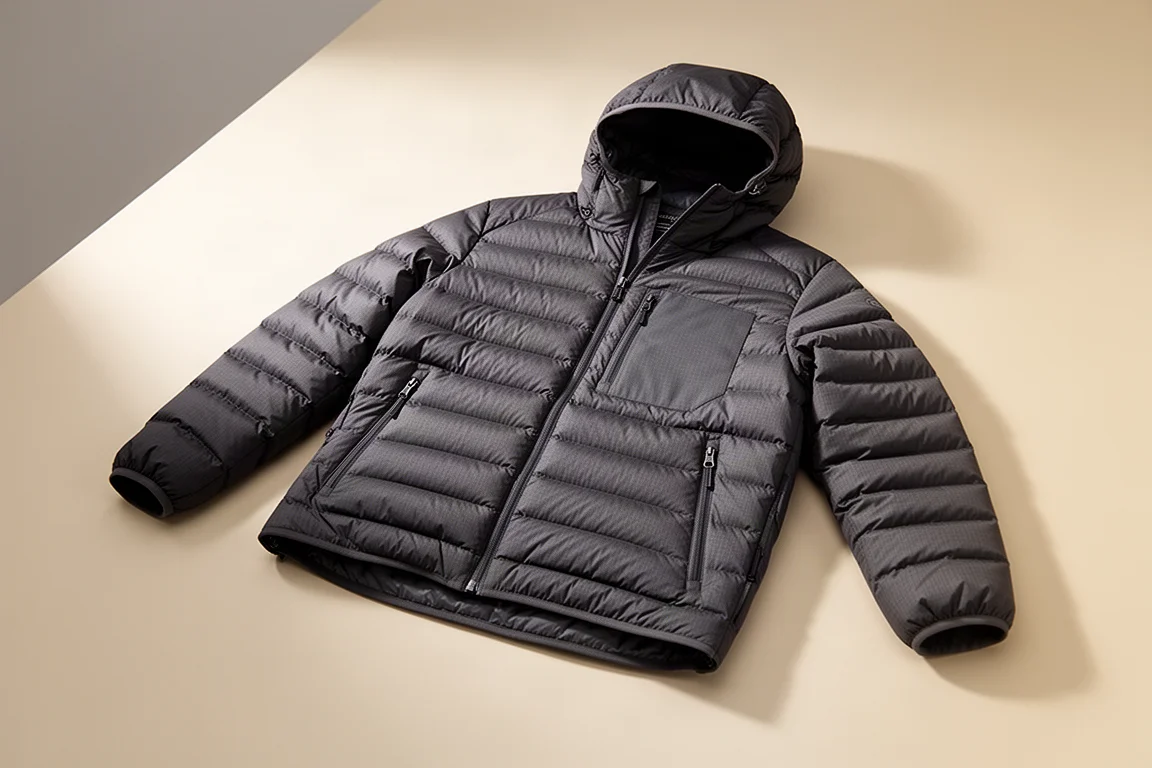
UGQ Bandit Quilt
The Bandit is a 12-degree quilt and the warmest sleeping option in this comparison. It packs down very small for the warmth it delivers, and with import fees it came in close to £400. Quilts are not for everyone, but this one is a favourite piece of sleeping kit.
Sleeping Pads
A sleeping bag is only half of a sleep system. Insulation from below matters just as much, and this is where the cheapest and the most expensive setups differ most sharply.
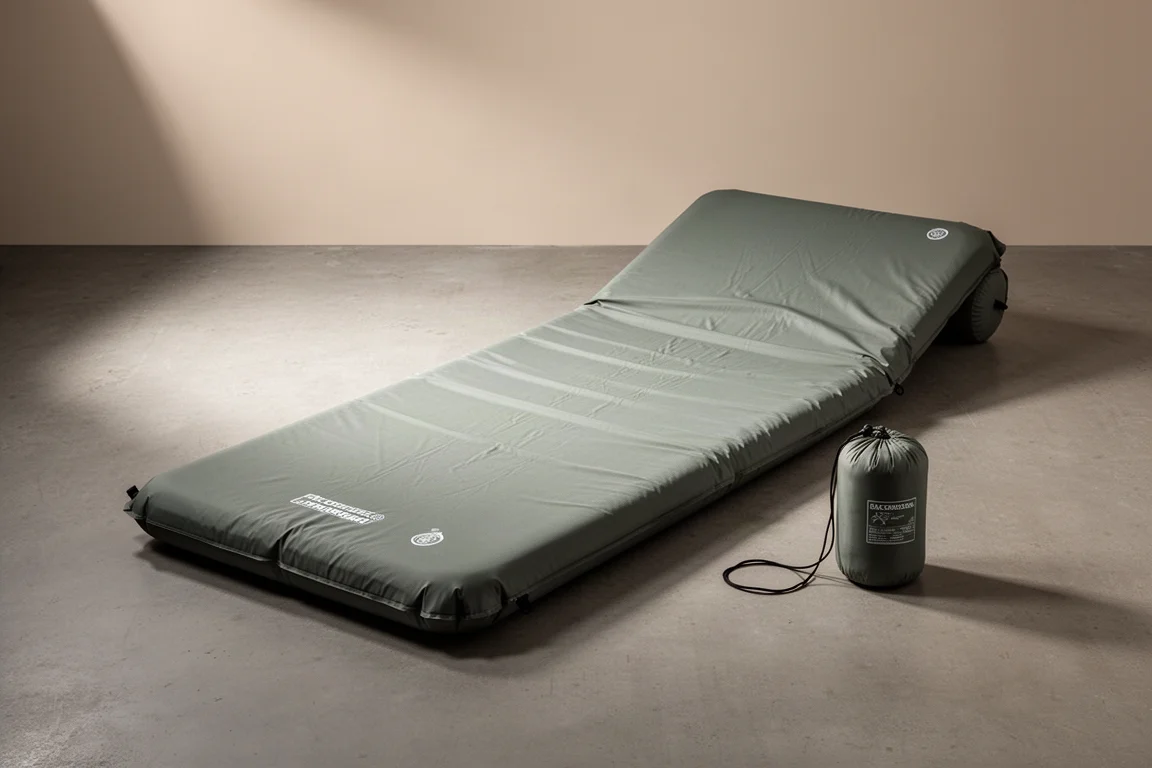
Trekology UL80
The UL80 is the cheapest pad here and one of the most comfortable to lie on, but it offers zero insulation of its own. A thin reflective mat underneath adds a little warmth and squashes down to almost nothing in a pack.
It is also worth knowing that plenty of these pads have failed in the field. This one has held up, but reliability is a real consideration at this price.
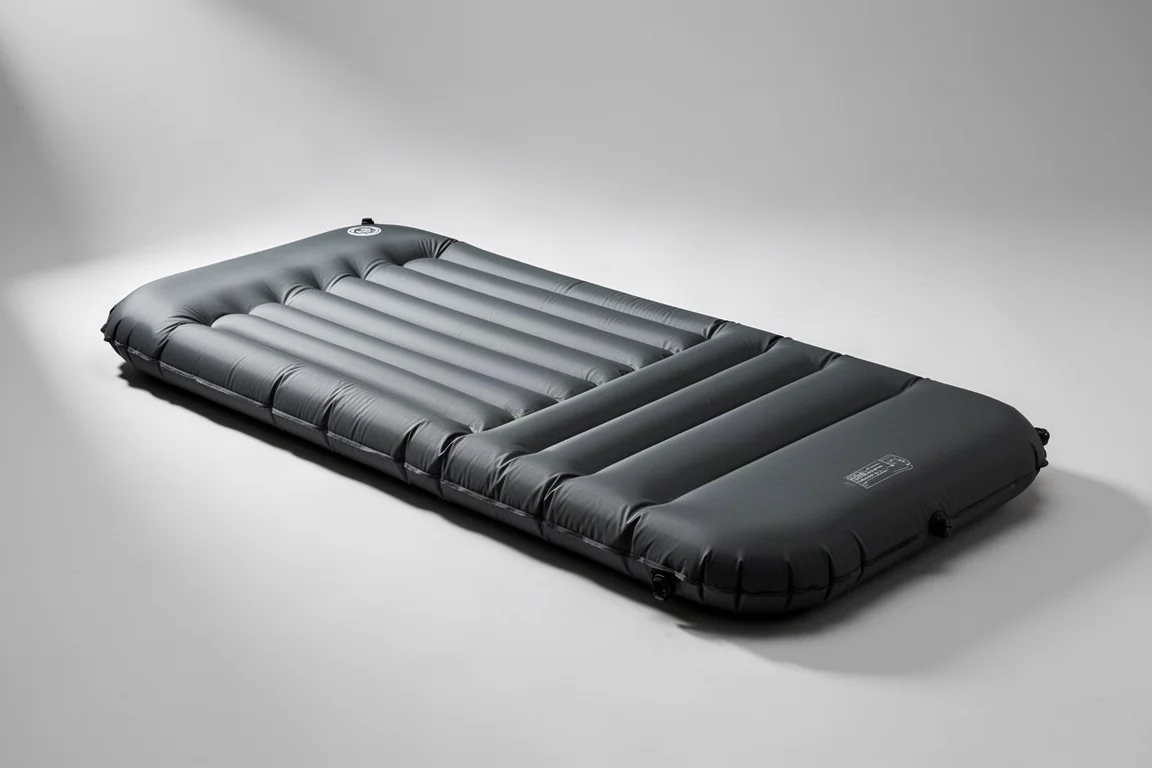
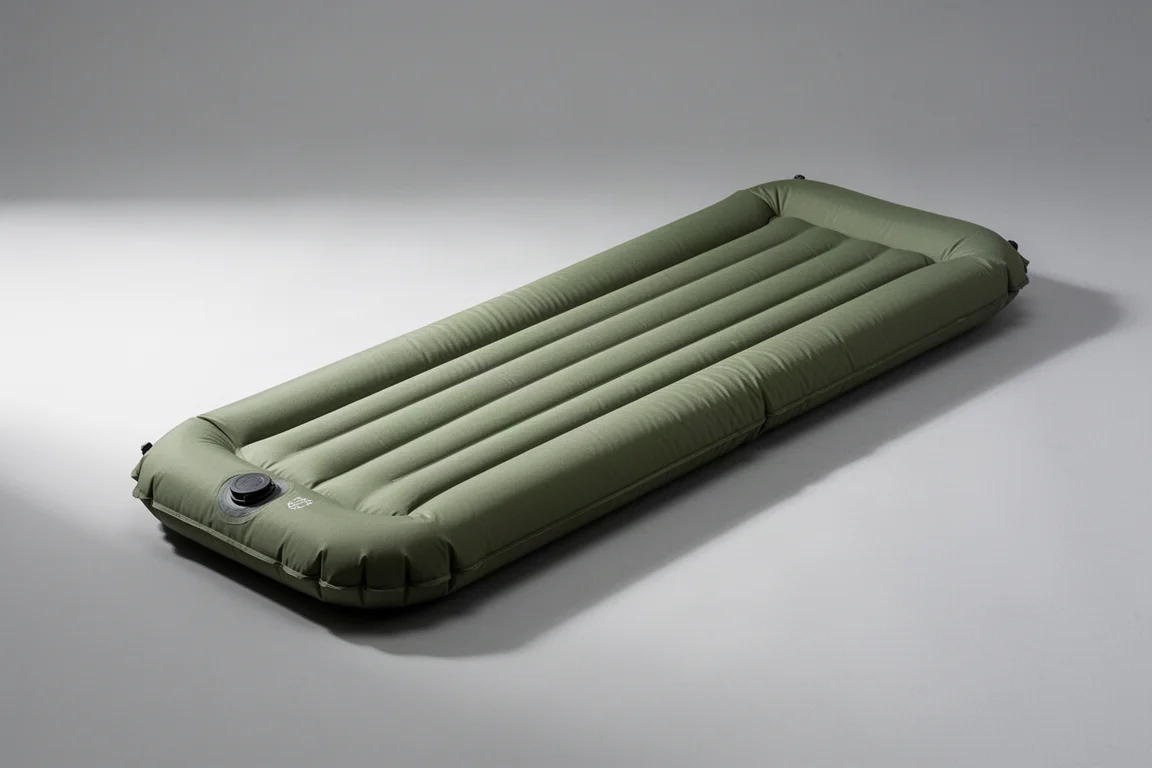
Exped SynMat Hyperlite
The SynMat Hyperlite is the lightest pad at 330 g in the medium size, and it is insulated enough to have been used around the freezing mark. It is quite thin, so your arms can fall off the sides when you lie on your back, but it remains a very good pad for the weight.
Therm-a-Rest NeoAir XTherm
The NeoAir XTherm is the most expensive pad at around £220, and in the large size it is wide enough that your arms stay on it. Its R-value of 6.2 makes it the warmest pad here, and it is also very comfortable.
If you are going to spend serious money on one item, this is the one that earns it.
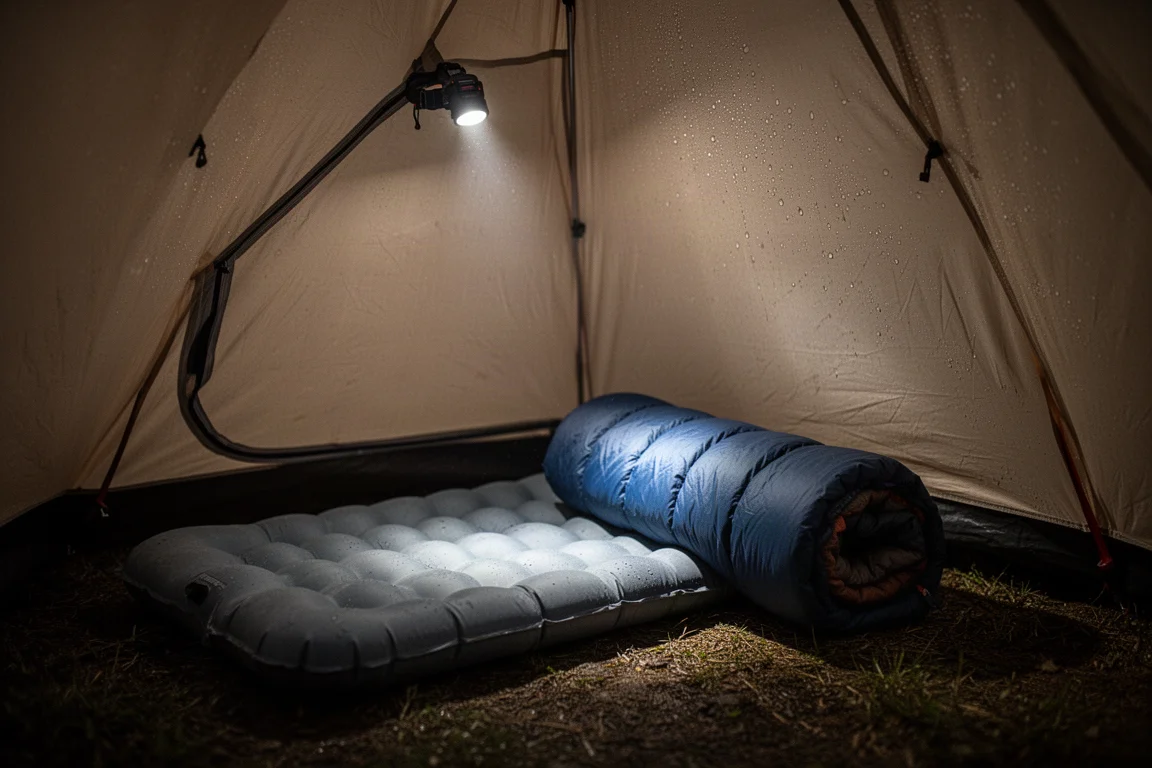
A warm pad works across more conditions than almost anything else in the kit, and it can rescue a trip when the temperature drops below what the rest of the gear was chosen for.
Cook Kits
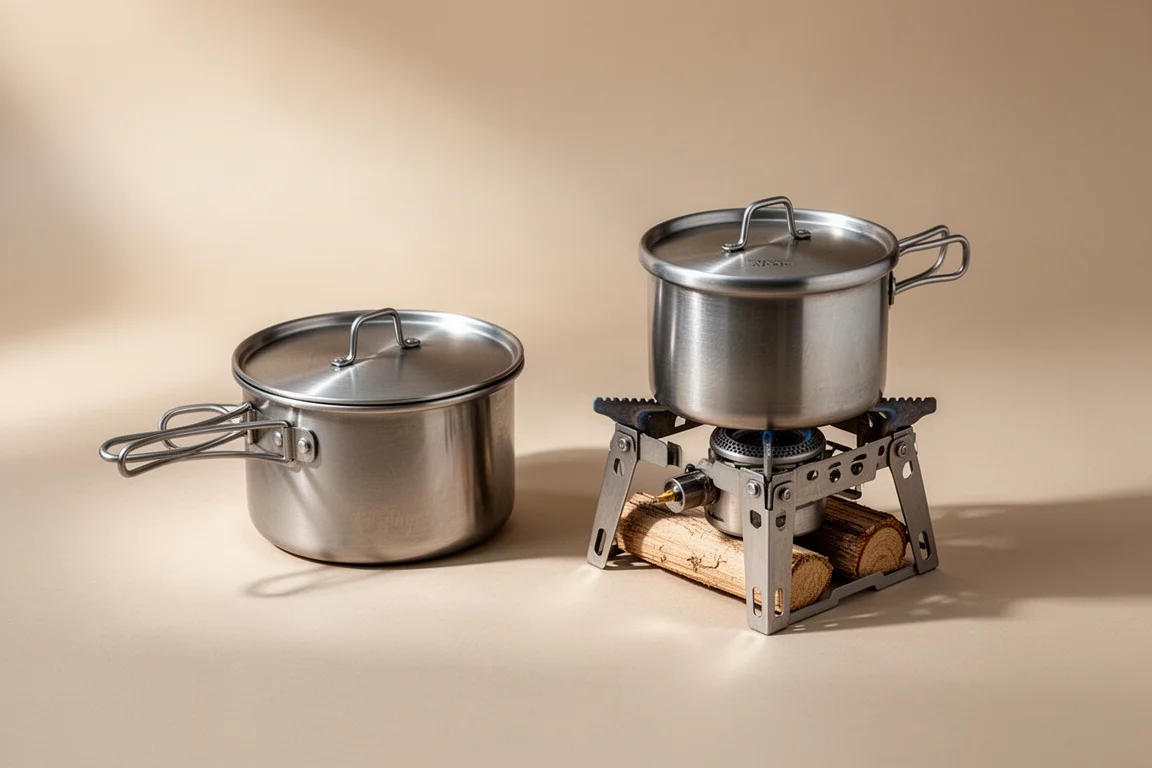
Cooking is the easiest place to save money. A basic pot and a cheap gas stove come in under £20 together, and the pot swallows the stove for packing. Stoves can even be made from old drinks cans. Beyond that, you are paying for efficiency and features rather than the ability to boil water.
Jetboil MiniMo
The MiniMo costs around £40 and has been seen recently for about £115. It is efficient, reliable, and quick, and it gets used constantly across different setups. On a calm day it boils water just like a cheap pot and burner, but it does so with less fuel and more convenience.
Evernew Appalachian System
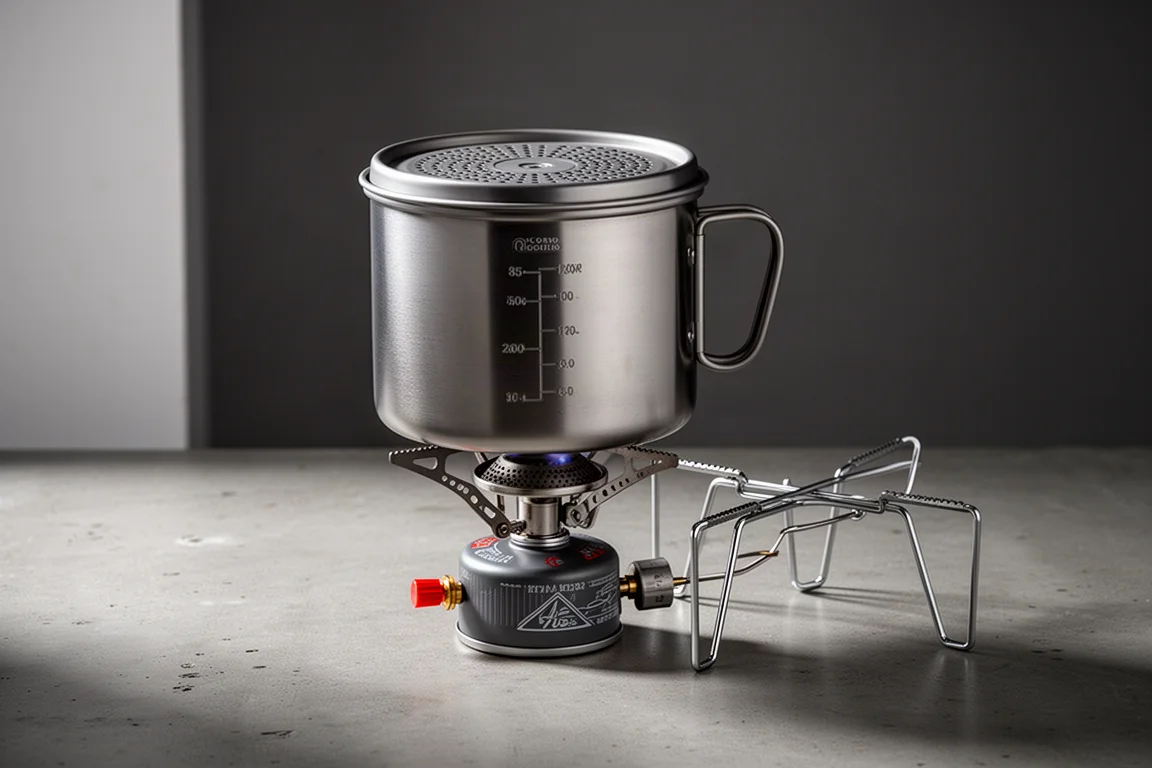
The Appalachian System is the lightest and the most expensive cook kit here at 75 g in total. It includes a titanium burner and a wood stove that takes twigs, with the pot sitting on top. Prices have been seen up to around £200, with listings at about £168, which is a great deal of money for the grams it saves. It is arguably the biggest waste of money in the whole collection.
Overall Buying Advice
The price spread across these setups runs from around £140 to just under £900 for a shelter alone, and the most expensive tent is not six times better than the cheapest one. It is better in a specific set of conditions that most campers rarely meet.
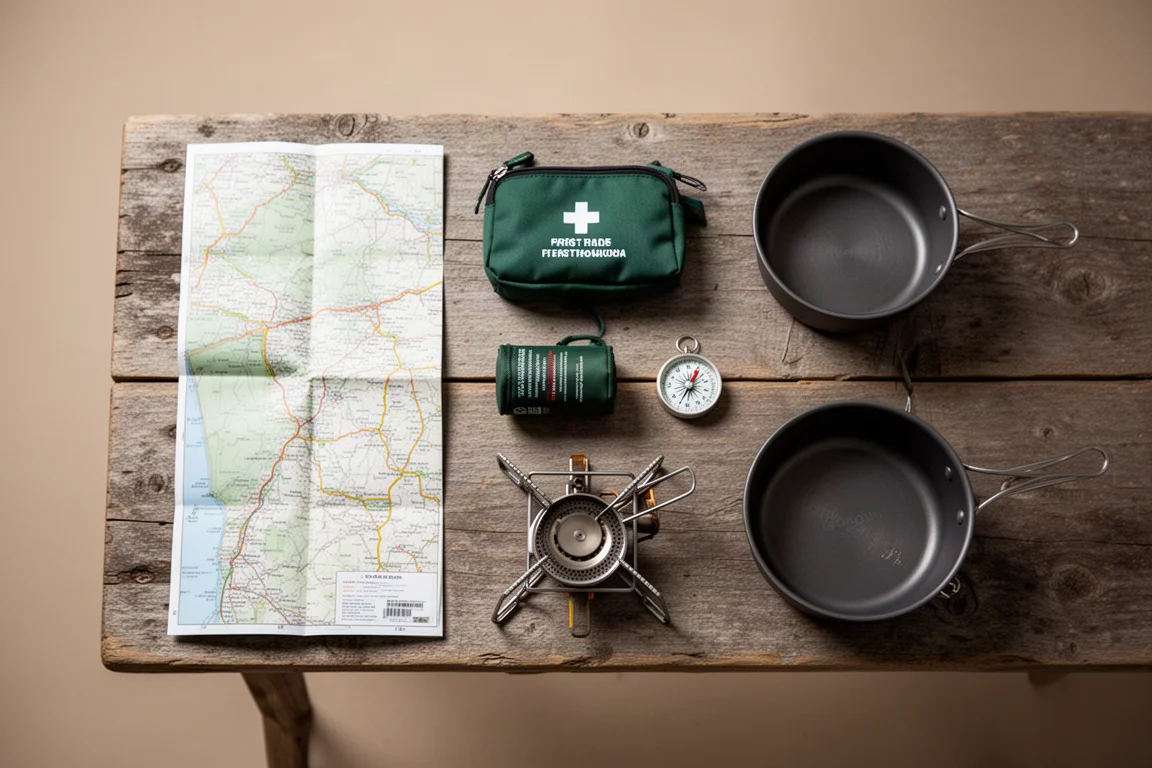
A sensible order of spending looks like this: get a pack that fits and is comfortable, buy a sleeping pad that is warm enough for the conditions you actually camp in, and then choose a shelter that matches the weather you genuinely expect. Buying second hand where you can makes a lot of sense, since well-kept gear lasts, and ultralight prices are only worth paying when the weight saving matters to you.
Conclusion
The cheapest setup here gets you out camping for very little money and covers the vast majority of trips. The lightest setup costs more and asks for compromises in space and weather protection. The most expensive setup is specialist gear for serious conditions, and it only makes sense if you will use it that way.
If there is one place to spend up, it is the sleeping pad. It works across more conditions than any other single item, and it is the piece of kit most likely to keep a trip comfortable when the temperature drops.
Further reading
Related Reviews
Camping Gear
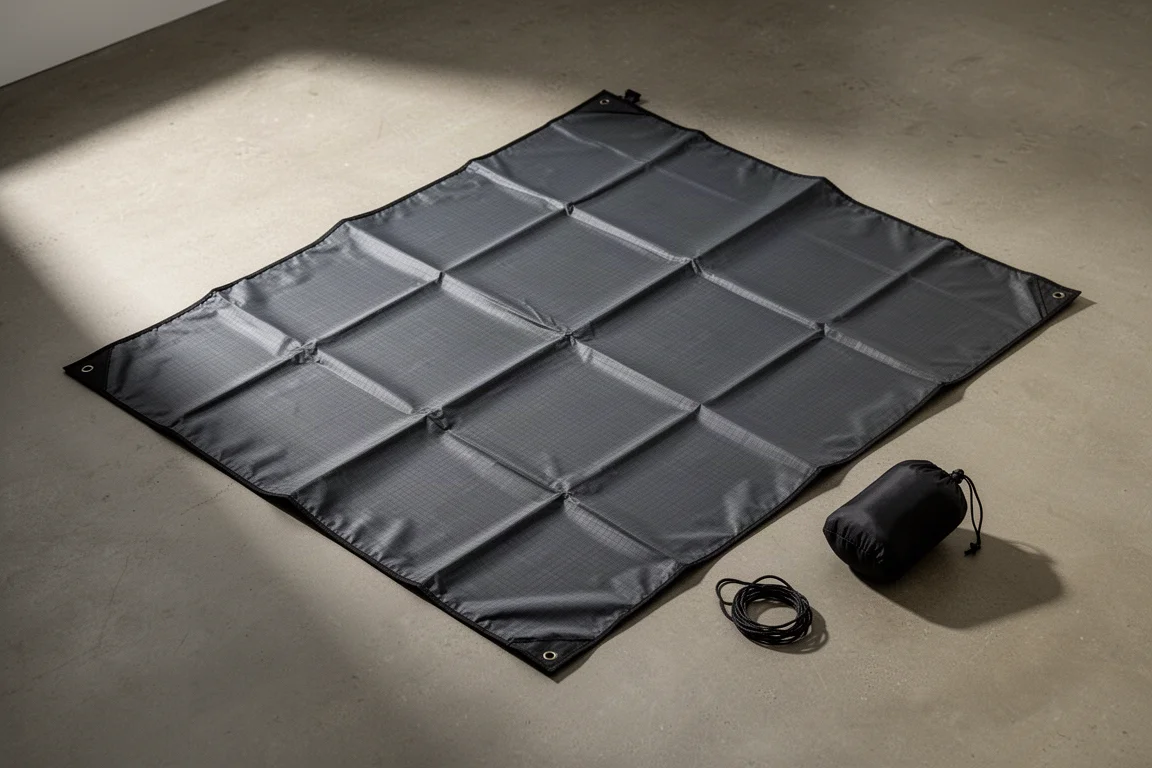
3FUL Ultralight Ground Sheet Review: A Two-Person Footprint Worth Packing
A 6.7 oz two-person ground sheet in ripstop silnylon, priced around $30. Here is what it protects, what it does not do, and who should pack it.
Camping Gear
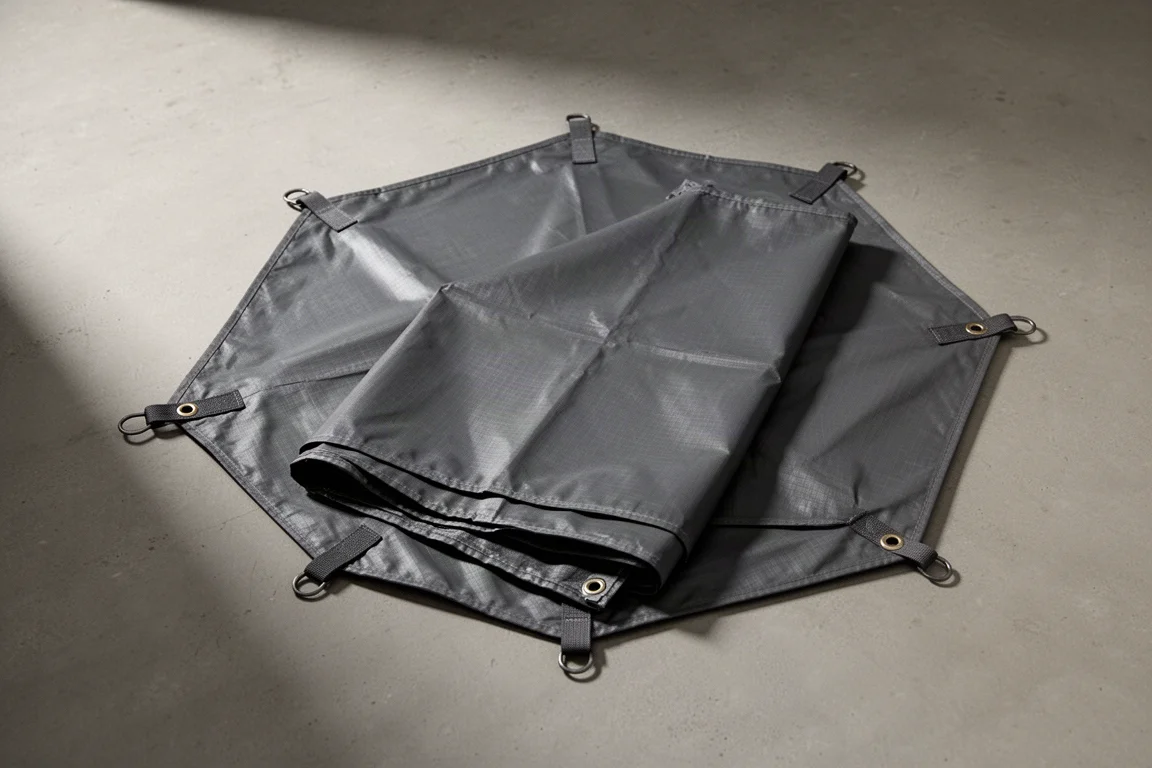
Backcountry Light Dual-Function Tarp and Floor Review: A Footprint First
A dual-purpose tent floor and tarp that keeps falling rain off you, but cannot block wind. Here is where it works and where it does not.
Camping Gear
Best 2-Person Camping Mattresses for Couples: 10 Options Compared
A practical comparison of ten two-person camping mattresses, covering self-inflating pads, air pads and air mattresses for couples.