Camping Gear
Cheap vs Expensive Camping Gear: What Extra Money Actually Buys
A practical look at where camping gear budgets go, using an insulated sleeping pad and a one-man tent built for hard weather as examples.
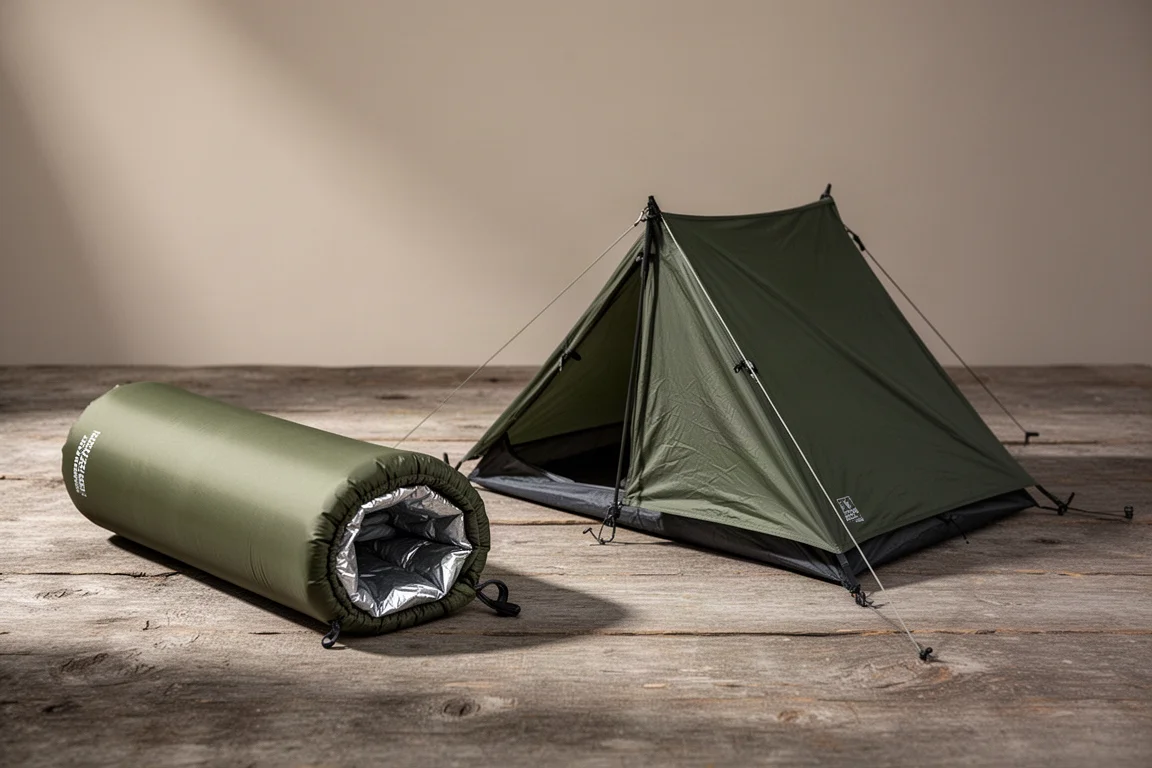
Introduction
Camping gear spans an enormous price range, and the gap is not always easy to justify. A plain foam sit pad and a branded version of the same thing can do almost the same job, while a sleeping pad or a tent can differ by hundreds of pounds for reasons that only become obvious once you are using them in bad weather.
The useful question is not whether expensive gear is better, but which specific problems the extra money solves. Two products make that clear: an insulated sleeping pad and a one-man tent built for harsh conditions.
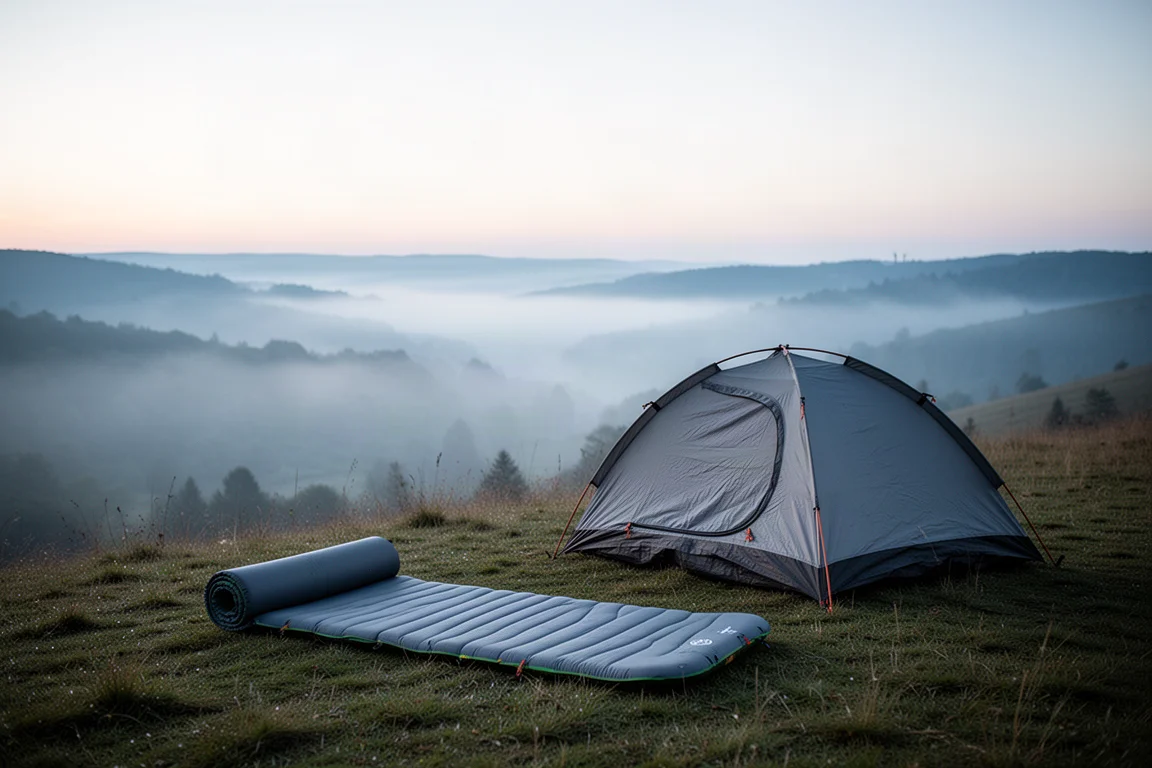
Both sit at the upper end of their categories, and both are easy to over-buy if your trips do not match what they were designed for.
What You Actually Pay For in Camping Gear
Prices tend to rise when a product does one or more of the following: it performs better, weighs less, keeps you warmer, packs down smaller, or uses stronger and more durable materials. The more of those boxes an item ticks, the more it usually costs.
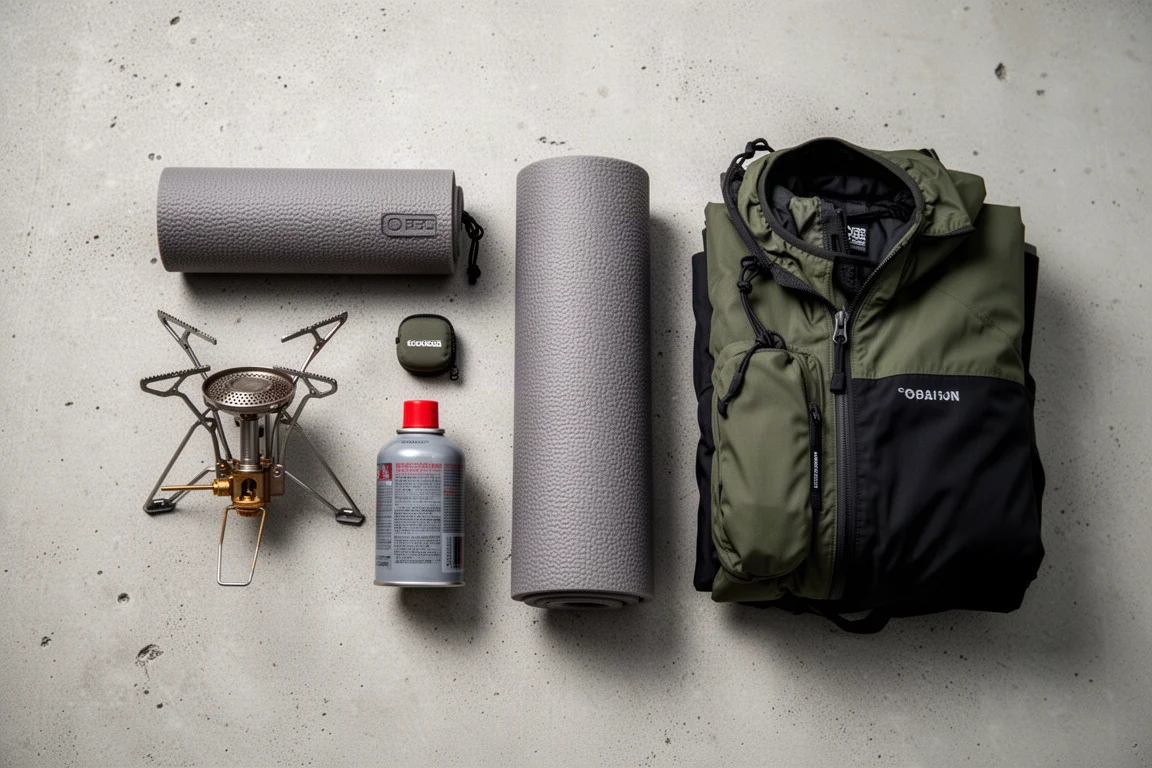
Not every one of those factors matters to every camper. A backpacking stove is a good example. A stove that boils water faster than the rest commands a premium, but a stove under ten pounds will still boil water and still fry your bacon, just a couple of minutes slower.
Materials explain part of the gap too. Titanium and Dyneema are extremely light, but they are difficult to work with during manufacturing, and that difficulty shows up in the price. If saving every gram is not a priority, heavier materials bring the cost down considerably.
Brands that lead on innovation also charge more. They invest heavily in development and testing, and they often work with material specialists to bring new fabrics to market. Those investments are recovered through a premium on the newest technology. Small independent makers sit at the same end of the market for a different reason: custom gear tailored to one person takes many hours of labour, and the result is a price to match.
Therm-a-Rest NeoAir XLite: Insulated Sleeping Pad
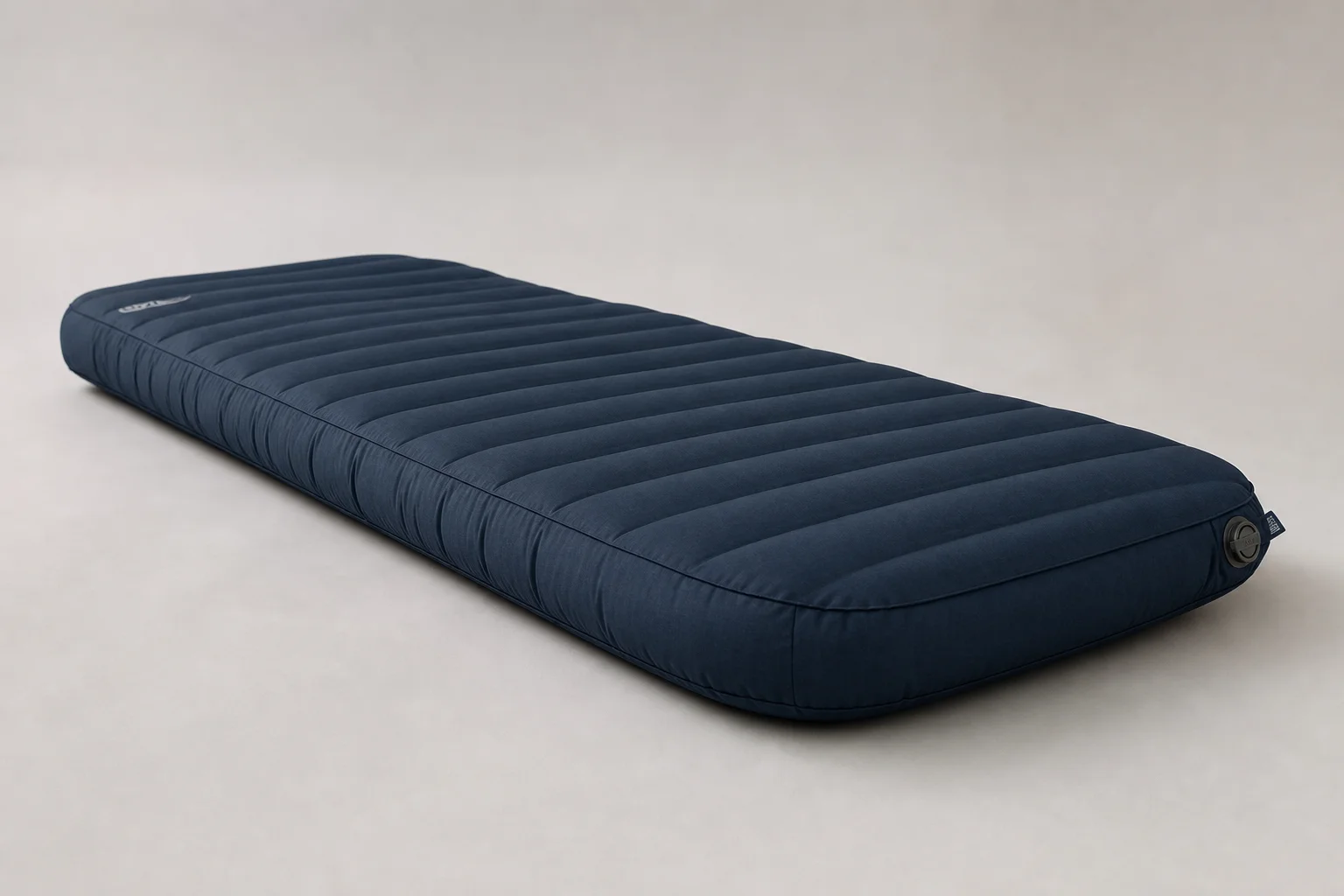
The NeoAir XLite costs around £140, while a basic inflatable pad from Trekology costs around £40. Both are comfortable to sleep on and both are made from nylon-based materials, so the difference is not in the basic experience of lying on them.
It is in what happens underneath you. The NeoAir XLite has a triangular core matrix inside and a reflective layer that traps warm air and reduces heat loss to the ground. That construction gives it an R-value of 4.2, which means it can be used comfortably on cold ground down to around minus six degrees Celsius.
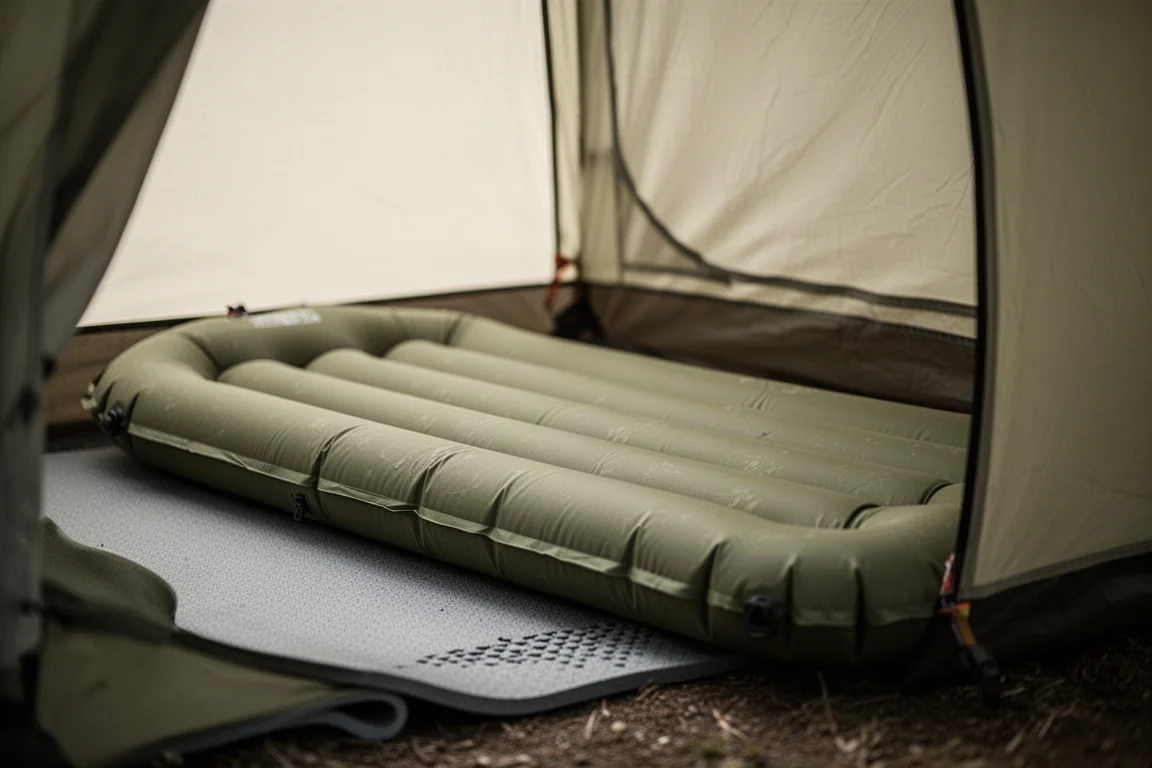
A cheaper pad is essentially just air pockets with no insulation. Used at those temperatures, it loses heat through conduction into the ground, and the night is noticeably less comfortable. If a certified warmth rating matters for the trips you take, this is a category where spending more has a clear, measurable effect. It is also possible to boost a cheaper pad by placing a closed cell foam mat underneath it.
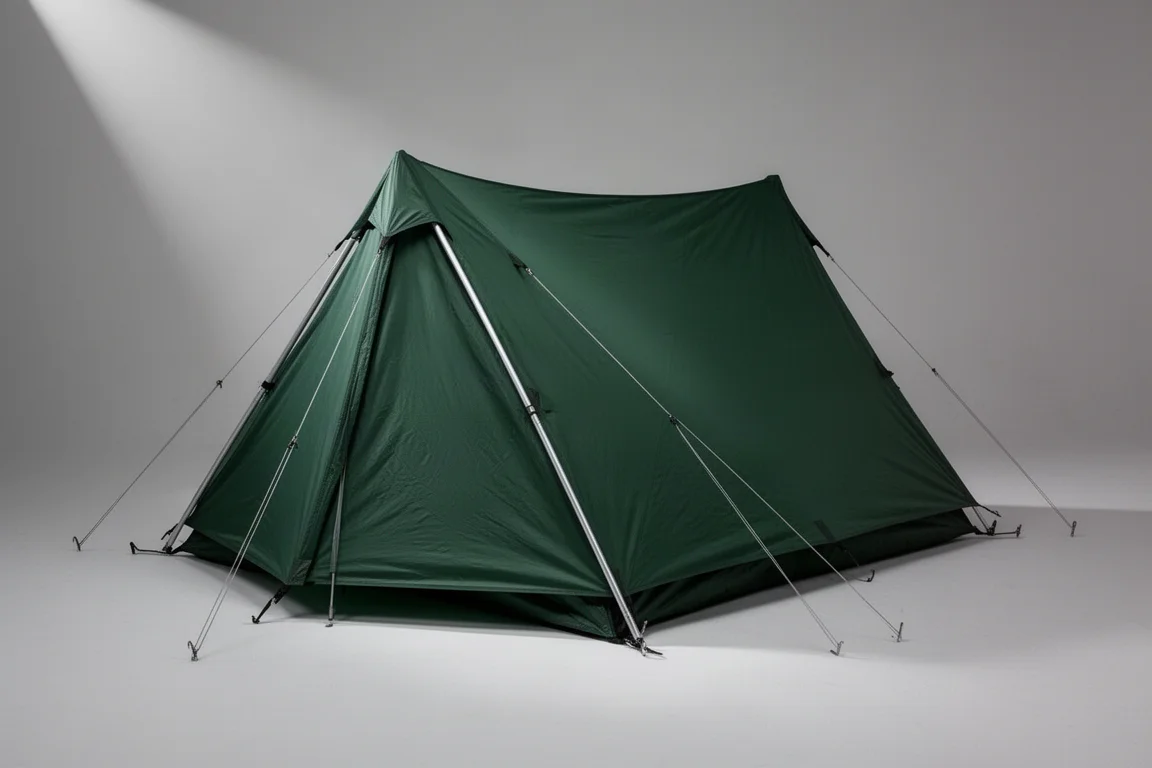
Hilleberg Soulo: A Tent Built for Hard Weather
The Hilleberg Soulo is a one-man tent at the opposite end of the market. A couple of years ago it could be found for around £560, and today it tops out around £800. Demand for tents has been strong enough that stock moves quickly even at that price.
What the money buys is strength. The Soulo is extremely robust and durable, and it can be pitched confidently in the vast majority of UK conditions. It will not stop a lightning strike, but it has handled wind and rain in genuinely challenging weather.
Whether that is worth it depends entirely on how you camp. For someone who uses a tent regularly, in all seasons, and expects it to last around ten years, it is a reasonable investment. For someone who camps once or twice a year in fair weather, it is more tent than the job requires. Tents at under a quarter of the price are perfectly adequate in milder conditions.
Matching Gear to How You Actually Camp
The same logic applies across a whole kit list. There is a point with ultralight gear where comfort starts to suffer. Carrying less is genuinely pleasant, but after a long day on the trail you still want to sleep well, and the sensible target is a balance between the two rather than the lowest possible weight.
Different campers draw that line in different places. A down jacket at around £200 is an easy purchase for some and an unnecessary one for others. Spending top dollar on a tent or a comfortable sleeping system is easier to justify, because those are the items that decide whether a night out is enjoyable.
Nobody else can set that line for you. The useful test is whether a piece of gear solves a problem you actually have, rather than one you have only read about.
Overall Buying Advice
Sort your kit into two groups. The first is gear where performance is measurable and matters to you: insulation ratings on a sleeping pad, weather protection in a tent, durability in the items you use on every trip. Paying more here tends to produce a difference you can feel.
The second group is gear where the performance gap is small. Sit pads are the clearest example. A dense foam pad costing a couple of pounds creates a dry, insulating layer between you and the ground, while a branded version at around £14 adds a foil coating and a logo for roughly the same job. Stoves land in the same category if a two-minute difference in boil time does not affect your trip.
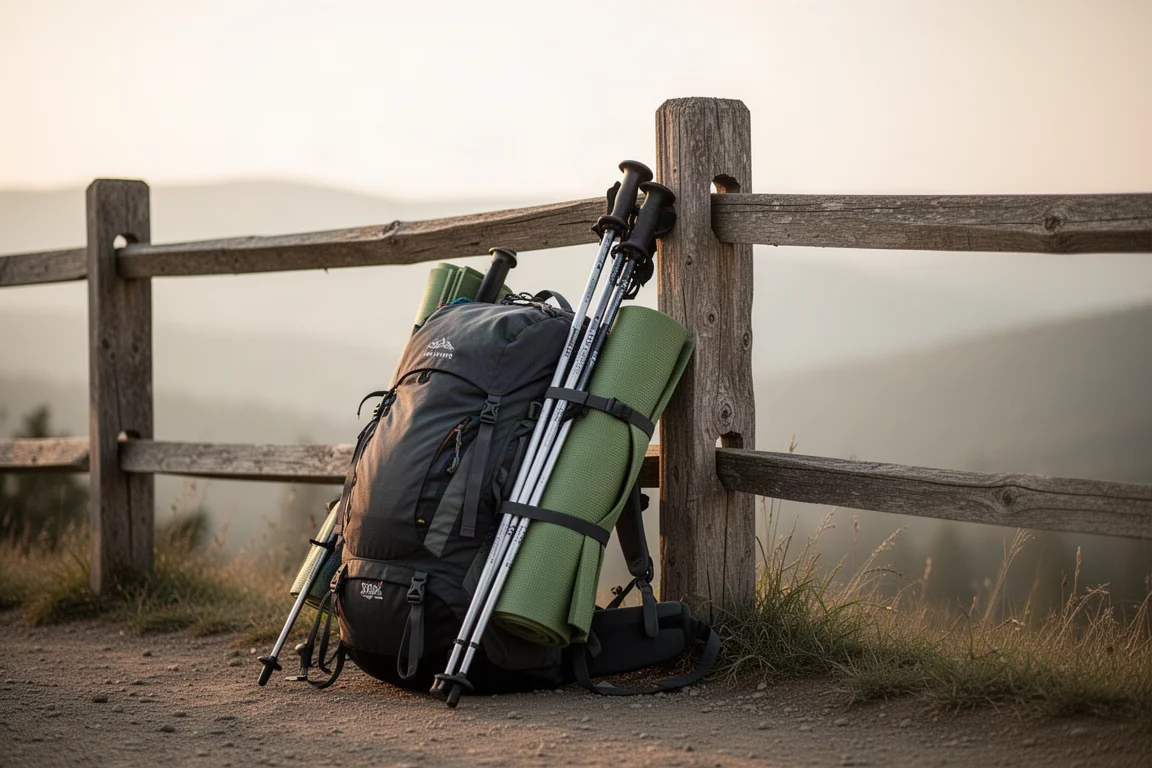
There is a middle path for cold-weather sleep systems as well. A cheaper pad paired with a closed cell foam mat underneath can raise the effective warmth considerably for a fraction of the cost of an insulated pad.
Conclusion
Expensive camping gear is not automatically better, and cheap gear is not automatically a compromise. The NeoAir XLite earns its price through a certified warmth rating that a basic air pad cannot match. The Hilleberg Soulo earns its price through durability that only pays off if you camp often and in difficult weather.
Buy for the trips you take, not the trips you imagine. If the gear works for you and fits your budget, that is the standard that matters.
Further reading
Related Reviews
Camping Gear
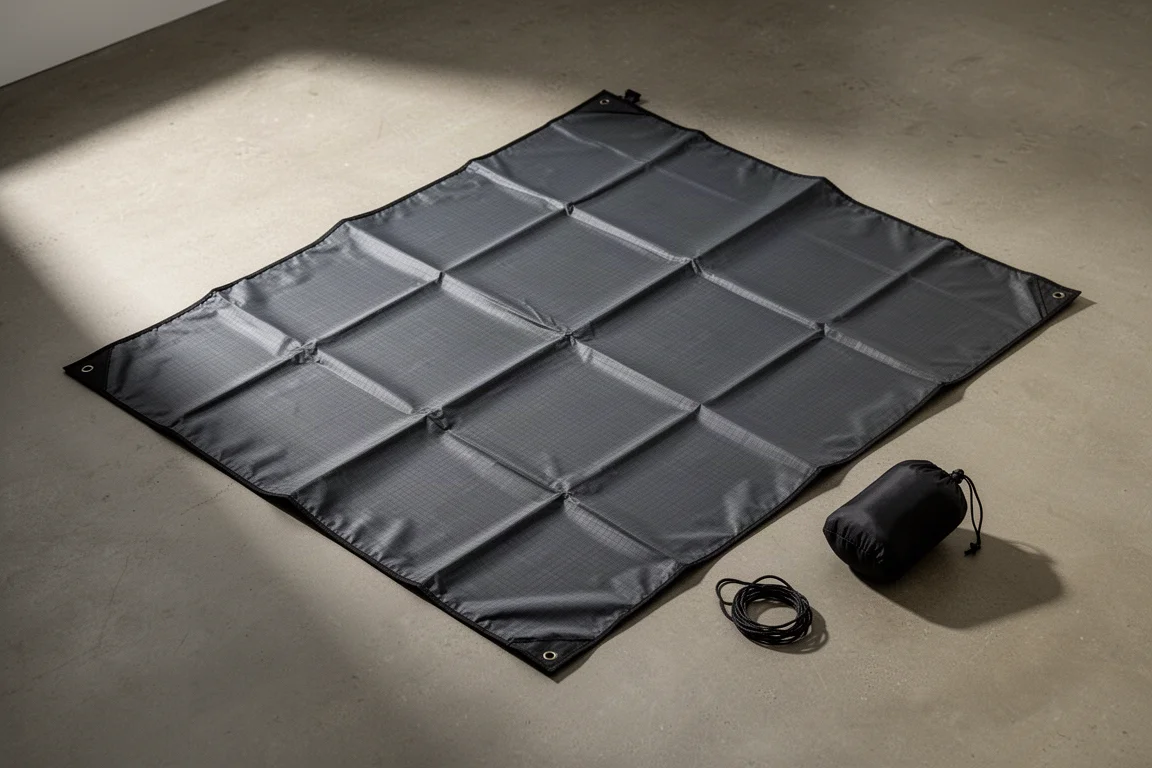
3FUL Ultralight Ground Sheet Review: A Two-Person Footprint Worth Packing
A 6.7 oz two-person ground sheet in ripstop silnylon, priced around $30. Here is what it protects, what it does not do, and who should pack it.
Camping Gear
Backcountry Light Dual-Function Tarp and Floor Review: A Footprint First
A dual-purpose tent floor and tarp that keeps falling rain off you, but cannot block wind. Here is where it works and where it does not.
Camping Gear
Best 2-Person Camping Mattresses for Couples: 10 Options Compared
A practical comparison of ten two-person camping mattresses, covering self-inflating pads, air pads and air mattresses for couples.