Running Shoes
Cheap Running Shoes on a Trail Marathon: Adidas Duramo vs Decathlon TR
Two pairs of running shoes bought for under £40 each, taken over 42.2 km of trail. What a budget shoe handles well, and where it starts to struggle.
Introduction
Running has a reputation as the most accessible sport there is. A pair of shoes, some shorts and a t-shirt, and you are out the door. Yet the price of entry has crept upward. Carbon plated racing shoes now reach around £270, and even ordinary training shoes regularly sit above £100, a figure that once belonged only to serious racers.
That raises an obvious question. Do you actually need to spend that much, or is a large part of the cost marketing rather than substance? To find out, two pairs of shoes bought for under £40 each were taken onto a full trail marathon: roughly 42.2 km across the Sarson Trail between Avebury and Stonehenge, over mud, rough descents, off-camber ground and short stretches of tarmac.

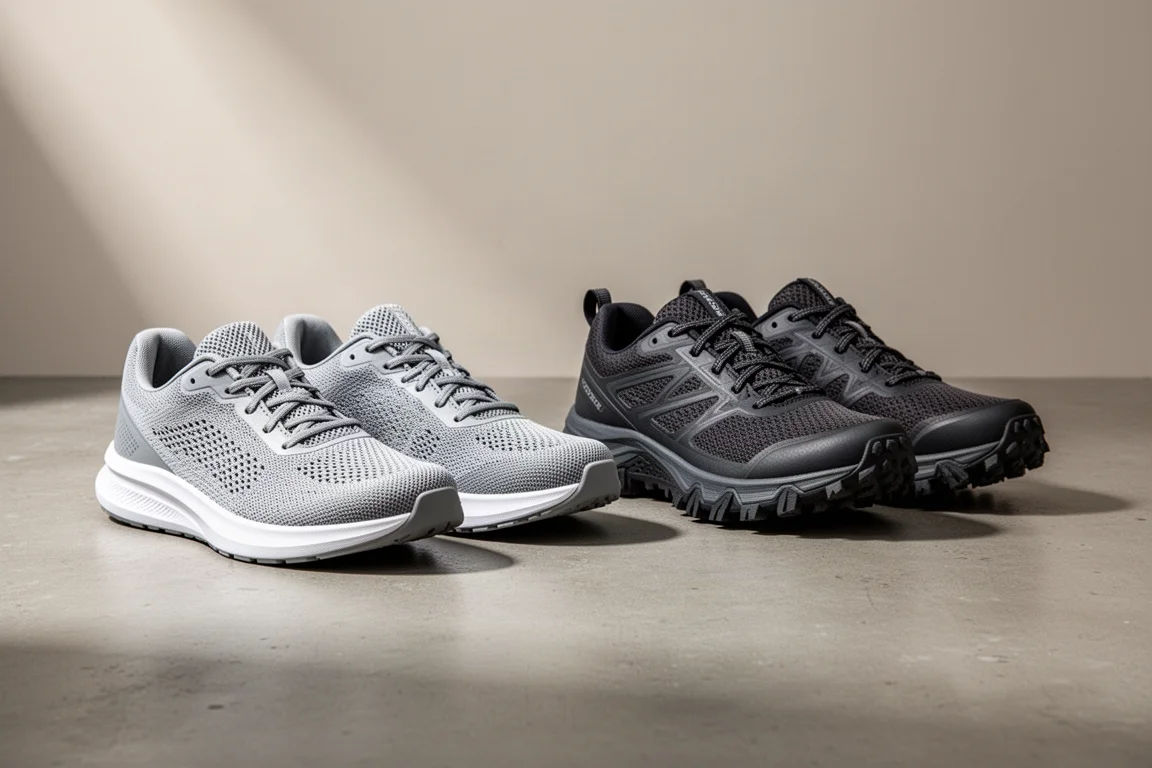
Both pairs were chosen as realistic budget buys rather than novelty purchases. One was a general Adidas running shoe picked up for a little under £40. The other was Decathlon’s entry trail shoe, described as suitable for training or competition up to 30 km on easy terrain and aimed at beginners.
What You Get at This Price
Modern running shoes lean on super foams, carbon plates, rocker geometries and technical uppers, and those features genuinely cost money. A budget shoe strips most of that back to the basics: a straightforward midsole, a simple upper and a rubber outsole. What remains is a shoe that fits, protects the foot reasonably well and gets you moving.
The trade-offs show up in specific places. Cushioning is thinner, grip compounds are simpler, and the fit is often less refined around the toe box and heel. None of that makes a cheap shoe unusable. It does mean the differences become far more noticeable the longer you run.
Adidas Duramo: Everyday Value With Minimal Grip
The Adidas Duramo was bought for a little under £40. Despite being sold as a running shoe, its product description leans toward gym use and casual wear, which is a useful signal about how it is positioned. On foot, the fit was generally good and the shoe felt comfortable over shorter stretches.
The weak point is grip. The outsole has very little tread, which becomes obvious on wet or loose ground. On icy tarmac it offered almost no traction, and on soft trail the foot slid inside the shoe on descents. A pinching sensation also developed on the ball of the foot where the insole meets the upper.
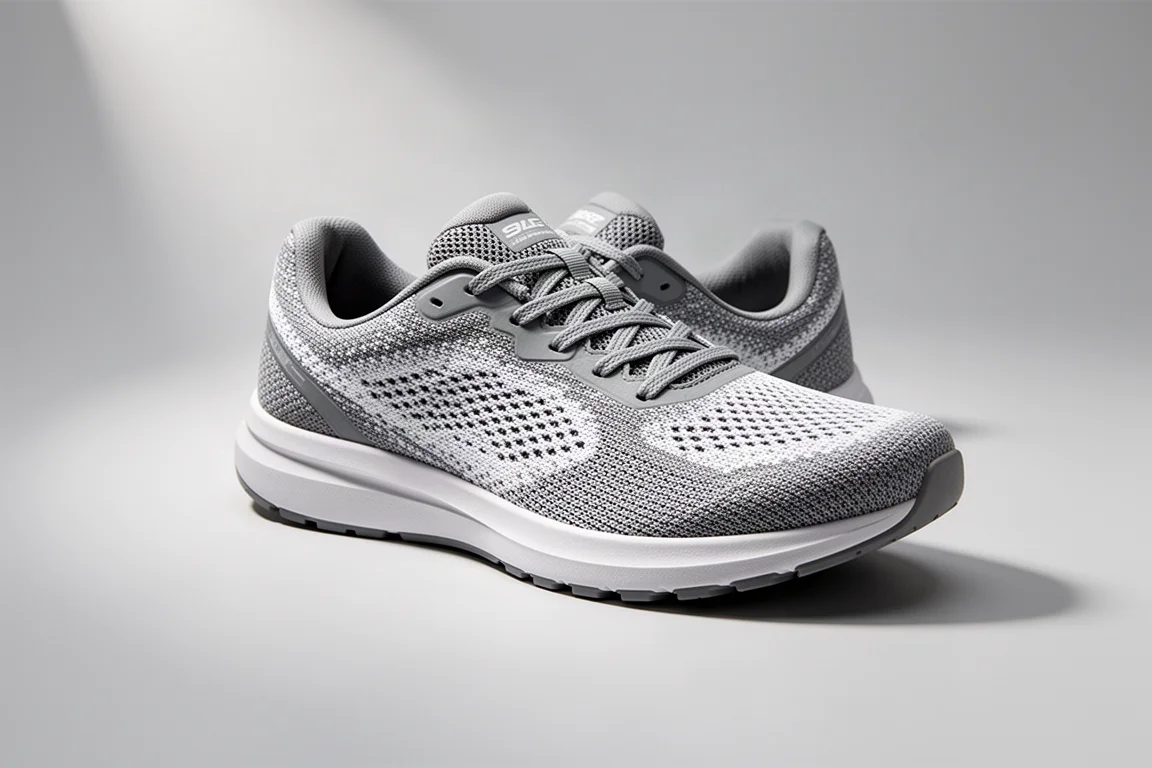
For runners sticking to dry pavement, a treadmill or the gym, that combination is workable. It is the off-road and wet weather use case where the Duramo runs out of answers.
Decathlon TR Trail Running Shoes: Designed for Easy Trails
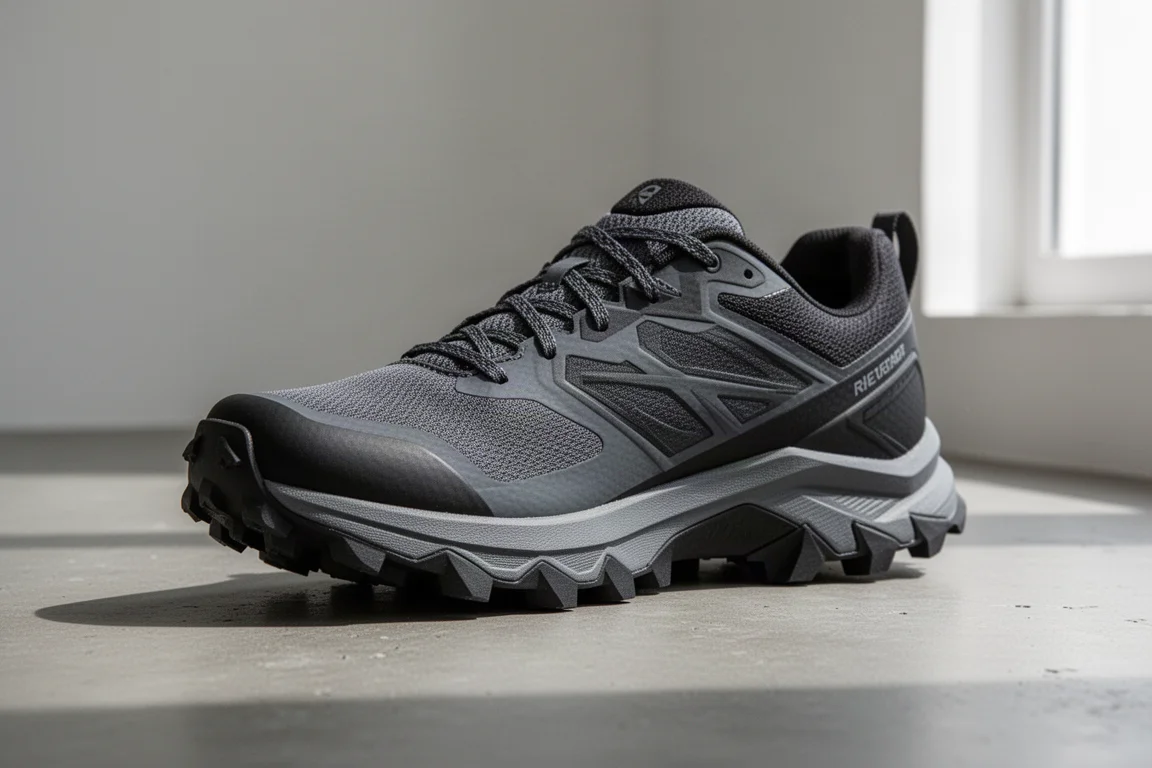
The Decathlon trail shoes were also bought for under £40 and are sold explicitly as trail running shoes for training or competition up to 30 km on easy terrain, with a design aimed at beginners covering a mix of trail and road.
The upper looked narrower than expected in the toe box, and that caused real discomfort over distance. Toes felt squashed and started burning, and because the left shoe sat loosely even at its tightest setting, the foot moved around inside on downhills. The shoe also ran solid and rigid around the ankle, which pressed into the joint on off-camber ground.
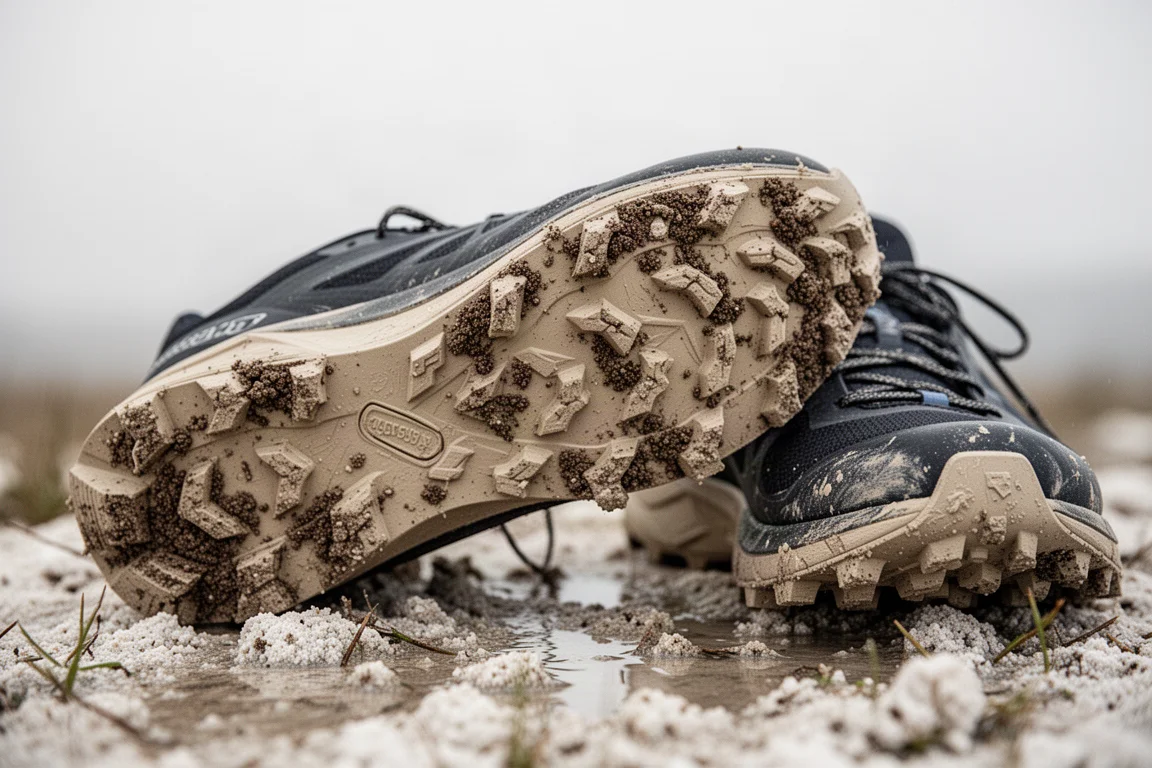
The outsole did grip, which is exactly what you want from a trail shoe, but the deep tread collected damp clay and turned into extra weight. That is a common trade-off on muddy ground, and it underlined how much the day’s terrain mattered.
Comfort, Fit, and Grip on Real Terrain
Over the first quarter of the route, the differences between the two pairs were already clear. The Adidas shoe felt comfortable but gave almost no confidence underfoot. The trail shoe held on better but pressed on the toes.
By roughly the 10 km mark, both pairs had produced specific complaints. The Adidas shoe felt firmer than expected around the ankle and transmitted more impact through the calves. The trail shoe forced a brief pause to release toe pressure and started to hint at blister trouble on the longer descents.
None of this is surprising at this price. What stood out was how much the terrain amplified every small flaw. A narrow toe box is a minor annoyance on a 5 km run and a serious problem at 27 km.
The Marathon Test: What Held Up Over 42K

Past the 30 km mark, the trail shoe reached the upper end of the distance its own description covers, and the effects were plain. Regular short breaks every 10 km helped relieve pressure, but the rigidity around the ankle and the loose heel fit kept the foot working harder than it should have.
The Adidas pair held up structurally but left the ankles and calves feeling more beaten up than a typical marathon effort would explain. The absence of cushioning and the firm heel structure were the likely culprits, and a recovery day afterwards felt necessary rather than optional.
For a runner who has never used anything else, either shoe would probably feel acceptable. The clearer conclusion is that the gap between a £40 shoe and a well-chosen training shoe becomes most obvious in the final third of a long run, not the first.
Buying Advice for Budget Runners
Both shoes show that a low price does not automatically make a shoe bad. If your running is short, mostly on predictable surfaces and you are new to the sport, a budget pair can genuinely get you started without a large outlay.
The value calculation shifts with distance. The longer you spend in a shoe, the more a better midsole, a more accurate fit and a more capable outsole pay you back. A marathon is an extreme case, but the same logic applies to anyone building toward longer weekend runs.
Pay attention to three things in particular: how the toe box feels after 10 km, whether your heel stays locked on descents, and how much grip you actually need for the surfaces you run on most. Those three details separated these shoes the most.
Matching the Shoe to the Run
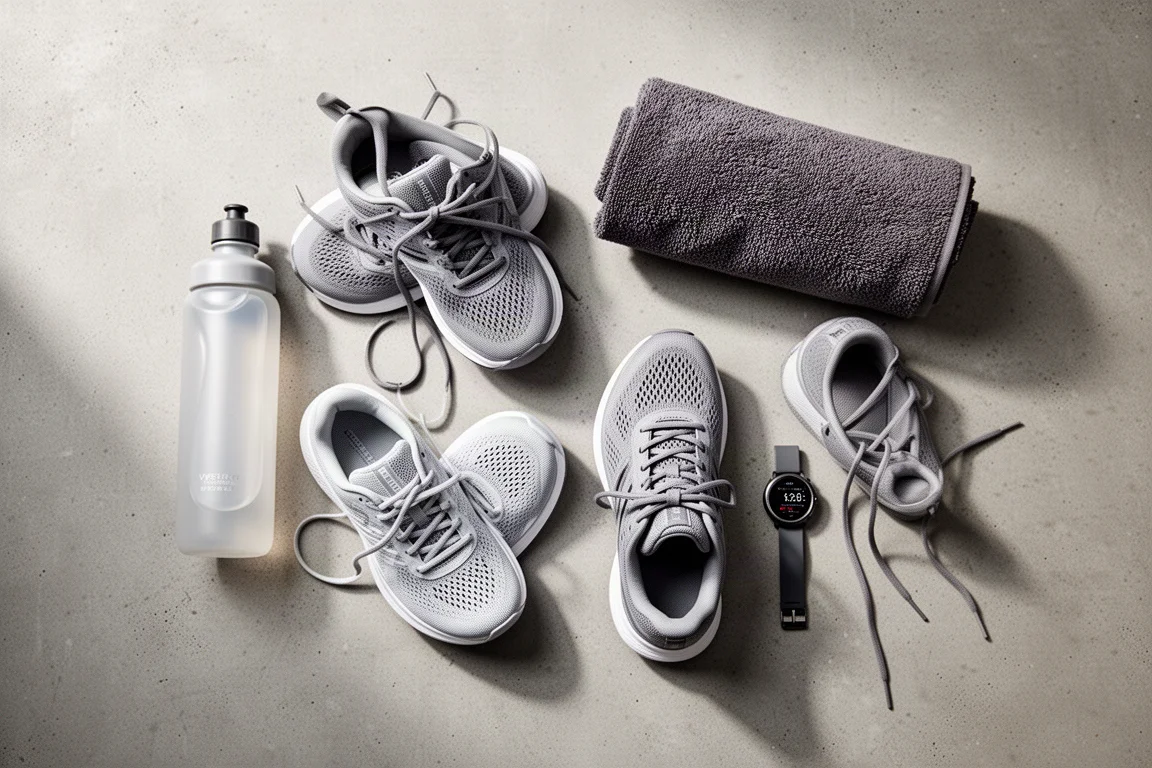
A budget road or gym shoe makes sense for dry pavement, treadmill sessions and short runs where breathability matters more than traction. If your routes are wet, loose or uneven, a shoe with a real outsole pattern is worth prioritising even at a low price.
For anyone running beyond about 10 km regularly, there is a stronger case for spending a little more on the midsole and fit. The extra cost buys comfort that holds up later in a run, which is where cheap construction tends to show itself.
Whichever direction you choose, buy for the run you actually do rather than the one you aspire to. A well-fitting budget shoe used on the right surface will serve you better than a poorly chosen upgrade.
Conclusion
A full 42.2 km trail marathon in shoes costing under £40 each is possible. Both pairs finished the distance, and both drew clear lines around what they can and cannot do.
The Adidas Duramo is comfortable and affordable but limited by minimal grip, making it a better fit for dry, predictable surfaces. The Decathlon trail shoe offers genuine trail grip at a very low price, at the cost of a narrow toe box and a rigid ankle area over long distances.
Neither shoe is a recommendation for big trail days out by itself. Both are evidence that the entry price of running can stay low, and that the case for spending more grows with the distance you cover. If you are starting out, a budget pair is a reasonable place to begin.
Further reading
Related Reviews

Running Shoes
Best Road-to-Trail Running Shoes: Three Versatile Options for Mixed Terrain
A practical guide to three road-to-trail running shoes that handle both pavement and mild trails, with clear strengths and trade-offs for different runner types.

Running Shoes
Best Running Shoes for Achilles Tendonitis: Three Options Explained
Three running shoes with different heel drops and support features designed to help reduce Achilles tendon pain during walking and running.

Running Shoes
Best Running Shoes for Women: Five Top Choices Ranked
A ranked guide to five women's running shoes, from versatile daily trainers to high-performance racing options, with real strengths and trade-offs for each.