Camping Gear
Cheap Camping Gear Worth Packing: 8 Budget Backpacking Essentials
Eight inexpensive backpacking items that solve real problems on the trail, from a long-handled spork to seam sealer and a compact first aid kit.
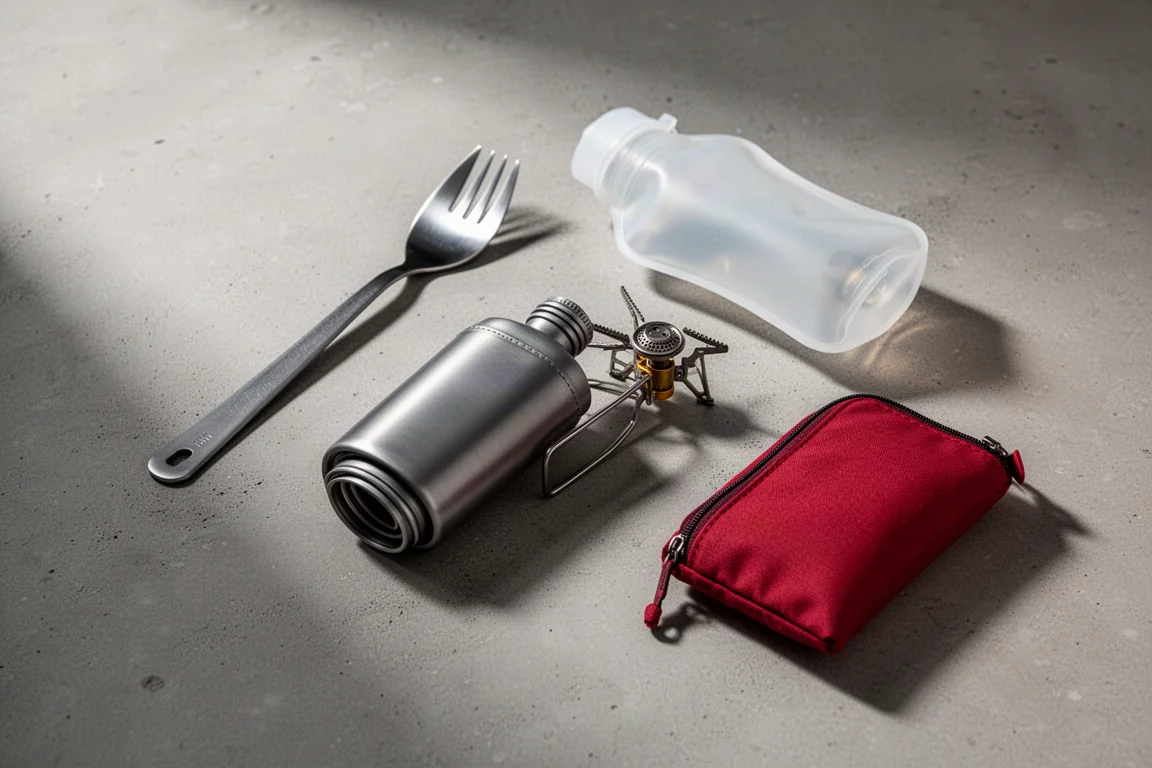
Introduction
Good camping gear does not have to be expensive, and the items that change a trip most are often the smallest ones. A long-handled spork, a collapsible flask, a tube of seam sealer: none of them cost much, yet each one removes a small recurring annoyance from a night outdoors.
This roundup covers eight inexpensive backpacking items that are easy to justify and widely available on Amazon. They are not glamorous, and they will not rebuild your kit list on their own. What they do is make meals simpler, water and wine easier to carry, tents drier and packs tidier. If you are building a lightweight setup on a tight budget, these are the kinds of additions that quietly earn their place.
What to Look For in Cheap Camping Gear
The first thing to judge is weight and packed size, not price. An item that costs very little but takes up space in a pack or adds grams you feel on a climb is rarely a bargain. For backpacking, the useful question is whether the item is light enough and small enough that you never think about leaving it at home.
The second is whether the item solves a problem you actually have. A collapsible bottle only helps if you refill from streams or taps. Seam sealer only helps if your tent leaks at the stitching. Buying for a real, repeated frustration is what separates useful budget gear from clutter.
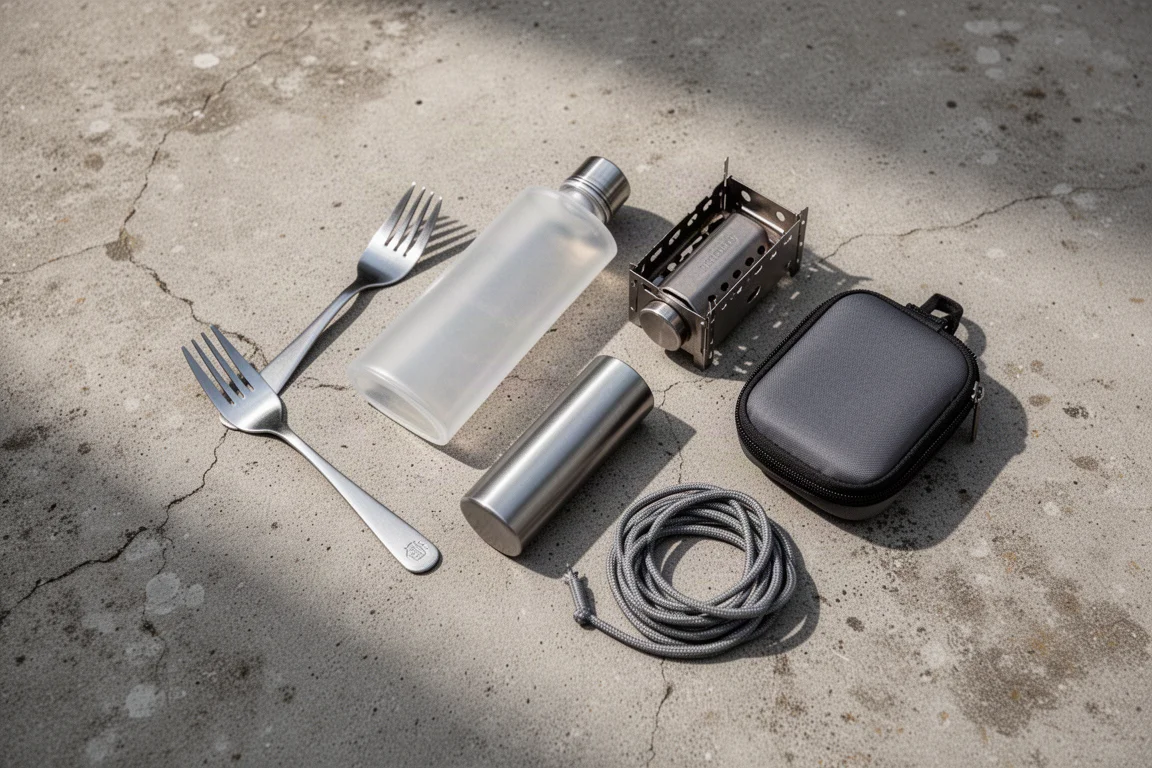
It also pays to know what you are buying. Some of these items are consumables that get used up, while others are durable pieces you will carry for years. A few have a compatibility detail that matters, such as matching a sealer to the right tent fabric. Reading that detail before you buy saves a wasted purchase, and checking the size of a kit before you commit avoids carrying more than your trip requires.
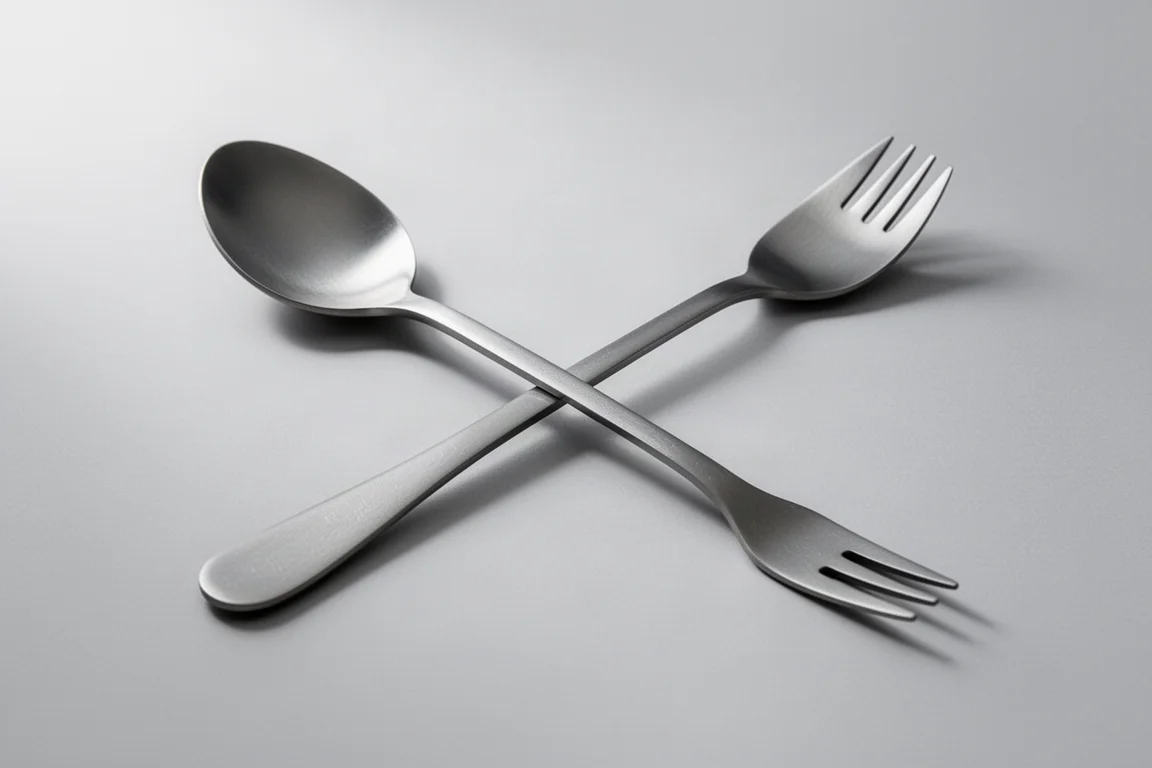
Sea to Summit Long-Handled Spork
At 11 grams, there is no weight argument against carrying a spork. The reason to choose the long-handled version over a standard length comes down to reach. Eating straight from a dehydrated meal pouch with a short spork means food works its way around your fingers, which is unpleasant on a cold evening at camp. The longer handle keeps your hands clear of the contents and gets down to the bottom of the pouch without tipping it up.
It is a small thing, and that is exactly the point. This is the sort of item you buy once and stop thinking about.
Fuel Protein Porridge Pots
Portion size deserves more attention than it usually gets. Standard packet meals sit around 500 calories, which is not much when you have been walking all day. These porridge pots come in at roughly 800 calories and about 200 grams each, at around five pounds per pot.
That is more than a standard packet meal costs, and it is worth being honest about that. The trade is straightforward: you carry a similar weight and get noticeably more energy per meal. For long days, cold mornings and multi-day routes, that maths usually works out in your favour.
GSI Wine Flask
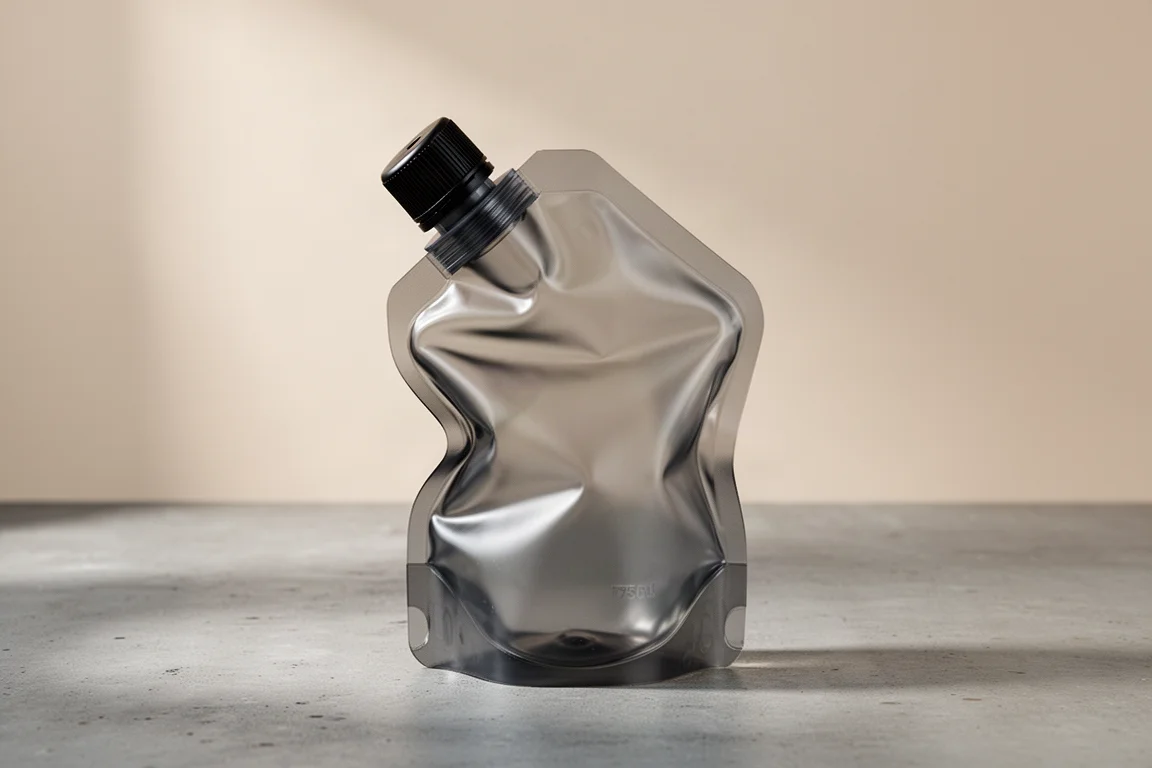
Carrying a glass bottle to camp is a bad deal in every direction: heavy, bulky and awkward to pack around. The GSI wine flask holds 750 ml, weighs very little and stays compact when filled. Once it is empty, it rolls up and stows away in almost no space at all.
It is a simple piece of kit, but it changes what you can reasonably bring on an overnight trip without carrying the weight or the fragility of glass.
Packing a flask like this also means you can decant only what you plan to drink, so there is no half-full bottle to carry back down the hill the next morning. It tucks into a side pocket or the top of a pack and stays out of the way until you want it.
Platypus Foldable Water Bottle
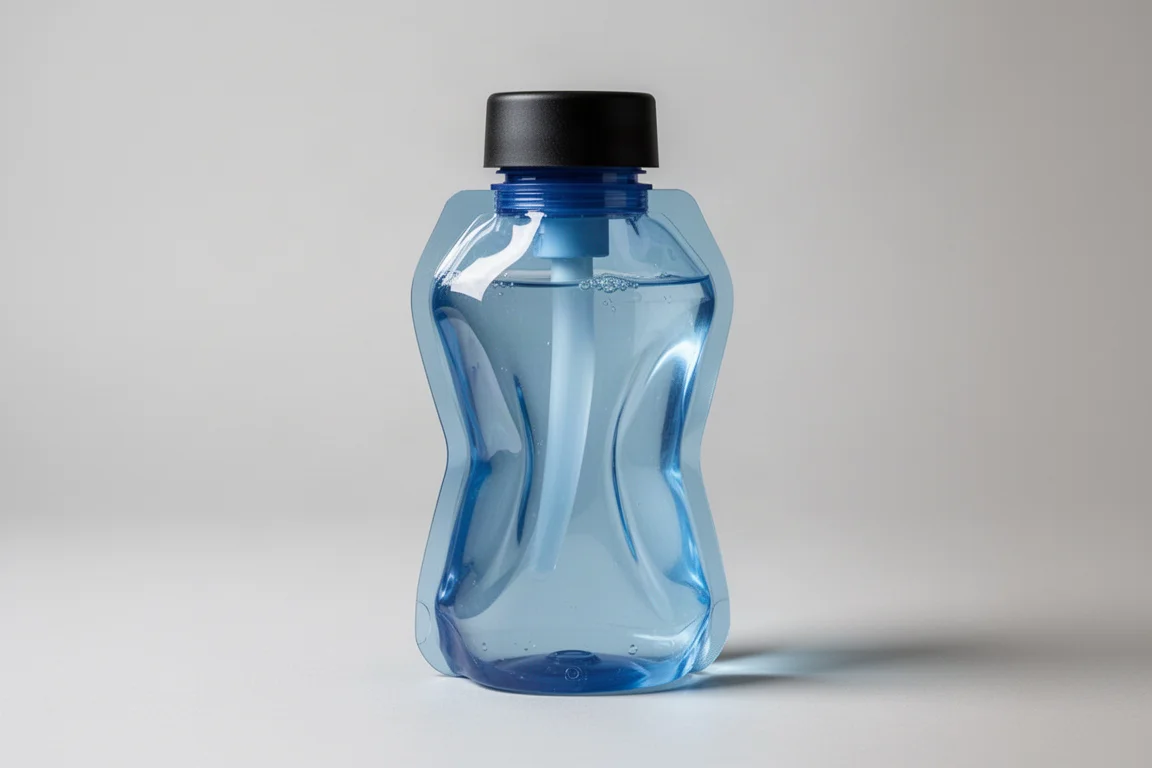
The Platypus foldable bottle holds one litre and costs around fifteen pounds. It is small, light and compact when empty, which makes it easy to stash in a backpack and forget about until you reach a water source. Fill it, drink or decant, then fold it back down and pack it away.
For routes with reliable water, a collapsible bottle is a practical alternative to carrying a rigid bottle the whole way. It also works well as a spare container when you want extra capacity for a dry section without committing to the bulk.
Gear Aid Seam Sealer
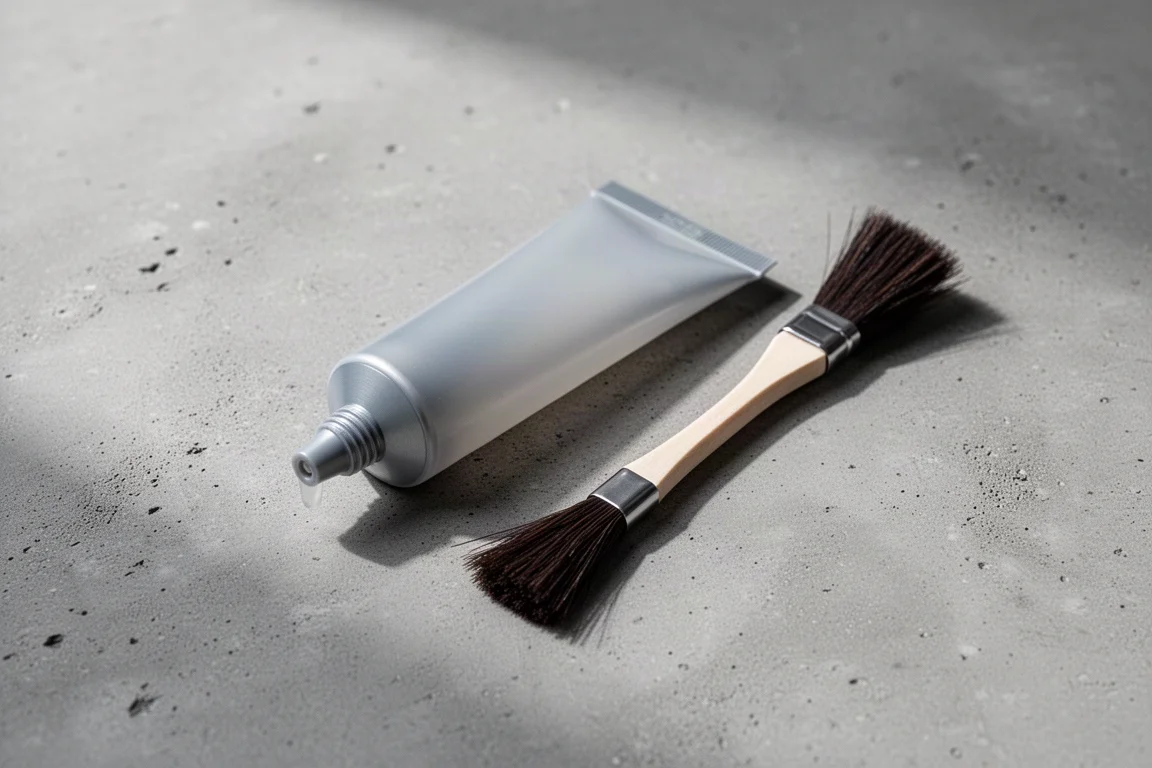
Water coming through a tent is usually a seam problem rather than a fabric problem, and seam sealer is the cheap fix. Gear Aid seam sealer costs just over ten pounds and comes with a small applicator brush, which makes the job manageable for anyone.
There is one thing to get right. Sealer has to match the tent fabric. A sealer intended for one coating will not bond to a silicone-treated nylon flysheet, so check what your tent is made from before you apply anything. Get that right and a leaking tent becomes a dry one for very little money.
Fire Maple Stove
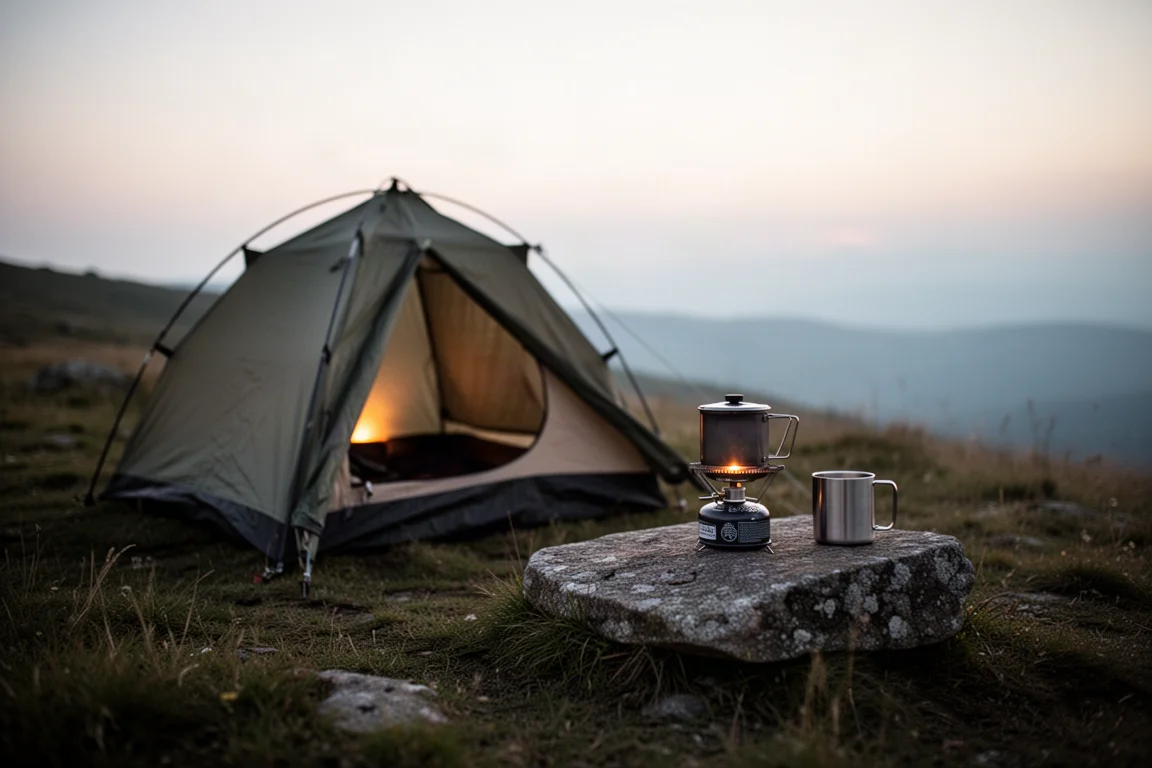
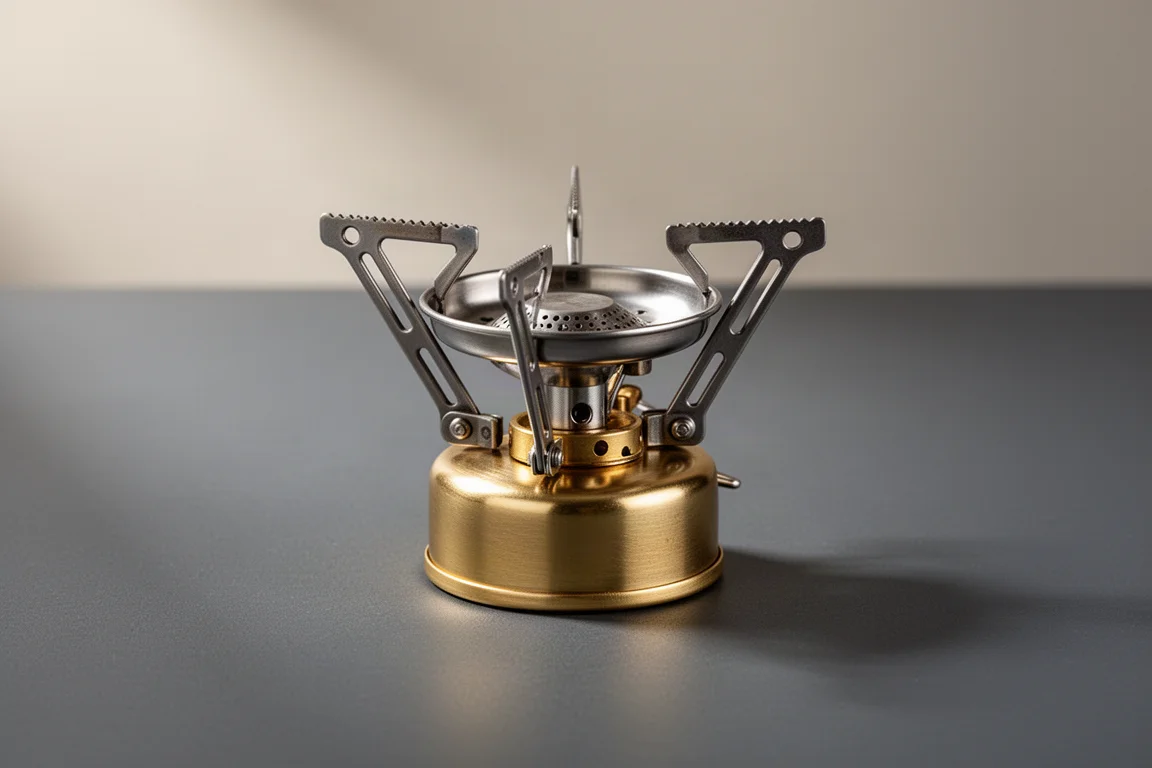
The Fire Maple stove is a tiny, ultralight canister stove that costs around fifteen pounds. It folds down small enough to disappear into a pot, and it is genuinely simple to use, which matters more at the end of a long day than any specification.
It is not the most fuel-efficient stove on the market, and that is worth knowing if you are counting gas for a long trip. What it offers instead is a very low price, a very small packed size and dependable performance for ordinary backpacking.
Life Systems First Aid Kit
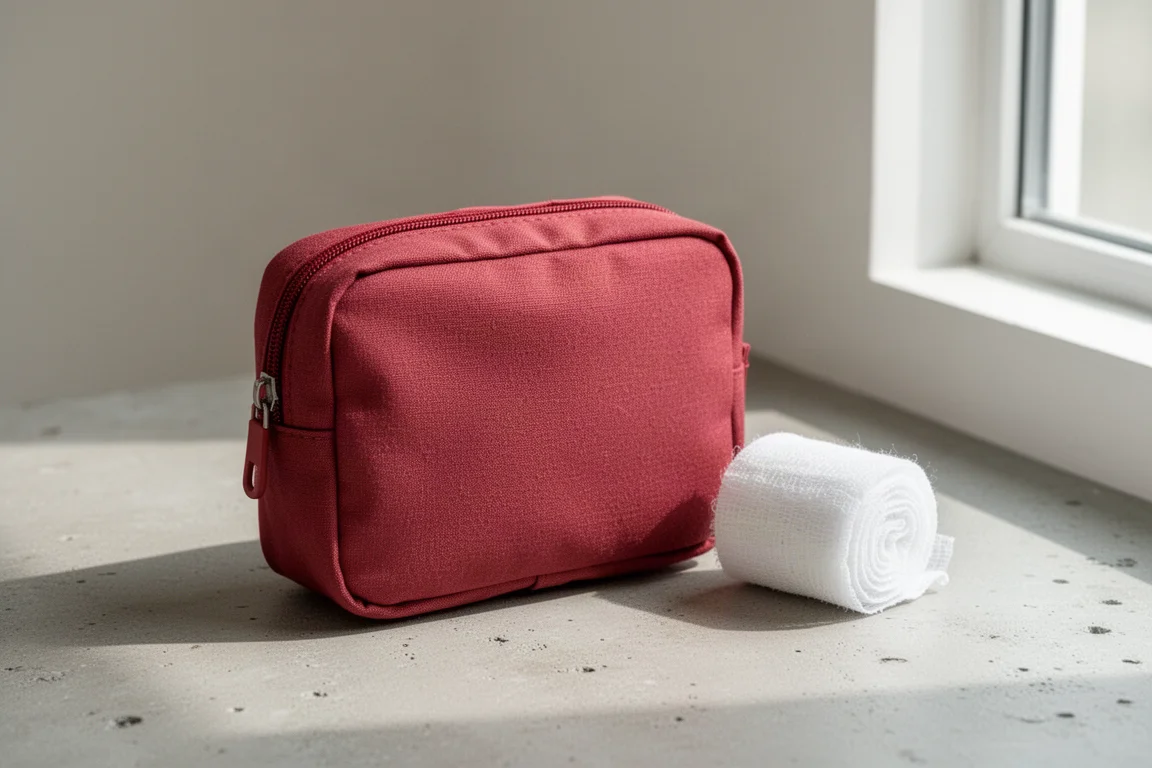
Life Systems makes a broad range of first aid kits, from minimal kits small enough to forget you are carrying them to large mountain leader packs. Prices run from under ten pounds up to considerably more for the biggest bags, so the sensible approach is to look at the range and pick the size that matches your trips.
If you backpack solo, carry a kit. If you travel as a group, one kit between you is normally enough, provided everyone knows where it is. Either way, it is the one item on this list that should never be left behind because of weight.
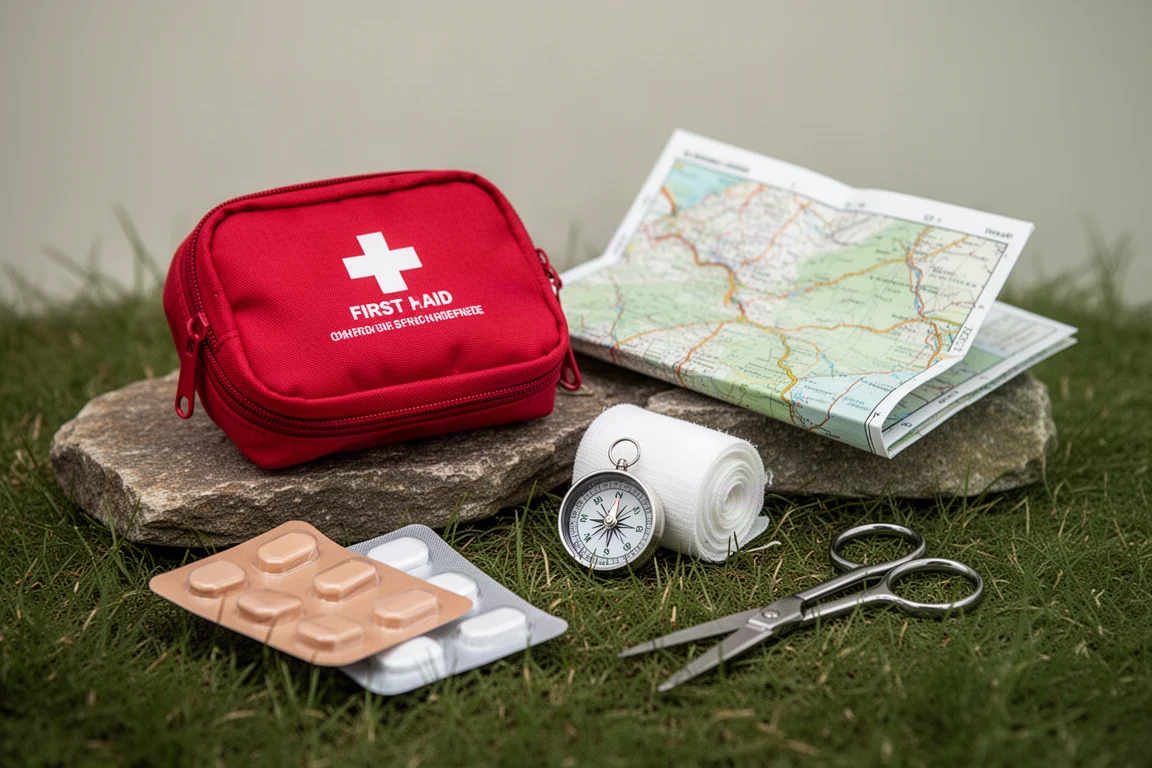
It is worth opening the kit before your first trip so you know what is inside and where each item sits. Replace anything you use, and check the contents at the start of each season rather than discovering a gap when you need it.
Osprey Packing Cubes
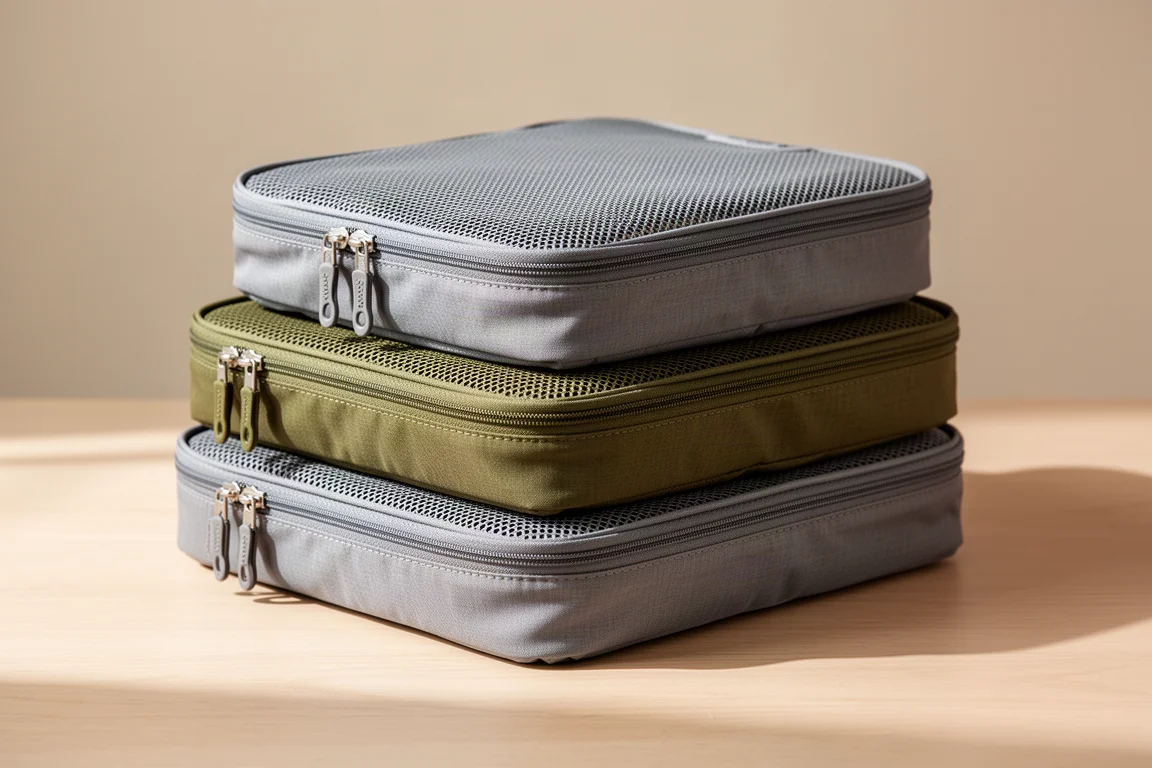
Packing cubes are a simple idea that pays off every time you need something. Keeping toiletries, electricals and food in separate cubes means you can pull out exactly what you want without emptying your pack onto a tent floor. The Osprey cubes are the more expensive end of the market, and they are well made for the job.
If the price is more than you want to spend, cheaper packing cubes are widely available and do much the same work. What matters is the habit: a fixed place for each category of kit, so packing and unpacking stop being a search.
Overall Buying Advice
Start with the problems you recognise. If meals are messy, a long-handled spork and larger meal portions fix it for very little. If your tent leaks, seam sealer is a ten-pound answer. If you want a drink at camp, a flask solves it without the glass. Buy the specific fix rather than a general upgrade, and budget gear stays genuinely useful instead of becoming weight you regret.
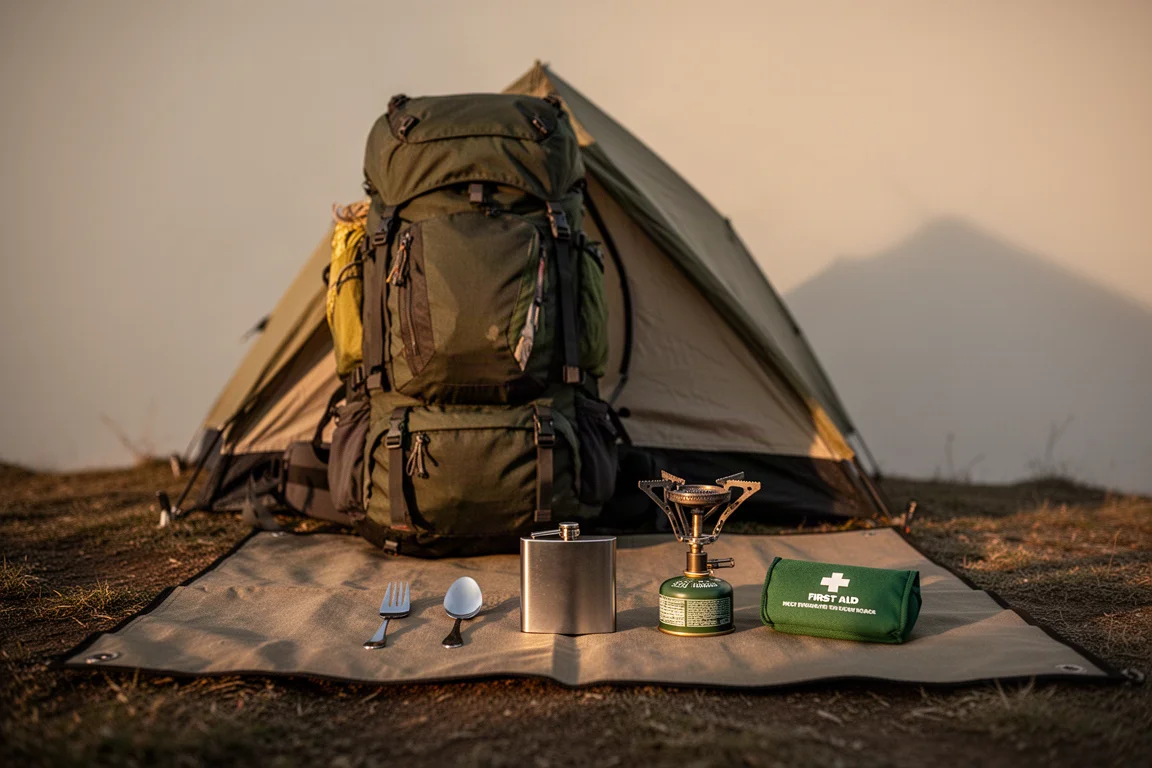
Two other small purchases are worth considering alongside this list. Many tents ship with fewer guy lines than you need in wind, and a few pounds spent on extra lines and line lockers makes a real difference to how solid a tent feels in bad weather. Spare pegs are cheap too, and the ones supplied with some tents are the weakest part of the package.
Conclusion
None of these eight items is exciting, and that is precisely why they work. Each one is light, inexpensive and aimed at a small problem that would otherwise repeat itself on every trip: messy meals, weak portions, awkward bottles, leaking seams, disorganised packs and unpreparedness.
If you are putting together a budget backpacking kit, pick the two or three items that match frustrations you have already had. Add the rest as your trips get longer. The cost stays low, the pack stays light, and the experience on the hill gets noticeably better.
Further reading
Related Reviews
Camping Gear
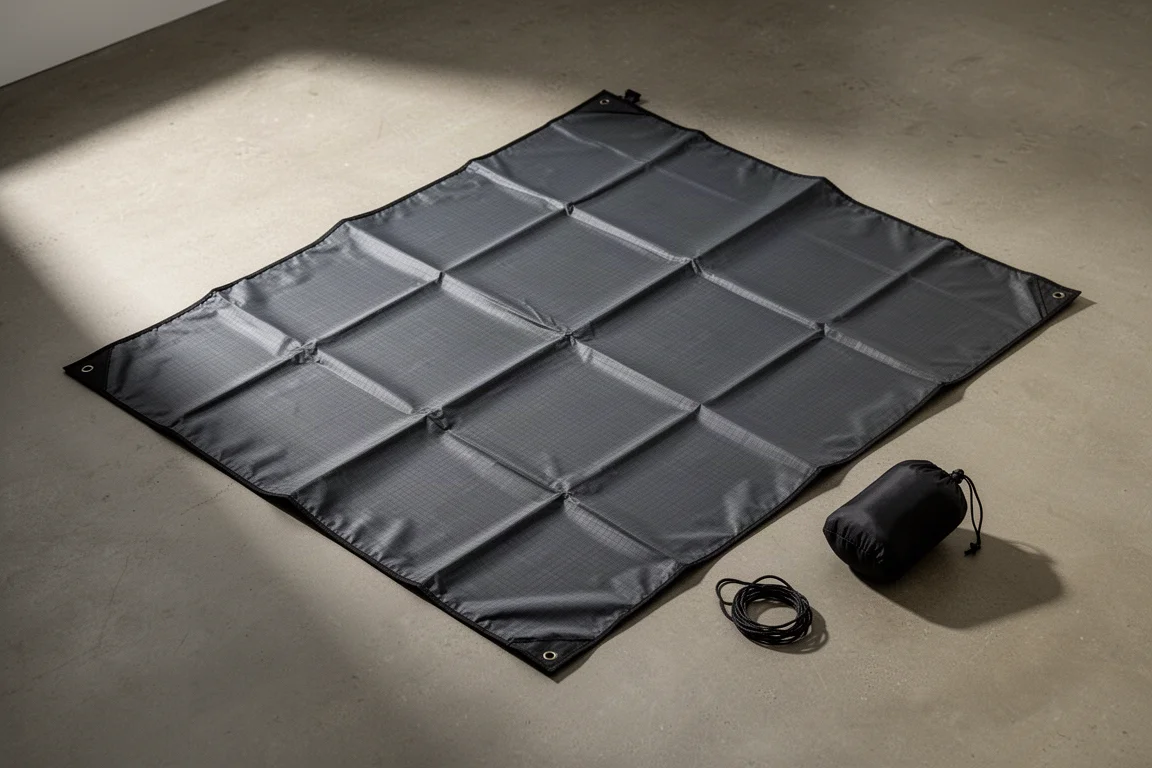
3FUL Ultralight Ground Sheet Review: A Two-Person Footprint Worth Packing
A 6.7 oz two-person ground sheet in ripstop silnylon, priced around $30. Here is what it protects, what it does not do, and who should pack it.
Camping Gear
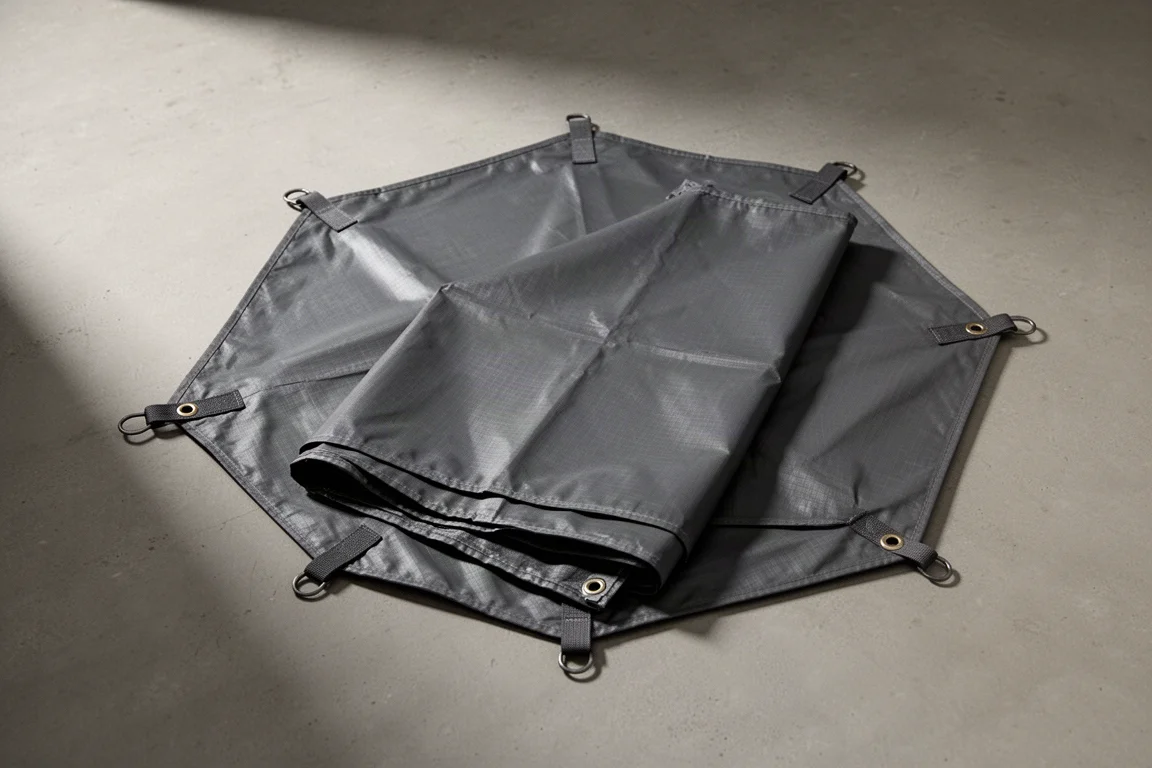
Backcountry Light Dual-Function Tarp and Floor Review: A Footprint First
A dual-purpose tent floor and tarp that keeps falling rain off you, but cannot block wind. Here is where it works and where it does not.
Camping Gear
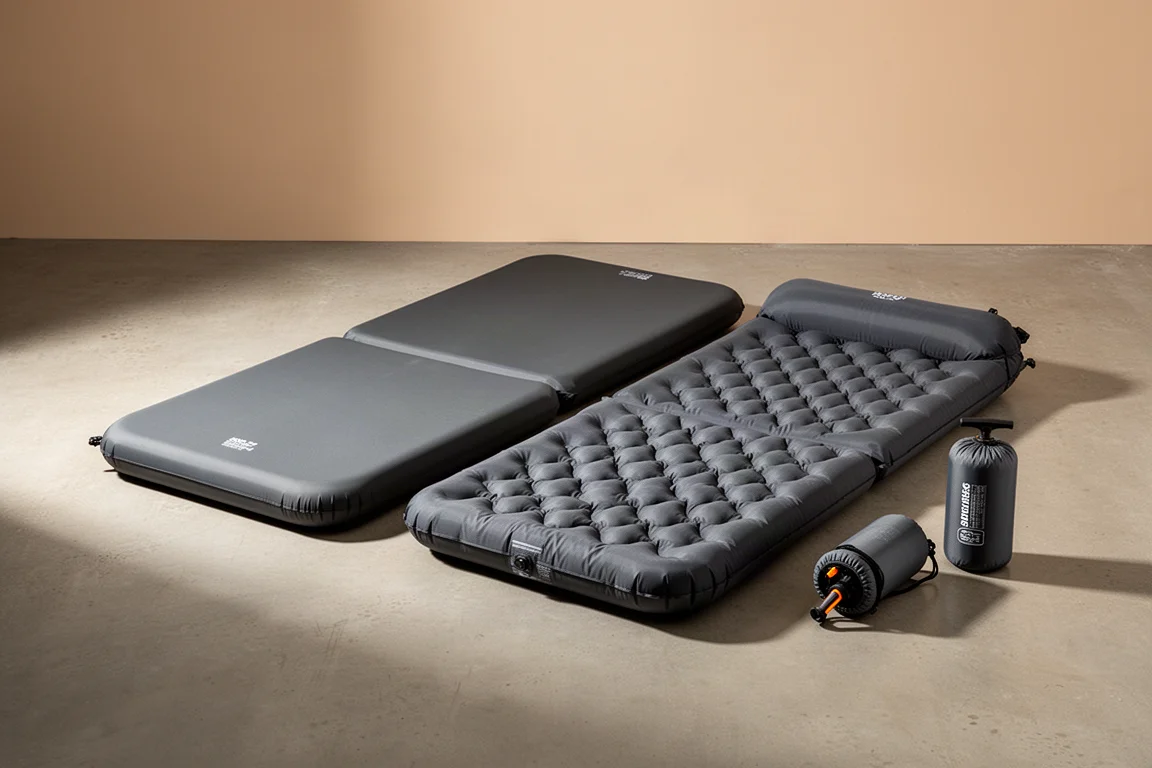
Best 2-Person Camping Mattresses for Couples: 10 Options Compared
A practical comparison of ten two-person camping mattresses, covering self-inflating pads, air pads and air mattresses for couples.