Cycling Upgrades
Cheap Bike Upgrades That Genuinely Improve Ride Feel
A practical guide to the cheapest changes that make a bike feel better, from free tire pressure and lever adjustments to bar tape, supple tires, lighter inner tubes, and puncture-resistant options.
Introduction
There is no shortage of bike parts that cost a lot and change almost nothing about the way a bike rides. This guide goes in the opposite direction. It covers the changes that genuinely make a bike feel better, ordered roughly from cheapest to most expensive, from adjustments that cost nothing at all to components that add real comfort and speed.
Several of the upgrades below are free, and they often deliver the biggest difference of all. The rest cost money, but far less than a new frameset or a set of carbon wheels, and the improvement is something you notice on the very first ride.
Free Changes That Make the Biggest Difference
Start with tire pressure. Almost any bike can be made to ride badly by over-inflating its tires. A rock-hard tire can feel fast, but on anything other than perfectly smooth tarmac it usually is not, because the wheel is deflected by every bump instead of rolling over it. Get the pressure right and the bike glides across rough surfaces while still feeling responsive under acceleration and in corners.
Tire sidewalls normally print a recommended pressure range, and sometimes only a maximum, usually in both bar and psi. Staying inside that range matters. Too low and there is a risk of bottoming out on impacts and damaging the wheel. Too high and the tire can come off the rim. Within the range, two factors matter most: the combined weight of rider and bike, and the surface being ridden. Lighter riders on lighter bikes can run lower pressures, while heavier riders need more air for a similar feel.
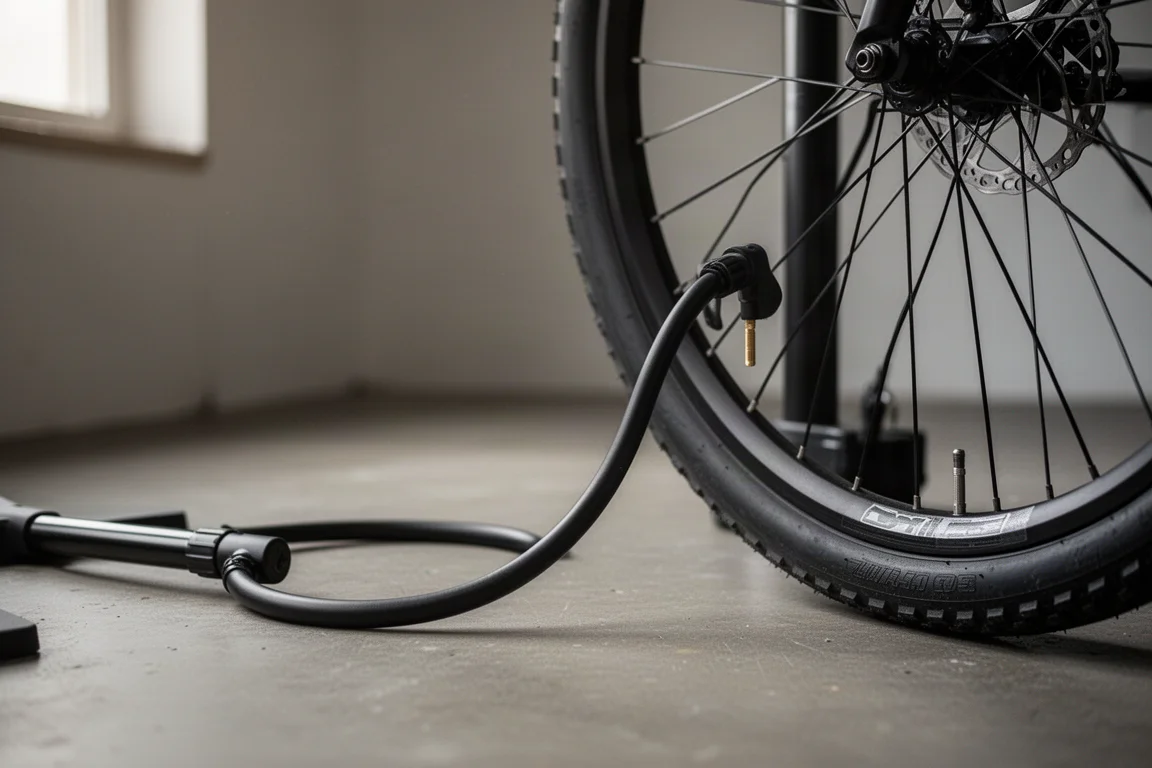
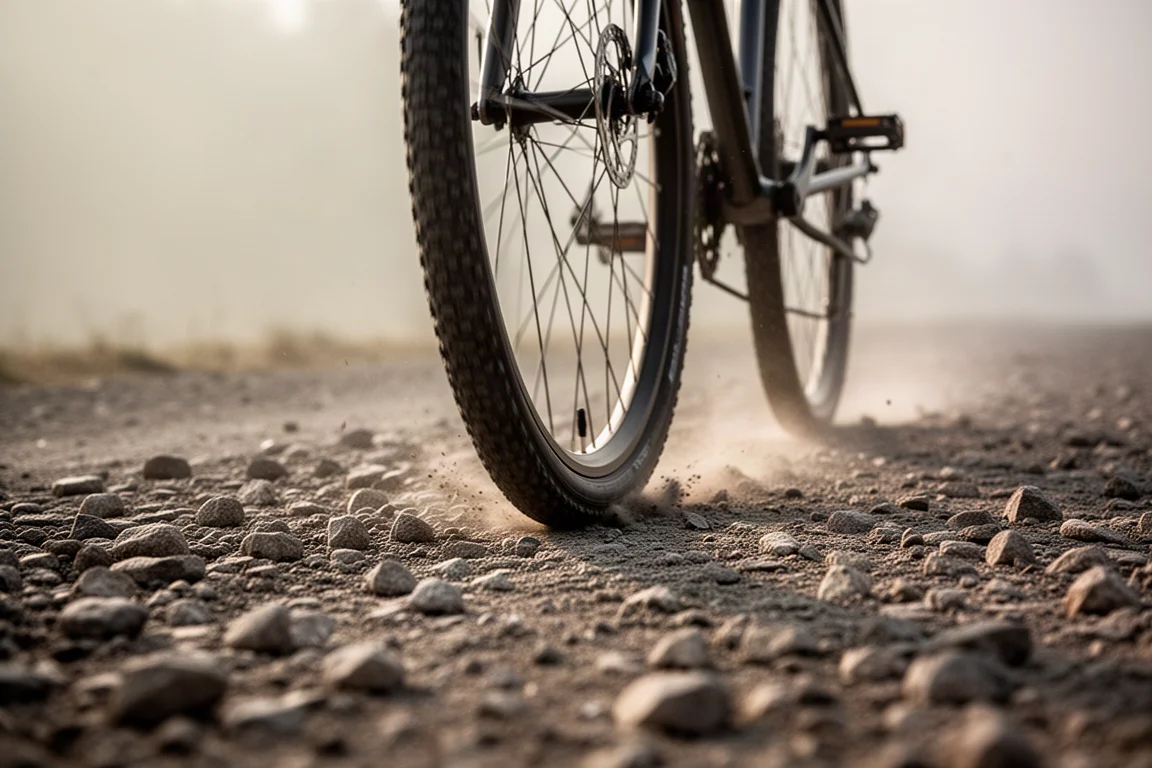
Because pressure costs nothing to change, it is the easiest thing to experiment with, and it can be adjusted mid-ride if a pump is along for the trip. Online pressure calculators are a useful starting point, and personal preference can be tuned from there. Surface changes the answer again. Gravel tires ridden on hardpack or tarmac can take slightly more pressure, which reduces deformation and rolls a little faster, while in mud much lower pressure lets the tire conform to the surface and create a larger contact patch for grip.
Lever position is the second free change. On most new road and gravel bikes, the shifters are set too far down the bar, which rolls the wrists forward. Many riders are better off with the levers tilted slightly up, as if leaning against them with the hands. A forward lever position can contribute to tension through the shoulders and discomfort in the neck. Adjusting it takes patience: unwrap the bar tape, loosen the shifter with an Allen key, reposition it, retighten, and rewrap the tape. Set aside around half an hour.
BBB Flex Ribbon: Affordable Bar Tape With Real Grip
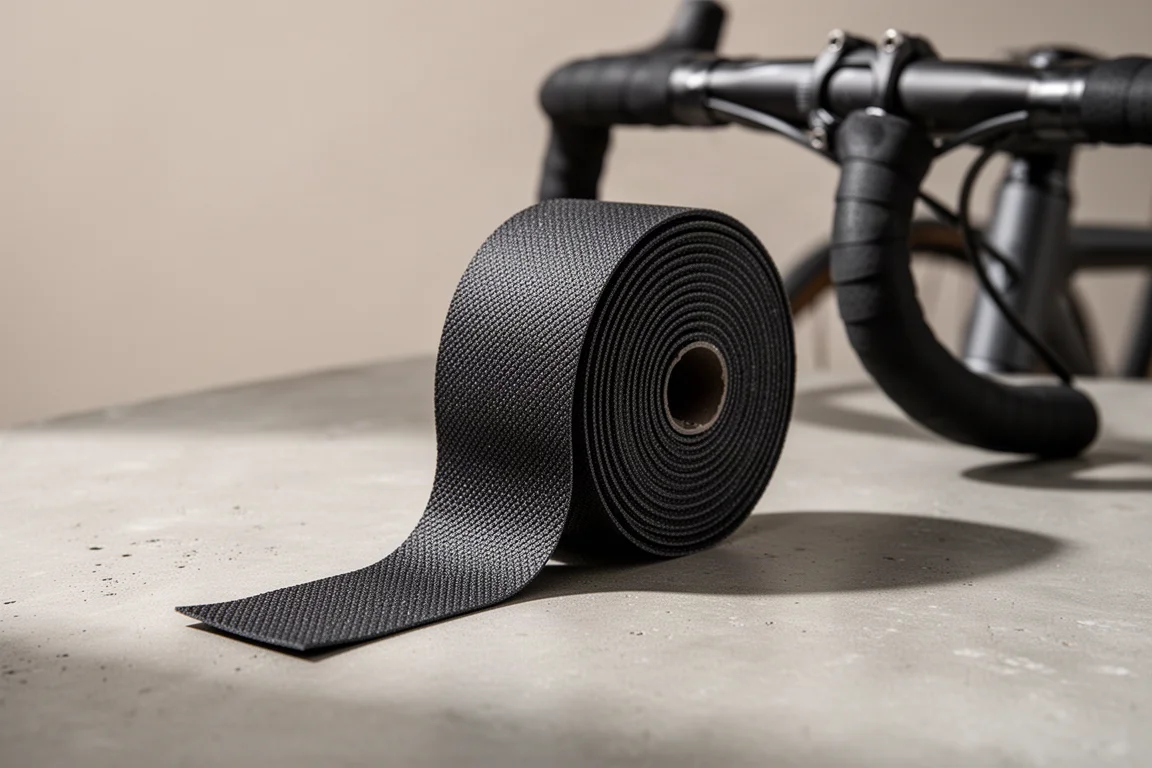
Hands rest on bar tape for hours, so it deserves more attention than it usually gets. Cork tape, common on cheaper bikes and typically a cork and polyurethane mix, can feel slippery once hands are sweaty or the weather turns wet. A grippier tape with an anti-slip surface tends to feel more premium and holds up better over time.
There are expensive tapes on the market, but a premium feel does not require a premium price. BBB Flex Ribbon is an affordable option that is grippy, lasts well, and can be re-wrapped without falling apart, which is not always true of cork. It also comes in different thicknesses, so riders who want more cushioning for off-road surfaces or cobbles can choose the thicker version for a small extra cost. After six hours in the saddle, that cushioning is easy to appreciate.
Continental GP 5000: Supple Tires That Balance Feel and Practicality
A supple tire is a flexible one. It deforms easily over road imperfections, so the bike feels smoother and is usually faster as well. Suppleness comes from two things: thinner tread, and a casing with a higher thread count, measured in TPI. A higher TPI means thinner, more flexible threads with less rubber filling the gaps between them. Casing material matters too, since cotton is more flexible than nylon, though generally more expensive.
The catch is durability. Thinner tires puncture more easily, and supple tires are a consumable item, so keeping the ride feel means buying replacements. There is a sweet spot where feel and practicality overlap, and the Continental GP 5000 sits close to it. Rather than chasing the softest possible ride, it does a wide range of things well.
Riders who move to race-only tires will notice that practicality falls away quickly, and a milder version of that trade-off applies here. Occasional punctures are the price of a nicer ride, and every rider draws that line in a different place.
Vittoria Corsa Pro: Race-Grade Suppleness for Fast Riding
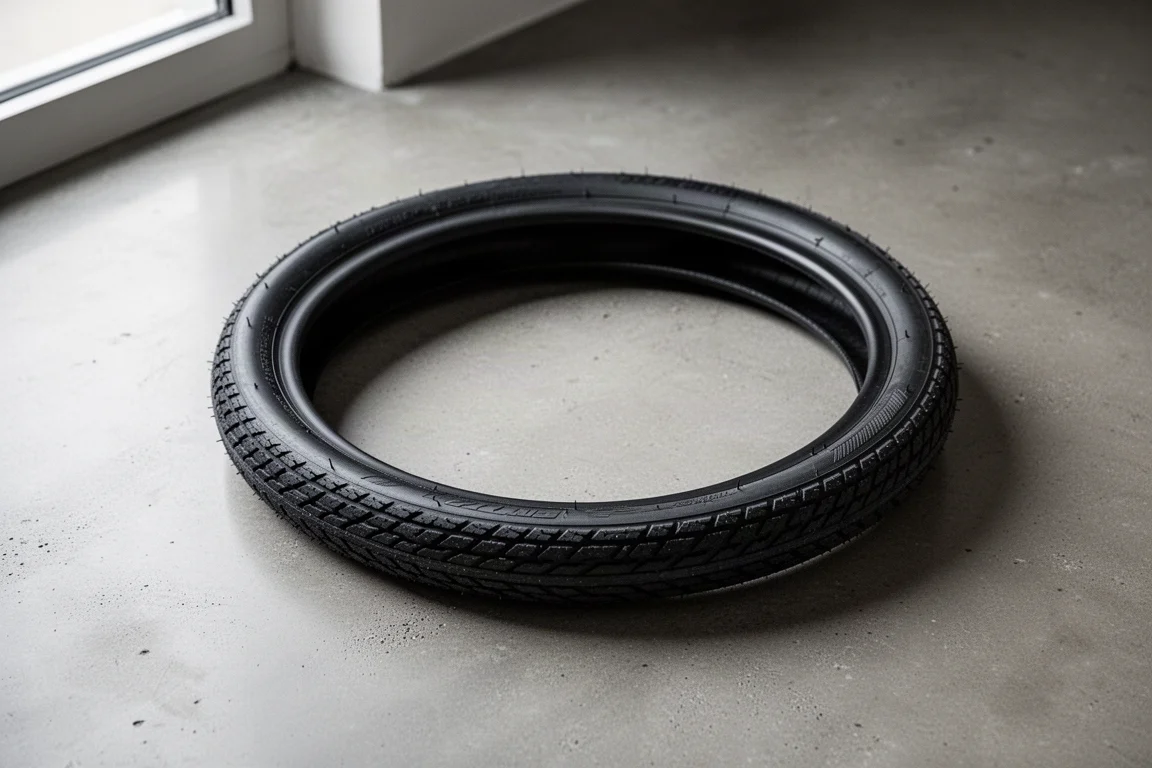
The Vittoria Corsa Pro sits in that same balanced zone, offering supple ride quality without the fragility of tires built purely for competition. For riders who want the smoother, faster feel described above and are willing to spend more than a standard tire costs, it is a strong candidate alongside the GP 5000.
It helps to be clear about how much suppleness is actually wanted. The more flexible a tire becomes, the more expensive it gets and the more often it will need replacing, so the sensible approach is to find the point where ride feel is good enough and durability is still acceptable for the riding being done.
TPU and Latex Inner Tubes: Lighter Options With Trade-Offs
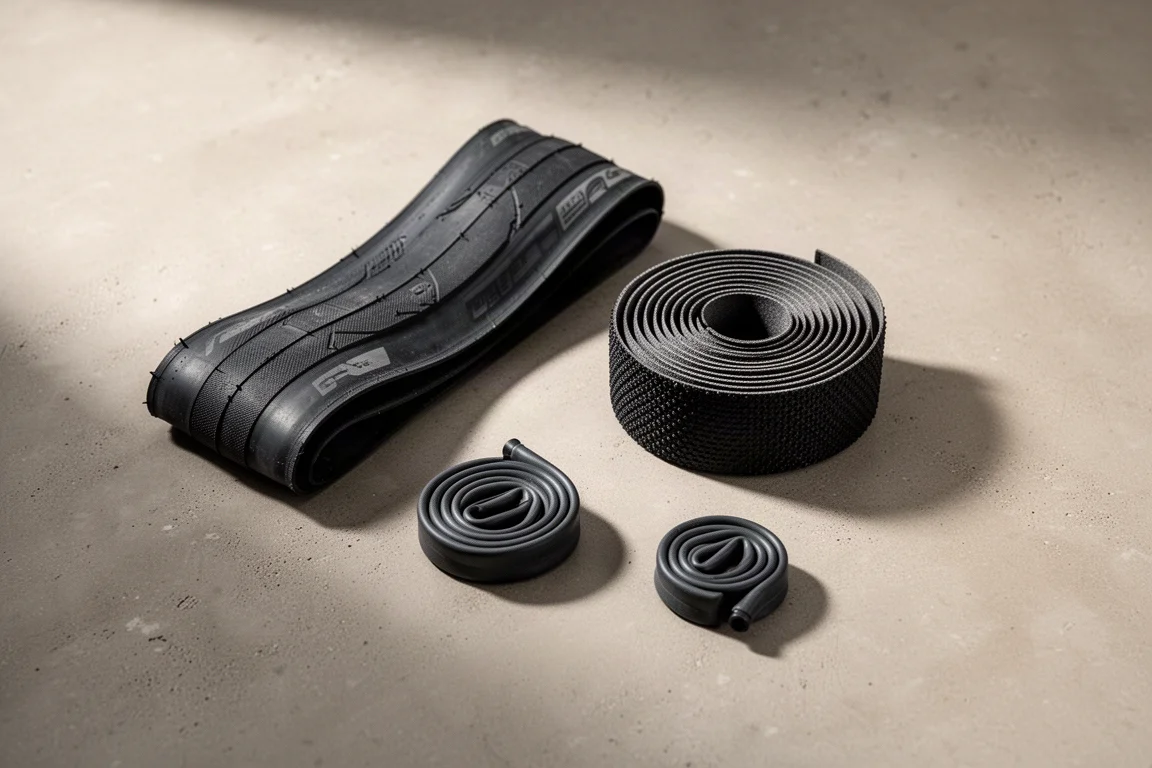
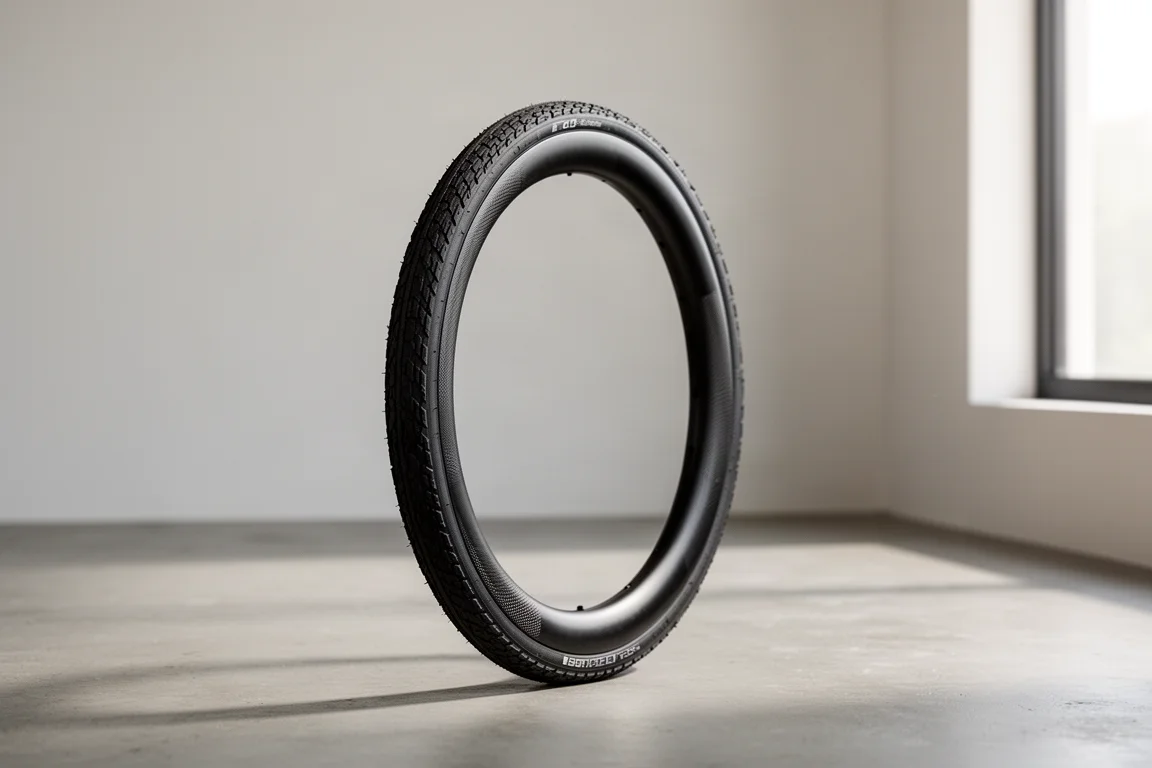
Inner tubes sit inside the tire, so making them lighter and more supple changes how a bike feels. Standard tubes are made of butyl rubber, and thinner butyl versions exist, but TPU tubes are a step beyond. TPU stands for thermoplastic polyurethane, and these tubes are extremely light and pack down very small. The difference compared with butyl is noticeable as soon as they are fitted.
They are relatively expensive, sometimes upwards of 25 pounds, and cheaper versions are worth checking carefully before buying. In practice, TPU tubes can puncture more often than butyl despite manufacturer claims, and the lighter valves on some models have been known to leak air.
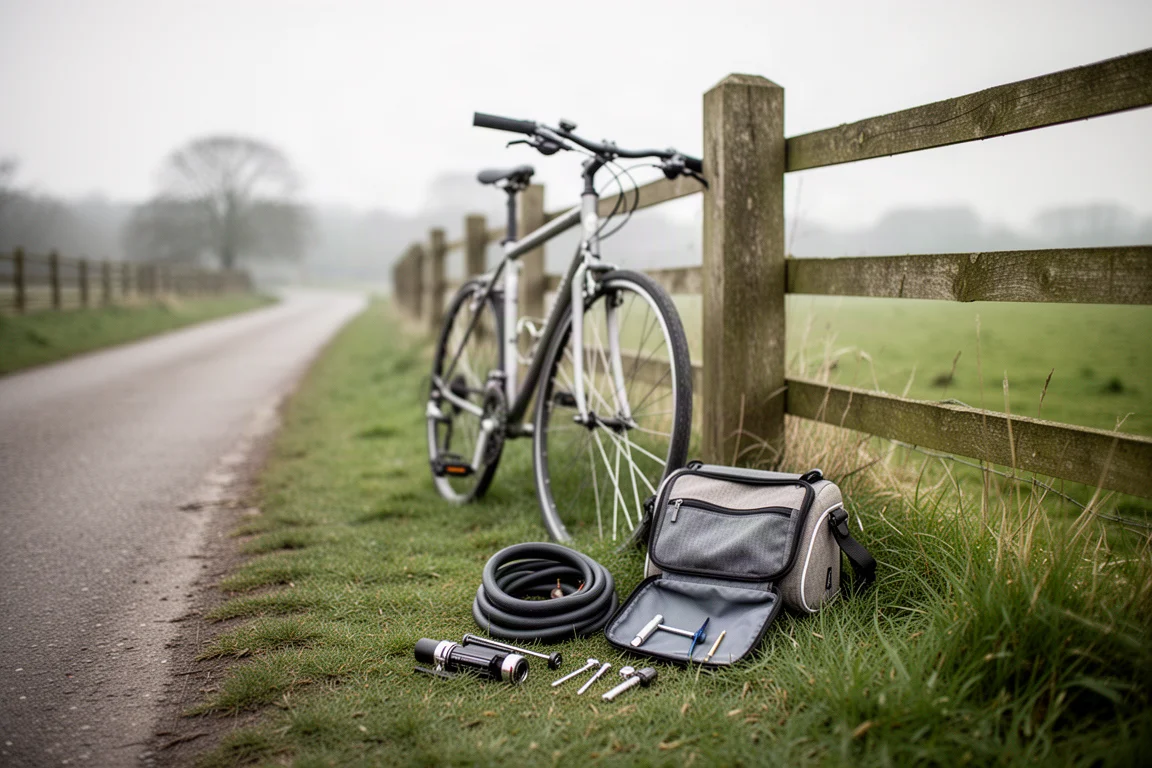
Latex tubes are the other option. They feel excellent, but they are porous and lose pressure, so they need pumping before almost every ride, and on very long rides they can drop pressure while riding, which makes them a poor choice for ultra-distance events. They cost more than butyl, and both TPU and latex mean buying replacements more often. Both can be patched, although TPU requires specific patches.
Tubeless setups take the idea further by removing the inner tube entirely. A liquid sealant sits inside the tire, with special valves and tape keeping the system airtight. Tubeless-ready wheels and tires are required, which is why the cost is higher, but the ride quality is excellent because material has been removed from the system. It also allows lower tire pressures without the risk of pinch punctures, since there is no tube to pinch between the rim and the tire. Small punctures can seal themselves as the sealant solidifies in the hole. It tends to work better with larger-volume tires than with narrow road tires, and it is worth carrying a few spares for the times it does not seal.
Schwalbe Marathon: Puncture Resistance Over Ride Feel
Every rider has a different tolerance for stopping to fix a flat, and at one end of that spectrum are tires built to resist punctures. The Schwalbe Marathon is the obvious example: fit it and flats become rare. The compromise is feel, and it is a real one. This is not a tire that rides as smoothly as a supple one, which is exactly why most riders choose something else when enjoyment is the priority.
For commuting, loaded riding, or long distances where reliability matters more than the texture of the road, that trade-off makes sense. It is worth trying if the idea of a puncture-free season appeals more than a plusher ride.
Choosing the Right Upgrade for Your Riding
If budget is the deciding factor, work from the top of this list downward. Tire pressure and lever position cost nothing and can transform how a bike feels, so they come first. Bar tape is the cheapest paid upgrade with an immediate difference under the hands. Supple tires, lighter inner tubes, or a tubeless setup come next, and they deliver the most noticeable change in ride quality, provided the extra cost and the higher puncture risk are acceptable.
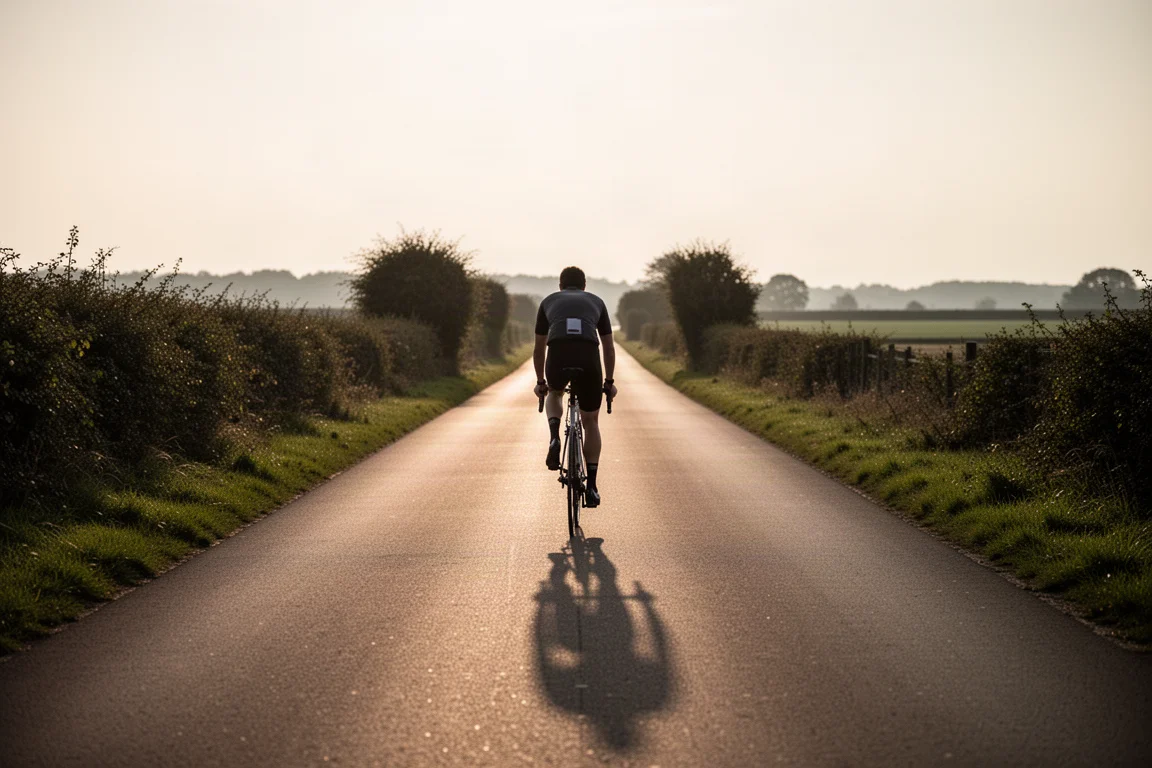
Wider tires are worth considering at the same time. Tire widths have grown steadily, with road bikes that once ran 25mm now commonly using 32mm, and racing frames clearing 34mm or more within official limits. Unless the roads are consistently smooth, a wider tire run at lower pressure usually feels better, and it opens up detours onto gravel tracks without turning the ride into a chore. Comfort matters for speed as well: a rider who is not being shaken around for hours tends to finish fresher.
The single biggest change for many riders is a professional bike fit, which is also the most expensive and least accessible item here. A good fitter assesses flexibility and mobility, accounts for previous injuries, takes measurements as a starting point for component sizes, discusses the kind of riding planned, and experiments with positions using rider feedback. Crucially, a good fitter can recommend bikes that will work before a purchase is made, which saves money later. The difficulty is finding one, and the cost is significant, especially if a frame size, stem, bar width, crank length, saddle, or seat post needs replacing afterwards. For someone riding ten minutes to work it is rarely necessary. For someone riding for hours, it is often the best money spent on a bike.
Conclusion
None of these changes require a new bike. Tire pressure and lever position are free, bar tape is inexpensive, and supple tires, lighter tubes, or a tubeless setup are the paid upgrades that change ride quality the most. A professional bike fit sits at the top of the list for impact and for cost. Start with the free adjustments, then add the paid ones that match the riding you actually do, and the bike will feel noticeably better for a fraction of what a new frame or wheelset would cost.
Further reading
Related Reviews
Cycling Upgrades
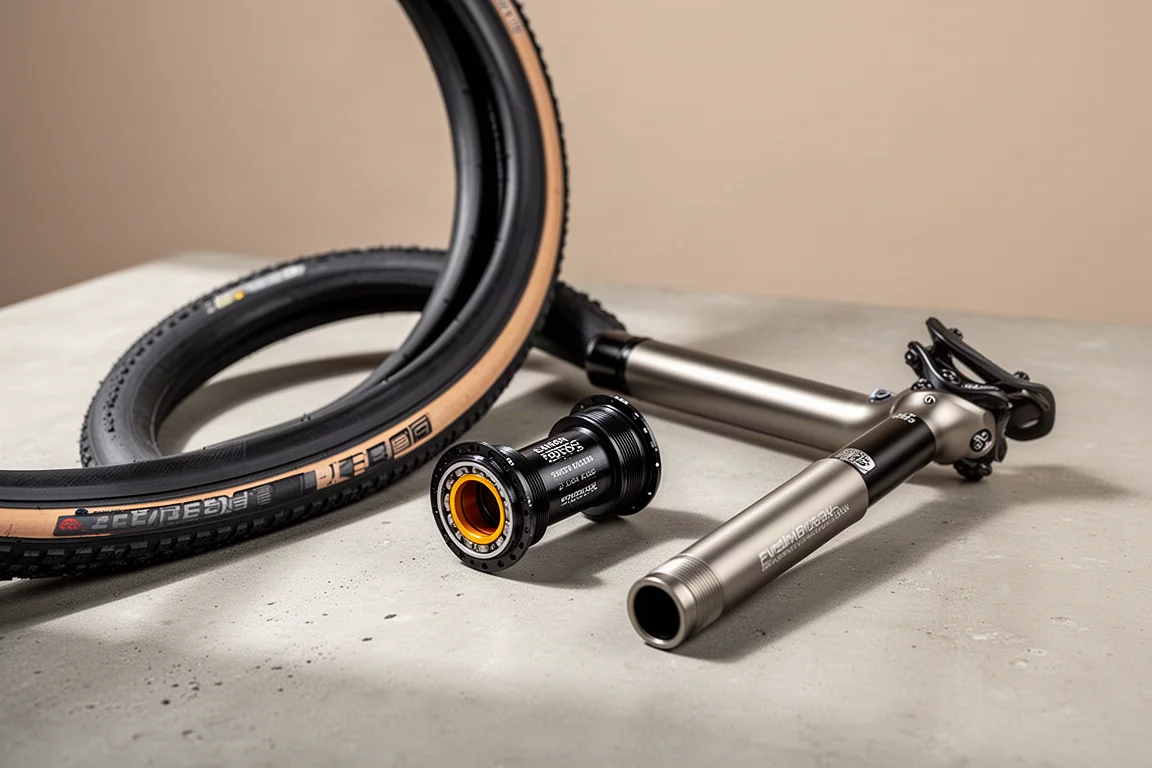
Best Bike Upgrades 2026: Three Practical Upgrades for Better Riding
A supple race tire, a durable ceramic bottom bracket, and a suspension seat post each offer distinct benefits and trade-offs.
Cycling Upgrades
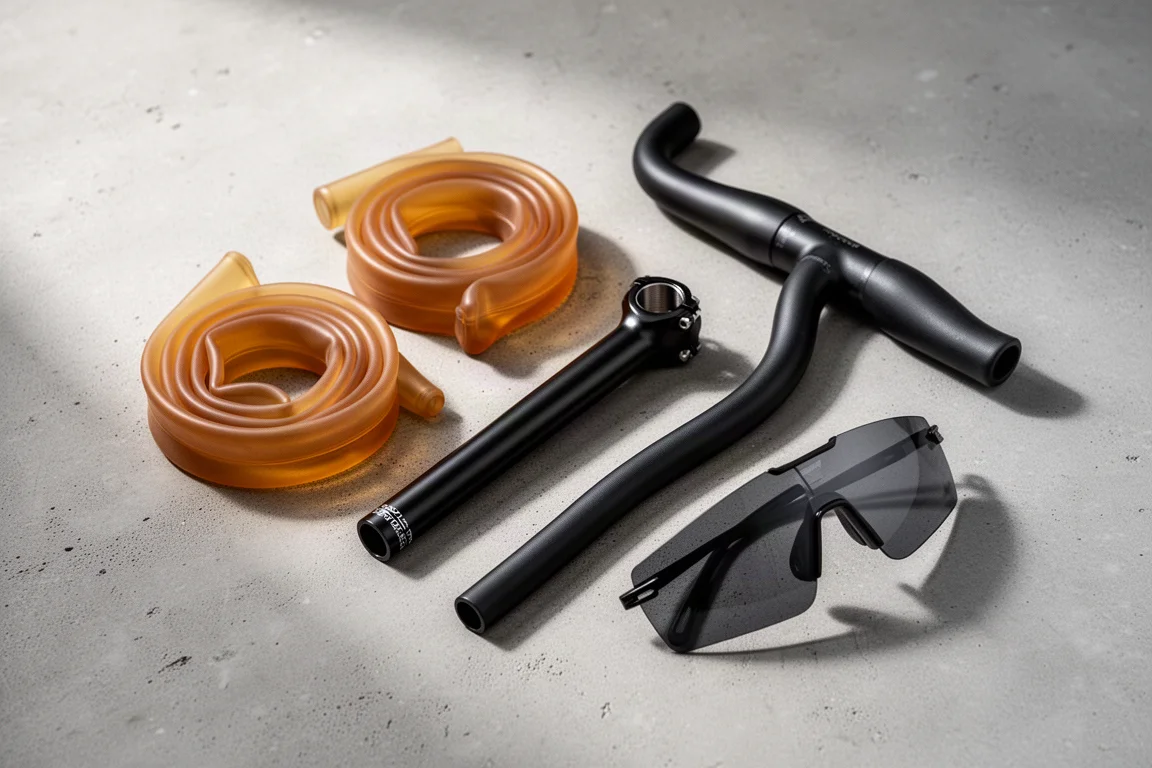
Cheap Road and Gravel Bike Upgrades: Five Budget Picks Worth Buying
Five low-cost upgrades for road and gravel bikes, from latex inner tubes with a measurable speed gain to budget stems, handlebars and sunglasses.
Cycling Upgrades
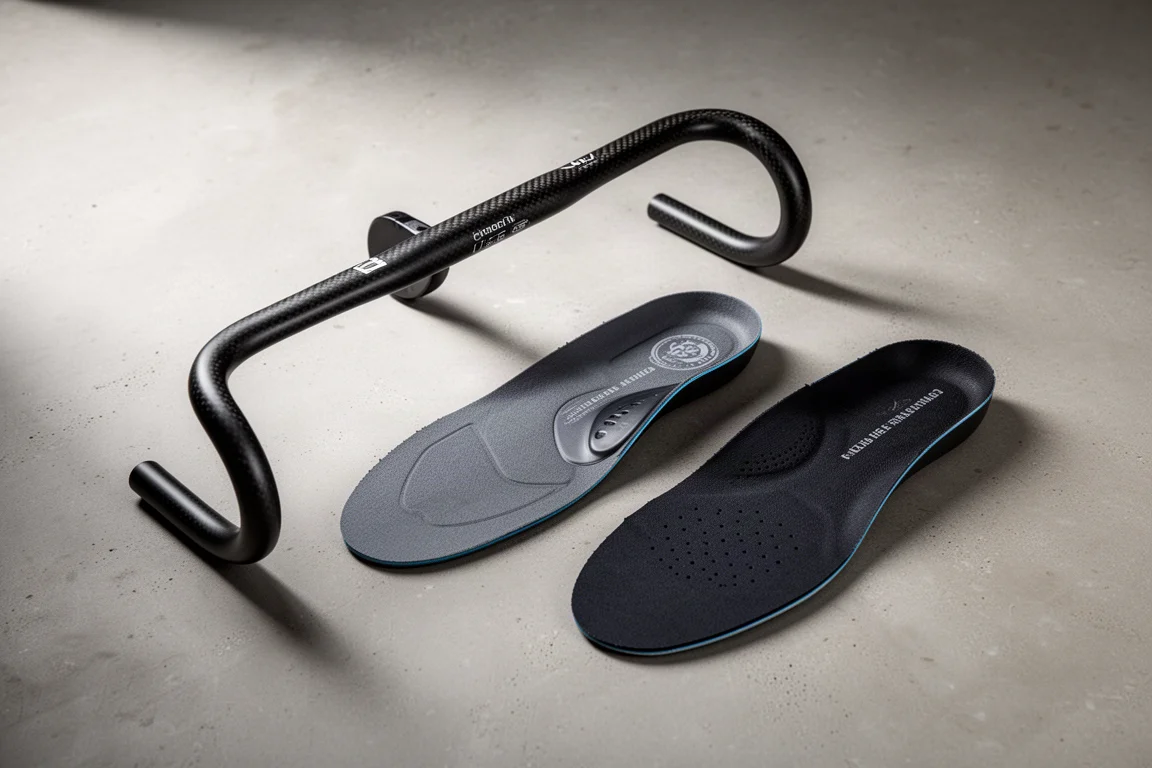
Best Value Bike Upgrades: Handlebars and Arch Support Insoles Worth Buying
Three low-cost cycling fit upgrades that change how a bike feels: a narrow internally routed handlebar and two arch support insole options.