Fountain Pens
Cerata Duma vs Subri: Two Fountain Pens, One Key Difference
Two closely related handcrafted fountain pens with the same nib and feed, separated by girth, filling system, and personality.
Introduction
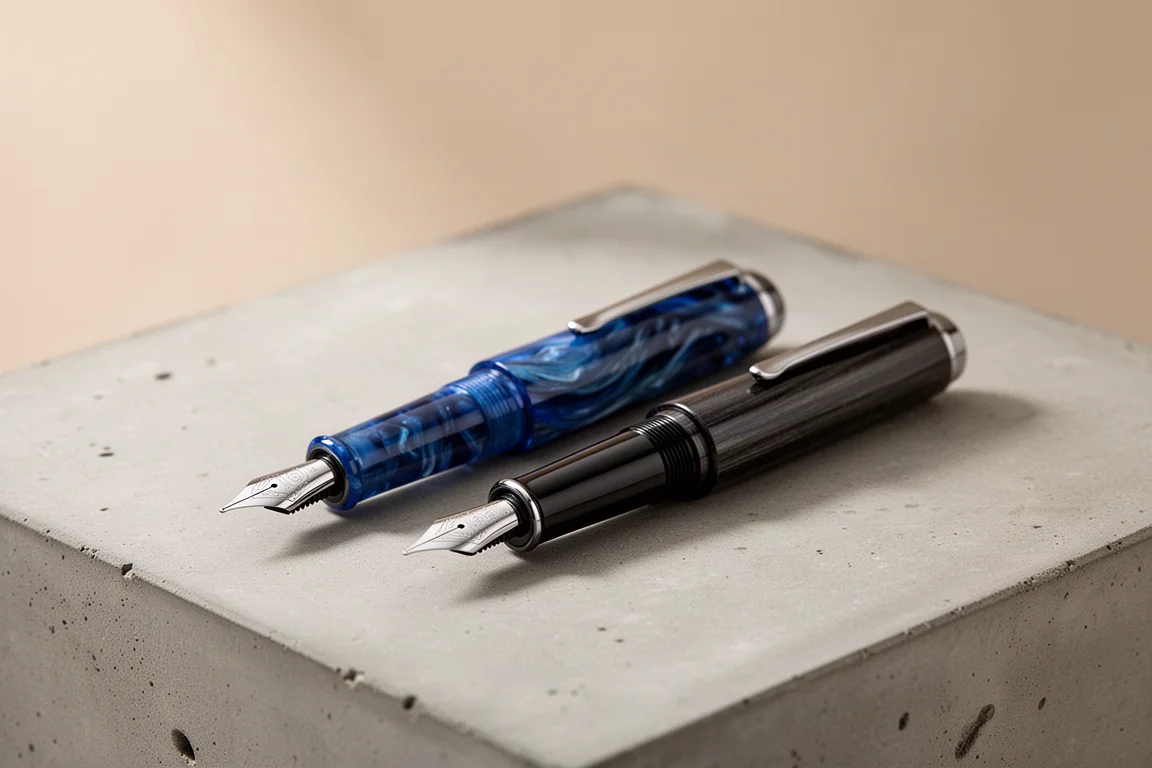
Some comparisons are easy to set up, and this is one of them. The Cerata Duma and the Cerata Subri come from the same Chicago workshop, and they are closely related: the Duma is essentially a slightly girthier version of the Subri. Both share the same nib and the same feed, so this is not a question of which writes better. It is a question of which pen fits your hands, your taste in materials, and your preferred way of filling with ink.
Both are limited-run pens with different material options, and both are aimed at people who care about the small details that make a handcrafted pen feel finished.
The Real Difference: Girth in the Section
Side by side, the two pens look very similar. Lengthwise there is almost nothing in it. Hold them, though, and the difference becomes obvious: the Duma has a wider section and a slightly wider overall diameter, especially noticeable in the grip area. It is a small difference on paper, but you really do feel it in use.
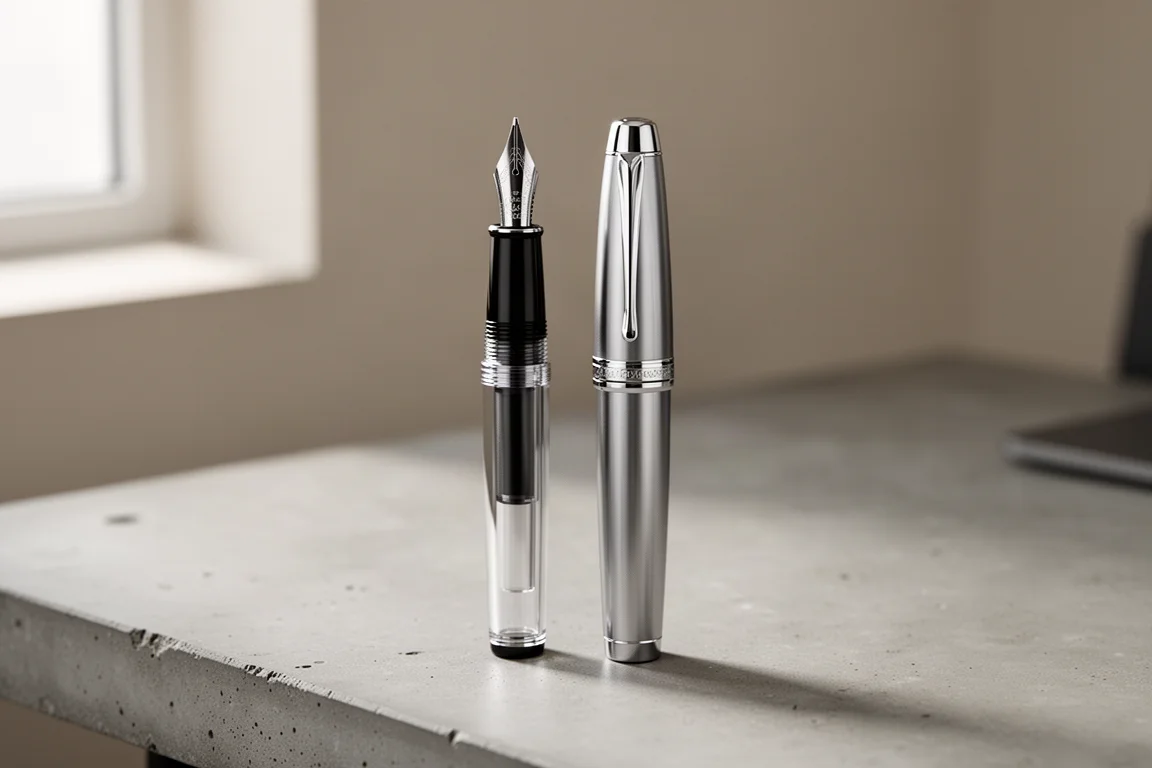
If you have larger hands or simply prefer a fuller pen, the Duma is the easy choice. That said, the Subri’s slimmer section is still very comfortable, with a long grip that works well even for writers who normally avoid narrow pens.
Finish Details That Matter
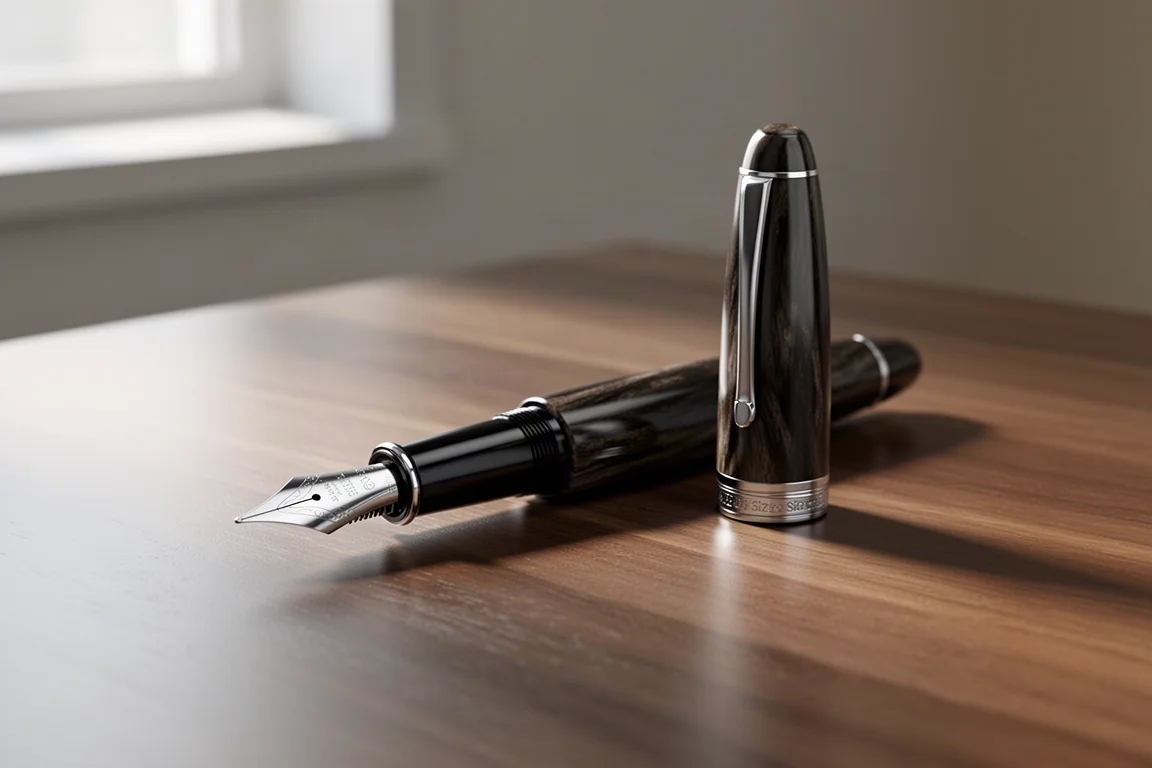
One detail worth calling out on both pens: the threads are finished beautifully. There is no sharpness where the cap meets the section, and you barely feel the threads at all while writing. It is a quietly impressive piece of craft, and it makes both pens genuinely pleasant to hold for long writing sessions.
Neither pen posts properly, so neither is a great match if you rely on posting the cap for balance. Both are comfortable unposted, and the long section helps with that.
Nib and Writing Experience
Both pens carry the same nib: a size six steel nib, ground by hand. The grinding work is excellent, smooth and consistent, and it is no surprise given the maker’s pedigree. The Subri sample ran a Mango ink that suited the material beautifully, while the Duma carried a classic blue. With identical nibs and feeds, neither pen has an edge here.
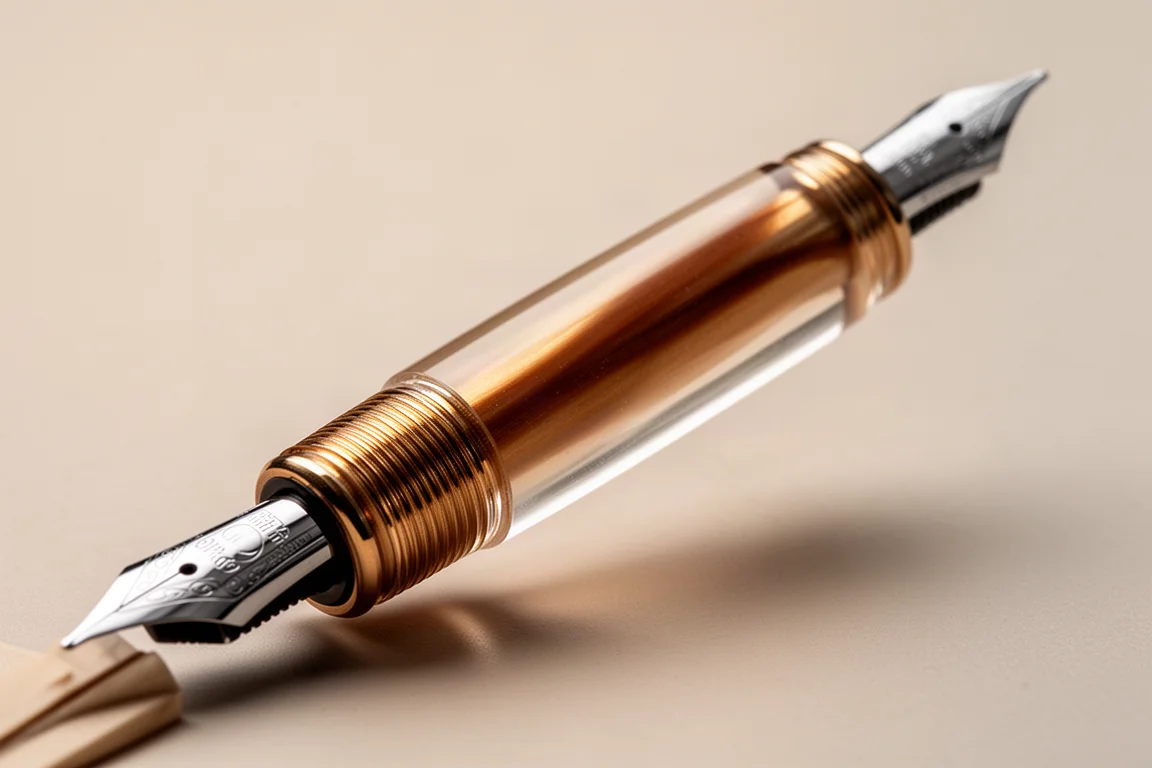
Both were pleasant writers with a controlled, not overly wet flow. If your decision rests purely on how they write, it will not be decided in this comparison, because the writing experience is essentially the same.
Filling Systems: Pump vs Piston
Here is the most practical dividing line between the two. The Subri uses a pump filling system: you unscrew a rather large blind cap on the end of the barrel, then press a simple spring-action plunger while the nib sits in an ink bottle. It is easy, it is effective, and you can operate it with one hand.
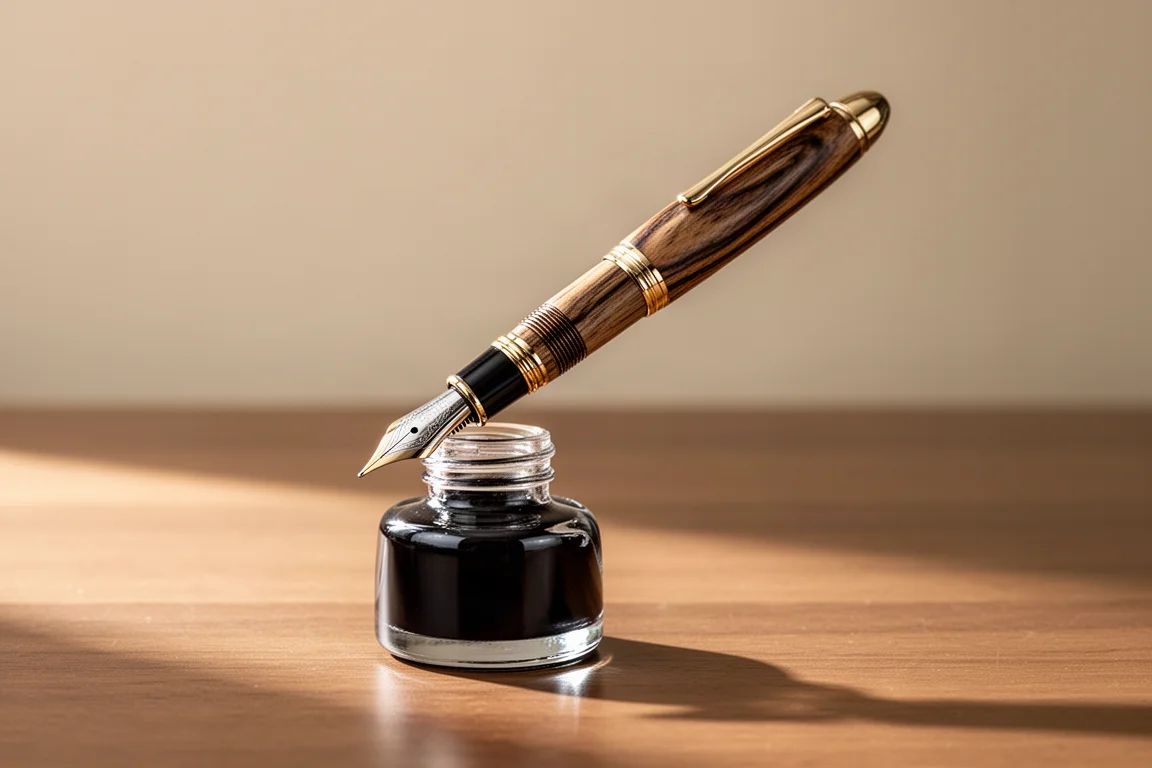
The Duma uses a more traditional piston filling system, operated by a turning knob at the end of the barrel. It is a beautiful in-house design and draws up a generous amount of ink, but it needs two hands to operate. Neither system is objectively better; it comes down to whether the single-hand convenience of the pump appeals to you.
Which One Should You Pick?
Both pens are very comfortable, both write beautifully with the same hand-ground nib, and both are finished to a high standard. The Duma rewards writers with larger hands who appreciate that extra bit of girth. The Subri suits anyone happy with a slimmer section who might enjoy the one-handed pump filler.
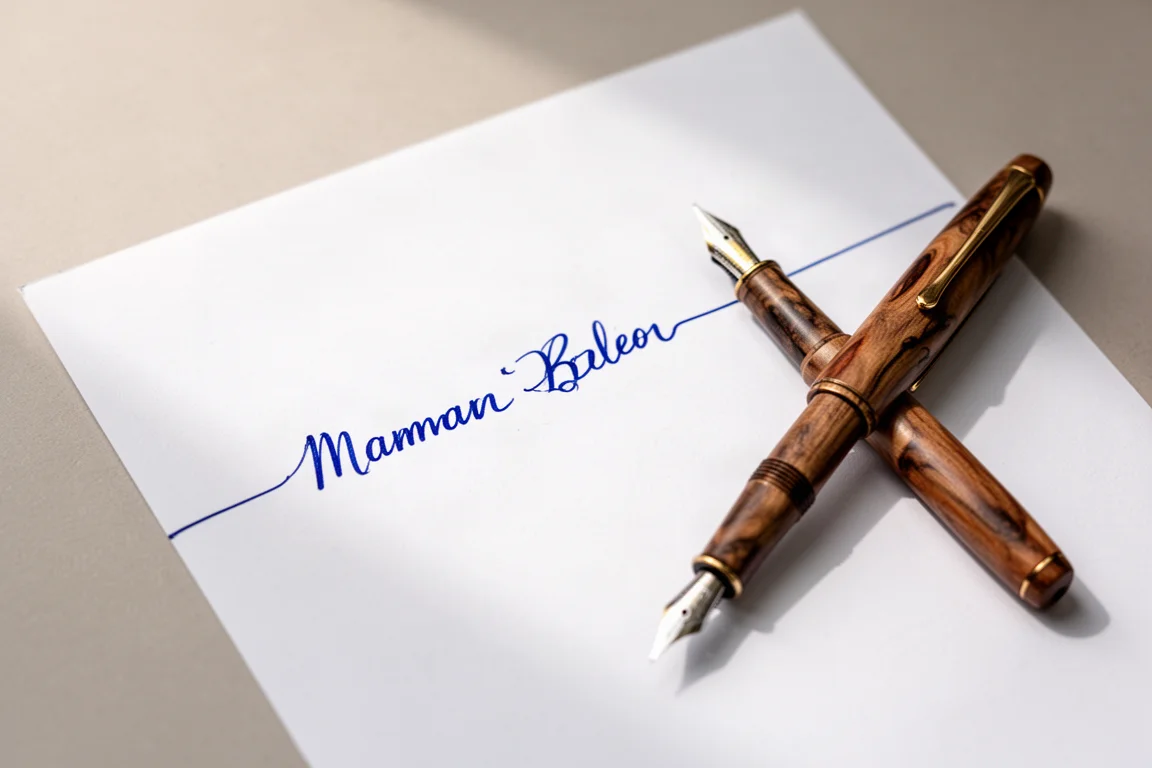
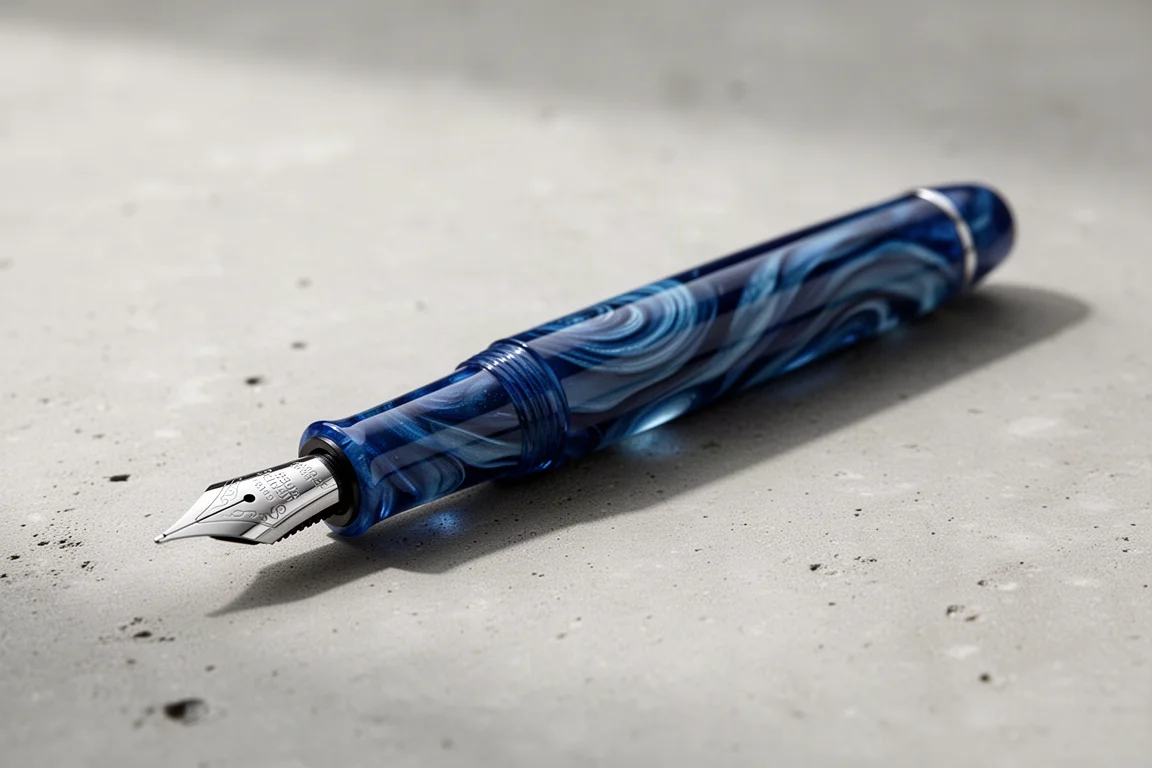
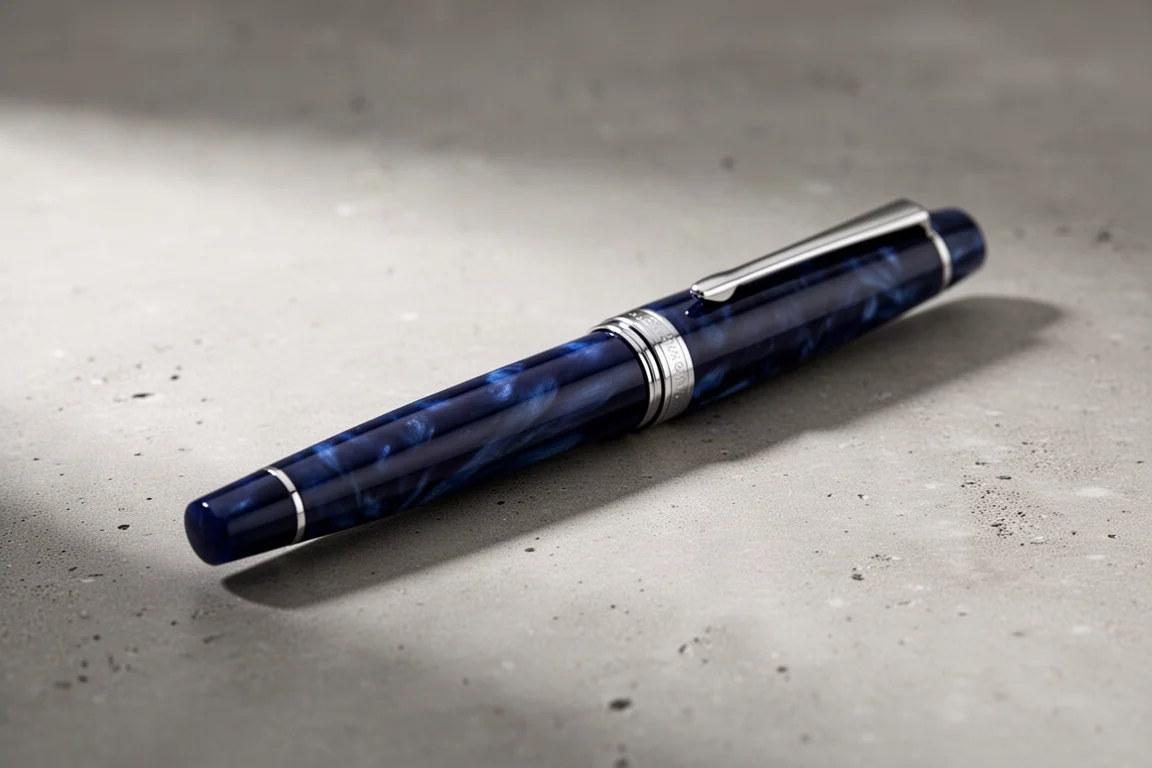
Interestingly, the slimmer pen is the one that ended up staying. Despite a preference for larger pens, the Subri’s material, a stunning blue swirly acrylic, and its one-hand pump filling system won out. That is a useful takeaway: even if you usually reach for bigger pens, the Subri’s girth is comfortable enough to hold its own, and the filling system is genuinely charming in daily use.
Conclusion
The Cerata Duma and Subri are two takes on the same excellent pen. Choose the Duma if you want extra girth and a classic piston filler. Choose the Subri if you prefer a slimmer section and love the idea of a one-handed pump fill. Either way, you are getting the same hand-ground nib, meticulous thread finishing, and the kind of handcrafted character that mass-produced pens cannot replicate.
Further reading
Related Reviews
Fountain Pens
Best Budget Fountain Pens Tested: 9 Pens, One Clear Winner
A hands-on comparison of nine affordable fountain pens for everyday writing, calligraphy, and sketching, with a clear standout for flexible nib fans.
Fountain Pens
Aurora Optima Review: An Italian Piston Filler That Punches Above Its Price
A 14k gold nib, ebonite feed, and a beautifully deep oraloid body make the Aurora Optima one of the most rewarding piston fillers around.
Fountain Pens
Cross Bailey Light Review: The Entry-Level Fountain Pen Worth Keeping at the Office
A plastic-bodied Cross with a metal clip, snap cap, and famously smooth extra fine steel nib. Around $15, available almost everywhere, and easy to recommend.