Blacksmithing Tools
Central Forge 15 lb Rugged Cast Iron Anvil Review: A Budget Anvil That Disappointed Us
Harbor Freight's Central Forge 15 lb cast iron anvil looks like a hidden gem for occasional hammering, but our testing revealed serious concerns about its surface durability and rebound.
Introduction
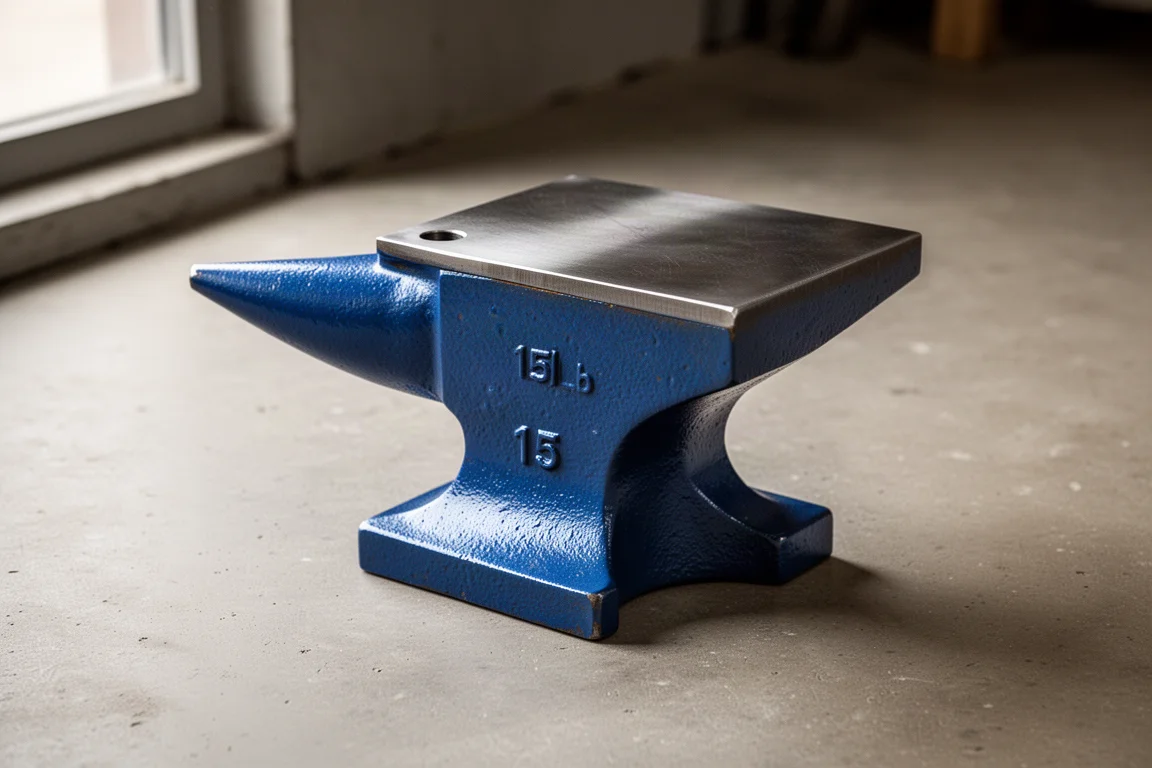
Every so often a budget tool comes along that looks like an absolute steal, and this one seemed like a textbook case. The Central Forge 15 lb Rugged Cast Iron Anvil, sold at Harbor Freight, is priced around twenty dollars. At that price, finding any kind of usable anvil is remarkable, since even a chunk of railroad track often costs more. That is exactly why we wanted to test it seriously before recommending it to anyone.
The short version: this one did not work out. What looked like a hidden gem turned into a clear fail after a few simple tests, and the results are worth understanding before you spend money on it.
What the Central Forge 15 lb Anvil Promises
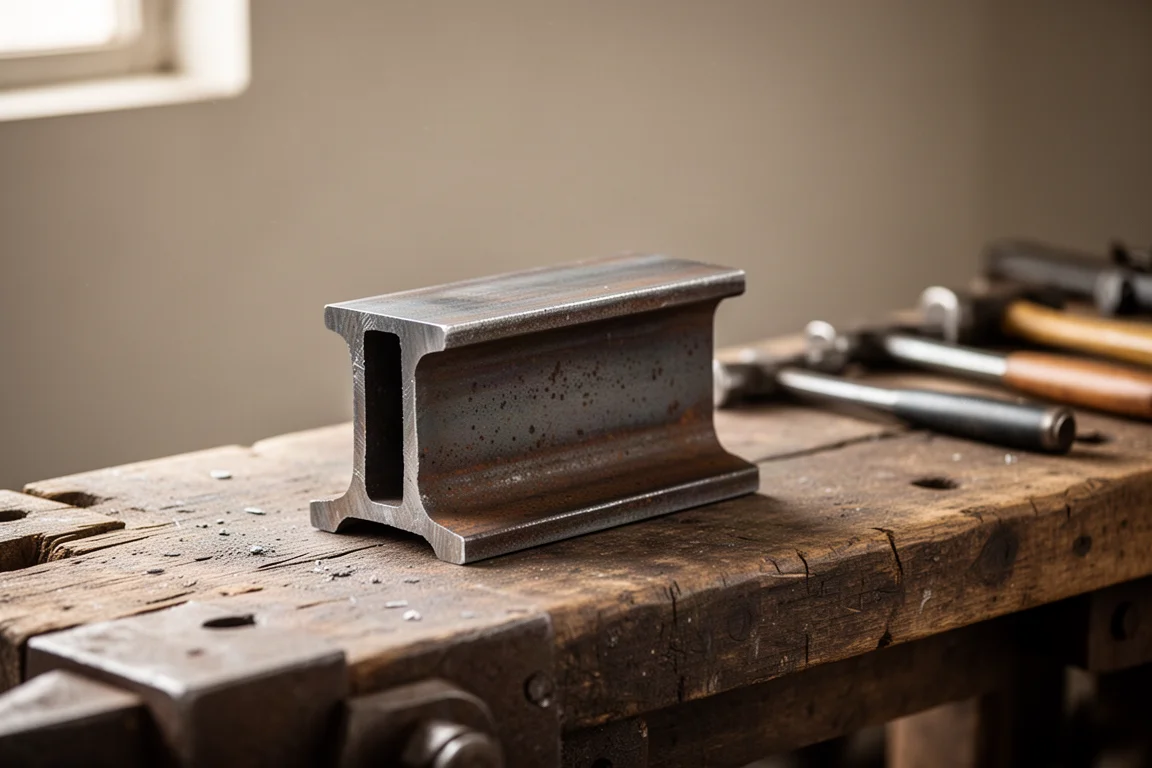
Central Forge is one of Harbor Freight’s in-house brands, and the range includes a number of different anvil sizes. The 15 lb model, listed as the rugged cast iron anvil, appealed immediately for rare or occasional use: sometimes you just want a chunk of heavy steel with a flat surface to pound on. It measured about 8 and 3/8 inches long, slightly more than the 8 and 1/4 inches stated on the package, and roughly 3 inches wide. It also includes a hardy hole, though a small one rather than the common 1-inch square.
For comparison, larger anvils of similar quality can be expensive, and a good used one can sell for four figures to a working blacksmith. Against that backdrop, a twenty-dollar anvil with a big flat face and a hardy hole sounds genuinely promising.
Who This Product Is For
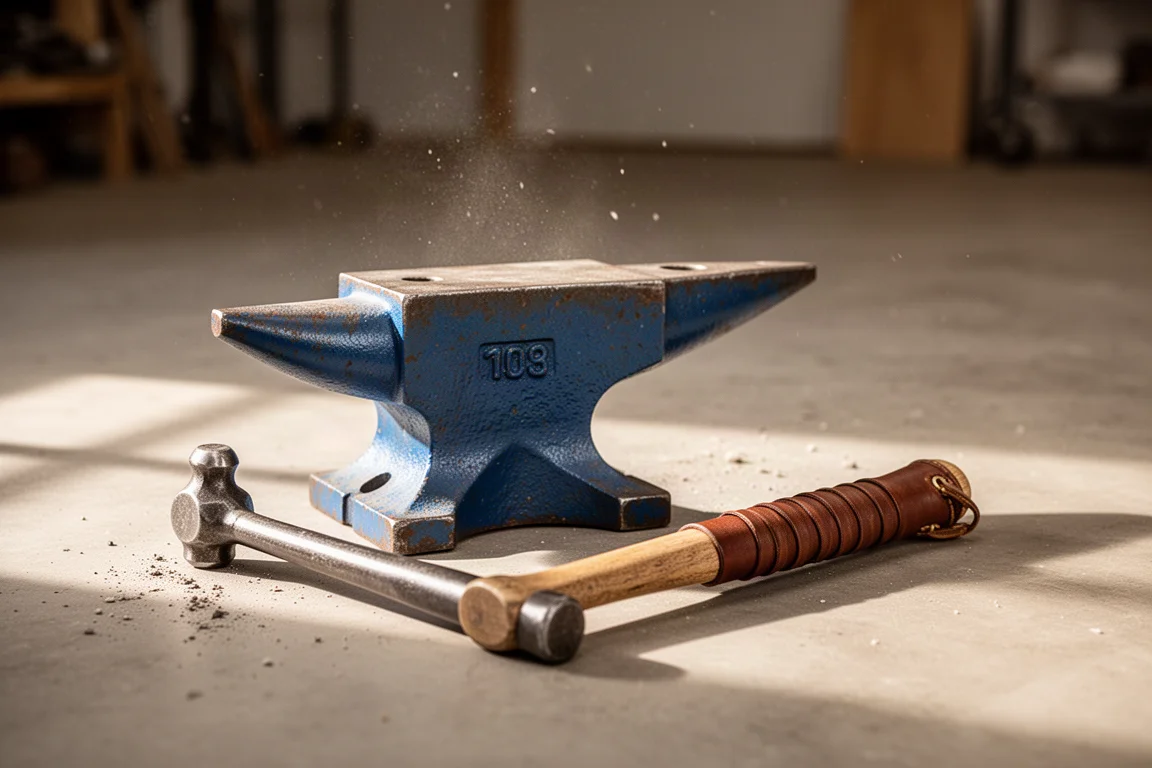
On paper, this anvil suits three kinds of buyers: hobbyists who only occasionally need heavy steel to hammer on, people setting up a very low-cost workshop corner, and anyone who would otherwise improvise with railroad track sections. Its small footprint and light weight also make it easy to move around a garage or bring to a temporary work area.
Main Strengths
Credit where it is due. The size and format are genuinely useful for light, occasional work. The 15 lb weight gives it enough mass to stay put during gentle striking, the flat top offers a reasonable working surface for its price, and the included hardy hole adds flexibility that a plain railroad track section cannot match. At around twenty dollars, the value proposition on paper is hard to beat.
Things to Consider Before Buying
This is where the story turns. Two tests exposed serious problems with this anvil, and both matter for anyone who plans to actually strike metal on it.
Rebound Test: Where the Problems Started
Rebound matters because the bounce-back of a hammer does part of the work for you. On a quality anvil, the hammer springs back up, reducing muscle strain and letting you keep striking far longer. Classic anvils can bounce a steel bearing impressively high, repeatedly.
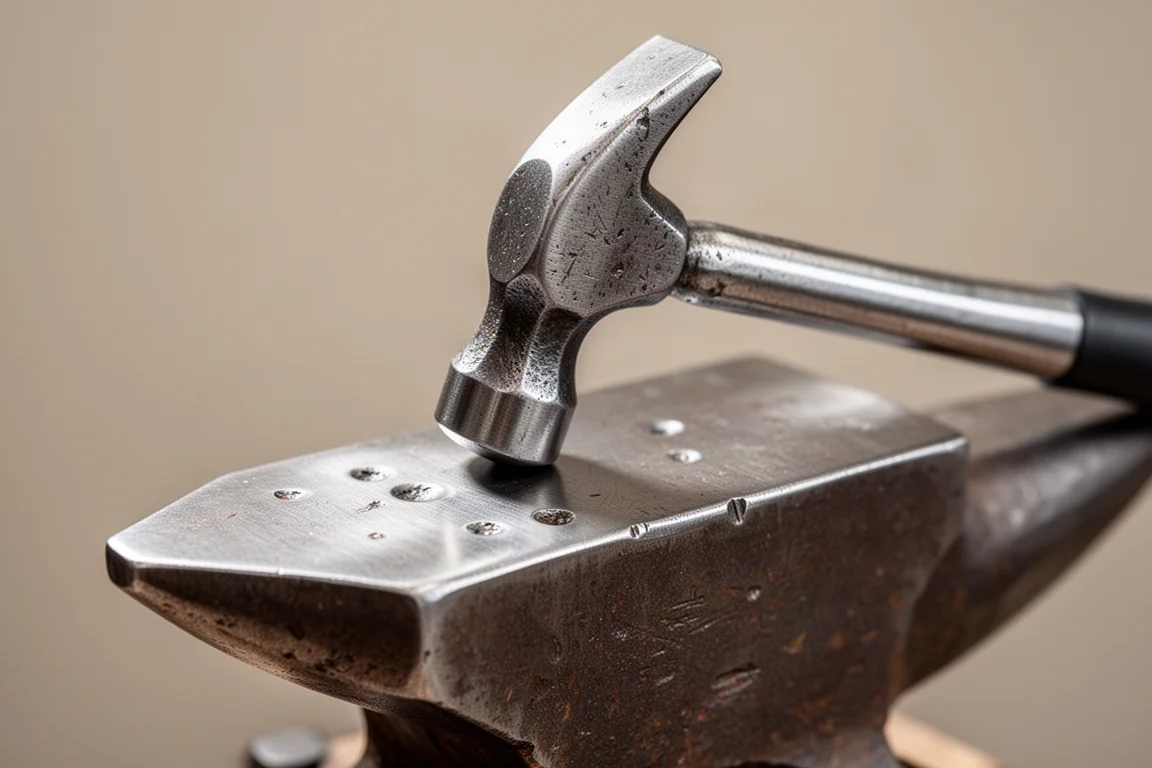
Dropping an Estwing solid ball peen hammer from a fixed height onto this anvil produced a nearly dead thud, with almost no rebound. A plain section of railroad track actually performed better. Even a Snap-On dead blow ball peen, which intentionally damps rebound, showed how little energy this anvil returns.
The Real Deal-Breaker: A Surprisingly Soft Face
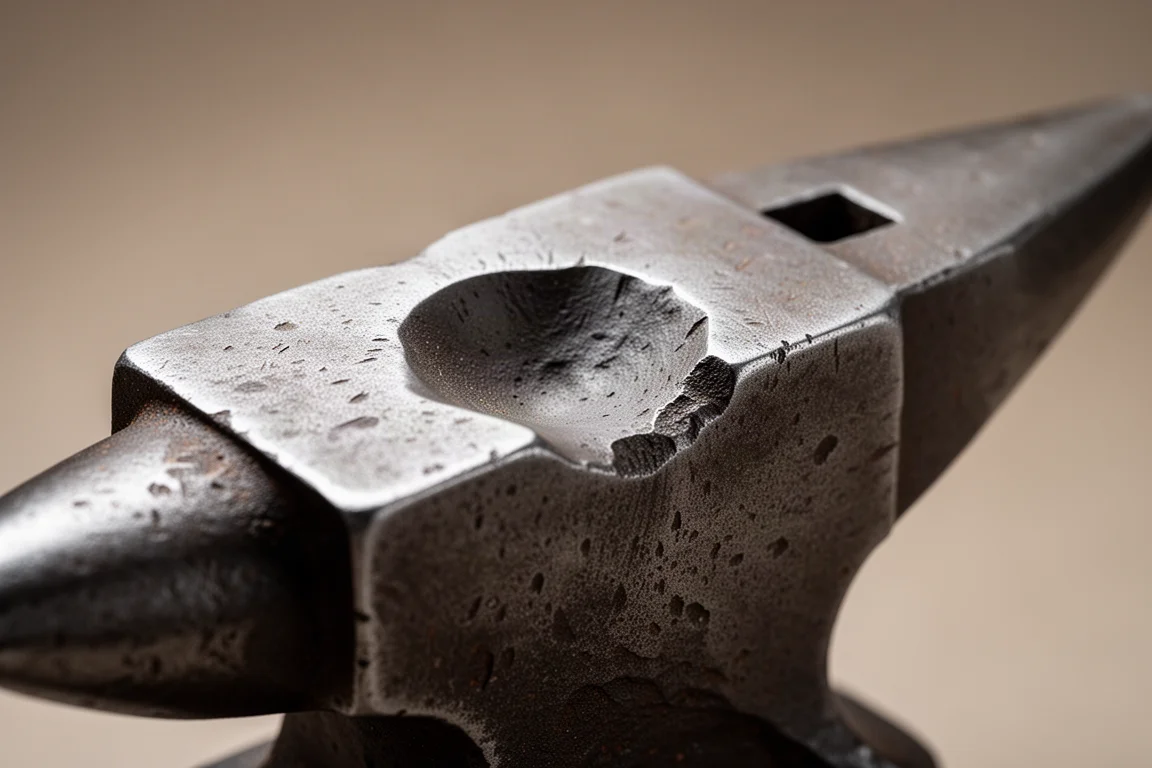
The bigger issue is the anvil’s surface hardness. Striking it with a ball peen hammer left visible dents, with the softer hammer steel marking the anvil face repeatedly. A blow from a harder hammer head produced an even larger dent. The face behaved almost like lead, absorbing hammer blows rather than resisting them.
The likely explanation is that the anvil face simply was not heat treated. Many blue-painted imported anvils of this type are perfectly serviceable, so the format is not inherently flawed. This particular unit, however, shows a working surface too soft to hold up under normal use. Dents in an anvil face will transfer to whatever you are forging, which defeats the purpose of the tool.
Buying Advice
We returned our unit and would advise caution to anyone considering this anvil for real blacksmithing or even regular hobby hammering. If you only need occasional mass to straighten or flatten something roughly, it may survive, but the dead rebound and soft face undermine even that use.
For the same money, a section of railroad track often delivers better rebound, and for modest budgets there are imported anvils in this style that are properly heat treated. If you do buy this one, inspect the face carefully on arrival and consider a simple ball peen strike test on an inconspicuous spot before committing. Reach out to the seller if dents appear immediately, since the unit we tested clearly should not have passed quality control.
Conclusion
The Central Forge 15 lb Rugged Cast Iron Anvil had every appearance of a twenty-dollar hidden gem: useful size, a flat working face, and a hardy hole at a price that undercuts even a scrap of railroad track. In practice, a near-total lack of rebound and a strikingly soft, easily dented face made it a fail rather than a find. Unless you can verify the face is properly hardened, spend your budget elsewhere.
Product link
View more details for Central Forge 15 lb Rugged Cast Iron Anvil
This product is mentioned in the review. Check the specifications, options, and compatibility before buying.
View more details for Central Forge 15 lb Rugged Cast Iron AnvilFurther reading
Related Reviews
Tools
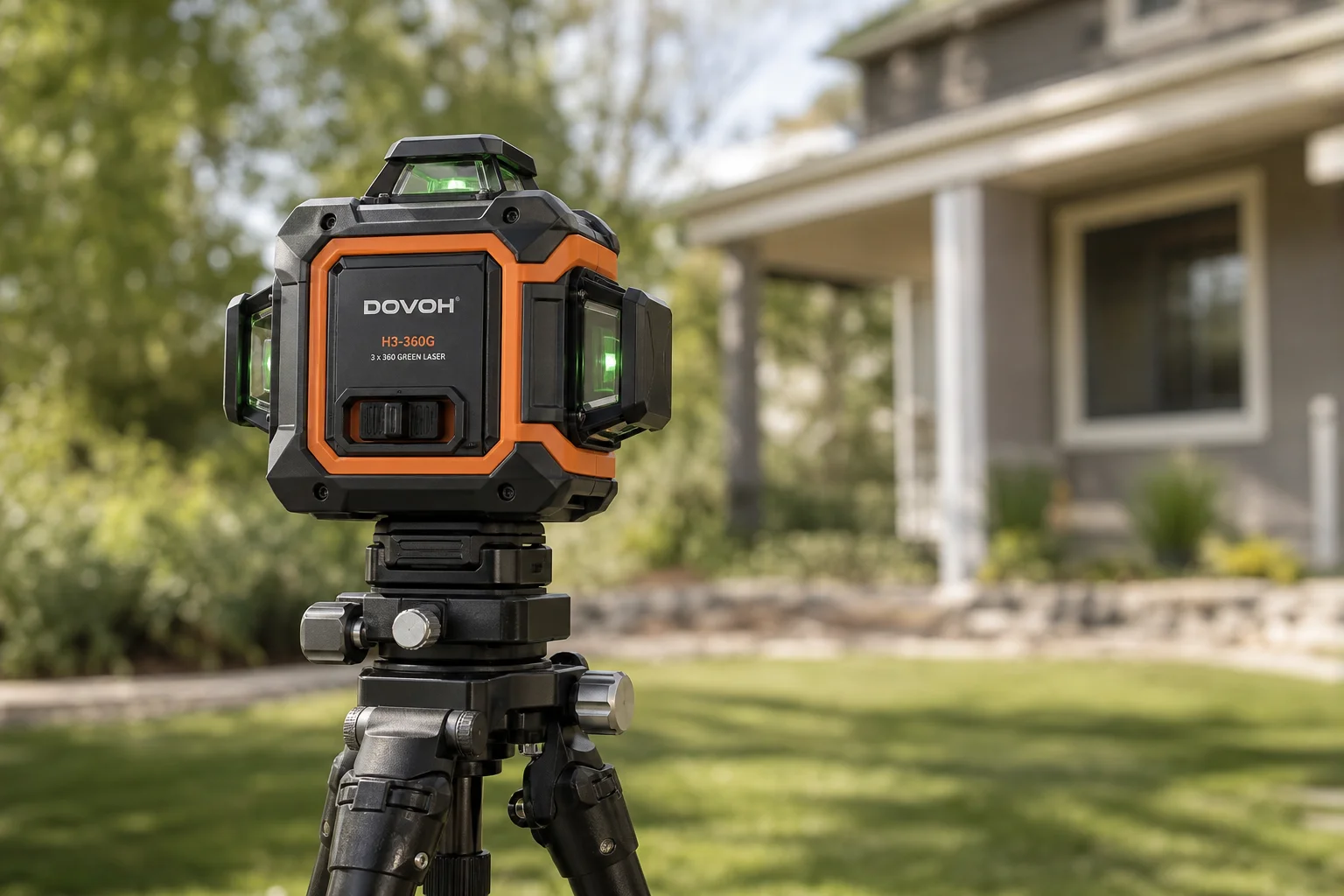
DOVOH Outdoor Laser Level Review: A Premium Tool for Construction and Landscaping
A comprehensive look at the DOVOH outdoor laser level with receiver, including what comes in the box, key features, and real-world performance for leveling projects.

Tool Reviews
Metmo Fractal Vise 32 and Dual M18 Battery Adapter: Two TikTok Finds Put to Work
We bought two tools that keep showing up in our feed: a fractal vise that clamps almost anything and a dual battery adapter that promises more power and runtime.
Power Tools
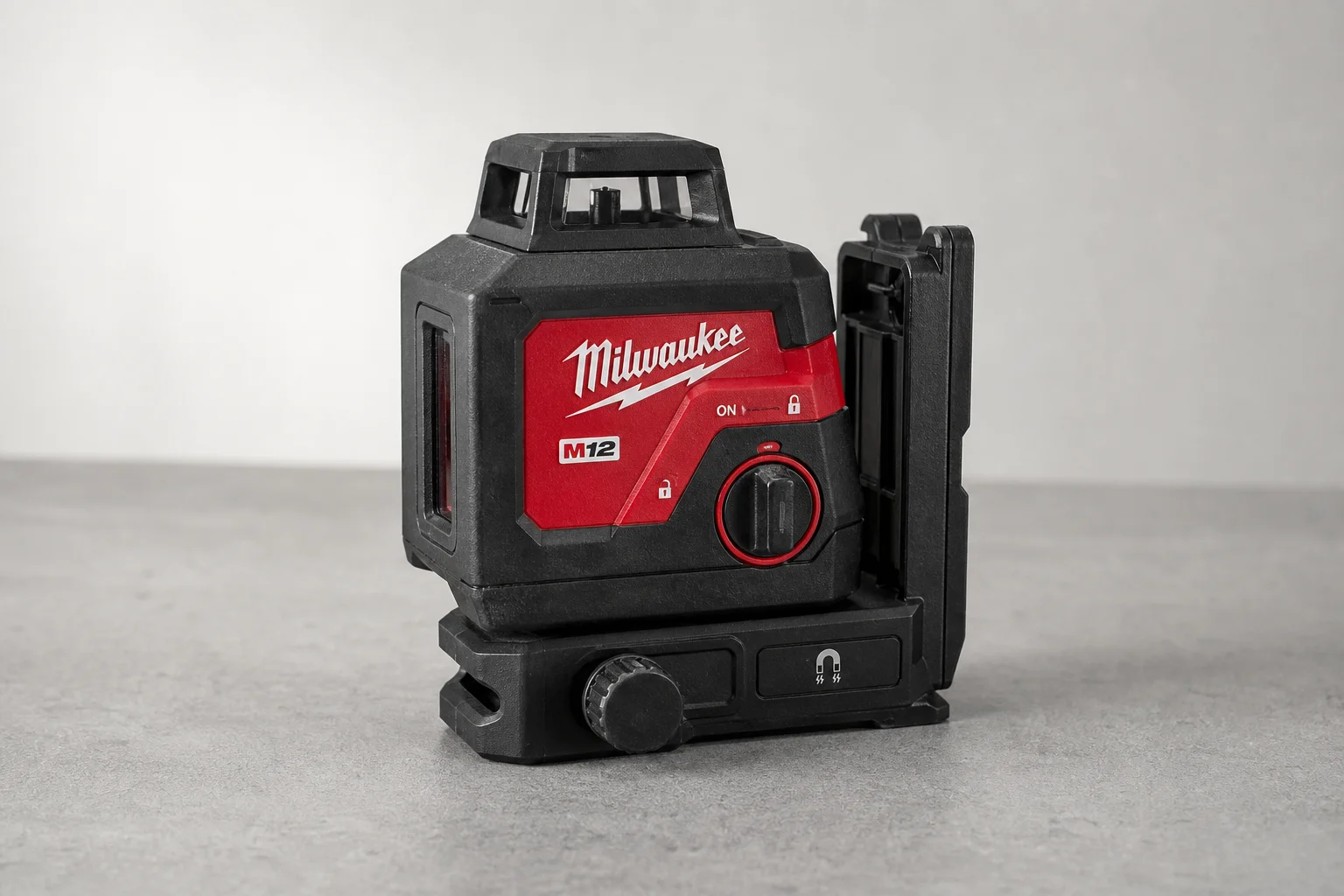
Milwaukee M12 Four-Point Laser Review: A Bright Green Upgrade for M12 Users
The new Milwaukee M12 four-point laser delivers significantly brighter green lines, 15-hour runtime, and thoughtful features like micro-adjustment and pendulum leveling. A strong choice for users already invested in the M12 battery platform.