Power Tools
Milwaukee M12 Four-Point Laser Review: A Bright Green Upgrade for M12 Users
The new Milwaukee M12 four-point laser delivers significantly brighter green lines, 15-hour runtime, and thoughtful features like micro-adjustment and pendulum leveling. A strong choice for users already invested in the M12 battery platform.
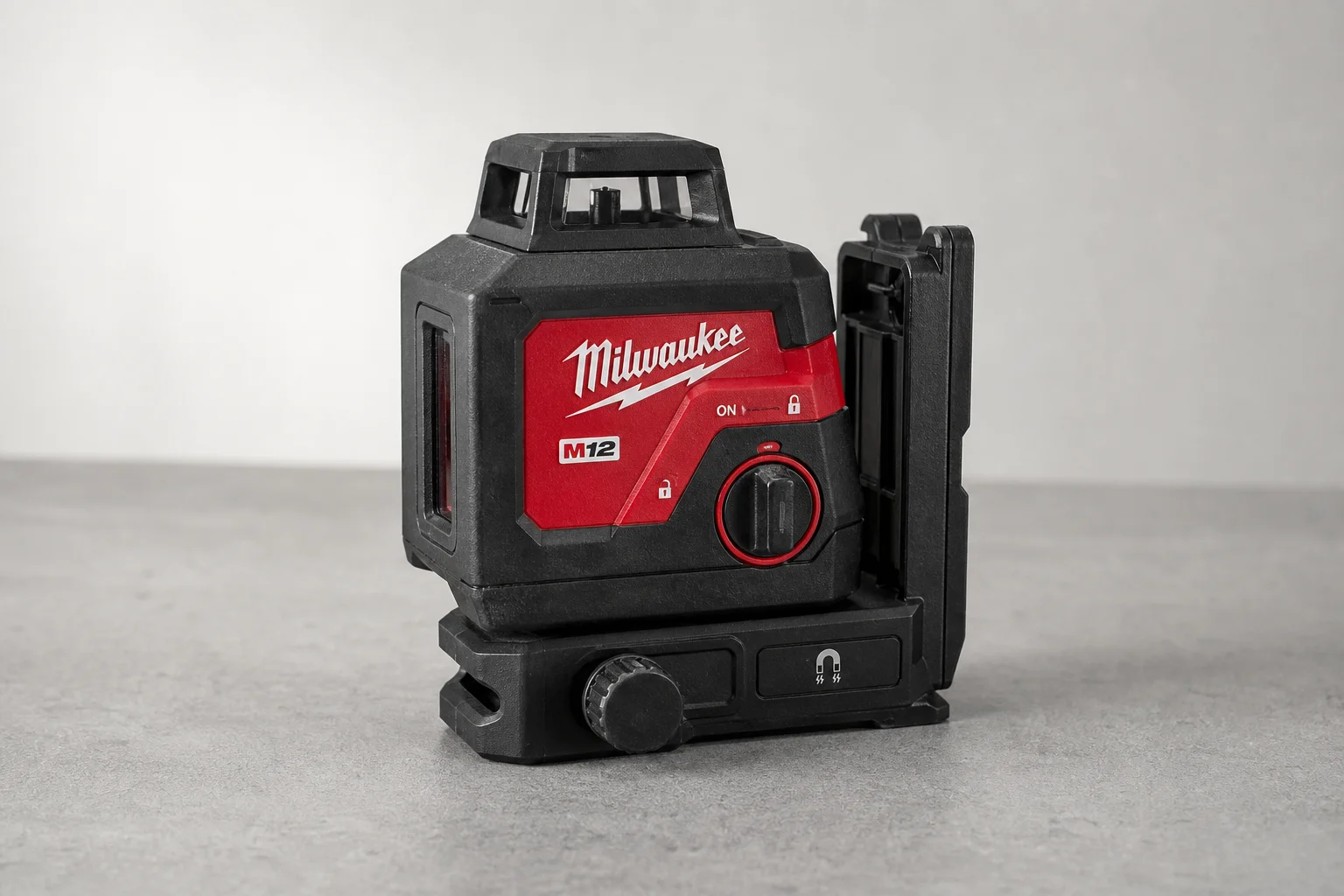
Introduction
The Milwaukee M12 four-point laser represents a meaningful upgrade for users already committed to the M12 battery ecosystem. After months of use, this laser delivers noticeably brighter green lines, longer runtime, and thoughtful design improvements over competing 12-volt options. For contractors and builders who value consistency across their tool platform, this laser makes a practical case.
Brightness and Line Quality
The most immediately noticeable improvement is the brightness of the green line. Compared side by side with the DeWalt 12V laser, the Milwaukee projects a significantly bolder line that remains visible across longer distances and in well-lit spaces. Even in a room with 20-foot ceilings and substantial natural sunlight, the green line stays clear and easy to track on white surfaces.
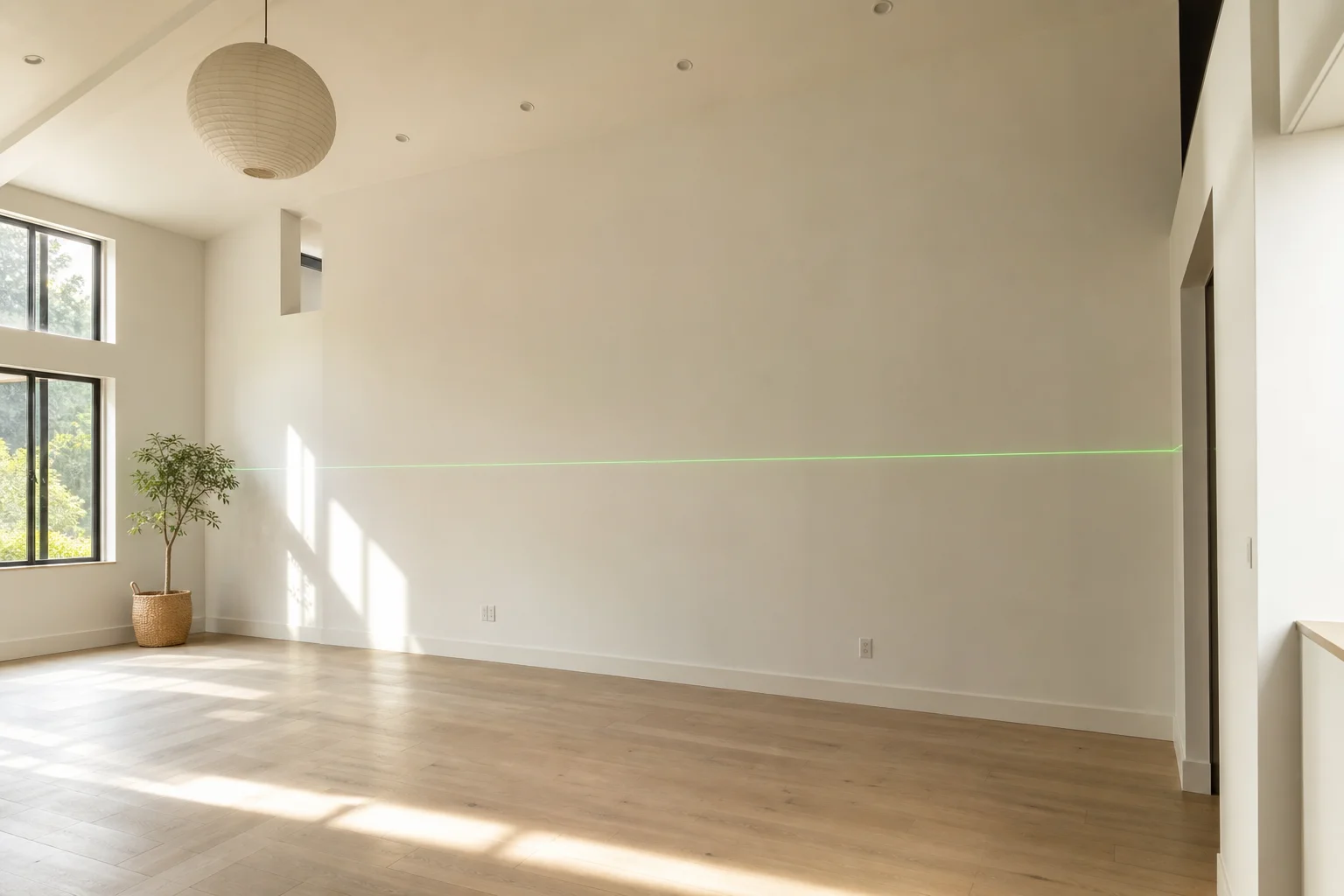
The line itself is clean and precise, making it straightforward to identify the center point when marking work surfaces. This clarity becomes especially valuable when working at distance or in bright conditions where a dimmer laser would fade into the background.
Base Features and Mounting Options
The laser base integrates several practical features that improve usability on job sites. Strong magnets on the rear allow secure mounting to metal surfaces without risk of slipping, while a hanger hole enables wall-mounted installation with a screw. The full 360-degree swivel range provides flexibility for different work angles.
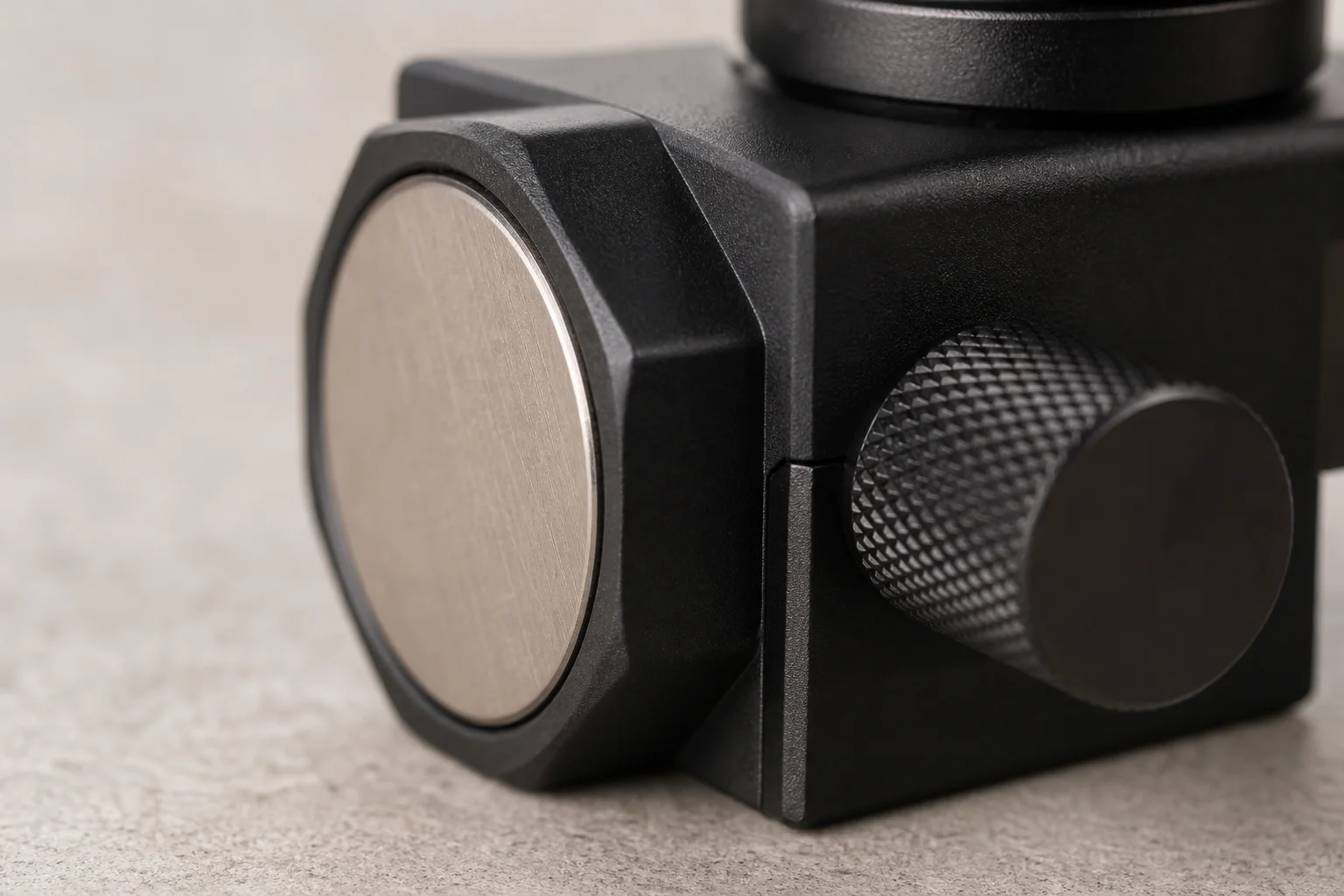
A standout addition is the micro-adjustment knob. As you turn it, the laser line shifts incrementally, allowing fine-tuning without repositioning the entire tool. This proves especially useful when the laser sits on a floor and small adjustments are needed to align with reference points.
Operating Modes and Controls
Three distinct settings govern the laser’s behavior: off, locked mode, and pendulum mode. Locked mode allows manual positioning at any angle, useful for detail work or tripod mounting where you need the laser at a specific inclination. The laser blinks periodically in locked mode to alert users they are not in automatic leveling, preventing accidental misalignment.
Pendulum mode automatically levels the laser within four degrees. If tilted beyond that threshold, the laser blinks to indicate it is out of range. This automatic leveling is convenient for standard horizontal and vertical work where precision matters but manual adjustment is impractical.
A mode button cycles between horizontal, plumb, and combined axes. A four-LED battery indicator shows remaining charge at a glance.
Four-Point Laser Capability
The four-point design projects plumb dots in four directions: straight down to the floor and straight up to the ceiling, plus horizontal points on the left and right. The vertical plumb dots are the most practical feature for transferring points between levels, such as aligning ceiling fixtures with floor references.
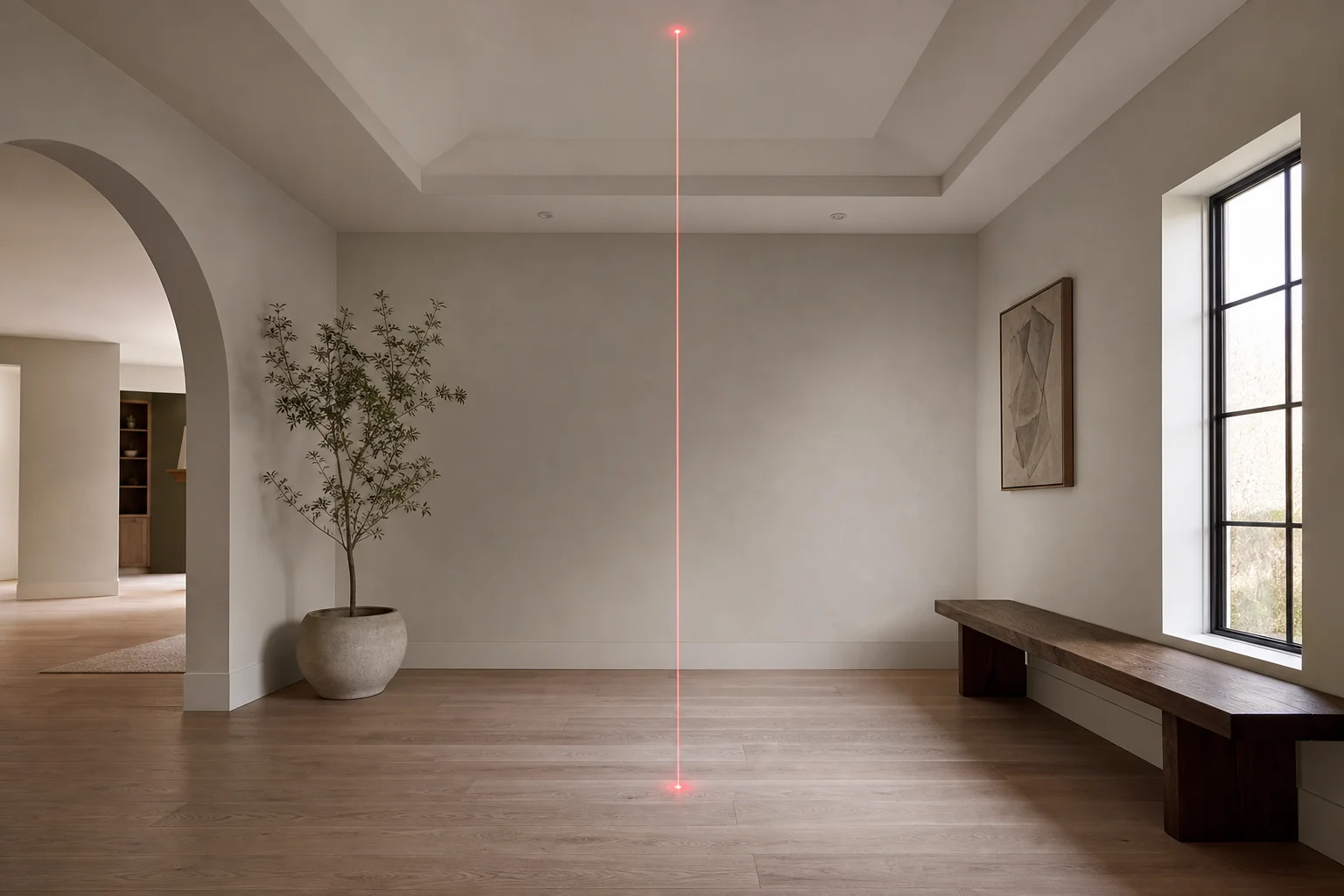
The horizontal points are available but less essential for typical workflows. Users who previously relied on intersecting laser planes to create a single reference point will find the dedicated plumb dots more direct and easier to use.
Runtime and Battery Compatibility
With a 3.0 Ah M12 battery installed, the laser runs for approximately 15 hours. This extended runtime is a significant advantage, especially on longer job days where tool changes are inconvenient. Because the laser uses the same M12 battery platform as other Milwaukee tools in the M12 lineup, users already invested in sanders, pin nailers, or drills can share batteries across their collection, reducing the need for separate charging infrastructure.
Design and Durability
The laser is slightly larger than the DeWalt 12V model but remains compact enough for most job sites. The housing feels robust, with protective material around the perimeter that suggests it would withstand a fall from a ladder better than designs with exposed points or thin plastic edges.
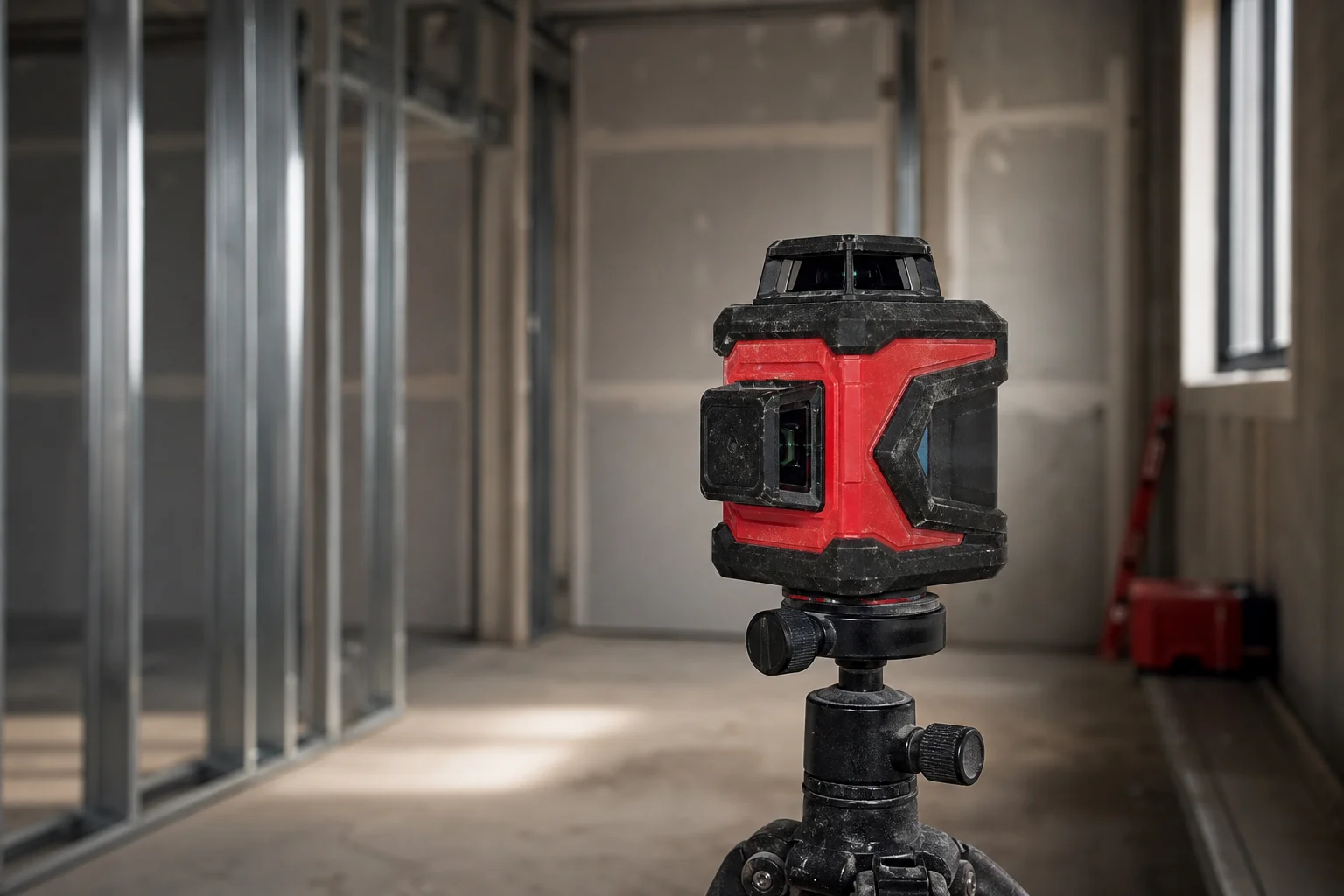
One compatibility note: the laser base is slightly too large to pivot smoothly with the Johnson bracket, a popular accessory for micro-adjusting lasers in the vertical plane during coffered ceiling work. While the bracket still mounts, full rotation is restricted. Alternative mounting solutions using the integrated magnets and a metal strip on the wall can achieve similar vertical adjustment.
Conclusion
The Milwaukee M12 four-point laser is a well-executed tool that justifies its place in the M12 ecosystem. The brighter green line, 15-hour runtime, and thoughtful base features make it a practical upgrade from older 12-volt lasers. For users already committed to M12 batteries, the ability to share power across multiple tools adds genuine value. The main trade-off is reduced compatibility with certain aftermarket brackets, but alternative mounting strategies are straightforward to implement.
Product link
View more details for Milwaukee M12 Four-Point Laser
This product is mentioned in the review. Check the specifications, options, and compatibility before buying.
View more details for Milwaukee M12 Four-Point LaserFurther reading
Related Reviews
Power Tools
Best 1-Inch Pistol Impact Wrenches: Three Heavy-Duty Options Compared
We compare three 1-inch pistol impact wrenches, from a budget-friendly Harbor Freight model to a premium Caterpillar unit, to help you choose the right one.
Power Tools
Best 3/4-Inch Impact Wrenches 2026: Five Contenders Compared
We compare five 3/4-inch impact wrenches across price and performance, from a budget Amazon option to Snap-on's most powerful model yet.
Power Tools
Best Budget Cordless Tools 2026: Walmart Finds That Punch Above Their Price
We tested five cordless tools from Walmart, including a high-torque impact wrench that trades blows with Milwaukee and a $35 duster that outperforms its price class.