Cookware
Cast Iron vs Carbon Steel Skillets: Which One Deserves a Spot in Your Kitchen?
Two durable, searing-friendly pans with very different personalities. Here is how the Calphalon cast iron skillet and the Made In carbon steel skillet compare on weight, heat, and handling.
Introduction
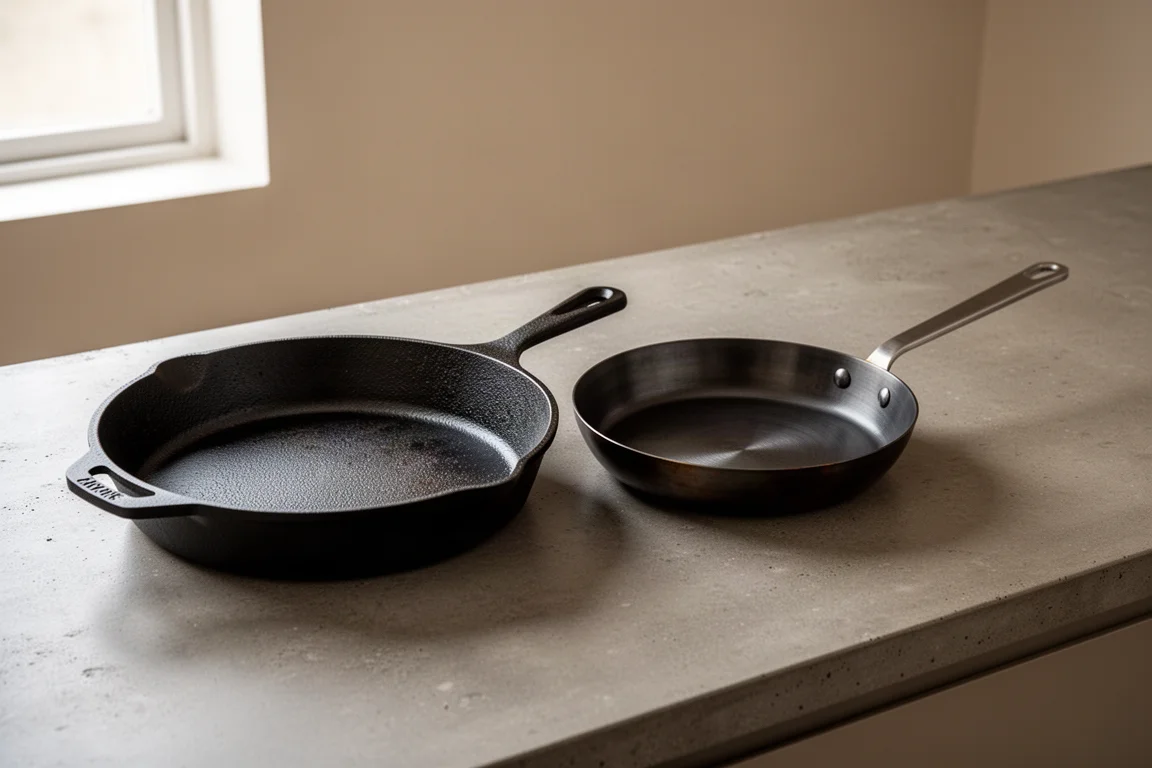
Cast iron and carbon steel pans share a lot of common ground. Both are durable, versatile, and excellent at searing and browning meats. With enough seasoning, both develop a natural non-stick surface, and both can genuinely last a lifetime. But the differences between them matter more than most shoppers expect, and knowing them before you buy is the difference between a pan you reach for weekly and one that lives in the back of a cabinet.
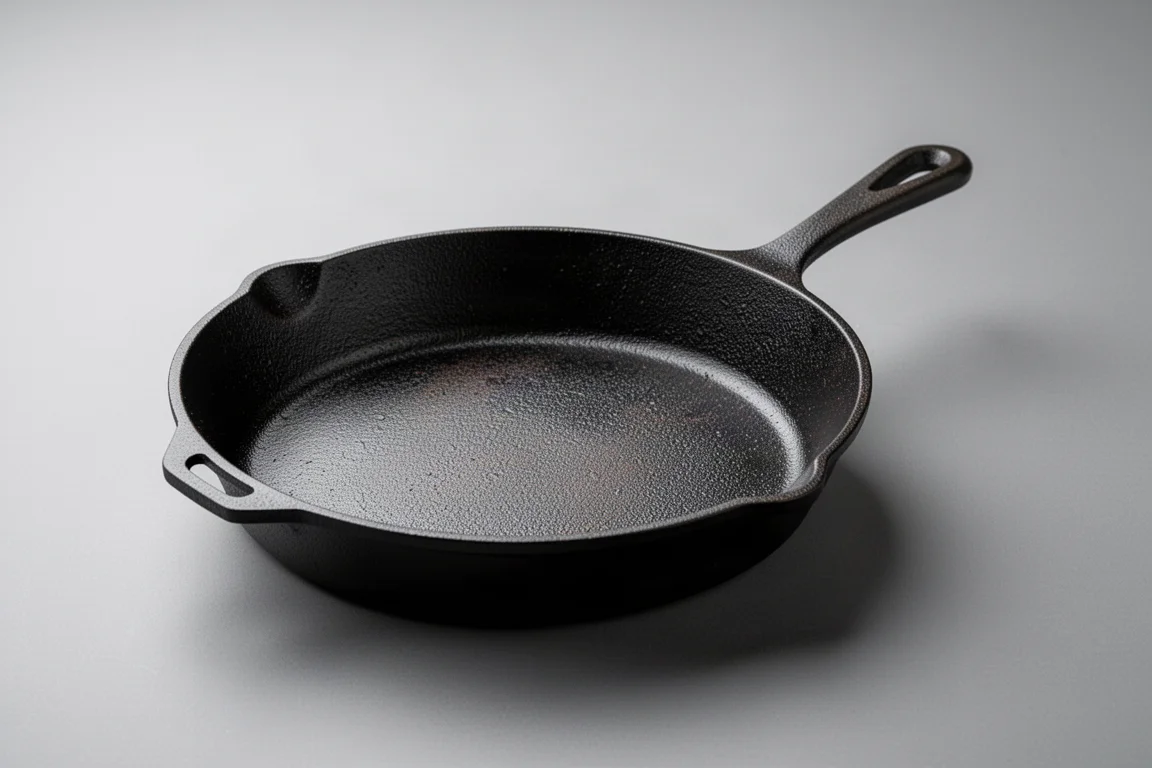
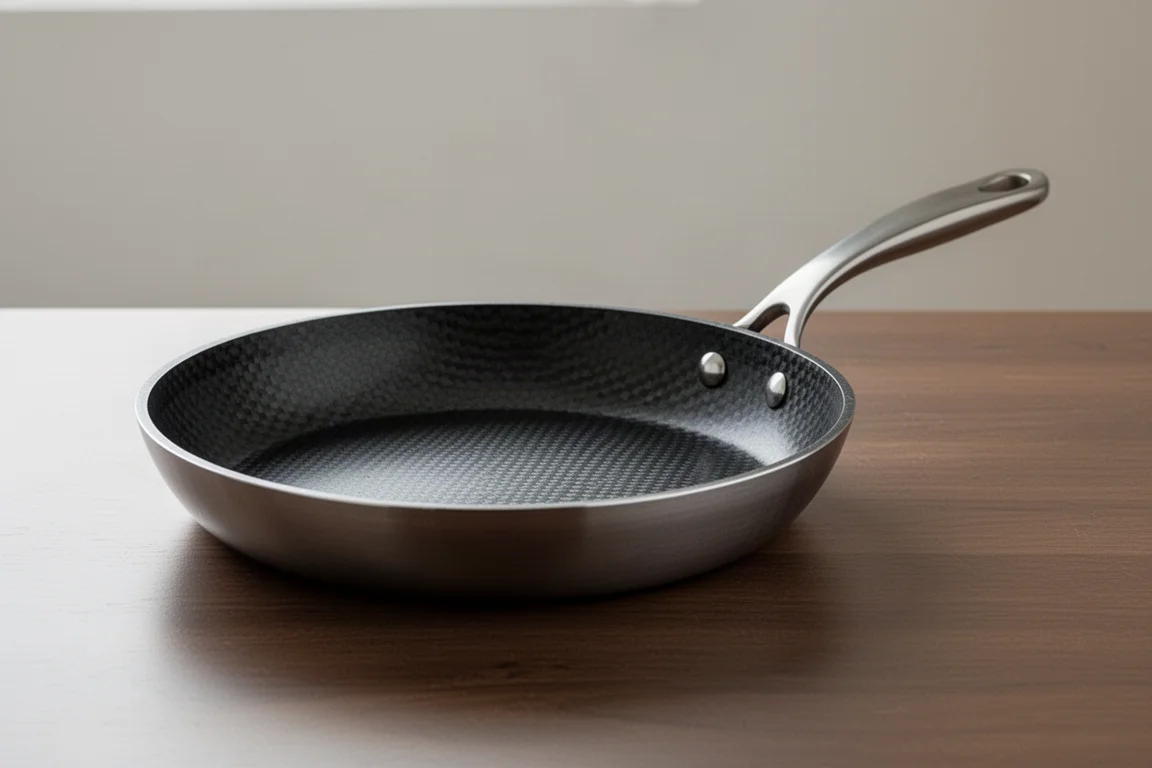
This comparison looks at the two most representative examples of each category: the Calphalon cast iron skillet and the Made In carbon steel skillet.
How They Are Made: Material and Construction
The first difference is the material itself. Carbon steel is 99% iron and 1% carbon, while cast iron is 98% iron and 2% carbon, with some cast iron containing up to 3%. Despite the name, cast iron actually has more carbon than carbon steel. That extra carbon adds hardness, but it also makes cast iron less pliable and more brittle, which is why cast iron cookware has thick, heavy walls. It is made by pouring molten iron into sand molds, then cooling and hardening the result. The thickness exists specifically to compensate for brittleness.
Carbon steel, with its lower carbon content, is more ductile and can bend without breaking. Instead of being molded, carbon steel skillets are rolled out as sheets, cut to dimension, and punched into shape. That process produces cookware that is thinner and less bulky.
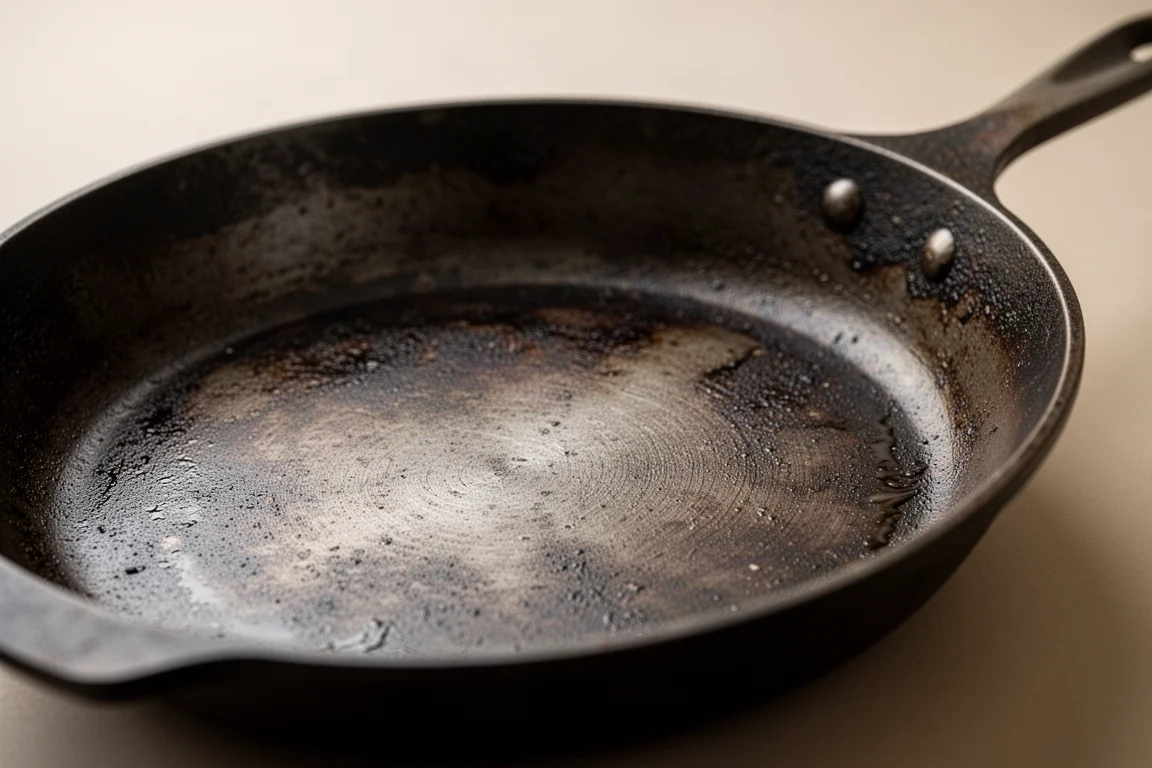
Construction also differs at the handle. A cast iron skillet is one solid piece, mold and all, so the handle is usually short and the cooking surface is uninterrupted, which makes cleanup easier. Carbon steel skillets are two pieces: a base and a handle, typically joined with rivets, and the handles are usually much longer. Rivets tend to collect oil and are harder to keep clean, but the extra handle length keeps your hand farther from the heat, so carbon steel handles stay cooler on the stovetop.
Weight and Everyday Handling
Those thick walls have a real cost: heft. A 12-inch Calphalon cast iron skillet weighs over seven pounds, while the Made In carbon steel skillet of comparable size weighs four. That three-pound gap changes how you cook.
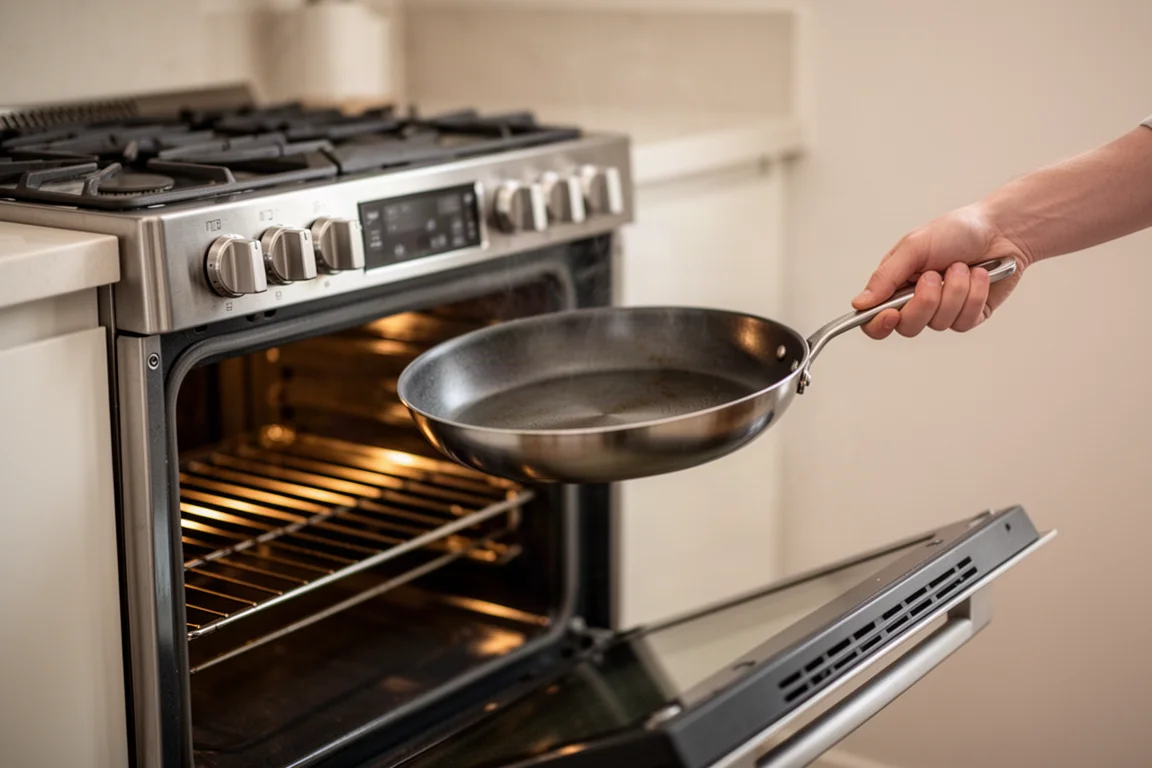
With thinner, lighter construction, carbon steel is easier to pick up, store, and transfer from stovetop to oven. Most people can move a carbon steel pan with one hand, while cast iron safely requires two. If you cook frequently, shuttle pans between burner and oven, or simply do not want a wrist workout, this is one of the most practical differences between the two.
Heat Retention: Where Cast Iron Pulls Ahead
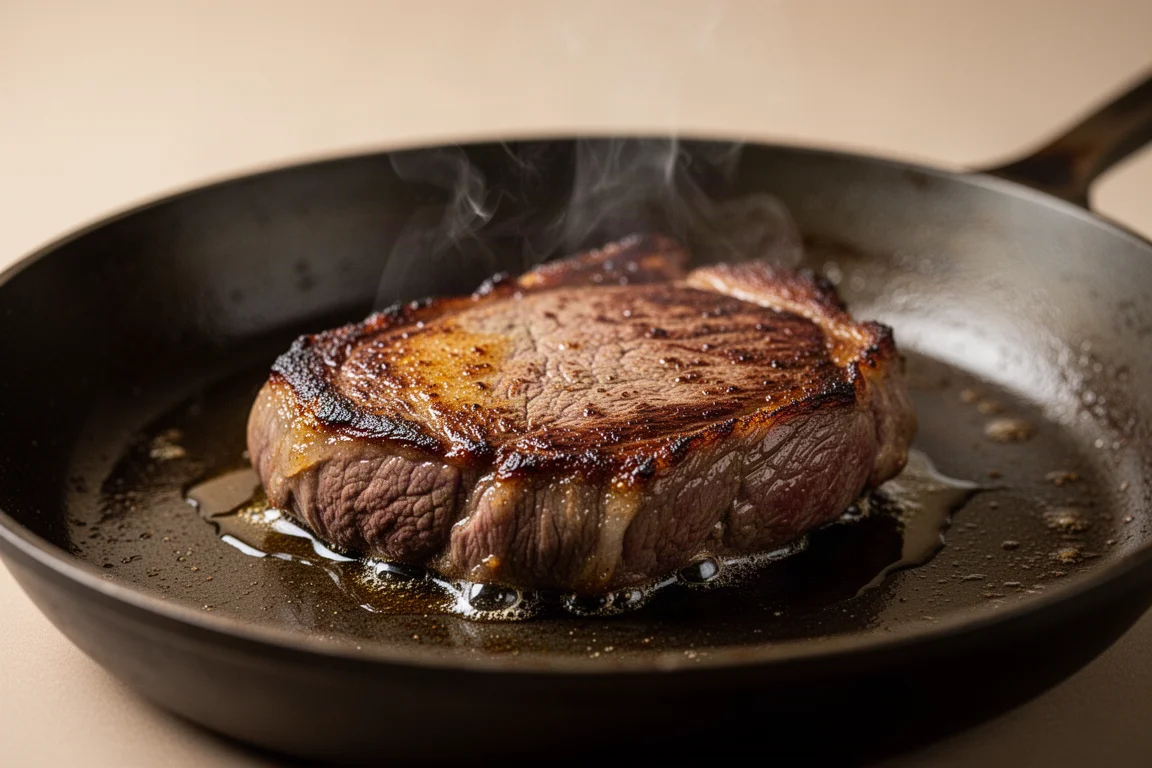
Both materials retain heat well, but cast iron is the clear winner. The thick walls absorb heat and hold onto it, and that matters in three ways. First, when cold meat hits a hot skillet, the pan’s temperature drops; with cast iron, that drop is minimized, giving you a crispier sear on foods like steak and salmon. Second, a heat-retaining pan is more forgiving: if you accidentally crank the heat, food will not burn instantly because the pan responds slowly. Third, cast iron keeps food warm even after you turn the burner off, which is handy when entertaining or preparing a multi-course meal.
Carbon steel has excellent heat retention too, but because its construction is thinner, it does not reach the same level.
Responsiveness and Temperature Control
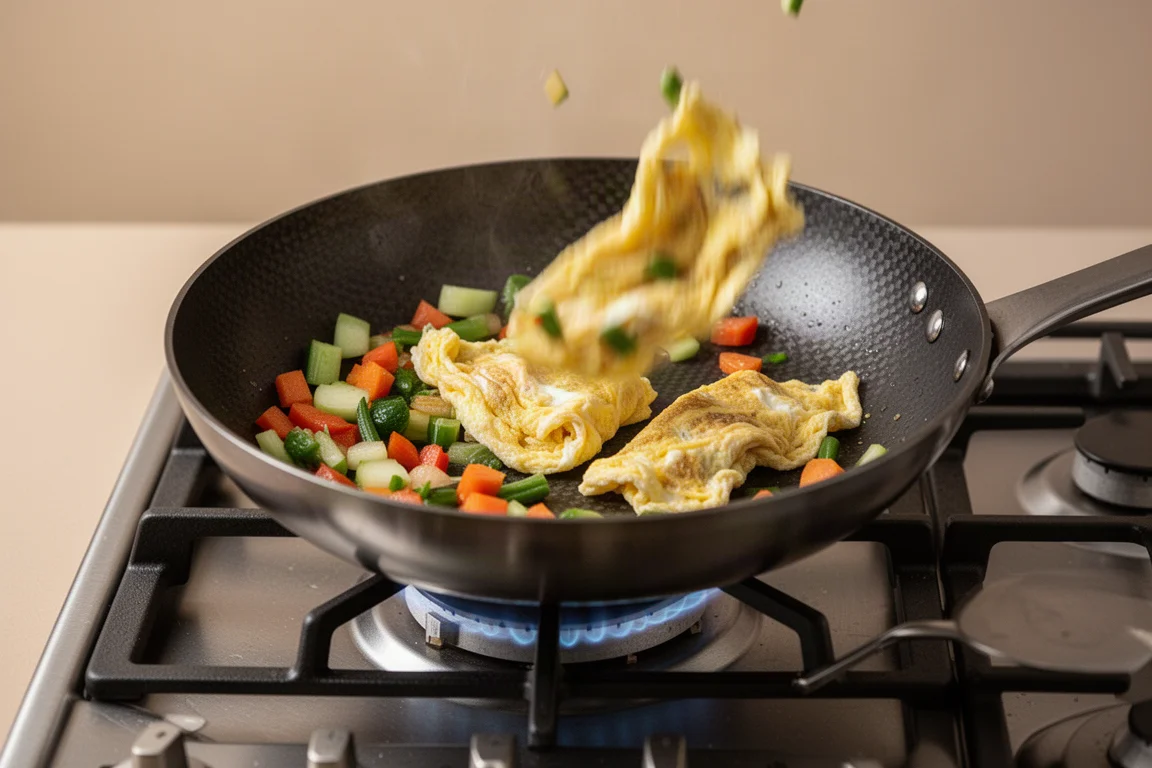
The flip side of retention is responsiveness: how quickly a pan reacts to temperature changes. Because carbon steel is thinner, it heats up and cools down faster. That responsiveness matters for stir fry, fried rice, and one-pan meals, and it is especially important for fish, eggs, and other delicate ingredients that overcook quickly when the temperature climbs.
Cast iron is one of the least responsive cookware types. It takes a while to heat up, and once you turn the heat down or off, it stays hot for a long time. If your meal requires frequent temperature swings or you are in a hurry, cast iron will fight you.
Cooking Surface and Seasoning
Carbon steel has a smoother cooking surface, which makes it ideal for dishes where food needs to move around the pan, like stir fries and omelettes. With proper seasoning, it can come close to mimicking a non-stick pan. Most cast iron has a rougher texture thanks to its higher carbon content, but several layers of seasoning still build a usable non-stick surface. One interesting quirk: seasoning tends to adhere better to cast iron because of that grittier texture, so cast iron typically needs re-seasoning less often.
Which One Should You Buy?
Both pans are highly versatile, but they reward different cooks. If you want cookware that is lighter, easier to maneuver, and heats up faster, carbon steel is the better option, especially for stovetop meals that require a lot of manipulation in the pan.
If you want a thick, rivetless pan that retains heat better, go with cast iron. And if you are still on the fence with space or budget for only one, cast iron is the safer default. You simply cannot beat its heat retention, which makes it the ultimate pan for searing, roasting, and any scenario where a stable temperature matters, and its seasoning tends to hold longer between re-seasoning sessions.
Conclusion
Cast iron and carbon steel are close cousins with opposite temperaments. Cast iron wins on heat retention, searing power, and seasoning durability, at the cost of weight and slow temperature response. Carbon steel wins on lightness, responsiveness, and a smoother cooking surface. Choose based on how you cook: heavy searing and stable heat point to cast iron, fast and delicate stovetop work points to carbon steel.
Further reading
Related Reviews
Cookware
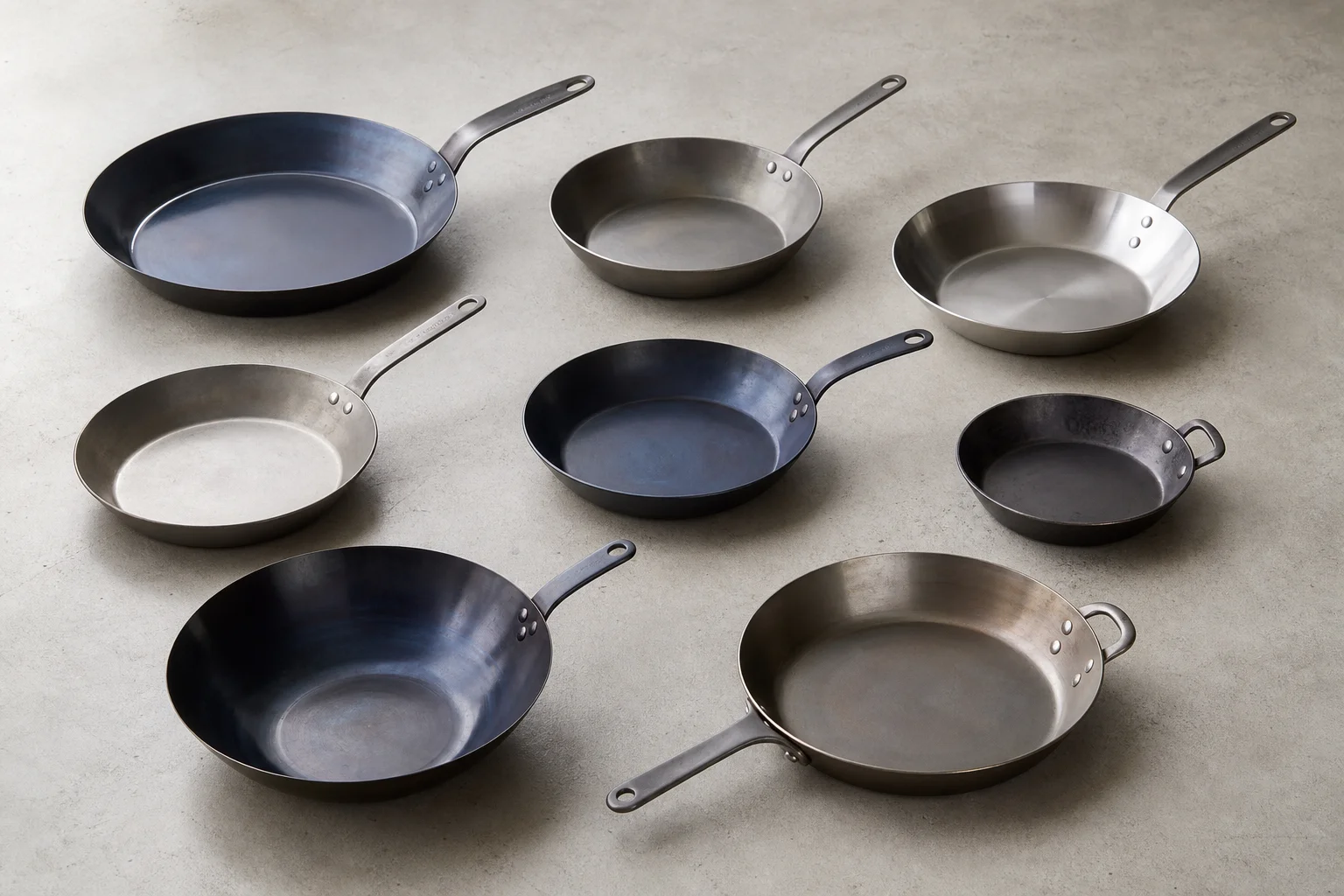
Best Carbon Steel Pans Tested: Which Brands Deliver Real Value
We tested eight popular carbon steel pans with controlled durability, heat, and cooking tests. Here's which ones perform best and which to avoid.
Cookware
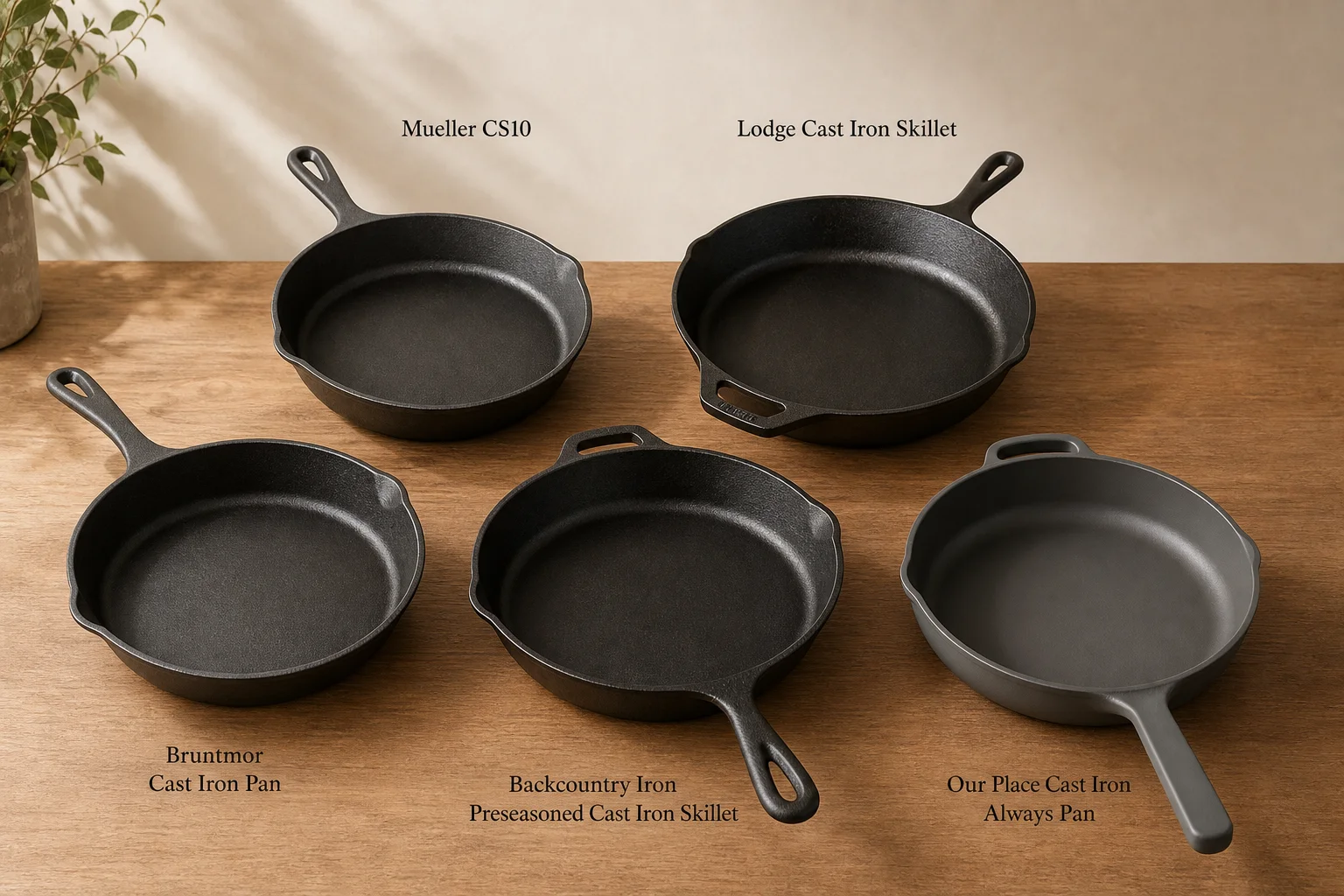
Best Cast Iron Pans 2026: Five Options from Budget to Premium
A practical breakdown of five cast iron skillets, from affordable Mueller to premium Our Place, with clear strengths and trade-offs for different cooking needs.
Cookware
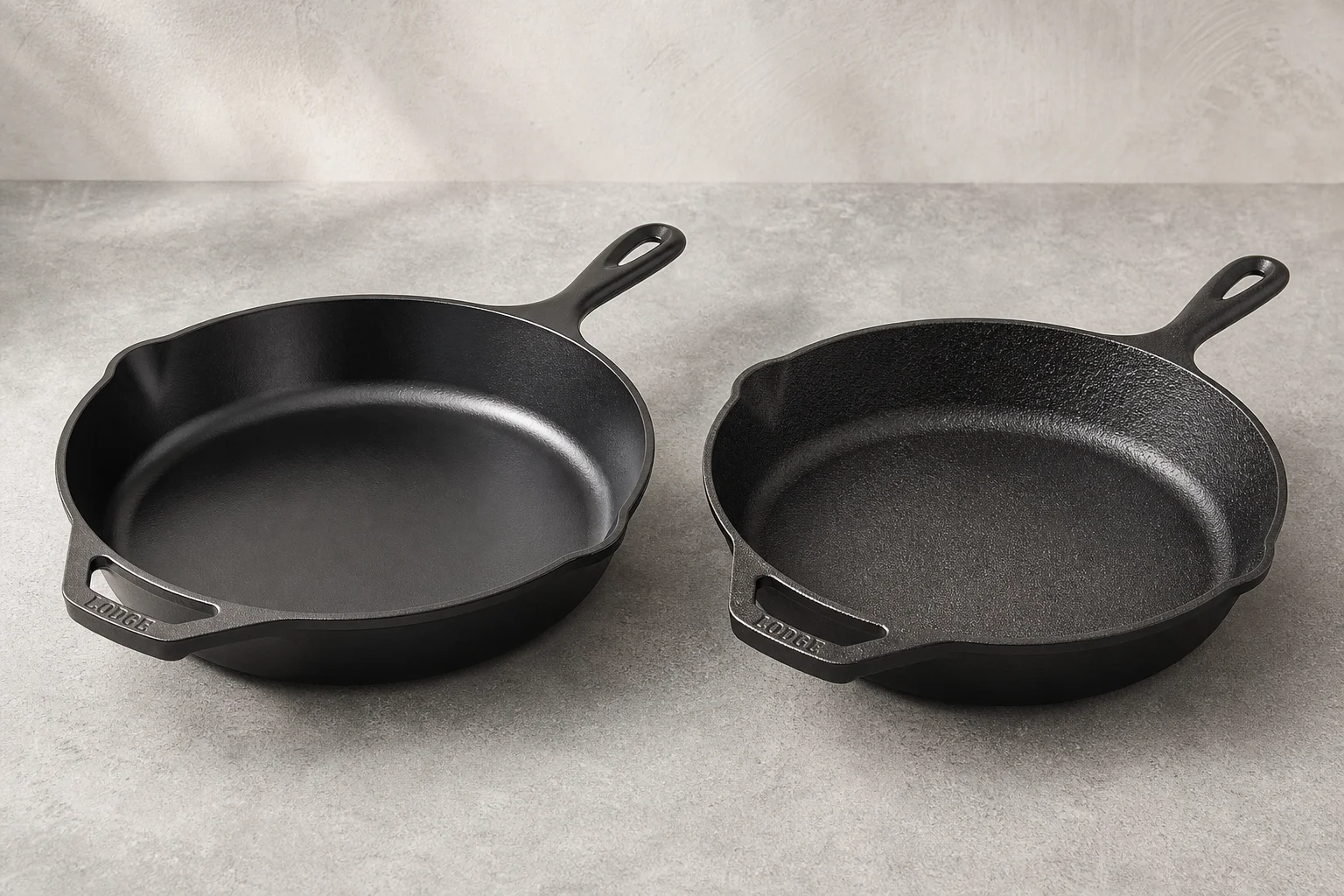
Best 12-Inch Cast Iron Skillets: Premium Craftsmanship vs. Reliable Budget Option
Two standout 12-inch cast iron skillets tested for heat retention, surface finish, and durability. One premium choice and one budget-friendly alternative that both deliver.