Kitchen Cookware
Cast Iron vs Carbon Steel Pans: Two Cookware Upgrades Worth Owning
A practical comparison of the Smithy cast iron pan and the Kiraamechi carbon steel pan, covering heat behavior, seasoning, cleaning, and which pan suits which jobs.
Introduction
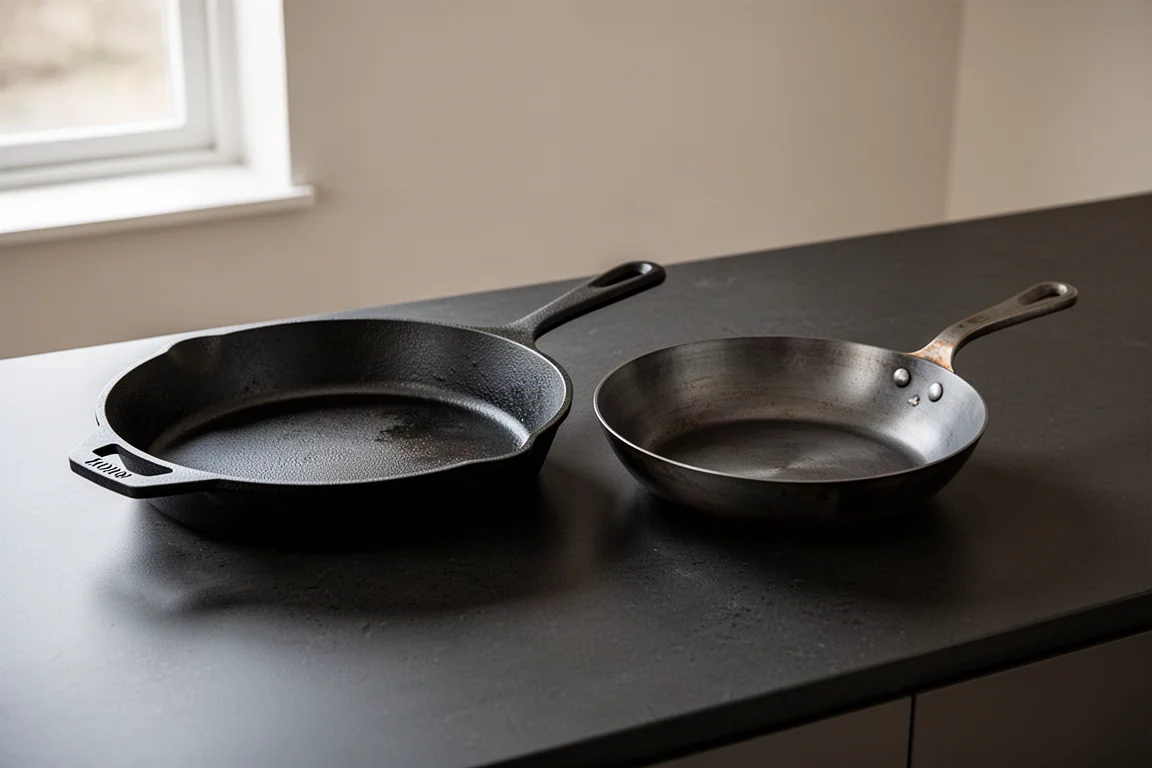
Cast iron and carbon steel pans have surged in popularity in recent years, and it is easy to see why. Both offer an old-school aesthetic, no nonstick coatings to worry about, and a cooking experience that many cooks genuinely enjoy. They look similar, but they behave very differently in practice. This comparison looks at a Smithy cast iron pan made in the USA and a Kiraamechi carbon steel pan made in Japan, covering what each one does well and which one belongs in your kitchen. The short answer to which one you need: probably both.
What These Two Pans Have in Common
Despite their differences, these pans share a lot. Carbon steel is primarily iron with a small amount of carbon, which allows it to be hammered out thin and lightweight. Cast iron is a very similar material with just a bit more carbon, which makes it more brittle and therefore thicker and heavier.
Both materials handle high heat very well, making them great for stir frying and searing. Both are magnetic, so they work on induction, and both can be used on gas, electric, in the oven, or even over a fire. They are extremely versatile: searing, sautéing, stir frying, shallow frying, deep frying, braising, and even baking a pie are all on the table.
Seasoning and Cleaning
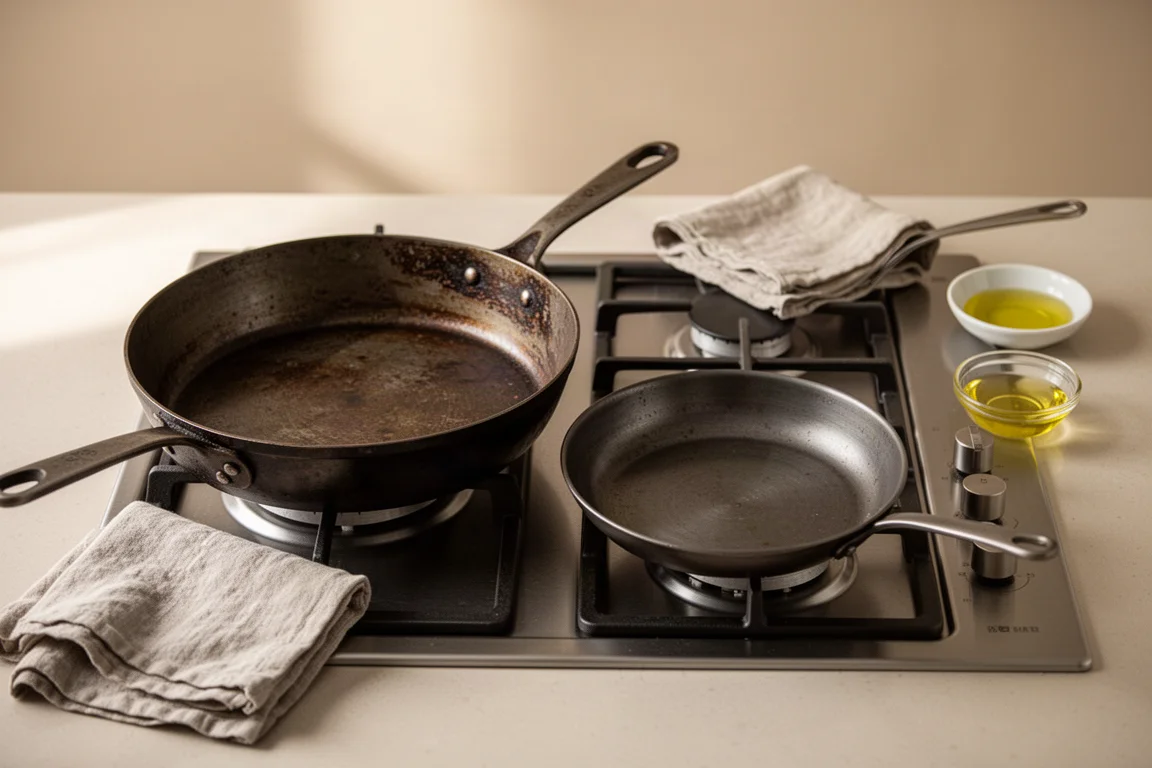
Because both pans have a high iron content, they can rust, which means they require seasoning both to prevent rust and to make them nonstick. There is no factory-applied coating here. The pans are ground down to a smooth finish and then seasoned with oil, which helps prevent food from sticking. Get the seasoning right and they are perfectly nonstick.
Cleaning is easy when the seasoning is good. Burnt food often slides right off with a bit of hot water, and a pan scraper, a tawashi brush, or a chain mail scrubby will knock off anything stubborn. If the seasoning is thin, food can burn on a little more, but it is still easy to scrape off with a plastic scraper or some kosher salt.
Key Differences That Matter
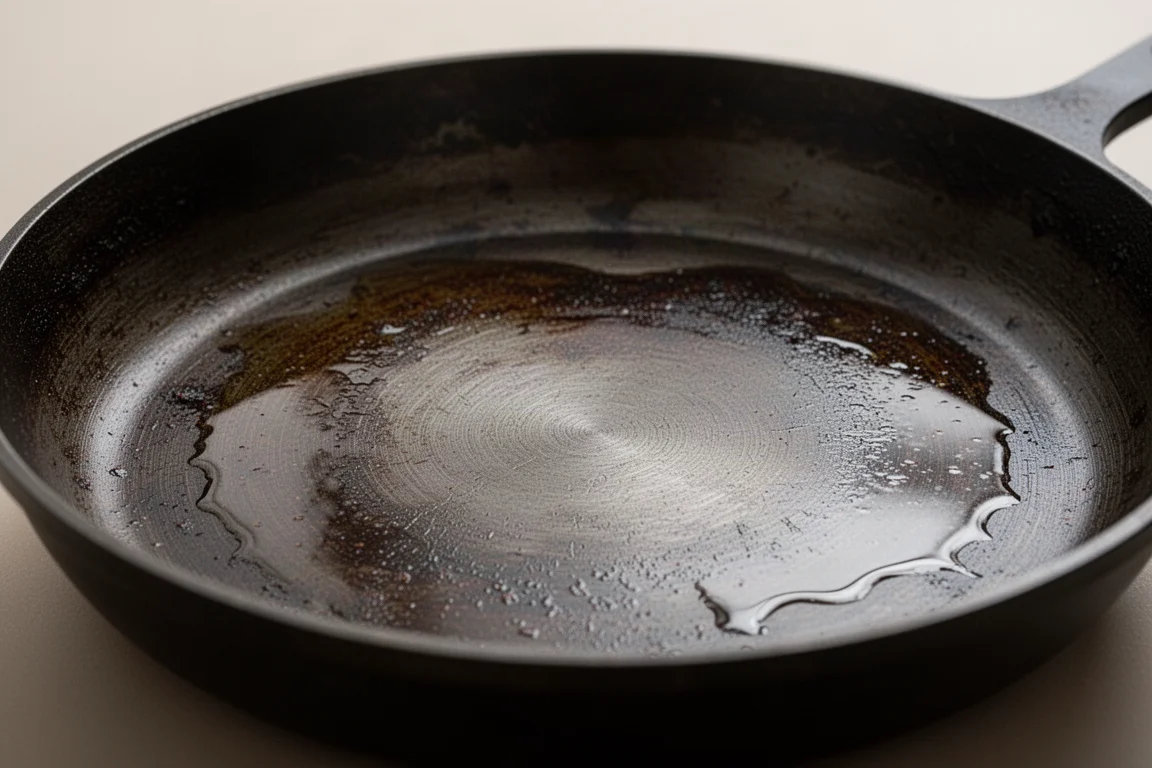
Cast iron’s higher carbon content makes it brittle, so pans must be made thicker and heavier. Carbon steel is more flexible and tougher, so it can be made thinner and lighter, which makes it far better for tossing and sautéing. Cast iron is a poor conductor that heats and cools slowly but retains heat excellently; carbon steel responds to temperature changes much more quickly.
Cast iron can develop hot spots, so heat it slowly for even results, but between its regulation and retention it will not spike or drop in temperature easily. That high heat capacity makes it the undisputed king of searing: drop a cold steak into a properly preheated pan and the temperature barely drops. Its high heat emissivity also radiates heat several millimeters above the surface, cooking a steak more evenly through rather than leaving a seared outside with a raw inside.
One more difference: with cast iron, the seasoning oil polymerizes to the surface, making it more durable and long-lasting. On carbon steel the seasoning is more of a superficial layer, so it needs reseasoning more often. Cheaper cast iron can be rough on the surface and sticky for eggs, but a machined pan like the Smithy handles eggs beautifully.
Cooking With Cast Iron: Searing and Slow Cooks
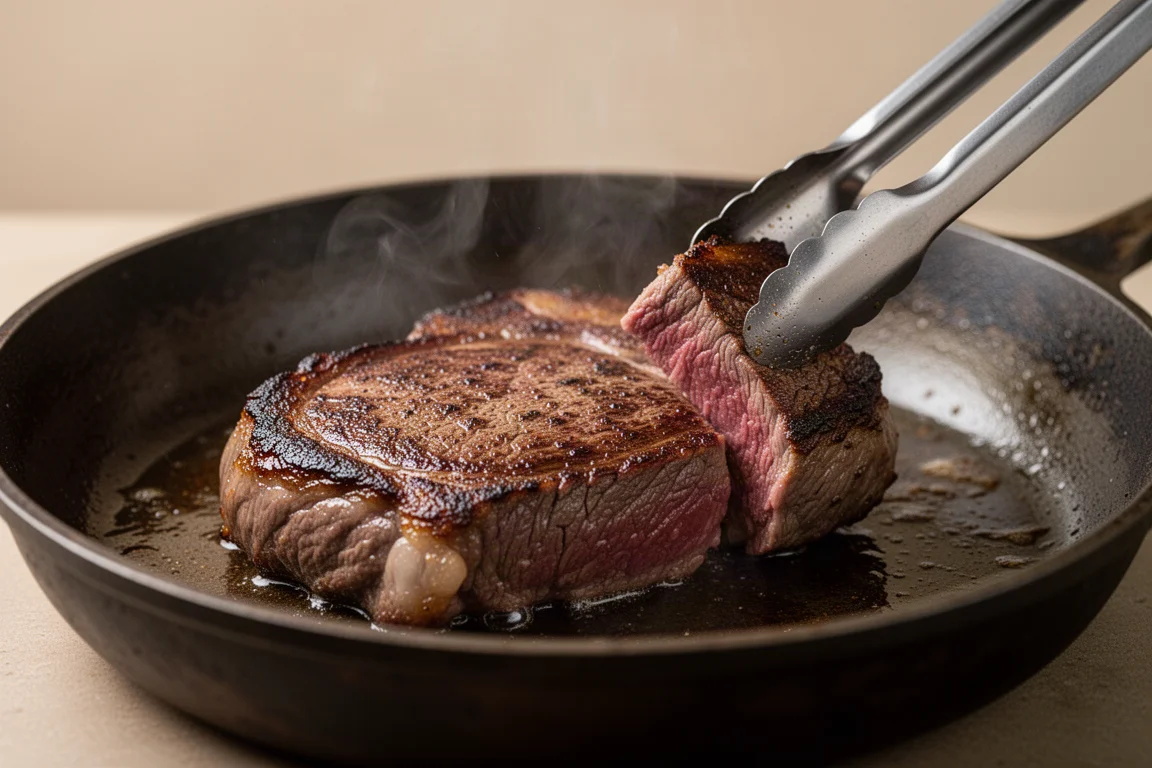
Cast iron shines for searing steaks and for long, slow cooks where consistency matters, such as deep frying and braising. Preheating is essential: heat the pan slowly over medium-low for 5 to 10 minutes so the whole pan heats evenly and does not warp. Add oil after preheating, not before, and keep a towel or oven mitt handy since the handles get hot.
The science behind a great sear is heat retention. In a properly preheated pan, a cold steak drops the temperature only slightly and the pan recovers quickly. Water escaping from the meat evaporates immediately instead of boiling, and since water is the enemy of browning, that is exactly what you want. In a thin pan or an under-preheated one, the temperature drops too far and you end up boiling the steak instead of searing it.
Cast iron’s retention also helps with butter-basting: tip the pan off the heat and it stays searing hot, even on an electric stove, while you baste.
Cooking With Carbon Steel: Fast and Hot
Carbon steel is the tool for quick cooks where you need intense heat fast: stir fries and sautés. It also sears well for smaller items that will not cool the pan down much, like a piece of fish, and for jobs where you want to bring the temperature up slowly, such as crisping the skin on a duck or chicken breast.
Preheat it the same way, 5 to 10 minutes over low heat. A useful check is the mercury ball stage: flick water into the pan, and if it forms little droplets that run around the surface rather than evaporating instantly, the pan is hot enough. Then crank the heat, add oil, and cook.
Which One Should You Buy?
If you can only choose based on cooking style, cast iron favors searing, braising, deep frying, and slow consistent cooks, while carbon steel favors hot-and-fast stir fries and sautés. But the honest recommendation is to own at least one of each, since together they cover nearly everything a home cook does.
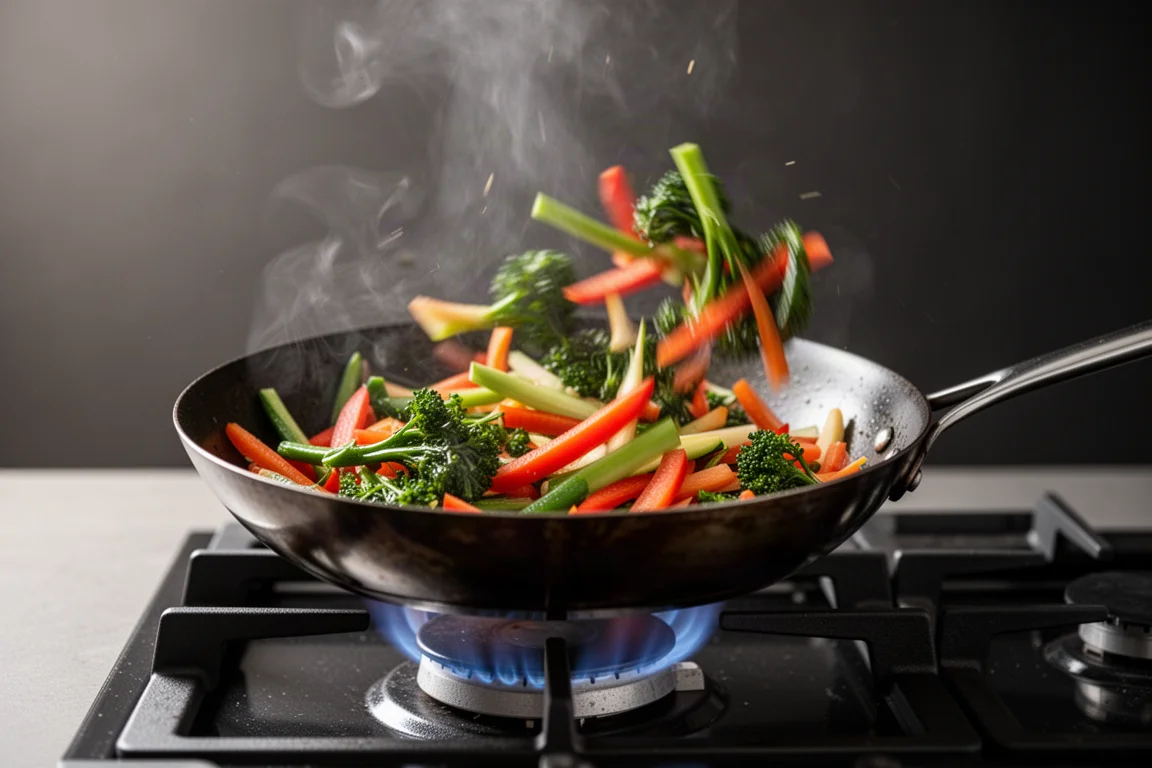
For sizing, cast iron is worth getting in something big like a 12-inch. Carbon steel can be a little smaller and lighter, around a 10-inch, since you do not need a full 12 inches for sautéing. An 8-inch of either type makes a great third pan for eggs and grilled cheese.
Conclusion
Cast iron and carbon steel are similar materials with very different personalities. The Smithy cast iron pan rewards patience with unmatched heat retention and searing performance, while the Kiraamechi carbon steel pan delivers lightweight responsiveness for fast, high-heat cooking. Buy both, preheat them properly, keep the seasoning maintained, and you will be set for most of the cooking you will ever do at home.
Product link
View more details for Smithy Cast Iron Pan
This product is mentioned in the review. Check the specifications, options, and compatibility before buying.
View more details for Smithy Cast Iron PanFurther reading
Related Reviews
Kitchen Cookware
Best Budget Cookware 2026: Which Affordable Brands Actually Perform
After testing dozens of budget cookware options, here are the brands worth buying and the red flags to avoid when shopping for affordable kitchen pans.
Kitchen Cookware
Essential Cookware Guide: The Pots and Pans Every Kitchen Needs
A practical breakdown of the core cookware pieces that work for most kitchens, plus affordable brand recommendations and optional upgrades worth considering.
Kitchen Cookware
Best Toaster Oven Cookware: Four Compact Pieces Worth Buying
A roundup of scaled-down pans and dishes that fit a toaster oven, tested for sturdiness, even heating, and everyday practicality.