Ski Gear
Carve 2 Review: Live Ski Coaching in a Boot Sensor
A close look at Carve 2, the boot-mounted ski sensor that delivers live coaching through an app, including what it does well and the subscription trade-offs worth weighing first.
Introduction
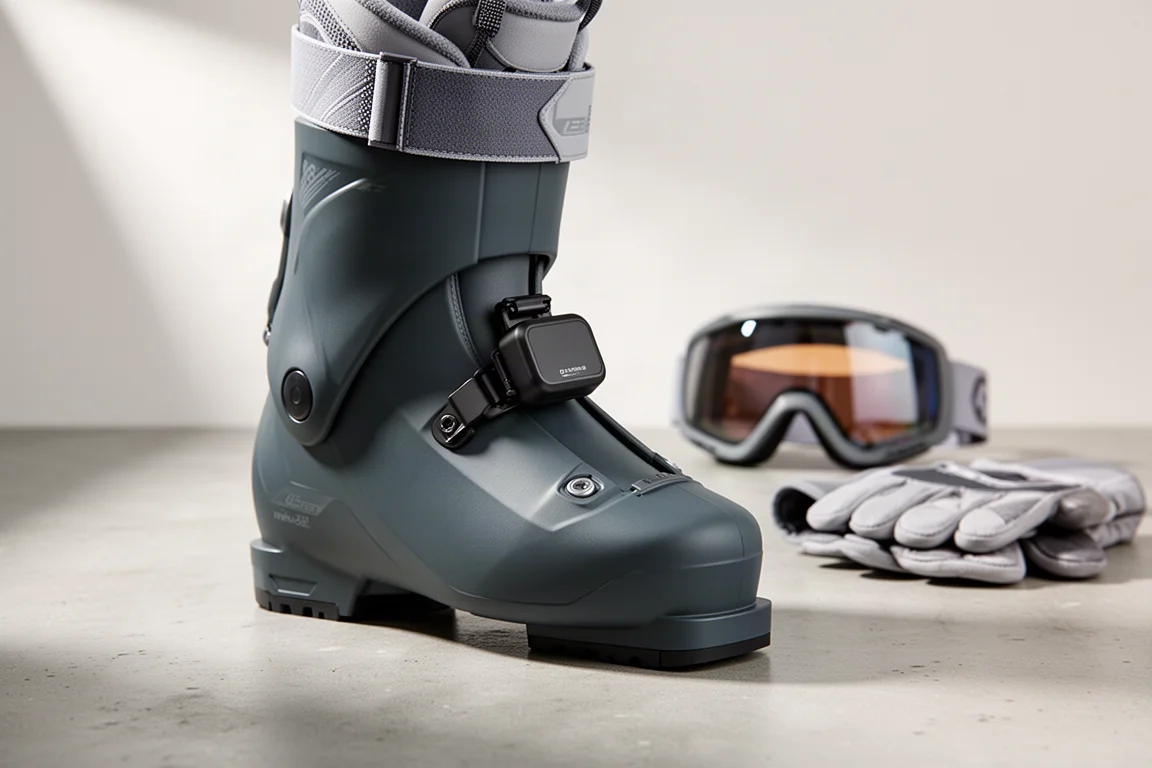
Carve 2 is a ski training system built around a sensor that mounts on the outside of your boot and pairs with an app that delivers live feedback and coaching while you ski. Rather than guessing whether a turn worked, you get a running readout of what you did and what to adjust, delivered as audio you can hear through headphones on the hill.
That is a genuinely appealing pitch for a certain kind of skier: structured, data-driven feedback without booking a lesson and hoping for the right coach. For others, especially anyone who skis mainly to switch off, the same design is the reason to walk away. This review covers both sides.
Who Carve 2 Is For
Carve 2 makes the most sense for skiers who treat time on snow as practice. If you already set a focus for the day, whether that is pressuring the boot earlier in the turn or holding ankle flex through the arc, a device that reports back on those specific inputs can shorten the feedback loop considerably.
It also fits skiers who want coaching but cannot justify repeated one-on-one lessons, or who have had mixed experiences with instructors. The app frames progress as percentages and named skills rather than vague encouragement, which makes it easier to track whether a specific change is actually landing.
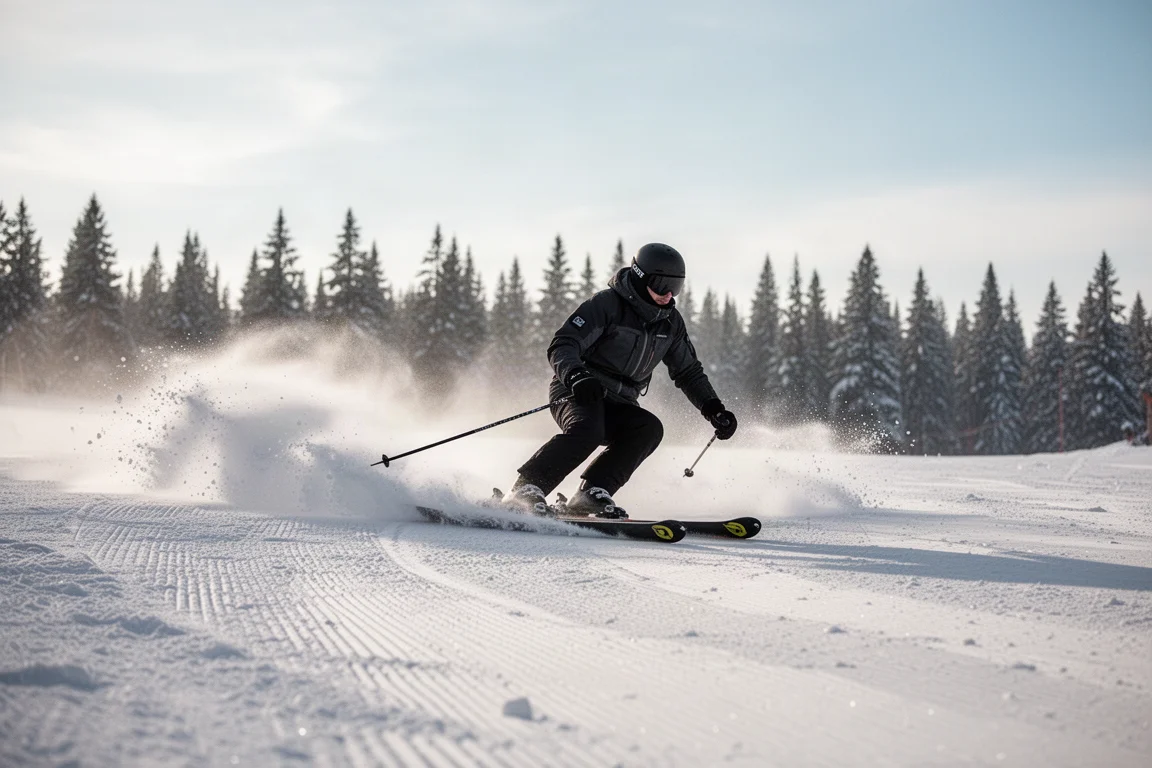
The flip side is that it rewards a taste for granular detail. If you would rather hear your skis on the snow than a cue in your ear, the product works against the reason you are out there in the first place.
What Carve 2 Does Well
The core idea holds up. Live feedback tied to measurable inputs is more useful than guesswork, and the app translates raw sensor data into plain coaching language: this turn was strong, this is what to work on, here is where your pressure sat.
The metrics that remain include ankle flex and downhill pressure, and both map to real technique goals. Ankle flex is a common sticking point for intermediate skiers, while downhill pressure is the kind of thing that separates a turn that holds from one that washes out. If those are the skills you are chasing, the readouts are directly relevant.
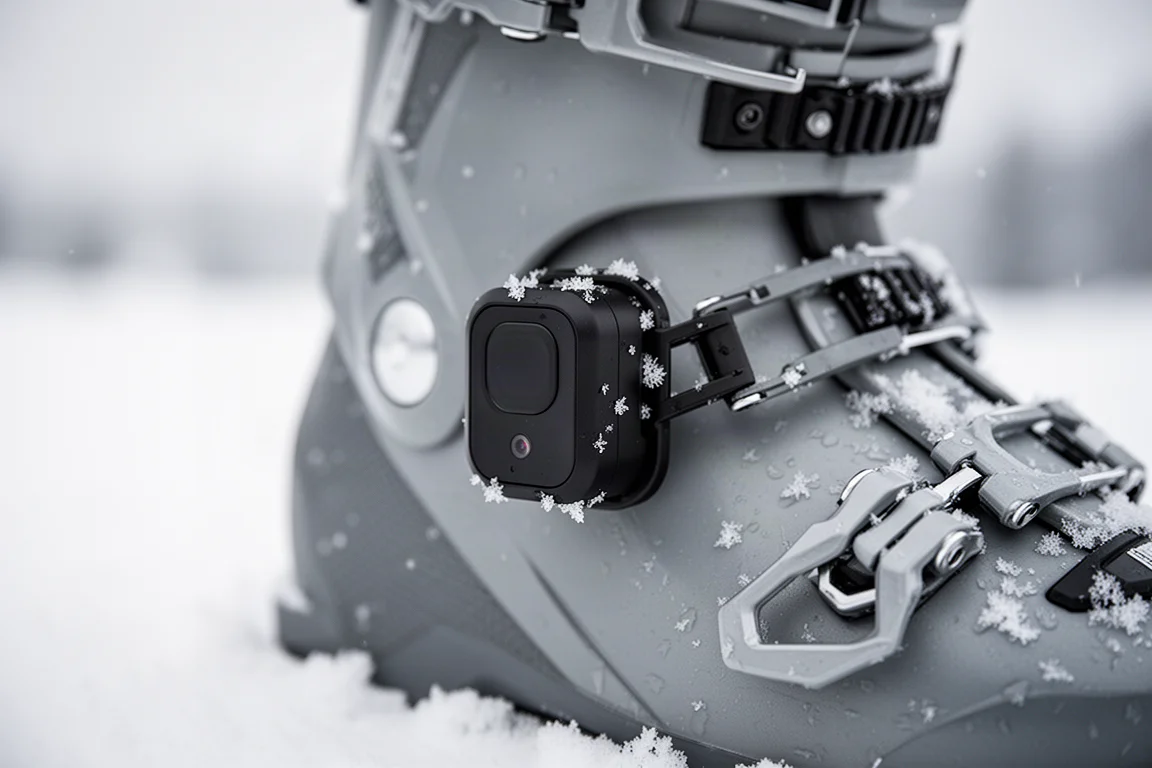
Second-generation hardware also addresses a legitimate complaint. Moving the sensor from inside the boot to the outside shell makes it less intrusive to fit and should improve long-term durability. The previous design’s wiring was known to degrade over time, so this is a meaningful change rather than a cosmetic one.
What Changed in the Second Generation
Two things stand out. First, the sensor now sits on the outside of the boot shell, which is a cleaner installation and should hold up better season to season. Second, the software has been revised, and the outside ski pressure metric has been removed.
That removal matters. Anyone who bought in specifically for that measurement loses it, and there is no clear indication whether it was retired because it proved less useful or because the new hardware could not support it. If a single metric was the reason you were considering Carve, confirm what the current software includes before you buy.
The Subscription Question
The sensor hardware is typically around $129, and access to the coaching software runs on an annual season pass of roughly $250. Promotional bundles have brought the first-year cost closer to $200, but the recurring fee is the structural part of the model rather than a temporary one.
The combination is worth thinking through carefully. You buy the hardware up front, then pay every year to keep using it. If the subscription lapses or the service is discontinued, the sensor does not drop into a reduced mode. It simply stops being useful.
What the Live Feedback Is Like to Ski With
Feedback arrives as audio, heard through headphones while you ski. It is continuous rather than on demand, and that design choice is what divides people most sharply.
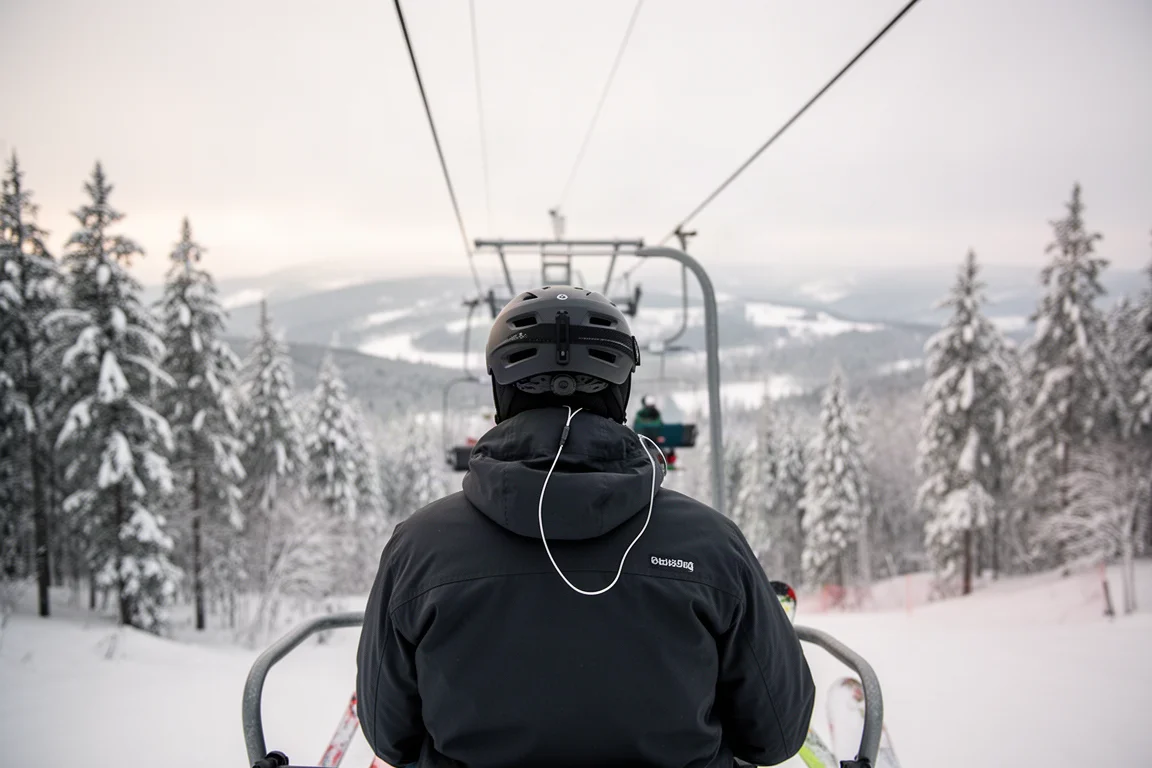
For a skier chasing a specific technical goal, constant cues can be productive. For a skier who uses the mountain to get away from notifications, it is the opposite of the point. Skiing offers a rare stretch of quiet, and the texture of the snow underfoot is part of the experience. A voice in your ear commenting on every turn competes with that.
There is a middle ground: settings let you dial back how much you hear. Even so, the product is built around the assumption that you want more feedback, not less.
Things to Consider Before Buying
The biggest practical risk is longevity. Products that depend on cloud software to function only work for as long as the company keeps its servers running and keeps supporting that hardware generation. Hardware generations do get retired, and this is already the second version of the sensor, with a feature removed along the way.
That is not a reason to dismiss the product, but it is a reason to be clear about what you are buying. You are purchasing access to a coaching service with a piece of hardware attached, not a device you own outright and can keep using indefinitely.
If the model were reversed, hardware plus free access to the data it collects, with paid human analysis layered on top, the value proposition would look considerably stronger. As it stands, the data the sensor gathers is only reachable while you keep paying.
It is also worth noting that if you prefer to ski without audio in your ears at all, this is not a product you can adapt around. The feedback channel is the product.
Buying Advice
Carve 2 is easiest to recommend to skiers who already invest in technique work, want structured feedback between lessons, and do not mind wearing headphones on the hill. If you are working on ankle flex, downhill pressure, or consistency turn to turn, the metrics it does track are relevant ones.
Treat the annual fee as part of the purchase price rather than an optional extra, since the hardware depends on an active subscription to do anything at all. Budgeting for several seasons of access gives a more honest picture of the total cost than the sensor price alone.
If you ski primarily for quiet, fresh air, and the feel of the snow, the recurring cost and the constant cues are likely to outweigh the coaching benefit. And if your interest was specifically the outside ski pressure metric, verify what the current software includes before committing, because that measurement is no longer part of the package.
Conclusion
Carve 2 does one thing well: it turns technique into data and hands that data back to you while you are still on the hill. For skiers who want measurable feedback between lessons, that is a real advantage, and the outside-mounted second-generation sensor is a more durable and less intrusive design than what came before.
The trade-offs are equally clear. A recurring subscription sits between you and the hardware you paid for, a metric has already been retired once, and the constant audio cues will appeal to some skiers and actively repel others. Buy it if structured feedback is what you are after and you are comfortable with the ongoing cost. Skip it if the quiet of a solo lap is the whole point.
Product link
View more details for Carve 2
This product is mentioned in the review. Check the specifications, options, and compatibility before buying.
View more details for Carve 2Further reading
Related Reviews
Ski Gear
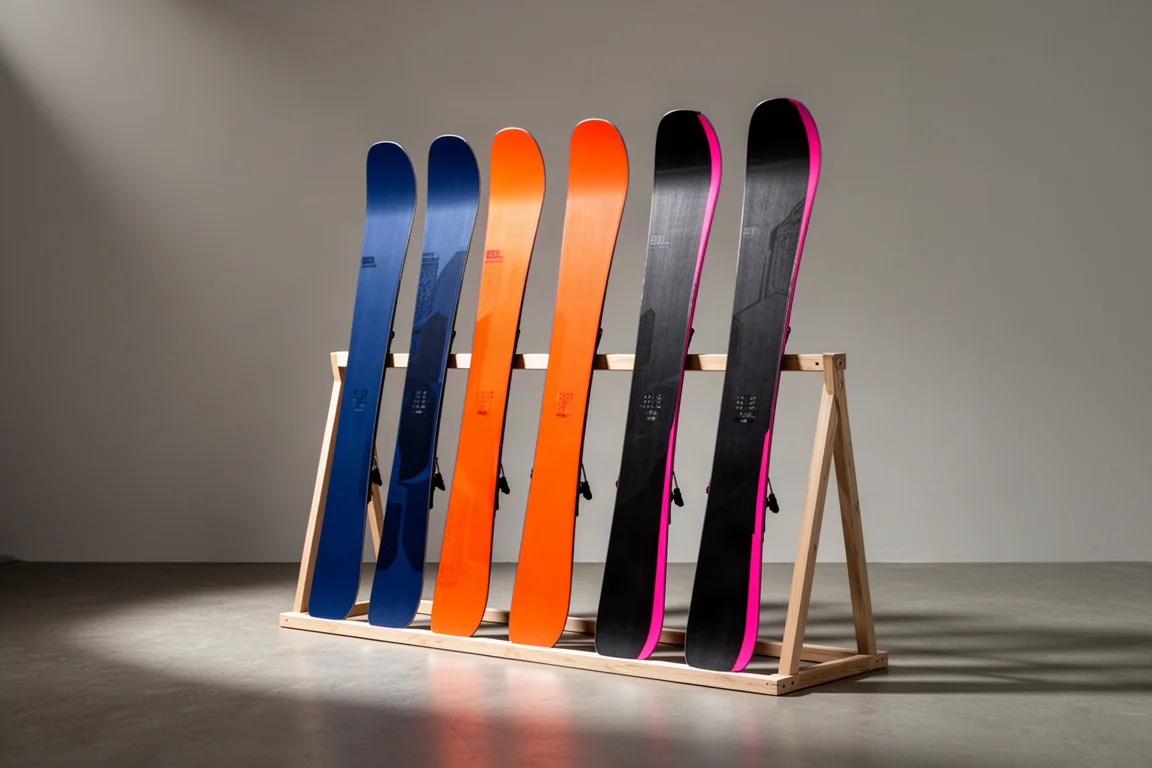
2023 Blizzard Hustle vs Rustler: Six Freeride Skis Compared
Blizzard's 2023 Hustle collection rebuilds the Rustler shape with a lighter core and no metal. Here is how all six skis differ, and which one suits your riding.
Ski Gear
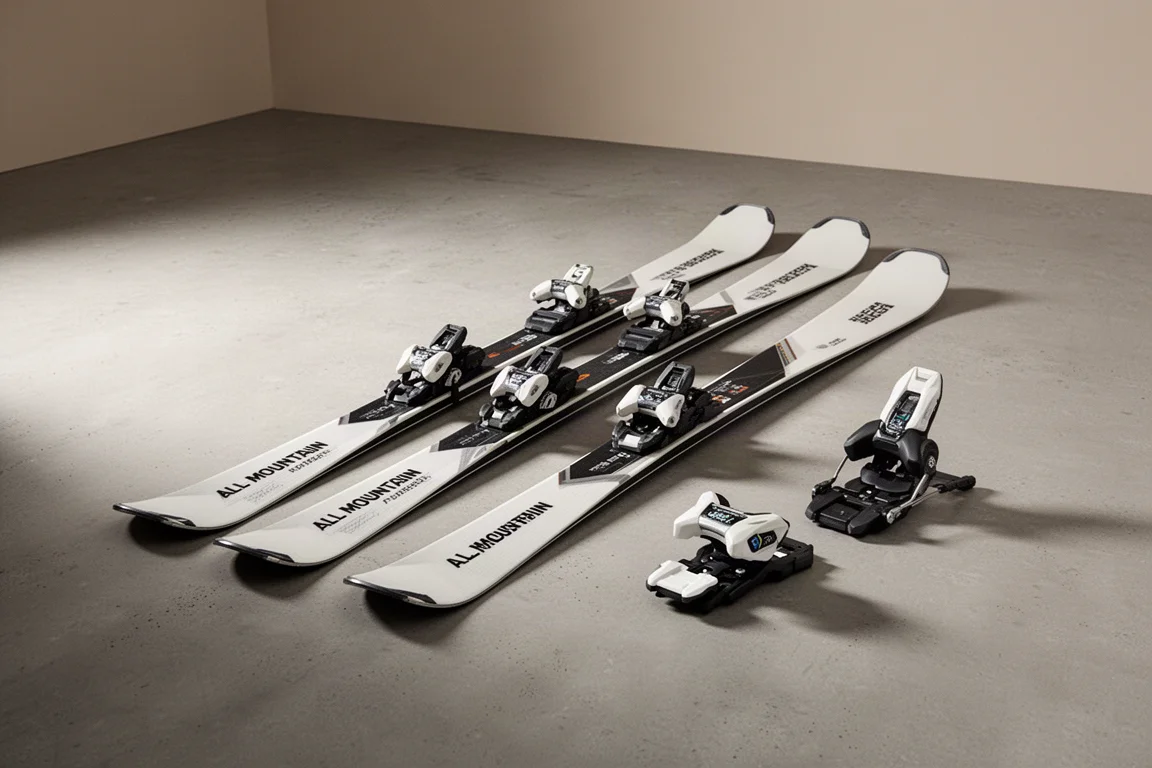
2023 Skis of the Year: Atomic Maverick 88 TI, Salomon QST 106, and Look SPX 12 Pro
Three standout ski picks for all-mountain carving, powder days, and reliable binding performance, with practical buying notes for 2023 models.
Ski Gear
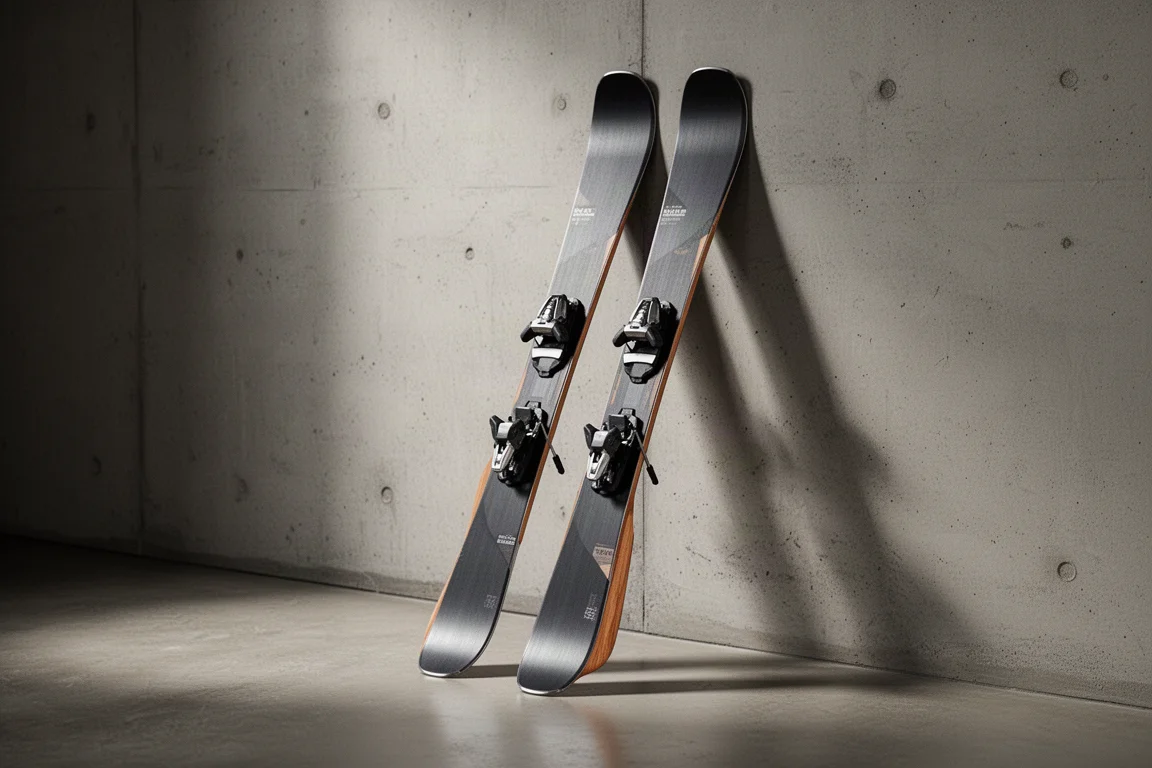
2025 Nordica Enforcer 104 Review: A Directional Charger Replaces the 104 Free
The 2025 Nordica Enforcer 104 drops the Free name and the twin-tip personality, gaining weight, stiffness and composure in rough snow. Here is what changed and who it suits.