Ski Training
Carv 2.0 Review: Digital Ski Coaching That Follows You Down the Mountain
A lighter, smaller ski training system with a rebuilt app, terrain-aware feedback, and a few trade-offs worth knowing about before you clip it to your boots.
Introduction
Carv 2.0 is a ski training system built around small motion sensors that clip to your boots, pair with your phone, and coach you while you ski. The idea is simple: measurable feedback on your turns, edge angles, balance, and timing, delivered straight into your ears without needing an instructor beside you. For skiers who want to genuinely improve rather than just rack up vertical meters, it is one of the more interesting tools available.
I skied with Carv 2.0 across groomers, steeper pitches, and mixed terrain, testing its coaching modes, tracking, and app. Here is how it performs, what changed from the original hardware, and whether it is worth your money.
What Carv 2.0 Changes Over the Original
The original Carv used a pressure-sensing footbed plus a separate power pack, and it was genuinely revolutionary for skiing. But it had real problems. The footbed was impressively thin at 2.5 mm at the front and 4.5 mm where the motion sensor sat, which was fine for beginners and intermediates with roomier boots, but advanced skiers with tight-fitting performance boots noticed the intrusion. The cables also broke frequently in camp use, and the proprietary charging cable was a recurring annoyance.
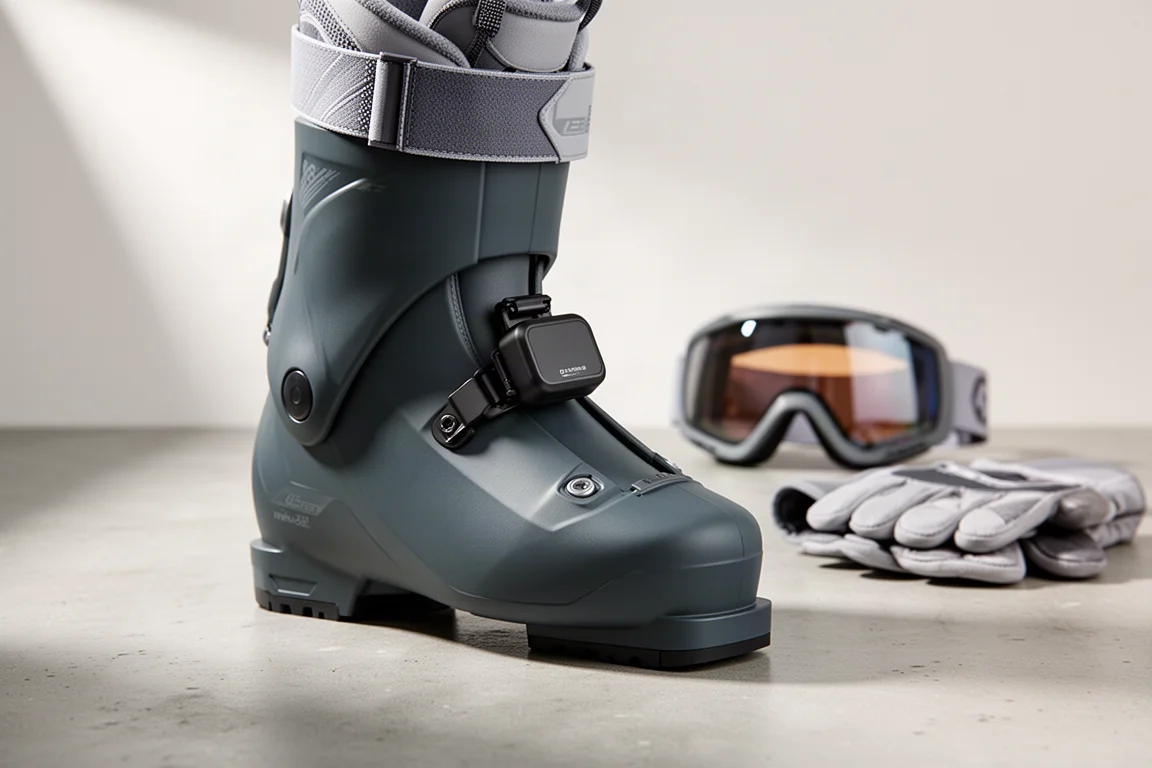
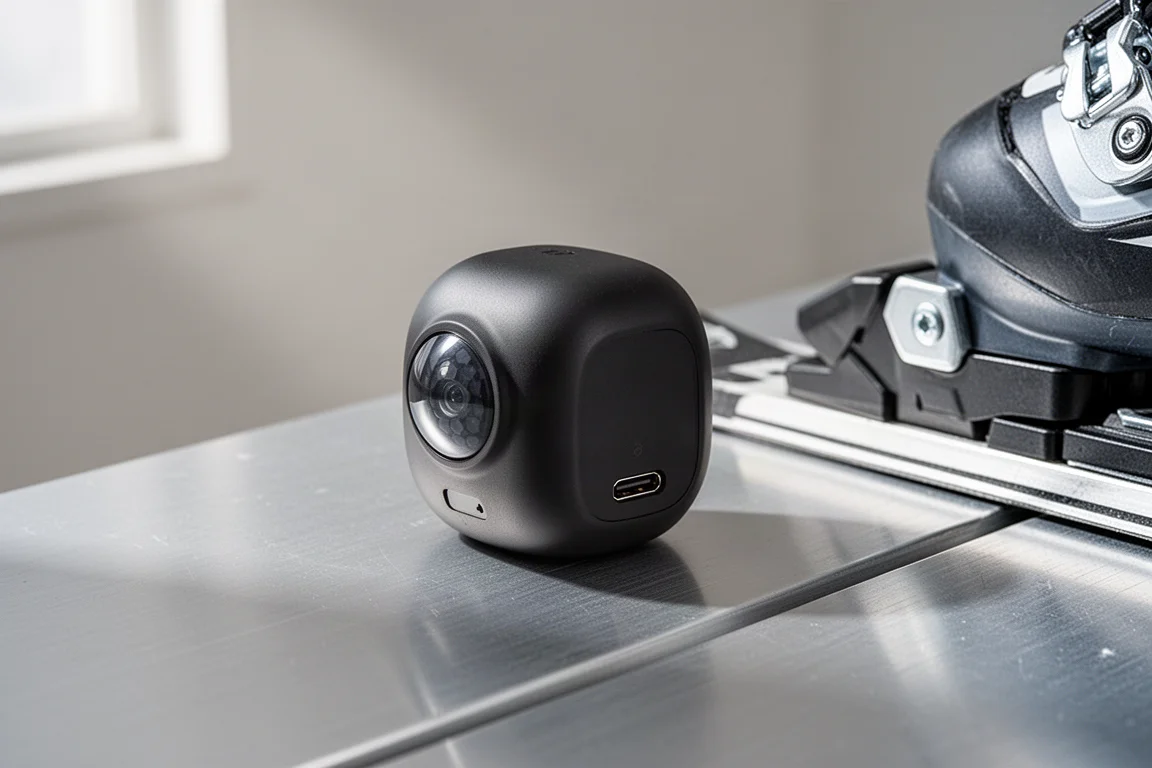
Carv 2.0 abandons the footbed entirely. The motion sensor that used to live in the insole is now packed into a much smaller, neater device that charges over USB-C, which is a welcome modernization. You can stick it anywhere on the boot with no fiddling with liners.
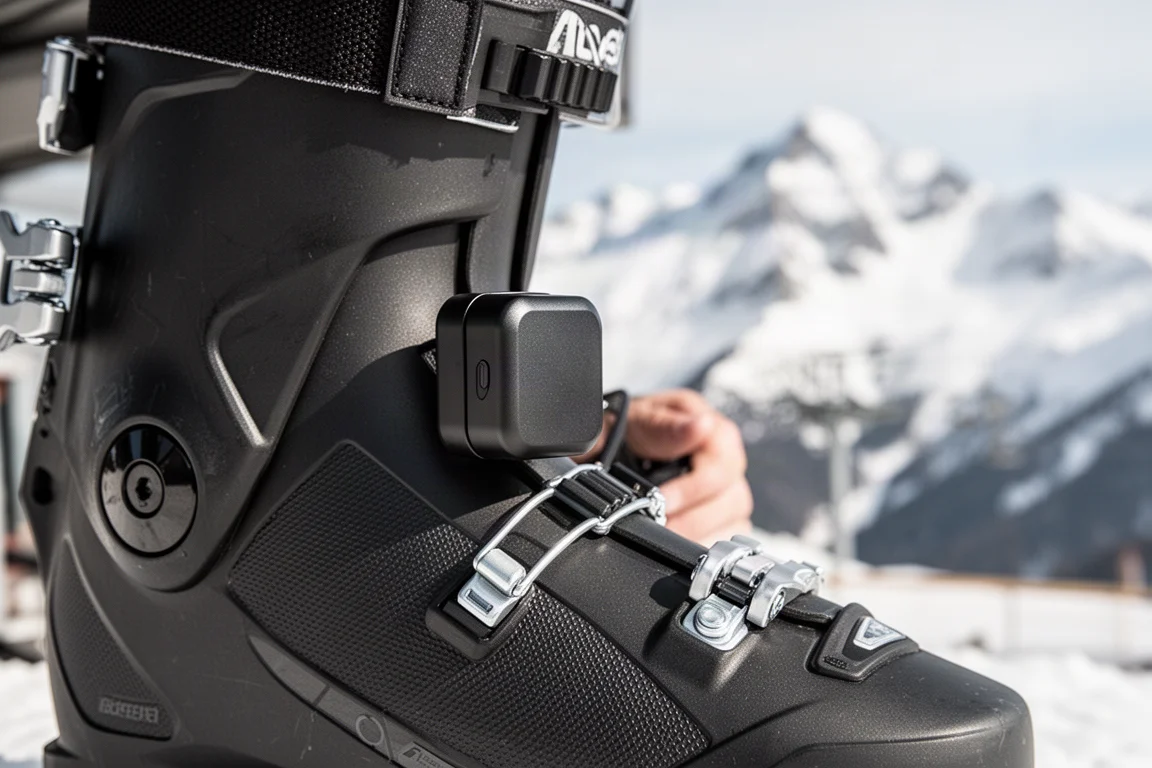
One thing to know: initial phone pairing did not work straight away out of the box. The sensors needed a brief power-bank charge to activate, after which they connected immediately. On the plus side, there is no longer any calibration routine, which genuinely saves steps on the hill.
The obvious question is what you lose by dropping the pressure sensors. The answer, for most skiers, is surprisingly little.
Audio Coaching: Choose How Much You Hear
The app is the heart and soul of this product, and audio coaching is where it shines. Because the feedback arrives in your ear, being able to control how much you hear matters, especially when you just want to enjoy the view or hang out with friends.
There are four coaching levels:
- Ski IQ only: a score read out occasionally, ideal for skiing with a group of friends.
- Ski IQ and tips: tips when you stop on the slope or ride the chair lift, a personal favorite for staying engaged without constant chatter.
- Real-time feedback: tips and confirmation sounds after every turn. Effective, but tiring, and best limited to a couple of focused runs per day.
- Monitor: readouts such as your edge angle after every single turn. Even more intense, so use it sparingly.
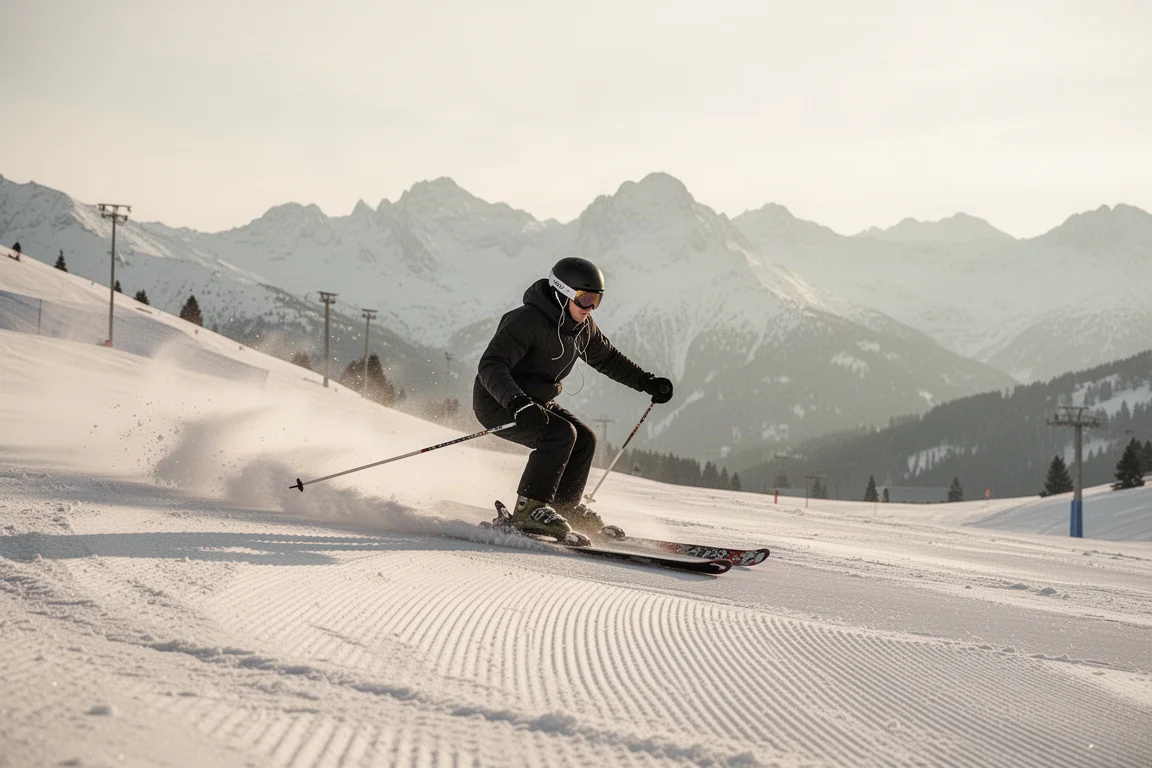
The best new feature is the ability to choose your focus metric. Previously you received general feedback that might not match what you were actually working on. Now, if a coach tells you to work on extra-high edge angles, you can set the coaching to target exactly that. That alignment between your coaching goals and the app is a meaningful upgrade.
The app also detects terrain type, categorizing runs as smooth, uneven, mogul, or powder, and adjusts its feedback and Ski IQ scoring accordingly. Ripping a clean carved turn on choppy terrain earns proper credit, which makes the scoring feel far fairer. The terrain detection also opens the door to useful powder coaching built around rhythmic short turns.
The Biggest Limitation: It Only Measures Your Boots
Carv’s fundamental constraint is that it only measures what happens in your boots. That leads to blind spots. The classic example is the A-frame: when carving, the inside ski sits at a much flatter edge angle than the outside ski, often because the hip rotates outward. Carv might coach you to roll the inside ski onto the little toe, the metric improves, but your hip may still be pointing outward.

This is fixable, but not by the device alone. The practical solutions are either professional coaching or video analysis with a friend, which will catch what the upper body is doing. It is also worth noting that once you are well beyond expert level, the feedback can feel too basic. Still, even for strong skiers it keeps you accountable and motivated, which is its own kind of value.
Who Should Buy Carv 2.0
If you are a keen skier who wants to get better and have more fun, Carv 2.0 is an easy recommendation. Even if you only ski one week a year, it is cheaper than regular ski lessons and will make you a better skier.
For beginner through intermediate and advanced skiers, the audio coaching delivers genuinely valuable feedback. If you are working toward a high-level instructor qualification, it is a useful accountability and progress-tracking tool. For the very top tier of skiers, the coaching is less valuable, though the motivation effect is real: the app raises targets as you improve, and chasing a Ski IQ in the 150s or beyond is genuinely addictive. The scoring has also been made harder to push the spread between elite skiers, which adds challenge rather than frustration.
Conclusion
Carv 2.0 fixes the original’s most practical complaints: no more footbed, USB-C charging, no calibration, and a sensor you can attach anywhere on the boot. The pressure-based outside-ski metric is gone, but the accelerometer-based approach keeps balance, edging, and turn-shape feedback intact while adding terrain detection and a sharper, more motivational scoring system. For the vast majority of skiers, this is a training tool that will make you measurably better, run after run.
Product link
View more details for Carv 2.0
This product is mentioned in the review. Check the specifications, options, and compatibility before buying.
View more details for Carv 2.0Further reading