Work Boots
Carolina vs Thorogood 8-Inch Moc Toe Work Boots: Which One Should a Carpenter Buy?
Two very similar American-made 8-inch moc toe work boots go head to head. Here is how they compare on fit, sole durability, stitching, and day-to-day comfort.
Introduction
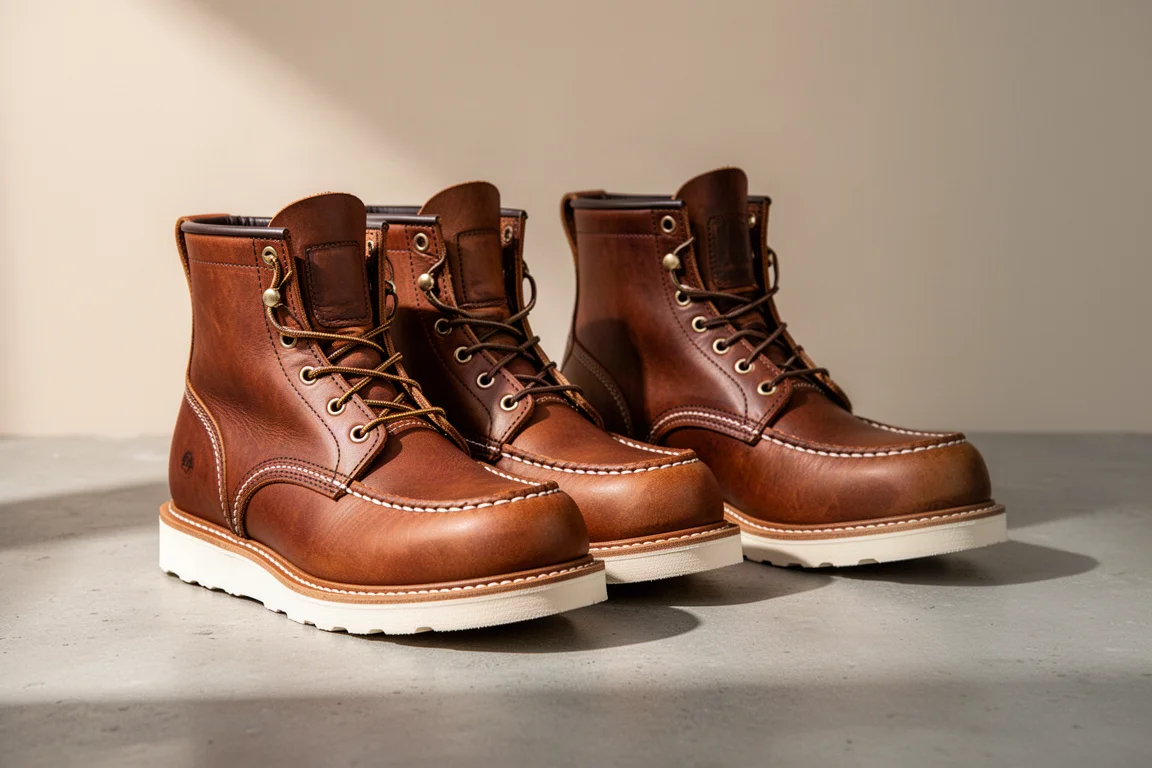
For anyone who has spent years on a jobsite, the 8-inch brown moc toe lace-up with speed hooks is a defining piece of workwear. For decades, an affordable Sears Die Hard version of this style was the default choice for many carpenters. That price point is gone now, and the search for a replacement has effectively narrowed to two serious contenders: Carolina and Thorogood.
Both are close in construction, close in price, and both have a loyal following. After long-term wear testing of each, the choice comes down to fit details that matter more than any spec sheet, especially the shape of the toe box and how the sole holds up under real jobsite abuse. This guide breaks down how the two compare and which foot shapes each one suits best.
Why the 8-Inch Moc Toe Design Still Makes Sense
There is a reason this boot silhouette has barely changed in generations. The 8-inch top keeps dirt and debris out of the boot during a full day of framing or site work. The speed-hook lacing on that tall shaft supports the ankle, which matters on ladders, uneven ground, and roof framing. The moc toe adds a classic look that reads presentable even when the wearer has just walked off a jobsite.
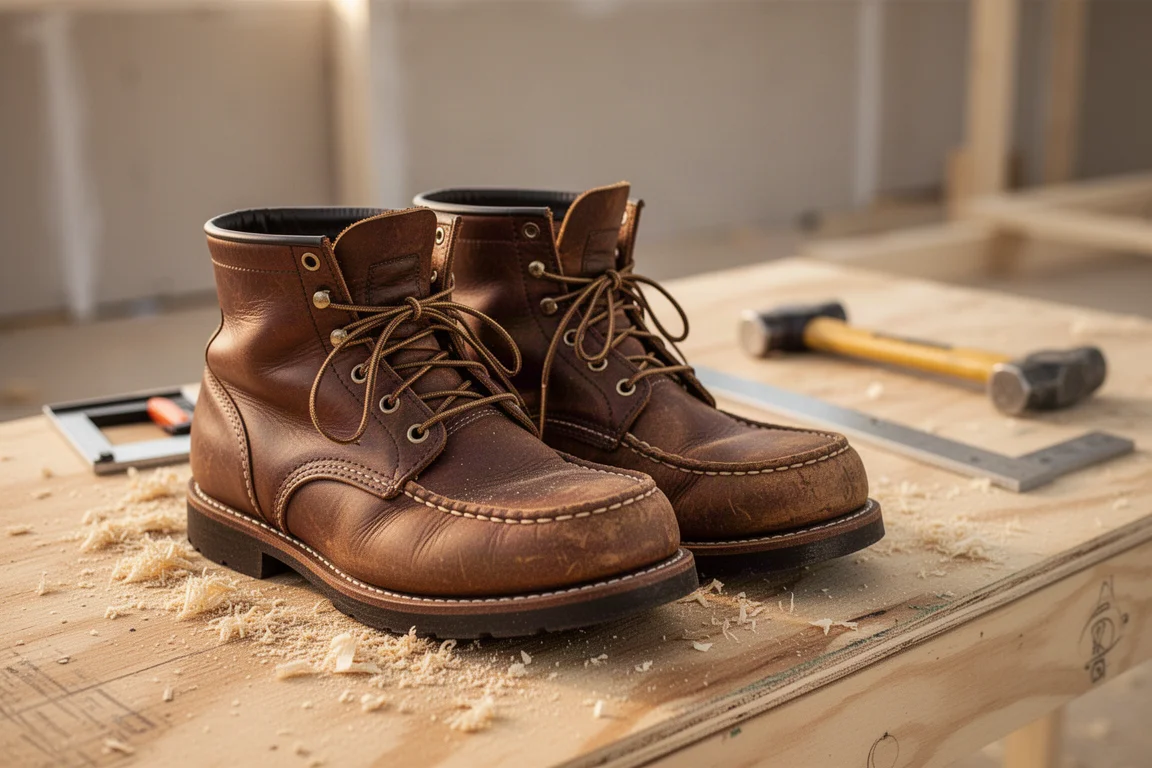
There are trade-offs to acknowledge. This style is not fully waterproof, only somewhat water resistant, and welding sparks will burn through the laces. For many wearers, the trade is still worth it for a boot that works as hard as it looks.
Construction and Stitching Quality
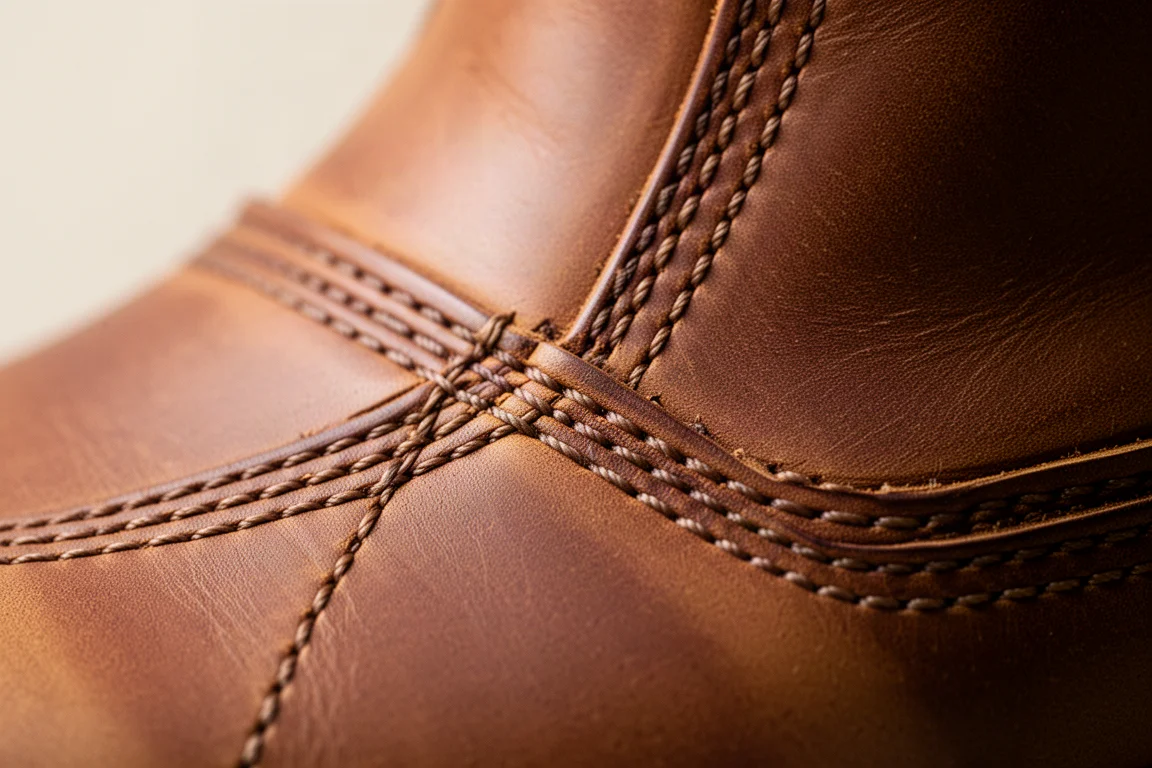
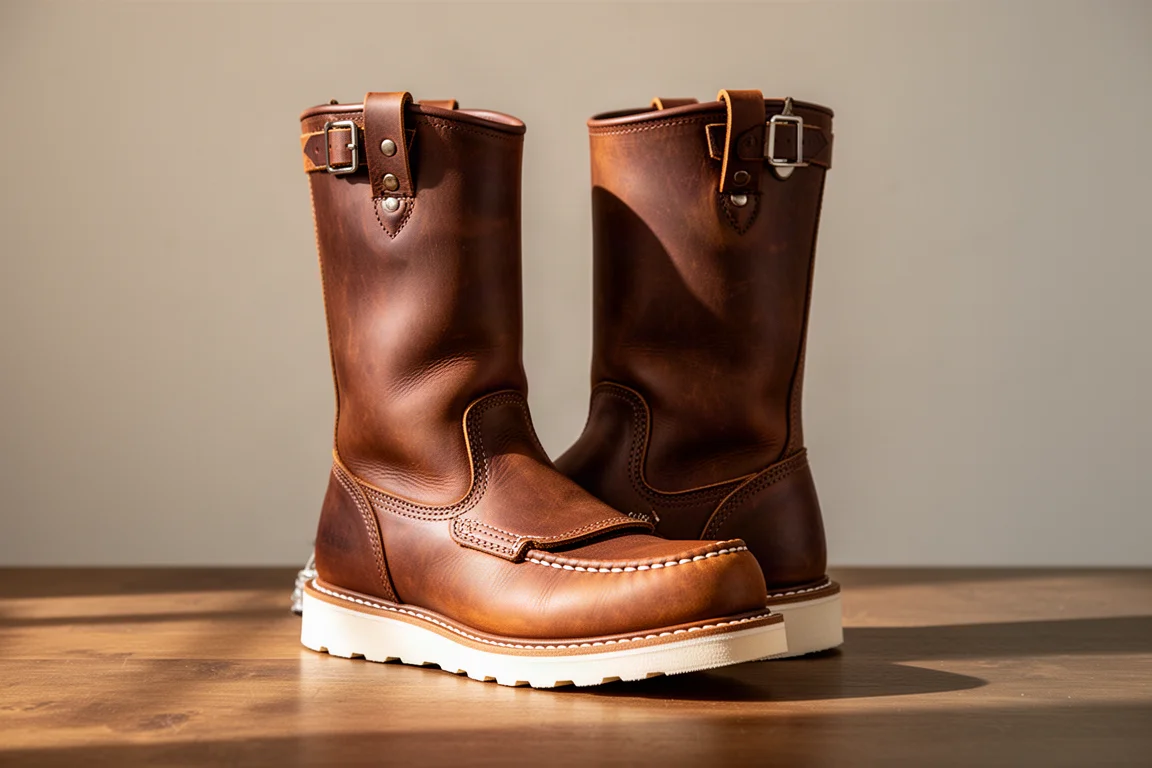
Both the Carolina and the Thorogood are built to a very similar, very high standard. Triple stitching appears in the same places on both boots, double stitching where two rows are adequate, and the seams are straight, parallel, and neatly rendered rather than bulky or coarse. The leather grade is similar, the band around the top is similar, and the lacing hardware shows no signs of failure on either pair. Both are made largely in the United States, and the Thorogood in particular carries strong loyalty in union trades, especially among ironworkers.
The key difference is fit: the Carolina has a noticeably wider, extra-roomy toe box, while the Thorogood’s toe box is narrower with a more finished overall profile.
Fit and All-Day Comfort
Fit matters more than any other factor here, and it is genuinely foot-dependent. For a long, narrow foot in a D width with a low arch, the Carolina’s extra-wide toe box can eventually stretch out further, letting the foot slide and causing fatigue. The Thorogood’s narrower toe box held its shape, kept the foot supported, and solved that problem entirely for this foot type.
Carolina wearers with wider feet will likely find the roomier toe box a genuine advantage, and the boot’s overall comfort and build quality remain excellent. Trying both is strongly recommended, because the same boot can feel like a blessing or a liability depending on foot shape.
Sole Durability and Grip
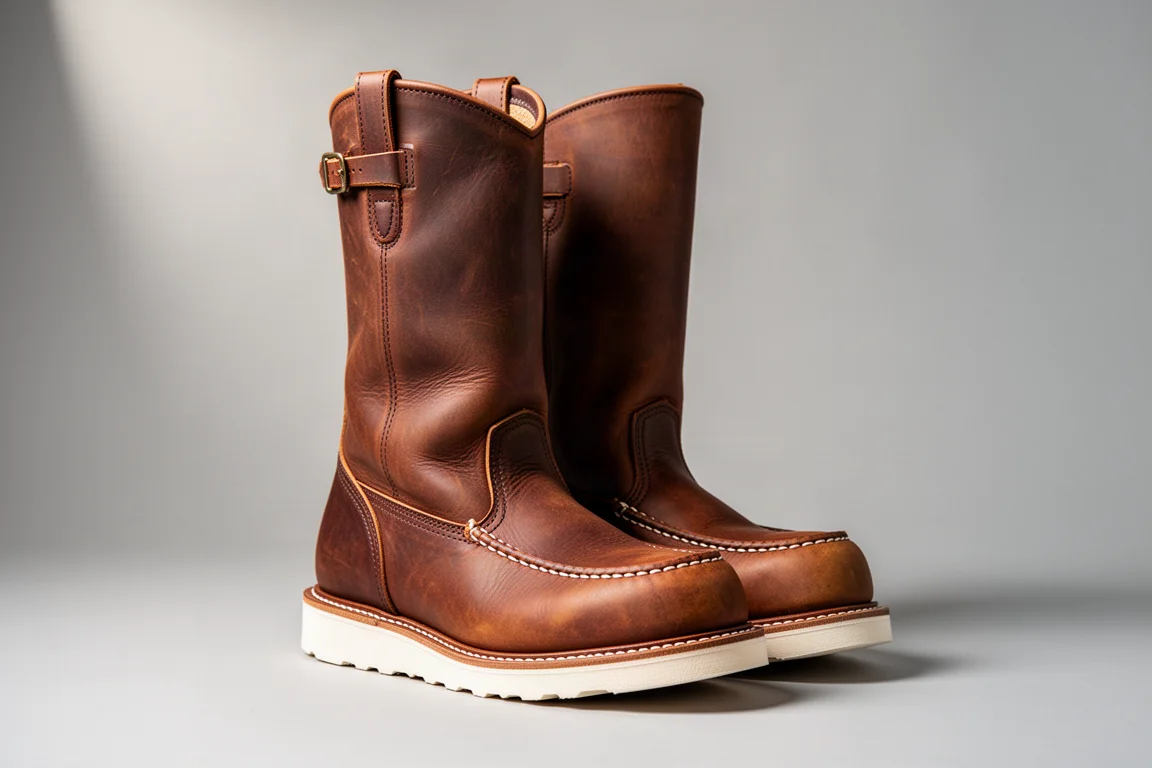
The classic white crepe sole is the known weakness of this boot category. On the Carolina, the crepe sole wore away quickly under heavy jobsite use, requiring a resole, and discomfort followed soon after. The Thorogood uses a harder urethane compound on the bottom of its crepe-style sole that behaves much like the old Die Hard sole.
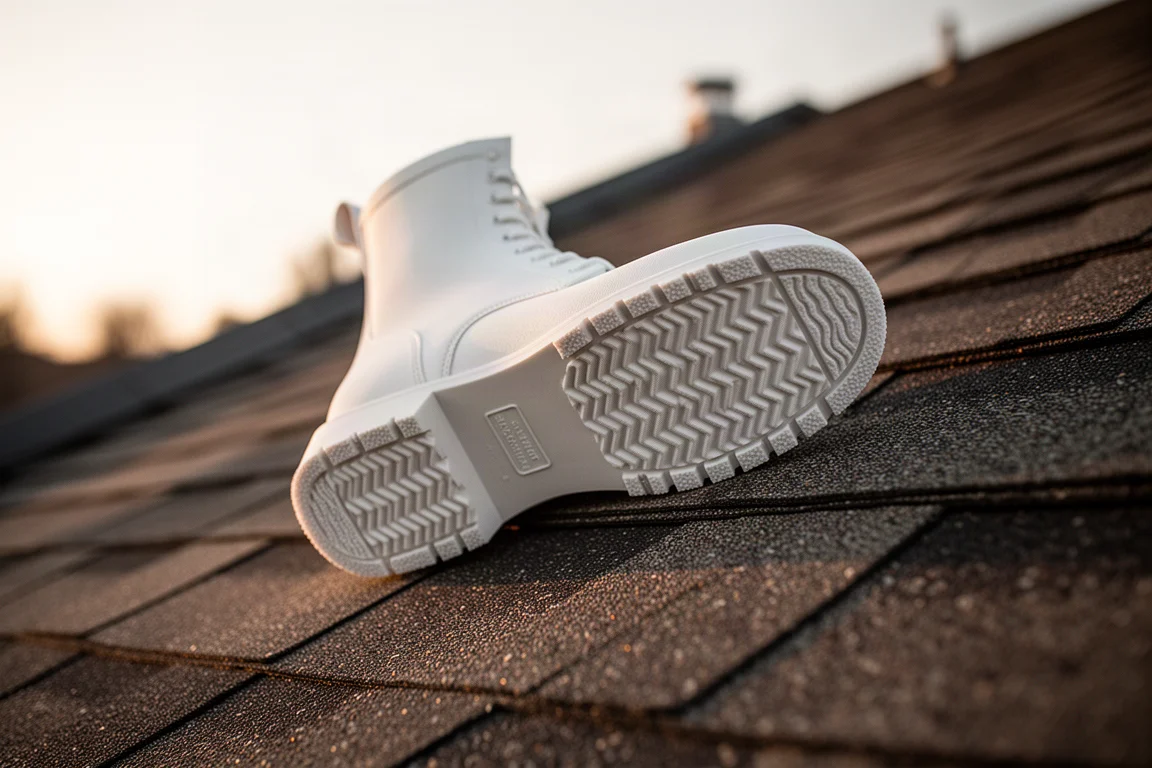
After roughly nine months of hard wear, the Thorogood sole showed no signs of melting away, and grip on a roof was every bit as sure-footed as the classic crepe. The Carolina’s stitching, leather, laces, and hooks are beyond reproach; the sole compound is simply its weak point.
Price and Value
Both boots now sell in the low $200 range, and prices move up and down as the two brands compete head to head. That is significantly more than the old Sears Die Hard boots cost, but the era of that price point is over. Considering the build quality, resole potential, and all-day comfort on offer, the current pricing reflects what these boots genuinely are: a long-term workwear investment rather than a disposable purchase.
Which Boot Is Right for You
The honest answer is that either choice is a good one, and the decision hinges on two things: foot shape and sole expectations.
Choose the Carolina if you have a wider foot and value the extra-wide toe box, and you accept that the crepe sole may need attention sooner. Choose the Thorogood if you have a narrower or low-arched foot, want a sole compound that resists wearing through, and prefer a slightly more finished silhouette that cleans up well for meetings and site visits.
Keeping the Leather Alive: Boot Care
Regular maintenance is what turns either boot into a decade-long companion. A traditional boot grease worked into the leather after cleaning keeps the uppers supple, resists moisture, and sharpens the boot’s appearance before client meetings or interviews. Oiled and cleaned up, either boot looks genuinely presentable, not just jobsite-tough.
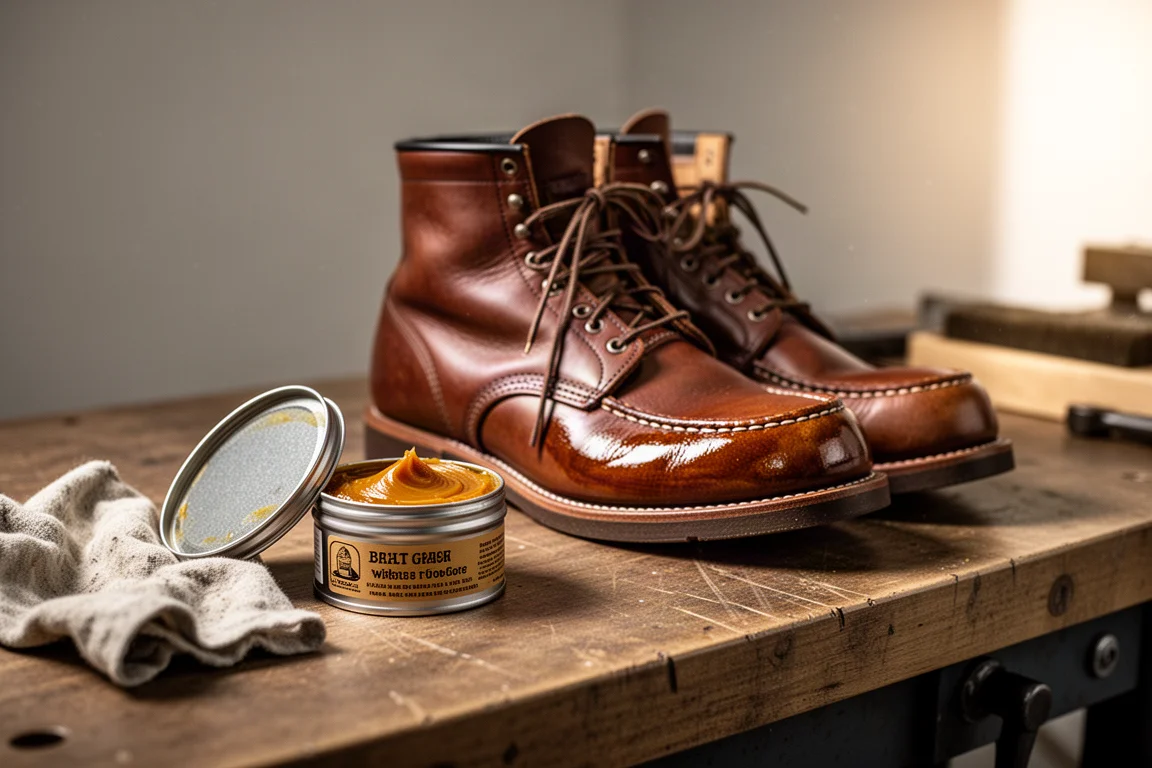
A simple routine of cleaning, greasing, and checking the laces and speed hooks goes a long way, and it is the same whether the boots are Carolina or Thorogood.
Conclusion
The Carolina and Thorogood 8-inch moc toe boots are remarkably similar products at a similar price, both built to a standard that justifies the investment. For a narrow, low-arched foot and concern about sole durability, the Thorogood is the safer pick. For a wider foot that needs room, the Carolina remains an excellent, well-made alternative. Choose based on your foot, wear them hard, and maintain the leather, and either pair could plausibly be on your feet for many working years to come.
Further reading
Related Reviews
Work Boots
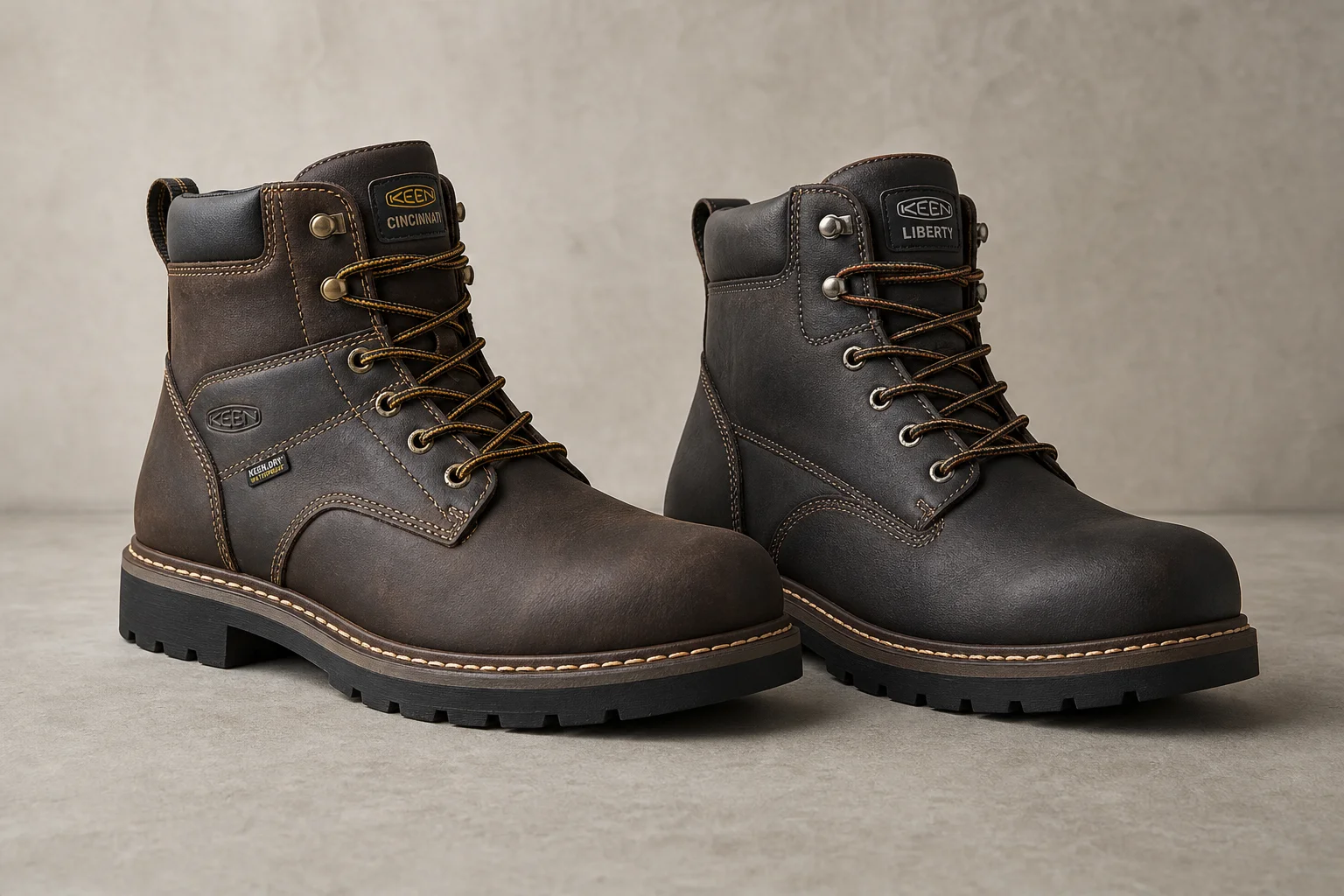
Keen Cincinnati vs Liberty: Which Wide Toe Box Work Boot Wins?
A detailed comparison of two popular Keen work boots reveals significant differences in construction, materials, and durability despite similar positioning.
Work Boots
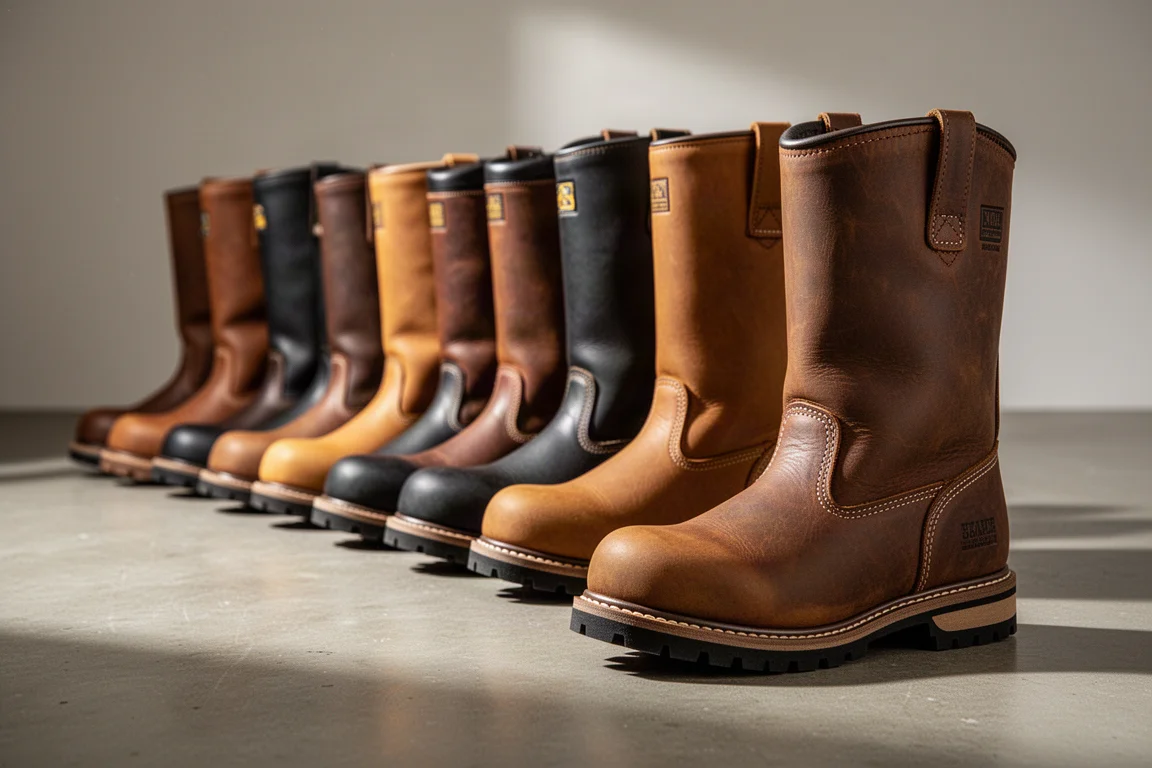
12 Steel Toe Work Boots Tested: Budget Pair Against Nearly $300 Flagships
Twelve work boots go through traction, puncture, toe crush, heat, and electrical hazard testing, plus a half-mile comfort walk. The results are not what the price tags suggest.
Work Boots
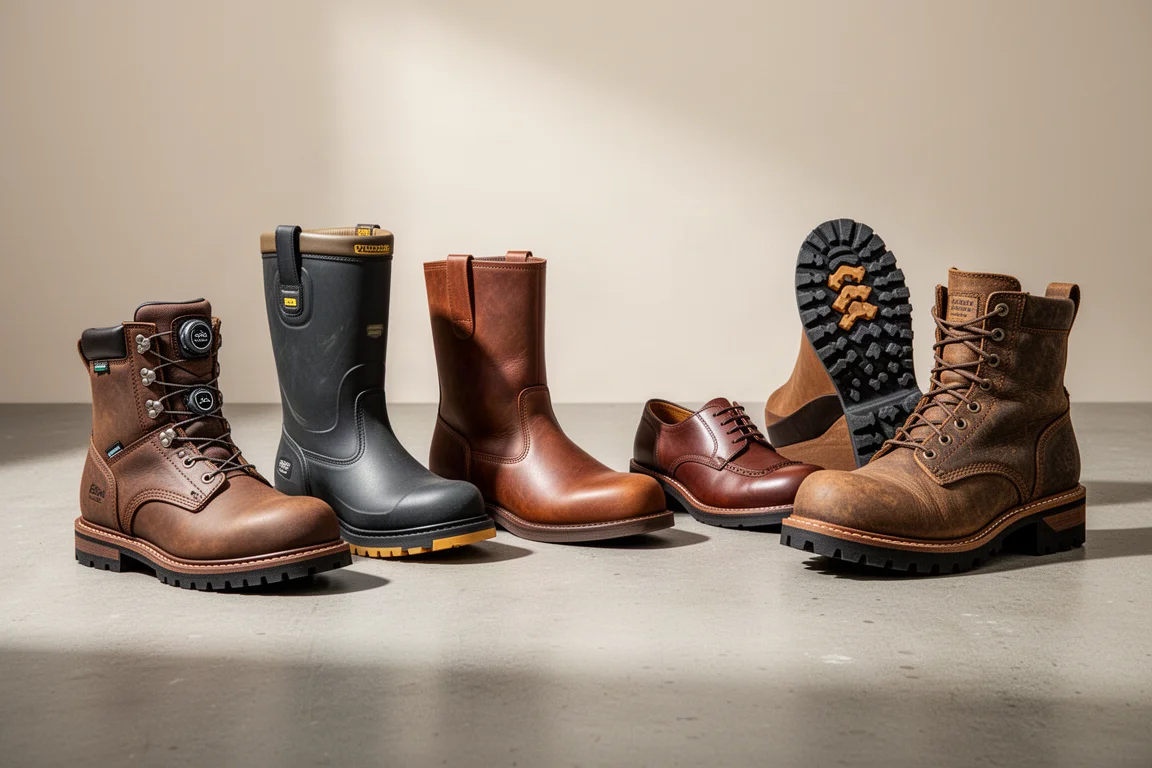
Best Work Boots 2026: Our Top Picks for Comfort, Safety, and Value
Six work boots that stood out in testing, from a waterproof pick to a budget favorite and a three-time best overall winner.